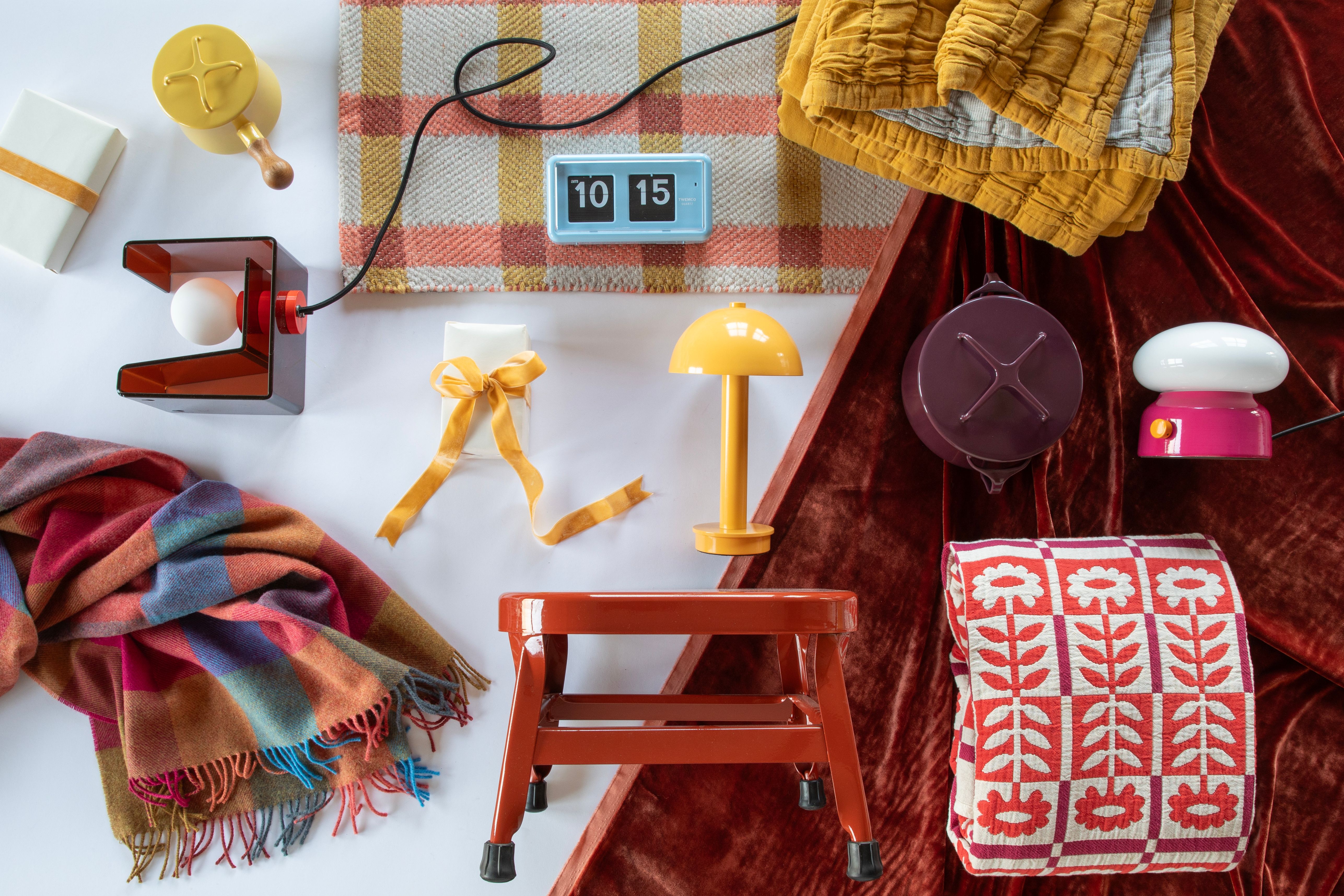
For years, we’ve been told that a beautiful home is one that looks perfect in a square-cropped photo. We focused on "performative design"—the high-gloss finishes and the open-plan social spaces meant for entertaining guests we rarely see. But as we look toward 2026, the tide is turning inward. The most significant shift in modern living isn't about what our guests see; it’s about how our spaces nourish us during our most private moments. In our 2026 design sentiment survey, a staggering 72% of homeowners expressed a preference for "calm corners" over open-plan social spaces. We are moving away from grand galleries and toward "Intentional Rejuvenation."
A truly mindful home isn't just a place with a few extra candles; it is achieved by designing floorplans that prioritize your daily rituals, incorporating natural elements like wildflowers, and using vintage furniture to create a grounded, unpretentious atmosphere. It is a space that breathes with you, supporting your mental well-being through every cup of tea and every morning stretch.
1. Ritual-Centric Architecture: Design from the Floorplan Up
The foundation of a mindful home starts long before you pick out a sofa. It begins with the floorplan. Historically, we’ve built homes around functions: cooking, sleeping, bathing. But ritual-centric architecture asks a different question: How do you want to feel when you move through your morning?
Designing a home around specific routines ensures that your space is not just aesthetically pleasing but functionally supportive of your mental health. Research on ritual-centric architecture indicates that residents living in homes designed specifically for their daily routines report a 40% higher satisfaction rate with their spatial functionality. Imagine a home where the path from your bed to your coffee station is bathed in soft, east-facing light, or where a mudroom isn't just a storage closet, but a "decompression chamber" where you consciously shed the stress of the outside world.

When we design from the floorplan up, we create "pockets of purpose." This might mean a window seat specifically deep enough for morning journaling or a bathroom layout that treats the shower as a meditative experience rather than a hurried task. It’s about creating a physical manifestation of your values.
Quick Ritual Tips for Your Floorplan:
- The Transition Zone: Create a dedicated "drop spot" near the entrance to leave your phone and keys, signaling to your brain that "home time" has begun.
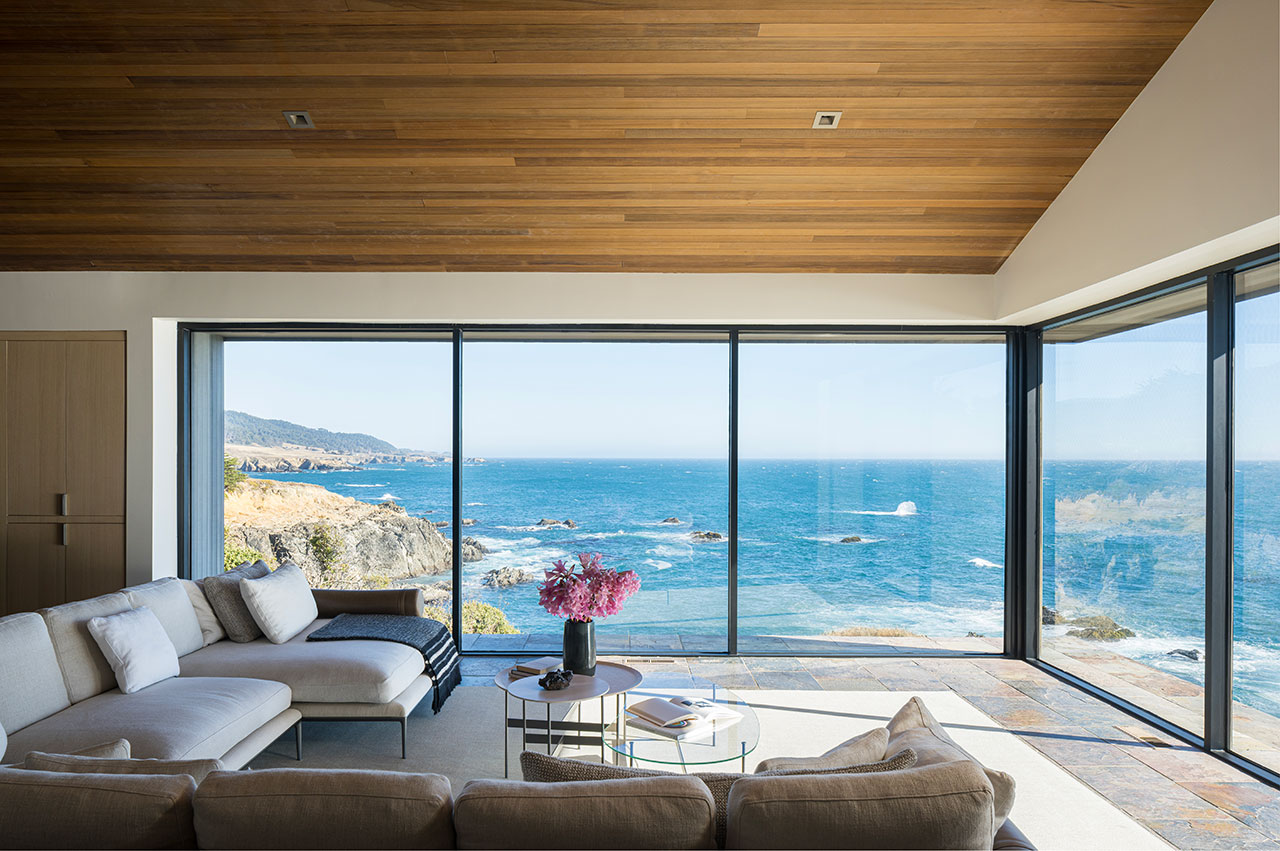
- Sightline Focus: Arrange your furniture so the primary view is toward nature or a piece of art, rather than the television.
- The "One-Task" Nook: Dedicate a small corner (even 10 square feet) to a single ritual, like reading or meditation, and keep it free of multi-purpose clutter.
2. The 2026 Stillness Movement: Meditation and Breathwork Zones
One of the top home wellness trends for 2026 is the dedicated "Space for Stillness." In an era of constant digital noise, having a physical sanctuary for meditation and breathwork is becoming as essential as a home office was in 2020. These zones don't require an entire room; they require an atmosphere of unpretentious presence.
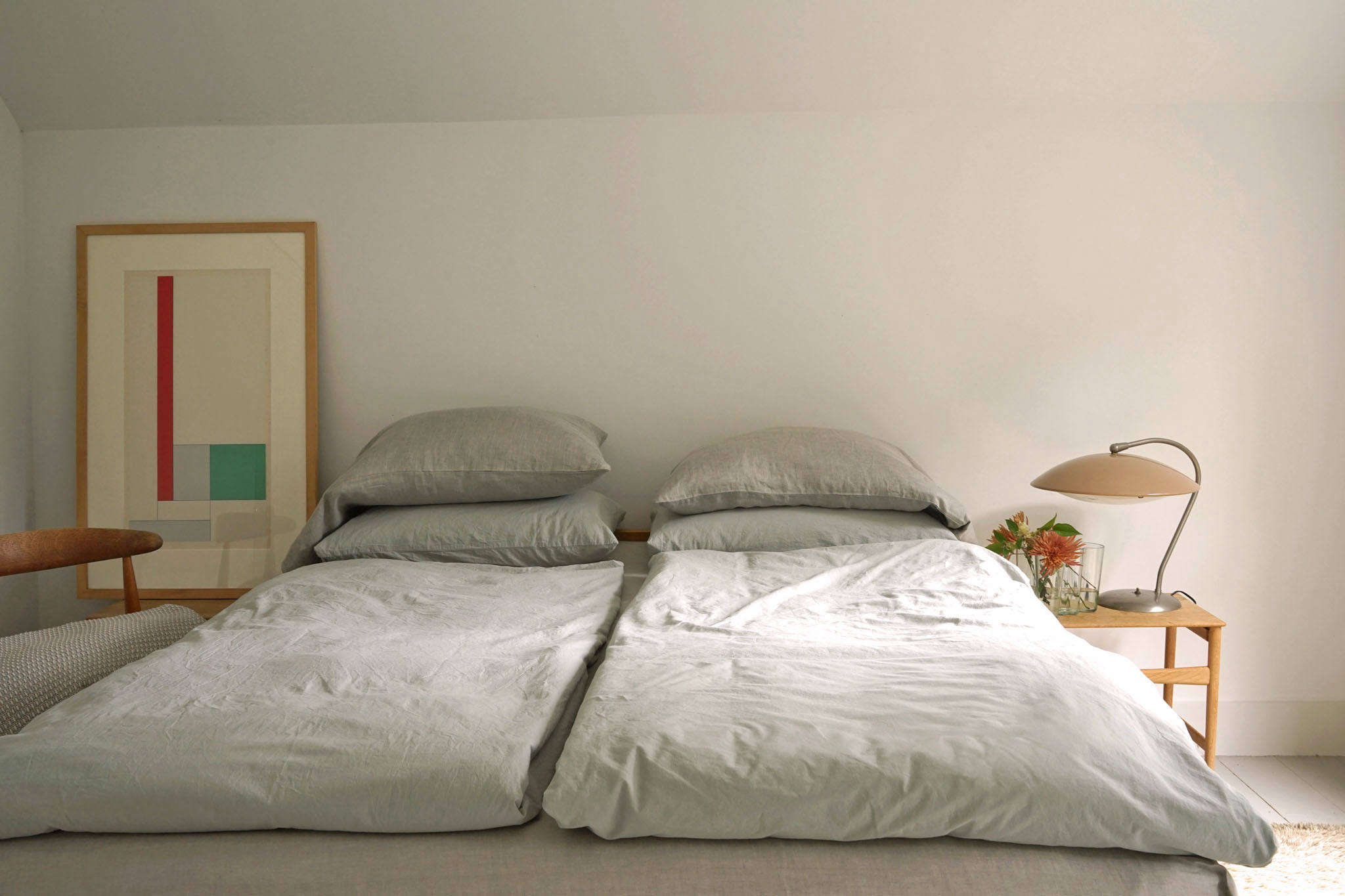
To ground these spaces, we are seeing a shift toward "biophilic integration." This isn't just about adding a few potted plants; it’s about choosing greenery with symbolic and air-purifying weight. The Chinese Elm, for example, is emerging as the symbolic plant of 2026, representing inner strength and intuition. Pairing these with "ungroomed" natural elements—like a simple vase of wildflowers or a rough-hewn wooden stool—creates a space that feels lived-in and real.

Vintage furniture plays a crucial role here as well. A well-worn leather chair or a mid-century wooden bench carries a "soul" that new, mass-produced items lack. This "grounded" aesthetic helps lower cortisol levels by providing a tactile connection to the past, reminding us to slow down.
3. Invisible Wellness: The Silent Supporters
While we often focus on what we can see, the most profound impact on our well-being often comes from what we can't see. "Invisible Wellness" refers to the environmental factors that regulate our nervous systems—light, air, and sound.
The Pillars of Invisible Wellness:
| Element | Modern Solution | Ritual Benefit |
|---|---|---|
| Lighting | Circadian-optimized LEDs | Regulates sleep/wake cycles automatically. |
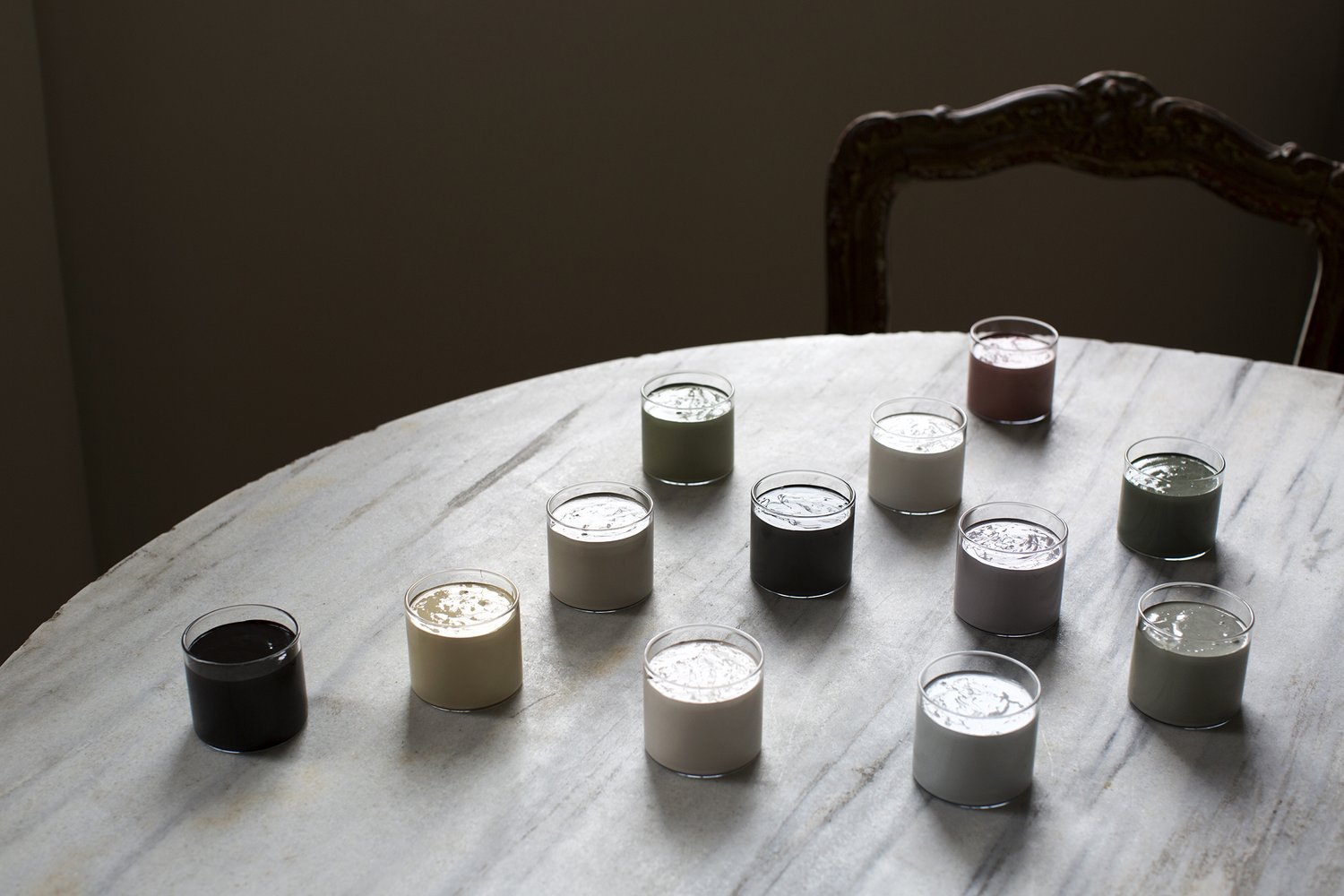
| Air Quality | Mineral-based paints & air purifiers | Reduces VOCs for "cleaner" breathing during yoga. |
| Acoustics | Integrated acoustic plaster | Minimizes echo, creating a "hushed" sanctuary feel. |
| Scent | Scent Stacking | Uses different oils to signal "work time" vs. "rest time." |
Using mineral-based "wellness paints" is a perfect example of this. These paints are often lime-based and "breathable," preventing mold and improving indoor air quality without the off-gassing associated with standard latex paints. When your environment supports your biology, your daily rituals—like a 10-minute breathwork session—become twice as effective.

Ivy's Insight: Don't underestimate the power of "Scent Stacking." I recommend a crisp, citrus-based scent for your morning routine and a deep, grounding Hinoki or Sandalwood for the evening. It creates an olfactory "anchor" for your rituals.
4. The Analog Revival: Slow Living in a Digital World
In 2026, we are witnessing a beautiful rebellion against "the screen." Digital fatigue is real, and our homes are the primary battleground. The mindful home prioritizes "unplugged" zones where analog activities take center stage.
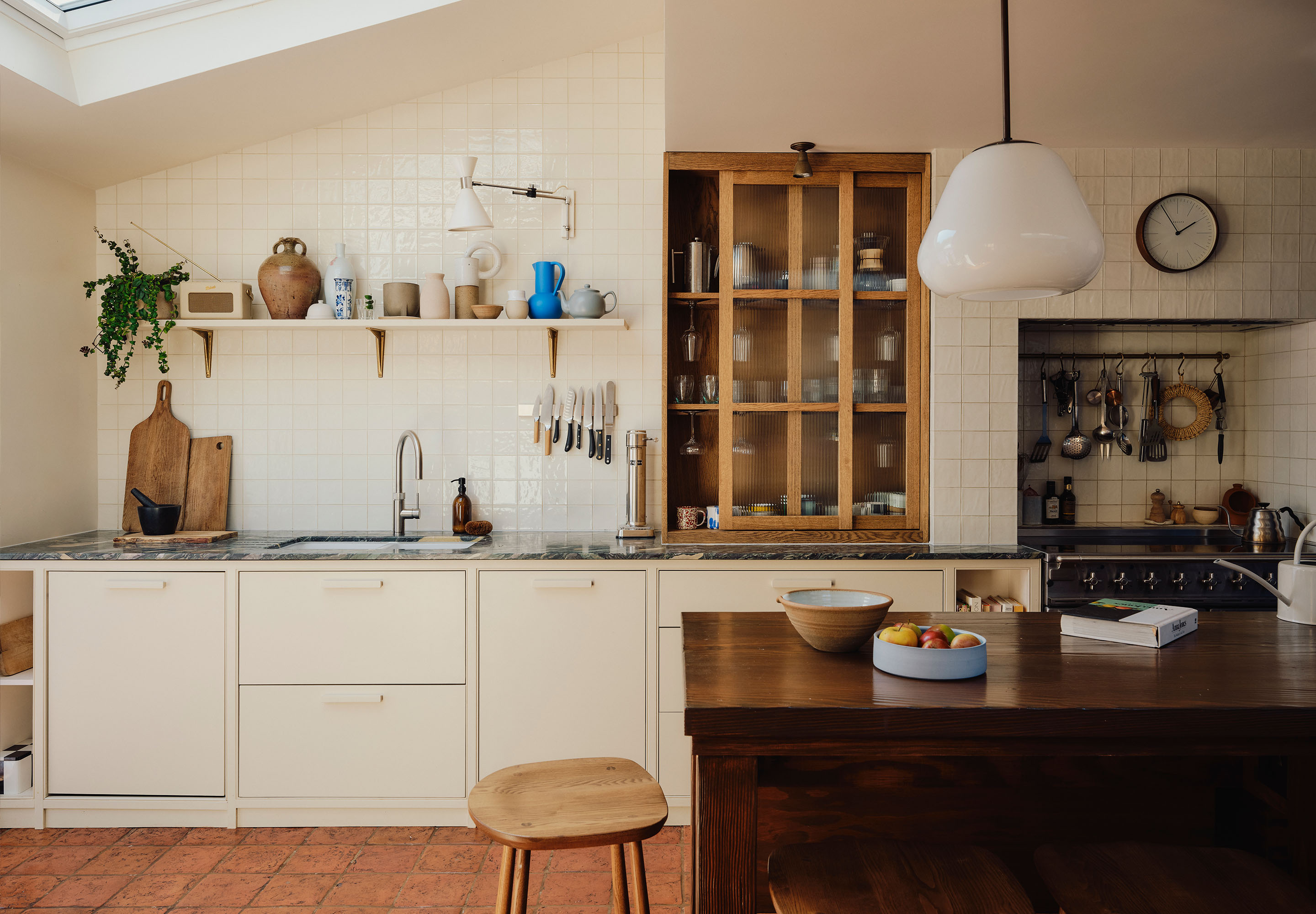
There is a tactile joy in the ritual of the "slow made." We are seeing the return of vinyl record bars, where the act of selecting a record and dropping the needle becomes a sensory experience. In the kitchen, the high-tech espresso machine is being joined (or replaced) by the humble moka pot or a pour-over set. These rituals take time—and that is exactly the point. They force us to be present in the "in-between" moments.
Analog Elements to Reintroduce:
- Physical Cookbooks: Displayed on a dedicated stand, encouraging a screen-free cooking experience.
- Paper and Pen: A beautiful stationery set on a desk to encourage handwritten notes or morning pages.
- The Record Nook: A dedicated space for listening, with comfortable seating that doesn't face a TV.
5. High-Tech Pet Wellness and Bio-Hacking Spas
Mindfulness isn't just for the humans in the house. We are seeing a significant rise in high-tech pet wellness products integrated directly into the home's design. This includes waist-height pet showers in utility rooms (saving your back and keeping the house clean) and infrared pet beds that aid in joint recovery for aging companions.
For the humans, the "Bio-Hacking Spa" is moving from the luxury gym into the primary bathroom. Infrared shower rooms and PEMF (Pulsed Electromagnetic Field) mats are becoming standard in wellness-focused renovations.

Even the kitchen is evolving with the rise of "At-home Juice Bars." Instead of hiding your supplements in a dark cabinet, we’re seeing beautiful, organized stations for hydration powders, collagen, and tinctures—making the ritual of self-care visible and easy to maintain.
6. Small Space Mindfulness: Intentionality in Compact Living
You don't need a sprawling estate to create a mindful home. In fact, compact living often forces a level of intentionality that larger homes lack. The key to small-space mindfulness is choosing quality over quantity and utilizing architectural "tricks" to create the illusion of peace.
Using mirrors strategically can double your visual space and, more importantly, double the amount of natural light in a room. Vertical design—using tall, slender bookshelves or floor-to-ceiling drapes—draws the eye upward, creating a sense of "airy" openness even in a studio apartment.

In a small space, every object must earn its keep. Multi-functional furniture, like a coffee table that doubles as a storage trunk for meditation cushions, allows you to clear the "visual clutter" that often leads to mental clutter.
FAQ
How can I start creating a mindful home on a tight budget? You don't need a full renovation. Start by identifying one "ritual corner." Clear it of all clutter, add a single plant (like a small Chinese Elm or even local wildflowers), and ensure it has a comfortable place to sit. Use "scent stacking" with affordable essential oils to define the space's purpose.
What is the most important wellness trend for 2026? The shift from "open-concept" to "broken-plan" or "calm corners." People are realizing that privacy and acoustic separation are more important for mental health than a giant, echoing room.
How does biophilic design actually affect my mood? Biophilic design works on a biological level. Seeing natural fractures (like the patterns in wood grain or leaves) triggers a "parasympathetic" response in the brain, which lowers heart rate and reduces stress.
Start Your Journey
Designing a mindful home is a journey of self-discovery. It asks you to look at your daily life with honesty and kindness. My advice? Start small. Choose one ritual—perhaps your first cup of water in the morning or the way you dim the lights at night—and design a small "moment" around it. Your home should be your greatest supporter. Let's make sure it’s speaking the same language as your soul.