Imagine walking into a room that doesn't just look beautiful, but actually breathes with you. For years, the world of interior design has been obsessed with the visual—the "Instagrammable" corner or the perfect color palette. But recently, a profound shift has occurred. We are moving away from aesthetic-first design toward a "feeling-first" philosophy. This is the realm of neuroaesthetics: the scientific study of how our environment—specifically light, sound, and geometry—affects our emotional and physical well-being. At its core, neuroaesthetics in home design is about creating spaces that regulate our nervous systems, reduce cortisol, and foster a genuine sense of peace.
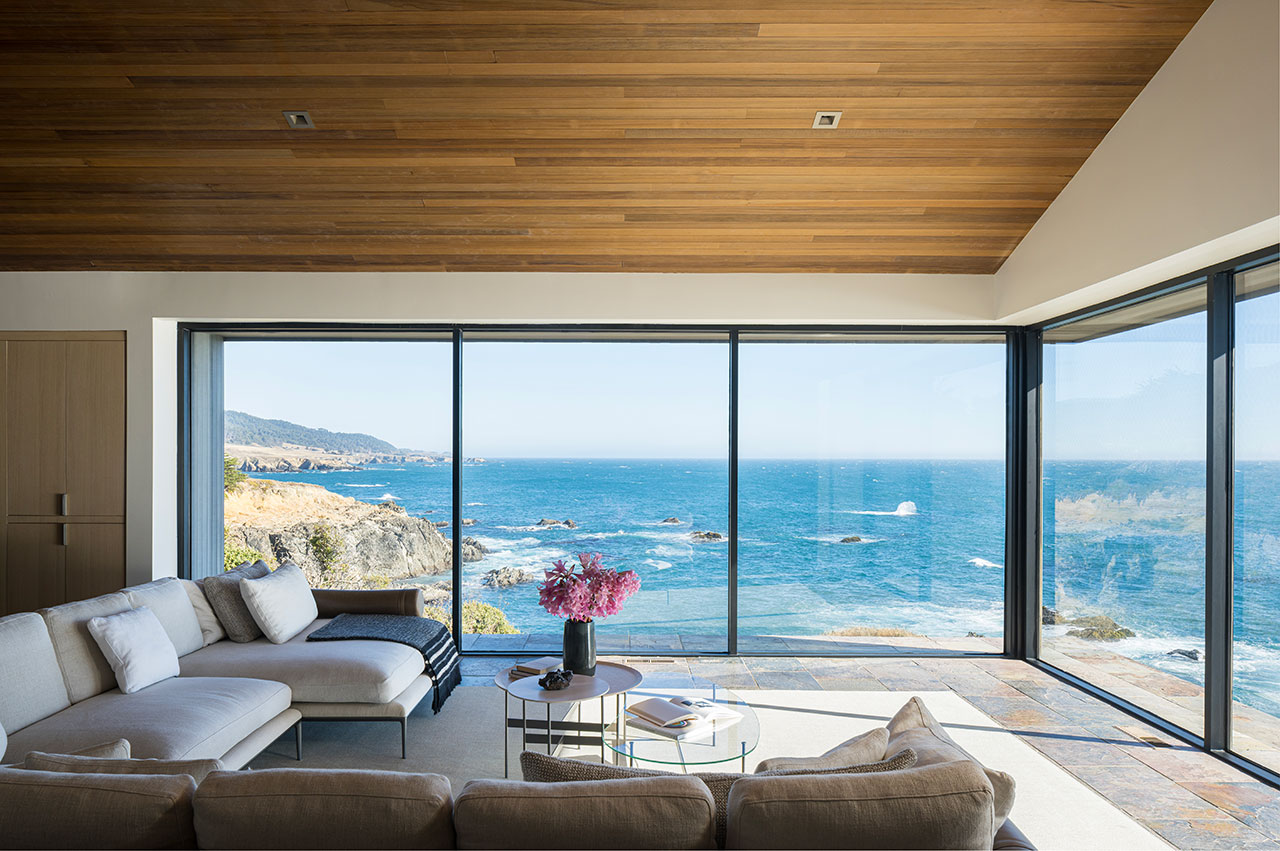
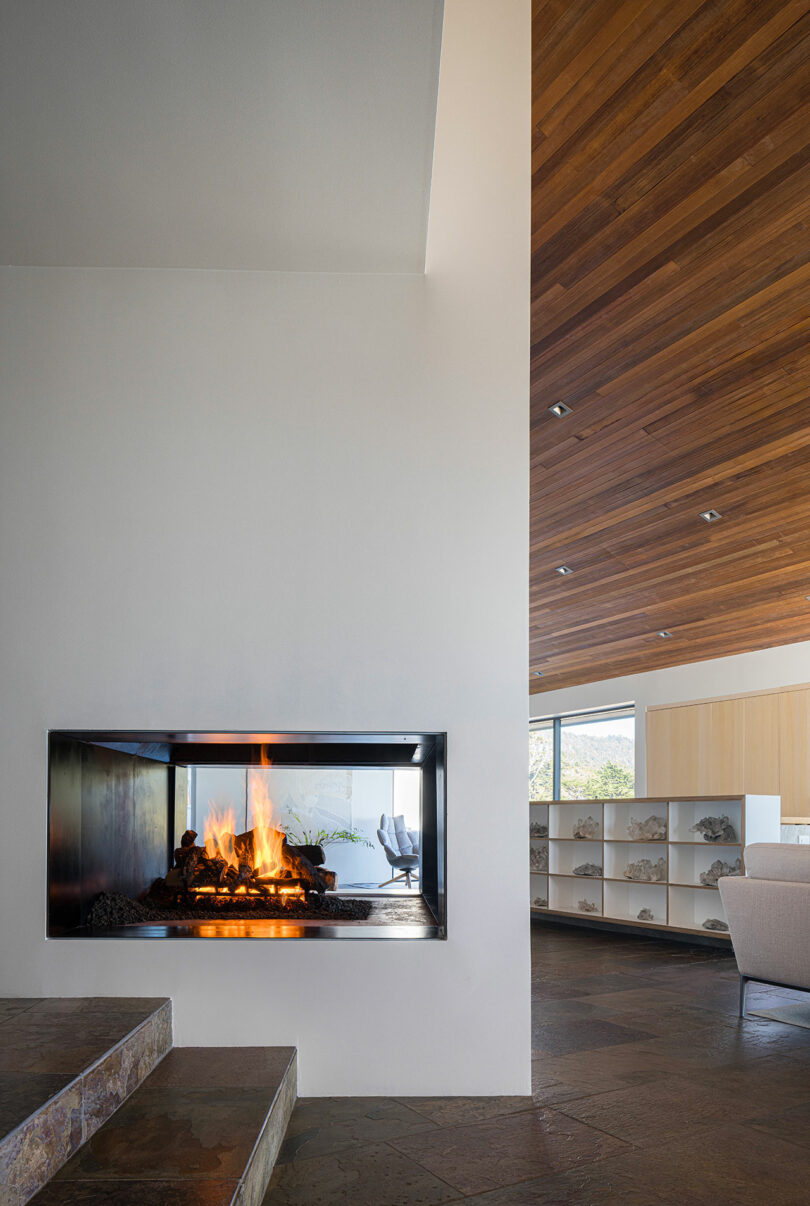
One of the most compelling examples of this movement is the "Standing Wave" house at Sea Ranch, California. A collaboration between Ivy Ross, Google’s VP of Hardware Design, and architect Suchi Reddy, this home isn't just a residence; it’s a living experiment in sensory architecture. By recalibrating sightlines to the rhythm of the Pacific Ocean and incorporating elements like sound tube instruments and Japanese soaking tubs, the Standing Wave proves that a home can be a tool for restoration rather than just a shelter.
The Neuroaesthetics of the Standing Wave
When we talk about "Designing for the Soul," we are really talking about the intersection of biology and architecture. The Standing Wave was designed to be a "resonant" space. Ivy Ross and Suchi Reddy didn't start with a floor plan; they started with the feeling of the land. The architecture acts as a filter for the senses, specifically designed to lower the heart rate.
The house features what designers call "recalibrated sightlines." Instead of a wall of glass that might feel exposed or overwhelming, the windows are strategically placed to frame specific views of the ocean, the rugged rocks, and the shifting sky. This creates a rhythmic connection to nature that prevents "visual fatigue." One of the most talked-about features is the ocean-facing Japanese soaking tub, a masterclass in tactile and thermal design. By combining the warmth of the water, the scent of the wood, and the view of the horizon, the space triggers a relaxation response that a standard master bath simply cannot replicate.

Tuning the Light: Beyond Illumination
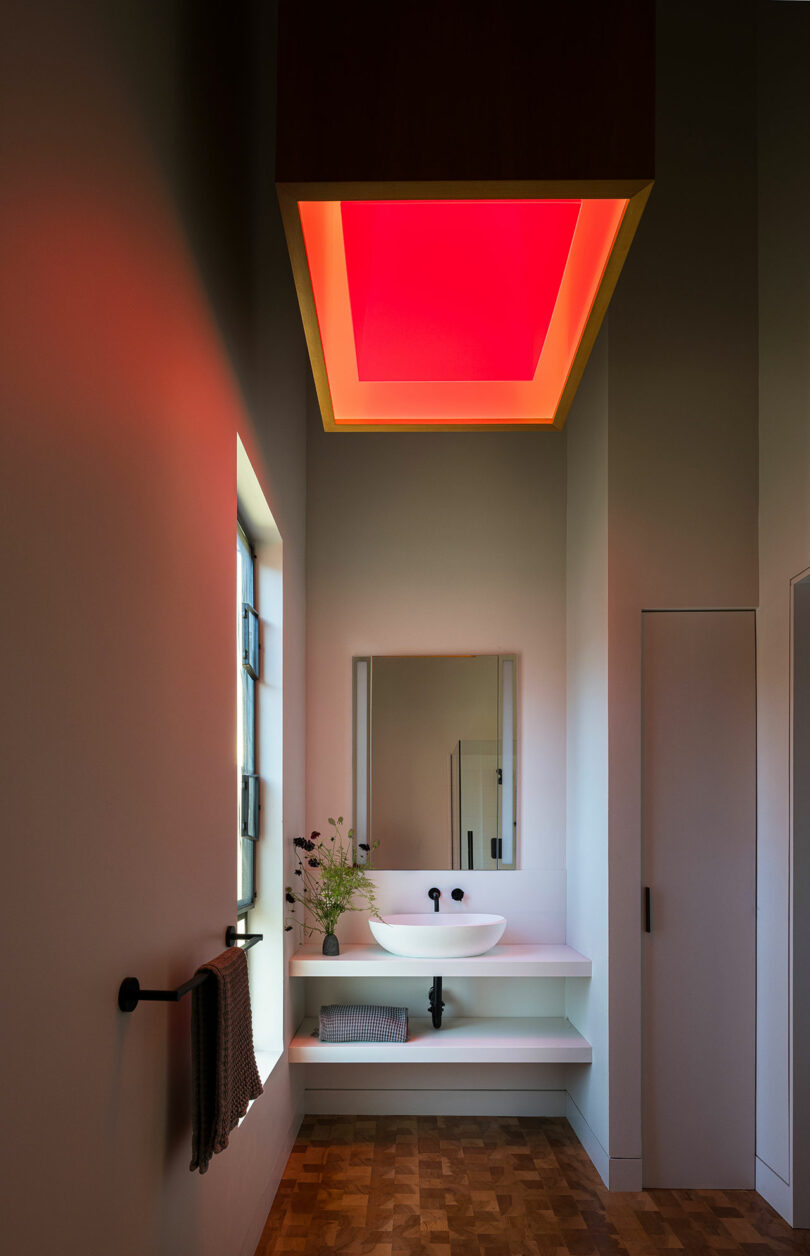
As a design editor, I’ve seen lighting evolve from a functional necessity to a primary wellness tool. We now understand that light does much more than help us see; it regulates our circadian rhythms—the internal clock that dictates our sleep-wake cycles. In the Standing Wave and other modern neuroaesthetic projects, "tunable lighting" is the gold standard. This technology mimics the progression of natural sunlight, transitioning from cool, blue-toned light in the morning to stimulate alertness, to warm, amber tones in the evening to trigger melatonin production.
The industry is taking notice. Market forecasts for 2026 indicate that 85% of luxury residential projects now integrate indoor-outdoor lighting continuity as a core architectural requirement. This means designers are no longer treating the "golden hour" as a lucky coincidence; they are engineering it. Large-scale glazing and strategically placed skylights ensure that the transition from day to night is felt throughout the home, maintaining our biological connection to the earth's rotation.

Ivy’s Tip: You don't need a Sea Ranch budget to fix your lighting. Start by replacing "cool white" bulbs in your bedroom and living areas with "warm white" (2700K) or smart bulbs that dim and warm up as the sun sets. Soften the glare of modern interiors by using textured lighting fixtures—think ribbed glass or perforated metal—to create "mottled" light patterns that mimic the shadows of trees.
The Silent Game-Changer: Acoustic Design
We often design for the eyes, but we live with our ears. Sound is the invisible architect of our mood. In the Standing Wave, sound is explored through a custom-built "sound tube" instrument that allows residents to listen to the vibrations of the environment. It turns the act of listening into a form of meditation.
In most homes, however, the problem is too much sound—or the wrong kind of it. Hard surfaces like polished concrete and large glass panes create "acoustic bounce," which can lead to subconscious stress. Studies in neuroaesthetics suggest that homes optimized for sensory experience, particularly those with acoustic dampening, can increase reported occupant relaxation by up to 40%.
To achieve this, we look toward intentional soundscapes and strategic materiality. Controlled silence is a luxury, but so is the intentional use of sound, such as the gentle trickling of a water feature or the soft hum of wind through trees. By integrating absorbent materials like heavy rugs, upholstered wall panels, and natural wood, we can ground the energy of a room.
Inclusive Design: Lighting for Sensitivity
A soulful home must also be an inclusive one. Neuroaesthetics isn't just for the neurotypical; it is a vital tool for those with sensory processing sensitivities or neurodivergence (such as ADHD or Autism). For these individuals, a home that is too "loud" visually can be exhausting.
Creating "low-stim" spaces involves removing common sensory triggers:
- The Buzz: High-frequency humming from cheap LED drivers or old appliances.
- The Flicker: Low-quality bulbs that have a subtle, nearly invisible strobe effect.
- The Flood: Harsh, overhead "big lights" that wash out shadows and depth.
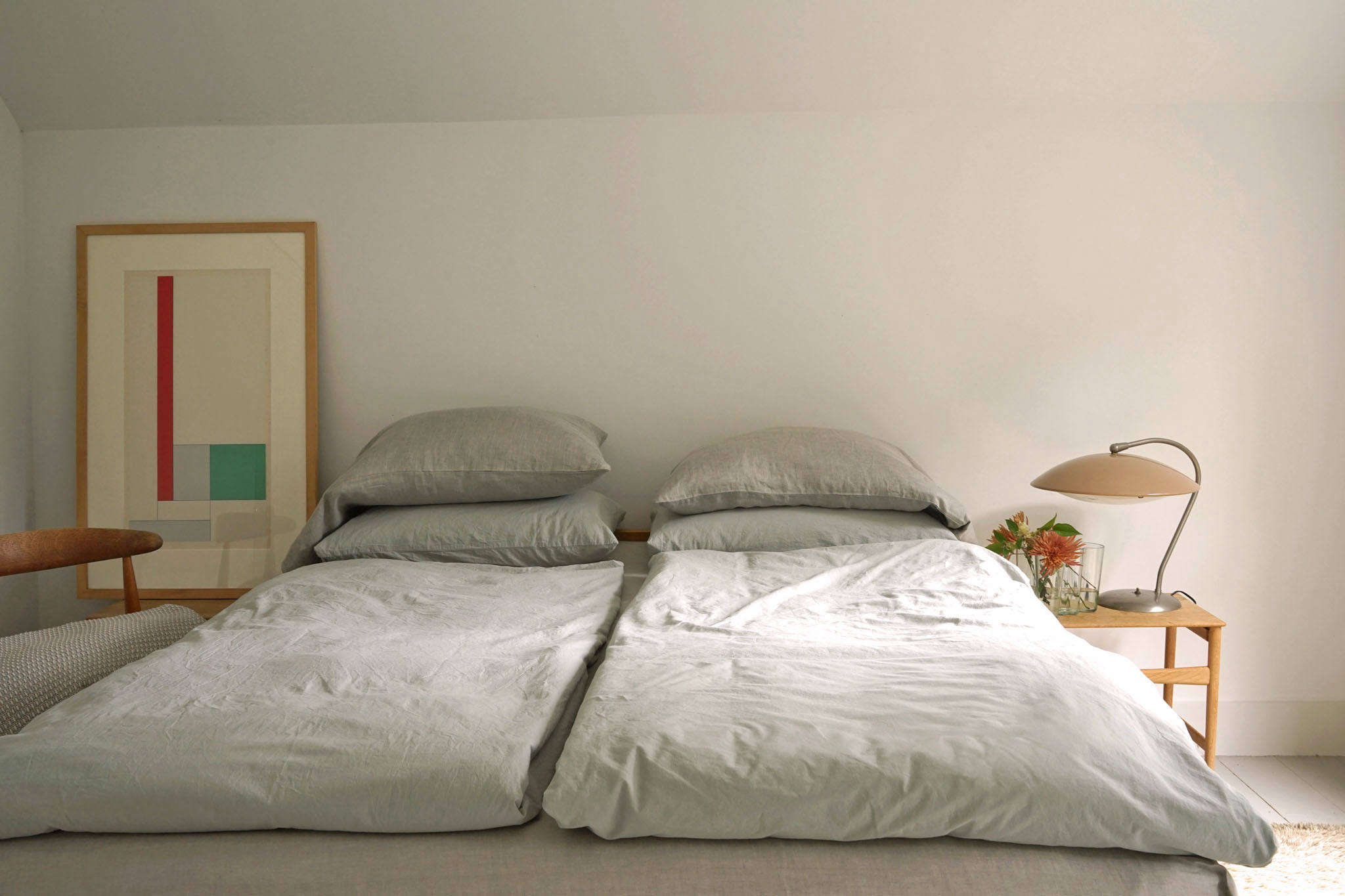
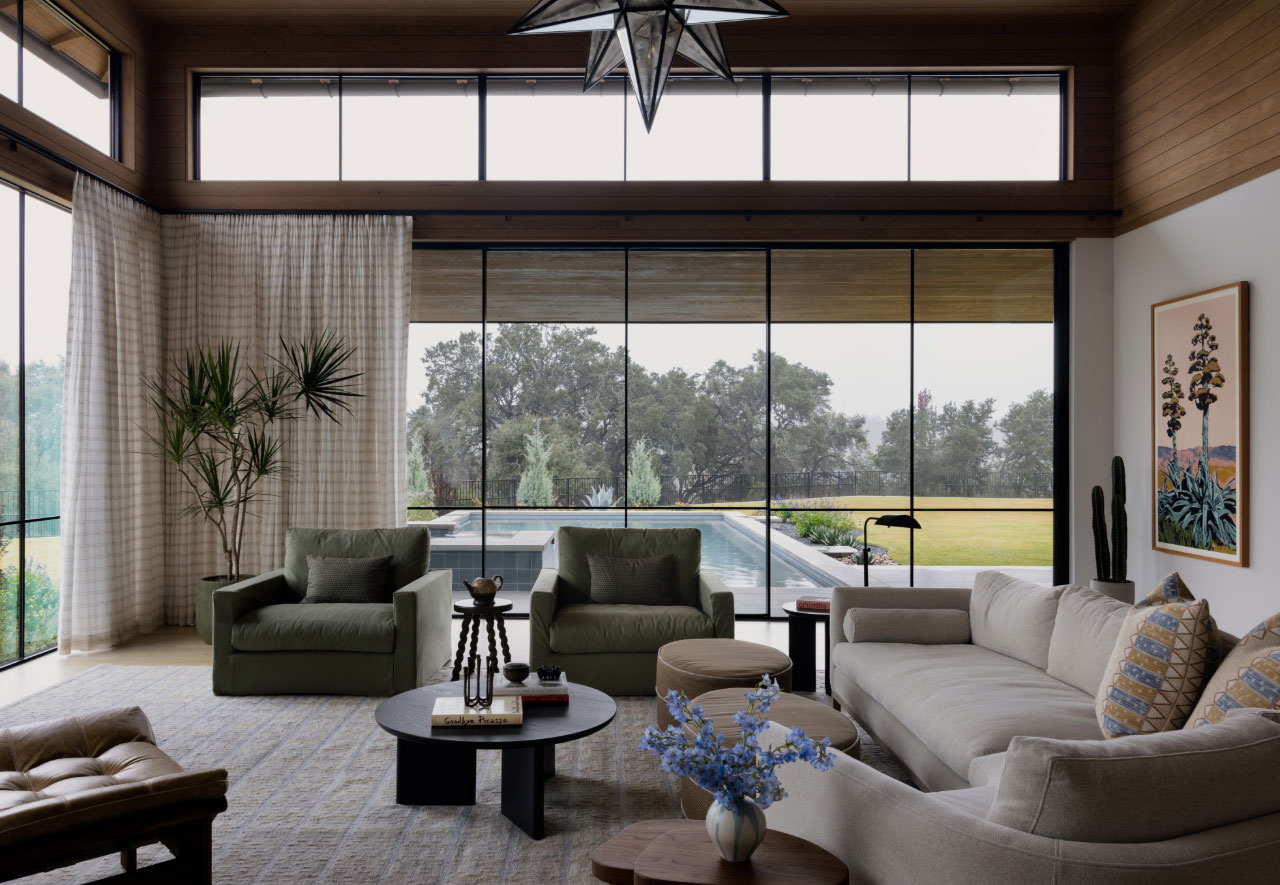
The solution lies in layered lighting. By using floor lamps, sconces with covered bulbs (like linen shades), and "pools" of light, you create restful pockets of shade. This allows the brain to rest its focus and reduces the cognitive load of processing a brightly lit, open-plan space.
Practical Steps to a Sensory Home
Creating a soulful sanctuary doesn't require a total renovation. It begins with building a "Sensory Profile" for your household. Ask yourself: What sounds make me feel safe? What textures make me feel grounded?
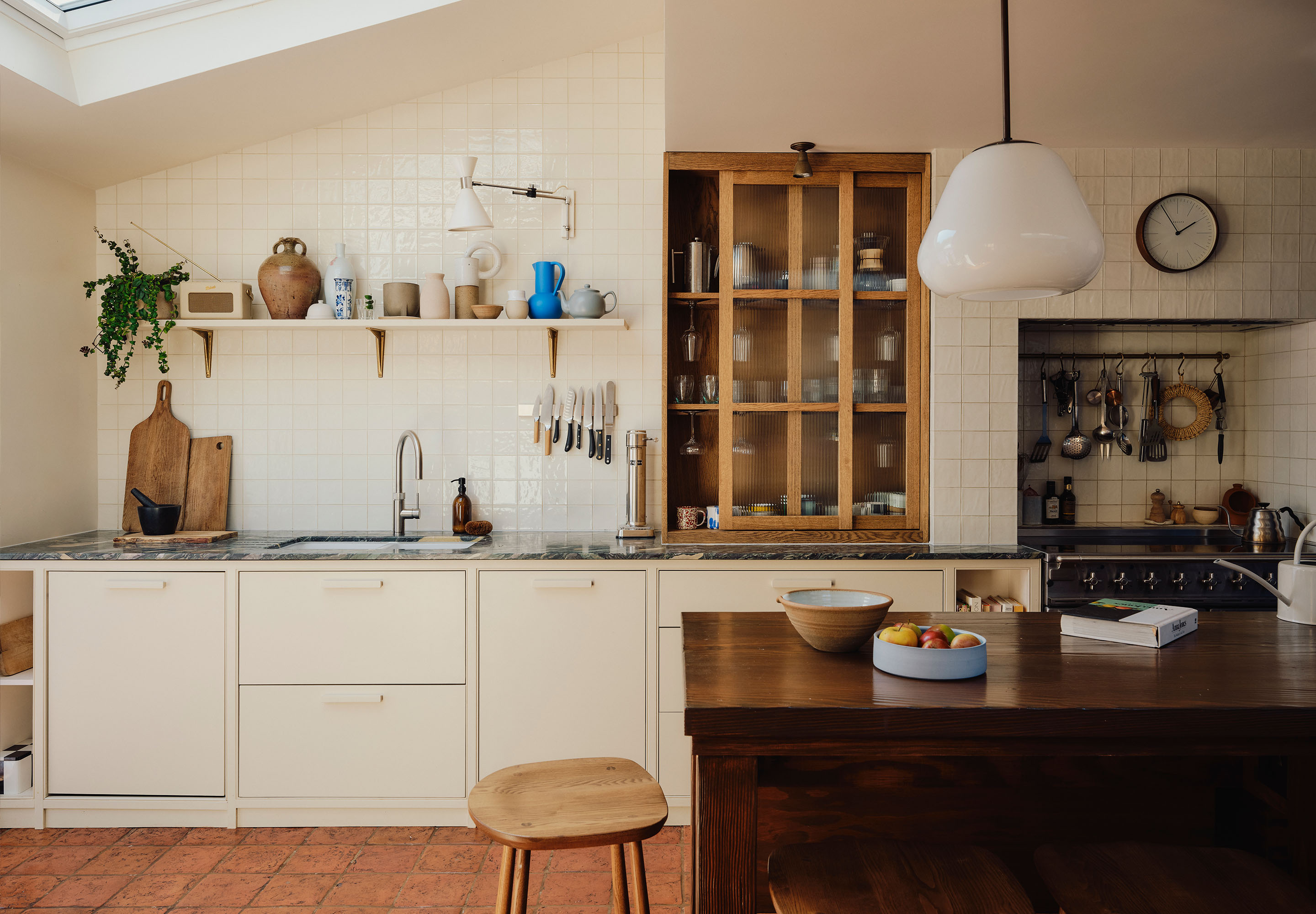
- Prioritize Touch: Choose materials that invite interaction. Replace synthetic fabrics with natural linen, reclaimed wood, and stone. These materials have "haptic" depth—they feel different at different temperatures and times of day.
- Audit Your Acoustics: Walk through your home in silence. Is there a buzzing fridge? Does your voice echo in the hallway? Add a thick wool runner to a hallway or a tapestry to a large wall to swallow excess noise.
- Integrate Tech Quietly: Use smart home apps to automate your lighting schedule so you don't have to think about it. Set your lights to slowly brighten at 7:00 AM and fade to a deep amber at 9:00 PM.
- The Ritual of View: Even if you don't have an ocean view, you can recalibrate your sightlines. Position your favorite chair toward a window or a piece of art that evokes a sense of vastness.
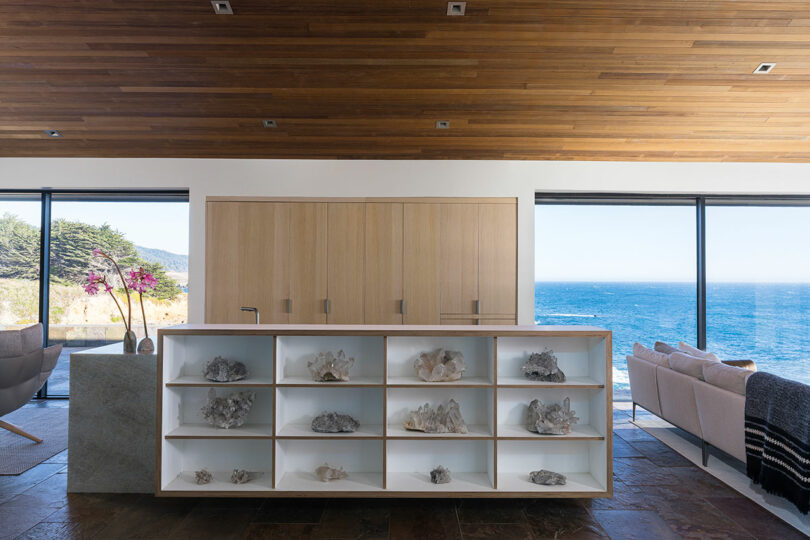
The Standing Wave reminds us that our homes are more than just an investment or a backdrop for our lives. They are an extension of our biological selves. When we design with light, sound, and soul in mind, we aren't just decorating; we are healing.
FAQ
What is the easiest way to start with neuroaesthetics on a budget? The simplest way is to address your "light hygiene." Swap out cool-toned overhead bulbs for warm-toned lamps at eye level. This immediately changes the brain's perception of the space from "alert/work" to "calm/home."
How do I know if my home is over-stimulating? If you find yourself feeling anxious or "on edge" in your main living areas but more relaxed in a smaller, dimmer room (like a bedroom or even a walk-in closet), your main space likely has too much "sensory noise"—either through excessive light, echoing acoustics, or visual clutter.
Can sound design really help with sleep? Absolutely. Beyond soundproofing, adding "pink noise" or natural soundscapes like rain or running water can mask disruptive environmental sounds and lower your autonomic nervous system's arousal levels, making it easier to fall and stay asleep.
Call to Action
Ready to transform your space into a sensory sanctuary? Start by identifying one "sensory leak" in your home today—whether it's a harsh light or a noisy corner—and fix it. For more tips on soulful styling, subscribe to our newsletter or explore our latest furniture picks designed for restorative living.