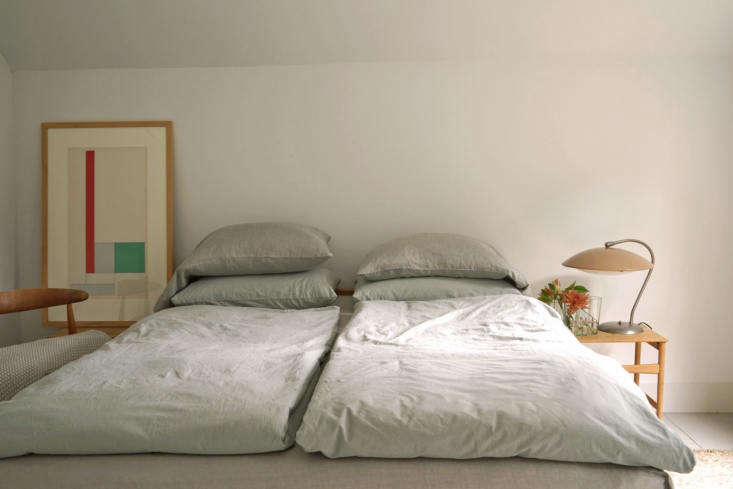
We’ve all been there: It’s 3:00 AM, and you’re jolted awake by a sudden chill because your partner has, once again, cocooned themselves in the entire king-sized comforter. Or perhaps you’re the "hot sleeper" who spends the night kicking off layers while your significant other shivers under three blankets. This "blanket tug-of-war" is more than just a nightly nuisance; it’s a disruption to the deep, restorative REM sleep we all need. Enter the Scandinavian sleep method. This centuries-old European tradition is deceptively simple: instead of one large shared comforter, you use two separate twin-sized duvets on a single shared mattress. By allowing each person to curate their own micro-climate and movement zone, this method transforms the shared bed from a site of nightly negotiation into a personalized sanctuary.
The Science of Sleeping Apart-Together
As an editor, I often look at design through the lens of wellness. If a room doesn't function for your health, it isn't truly well-designed. The Scandinavian sleep method is rooted in the reality that two people rarely have the same metabolic rate. One partner might be comfortable at 65 degrees, while the other needs 72. When you share one large duvet, you’re forced into a thermal compromise that usually leaves one person tossing and turning.
Recent studies on co-sleeping hygiene indicate that couples who adopt the two-duvet system report a 30% reduction in nighttime awakenings related to temperature discomfort or "cover theft." Beyond the temperature, there is the issue of motion transfer. Even with the best memory foam mattress, when your partner flips over, the shared heavy blanket acts as a lever, pulling on your side and disturbing your sleep. Separate duvets decouple your movements, ensuring that a restless partner doesn't mean a restless night for you.
This isn't just about physical comfort; it’s a "relationship buffer." By eliminating the low-level resentment that builds up over stolen covers and interrupted sleep, couples often find they are more patient and connected during the day. It is the ultimate way to enjoy the intimacy of a shared bed without the logistical nightmares that often come with it.
How to Style Your Bed the Scandinavian Way
Adopting this method requires a slight shift in how you shop for and style your bedding. In the U.S., we are seeing a significant shift in consumer behavior; recent industry trends show a 40% increase in demand for twin-sized duvet sets specifically intended for use on shared king or queen mattresses. Here is my expert guide to making the transition without sacrificing that "magazine-ready" look.
Step 1: Choose Your Inserts
The beauty of this method is customization. If you are a hot sleeper, choose a lightweight down-alternative or a breathable silk-filled twin duvet. If your partner is always cold, they can opt for a high-fill-power goose down. For a Queen bed, two standard Twin duvets work perfectly. For a King or California King, I recommend two Twin XL duvets to ensure there is plenty of overlap in the middle.
Step 2: Ditch the Top Sheet
In Scandinavia, the "flat sheet" is almost non-existent. By omitting the top sheet, you allow the duvet to drape directly over your body, which maximizes breathability and simplifies the bed-making process. You only have to worry about the fitted sheet and your duvet covers. This "one-layer" approach is much easier to manage when you have two separate blankets to contend with.
Step 3: The 'Burrito' Fold
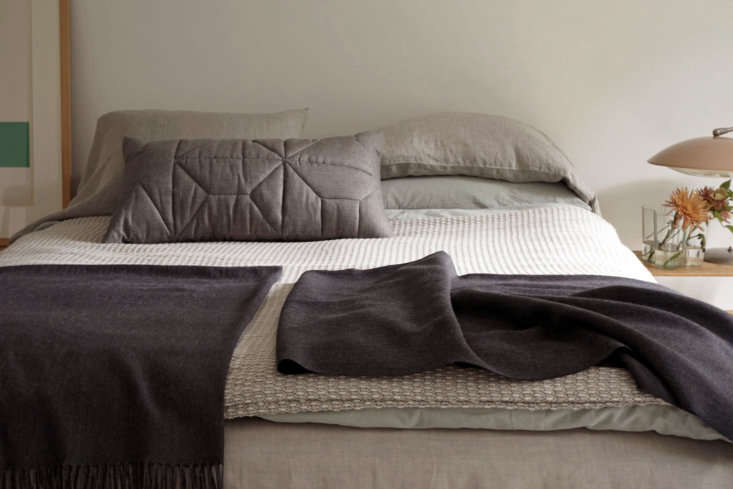
To keep the bed looking cohesive, you don’t just throw the duvets on haphazardly. The "Burrito Fold" (or the side-by-side fold) involves laying each duvet vertically. You fold the inner edges (where the two duvets meet) slightly inward or under themselves. This creates a clean, intentional line down the center of the bed that looks curated rather than messy.

Step 4: Layering for Aesthetics
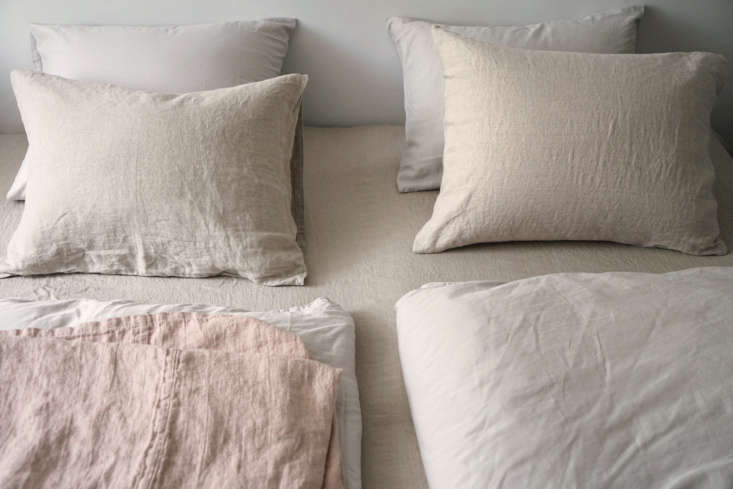
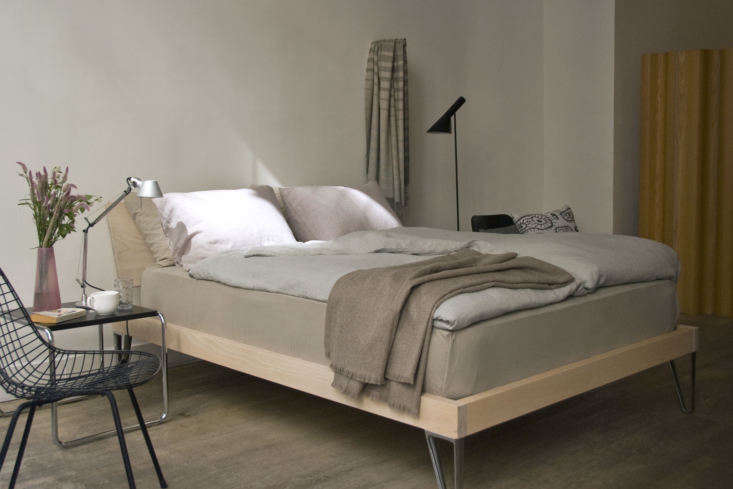
The secret to a high-end look is the "unifier." Use a common fitted sheet and matching pillowcases to create a base. Once your two duvets are in place, add a decorative throw or a large quilt across the foot of the bed. This "grounds" the design and visually connects the two separate units into one cohesive furniture piece.
Standard Bedding vs. Scandinavian Method
| Feature | Standard US Bedding | Scandinavian Method |
|---|---|---|
| Blanket Count | One large Comforter/Duvet | Two separate Twin/Twin XL Duvets |
| Top Sheet | Usually included (adds tangles) | Omitted (focus on breathability) |
| Temperature | Shared (compromised) | Individual (optimized) |
| Motion Transfer | High (blanket tugging) | Zero (independent covers) |
| Laundry Ease | Difficult (requires large machines) | Easy (fits in standard washers) |
Practical Considerations for Couples
One of the most common questions I get as an editor is: "Will this kill the romance?" Many couples worry that separate blankets create a literal barrier to intimacy. In reality, most Scandinavian couples find the opposite to be true. You can still cuddle under one duvet or transition between them quite easily. The "Cuddle Factor" isn't lost; it’s just relocated. When it’s time to actually drift off into deep sleep, you each retreat to your own cozy "nest."
There is also a significant maintenance benefit. If you’ve ever tried to wash a King-sized down comforter at home, you know it’s a Herculean task that often requires a trip to the laundromat. Two Twin duvets, however, fit easily into a standard home washer and dryer. This makes it much easier to keep your bedding fresh and hygienic—a core tenet of Scandinavian living.
Overcoming the Aesthetic Challenge
From a design perspective, the "split" down the middle can be intimidating. However, you can use this to your advantage to add visual depth. You don’t necessarily have to use identical duvet covers. You can choose complementary colors—perhaps a slate grey and a soft dove grey—to create a sophisticated, layered look.
Playing with textures is another way to hide the gap. A linen cover on one side and a brushed cotton on the other can look incredibly inviting. By adding a variety of textures, you draw the eye to the richness of the fabrics rather than the line where the duvets meet.
FAQ: Your Scandinavian Sleep Questions Answered
Q: Do I need a special bed frame for this? A: Not at all! This method works on any standard Queen or King mattress. You are simply changing the "toppings" of your bed, not the foundation.
Q: Where can I find Twin XL duvet covers that don't look like a college dorm? A: Many luxury bedding brands now sell their high-end linen and organic cotton collections in individual pieces. Look for "Duvet Cover Only" options rather than full sets to mix and match sizes.
Q: Is it okay to use two different weights of duvets? A: Yes! That is the primary benefit. If your partner wants a heavy 15-tog winter weight and you want a light 4.5-tog summer weight, you can finally both be happy.
Conclusion
The Scandinavian sleep method is a masterclass in functional design. It acknowledges that while we share our lives and our beds with our partners, our biological needs for sleep remain individual. By making this one small change—swapping the "big blanket" for two tailored duvets—you can reclaim your sleep quality without sacrificing the closeness of a shared bedroom. It’s practical, it’s stylish, and quite frankly, it might just be the secret to a happier home.