Quick Facts
- The Aesthetic: A blend of "Warm Minimalism" and "Quiet Luxury," inspired by the Osip restaurant in Somerset.
- Color Palette 2026: Shifting from cold grays to warm neutrals like oat, mushroom, and caramel.
- Core Materials: Handmade Zellige tiles, lime-washed walls, and natural wood grains (Walnut, Oak, Ash).
- Key Design Rule: Focus on "fewer, better" pieces that emphasize texture over bold color.
- Small Space Hack: Use banquette seating and strategic mirrors to create a sense of expansive depth.
Imagine a space where the air feels lighter, the light softer, and the noise of the outside world simply fades away. This is the essence of Somerset’s Osip—a tiny, Michelin-starred restaurant in Bruton that has quietly become a global blueprint for the "serene dining room." It’s an undercover-fancy retreat where the luxury isn't shouted; it’s whispered through the ripple of a handmade tile and the warmth of a wooden table. As we look toward 2026, the dining room is no longer just a place to eat; it is a sanctuary for slow living. According to the 2024 Houzz Kitchen Trends Study, 43% of renovating homeowners are now opening their kitchens to dining areas, suggesting that these spaces are becoming the heartbeat of the modern home.
The Somerset Blueprint for Serenity
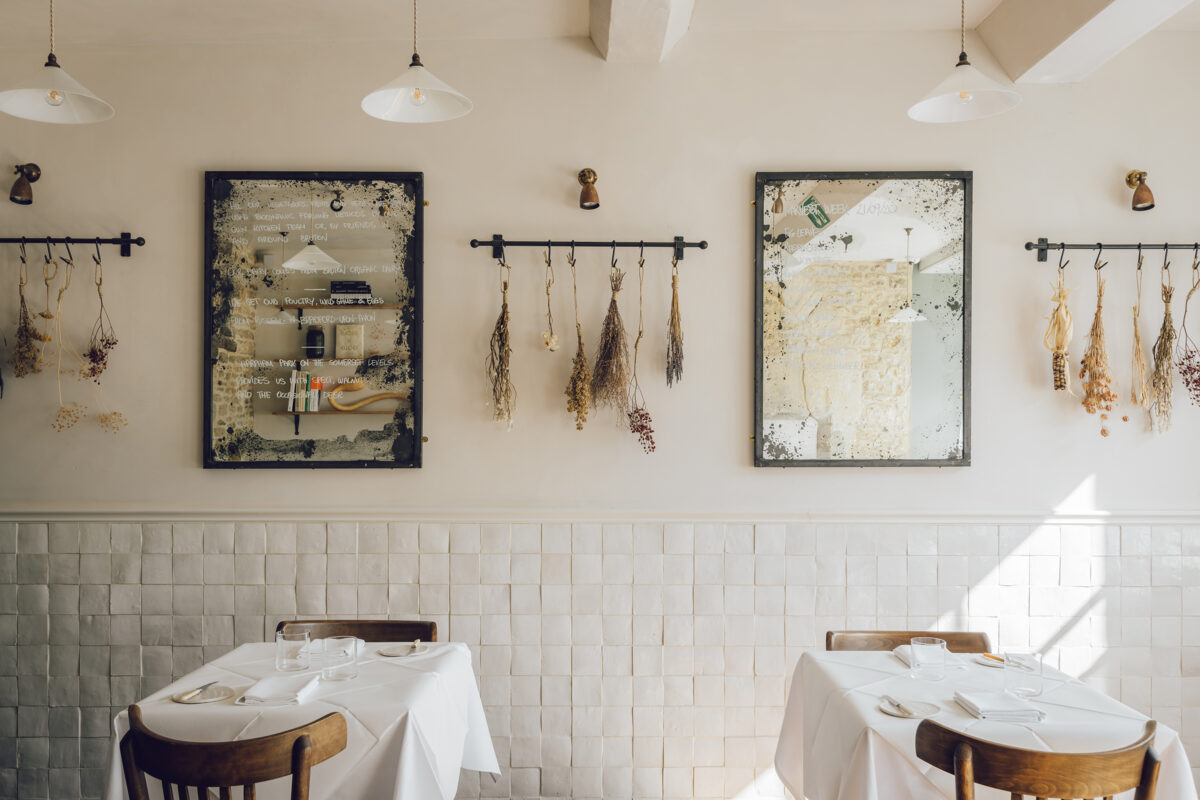
To recreate the Osip look, you must embrace the concept of "design that breathes." It’s about stripping away the non-essential to let the materials speak. The direct answer to achieving this serenity lies in three core elements: cream-white walls (specifically those with a luminous, non-sterile undertone), the organic texture of Zia Zellige tiles, and the inclusion of natural, seasonal accents like dried Lunaria.
Internal design forecasts for 2026 indicate a significant shift in our visual appetite. We are seeing a 60% increase in the adoption of 'Quiet Luxury' textures—think honed marble, lime-wash finishes, and brushed metals—over the bold primary colors that dominated the early 2020s. This isn't about being "boring"; it's about being intentional.
Mastering 'Warm Minimalism': The 2026 Palette
The era of the "clinical white box" is over. For 2026, minimalism has grown a soul. We are moving away from stark, blue-toned whites toward a palette that feels like a warm hug. The goal is to create a backdrop that reflects light without feeling cold.
The Ingredient List for a Serene Palette:
- The Base: Benjamin Moore’s Seashell (926). It is an architect's favorite for achieving that perfect, warm, off-white glow that changes beautifully from dawn to dusk.
- The Accent: Mushroom and Caramel. Use these for upholstery or window treatments to ground the room.
- The Texture: Zia Zellige tiles. These handmade Moroccan tiles have natural imperfections that catch the light in a way a factory-made tile never could.

When selecting your paint, don't just look at the swatch. Observe how the light hits your walls at 4:00 PM. A serene room relies on the "bounce" of light. This is why lime-washed walls are making such a massive comeback; the microscopic mineral crystals in the lime reflect light in multiple directions, creating a soft, ethereal vibration in the room.
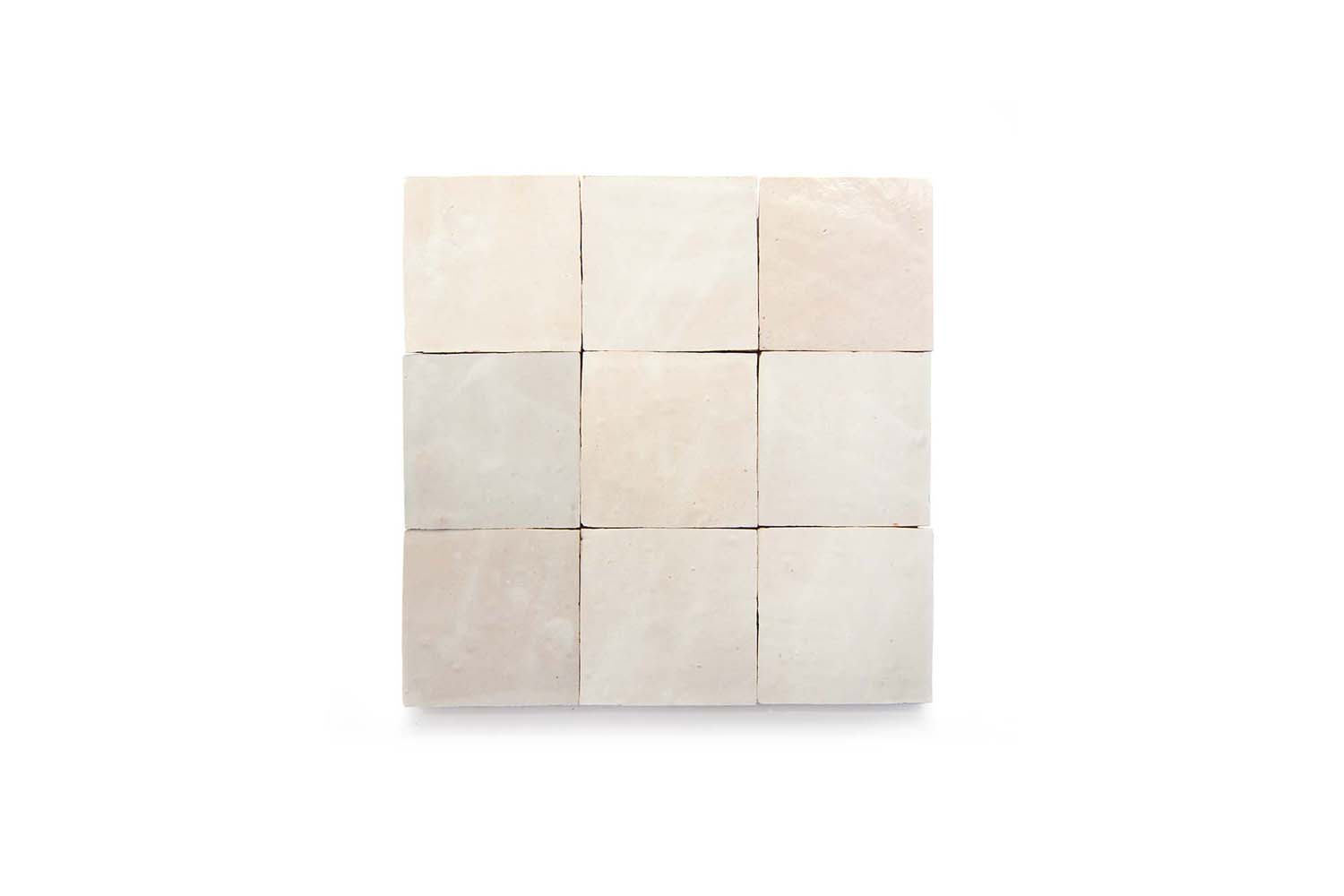
2026 Color Palettes vs. Traditional Minimalism
| Feature | Traditional Minimalism | 2026 Warm Minimalism (Osip Style) |
|---|---|---|
| Primary White | Stark, Cool White (e.g., Chantilly Lace) | Warm, Creamy White (e.g., Seashell) |
| Accent Tones | Black, High-Contrast | Oat, Mushroom, Caramel |
| Surface Feel | Smooth, Glossy, Synthetic | Matte, Honed, Tactile |
| Mood | Energetic, Sharp, Precise | Calming, Soft, Lived-in |
Furniture Selection: Fewer Pieces, Better Quality
In an Osip-inspired room, the furniture shouldn't fight for attention. We are seeing a major trend toward soft oval and pill-shaped silhouettes for dining tables. These curved edges encourage conversation and flow, breaking the rigid lines of traditional rectangular rooms.
Material-wise, 2026 is the year of the wood grain. Walnut, oak, and ash are being celebrated for their natural knots and patterns. Instead of heavy stains, designers are opting for clear, matte oils that allow the life of the tree to show through.
Designer Pro-Tip: When choosing a table, invest in quality over convenience. While flat-pack options are tempting for the budget, a solid wood or high-quality sintered stone table becomes an heirloom. A sintered stone surface offers the beauty of natural stone with near-indestructible durability—perfect for a "quiet luxury" space that actually gets used.
For seating, the look is curated, not "matched." You might see a custom banquette upholstered in a heavy oat-colored linen paired with classic Brentwood chairs. This mixture creates a "lived-in" feel that suggests the room has evolved over time rather than being bought out of a single catalog.
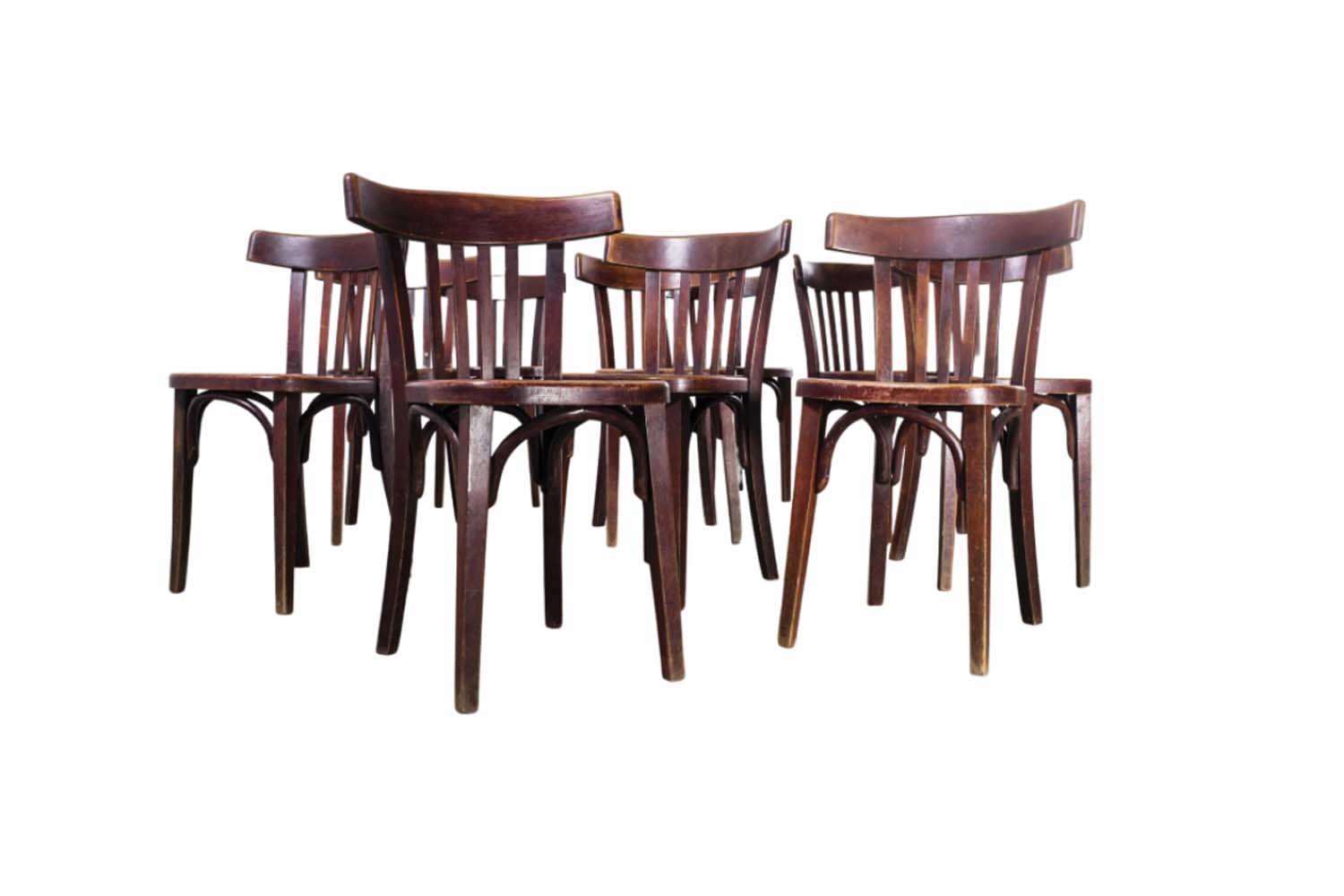
Layout & Functional Design for 2026
As homeowners continue to favor open-plan living, the challenge becomes how to make the dining area feel like a distinct "zone" without building walls. Lighting is your most powerful tool here.
Zoned Lighting Strategy: To anchor the table, use a low-hanging glass saucer shade. The transparency of the glass prevents the light fixture from feeling like a heavy visual block, while the "saucer" shape creates a focused pool of light over the dinner plates, drawing people in.

The Small Space Solution: Reflecting Depth
If you are working with a smaller footprint, the "Osip" serenity can still be yours. The secret is to use mirrors not just as decor, but as architectural tools. A large, slightly aged mirror—like an Ethnicraft piece—placed opposite a window won't just reflect light; it creates the illusion of a "room beyond," making a cozy dining nook feel significantly more expansive.

The Finishing Touches: Styling with Nature
The final layer of a serene dining room is what I call "The Edited Table." In Somerset, the decor is often pulled directly from the hedgerows. Dried Lunaria (honesty) is the ultimate Somerset-inspired accessory. Its translucent, silvery seed pods reflect the light and add a structural, ethereal quality that fresh flowers can't match.
The Ingredient List for Accessories:
- Linen: Unpressed, heavy-weight linen tablecloths in sand or stone.
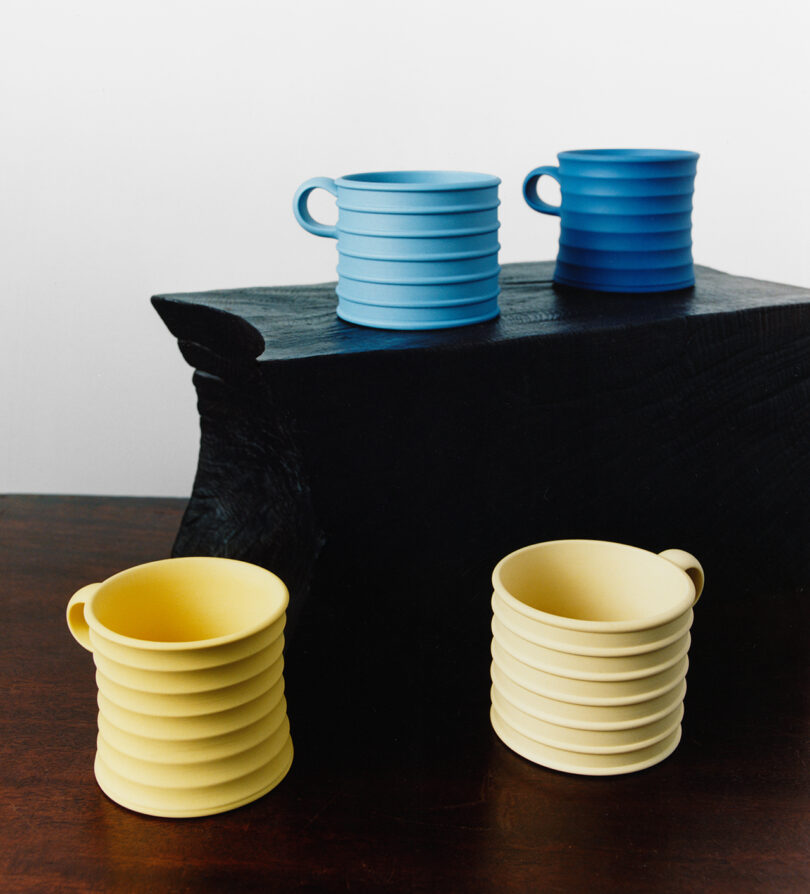
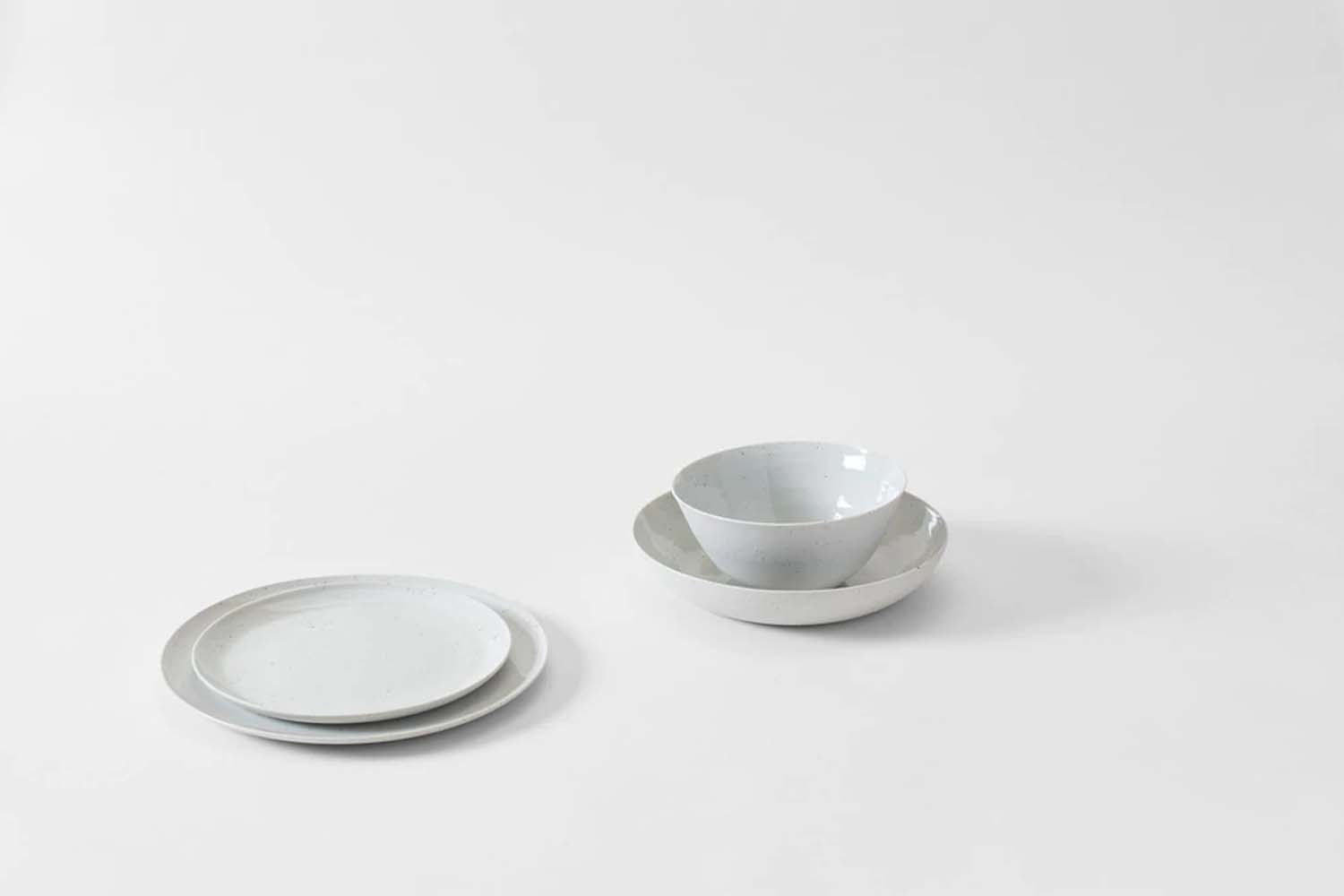
- Ceramics: Hand-thrown, speckled stoneware with visible throwing marks.
- Natural Elements: A single branch of dried Lunaria or a simple hanging herb dryer.
The goal is to create a vignette that breathes. Leave space on your sideboard. Don't crowd the center of the table. Let each object—a singular ceramic bowl or a stack of linen napkins—have its own moment. This "edited" approach is what transforms a house into a sanctuary.
FAQ
How do I make a minimalist dining room feel "warm" rather than "cold"? The key is texture. Instead of flat, painted walls, use lime-wash or Zellige tiles. Swap chrome and glass for wood grains and linen. Lighting also plays a huge role—ensure your bulbs are in the "warm" spectrum (2700K) to mimic the glow of candlelight.
Are Zellige tiles practical for a dining area? Absolutely. While they are often used in kitchens and baths, using them as an accent wall or a fireplace surround in a dining room adds incredible depth. Because they are glazed, they are easy to wipe down, though their uneven surface means they are best used for vertical accents rather than tabletops.
What is the best table shape for a small, serene dining room? An oval or "pill-shaped" table is ideal. It lacks sharp corners, making it easier to navigate in tight spaces, and it naturally draws people toward the center, creating an intimate, serene dining experience.