There is a subtle, rhythmic shift happening in the world of modern home entertaining. If the last decade was defined by the "bigger is better" ethos of oversized wine glasses and bottomless pitchers, 2024 is ushering in a more disciplined, albeit more indulgent, era. We are witnessing the rise of the "small pour"—a movement where the volume of the spirit decreases as the quality of the experience scales upward.
The 'small pour' trend in home entertaining focuses on quality over quantity, using 3oz mini martini glasses to encourage mindful tasting and sophisticated presentation. It is an invitation to slow down, to appreciate the botanical nuances of a rare gin or the buttery finish of a single-estate vodka, rather than simply filling a glass. In the world of interior styling, this translates to bar carts that prioritize curated tools over cluttered bottle collections and glassware that feels more like jewelry than utility.
The Chopin x Fferrone Ernestine Collection: A Case Study in Craft
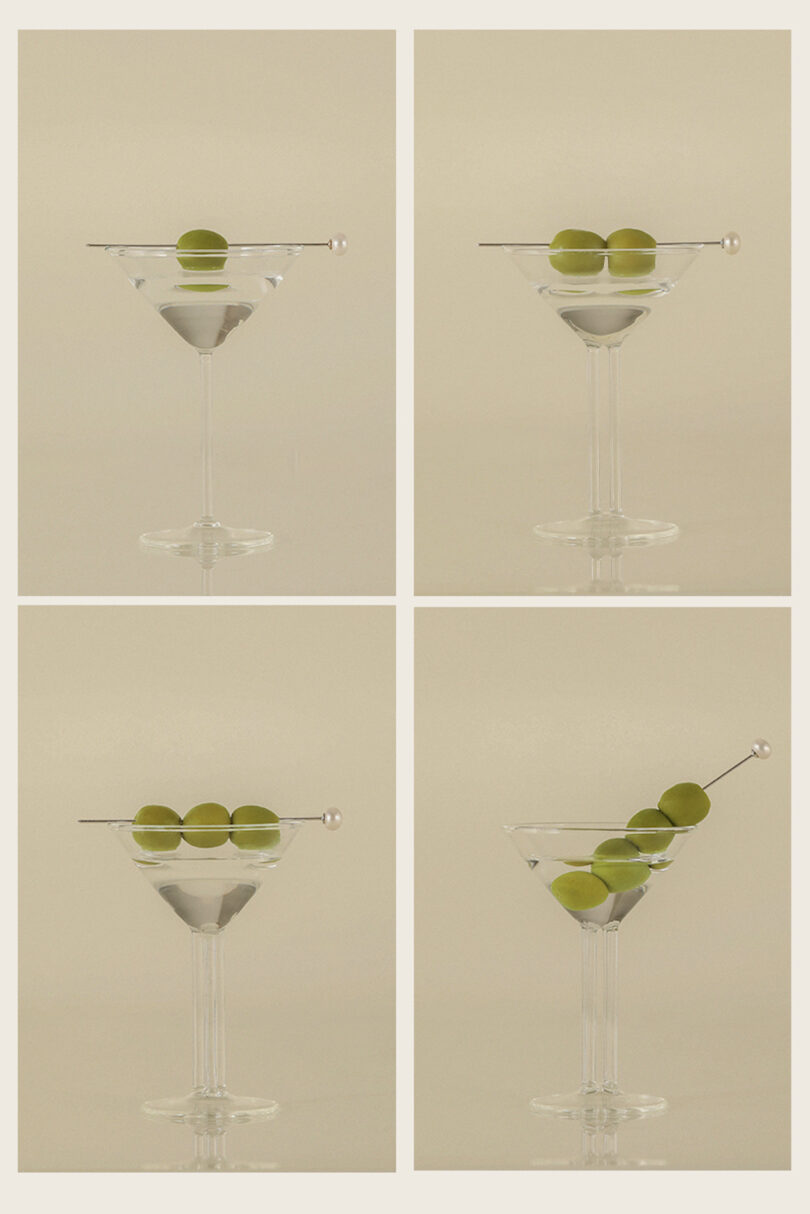
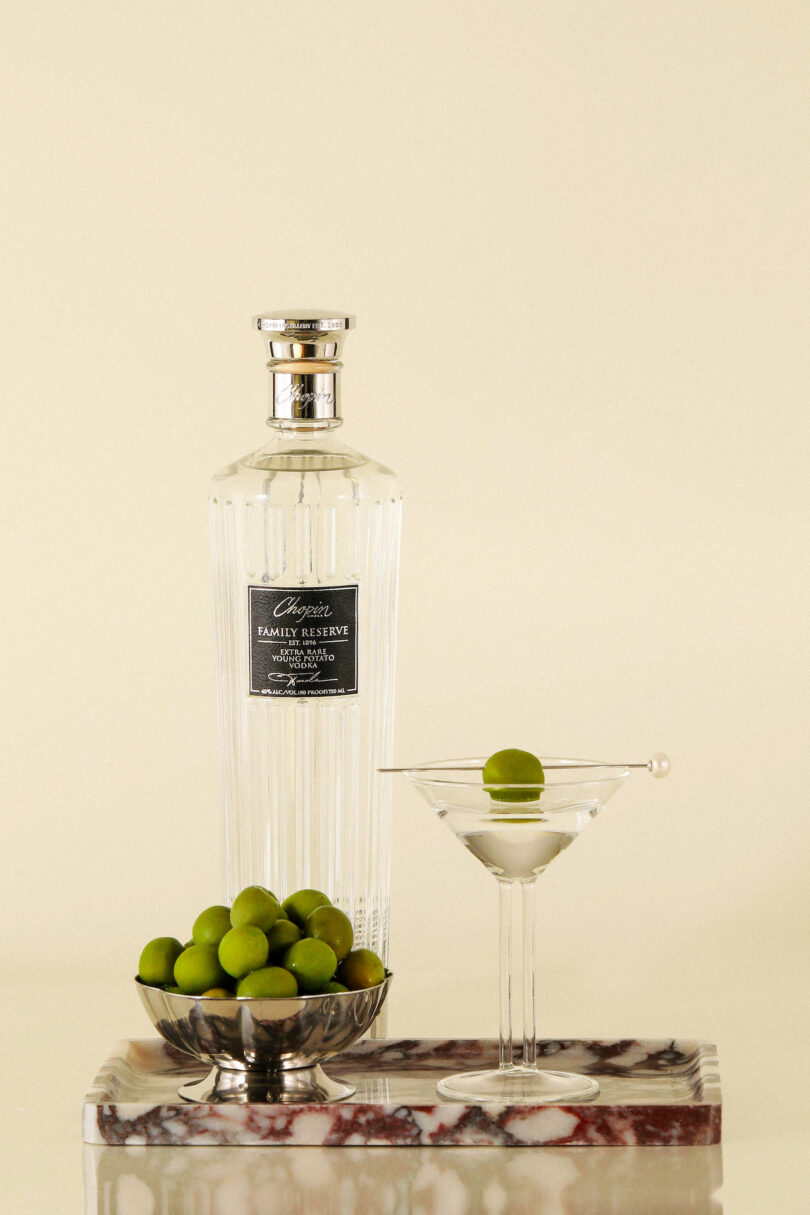
When we talk about the intersection of high-end design and the small pour cocktail trend, the conversation inevitably leads to the Chopin x Fferrone Ernestine Mini Martini Collection. This isn't just a glassware set; it’s a manifesto for the modern host.
Drawing historical inspiration from Charlotte Perriand’s legendary 1925 "Bar Sous Le Toit," the Ernestine collection channels the spirit of the French avant-garde. Designed by the visionary Felicia Fferrone and produced in collaboration with Chopin Vodka, these glasses are handcrafted in the Czech Republic. What sets them apart is the lack of molds; each piece is formed using traditional glassblowing techniques, resulting in a clarity and weight that mass-produced "luxury" brands simply cannot replicate.
The technical specifications of the set are as follows:
- Capacity: 3oz (The gold standard for the 'mini' martini).
- Material: Borosilicate glass, known for its thermal resistance and brilliance.
- Craftsmanship: Hand-blown without the use of molds.
- Pricing: $540 for a set of four; $670 when bundled with Chopin Family Reserve.
"The shift toward 3oz servings represents more than just portion control; it’s about the architectural integrity of the drink. A smaller pour stays colder longer, ensuring the final sip is as crisp as the first." — Ivy Chen
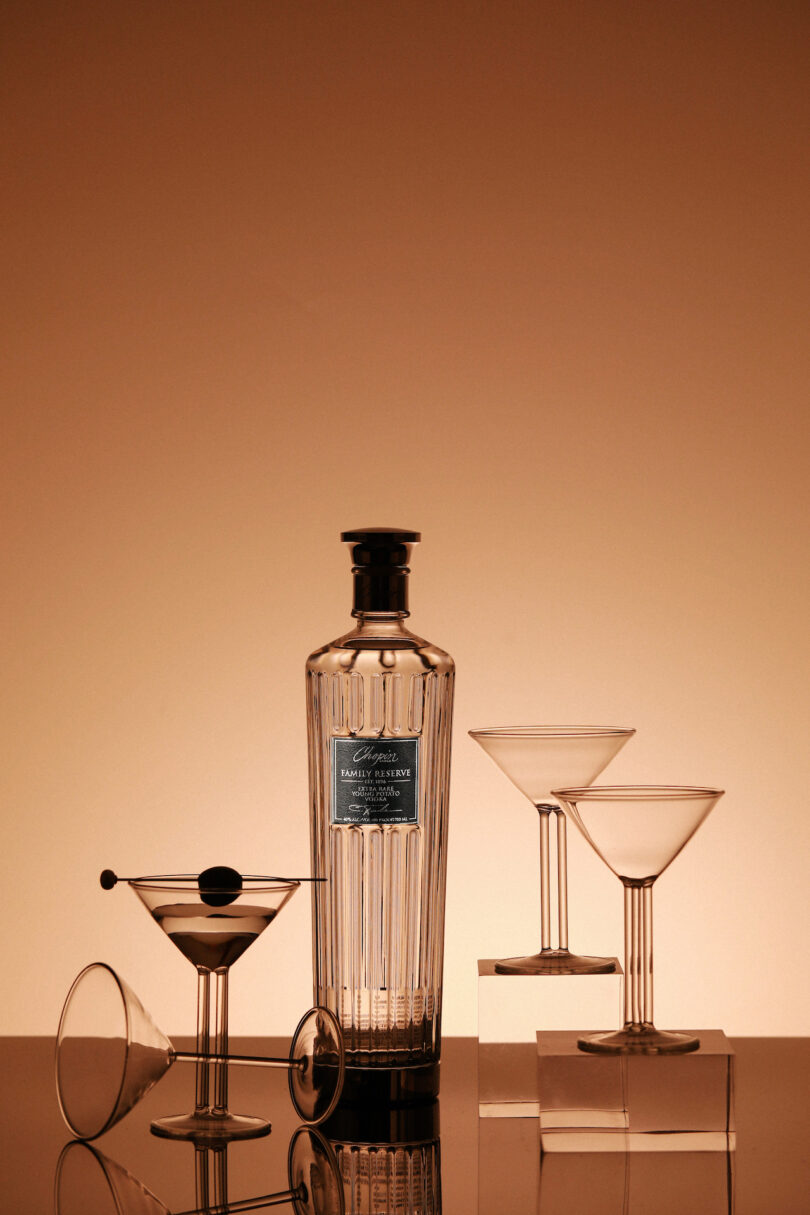
One of the most brilliant features of this collection addresses a perennial hosting headache: the "which glass is mine?" dilemma. Rather than using clunky wine charms, Fferrone integrated an architectural 1-to-4 stem system. Each of the four glasses in the set features a distinct number of glass stems—ranging from a single sleek pillar to a cluster of four.
This ensures 100% unique identification for guests at intimate gatherings. It is a masterclass in functional durability meeting aesthetic appeal. When you hold the "four-stem" glass, you aren't just holding a vessel; you are holding a conversation piece that anchors the guest’s experience to the physical design of the bar.

Automating the Sophisticated Bar: Machines vs. Shakers
While handcrafted glasswork celebrates the "slow" side of hosting, the modern home entertaining landscape of 2024 is also embracing precision through technology. The rise of the "Cocktail Concierge" has introduced a new category of home appliances that treat mixology with the same rigor as a lab experiment.
For the host-connoisseur who values consistency, the debate often settles between weight-based systems like the Barsys 360 and capsule-based systems like the Bartesian.
| Feature | Barsys 360 | Bartesian Professional |
|---|---|---|
| Technology | Weight-based (to 0.03 oz) | Capsule-based |
| Customization | Full control via Bluetooth App | Fixed recipes via capsules |
| Aesthetic | Modernist Halo (Circular) | Classic Appliance Style |
| Best For | The "Small Pour" purist | High-volume efficiency |
| Identification | "Party Mode" Lighting | Manual labeling |
The Barsys 360, in particular, aligns with the small pour trend because of its extreme accuracy. It can dispense spirits within three-hundredths of an ounce. This level of precision allows a host to experiment with hyper-potent, small-volume cocktails that would be difficult to measure manually in a standard Boston shaker.
However, technology should never fully replace the ritual. The sound of ice hitting a metal tin—the "rattle and hum" of the cocktail shaker—remains the heartbeat of a party. My advice? Use the automated dispenser for the base of your signature drinks, but finish them with a manual garnish and a deliberate pour into your 3oz Ernestine glasses.

High-Capacity Elegance: Modern Dispensers for Larger Gatherings
Even in an era of small pours, larger gatherings sometimes require a more "hands-off" approach to service. However, the future of home entertaining has moved far beyond the plastic pitchers of the past. To elevate home bartending for the holidays, hosts are shifting toward artisanal glassware and high-capacity modern dispensers that combine aesthetic appeal with functional durability.
When selecting a high-capacity dispenser for a sophisticated setting, look for these three non-negotiables:
- Lead-Free Crystal Reservoirs: These offer the clarity needed to showcase infused spirits—think vodka with floating sprigs of dill or gin with dehydrated blood orange wheels.
- Stainless Steel Spigots: Avoid plastic at all costs. A heavy-duty stainless steel spigot ensures a drip-free experience and adds a tactile sense of luxury.
- Ice Cylinders & Fruit Infusers: The best modern dispensers feature internal chambers that hold ice without diluting the beverage. This is crucial for the small-pour host who wants the drink to remain at a consistent temperature from the first pour to the fifty-first.
Incorporating materials like marble bases and brass accents allows these functional items to blend seamlessly into your interior decor, rather than looking like an afterthought.
Preservation and Precision: Extending the Life of the Party
The biggest challenge of the "small pour" philosophy is that it often encourages variety. A host may want to offer a flight of three different premium vodkas or a selection of rare dessert wines. In the past, this would lead to significant waste—half-empty bottles oxidizing on the counter.
This is where preservation technology becomes the host’s best friend. Systems like the Coravin have revolutionized how we handle natural corks and even sparkling wines. By using a medical-grade needle to extract wine without removing the cork (replacing the liquid with argon gas), a host can pour a single 3oz "tasting" of a $300 bottle of Bordeaux and save the rest for a gathering three months later.
For spirits, the "small pour" host should invest in high-quality decanters with airtight seals. The goal is to maintain the integrity of the spirit's profile. When you are serving in mini martini glasses luxury, the liquid inside must be pristine.
Design Tip: Group your preservation tools on a small silver tray. It turns a "utility" item into a curated vignette that signals to your guests that you care about the science of the sip as much as the style of the glass.
Final Thoughts: The Art of the Intimate
The transition to small pours and sophisticated barware gift sets isn't just a trend; it's a reflection of how we want to live now. We want deeper conversations, better ingredients, and objects that tell a story. Whether it’s the architectural stems of the Chopin x Fferrone collection or the precision of a Bluetooth-enabled dispenser, the future of hosting is found in the details.
FAQ
Q: Why is 3oz considered the ideal size for a 'mini' martini? A: A 3oz pour ensures the drink remains ice-cold until the final sip. Larger glasses often lead to the "warm last third" problem. Additionally, the smaller volume allows guests to sample different cocktails throughout the evening without over-consuming.
Q: Is borosilicate glass durable enough for regular hosting? A: Yes. While it looks delicate, borosilicate glass (used in the Ernestine collection) is more resistant to thermal shock and breakage than traditional soda-lime glass, making it ideal for both chilled cocktails and the occasional accidental clink.
Q: How do I justify the $540 price point for the Ernestine collection? A: You are paying for heritage and craft. These are mold-free, hand-blown pieces of art created in the Czech Republic, a region world-renowned for glasswork. In the context of interior design, these are investment pieces that elevate the entire bar setup.