We’ve all been there: a Tuesday night stir-fry that ended with soy sauce splatters across the induction glass, or a Sunday morning pancake session that left charred batter fused to the gas grates. In my years testing kitchen equipment, I’ve seen it all—from high-end ranges that look ten years old after six months of neglect to budget stoves that shine like new after a decade of heavy use. The difference isn't the price tag; it’s the technique.
The secret to a long-lasting, high-performance kitchen lies in what I call the "Philosophy of the Small Clean." It’s a simple reality of household maintenance: performing a light daily wipe-down reduces the time required for deep-cleaning your stovetop by an average of 75% compared to a monthly "scrub-fest." When food stays on the surface, it undergoes a chemical change every time you turn the heat back on, essentially "firing" the carbon into the surface like a ceramic glaze. This "stuck-on crud" isn't just an eyesore; it affects heat distribution and can even become a fire hazard.
Before we dive into the specific mechanics of your stove, you’ll need a basic kit. Skip the harsh industrial chemicals that smell like a laboratory. For 95% of kitchen messes, you only need:
- Microfiber cloths (for buffing and polishing)
- Non-abrasive sponges (blue is usually safer than green)
- A plastic or specialized glass scraper
- White vinegar and baking soda
- A high-quality liquid dish soap
Section 1: Gas Stoves – From Grates to Burner Heads
Gas ranges are the workhorses of the culinary world, but they are also the most complex to clean because of their many moving parts. You aren't just cleaning a surface; you're maintaining a combustion system.
Degreasing the Grates: The 'Miracle Paste'
The cast iron grates are usually the biggest headache. They are heavy, porous, and attract grease like a magnet. To degrease gas stove grates, apply a paste made of 1 part vinegar and 2 parts baking soda with a few drops of dish soap. This creates a "Miracle Paste" that uses the acidity of the vinegar to break down fats while the baking soda provides a gentle abrasive action.
- Apply: Slather the paste onto the grates, focusing on the corners where grease builds up.
- Wait: Let it sit for at least 20 minutes.
- Scrub: Use a non-abrasive sponge to work the paste into the grime.
- Rinse: Wash with hot water and dry immediately to prevent rust.
Warning: Never put cast iron grates in the dishwasher. The high heat and harsh detergents can strip the seasoning and lead to premature rusting, which compromises the structural integrity of the grate.
The Ammonia Bag Hack for Stubborn Grime
If your grates haven't been cleaned since the last decade, you might need a more aggressive approach. Place each grate into a separate gallon-sized Ziploc bag with 1/4 cup of plain ammonia. You don't need to soak them; the fumes do the work. Seal the bags and leave them outside overnight. By morning, the grease will have turned into a liquid that wipes right off.
Unclogging Burner Heads
If your flame is orange instead of blue, or if the burner is clicking without lighting, your burner heads are likely clogged. Use a straightened paper clip to gently clear the tiny ignition ports. Avoid using toothpicks, as the wood can snap off inside the port, creating a permanent blockage.
Surface Care
Once the grates are off, the stovetop surface (usually enamel or stainless steel) is easy to access. Avoid steel wool at all costs—it creates micro-scratches that will catch grease even faster in the future. A simple spray of 50/50 vinegar and water is usually enough to lift daily spills.
Section 2: Electric Stoves with Metal Coils
Electric coil stoves are often viewed as "old school," but they are incredibly durable if you know how to handle them. The most common mistake people make is trying to "wash" the heating elements.
The Self-Cleaning Trick
Believe it or not, the best way to clean the coils is to let them do the work. Clean electric coil burners by turning them to high for 3 minutes to burn off debris, allowing them to cool completely, and then wiping them with a damp cloth. This carbonizes the food, making it easy to brush away once the unit is cold.
Drip Pan Revival
The drip pans underneath the coils catch everything. If they are looking burnt, don't toss them yet. Remove them from the stove and cover them in a layer of baking soda, followed by a generous splash of white vinegar. Let the "fizz" work for 15 minutes, then scrub with a sponge. If they are beyond repair, replacing them is a cheap way to make an old stove look brand new.
Cleaning the 'Car Hood'
Many people don't realize that most electric coil stovetops are designed to lift up "like a car hood." Underneath the main surface is a sub-floor that catches spills that make it past the drip pans.
- Remove the coils and drip pans.
- Grasp the front edge of the stovetop and lift.
- Use a degreaser to clean the "engine bay" of your stove. This prevents that "burning food" smell that lingers even when the stove looks clean on top.
Section 3: Glass-Top & Induction Surfaces
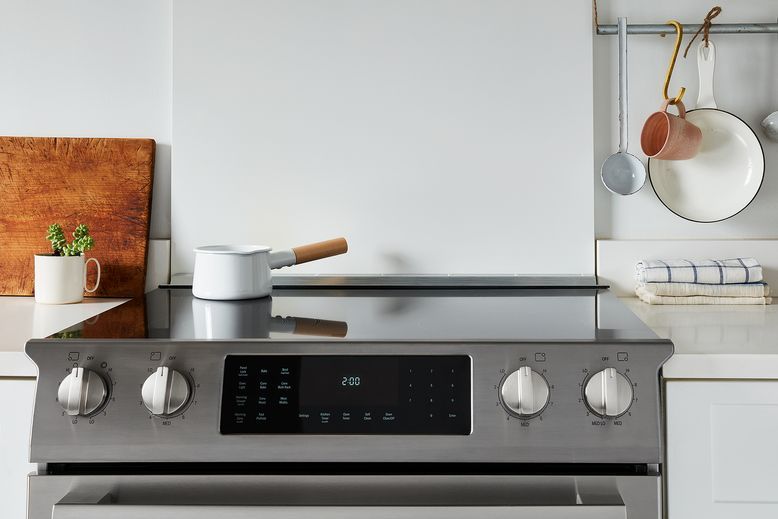
Induction and radiant glass-top stoves are the crown jewels of modern kitchen design, but they are also the most unforgiving of mess. A single grain of salt trapped under a pan can cause a permanent scratch.
The 'Towel-Steam' Method
In my testing, this is the gold standard for glass care. Using the 'towel-steam' method on glass surfaces eliminates 90% of stubborn residue without the risk of surface scratches associated with metal scrapers.
For induction or glass-top stoves, follow these steps:
- Sprinkle: Dust the entire surface with baking soda.
- Spray: Spritz white vinegar over the baking soda until it fizzes.
- Cover: Soak a large towel in hot, soapy water, wring it out slightly, and lay it over the entire stovetop.
- Wait: Let it sit for 15 minutes. The heat and moisture will soften the "crust."
- Wipe: Use the towel to wipe the surface in a circular motion.
The Scraper Technique
For the truly stubborn, "volcano-like" burnt-on food, you’ll need a specialized glass scraper. Hold the razor blade at a 45-degree angle—never 90 degrees—and gently shave the residue off the glass. Always ensure the surface is wet (with vinegar or a specialized cleaner) to provide lubrication.
Removing Hard Water Stains
If you see cloudy white spots on your glass, those aren't scratches; they are mineral deposits from hard water or the bottom of your pans. Soak a paper towel in undiluted white vinegar, lay it over the spots for 10 minutes, and then buff it dry with a microfiber cloth.
Section 4: Pro-Tips for Prevention and Maintenance
Maintenance isn't just about cleaning; it’s about preventing damage before it starts. Here are the "Golden Rules" I follow in my own kitchen:
- Cookware Choice Matters: Only use flat-bottomed pans. Waffled or textured bottoms act like sandpaper on glass and induction tops. If you use cast iron on glass, lift the pan—don't slide it.
- The Sugar Emergency: If you spill anything with high sugar content (syrup, jelly, or soda) on a hot glass cooktop, clean it immediately while it is still liquid. As sugar cools, it can actually bond to the glass and cause "pitting"—small chips that ruin the surface.
- The Final Buff: After any cleaning session, do a final wipe with a clean microfiber cloth and a tiny bit of white vinegar. This removes any soap film and gives the surface a professional, streak-free shine.
| Cleaning Task | Gas | Electric (Coil) | Induction/Glass |
|---|---|---|---|
| Best Tool | Soft Brush / Paper Clip | High Heat / Damp Cloth | Microfiber / Scraper |
| Chemical Base | Baking Soda + Vinegar | Dish Soap | Vinegar |
| Maintenance Frequency | After every "heavy" cook | Weekly | Daily |
| Risk Factor | Clogged ports | Wiring moisture | Surface Scratches |
FAQ
Can I put my gas grates in the dishwasher? I strongly advise against it. While some manufacturers claim they are dishwasher safe, the harsh environment of a dishwasher will eventually strip the protective coating and cause the cast iron to become gray and brittle. Hand-washing with the Miracle Paste is safer and more effective.
How do I know if my burner head is permanently damaged? If you have thoroughly cleaned the burner head and unclogged the ports, but the flame is still uneven or "lifting" off the burner, the metal may have warped from extreme heat. This is a safety issue, and the burner head should be replaced.
What cleaners should I absolutely avoid on glass? Never use Windex or ammonia-based glass cleaners on a stovetop. These are designed for windows, and when heated, they can leave permanent streaks or even damage the glass-ceramic coating. Also, avoid abrasive "green" scrub pads, which are made of minerals hard enough to scratch glass.
Maintaining your stove isn't just about aesthetics—it's about respecting the tools that feed your family. By adopting the "Small Clean" mindset and using these pro techniques, you ensure your kitchen remains the high-performance heart of your home for years to come.