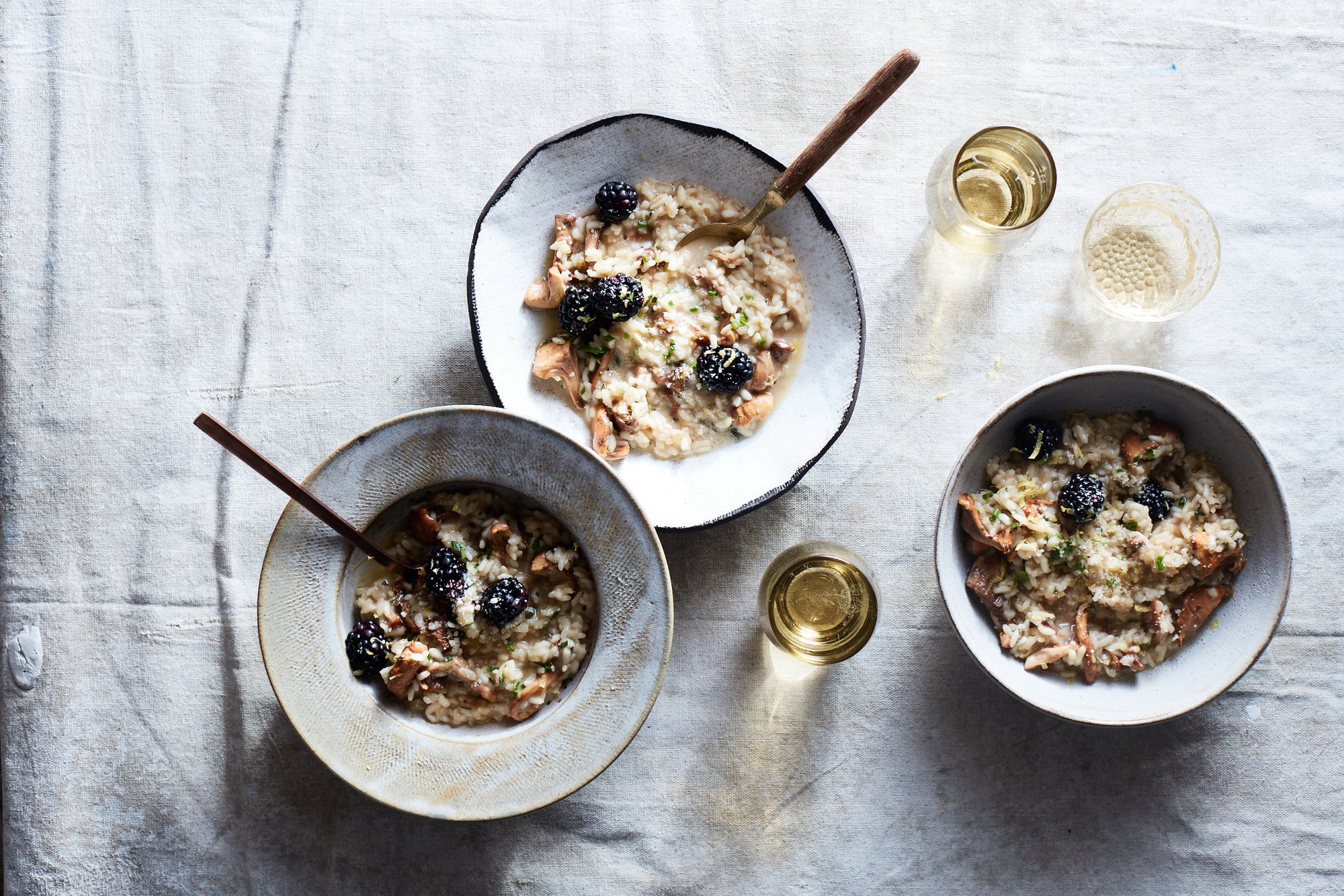
There is a specific kind of alchemy that happens in the kitchen when the light begins to tilt toward amber and the air carries the first crisp scent of autumn. For me, design and dining have always been two sides of the same coin—both are about layers, textures, and the intentional curation of an experience. My affection for creamy Italian rice was reaffirmed during a harvest dinner where I first encountered the "Cook Beautiful" philosophy of Athena Calderone. Her Wild Mushroom Risotto isn't just a meal; it is a sensory journey that mirrors the effortless elegance of a well-appointed room.
The beauty of this dish lies in its grounding earthiness, inspired by a collaboration with Chef Jody Williams. It invites the outside in, evoking the quiet magic of a damp forest floor through a careful marriage of wild fungi and aromatic herbs. If you have ever felt intimidated by the technical reputation of risotto, I invite you to see it differently: as a mindful ritual, a twenty-minute meditation where you and the grains become one.
The secret to Athena Calderone’s creamy risotto lies in the patience of the pour and the luxury of the finish. The signature creaminess is achieved by gradually adding warm stock to Arborio rice while stirring constantly, allowing the grains to rub against one another and release their essential starches. The dish is then transformed into something truly transcendent by finishing it off the heat with a decadent combination of butter, mascarpone, and finely grated Parmigiano-Reggiano.
The Essential Harvest Pantry
Before we even turn on the flame, we must talk about the "bones" of the dish—the ingredients. Much like choosing the right textile for a sofa, the quality of your raw materials determines the longevity of the impression.
To begin, the rice is your canvas. While many reach for any short-grain rice, Athena insists on Arborio or Carnaroli. These varieties are non-negotiable because they possess the high starch content required to create that velvety "sauce" without the grains becoming mushy. You want each grain to maintain a slight al dente "bite" at its core.
Next, we look to the stars of the show: the mushrooms. For this recipe, Athena recommends using 12 ounces of fresh wild mushrooms. Specifically, look for varieties like chanterelles, with their apricot-hued ruffles, and hedgehogs, known for their sweet, nutty profile. If you can’t find these at your local market, a mix of cremini, shiitake, and oyster mushrooms will still yield a beautiful result, though the wild varieties offer a deeper, more "forest-like" complexity.
One of the most profound elements of this recipe is the triple-herb infusion. By using a combination of sage, rosemary, and thyme, you aren't just seasoning; you are layering aromas. In fact, using this triple-herb infusion increases the aromatic complexity of the mushroom base by nearly 3x compared to standard single-herb risotto recipes. It’s the culinary equivalent of adding a textured throw and a scented candle to a room—it completes the atmosphere.

Step-by-Step: The Labor of Love
Cooking risotto is an act of presence. It requires you to stay by the stove, to watch the bubbles, and to feel the resistance of the spoon.
The Aromatic Foundation Start by sautéing your finely diced shallots and garlic in a heavy-bottomed pot—ideally something that retains heat well, like a Dutch oven. The goal is to achieve translucency without browning; you want them soft and sweet, providing a subtle background note rather than a sharp bite. Once the aromatics have softened, it’s time to invite the earthiness of the forest into the pan by adding your sliced mushrooms and the triple-herb bundle.
The 'Toast' and the Deglaze Once the mushrooms have released their moisture and turned golden, add 1.5 cups of Arborio rice. This is a critical step known as tostatura. You are essentially cooking the rice dry for about one minute until the edges become slightly opaque. This "toasts" the exterior of the grain, locking in its structure so it can withstand the long stirring process ahead. Deglaze the pan with a splash of dry white wine—think a crisp Sauvignon Blanc—to cut through the richness with a necessary hit of acidity.
The Stirring Ritual Now comes the heart of the method. This recipe requires approximately 20-25 minutes of active stirring. You must add your warm vegetable or chicken stock one ladle at a time. Do not rush. Wait for the rice to absorb the liquid before adding the next. This constant movement is what encourages the starch to slough off the grains, creating that signature silkiness.

Achieving the Perfect Mantecatura
In Italian cooking, Mantecatura is the final flourish—the act of whisking in fats to create a creamy, emulsified finish. It is the most rewarding part of the process, where the disparate elements of grain, stock, and mushroom finally "marry."
Once the rice is tender but still has a firm center, remove the pot from the heat. This is crucial: the residual heat is enough to melt your additions without breaking the sauce. Stir in a generous knob of cold butter, two tablespoons of creamy mascarpone, and a handful of finely grated Parmigiano-Reggiano.
Swoon Tip: If the risotto looks too thick or "tacky," don't be afraid to add one last splash of warm stock. The ideal consistency is what the Italians call all’onda—meaning "at the wave." When you tilt the plate, the risotto should ripple and flow like a gentle tide, rather than sitting in a stiff heap.
The Art of Presentation: A Forest Floor Aesthetic
As an editor focused on decor, I believe the way we present a dish is just as important as how we season it. For a poetic "forest floor" presentation, Athena takes a daring but brilliant turn with her garnishes.
To recreate this look, garnish the risotto with fresh wild berries, such as black currants or blackberries. It might sound unusual, but the tart explosion of the fruit cuts through the heavy creaminess of the mascarpone and mirrors the way berries grow alongside mushrooms in the wild. Add a zest of lemon for brightness, a sprinkle of fresh chives for a hit of green, and additional thin shavings of Parmigiano-Reggiano for visual texture.
For the vessel, I always recommend serving this dish on hand-thrown ceramics. The slight imperfections of a matte-glazed stoneware bowl echo the organic nature of the wild mushrooms. Mix shapes—perhaps a shallow pasta bowl for the main and a small, textured side plate—to create a curated, lived-in feel for your table setting.

Elevated Pairings
To complete the experience, think about the balance of the entire meal. Since the risotto is rich and deeply savory, your pairings should offer a counterpoint.
- The Wine: A crisp Sauvignon Blanc is the traditional choice to mirror the acidity used in the cooking process. However, if you want to lean into the autumnal mood, an earthy Pinot Noir with notes of forest floor will beautifully complement the chanterelles.
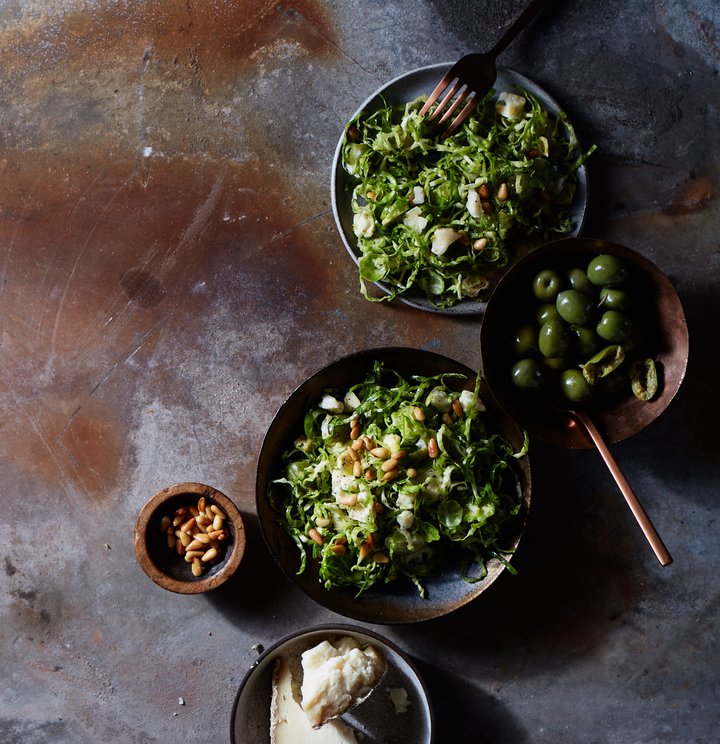
- The Side: I love pairing this with a dish that offers a crunch. A salad of shaved Brussels sprouts with pine nuts, lemon, and green olives provides a bright, bitter, and crisp contrast to the velvety rice.
FAQ
Can I use dried mushrooms if fresh wild ones aren't available?
Yes! While fresh chanterelles are ideal for texture, you can use dried porcini. Just be sure to rehydrate them in warm water first, and you can even use that soaking liquid (strained) as part of your stock for an extra punch of umami.
Is mascarpone absolutely necessary?
Mascarpone provides a unique, velvety mouthfeel that is milder and creamier than heavy cream. If you must substitute, a high-quality creme fraiche can work, though it will add a slight tang to the dish.
How do I store and reheat leftovers?
Risotto is best served immediately. However, if you have leftovers, they will thicken significantly in the fridge. Reheat on the stove with a splash of water or stock to loosen the sauce, or better yet, use the cold leftovers to make Arancini (fried risotto balls).
Mastering this recipe is about more than just a meal—it’s about bringing a sense of intentionality and "designed beauty" to your everyday life. Whether you are hosting a small gathering or simply treating yourself on a Tuesday night, let the ritual of the stir and the poetry of the forest floor transform your kitchen into a sanctuary of flavor.