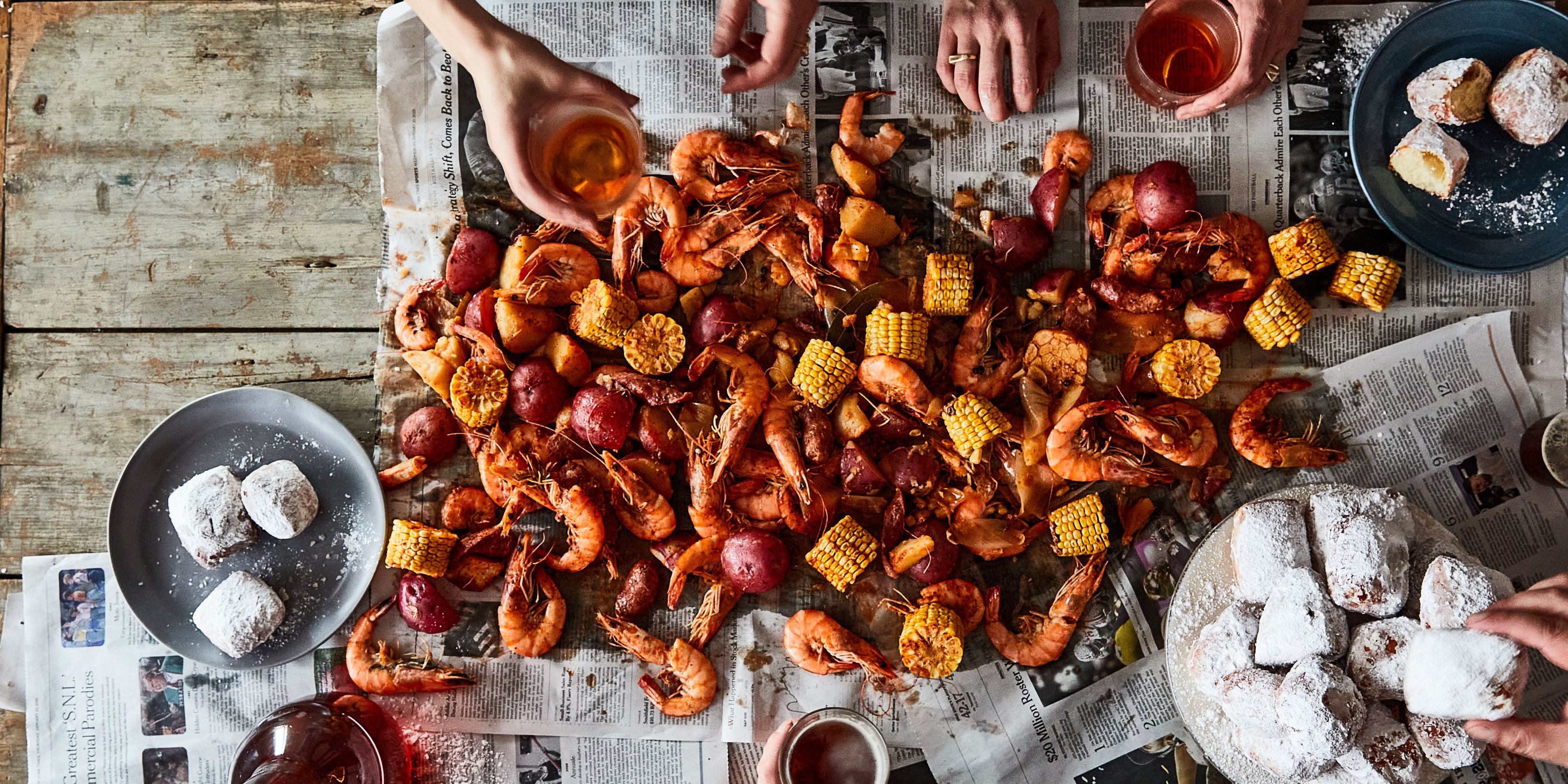
The clock hits zero, the confetti falls, and the high-energy roar of the Big Game begins to fade into the reality of your living room. If you’ve hosted a "Super Boil"—that glorious hybrid of Super Bowl intensity and a low-country seafood feast—you know the victory isn't just on the screen. It’s in how you handle the aftermath. We’re talking about a landscape of discarded crawfish shells, sticky remoulade drips, and the inevitable beer spill on the upholstery.
Celebrating the big game in true style might get messy, but a championship-level cleanup doesn't have to be a multi-day ordeal. To master the post-game mess, you need a strategy that prioritizes speed, efficiency, and long-term value for your home’s surfaces. Whether you're dealing with deep-set stains or a mountain of waste, the goal is to pivot from "party mode" to "pristine mode" using the right tools and a bit of tactical foresight.
Phase 1: Rapid Response Sweeping & Surface Care
In the world of post-game cleanup, the first five minutes are your "two-minute warning." This is when you prevent temporary spills from becoming permanent residents in your flooring. When dealing with a seafood boil, the debris isn't just dirt—it’s sharp shells, corn cobs, and greasy remnants that can wreak havoc on traditional vacuum rollers.
The Tactical Shell Removal Forget the standard corn broom. For a seafood-heavy event, the silicone broom is your MVP. Unlike traditional bristles that trap grease and get snagged on jagged crab legs, silicone brooms use static electricity and a squeegee-like action to pull debris into a neat pile. Because they are non-porous, you can simply rinse the broom head in the sink afterward, preventing that lingering "ocean smell" from living in your utility closet.
Handling the Sticky Stuff If you served wings with a honey glaze or beignets dusted in sugar, you’re likely facing a "sticky zone." The mistake most hosts make is reaching for harsh chemical degreasers immediately. Instead, treat sticky citrus or sugar spills with a simple mix of warm water and a few drops of high-quality dish soap. This breaks the molecular bond of the sugar without stripping the finish off your hardwood or laminate.
Pro-Tip: The Lint Roller Save For upholstery covered in powdered sugar or dry snack crumbs, don't use a damp cloth—that just creates a paste. Use a high-tack lint roller. It lifts the particles off the fabric fibers without rubbing them deeper into the weave.
Phase 2: The Stain Playbook (Blot, Don't Fumble)
A knocked-over drink can feel like a game-ending fumble, but a quick jump on the "ball" can save your carpet. The most critical rule in home maintenance is one I preach constantly: Blot, never rub. Rubbing a liquid spill acts like a piston, driving the pigment and sugars deep into the carpet pad where they become a breeding ground for odors.
Liquid Defense Strategy To remove drink stains—whether it’s craft beer or soda—immediately blot the area with a super-absorbent towel. For the best results, use a saline solution (a teaspoon of salt in a cup of water) or plain club soda. The carbonation in the soda helps lift the liquid to the surface, while the salt in a saline solution can help prevent dyes from setting into the fabric.
For the highest absorbency, I recommend keeping a set of Food52 Waffle Dish Towels on hand. Their honeycomb texture provides more surface area than flat-weave towels, allowing them to soak up twice their weight in liquid before you even have to reach for a cleaner.
If the spill hits your clothing instead of the rug, a quick pinch of table salt over the damp area can act as a temporary desiccant, drawing the liquid out of the fibers until you can get to a washing machine.
Phase 3: Heavy-Duty Tech—The 2026 Portable Cleaner Comparison
Sometimes, the mess requires more than a towel. When the party ends, you need a deep-cleaning tool that offers both power and longevity. For 2026, the market is dominated by two heavyweights, but only one truly earns its spot in my maintenance closet.
Comparison: Bissell Little Green Mini vs. Shark StainForce
| Feature | Bissell Little Green Mini | Shark StainForce (Cordless) |
|---|---|---|
| Power Source | Corded (15ft) | Cordless (Rechargeable) |
| Suction Power | High (Continuous) | Moderate (Fades as battery drops) |
| Tank Capacity | 48 oz | 20 oz |
| Run Time | Unlimited | 15-20 Minutes |
| Price Point | Under $100 | $130 - $160 |
| Best For | Deep-set party stains | Quick, light touch-ups |
The Verdict on Performance In my field testing, the Bissell Little Green Mini consistently outperforms the Shark StainForce for post-party scenarios. While the Shark offers the convenience of being cordless, the 15-minute battery life is rarely enough to tackle three different "hot spots" in a large living room.
The Bissell’s corded motor provides consistent, high-pressure suction that doesn't quit. Data shows that the Bissell Little Green Mini removes deep-set party stains 25% faster than handheld spray-and-scrub alternatives. When you’re tired at 11:00 PM on a Sunday night, that 25% time savings is the difference between going to bed and staying up until midnight scrubbing. For under $100, it represents the best long-term value for any homeowner who hosts more than once a year.
Phase 4: 2026 Sustainability & Smart Waste Management
Hosting a "Super Boil" in 2026 isn't just about cleaning up—it's about how much waste you generate in the first place. The "Circular Event" model is the new standard for modern hosting. This involves moving away from single-use plastics and toward a system where everything has a designated place.
Smart Bins and IoT Integration Large event settings are now adopting IoT-enabled smart waste systems. While you might not have a fleet of robots in your kitchen, the technology behind them is filtering down to consumer products. Modern smart bins equipped with sensors can notify your phone when they are reaching 80% capacity, preventing the dreaded "over-stuffing" that leads to leaks on your kitchen floor.
Implementing these systems can reduce manual cleanup routes by 40% and prevent 90% of bin overflow incidents. If you're hosting a large crowd, consider a "Waste Station" with clearly labeled, sensor-activated bins for compost (shell waste), recycling (cans), and landfill.
Zero-Waste Hosting Tips:
- Mobile Sustainability Kits: Instead of paper plates, use bamboo or compostable palm leaf plates which are sturdy enough for heavy seafood.
- RFID Check-ins: For massive neighborhood boils, some hosts are using simple digital programs to track reusable glassware, ensuring that "mystery cups" don't end up scattered across the lawn.
- Local Sourcing: Reduce your carbon footprint by sourcing seafood and produce from vendors within a 50-mile radius, which also typically means less plastic packaging to dispose of.
Conclusion: Winning the Post-Game Clean
The shift in modern hosting is moving away from the "spectacle of excess" and toward "purposeful connection." A clean home is the foundation of that connection. By using a swift and strategic approach—leveraging silicone brooms for debris, the "blot don't rub" rule for spills, and high-performance tools like the Bissell Little Green Mini—you ensure that your home remains a sanctuary rather than a disaster zone.
Mastering the post-game mess isn't about working harder; it's about using the right tech and the right technique. Now, go enjoy that victory—your floors are already taken care of.
FAQ
Q: How do I get the smell of a seafood boil out of my house quickly? A: Start by simmering a pot of water with lemon peels and white vinegar on the stove—this neutralizes airborne odors. For carpets, sprinkle baking soda, let it sit for 20 minutes to absorb the oils, and then vacuum with a HEPA-filter machine.
Q: Can I use a regular vacuum on seafood shells? A: I strongly advise against it. Hard shells can crack the plastic fan blades or puncture the internal hose of most upright vacuums. Use a silicone broom or a shop vac designed for larger debris.
Q: What is the best way to clean the Bissell Little Green Mini after use? A: Maintenance is key to long-term value. Always empty the dirty water tank immediately, rinse it with warm water and a splash of vinegar, and leave the cap off to air dry. This prevents the "musty machine" smell from developing.
Game Day Cleanup Checklist
- [ ] Pre-Game: Set up the "Waste Station" with separate bins for shells and cans.
- [ ] Half-Time: Do a quick "surface sweep" of the kitchen to clear prep dishes.
- [ ] The Two-Minute Warning: Identify any fresh spills and blot them immediately.
- [ ] Post-Game: Use the silicone broom for floor debris.
- [ ] The Deep Clean: Deploy the portable carpet cleaner for any spots or high-traffic areas.
- [ ] The Final Air-Out: Open windows for 10 minutes to cycle fresh air through the hosting space.