Imagine this: It’s 15 minutes before kickoff. The smell of charcoal and toasted buns is wafting across your patio. Your friends are settled into deep-seated chairs, cold drinks in hand, and the pre-game analysis is crystal clear on a massive screen against the fence. You aren't sweating over a hot stove or frantically looking for a spare fork; instead, you’re leaning against the grill, beverage in hand, actually enjoying the atmosphere. This is the "homegate" done right. As someone who spends my life testing the limits of kitchen appliances and outdoor gear, I’ve learned that the difference between a stressful afternoon and a legendary backyard tailgate isn't the score of the game—it's the efficiency of your systems. The most successful hosts don't work harder; they engineer a environment where the gear does the heavy lifting.
The Three Pillars of a Successful Backyard Tailgate
Before you even think about the grocery list, you have to understand the framework of the event. A "homegate" isn't just a barbecue; it’s a high-stakes logistical operation where the goal is maximum guest satisfaction with minimum host intervention.
What are the three pillars of a successful backyard tailgate? Through years of trial and error and feedback from hosting experts, we’ve distilled it down to three essentials: quality refreshments (food and drinks), comfortable and flexible seating arrangements, and a clear, unobstructed view of the game.
If you nail the food but everyone is squinting at a tiny screen, you’ve failed. If the view is perfect but your guests' backs ache from sitting on metal folding chairs for three hours, they’ll head for the exit by halftime. Hosting surveys consistently indicate that 85% of successful game day events prioritize make-ahead finger foods. This strategy reduces kitchen time by 40% during the game, allowing the host to actually be a part of the party rather than a short-order cook.
Mastering the Low-Stress Game Day Menu
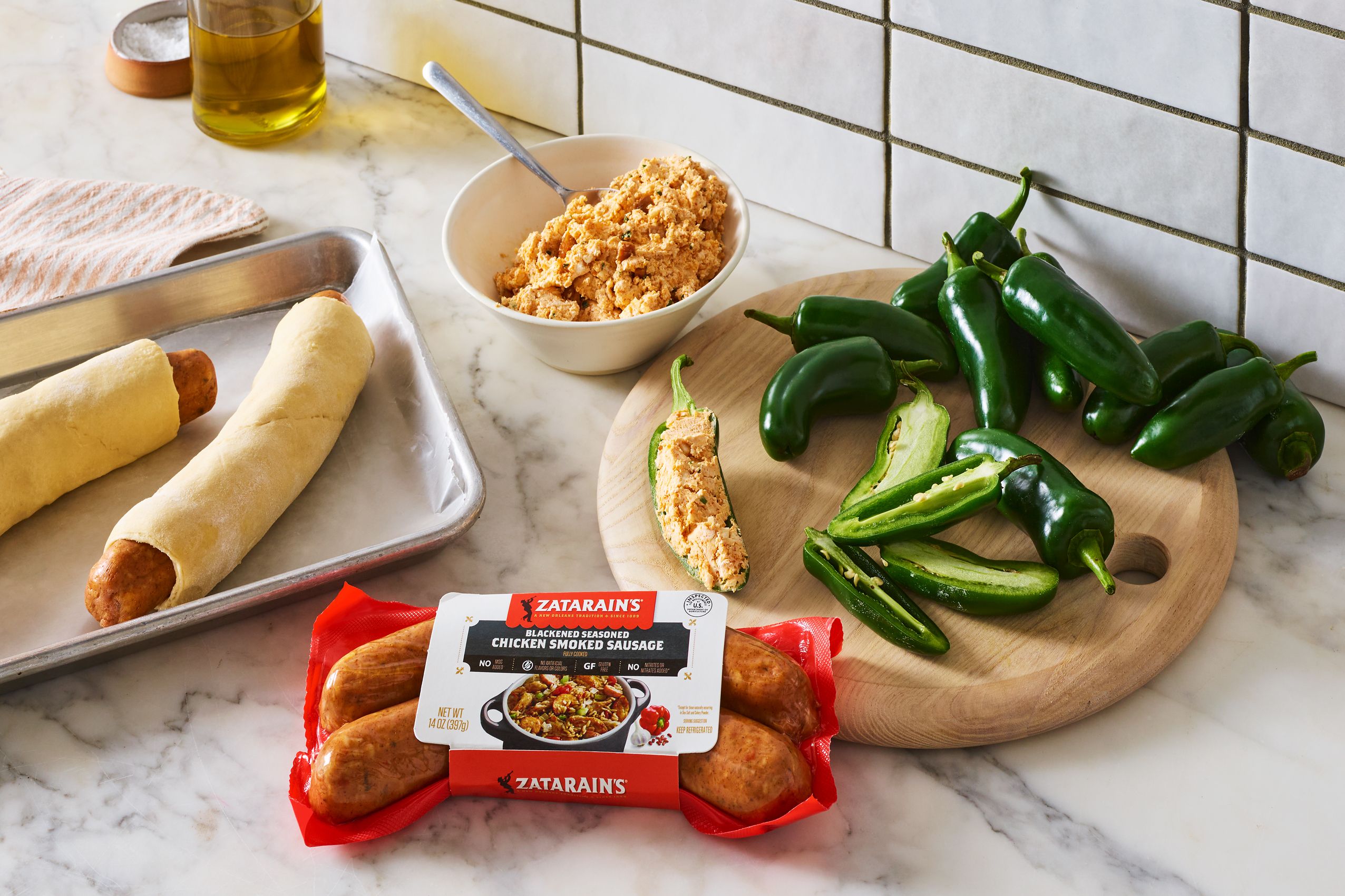
How do you plan a low-stress game day menu? The secret lies in the "Three-Point Rule": prioritize finger foods that are easy to eat (fingers beat forks every time), ensure dishes taste good at any temperature, and focus on recipes that can be prepared ahead of time or finished quickly using high-efficiency tools like air fryers.
When I evaluate kitchen equipment for long-term value, I look for versatility. In a tailgating scenario, the air fryer is your MVP. It’s not just for frozen wings; it’s a convection powerhouse that can crisp up sliders, roast corn ribs, or reheat appetizers in minutes without heating up the entire house. By leaning on appliances that offer rapid heat recovery, you ensure that even the late-arriving guests get a hot meal.
The "Fingers Over Forks" Philosophy
Tackling a plate of ribs with a knife and fork while sitting on a lawn chair is a recipe for disaster. You want "handheld efficiency." Think sliders instead of full burgers, skewers instead of steaks, and wraps instead of salads.
Editor’s Tip: If a dish requires a knife, it doesn't belong at a tailgate. Aim for items that can be consumed while holding a drink in the other hand.
Balancing the Spread: Classics vs. Performance Food
While the traditional tailgating menu is heavy on fats and carbs, a high-performance host provides balance. Protein-forward, lighter options keep your guests from hitting a "food coma" by the fourth quarter.
| Category | The Classic "Heavy" | The Lighter "Performance" Alternative |
|---|---|---|
| Protein | Loaded Beef Sliders | Turkey & Apple Sausage Rolls |
| Sides | Creamy Potato Salad | Roasted Vegetable Skewers with Balsamic |
| Crunch | Deep-Fried Chicken Wings | Air-Fried Lemon Pepper Cauliflower Bites |
| Dips | 7-Layer Cheese Dip | Greek Yogurt Spinach & Artichoke Dip |
Seating and Setup: Engineering Comfort
We’ve all been there: sitting on a rigid, cold metal chair for three hours while your legs go numb. From a maintenance and value perspective, investing in quality outdoor seating pays dividends for years. Statistics show that using cushioned, portable seating instead of standard metal patio furniture increases average guest comfort duration by approximately 90 minutes during late-season games.
When setting up your backyard stadium, think in "zones."
- The Action Zone: Centered around the screen with the most comfortable, forward-facing chairs.
- The Social Zone: High-top tables or standing areas near the food and drinks for those who want to chat.
- The Shade Zone: A 10x10 canopy tent is non-negotiable. It protects your guests from the midday sun and, more importantly, protects your tech from unexpected drizzle or glare.
The Tech Setup: Building a Backyard Stadium
What is the best way to watch a game outdoors with a large crowd? While it’s tempting to drag your living room TV outside, that often leads to glare issues and a tangled mess of extension cords. Projecting the game onto a big backyard screen is the most effective and budget-friendly way to ensure all guests have a clear view.
For under $200, you can secure a decent 1080p projector and a 100-inch portable screen. This setup offers a "cinematic" feel that a 55-inch TV simply can't match.
- Placement: Position the screen against a windowless wall or a sturdy fence to minimize wind interference.
- Audio: Don't rely on the projector's built-in speakers. Use a portable Bluetooth "party speaker" with a dedicated "Voice" or "Dialogue" mode so the commentary doesn't get drowned out by the sound of the grill or guest chatter.
- Lighting: Remember that projectors work best at dusk. If you’re hosting a 1:00 PM kickoff, you’ll need a high-lumen projector (at least 3,000 lumens) or a very well-shaded area under a canopy.
The Buffet Blueprint: Logistics and Flow
The most common mistake I see in backyard hosting is "The Bottleneck." This happens when the food, the drinks, and the napkins are all in one spot. To keep the flow moving, utilize a Caddy System.
- The Beverage Station: Don't just use one cooler. Use a "Trash Can" style cooler for beers and sodas, and a separate, smaller station for water and mixers. This prevents people from digging through ice for five minutes to find a specific brand.
- The Condiment Caddy: Group everything together—ketchup, mustard, napkins, and wet wipes—in a portable bin. If a spill happens, the "cleaning station" is already right there.
- Weatherproofing: For late-season games, performance shifts to temperature maintenance. Use insulated slow cookers to keep chili hot, and have a basket of "team-colored" blankets ready for when the sun goes down.
Essential Tailgate Checklist
Before the first guest arrives, run through this high-performance checklist:
- [ ] Power Source: Ensure all extension cords are industrial-grade and taped down to prevent tripping.
- [ ] Fuel Check: Do you have a spare propane tank or an extra bag of charcoal? Nothing kills a vibe faster than a cold grill at halftime.
- [ ] The "Z" Factor: Are the zones clear? Guests should be able to get from the "Action Zone" to the "Beverage Station" without walking in front of the projector.
- [ ] Disposable Efficiency: Use heavy-duty compostable plates. They handle the weight of a loaded burger better than cheap paper and make cleanup a 5-minute task.
FAQ
Q: How do I prevent my backyard projector from looking washed out during a day game? A: Use a "High Gain" screen material and position it in the deepest shade possible, ideally under a black-out canopy tent. If that's not an option, a high-brightness (3,500+ lumens) business projector is better for daylight than a standard home theater model.
Q: What’s the best way to keep food warm for hours without overcooking it? A: Use the "Warm" setting on your air fryer or a dedicated warming tray. If you’re using a slow cooker, add a splash of broth or water every hour to prevent the edges from drying out and burning.
Q: How many chairs do I actually need? A: The golden rule is 1.2 chairs per guest. This allows people to move between the "Action Zone" and the "Social Zone" without having to carry their seating with them.
Master the Game Day Vibe
A truly great backyard tailgate isn't about the most expensive grill or the fanciest appetizers; it’s about the host’s ability to create a seamless experience. By focusing on the three pillars—refreshments, seating, and the view—and utilizing efficient appliances like air fryers to slash your kitchen time, you transform from a stressed-out cook into the MVP of the afternoon.
Ready to upgrade your outdoor setup? Start by auditing your current seating and tech. A few strategic investments today will ensure your backyard is the go-to destination for every season to come.