The era of the "sad sandwich" in a plastic bag is officially behind us. In 2026, we’ve seen a remarkable shift in how we approach the outdoors; it is no longer just about a quick bite between hikes, but rather the "Art of Outdoor Entertaining." As someone who spends my days dissecting the thermal efficiency of high-end refrigerators and the structural integrity of professional cookware, I’ve watched this evolution with keen interest. We are seeing a renaissance where the sophistication of the indoor dining room is being meticulously packed into portable vessels.
Whether you’re planning a sunset date on a coastal cliff or a family gathering in a sprawling urban park, the gear you choose determines whether you’re a "hero" of the afternoon or the person frantically chasing a runaway paper plate.
The Essential Picnic Checklist: Don't Leave Home Without These
Before we dive into the heavy-duty gear, let’s settle the "must-haves." If you are looking for the quick-start guide to a successful 2026 outing, these are the non-negotiables that bridge the gap between a chaotic meal and a curated experience.
- A Waterproof and Washable Blanket: Look for a zippable version with a dedicated dry side.
- Hydration Strategy: Packets like Liquid I.V. or coconut water to counteract the dehydrating effects of the sun and wine.
- The Multi-Tool: A professional-grade waiter’s corkscrew with a foil cutter and bottle opener.
- Unbreakable Tableware: Reusable melamine plates and acrylic glasses—never single-use plastic.
- Protection: High-SPF bug spray and a small bottle of unscented hand sanitizer.
- Ambiance: A portable, weather-resistant Bluetooth speaker.
Wicker vs. Backpack: Choosing Your 2026 Picnic Vessel
When it comes to the "vessel," the market has seen a dramatic schism. For decades, the wicker hamper was the undisputed king of the meadow. However, market data for 2026 shows a staggering 40% increase in consumer preference for insulated backpack-style picnic sets over traditional wicker hampers.
Why the shift? It comes down to what I call the "Clean Factor" and the "Logistics Reality."
Wicker is undeniably romantic. It photographs beautifully and evokes a 19th-century European charm. But from a maintenance perspective, it’s a challenge. Wicker traps moisture, is prone to drying out and cracking, and provides zero thermal insulation. Conversely, modern canvas and cloth baskets are winning the durability race. They are often constructed from high-denier polyester with leakproof, heat-sealed linings that you can simply wipe clean after a spill. Furthermore, the ability to collapse these bags for flat storage in an apartment closet makes them the more practical choice for the modern urbanite.
Expert Tip: If you absolutely love the look of wicker, treat it like an heirloom. Use it for the "dry" goods (plates, linens) and carry a separate high-performance cooler for the food. Never let damp grass sit against a wicker base for more than an hour, or you'll be dealing with mildew by the weekend.
The 5 Best Picnic Baskets of 2026: Tested & Reviewed
I’ve put dozens of carriers through the ringer this season, testing everything from zipper smoothness to ice retention. Here are the five that stood above the rest.
| Category | Product Type | Key Feature | Best For |
|---|---|---|---|
| Best Overall | Collapsible Insulated Cooler | Leakproof TPU lining | Versatility & Storage |
| Best Backpack | 4-Person Insulated Set | Detachable wine holder | Hands-free hiking |
| Best Traditional | Classic Wicker Hamper | Dual-entry lids | Aesthetic enthusiasts |
| Best for Hikers | Padded Trail Pack | Ergonomic weight dist. | Long-distance treks |
| Best for Style | Seagrass Parisian Tote | Canvas reinforced handles | Farmers markets & Brunch |
1. The Collapsible Insulated Leakproof Cooler (Best Overall)
This is the workhorse of the 2026 season. It bridges the gap between a soft-sided cooler and a traditional basket. Its structural panels keep it upright when full, but it folds to under three inches thick when empty. The insulation is top-tier, keeping internal temperatures below 40°F for up to 12 hours.
2. The 4-Person Insulated Backpack Set (Best Portability)
If your picnic destination requires more than a five-minute walk, this is your winner. It includes a dedicated compartment for a blanket, a detachable insulated wine sleeve, and a full set of cutlery. The weight distribution is excellent, preventing the "digging" sensation in your shoulders even when fully loaded with a heavy charcuterie spread.
3. The Classic Wicker Hamper with Dual-Entry Lids
For those who refuse to compromise on the classic aesthetic, look for models with dual-entry lids. This allows you to reach for a glass without uncovering the entire spread. Ensure yours comes with a removable fabric liner—being able to throw the liner in the wash is the only way to keep a wicker basket hygienic over the long term.
The Non-Negotiables: Indispensable Non-Food Items
A picnic is more than a meal; it’s an installation. To truly elevate the experience, you need to think beyond the menu. According to a recent survey of hosting experts, 85% of frequent picnickers rank a waterproof, zippable blanket as the most indispensable non-food item. Why? Because the ground is almost always more damp than it looks. A moisture-wicking top layer paired with a tarpaulin-style bottom ensures your guests stay dry and comfortable for hours.
Then, there is the "Table Factor." Eating off the ground is fine for a snack, but for a multi-course entertaining session, stability is paramount.
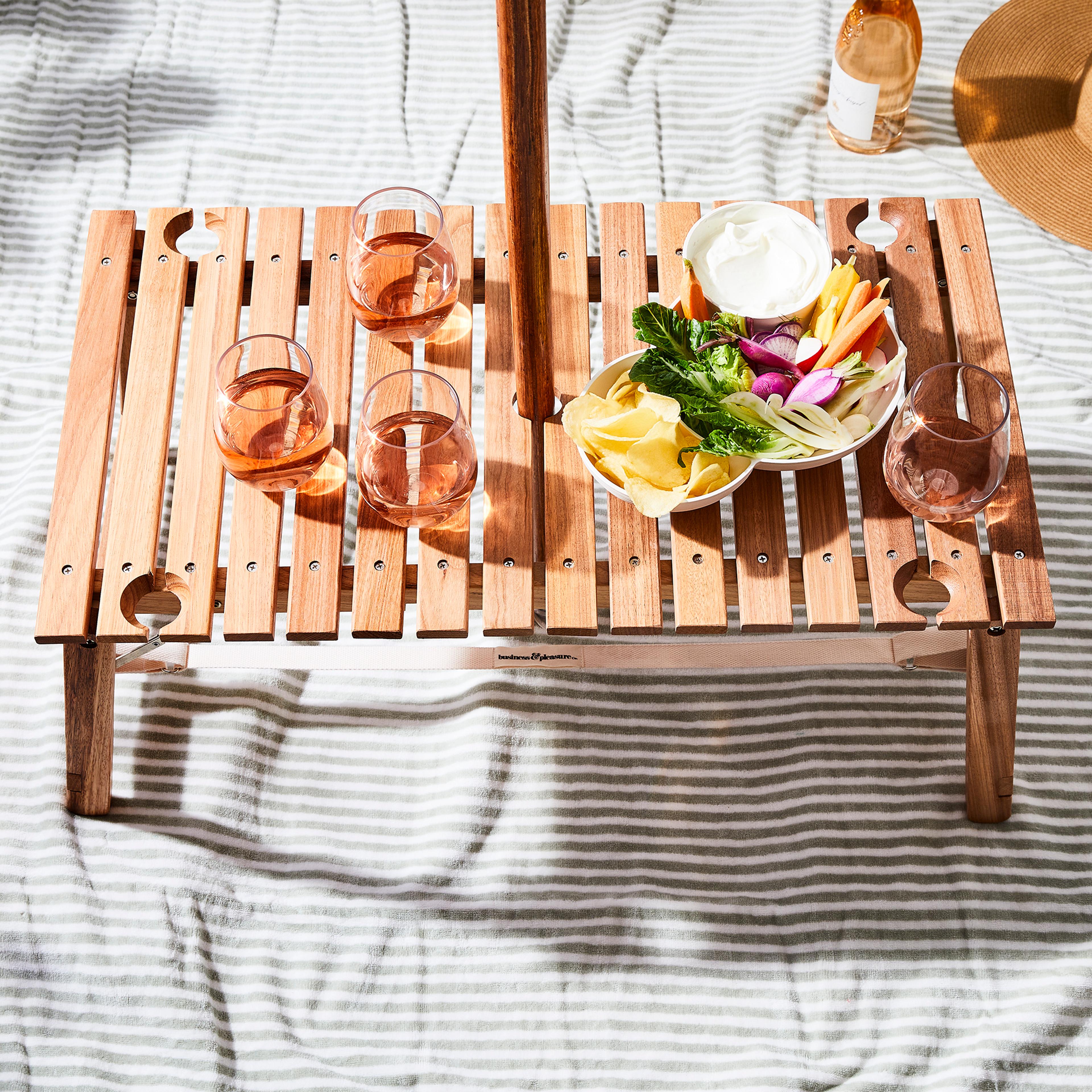
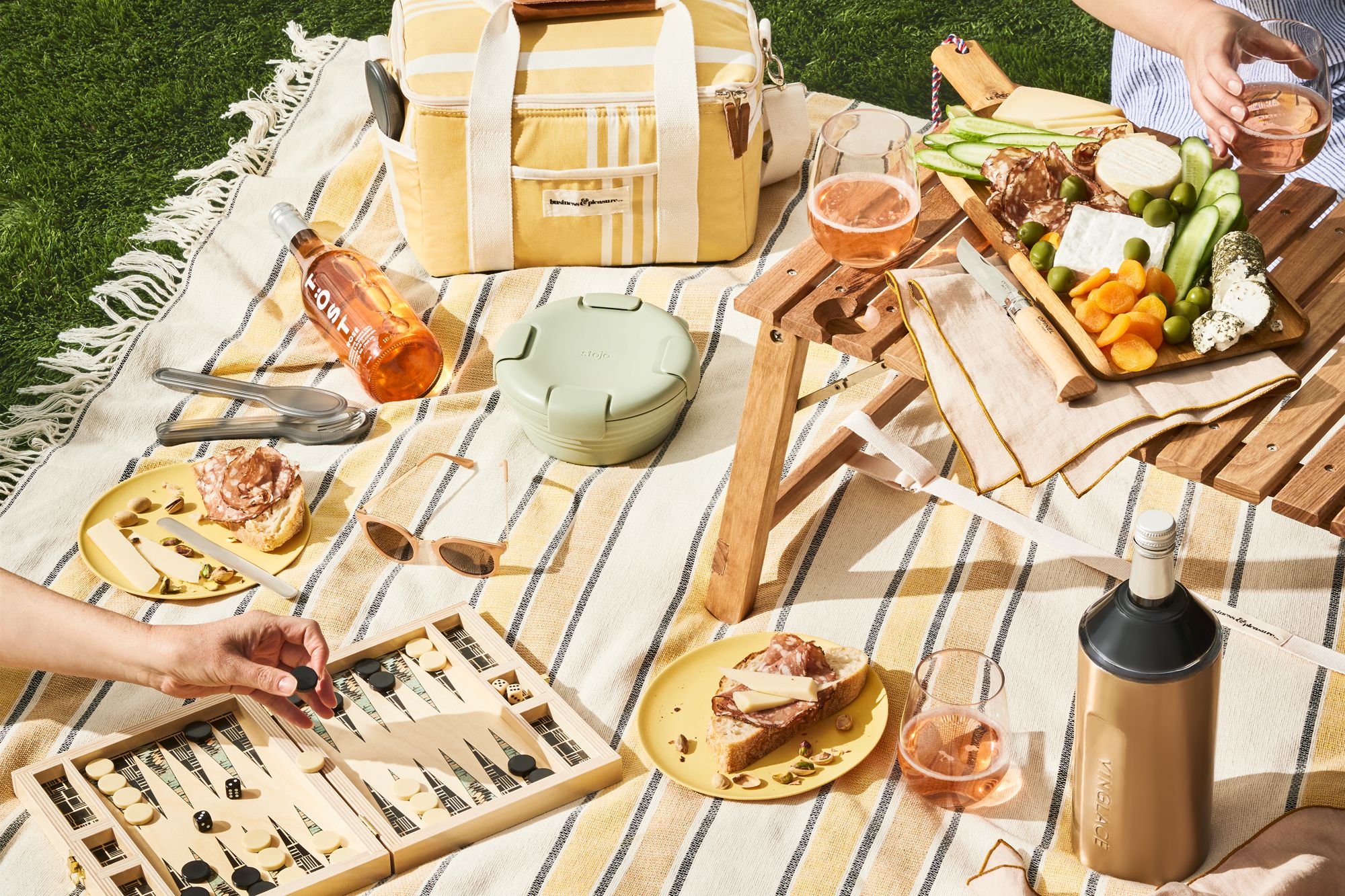
A roll-up wooden table is a game-changer. These lightweight, accordion-style slats unfold to provide a level surface for wine glasses and heavy plates. It prevents the heartbreaking "wine-spill-on-the-blanket" scenario that ends many picnics prematurely.
Packing the Perfect Spread: Food & Drink Secrets
How you pack is just as important as what you pack. The common mistake is focusing on the "what" and ignoring the "how." In my experience, the secret to a high-end picnic spread lies in temperature control and moisture management.
Keeping it Cold
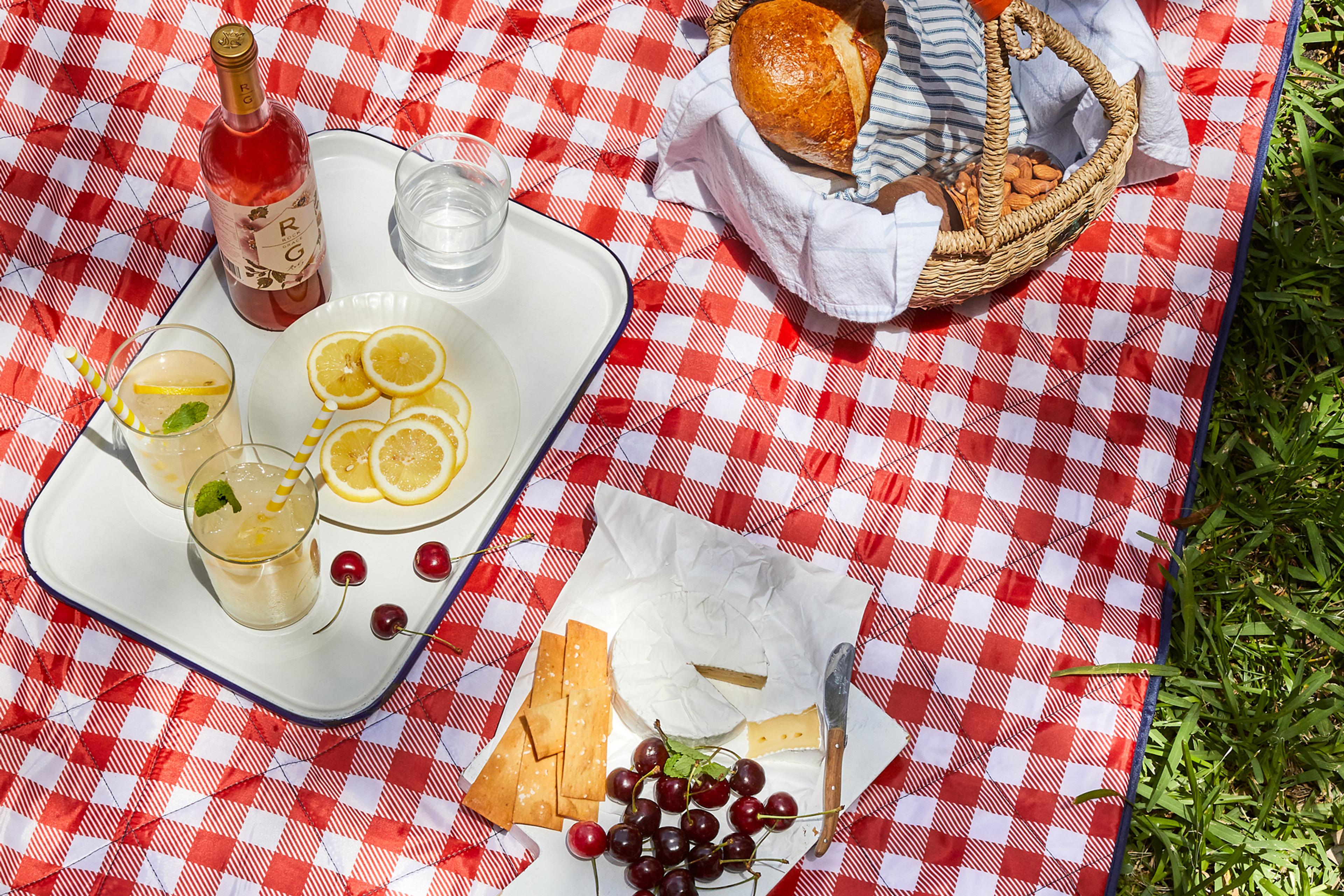
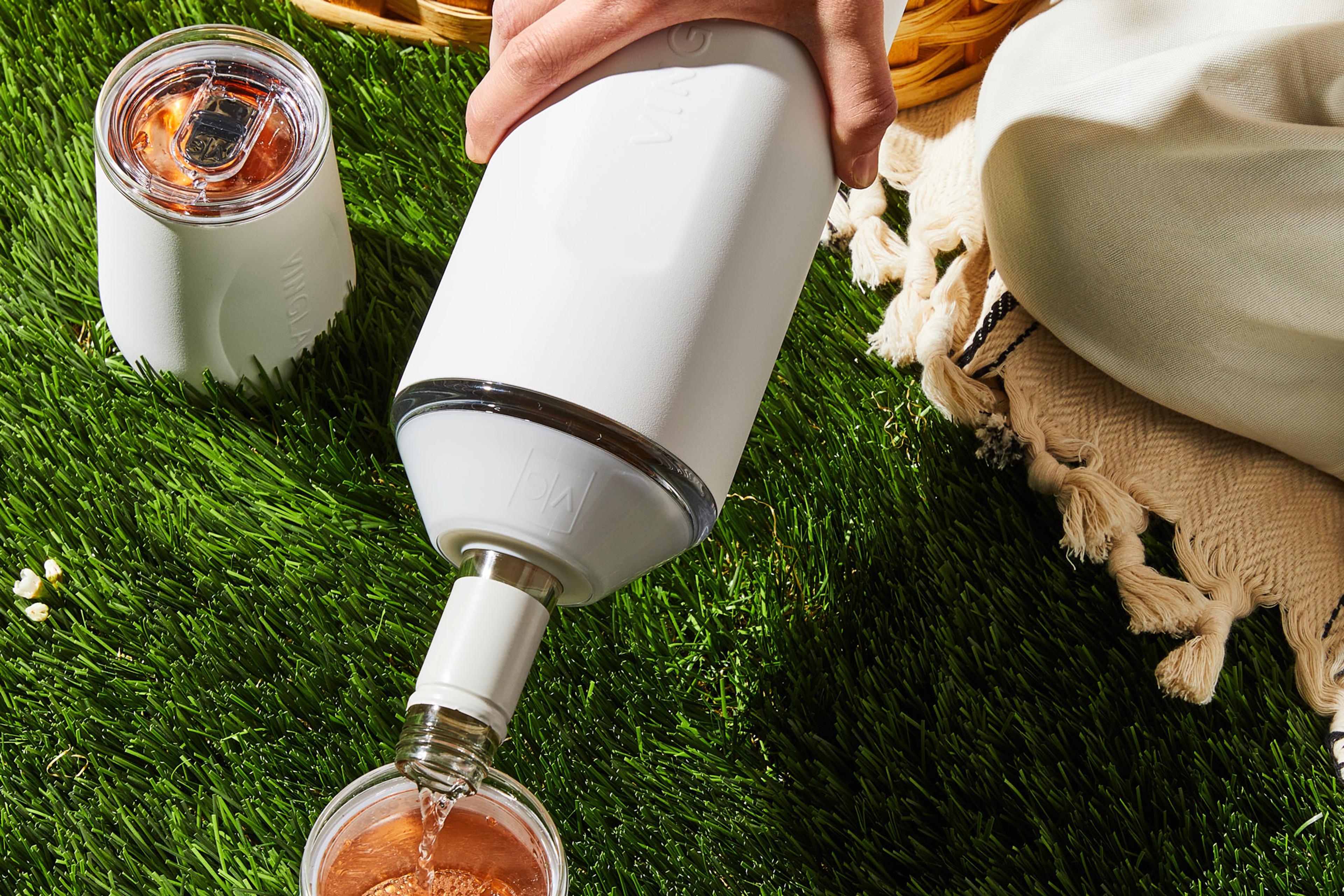
To keep picnic food and drinks cold, do not rely on loose ice cubes, which turn into a soggy mess within the hour. Use high-density gel packs or, better yet, vacuum-sealed bags of ice that can be used for drinks once they start to melt. For wine and spirits, I highly recommend a vacuum-insulated canister, such as those made by Corkcicle. These canisters can maintain the crisp temperature of a Chardonnay for up to 25 hours, even in direct sunlight.
The Menu Strategy
Think of foods that improve with time or stay stable.
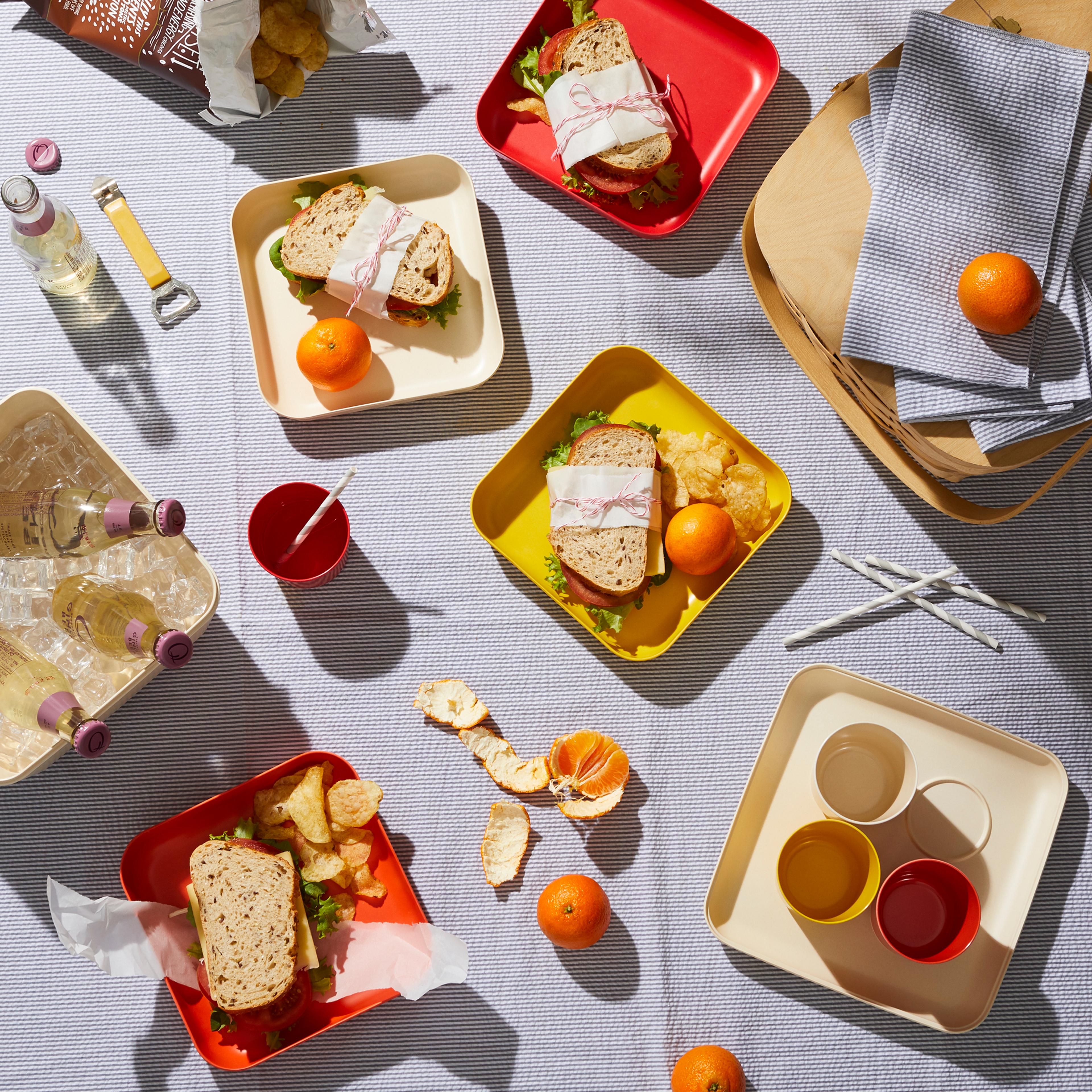
- The Sandwich Evolution: Move away from sliced bread. Use crusty baguettes or ciabatta that can stand up to moisture without becoming "mushy."
- The Cheese Rule: Bring "Real" cheese knives. Attempting to cut an aged cheddar with a plastic fork is a recipe for frustration.
- Fruit Prep: Pre-cut everything at home. Pits, peels, and rinds are just extra weight and trash to carry back.
Expert Tips for a Mess-Free Experience
After years of testing kitchen and home products, I’ve developed a "Picnic Protocol" that ensures you don't return home with a ruined car trunk or a stained basket.
- The Bottom-Up Rule: Pack your heaviest, sturdiest items (bottles of water, heavier containers) at the very bottom. This provides a stable base and prevents your delicate salads or sandwiches from being crushed.
- The Double-Bag Contingency: Always pack two extra trash bags and a pack of heavy-duty wet wipes. One bag is for actual trash; the second is for your dirty plates and cutlery. This prevents food residue from leaking into your nice basket or backpack on the way home.
- The Cooling "Chimney": In a backpack cooler, place your ice packs vertically along the sides rather than just flat on the bottom. This creates a "chimney effect" of cold air circulating around the food.
- Maintenance: When you get home, open your basket or backpack and leave it open in a dry area for 24 hours. Even if it looks dry, trapped humidity is the #1 cause of mold in picnic gear.
FAQ: Your Picnic Questions Answered
How do I clean a traditional wicker basket if food spills inside? Avoid soaking the wicker. Use a damp cloth with a very mild dish soap to spot-clean the area. If the spill is significant, use a soft-bristled toothbrush to gently scrub between the weaves. Always air-dry completely in a shaded, well-ventilated area—direct sunlight can cause wicker to become brittle.
Are picnic backpacks allowed as carry-on luggage for flights? Most standard 2-to-4 person picnic backpacks fall within standard carry-on dimensions. However, you must remove the cutlery (knives and corkscrews) and any liquids before passing through security. It’s a fantastic way to have a "destination picnic" if you pack your tools in your checked bag.
What is the safest temperature for picnic food? Perishable foods should not be kept in the "Danger Zone" (between 40°F and 140°F) for more than two hours. If the outdoor temperature is above 90°F, that window shrinks to just one hour. Investing in a high-quality insulated bag with dedicated cooling compartments is the best way to extend your dining window.
Conclusion: The Call to Adventure
The "perfect" picnic isn't about expensive champagne or a five-star menu; it's about the seamless transition from the stress of the week to the serenity of the outdoors. By choosing gear that emphasizes performance and durability—like a well-insulated backpack or a truly waterproof blanket—you remove the friction of the experience.
In 2026, we have the technology to keep our drinks colder, our backs more comfortable, and our food fresher than ever before. So, I encourage you: pick a weekend, pack your vessel with intention, and take the meal outdoors. The art of entertaining is waiting for you under the open sky.