Imagine stepping into a kitchen in 1904. The air is thick with the scent of coal smoke from a heavy cast-iron range, and the floor is a patchwork of timeworn pine planks. This was a room designed for labor, often tucked away at the back of the house, far from the eyes of guests. Fast forward to 2026, and the kitchen has undergone a radical metamorphosis. It is no longer a hidden service room but the "Social Hub" of the home—a high-tech sanctuary where precision induction zones are controlled via smartphone and professional-grade appliances hide behind bespoke cabinetry.
Transforming a historic 1904 kitchen into a modern masterpiece requires more than just a renovation; it requires a masterclass in balance. To successfully bridge a century of design, you must harmonize early 20th-century character—such as original terrazzo floors or 100-year-old architectural moldings—with the industrial utility of modular stainless steel and open-concept layouts. The secret lies in selecting a "full-suite" of luxury appliances from top-tier brands like Sub-Zero, Wolf, and Miele, which are leading the 2026 market by offering matching aesthetics across refrigeration, cooking, and cleaning categories.
Preserving the Soul: Navigating 1904 Architectural Elements
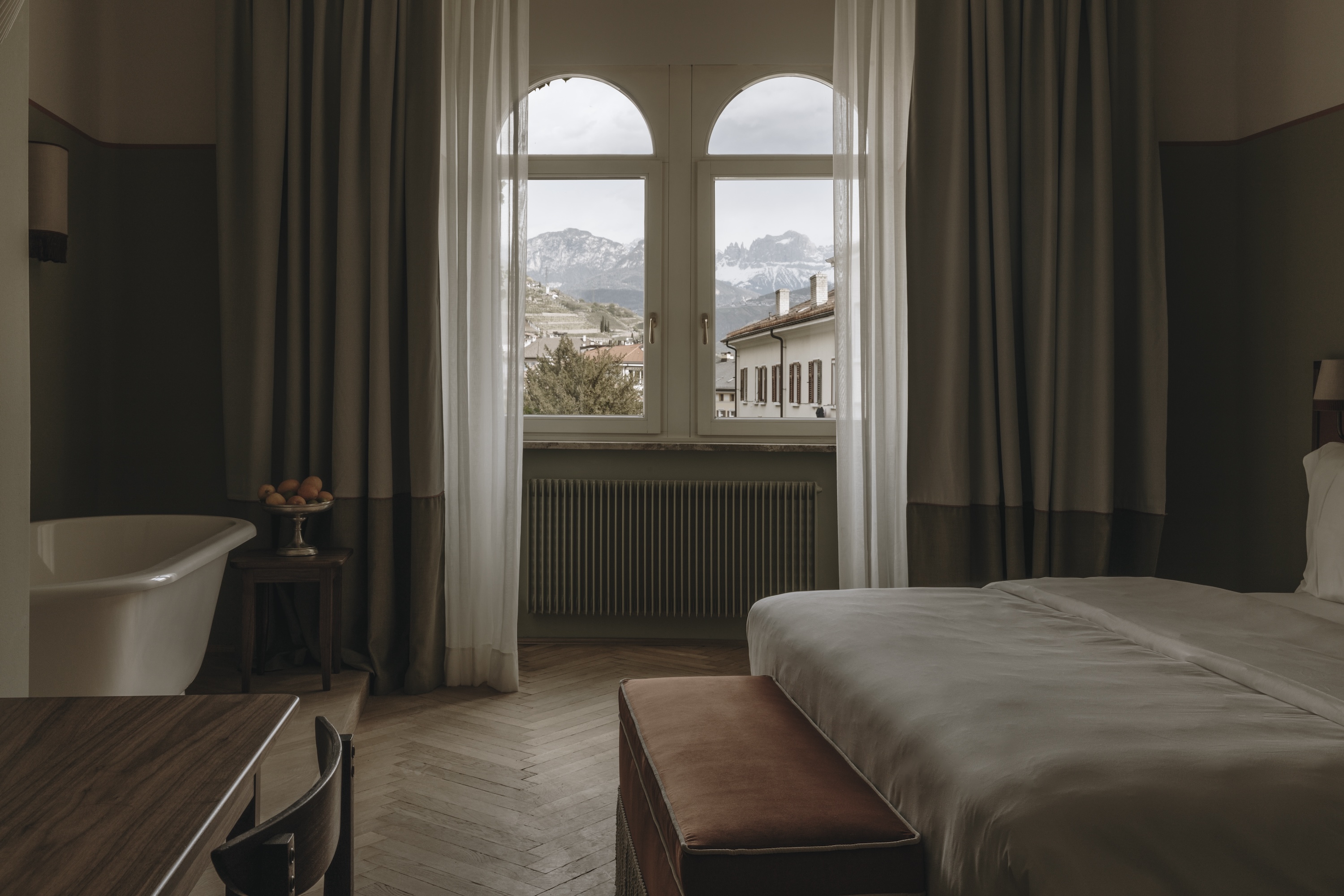
When you walk into a 120-year-old home, the first thing you feel is the weight of history. In regions like South Tyrol, historical properties often feature original pine plank flooring that has been meticulously preserved for over a century. These elements are the "soul" of the renovation. Before you pick up a sledgehammer, identify which historical markers can be salvaged to ground your modern design.
Restoring original terrazzo floors or century-old pine planking provides a textural contrast that new builds simply cannot replicate. The goal is to create a "modern heritage" aesthetic—where the soft, irregular lines of hand-carved molding meet the sharp, surgical precision of 21st-century cabinetry. If the original floor is too damaged to save in its entirety, consider a "patchwork" approach, using reclaimed wood to fill gaps, which adds to the home's narrative.

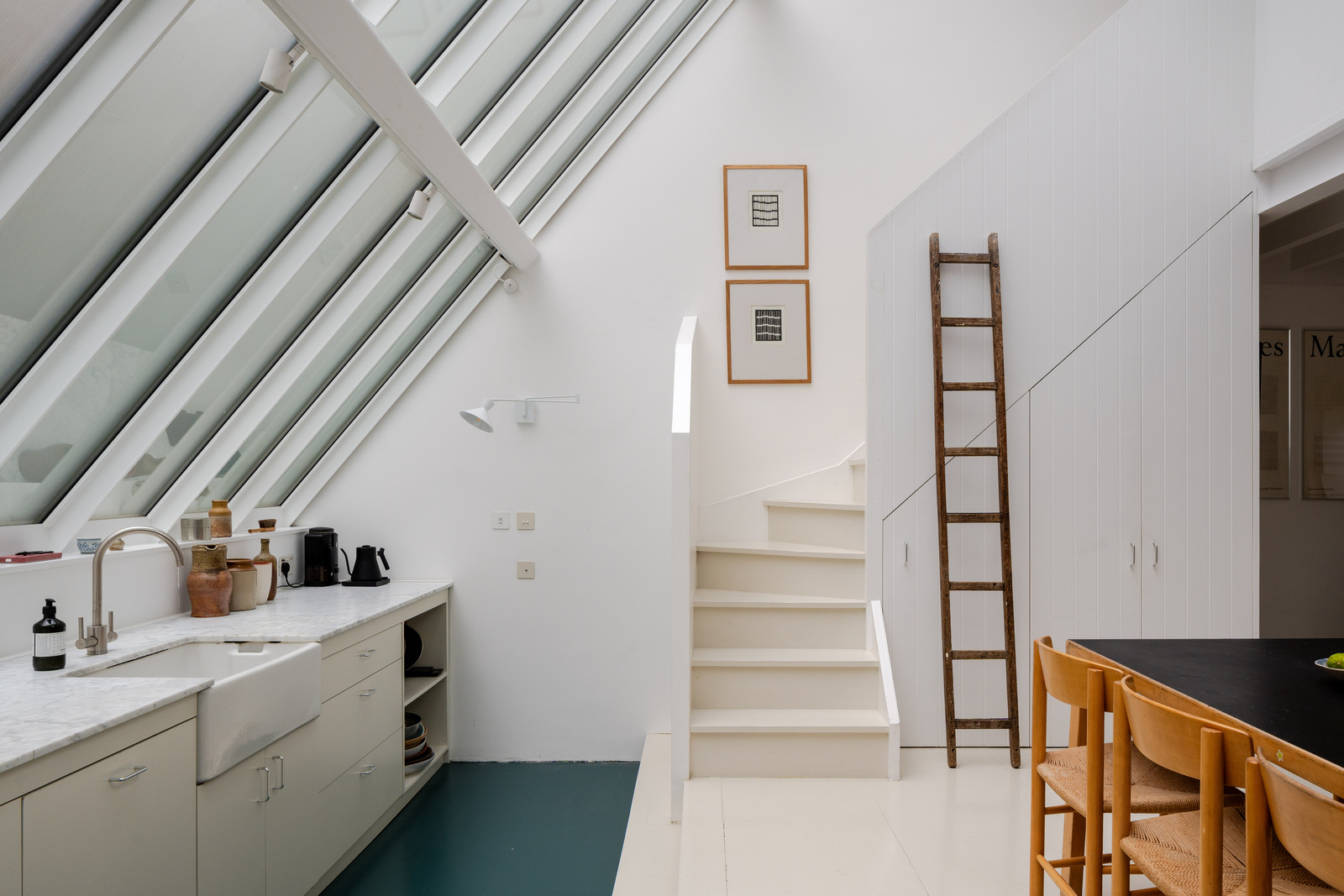
While the bones of the room remain historic, the performance must be contemporary. We often look to the "South Tyrol model" of design, which balances soft white plastered walls with rugged industrial utility. This approach allows the architectural details to breathe while providing a neutral backdrop for high-end finishes.
The Open Concept Revolution: Reclaiming Space
The most significant shift from 1904 to now is the removal of the "service wall." In the early 20th century, kitchens were segmented into separate rooms for prep, cooking, and dishwashing. Today, we demand a connected living-dining zone. For a 1904 house kitchen remodel, this often involves removing non-load-bearing walls to create a "Wall and Island" configuration.
Modular stainless steel units are an excellent solution for historic layouts. Unlike traditional built-in cabinetry, modular units feel like furniture, allowing the original walls and windows to remain visible. They provide a compact galley effect that is both efficient and visually light.
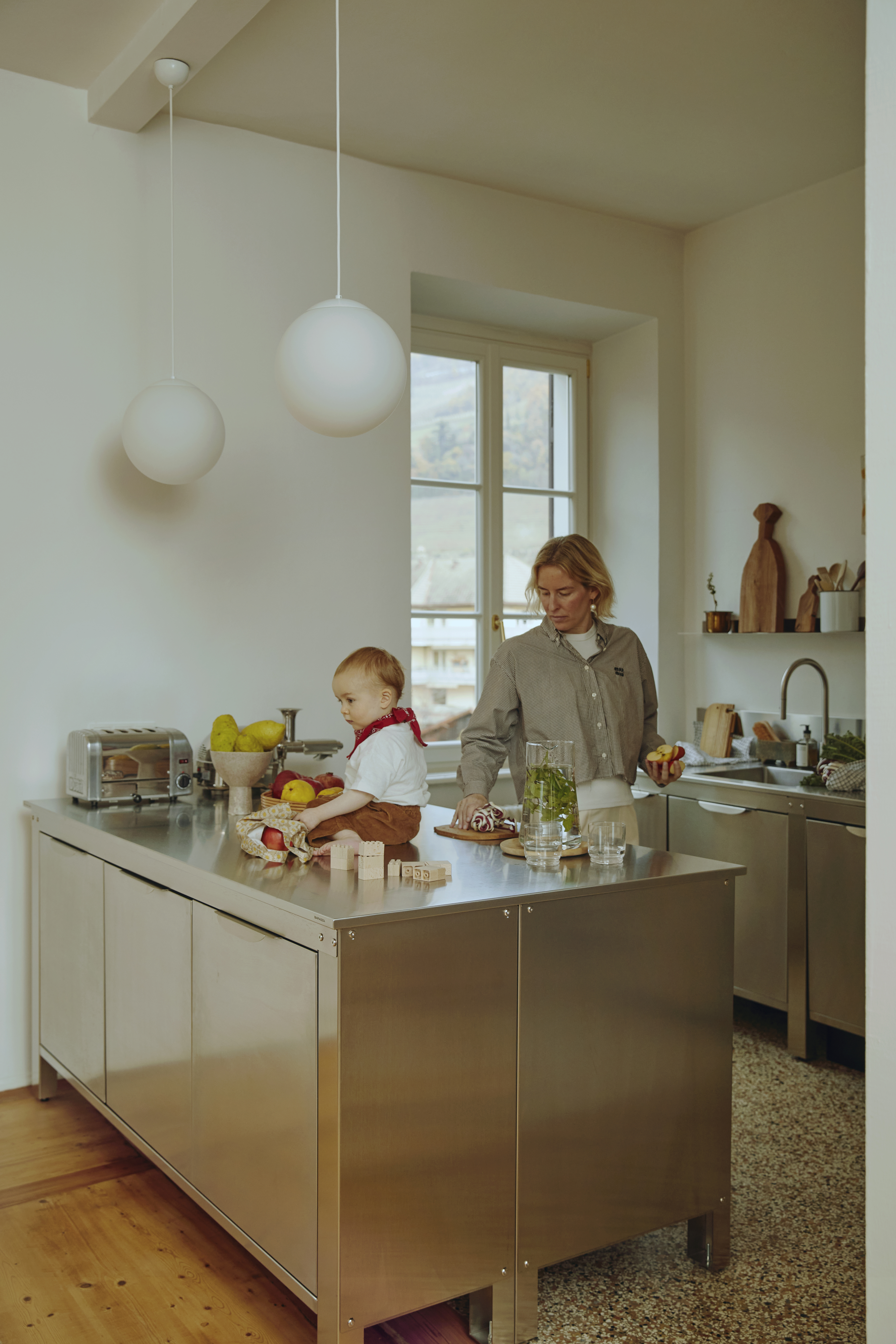
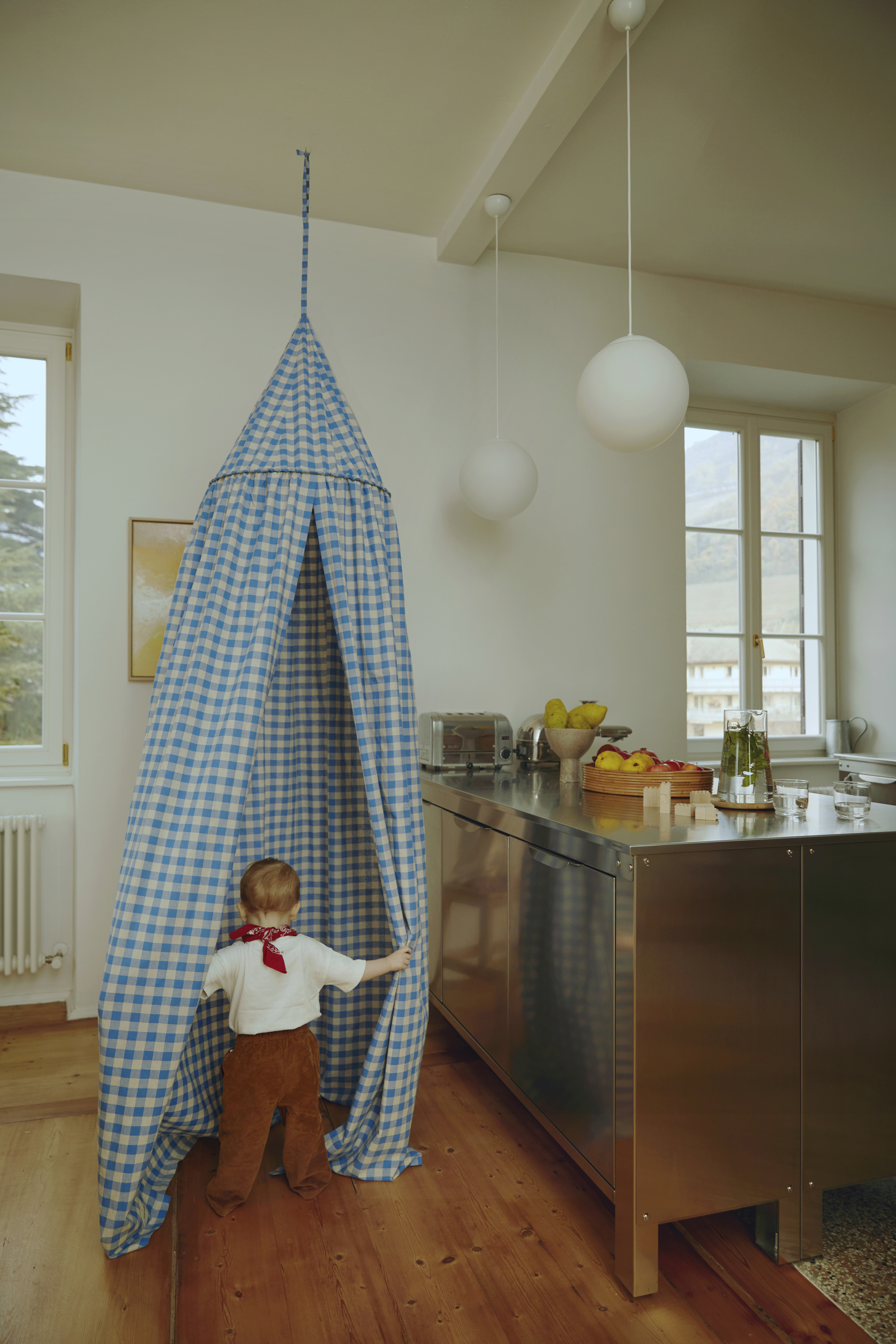
In 2026, the luxury kitchen is also becoming a multi-generational "Social Hub." This means designing specific "Activity Zones" that go beyond cooking. We are seeing a rise in integrated toddler play areas and social islands where guests can lean with a glass of wine while the host prepares dinner. By removing the barriers of the old "Frankfurt Kitchen" model, the kitchen becomes a space for connection rather than isolation.

For families with young children, creating these zones doesn't require a full structural gut-job. A simple, well-placed intervention, like a hanging canopy or a low-profile soft seating area near the kitchen island, ensures that parenting and gourmet cooking can coexist harmoniously.
The 2026 Luxury Appliance Hierarchy: Choosing Your Suite
A luxury kitchen transformation is only as good as the technology driving it. The 2026 luxury appliance market shows a significant shift toward 'full-suite' integration. High-net-worth homeowners are moving away from mixing and matching boutique brands in favor of cohesive, single-brand ecosystems that offer seamless tech integration and unified design language.
Here is how the top luxury appliance brands for 2026 rank based on their core strengths:
| Brand | Best For... | Key Innovation | Aesthetic Style |
|---|---|---|---|
| Sub-Zero | Food Preservation | Dual-refrigeration systems | Professional/Panel-Ready |
| Wolf | Cooking Control | VertiFlow™ Convection | Industrial Chic |
| Miele | Dishwashing & Steam | Knock-to-Open technology | Minimalist/Sleek |
| Thermador | Innovative Value | Leap™ Connectivity suites | Bold/Modern |
| Gaggenau | Design Purists | Side-swing oven doors | Avant-Garde/Built-in |
| SKS (Signature Kitchen Suite) | Tech-Forward Versatility | Built-in Sous Vide & Induction | Modern Professional |
For a 1904 renovation, Sub-Zero and Wolf remain the industry kings for reliability and the "pro-chef" look. However, if you are aiming for a more minimalist, "Invisible Kitchen" feel where the tech disappears into the architecture, Gaggenau is the gold standard. Their handleless, push-to-open refrigeration and ovens integrate flawlessly into custom paneling.
Masterclass in Cooking Tech: High-Heat vs. Precision
The heart of the 2026 kitchen is the range, and the debate between high-heat gas and precision induction has never been more nuanced. While 1904 was the era of the coal fire, 2026 is the era of the SKS 48-inch range, a versatility leader that combines gas burners, induction zones, and even a built-in sous vide water bath in a single unit.
Precision engineering has also revolutionized baking. If you are renovating a historic home, you likely face issues with heat consistency. Modern systems like VertiFlow and twin-fan convection ensure that every corner of the oven maintains an identical temperature, which is crucial for high-altitude baking or complex pastries.
Furthermore, the "Invisible Kitchen" trend has matured. We are seeing a move toward panel-ready finishes that allow even the most powerful appliances to blend into the background. This is particularly effective in 1904 homes, where you might want the kitchen to look like a historic library or parlor until the moment you begin to cook.
Material Selection: Stainless Steel vs. Heritage Stones
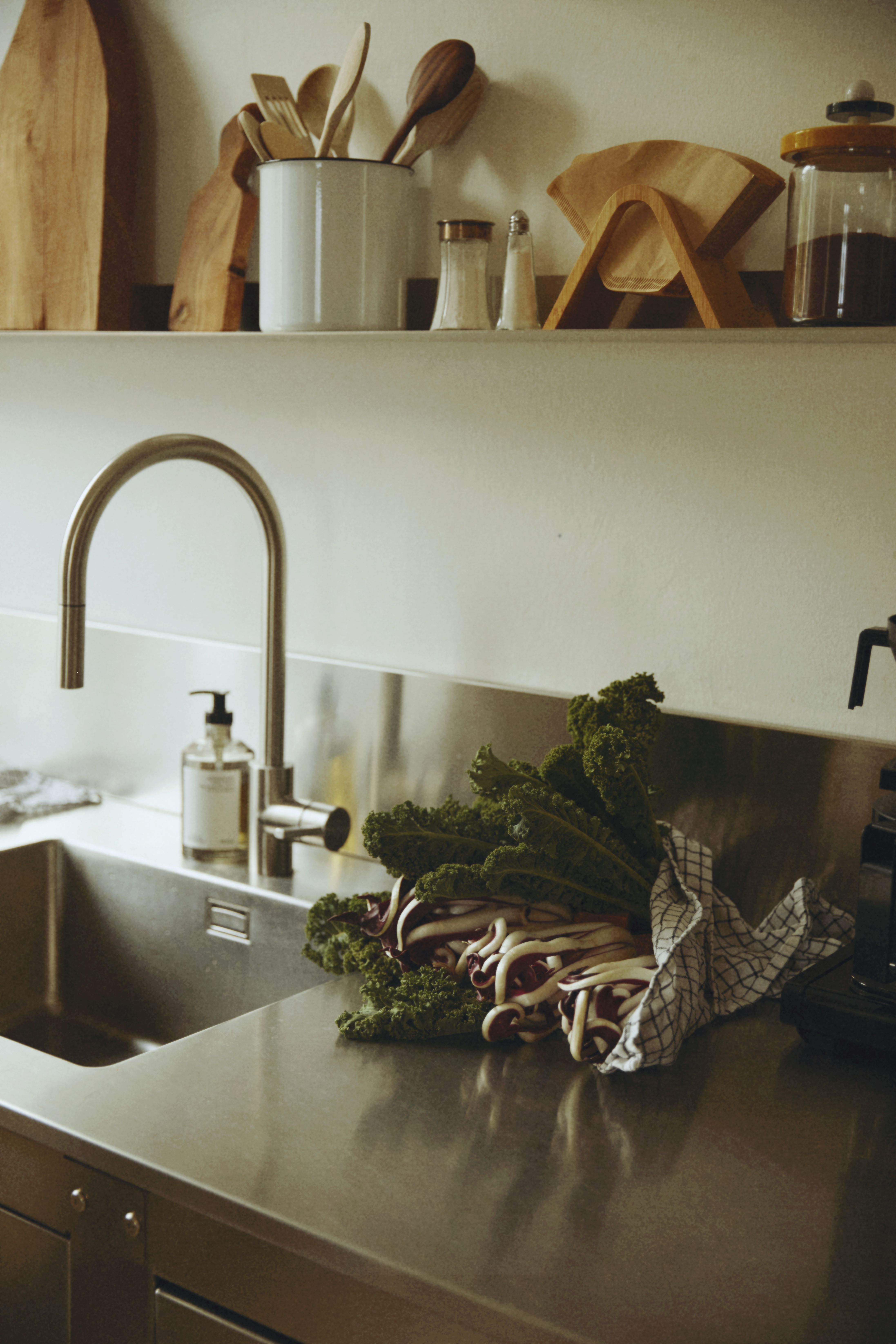
Materiality is where the "1904 to Now" story is told most vividly. For an industrial, professional-grade feel, I often recommend modular units from brands like Very Simple Kitchen. Their stainless steel structures are durable, sustainable, and provide a sharp counterpoint to organic heritage stones like Carrara marble or soapstone.
In terms of fixtures, Franke remains the go-to for integrated sinks and taps. Their 2026 designs focus on "workstation" sinks—large, professional-grade surfaces that include built-in colanders, cutting boards, and drying racks, effectively turning the sink into a secondary prep zone.
For those who want to lean into the historical aesthetic with a splash of color, La Cornue offers bespoke ranges with hundreds of enamel color options. A La Cornue range in a deep forest green or burgundy can act as the "jewel" of a 1904 kitchen, grounding the room in a tradition of French craftsmanship while providing modern gas and electric performance.
Avoiding Luxury Pitfalls: Delivery and Integration
A luxury renovation is a marathon, not a sprint. One of the biggest mistakes homeowners make is failing to account for modern lead times and installation complexities.
- Inventory Planning: While inventory has recovered since the pandemic, high-end bespoke items (like La Cornue ranges or custom Sub-Zero panels) should still be ordered months in advance.
- Local Service Networks: Before committing to a niche European brand, ensure there is a certified service network in your area. Even the best 2026 technology requires expert maintenance.
- Clearance and Infrastructure: 1904 homes rarely have perfectly level floors or 90-degree corners. Ensure your contractor accounts for installation clearance and upgrades your electrical panel to handle the high-amp requirements of modern induction and steam ovens.
Editor’s Tip: When integrating high-end refrigeration, avoid the "single-compressor" trap. Luxury units from Sub-Zero use dual compressors to keep the air in the fridge moist and the air in the freezer bone-dry, preventing flavor transfer and preserving food significantly longer.
FAQ
Q: Can I keep my original 1904 wood floors in a high-moisture kitchen environment? A: Yes, provided they are properly sealed with a high-quality polyurethane or moisture-resistant oil. However, I recommend placing a durable rug or runner in high-traffic areas like the sink and stove to prevent water damage over time.
Q: Is induction better than gas for a luxury remodel in 2026? A: From a design and performance standpoint, induction is winning. It offers faster boil times, easier cleanup, and a sleeker look. However, many "modern heritage" lovers still prefer the tactile feel and visual flame of a high-BTU gas range like Wolf.
Q: How do I choose between Gaggenau and Sub-Zero? A: Choose Gaggenau if your priority is minimalist, avant-garde design and "invisible" integration. Choose Sub-Zero if you prioritize industry-leading food preservation and a more classic "pro-chef" aesthetic.
Ready to Transform Your Kitchen?
A kitchen transformation is more than just a home improvement project; it’s an investment in your lifestyle. Whether you are restoring a century-old villa or updating a modern apartment with heritage touches, the key is to choose quality over quantity.