Quick Facts: Parkhotel Mondschein
- Location: Bolzano, Italy (South Tyrol)
- Original Structure: Built in 1330; formerly Bolzano’s first guesthouse.
- Design Visionaries: Dissertori brothers and Studio Biquadra (Christina Biasi von Berg).
- Room Count: 60 guest rooms and 16 luxury suites.
- Architectural Style: A blend of Belle Époque proportions and Midcentury clean lines.
- Sustainability Focus: Adaptive reuse preserving "embodied carbon" and historical integrity.
The Art of Breathing New Life into Old Stones
There is a specific kind of magic that occurs when a building’s past is allowed to speak to its present. In the world of high-end interior design, we call this adaptive reuse. It is the sophisticated process of repurposing historic structures—like the storied 1330-built Parkhotel Mondschein—into modern hospitality spaces without erasing the layers of time that give them soul.
As we look toward the design landscape of 2026, the industry is moving away from the "new for the sake of new" philosophy. We are seeing a profound shift where the most coveted luxury experiences are those rooted in architectural continuity. Adaptive reuse is no longer just a niche preservationist's hobby; it is a leading strategy for sustainable development. By maintaining the original material integrity of a site, developers avoid the massive carbon footprint associated with demolition and new construction. For the discerning traveler, it offers something a glass-and-steel skyscraper never can: a sense of place and a tangible connection to history.
Inside Parkhotel Mondschein: A Masterclass in Bolzano
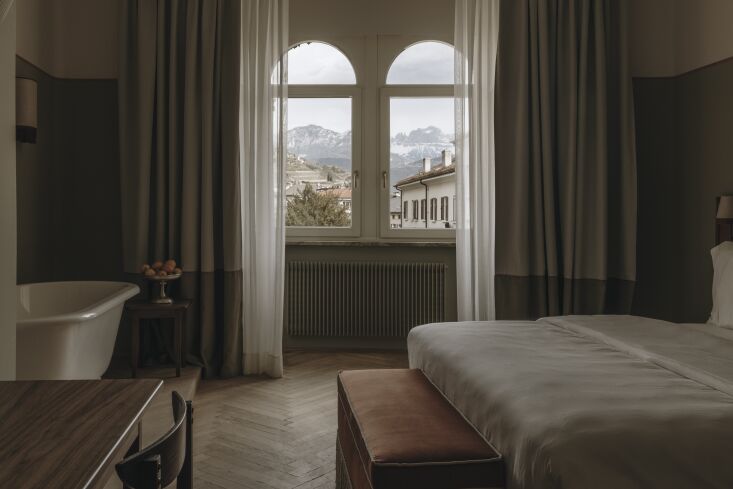
In the heart of Bolzano, Italy, the Parkhotel Mondschein stands as a testament to the power of restrained intervention. Originally the city’s first guesthouse, dating back to 1330, the property has undergone a transformation that feels less like a renovation and more like a carefully curated awakening. The project was spearheaded by the Dissertori brothers, who have earned a reputation for revitalizing South Tyrolean gems, in collaboration with Studio Biquadra, led by the visionary interior architect Christina Biasi von Berg.
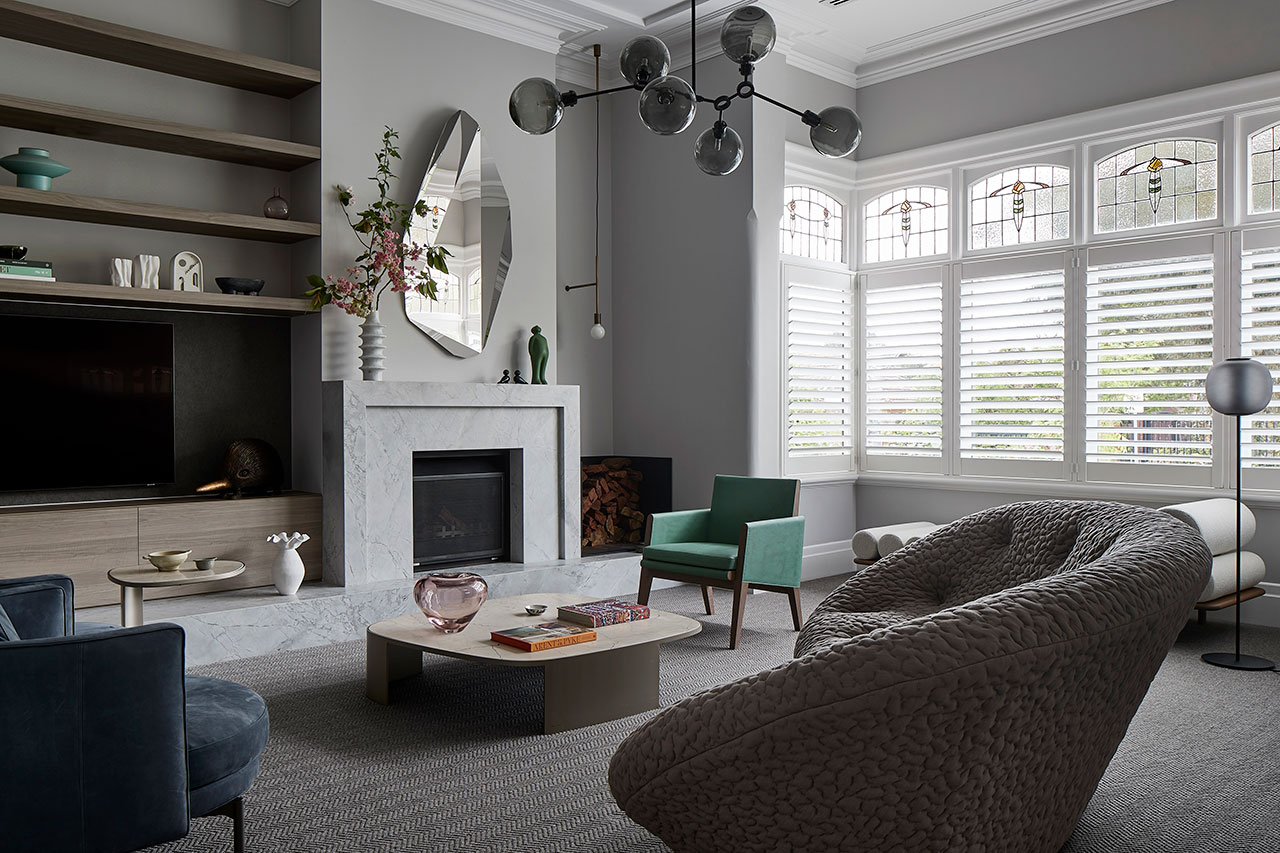
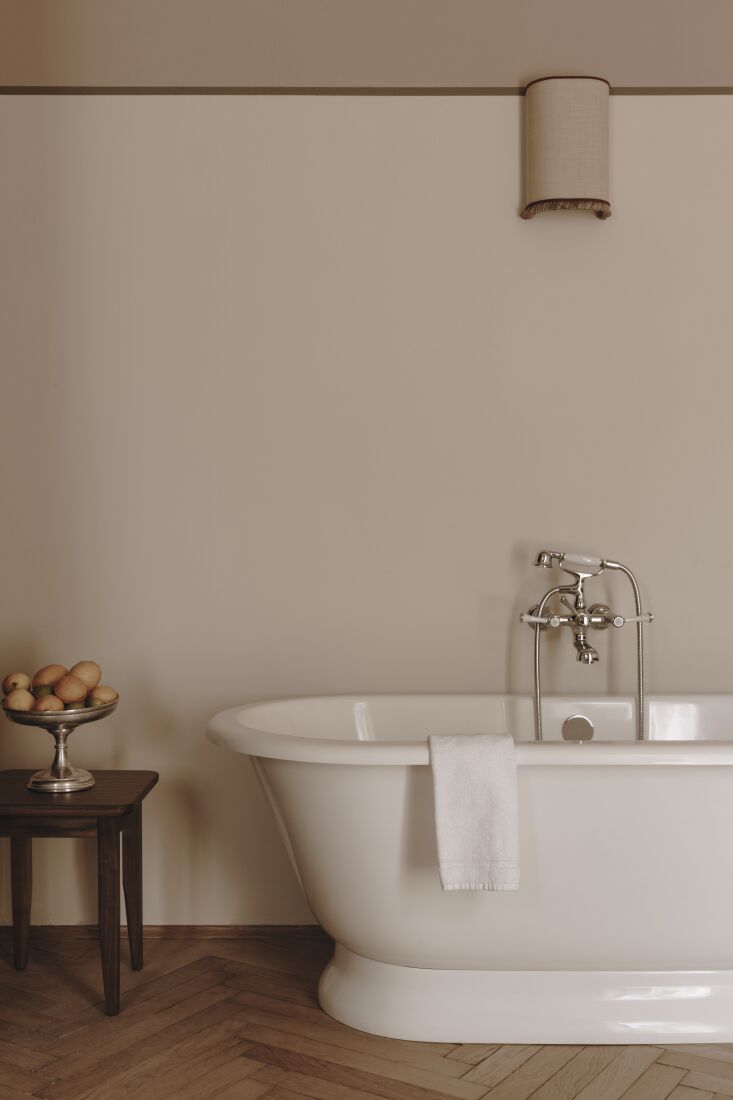
The design philosophy here is one of "material moderation." Rather than overwriting the 14th-century bones of the building with a generic "luxury" theme, the team leaned into the building’s inherent character. The 60 guest rooms and 16 luxury suites are exercises in quiet luxury. You’ll find high ceilings and stucco details typical of the Belle Époque era, seamlessly paired with the sharp, clean lines of Midcentury modernism. It’s a dialogue between centuries that feels entirely cohesive.
One of the most striking examples of this fusion is the hotel’s vaulted yoga studio. Located in the subterranean levels of the building, it honors the original masonry while providing a sanctuary for modern wellness.
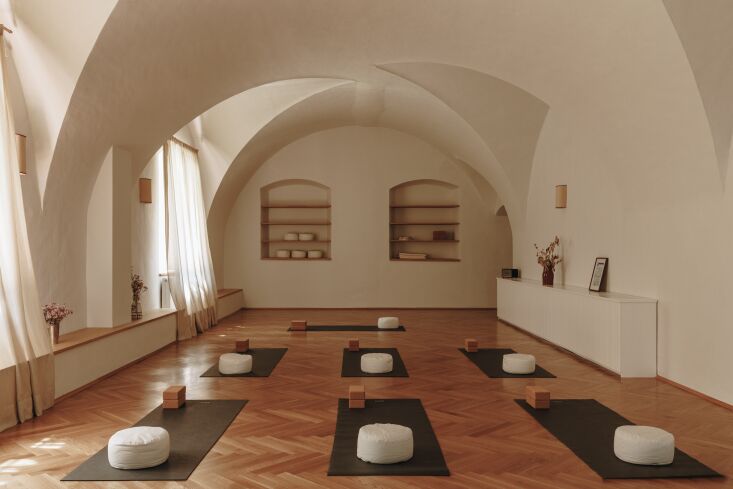
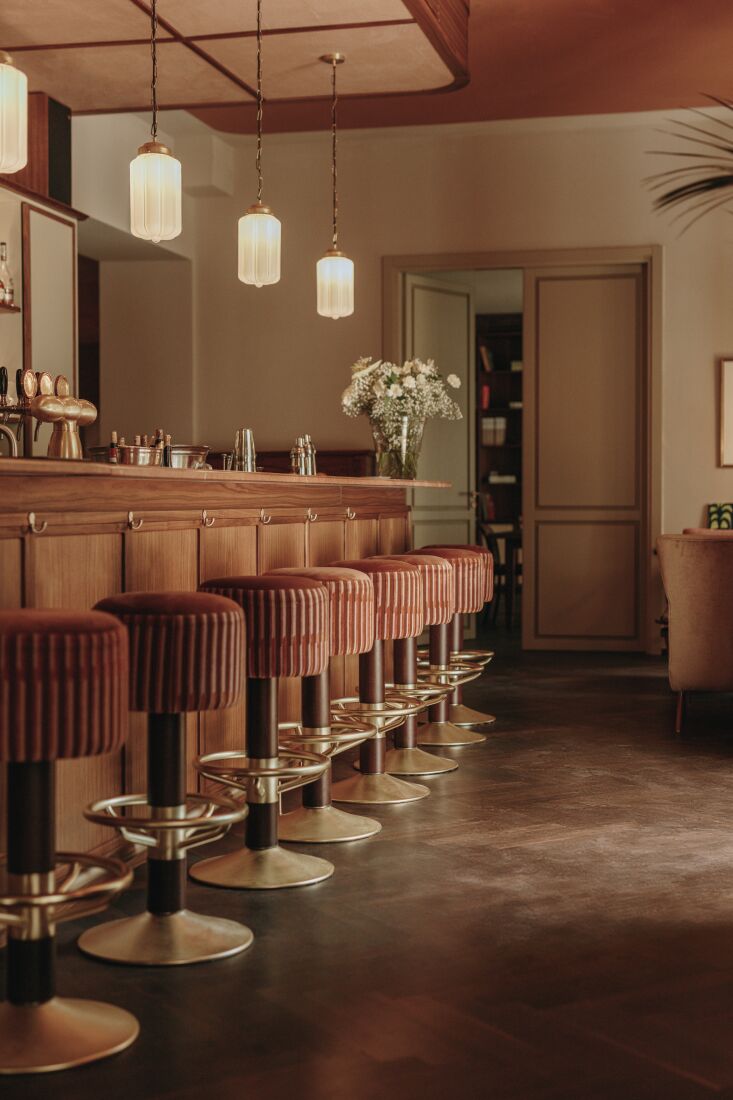
The interior palette is a masterclass in texture and tone. Imagine herringbone parquet floors that creak just enough to remind you of their age, paired with plush velvet upholstery in forest greens and deep walnuts. The lighting is intentionally warm, casting long shadows across the historic corridors, mimicking the cinematic glow of a classic Italian film.
The Business Case: Conversion vs. New Construction
From my perspective as an editor, the beauty of adaptive reuse is clear, but the business logic is equally compelling. In dense urban centers, where land is scarce and permit processes for new builds can take a decade, converting existing structures is often the only path to a prime location.
Recent data from JLL and CBRE highlights a significant economic shift. While a ground-up luxury hotel development can cost upwards of $742,000 per key in major markets, office-to-hotel or heritage-to-hotel conversions typically range between $250 and $650 per square foot, depending on the state of the original infrastructure.
Beyond the bottom line, there is the "embodied carbon" argument. The most sustainable building is the one that already exists. Projects like the Hotel Marcel in the US (a converted office building) and Parkhotel Mondschein demonstrate that we can achieve near zero-emissions hospitality by optimizing existing envelopes rather than pouring new concrete.
Design Tip: When applying these principles to your own home, look for "honesty" in materials. If you have an old brick wall or original wood beams, don't cover them. Pair them with modern, minimalist furniture to create that sought-after tension between eras.
Global Forecast: The Most Anticipated 2026 Openings
The "Heritage Rework" is a global phenomenon. Industry statistics suggest that adaptive reuse projects represent nearly 50% of the most anticipated 2026 luxury hotel openings. Developers are scouring the globe for former post offices, banks, and even monasteries to transform into the next "it" destination.
| Destination | Project Name | Original Structure | Design Vibe |
|---|---|---|---|
| London | Six Senses London | Former Whiteleys Department Store | Art Deco meets Biophilic |
| Italy | Lake Como EDITION | 19th-century Palazzo | Italian Rationalism |
| Colombia | Four Seasons Cartagena | 16th-century Cloister & Chapel | Tropical Baroque |
| London | The Zetter Bloomsbury | Georgian Townhouses | Eccentric British Heritage |
| Melbourne | The Standard, Melbourne | Midcentury Office Building | Retro-Futurism |
As these projects come to fruition, we are seeing a shift in the hotel's role. It is no longer just a place to sleep; it is a community lifestyle hub. These historic conversions often include public-facing coffee shops, co-working spaces, and lush gardens that invite the neighborhood inside.
5 Macro Trends Shaping 2026 Hospitality
In studying the Parkhotel Mondschein and its contemporaries, we can identify five key trends that will define luxury interiors over the next few years:
- Hyper-Local Storytelling: Every design choice must have a reason rooted in the local geography or history. At Mondschein, this means using stone from the nearby Dolomites and textiles from regional weavers.
- Regenerative Sustainability: Moving beyond "doing no harm" to actively improving the environment. This includes greywater recycling systems hidden within old walls and the use of carbon-sequestering materials like hempcrete in renovations.
- Wellness-Integrated Architecture: Wellness is no longer relegated to a basement spa. It is integrated into the "flow" of the building—think circadian lighting in bedrooms and air-purifying indoor gardens in the lobby.
- Social-Luxury Hybrids: The lobby is the new "third space." Hotels are designing their ground floors to be vibrant social magnets for locals, blending high-end retail with community events.
- Material Moderation: The death of the "themed" hotel. We are seeing a return to high-quality, tactile materials—terrazzo, walnut, and natural stone—that age gracefully and feel authentic to the touch.
FAQ: Understanding the Future of Travel Design
What is adaptive reuse in hotel design? Adaptive reuse involves repurposing historic or underutilized structures—such as the 1330-built Parkhotel Mondschein or old industrial warehouses—into modern hospitality spaces. The goal is to preserve original architectural continuity and material integrity while updating the building for 21st-century luxury.
Who designed the Parkhotel Mondschein renovation? The renovation was a collaboration between the Dissertori brothers and the Merano-based Studio Biquadra, led by interior architect Christina Biasi von Berg. Their work successfully blended Midcentury and Belle Époque influences.
What are the top luxury hotel design trends for 2026? Key trends for 2026 include hyper-local storytelling, regenerative sustainability, wellness-integrated architecture, and the rise of social-luxury hybrids that act as community hubs.
Conclusion: Stay Ahead of the Design Curve
The Parkhotel Mondschein is more than just a beautiful place to stay; it is a blueprint for the future of the industry. It proves that we do not have to choose between luxury and legacy. By honoring the 1330 origins of its walls while sharpening its contemporary edge, it offers a blueprint for how we should live—and travel—in the years to come.
As we move toward 2026, I encourage you to look for these "layered" spaces. Whether you are a designer looking for inspiration or a traveler seeking a deeper connection to your destination, remember that the most beautiful stories are often the ones that have been being told for centuries.