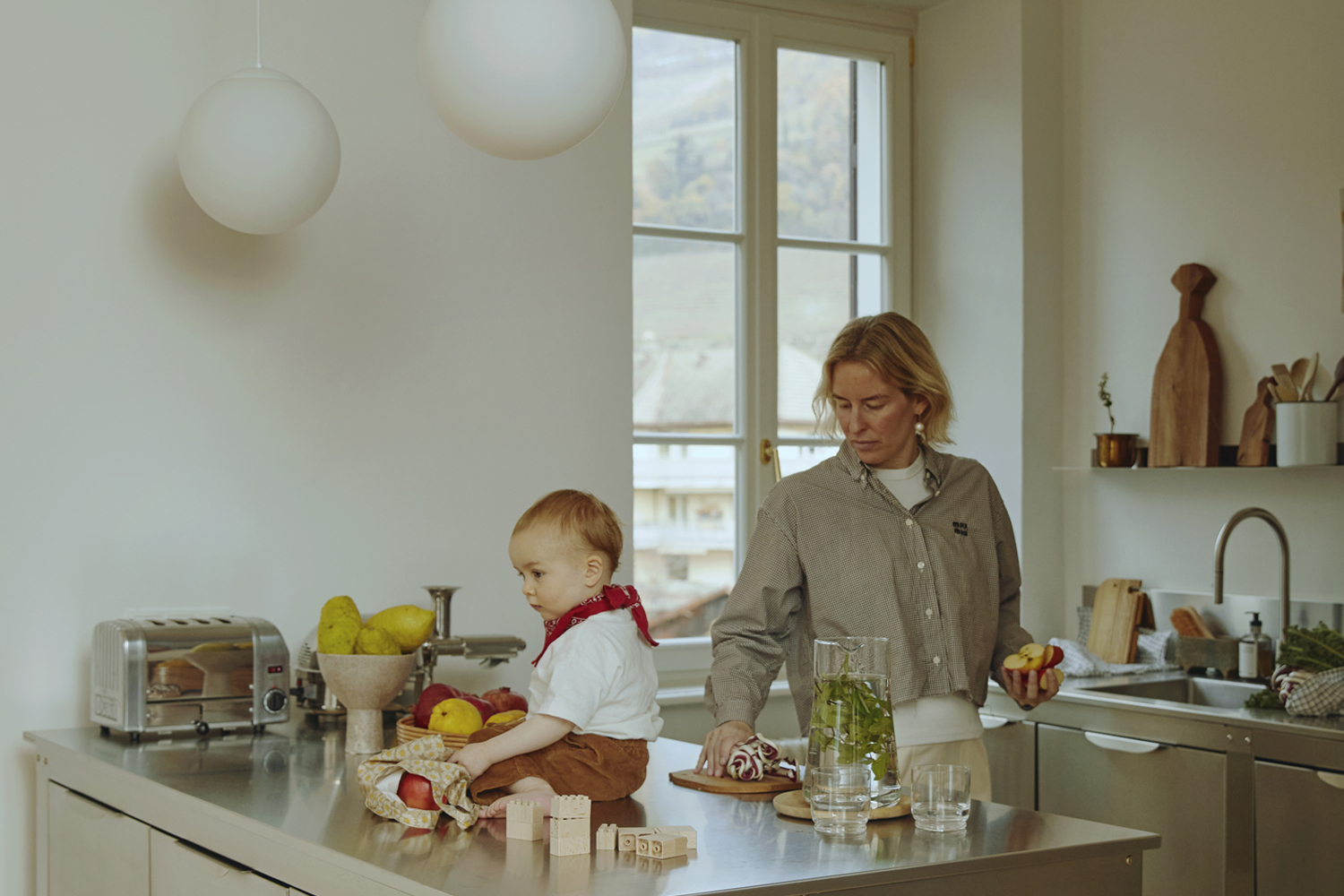
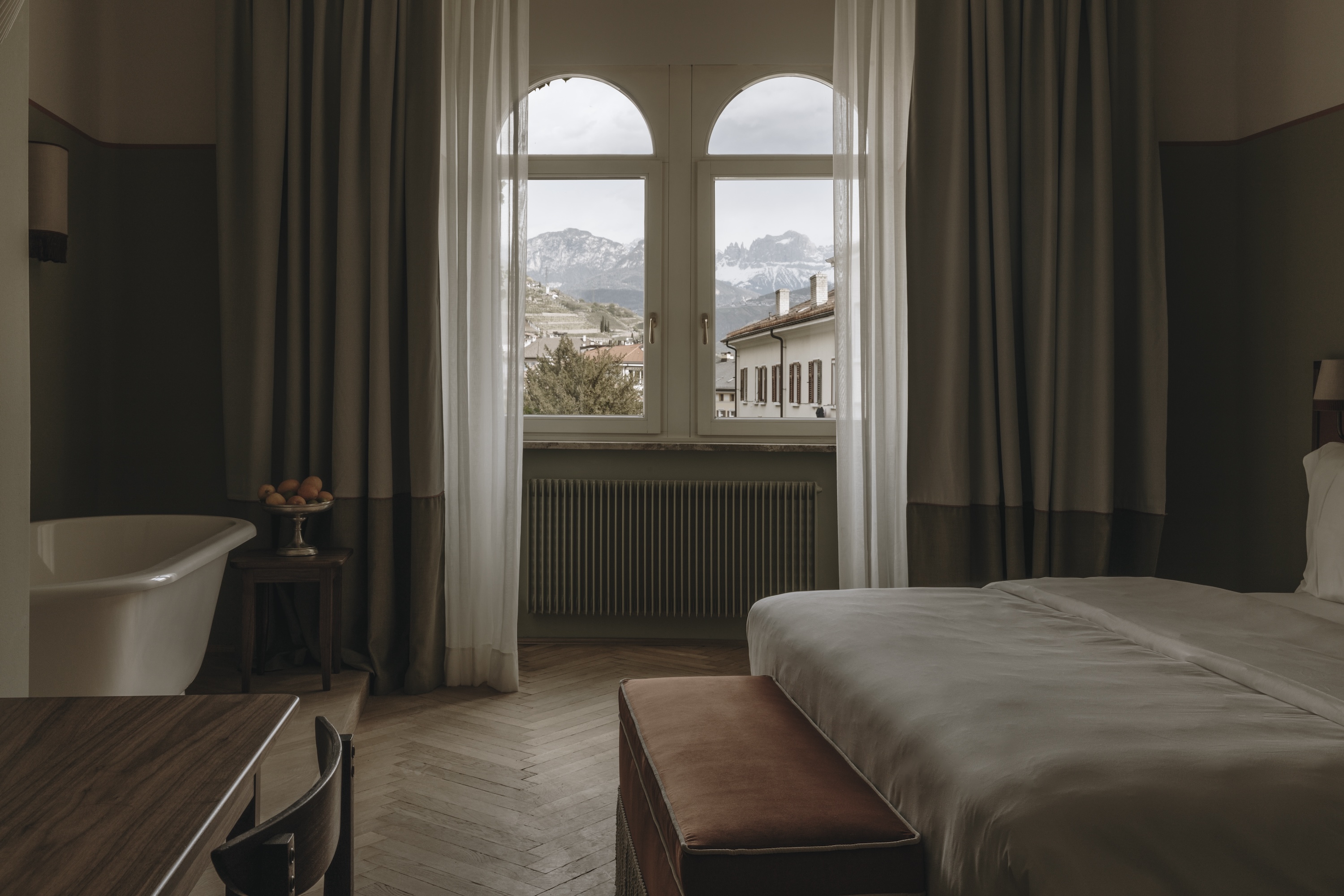
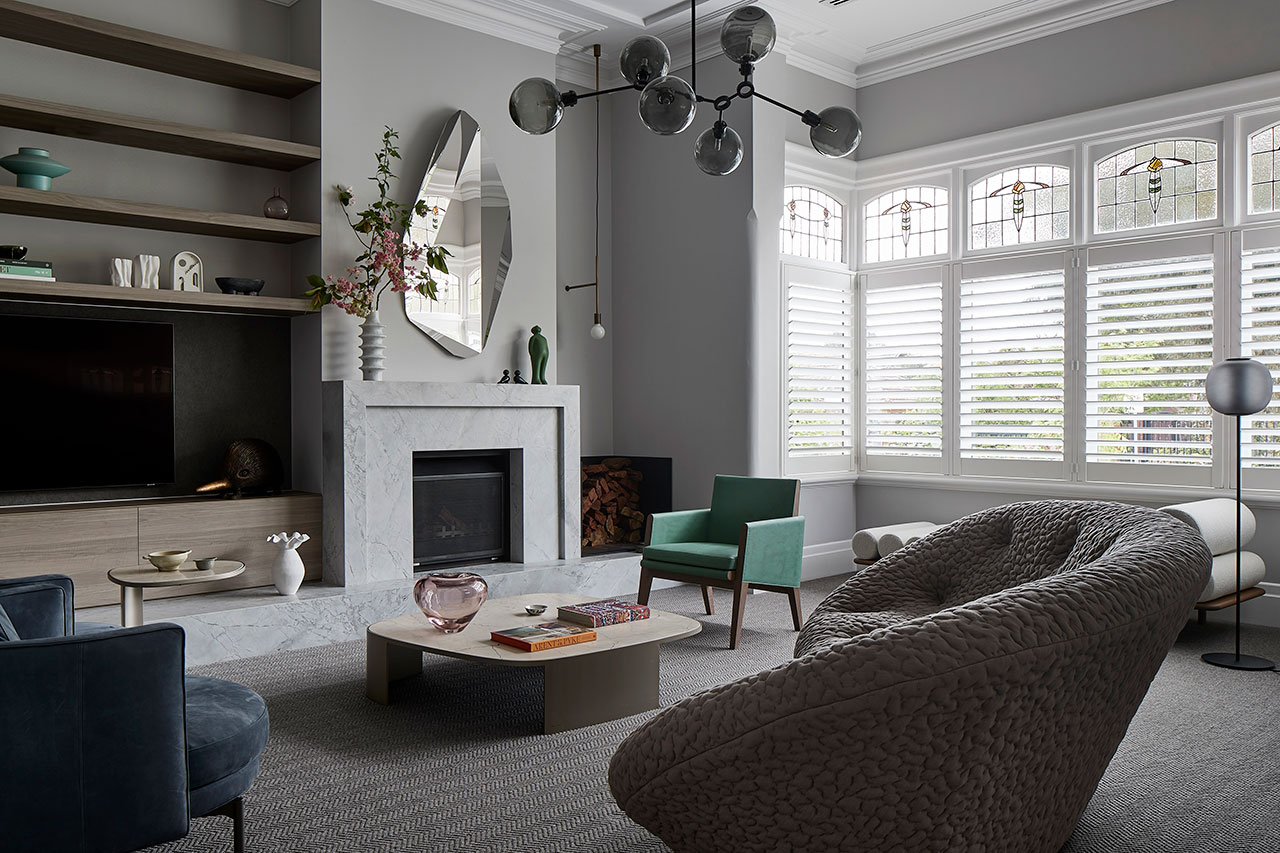
We have all experienced that specific, hollow feeling of walking into a newly "renovated" apartment only to be met by a sea of sterile drywall, recessed LED strips, and a generic grey floor. It is the architectural equivalent of a blank sheet of paper—functional, perhaps, but entirely devoid of a story. In the design world, we call this the "White Box" epidemic. But as we look toward the horizon of 2026, a profound shift is taking place. Discerning homeowners are no longer seeking just "square footage"; they are seeking a soul.
Unique European architectural properties distinguish themselves by rejecting this standardized aesthetic in favor of preserving historical craftsmanship. Whether it is the intricate geometry of 18th-century Delft tiles in a London townhouse or the heavy, tactile luxury of midcentury bronze cabinetry in a German villa, these homes prioritize character over convenience. This movement isn’t just about nostalgia; it’s about a lifestyle that values the "lived-in" over the "brand-new."

The Curators: Top Boutique Real Estate Agencies in Europe
Finding these gems requires a different kind of map. Traditional real estate portals often prioritize parking spaces and proximity to transit, missing the "vibe" that makes a property an architectural landmark. A new wave of boutique agencies has emerged, treating residential real estate as a high-art gallery rather than a commodity.
The top boutique real estate agencies for architectural homes in Europe include The Modern House and Inigo in the UK, Fantastic Frank across Europe and Scandinavia, Historiska Hem in Sweden, and Jeudi in Paris.
The Modern House & Inigo (UK)
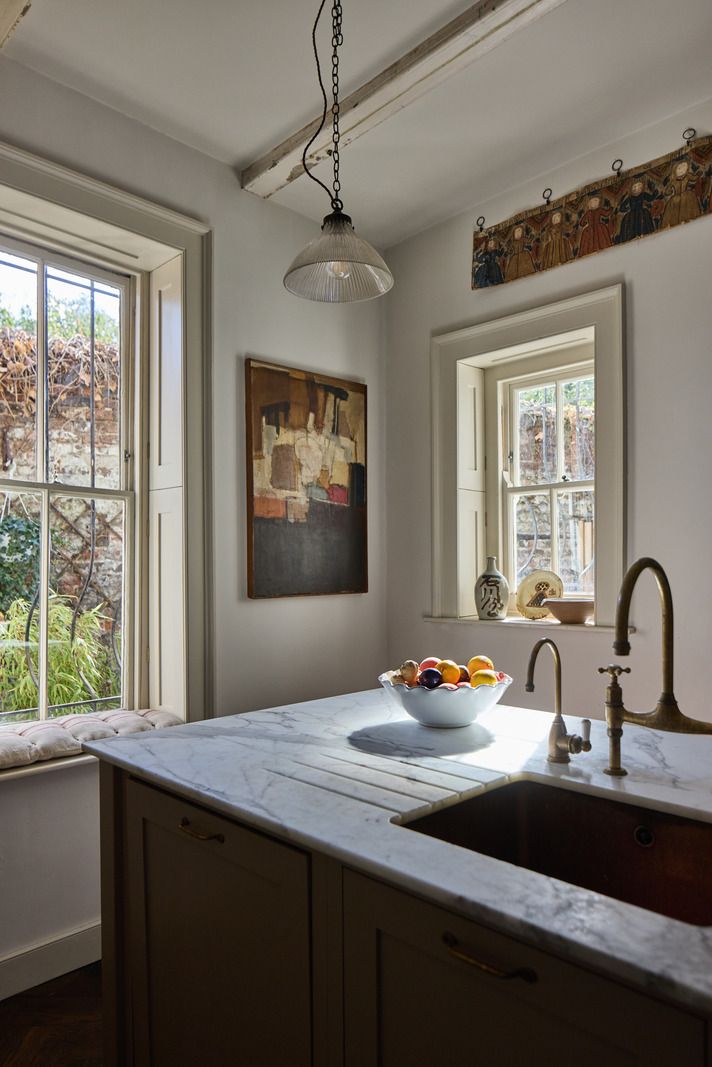
Founded by former design journalists from Wallpaper* and The World of Interiors, these sister agencies have redefined property marketing. The Modern House focuses on the 20th and 21st-century's finest modernist builds, while Inigo champions the historic—from timber-framed Tudor cottages to perfectly symmetrical Georgian terraces. Their photography is editorial-grade, emphasizing how light hits a stone floor rather than just the number of bedrooms.
Fantastic Frank (Europe & Scandinavia)
With a "visual-first" approach, Fantastic Frank has expanded rapidly to meet the global demand for character-driven properties. Currently operating 18 European offices, they use professional stylists and fashion photographers to stage homes, making every listing feel like a spread in a design magazine. Their presence across Germany, Spain, and Scandinavia makes them a primary gateway for those seeking the "Scandi-cool" or "Mediterranean-modern" aesthetic.
Historiska Hem & Jeudi
For those with a penchant for specific eras, Historiska Hem in Sweden specializes in apartments that have retained their original tile stoves (kakelugn) and crown moldings. Meanwhile, in the heart of France, Jeudi operates as a confidential agency for the Parisian elite, sourcing Haussmannian apartments and industrial lofts that haven't been touched by the heavy hand of over-renovation.
Key Architectural Trends Shaping 2026
As we move toward the middle of the decade, the "white box" is being replaced by homes that act as sanctuaries. The residential design landscape for 2026 is defined by four core pillars that blend high-tech efficiency with high-touch tactility.
- Wellness-Centric Layouts: We are seeing a move away from open-plan layouts that can feel chaotic and loud. In their place are "broken-plan" designs with acoustic zoning, dedicated meditation alcoves, and air-filtration systems that are integrated into the architecture rather than added as an afterthought.
- Biophilic Integration: It is no longer enough to have a few houseplants. 2026 architecture incorporates nature into the very blueprint through internal light wells, "living" walls that act as natural humidifiers, and floor-to-ceiling glass that dissolves the boundary between the garden and the gallery.
- Sustainability as the New Luxury: The hallmark of a premium 2026 home is its low-energy envelope. Triple glazing, geothermal heating, and repurposed materials—like reclaimed timber or crushed-brick terrazzo—are no longer just eco-friendly choices; they are the markers of a high-end, future-proofed home.
- Flexible Multi-Generational Spaces: With the rise of the "sandwich generation," homes are being designed with "pocket-door" versatility. This allows a space to function as a grand entertaining hall one day and two private suites for aging parents or adult children the next.
Editor’s Tip: When looking at a property’s "architectural pedigree," check the provenance of the materials. A house with original 19th-century floors or midcentury hardware holds its value far better in a volatile market than one fitted with contemporary, mass-produced replicas.
Geographic Spotlights: Where to Find Character
Europe offers a rich tapestry of regional styles, each currently experiencing a revival. From the rugged coastlines of the Mediterranean to the industrial hearts of northern cities, these are the locations where the "architectural gem" is more than a marketing buzzword.
Mallorca, Spain: The New Mediterraneanism
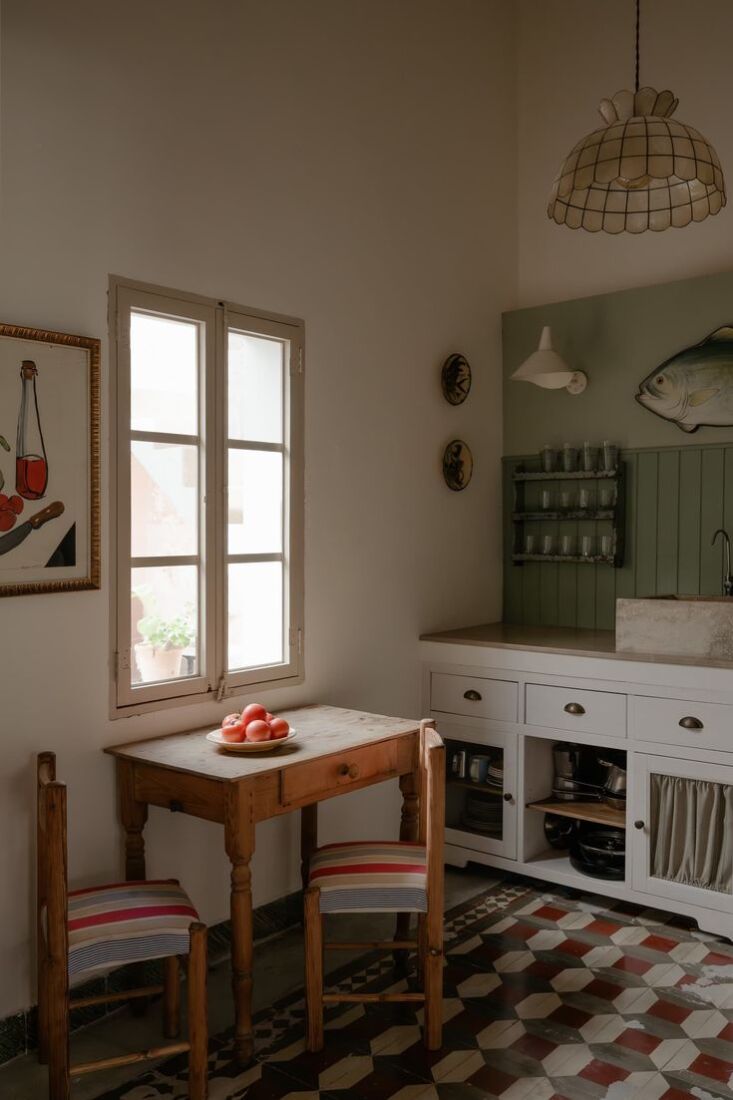
In Mallorca, a group of designers and architects is breathing new life into traditional townhouses. Projects like Casa Coral and Can a Sol focus on "slow design," using local Santanyi stone, lime-wash walls, and exposed wooden beams. These homes are a masterclass in how to modernize a historic structure without stripping away its soul.
Lisbon & Berlin: The Midcentury Modernist Pulse
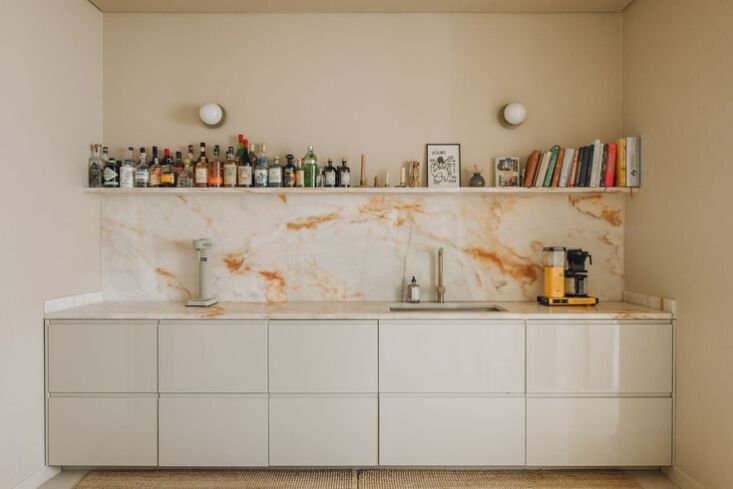
Lisbon’s Arroios and Berlin’s Charlottenburg neighborhoods are hubs for midcentury refinement. In Lisbon, you'll find apartments featuring dramatic marble backsplashes and parquet floors that have been meticulously restored. Berlin, meanwhile, offers high-ceilinged "Altbau" apartments where the brutalist influence of the mid-20th century meets the cozy warmth of contemporary German design.
Paris: The Artist’s Atelier
There is perhaps no property type more coveted in Paris than the 19th-century artist’s studio. Typically found in the 17th or 8th arrondissements, these properties feature double-height ceilings and massive north-facing windows designed to capture the perfect painting light. They represent a unique category of real estate where the history of the "Bohemian Paris" is literally baked into the walls.

The Investment: Price Ranges for Unique Living
Investing in "art-centric" real estate is often a more stable bet than following the latest "hot neighborhood" trend. Properties with irreplaceable architectural details tend to command a premium even during market downturns because their supply is finite—you can always build a new glass tower, but you cannot build another 1960s modernist landmark.
Premium architectural listings in prime European markets vary significantly in investment level. While a beautifully restored townhouse in a Balearic village might start at €540,000, a midcentury landmark in London or a prime Haussmannian apartment in Paris can easily exceed £9,500,000.
| Region | Property Type | Entry-Level Investment | Prime Architectural Gem |
|---|---|---|---|
| Mallorca, Spain | Restored Townhouse | €540,000 | €2,800,000+ |
| Lisbon, Portugal | Midcentury Apartment | €650,000 | €1,900,000+ |
| Berlin, Germany | Renovated Altbau | €800,000 | €3,500,000+ |
| London, UK | Modernist Landmark | £1,200,000 | £9,500,000+ |
| Paris, France | Historic Atelier | €1,500,000 | €6,000,000+ |
Choosing Your Architectural Legacy
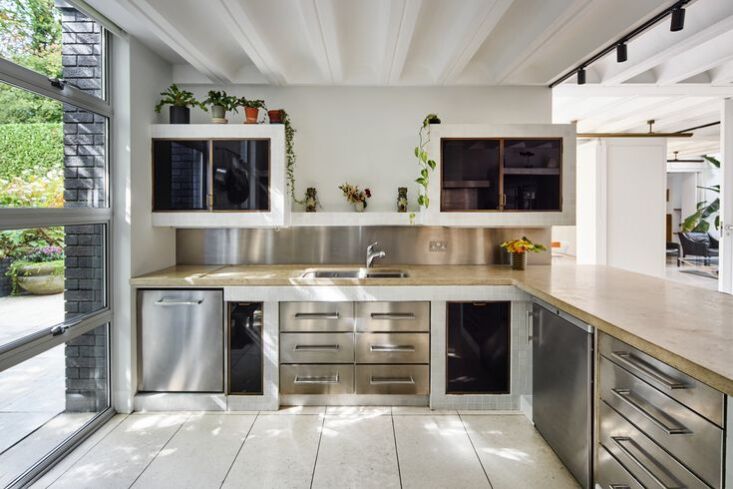
As we look toward the future of living, the choice is clear: do we want a home that just houses us, or one that inspires us? Choosing an architectural gem is about more than aesthetics; it is an act of preservation. When you purchase a home with 18th-century tiles or 1960s bronze work, you become a steward of a design legacy.
For those looking to renovate, the 2026 ethos is "restraint." Work with architects who respect the existing fabric of the building. Use innovation to improve the performance of the home—such as invisible solar slates or aerogel insulation—but let the original craftsmanship take center stage. Timelessness is not the absence of change; it is the thoughtful integration of the old and the new.
FAQ
1. Is it more expensive to maintain a historic architectural property? Generally, yes. While the initial investment might be higher, the cost often comes from the specialized labor required to maintain original materials (like lime-wash or heritage metalwork). However, these properties also tend to appreciate more reliably than mass-market new builds.
2. Can these unique properties really meet 2026 sustainability standards? Absolutely. Many boutique agencies now specialize in "eco-retrofitting." By combining historic thick-walled masonry (which has high thermal mass) with modern internal insulation and heat-exchange systems, a 200-year-old house can actually outperform a 10-year-old apartment building.
3. What is the most important factor when buying "character" real estate? Check for "unauthorized" previous renovations. Often, the biggest challenge isn't the age of the building, but poorly executed 1990s or 2000s updates that covered up original features. A "pure" architectural home that needs work is often a better investment than one that has been poorly "modernized."