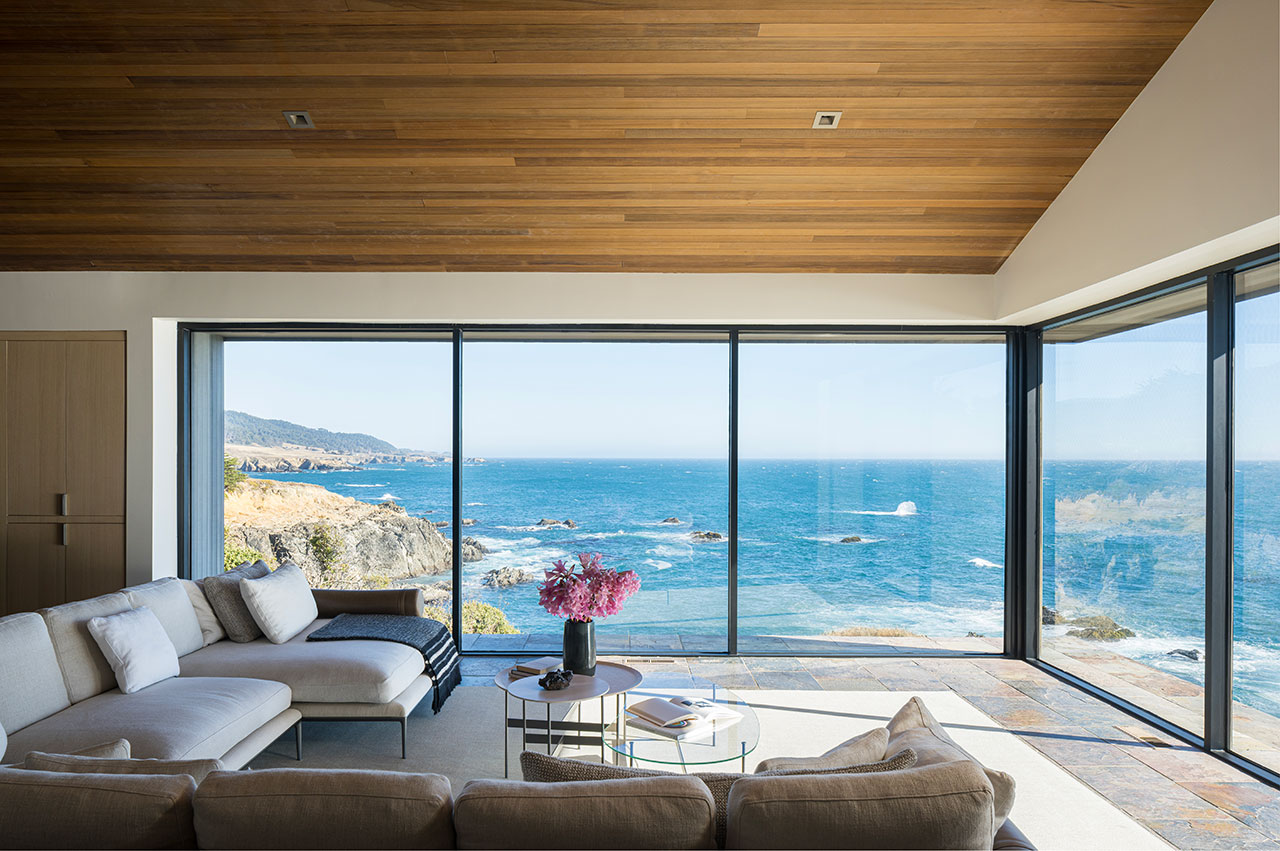
Some of us aren't naturally inclined toward plant care. We’ve all been there—bringing home a vibrant, leafy Fiddle Leaf Fig with the best of intentions, only to watch it slowly transition into a skeleton of brown leaves within a month. It’s discouraging, and for the urban dweller already grappling with a high-stress lifestyle, a dying plant can feel like just another item on an overwhelming to-do list. But here is the secret: your brain actually needs that greenery to function at its peak.
The science of biophilic design suggests that we are biologically wired to seek connections with nature. When we are sequestered in concrete jungles or sterile home offices, our cognitive load increases, leading to "mental fatigue." Indoor plants improve mental clarity by reducing environmental stress and enhancing cognitive function through biophilic design, which is especially effective in urban settings with limited nature access. It’s not just a decorative choice; it’s a biological imperative.
Integrating indoor greenery into a home office environment has been shown to increase cognitive focus by 15% and reduce measurable cortisol levels by up to 20%. By introducing living elements into your line of sight, you are providing your mind with a "soft fascination" that allows the prefrontal cortex to rest and recharge.
The 'Black Thumb' Solution: The Rise of Self-Watering Technology
If keeping plants alive has ever been a struggle, have no fear. The primary reason most indoor plants fail isn't a lack of love; it’s a lack of consistency. Traditional ceramic pots often trap moisture at the bottom, leading to the dreaded root rot, or they dry out too quickly if the material is too porous. For the modern professional, maintaining a strict watering schedule is often the first thing to fall off the radar.
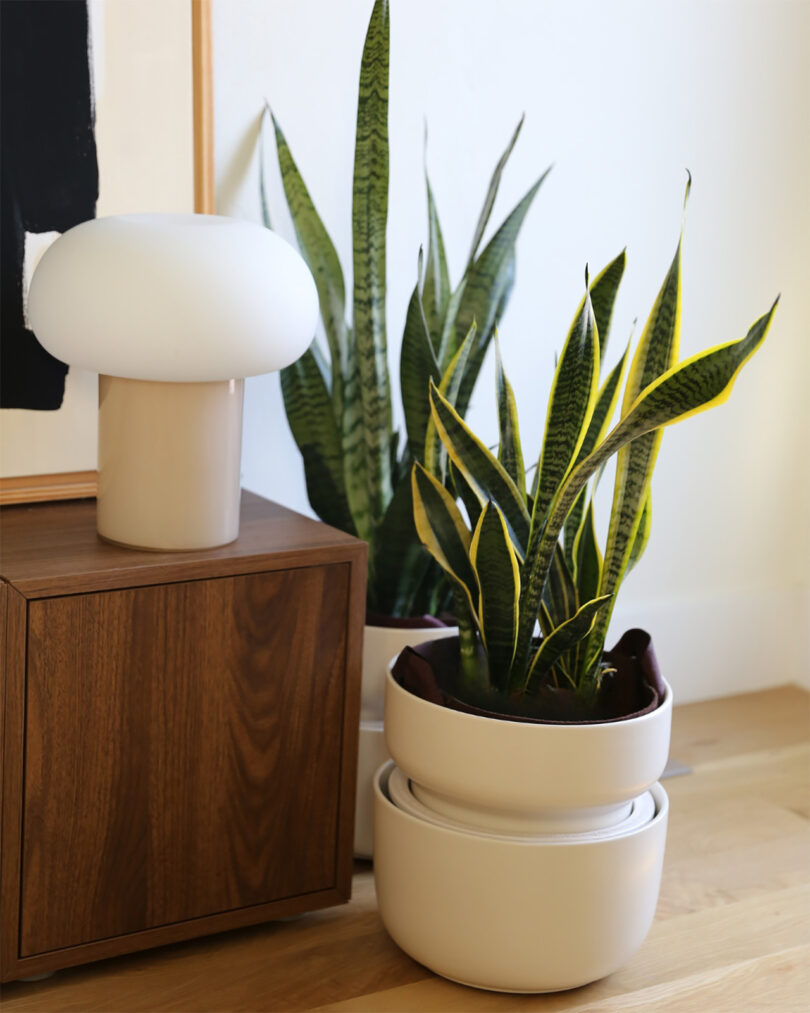
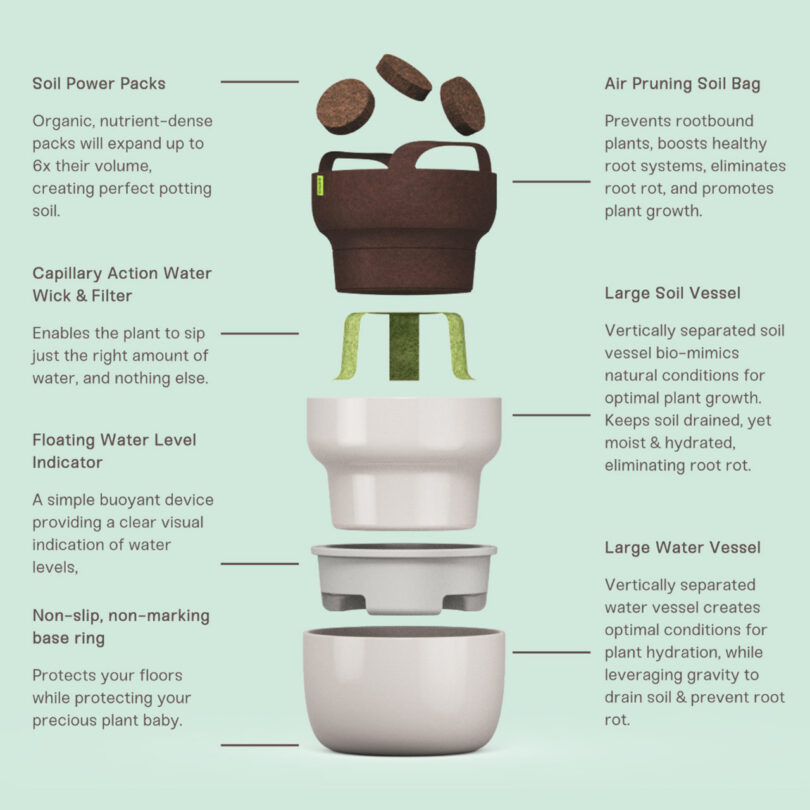
Enter the Tendril SWAP+ System, a design-forward approach that bridges the gap between high-tech efficiency and high-end interior styling. The Tendril SWAP+ System is a self-watering planter that uses a built-in water indicator, capillary action filters, and air-pruning bags to ensure plants thrive without the need for strict watering schedules. It essentially acts as "survival insurance" for your greenery.
What sets the Tendril system apart for 2026 is its "honest" design. Unlike the bulky, plastic-looking self-watering bins of the past, the SWAP+ features a refined ceramic finish and sustainable materials that complement a minimalist or Japandi-style home. It doesn't look like a gadget; it looks like a piece of curated decor.
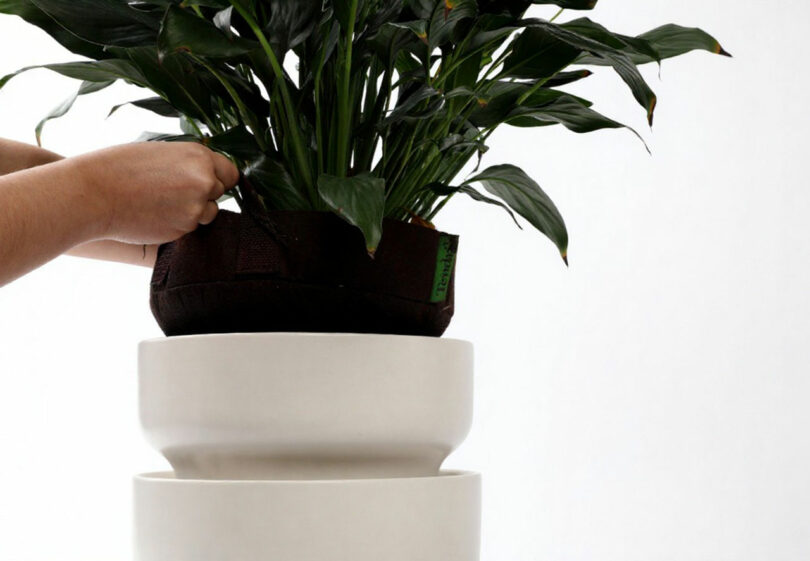
The internal mechanics are where the magic happens. The capillary action filters draw exactly the amount of water the plant needs from the reservoir, preventing the "drowning" effect of overwatering. Simultaneously, the air-pruning bags encourage a robust root system by preventing roots from circling the pot, a common cause of stunted growth in traditional containers.
2026 Top Picks: Resilience Meets Aesthetic Appeal
Selecting the right plant is just as important as the vessel it lives in. For 2026, we are seeing a shift away from high-maintenance "diva" plants (we're looking at you, Calathea) toward species that offer an enchanting silhouette without the temperamental attitude.
Our top houseplant recommendations for 2026 include the Asparagus Fern, Spider Plant ('Bonnie'), and the Himalayan Camouflage. These were chosen for their high resilience and their ability to thrive within self-watering ecosystems.
The Asparagus Fern: A Whimsical Classic
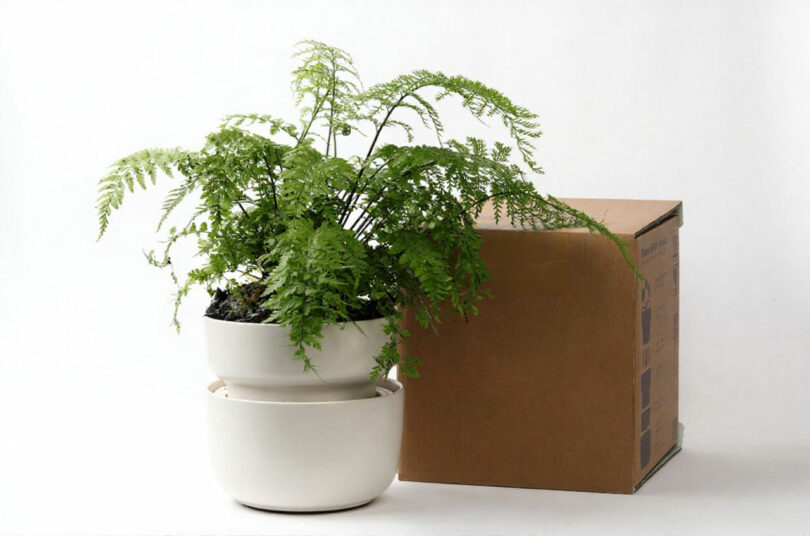
Don't let the delicate, lace-like foliage fool you. The Asparagus Fern is surprisingly hardy. It offers a soft, ethereal texture that breaks up the hard lines of modern furniture. When housed in a self-watering system, it maintains its vibrant chartreuse color without the typical browning that occurs when the soil dries out even slightly.
The Spider Plant 'Bonnie': The Ultimate Air Purifier
While the classic Spider Plant is a staple, the 'Bonnie' cultivar features fun, curly leaves that add a playful touch to any shelf. It is exceptionally resilient and one of the best choices for pet owners, as it is non-toxic. Its ability to thrive in a variety of light conditions makes it the perfect "entry-level" plant for 2026.
The Himalayan Camouflage: The New Trendsetter
This is the "it" plant for the coming year. The Himalayan Camouflage boasts stunning variegation—splashes of cream, lime, and deep forest green—that rivals the look of rare, expensive Monstera species. However, unlike its rare counterparts, it is incredibly sturdy. It brings that "urban jungle" aesthetic into the home with Big Box Store accessibility and low-maintenance needs.
The Efficiency Factor: High-Tech vs. Low-Tech Indoor Gardening
When we look at the data, the choice between traditional gardening and smart systems becomes clear. Plants grown in the Tendril SWAP+ system demonstrate an 85% higher survival rate over 12 months compared to standard ceramic pots by preventing root rot and overwatering.
However, the "right" tool depends on your lifestyle goals. If you are looking to style a living room, you want a system that disappears into the decor. If you are looking to grow functional herbs for a kitchen, you might look toward more industrial hydroponic setups.
Comparison: Smart Systems at a Glance
| Feature | Tendril SWAP+ System | AeroGarden Bounty Basic |
|---|---|---|
| Primary Use | Interior Styling & Longevity | Herb & Vegetable Production |
| Technology | Passive Capillary Action | Active Hydroponics (Pump) |
| Power Needed | None (Sustainable) | Requires Electrical Outlet |
| Aesthetic | Modern Ceramic / Decor-friendly | Functional / High-Tech |
| Maintenance | Monthly reservoir top-off | Weekly water/nutrient checks |
| Best For | Living rooms, Bedrooms, Offices | Kitchen counters, Indoor gardens |
While the AeroGarden is a powerhouse for production, the Tendril SWAP+ is the winner for those seeking "mental clarity." It doesn't hum, it doesn't have flashing lights, and it doesn't require an app. It is a quiet, honest way to bring nature indoors.
Styling Your Clarity Corner
Placement is the final piece of the puzzle. To truly reap the cognitive benefits of your greenery, you need to place them where you spend the most "focused" time.
- The Home Office "Power View": Place your most vibrant plant (like the Himalayan Camouflage) within 45 degrees of your computer screen. This allows for "micro-rest" periods where your eyes can shift from the blue light of the monitor to the organic patterns of the leaves.
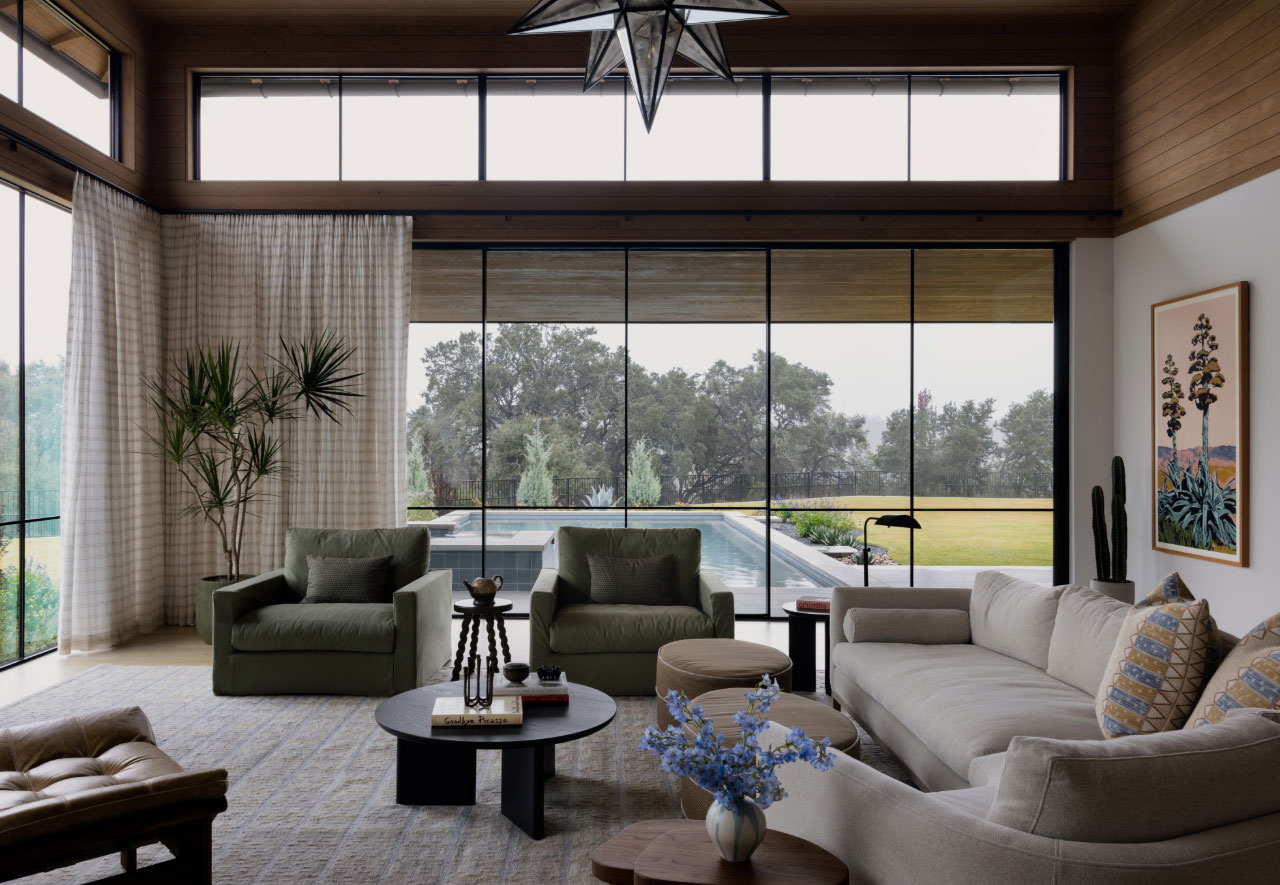
- The Living Room "Social Anchor": Use larger floor plants to anchor the corners of your seating area. This creates a sense of enclosure and security, which lowers cortisol levels during relaxation time.
- The Ritual of Care: Even with a self-watering system, I encourage readers to develop a weekly "check-in." Spend five minutes simply looking at the leaves, checking the water indicator, and dusting the foliage. This turns plant maintenance from a chore into a grounding wellness ritual.
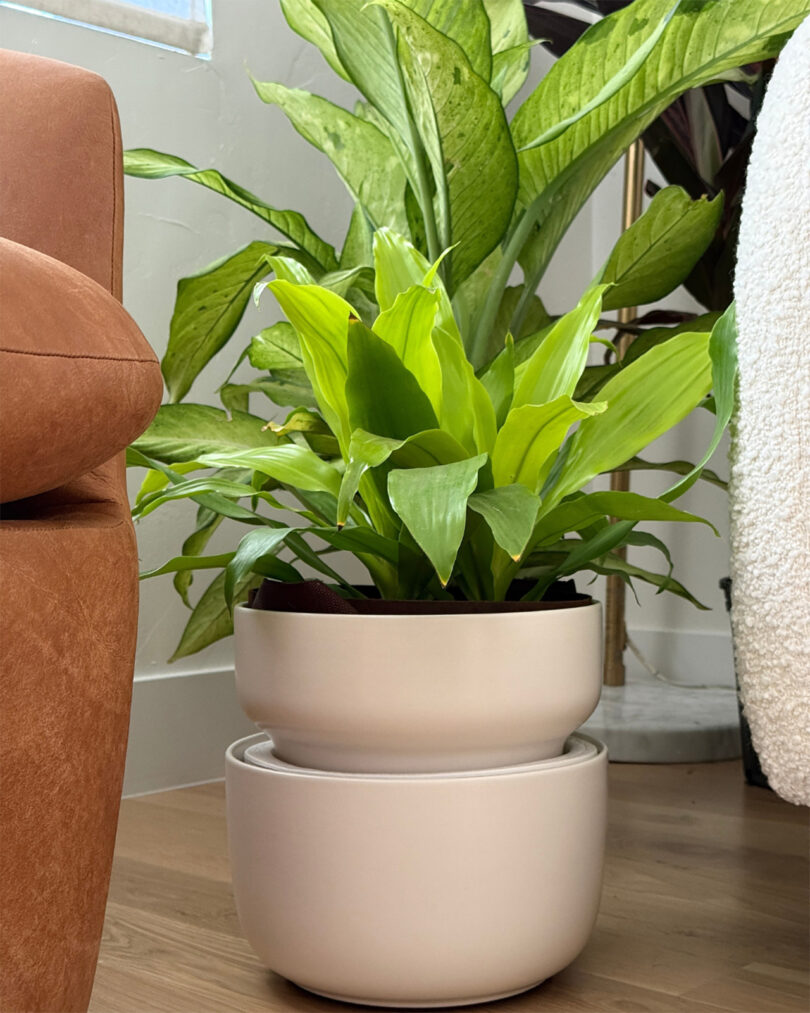
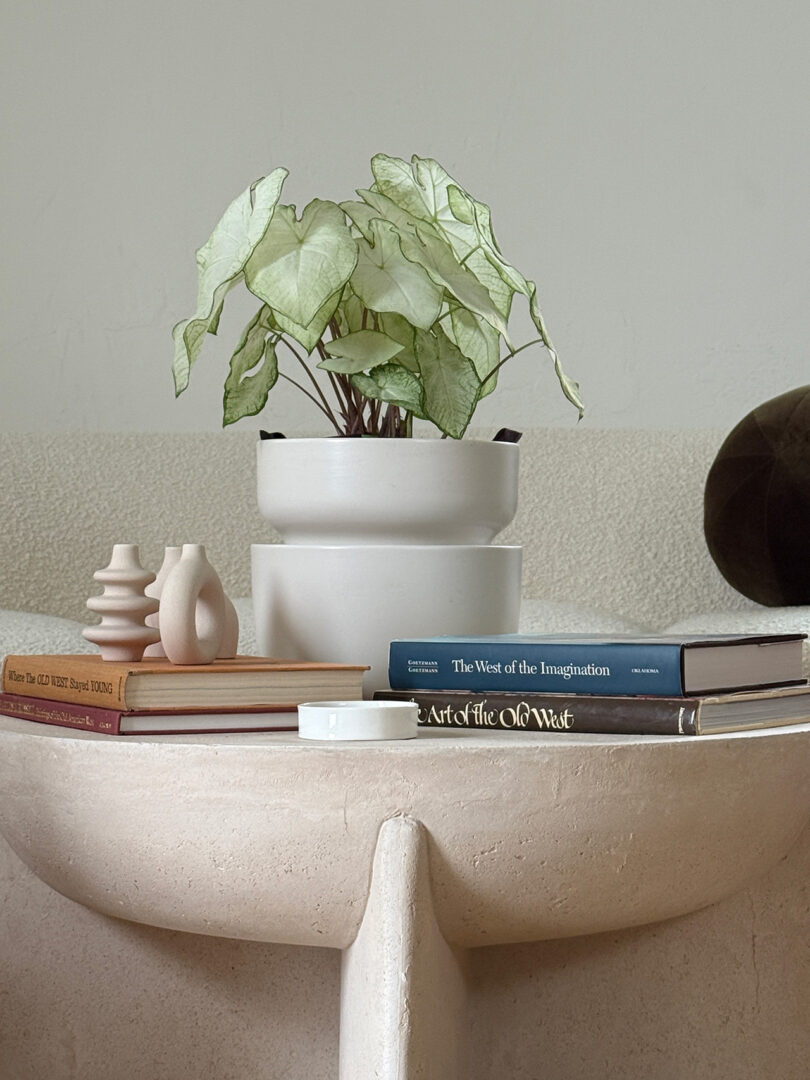
By pairing your greenery with other sensory elements—a favorite candle, a soft linen throw, or a stack of art books—you transform a corner of your home into a sanctuary for mental recovery. In a world that demands 100% of our attention, 100% of the time, these small green islands are essential for our survival.
FAQ
Q: Do self-watering pots cause mold or gnats? A: Actually, they can help prevent them! Fungus gnats thrive in the top inch of damp soil. Because many self-watering systems (like the Tendril SWAP+) provide water from the bottom up, the top layer of soil stays drier, making it less attractive to pests.
Q: How often do I actually need to refill the Tendril SWAP+ reservoir? A: Depending on the humidity of your home and the specific plant, most users find they only need to refill the reservoir every 2 to 4 weeks. The built-in water indicator takes the guesswork out of the process.
Q: Can I use any soil in these systems? A: While most high-quality potting mixes work, we recommend a mix with good aeration (containing perlite or coco coir) to complement the air-pruning bag technology.