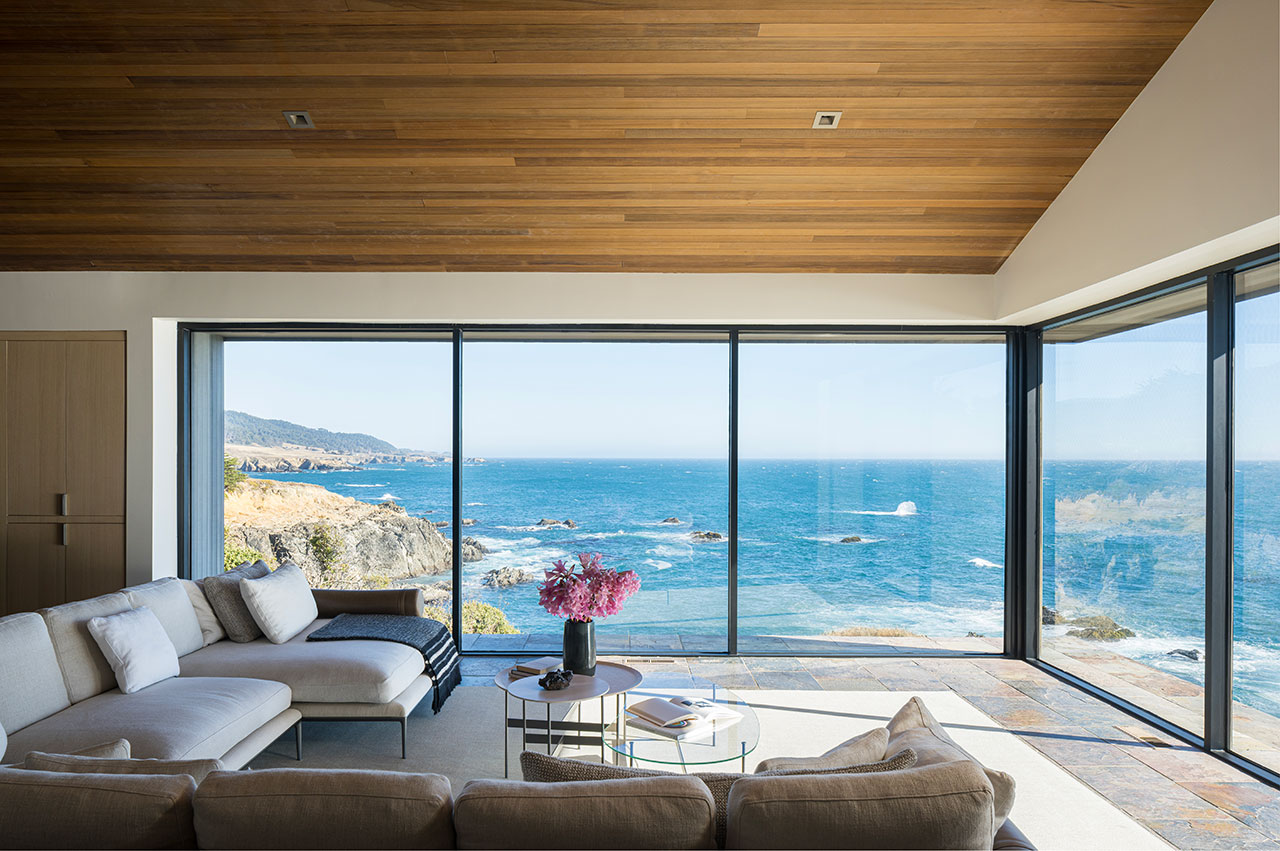
Designing a home for our later years has long been framed through a lens of limitation—focusing on what we lose rather than what we have gathered. But as we look toward 2026, a beautiful shift is occurring in the world of interior styling. We are moving away from the "clinical" look of traditional senior living and toward a concept I like to call the Reliquary Home.
At the heart of this movement is Functional Nostalgia: the practice of integrating personal artifacts and deeply-held memories directly into the architectural framework of a house. It isn’t just about decor; it’s about creating a familiar environment that supports cognitive health and emotional security. Recent 2026 housing studies confirm what we’ve long felt: 74% of seniors report significantly higher life satisfaction when their home modifications focus on 'emotional resonance' and nostalgia rather than purely utilitarian safety.
The Architecture of Memory: Implementing Reminiscence Therapy
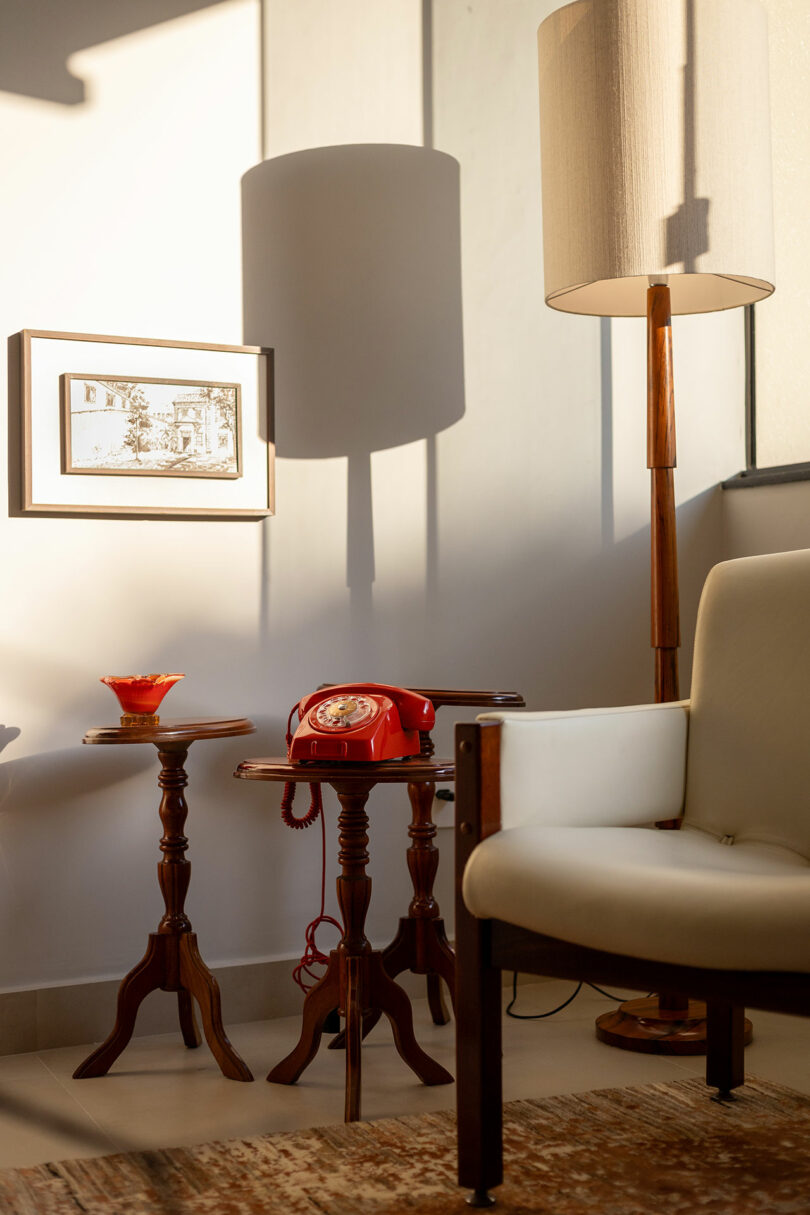
When we design for aging gracefully, we are designing for the mind as much as the body. One of the most effective ways to do this is through "Orientation Beacons." These are familiar landmarks—perhaps a grandfather clock that has been in the family for decades or a specific antique tapestry—placed at key decision points in the home to aid wayfinding and reduce the "spatial anxiety" that often comes with cognitive aging.
The 'Reliquary' concept takes this further by treating storage as a structural element. Instead of hiding our history in dusty boxes, we design custom shelving and "memory boxes" that are built into the hallways or living room walls. These installations allow residents to surround themselves with their life’s narrative, providing constant, gentle prompts for memory recall.
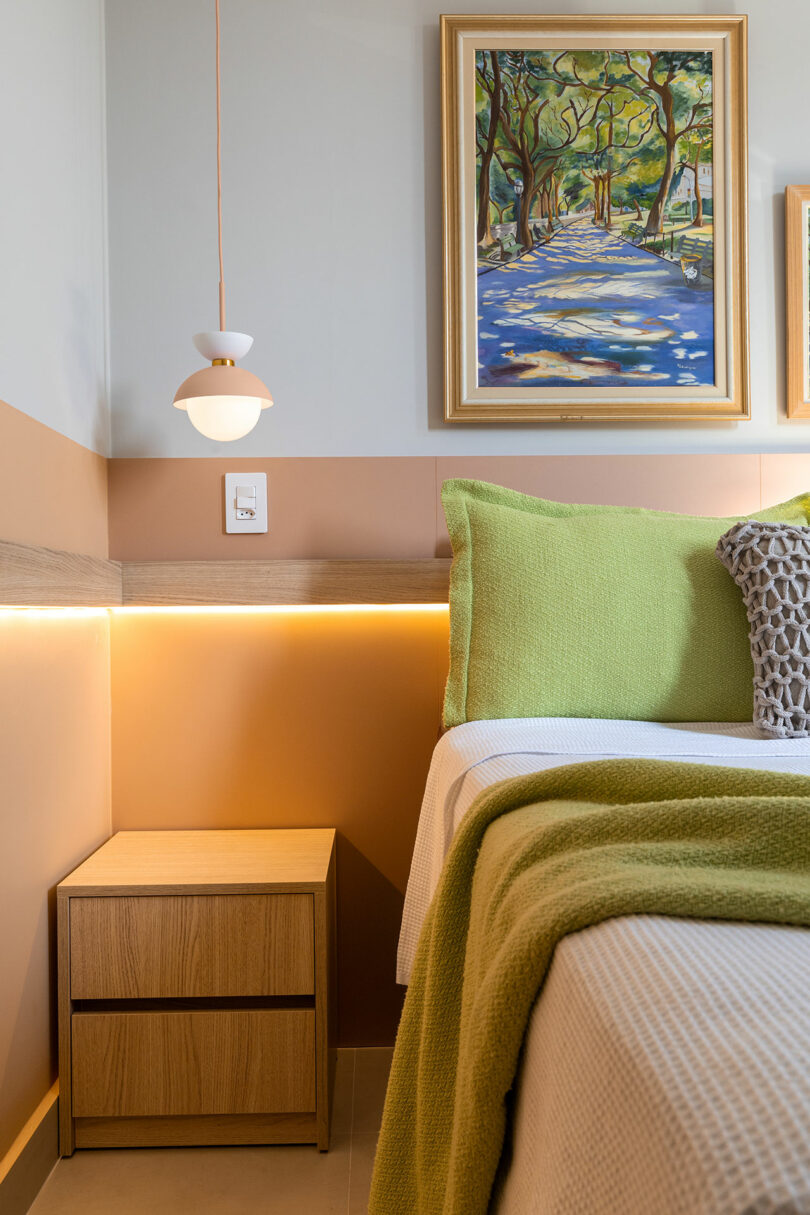
Lighting, too, plays a crucial role in this emotional architecture. In 2026, we are leaning heavily into Circadian Lighting systems. By utilizing blue-enriched light in the morning to energize the senses and shifting to warm, amber tones in the evening, we can help regulate the sleep-wake cycles that often become disrupted in our later years. It’s a subtle, high-tech intervention that feels entirely natural.
Invisible Safety: Redefining the Bathroom and Bedroom
The biggest fear many of my clients have when discussing "aging in place home design" is that their beautiful sanctuary will start to look like a hospital wing. My response is always the same: we practice the Art of Disguise.
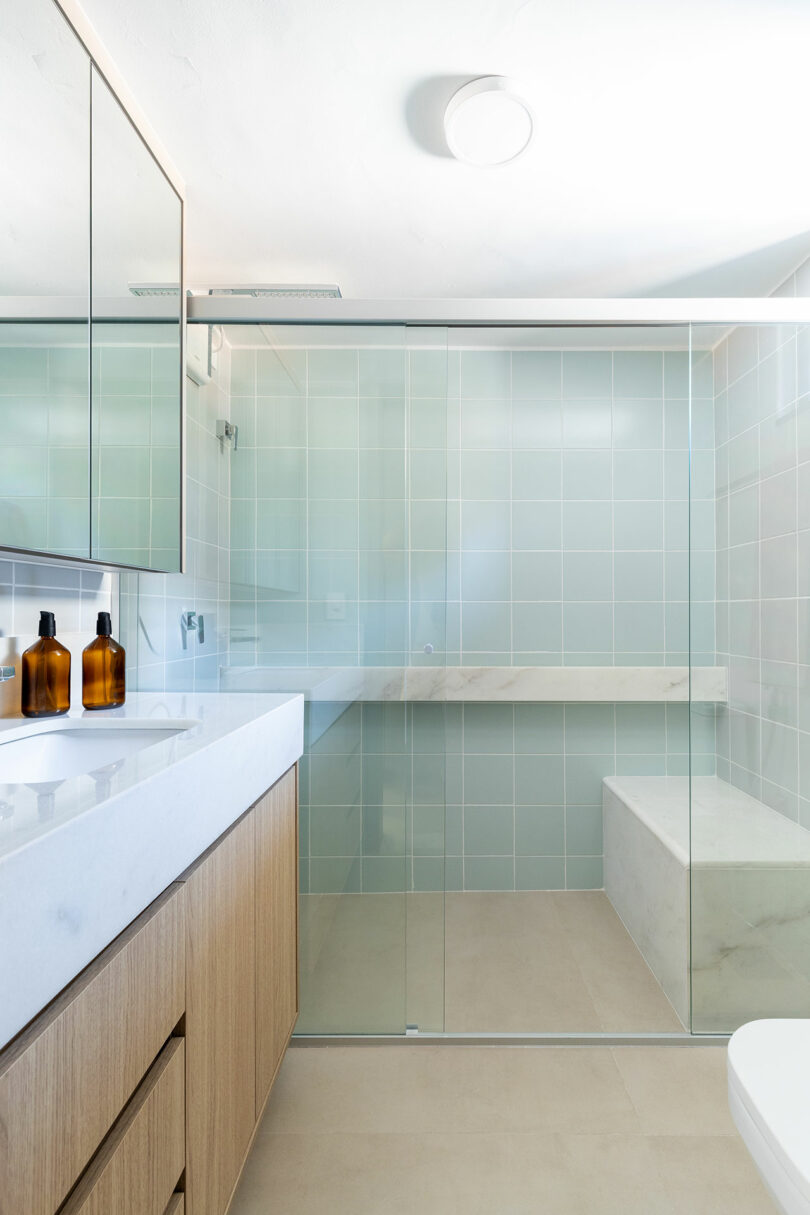
We can make a senior’s home incredibly safe without a single "clinical" gesture. This involves using invisible design gestures, such as custom furniture that features built-in, structural grab bars disguised as towel racks or vanity edges. We also prioritize tactile natural materials—think warm white oak, soft cork, and high-quality textiles—which provide better "grip" and sensory feedback than cold steel or laminate.
In the bathroom, the 2026 gold standard is the "wet room" concept:
- Curbless Showers: Eliminating the threshold entirely to prevent trips and allow for easy entry.
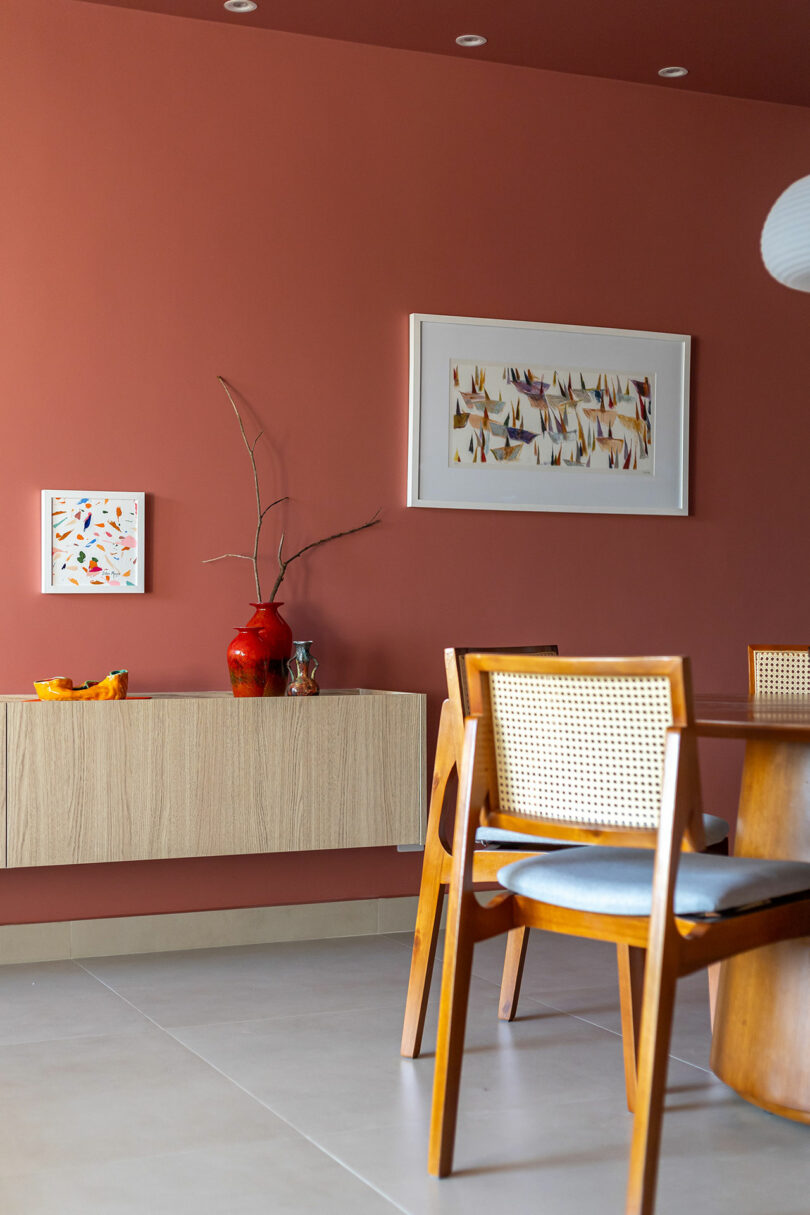
- High-Contrast Palettes: Using a dark vanity against a light wall, or a colored toilet seat against white tiling, to help those with declining visual acuity navigate the space safely.
- ADA-Height Toilets: Ensuring a height of 17–19 inches for ease of movement without looking "industrial."
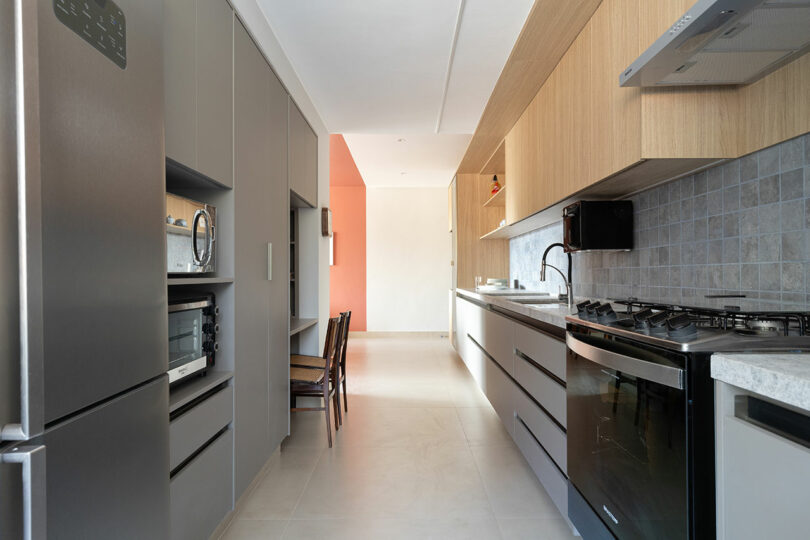
Beyond the bathroom, floor plan optimization is essential. We recommend single linear corridors and open sightlines. This reduces the cognitive load required to "map" the house in one's mind, creating a sense of calm and flow.
Pro-Tip: The "Touch Test" When selecting hardware for a nostalgic home, opt for "D-shaped" pulls instead of round knobs. They are easier for arthritic hands to operate and can be sourced in beautiful, vintage-inspired brass or forged iron to maintain that warm, soulful aesthetic.
Technical Standards and Smart Integration for 2026
Designing for the future requires us to look at the numbers. As mobility aids become more advanced, our homes must grow to accommodate them. The recommended accessibility standard for doorways in 2026 is a minimum of 32 inches, though we strongly prefer 36 inches whenever possible. This ensures that modern wheelchairs and walking aids can pass through without scuffing the trim or causing frustration.
We also see a rise in "Quiet Tech"—smart home ecosystems that work behind the scenes. Voice-activated lighting ensures no one has to fumble for a switch in the dark, while ambient fall detection sensors (which use radar rather than intrusive cameras) provide peace of mind for family members.
| Feature | 2026 Standard | Benefit |
|---|---|---|
| Doorway Width | 36" (Preferred) | Full mobility for modern aids |
| Flooring | Slip-resistant Vinyl or Cork | Mitigates fall risks while staying warm |
| Smart Tech | Voice & Sensor-based | Proactive safety without "gadget" clutter |
| Countertops | Multi-level (30" and 36") | Allows for seated or standing tasks |
The Value of Proactive Planning: A Sound Investment
Many homeowners wait for a health crisis before making modifications, but "reactive" design is often rushed and aesthetically lacking. Proactive planning is not just about comfort; it’s a smart financial move. Integrated home accessibility features that blend seamlessly with interior aesthetics can increase a property's resale value by up to 15% compared to visible, institutional-style modifications.
Buyers in 2026 are increasingly looking for "forever homes" that are already prepared for the long haul, meaning your investment in a curbless shower or a wider hallway pays dividends down the line.
Cost Breakdown of Accessibility Modifications (Estimated 2026):
- Minor Updates ($500 - $2,500): Lever-style handles, high-contrast lighting, and designer grab bars.
- Mid-Range Remodels ($5,000 - $15,000): Doorway widening, smart home ecosystem installation, and flooring replacement.
- Full-Home "Graceful" Overhaul ($40,000 - $80,000+): Full kitchen and bath reconfiguration, elevator/lift installation, and structural "reliquary" additions.
FAQ
Q: Does nostalgic design mean my house has to look "old"? A: Not at all. Functional nostalgia is about using your history. It can be a mid-century modern aesthetic, a minimalist "Scandi" look, or a traditional cottage style. The goal is to use artifacts that have personal meaning to create an emotional anchor, regardless of the overall design era.
Q: Are curbless showers expensive to install? A: While they require more precision in waterproofing and floor sloping than a standard tub-to-shower kit, they are a foundational element of "Aging in Place." In 2026, many pre-fabricated curbless pans have made this more affordable, typically adding only 10-15% to a standard bathroom renovation cost.
Q: Can I achieve "Invisible Safety" on a budget? A: Absolutely. Start with high-contrast paint colors to help with navigation and swap out standard hardware for ergonomic levers. Using "grippy" area rugs with high-quality non-slip pads is another low-cost way to improve safety without changing the room's character.
Conclusion
Designing for the later chapters of life shouldn't be about stripping away the soul of a home; it should be about honoring the life lived within it. By embracing Functional Nostalgia and Invisible Design, we create spaces that aren't just "accessible"—they are aspirational. Whether it’s a wide doorway that feels like a grand entrance or a "memory box" that tells the story of a world-traveled life, these choices ensure that our homes remain a warm, safe, and beautiful reflection of who we are.
As we move through 2026, let’s choose to design homes that don’t just help us age, but help us age with grace, dignity, and a profound sense of belonging.