Let’s be honest: most of us love the idea of gardening with our children. We imagine a sun-drenched afternoon where little hands carefully pat soil around organic seedlings, and the only sounds are the chirping of birds and the gentle rustle of leaves. Then, reality hits. Within ten minutes, there’s mud in someone’s eye, a prized heirloom tomato plant has been stepped on, and someone is crying because a worm looked at them "the wrong way." For many parents, outdoor time is spent chasing, not chilling.
However, moving beyond the chaos reveals a profound opportunity for child development. As an editor focused on sustainable living, I’ve seen how our homes can become classrooms for the most important life skills. Modern life is fast, digital, and often disconnected from the rhythms of the earth. Currently, nearly 50% of the population suffers from Vitamin D deficiency—a staggering statistic that can be addressed by simply spending 10 to 20 minutes in the daily sun. Gardening isn’t just about the harvest; it’s about "Mindful Gardening," a practice that uses the soil to grow better humans.
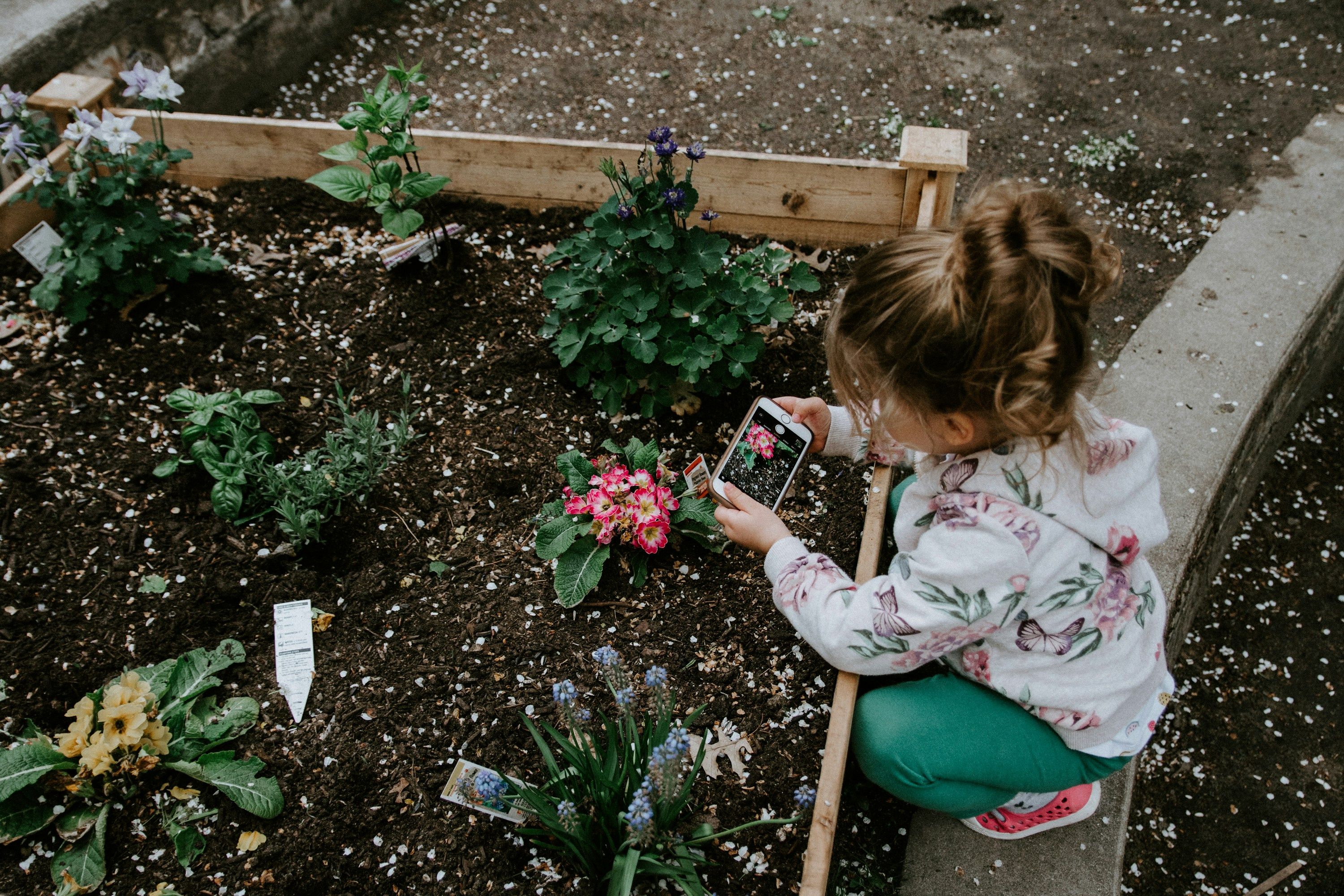
Why Gardening is the Ultimate Life-Skill Teacher
In a world of "buy it now" buttons and instant streaming, children rarely have to wait for anything. This is where the garden becomes a revolutionary tool. Gardening teaches kids patience by providing a tangible experience of natural timelines, showing that growth takes time and cannot be rushed by instant gratification. You can’t click a button to make a sunflower bloom; you have to wait for the sun, the rain, and the biology of the plant to do its work.
Beyond patience, we are looking to cultivate a sense of agency. Mindful gardening fosters responsibility in children by assigning them a 'responsibility buddy' plant, which requires consistent care and nurturing to thrive. When a child realizes that their specific action—watering a thirsty leaf or pulling a competing weed—directly impacts the life of another living thing, their perspective shifts. They aren't just "helping Mom or Dad"; they are stewards of their own small ecosystem.
The data backs this up. Children with a dedicated personal garden plot show a 35% higher rate of engagement in nature-based learning compared to those who only participate in communal or adult-led gardening. Giving a child their own square foot of earth empowers them. It turns a chore into a mission.
Sensory Play and Emotional Regulation
For many children, especially those who are high-energy or easily overstimulated, the garden acts as a natural reset button. Sensory-rich gardening activities, like worm hunts or water play, help children regulate emotions and focus while building a deep connection with nature.
The "sensory" aspect of gardening is often overlooked as just "getting dirty," but it’s actually a sophisticated form of grounding. The cool press of damp earth against palms, the smell of crushed mint leaves, and the rhythmic sound of a watering can are all tactile inputs that calm the nervous system. If you have a child who struggles with big emotions, try transitioning them to the garden for ten minutes. The shift from a noisy indoor environment to the complex, quiet textures of the outdoors often acts as a biological "off" switch for anxiety.
Pro-Tip: The 'Quiet Corner' Plant tall, soft-textured plants like Lamb’s Ear or tall ornamental grasses in a specific corner. When the day gets too loud, encourage your child to go to their "soft space" to touch the leaves and breathe. It’s an eco-friendly way to teach self-regulation.
5 Sanity-Saving Hacks for Gardening with Kids
If you’re worried about your backyard becoming a disaster zone, don't fret. You can teach these lessons without sacrificing your landscaping or your sanity.
- The 'Personal Plot' Hack: Instead of letting kids loose in your main vegetable beds, buy a $5 concrete mixing tub from a hardware store. It’s shallow, durable, and defines a clear "safe zone" for digging. This prevents the accidental trampling of your prize peppers.
- Starter Plants vs. Seeds: While seeds teach the ultimate lesson in patience, starting with a 4-inch nursery plant provides immediate visual feedback. For younger kids, skipping the seed tray preserves parental sanity by avoiding the "is it growing yet?" question 40 times a day for two weeks.
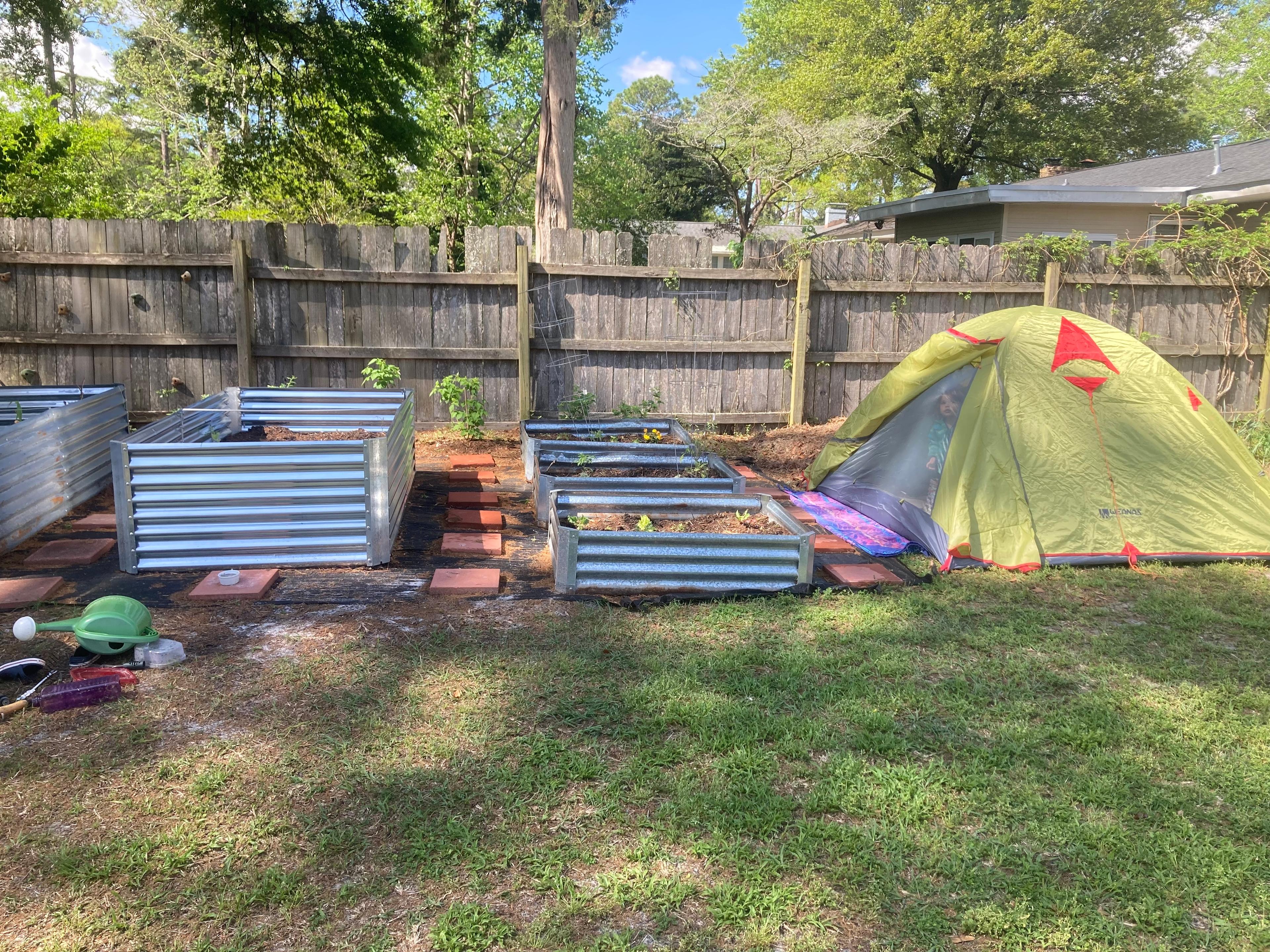
- The Garden Tent: Set up a small shaded "fort" or pop-up tent right next to the garden. It gives kids a place to retreat when they get bored, allowing you to finish your planting while keeping them within eyesight.
- Low-Maintenance Winners: Stick to "indestructible" plants. Cherry tomatoes, mint (keep it in a pot!), and sunflowers are resilient enough to survive a missed watering or a clumsy hand.
- Accessibility: Keep a dedicated "kid station" near the garden. This should be a low table with their tools, a water bottle, and perhaps a magnifying glass. When everything they need is at their level, they are less likely to come inside every five minutes.
Simple Activities to Start Today
You don't need an acre of land to begin. In fact, starting small is often better for focus. Here are a few ways to introduce mindful gardening into your routine this weekend:
Kitchen Scrap Magic
Before you toss those vegetable scraps into the compost, see what you can regrow. This is a low-stakes way to show the cycle of life.
- Green Onions: Place the white root ends in a jar of water. They will grow back in days.
- Celery: Place the base in a shallow bowl of water and watch the center sprout new leaves.
- Beans: Use the classic "bean in a wet paper towel" trick in a glass jar so they can see the roots forming.
Popsicle Stick Art
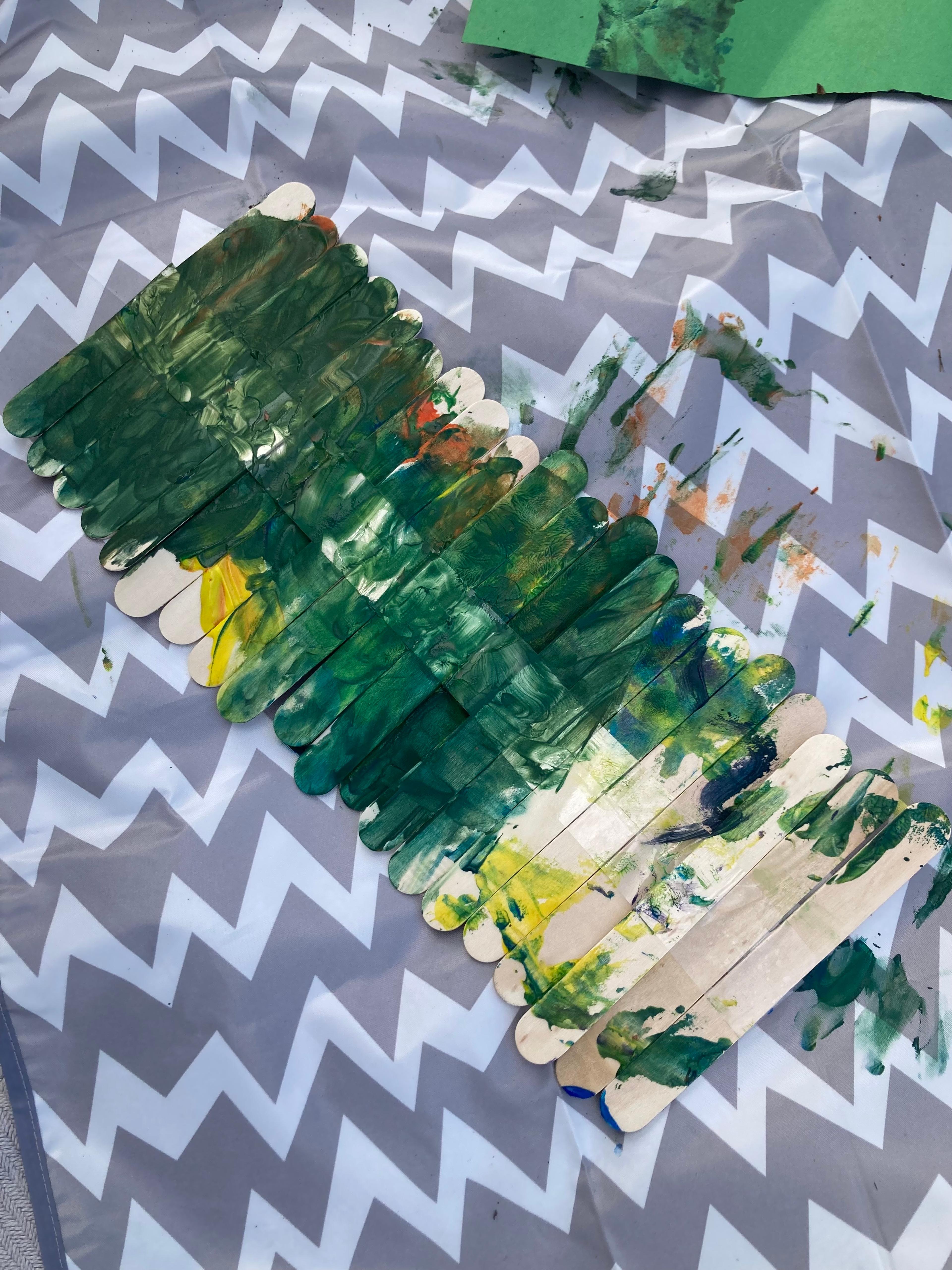
Ownership is key to responsibility. Let your child decorate large popsicle sticks with waterproof markers or paint to mark their "Responsibility Buddy."
Recycled Pot Garden
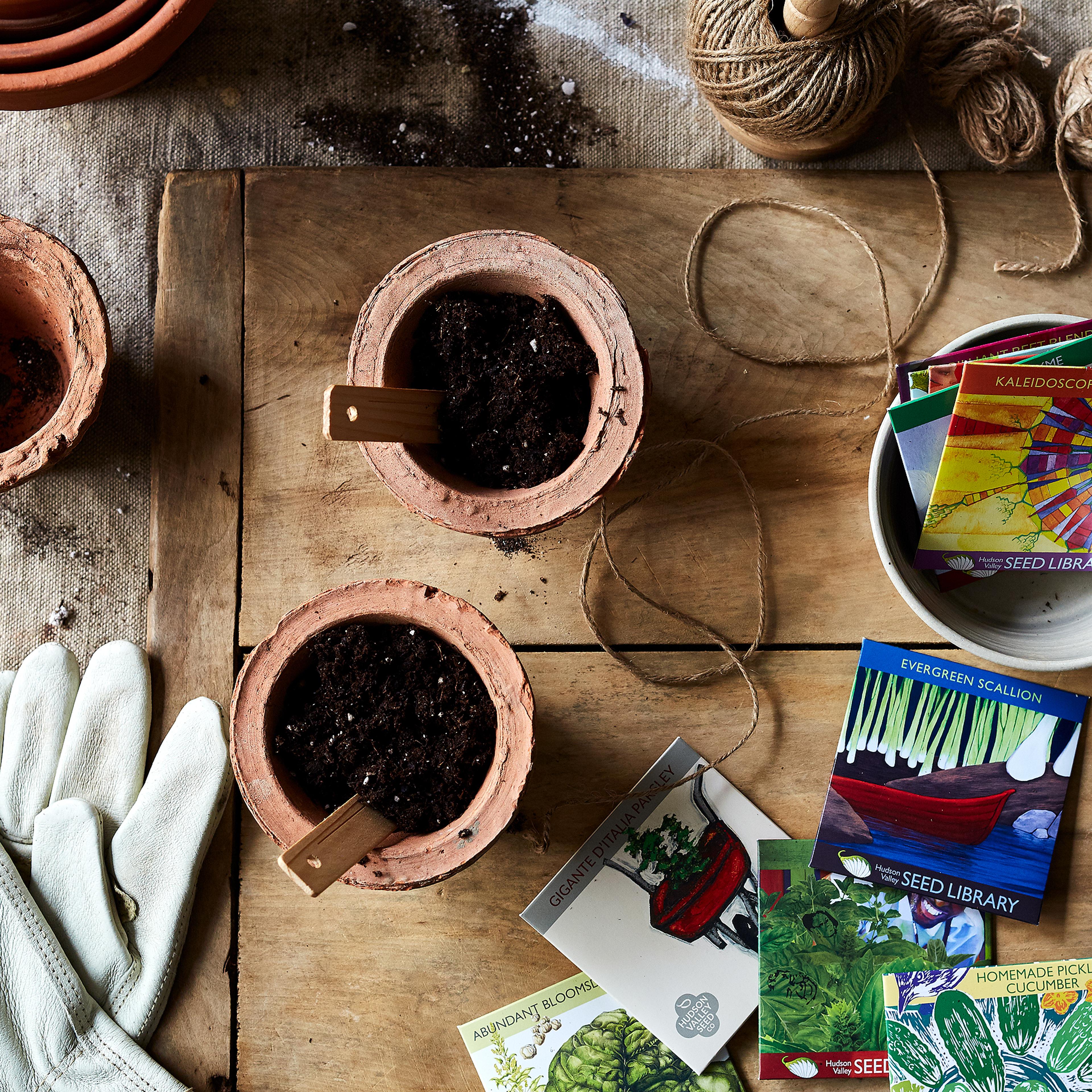
Sustainable living is about using what we have. Old tin cans (with holes poked in the bottom), cracked teacups, or even egg cartons make excellent starters. This teaches children that they don't need expensive equipment to create something beautiful.
Nurturing Collective Responsibility
Gardening is a team sport. To keep the peace, assign specific roles based on your child's age and personality.
- The Digger: Best for high-energy kids who need a physical outlet. Give them a sturdy trowel and a specific "digging zone."
- The Placer: Best for kids who enjoy precision. They are in charge of gently putting the plant in the hole.
- The Coverer: Great for younger toddlers who love the sensory feel of pushing dirt back over the roots.
What happens when a plant dies? In our house, we call this "Resilience Training." Instead of rushing out to replace a dead plant before the kids wake up, use it as a moment to discuss what happened. Did it get too much water? Too little? This isn't a failure; it’s a data point. Dealing with disappointment in the garden—where the stakes are low—prepares them for the disappointments of the real world.
Finally, the reward. There is a specific pride that lights up a child's face when they eat a strawberry they grew themselves or hand a neighbor a bunch of flowers they nurtured. That boost to their self-esteem is far more permanent than any trophy or sticker.
FAQ
Q: My child is terrified of bugs. How can we garden? A: Start with "distance viewing." Use a clear plastic container to observe a ladybug or worm for a few minutes, then release it together. Explain that these bugs are the "garden's construction crew"—they have jobs to do just like we do. Often, understanding the purpose of the bug reduces the fear.
Q: What if I only have a small balcony? A: Vertical gardening is your best friend. Use hanging pots or a tiered "strawberry tower." The lessons of patience and responsibility are the same whether you have a farm or a single pot of basil on a windowsill.
Q: At what age can kids start "Responsibility Buddy" plants? A: As soon as they can hold a small watering can (usually around age 2 or 3). Start with a very hardy plant like a Spider Plant or a Succulent, which can handle the occasional "over-enthusiastic" watering.
Are you ready to grow more than just vegetables this season? Start small, embrace the mud, and watch as your children develop the patience and responsibility that will serve them for a lifetime. If you've tried any of these hacks, or if you have a "sanity-saver" of your own, I’d love to hear about it in the comments below!