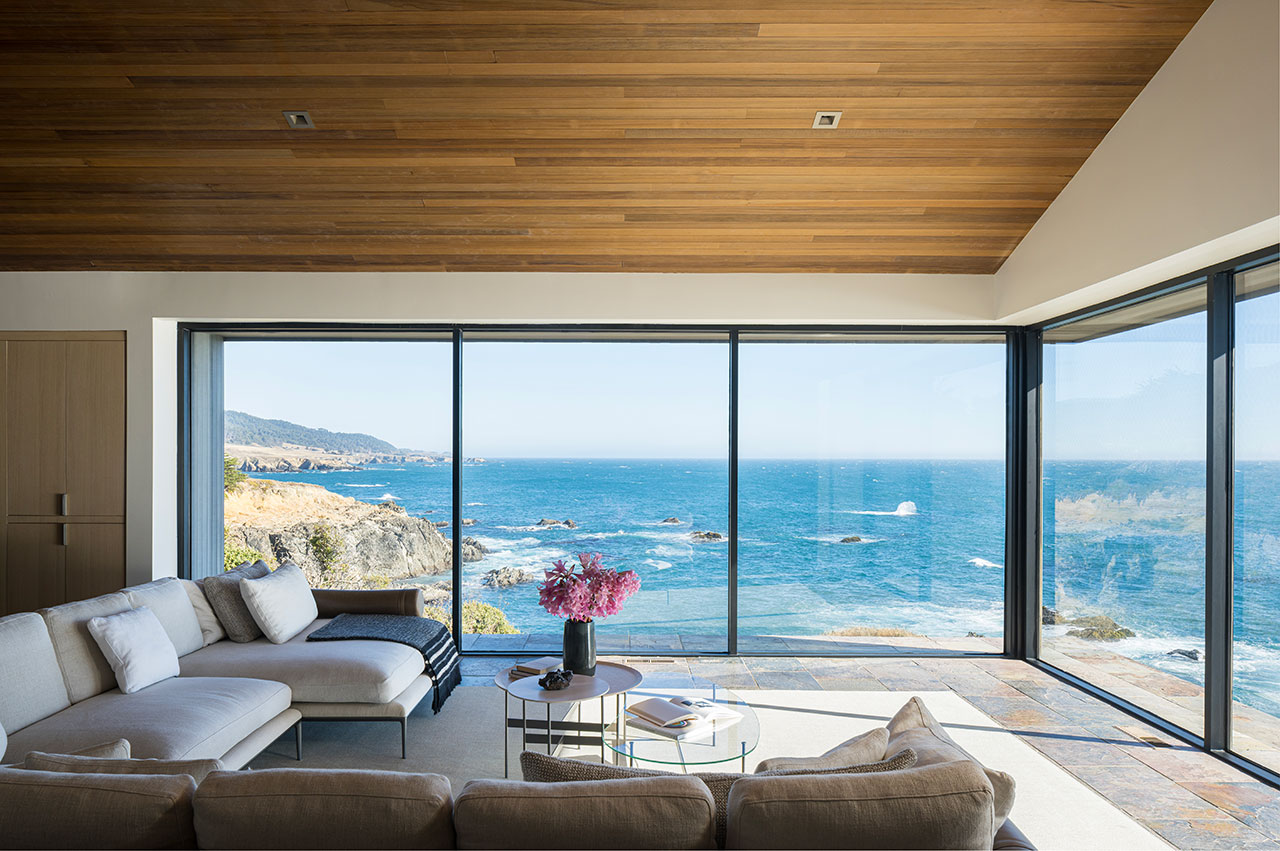
We’ve all walked into a room that looked perfect on paper—or on an Instagram feed—only to realize it felt strangely hollow once we sat down. It’s the "showroom effect": a space that is aesthetically flawless but emotionally vacant. As we look toward the horizon of 2026, the conversation in interior design is shifting away from these performative aesthetics. We are entering the era of "Soulful Intention," where the goal isn’t to build a home that looks like a magazine spread, but to curate a sanctuary that feels like a deep exhale.
According to the latest industry data, this isn't just a niche preference. The 2026 Home Design Trends report indicates that wellness has transitioned from a luxury upgrade to a foundational requirement for 92% of new residential projects. We are no longer just "decorating"; we are engineering environments for mental health, recovery, and genuine human connection.
At a Glance: What is Intentional Home Design? Intentional home design is a philosophy that prioritizes emotional resonance, wellness, and functional craftsmanship over fleeting aesthetic trends. It aims to create spaces that support daily rejuvenation. To achieve this, homeowners are moving toward "Soulful Intention"—a 2026 shift that favors personalized spaces over cookie-cutter layouts. Key strategies include "thinking in layers" (mixing textures like wool and quilts) and replacing harsh overhead lighting with warm-toned lamps to signal the nervous system to rest.
The 2026 Shift: Why Authenticity Outlasts Aesthetics
For years, the "modern minimalist" or "farmhouse chic" templates dominated our homes. While beautiful, these styles often resulted in a generic look that felt interchangeable from one house to the next. The coming years represent a rebellion against the "cookie-cutter." We are seeing a move toward homes that tell a specific, unrepeatable story.
This shift toward "Soulful Intention" is backed by more than just designer intuition. Data shows that "Soulful Spaces"—those focusing on unique architectural details and personal rituals—see a 35% higher satisfaction rate among homeowners compared to trend-driven renovations. When we design for how we live—rather than how we want to be perceived—the result is a home that grows more beautiful with age.
Layering for the Senses: Instant Comfort Strategies
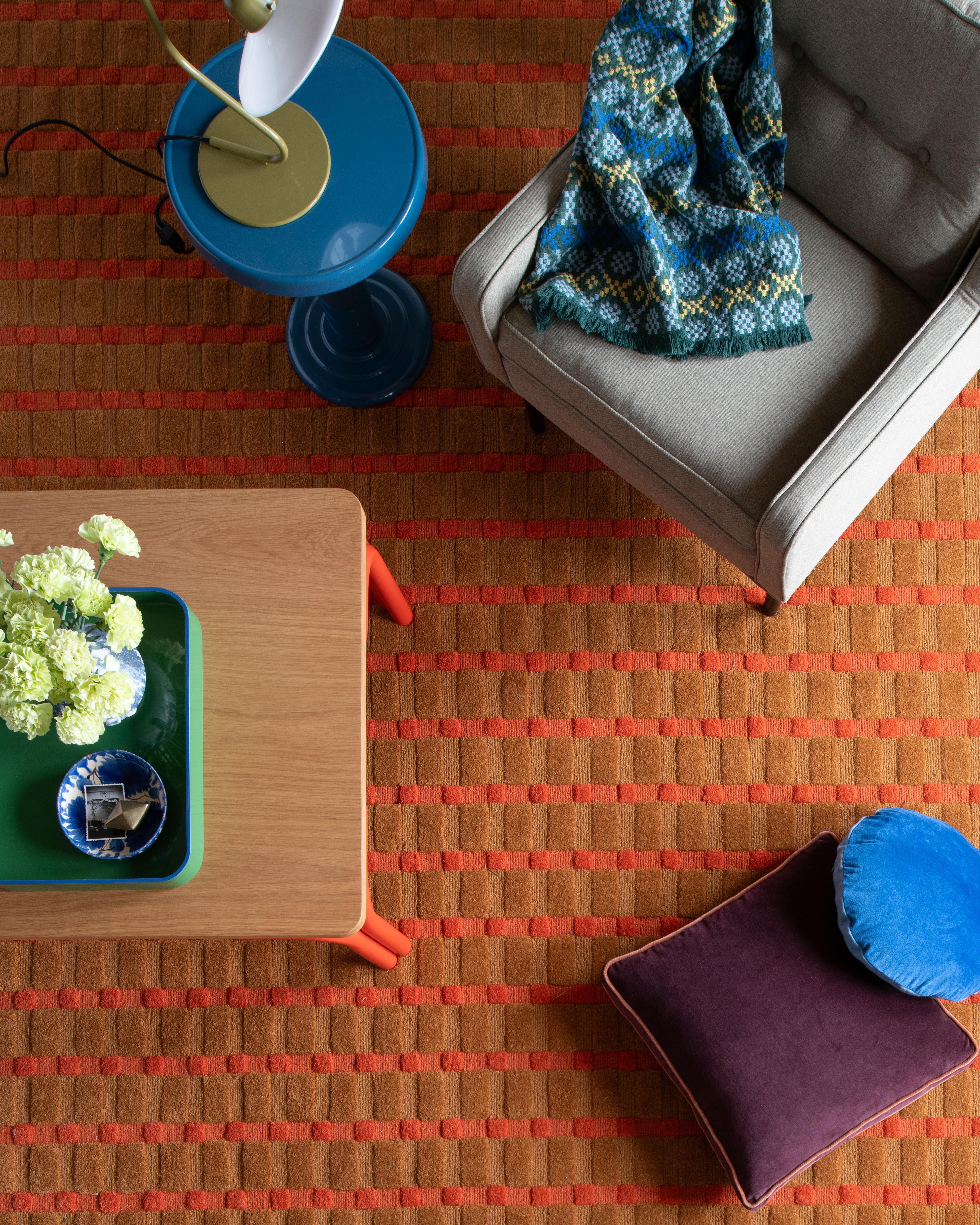
If intentional design is the philosophy, "layering" is the practice. We often think of design as a visual medium, but a truly soulful space is experienced through the skin and the spirit. To make a home feel instantly cozier, we have to move beyond the surface.
Thinking in Layers
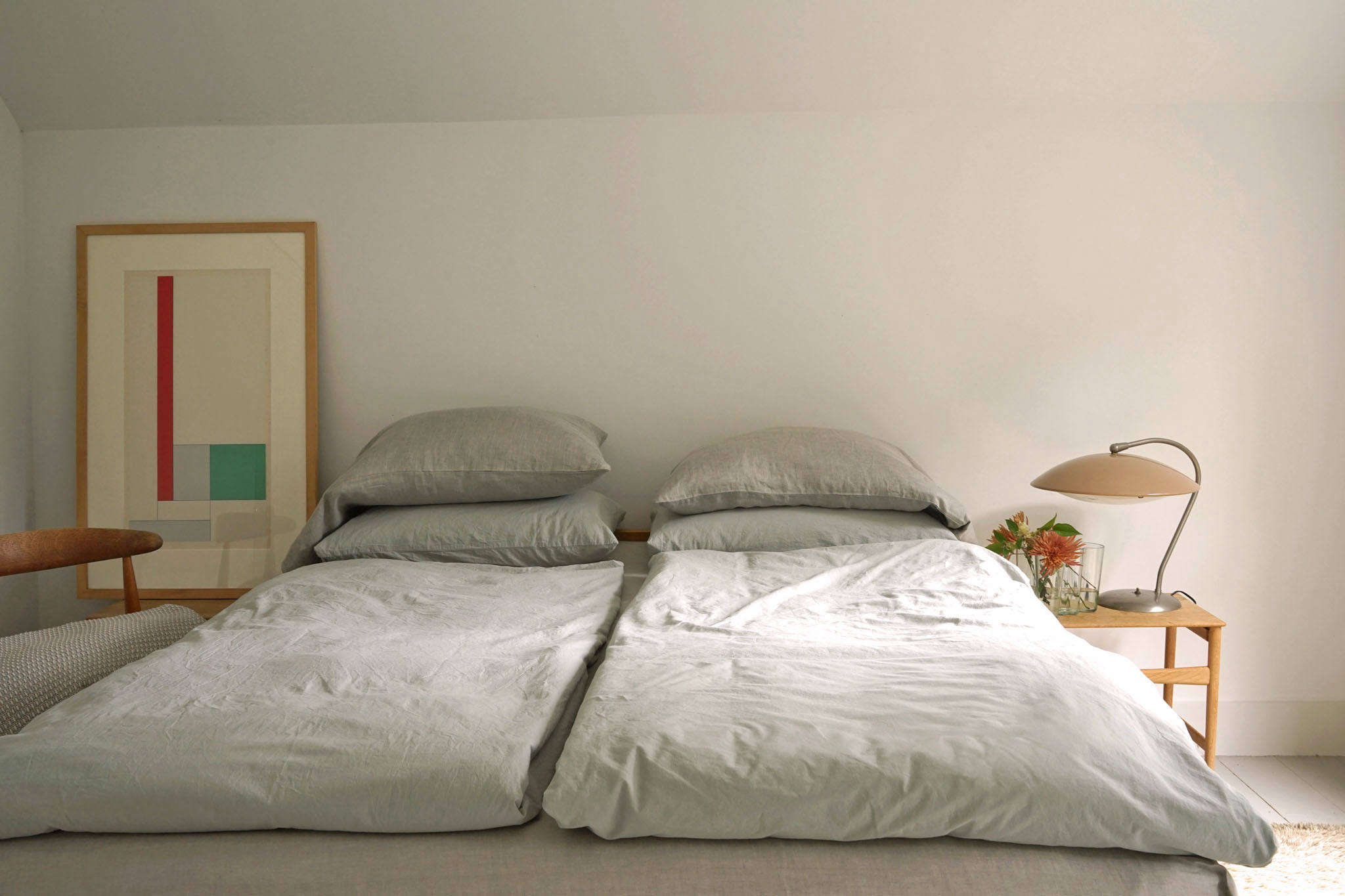
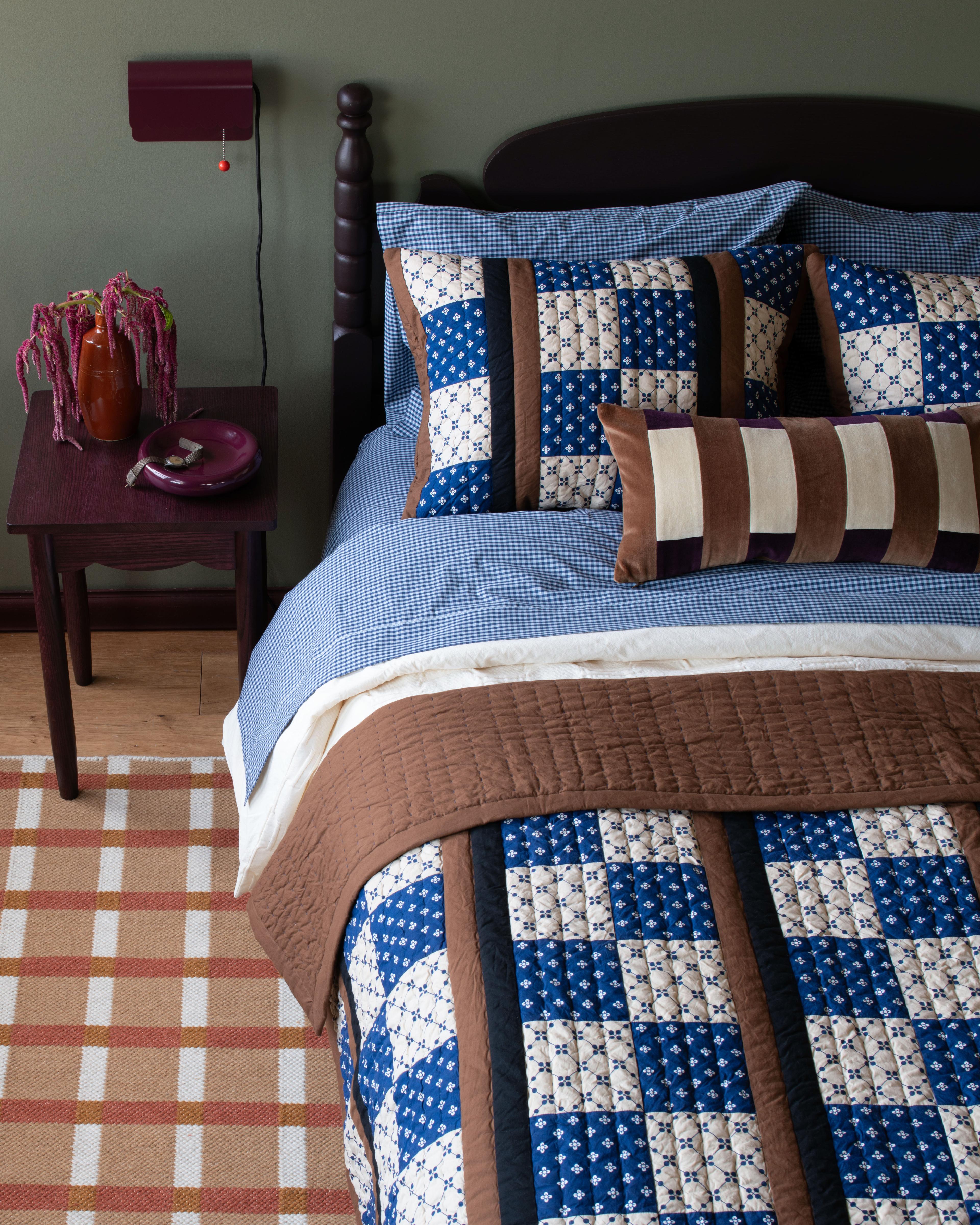
In my years as an editor, I’ve found that the difference between a "cold" room and a "living" room is physical depth. We call this "thinking in layers." This means mixing textures that invite touch: a heavy wool throw draped over a linen sofa, a hand-stitched quilt at the foot of the bed, or a vintage jute rug layered under a plush wool one. These elements engage the senses and provide a "sunk-in" feeling that modern, flat surfaces simply cannot replicate.
The Soft Glow
If layering is the body of the room, lighting is its soul. One of the most common mistakes I see is the over-reliance on "big light"—those harsh, recessed overhead fixtures that flatten a room and spike our cortisol levels.
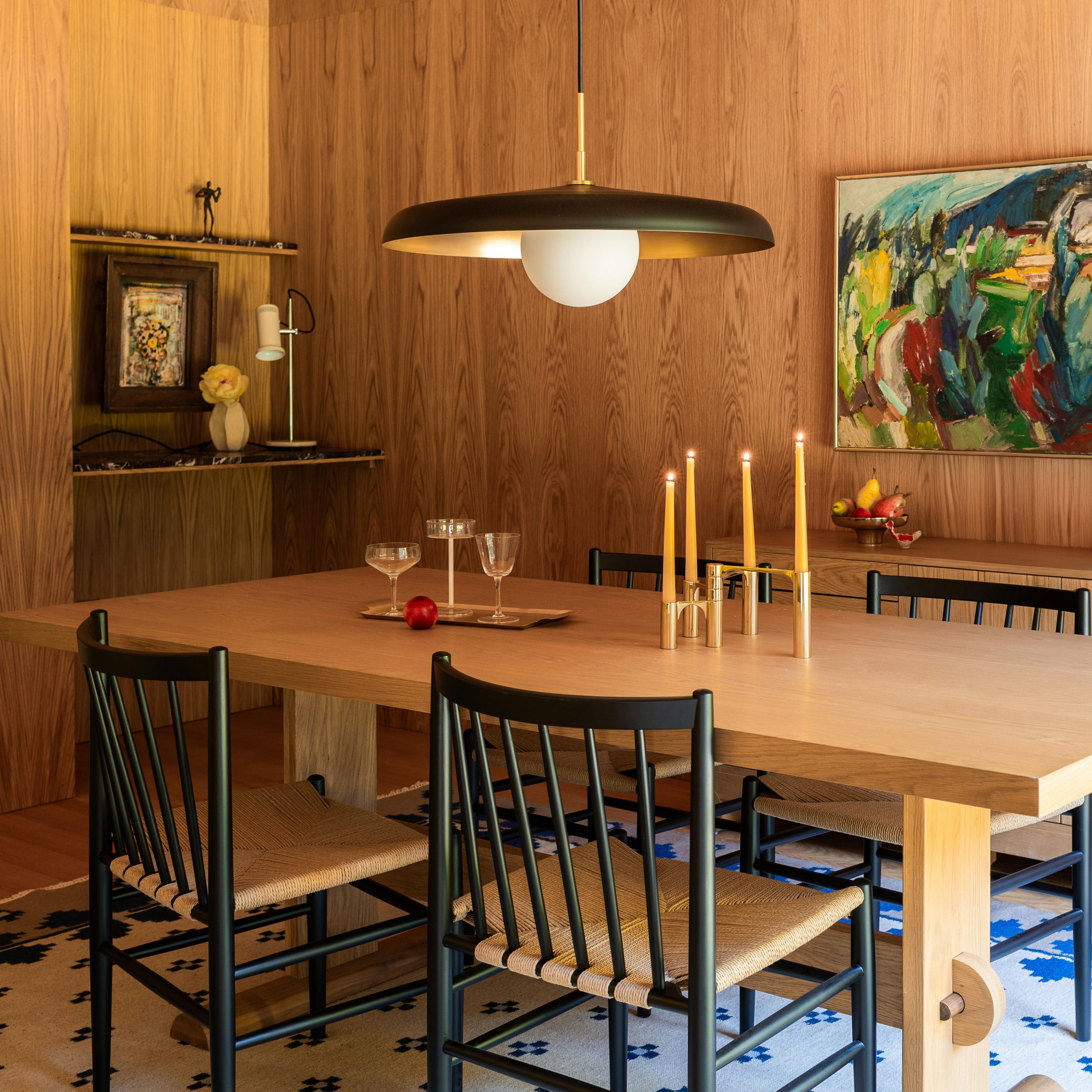
To create a soulful space, we must embrace "The Soft Glow." This involves replacing harsh overhead lighting with a constellation of warm-toned lamps, sconces, and floor lights. By keeping the light at eye level or lower, you mimic the warmth of a sunset, signaling to your nervous system that it is time to transition from "doing" to "being."

2026 Trend Spotlight: Selective Retreats and Recovery Zones
As our external world becomes increasingly digital and chaotic, the 2026 home is evolving into a tool for biological recovery. We are seeing a rise in "Selective Retreats"—areas of the home intentionally stripped of technology to prioritize natural light and outdoor views.
- Recovery Zones: These are dedicated spaces for nervous-system resets. Think beyond the home gym to meditation corners, infrared sauna nooks, or even dedicated steam rooms. The focus here is on silence and sensory deprivation.
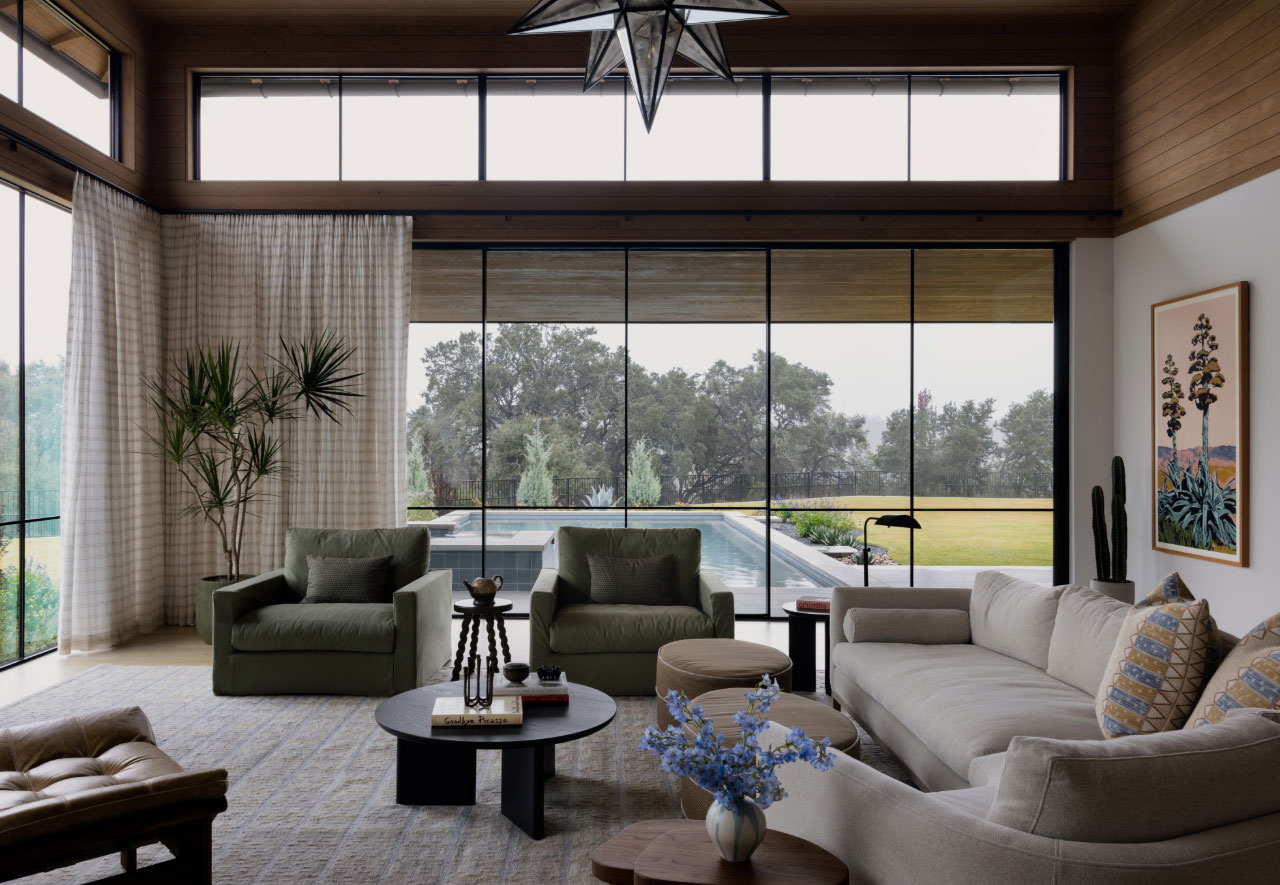
- The Garden Green Trend: This isn't just about adding a few potted plants. It’s about integrating nature as a functional element—large-scale indoor trees, living walls, or windows framed to treat the backyard as a living piece of art.
- Acoustic Comfort: Intentional design for 2026 includes sound-dampening materials like cork flooring, heavy drapes, and upholstered wall panels to create a "hushed" atmosphere that protects our mental peace.
Atmospheric Color and Narrative Maximalism
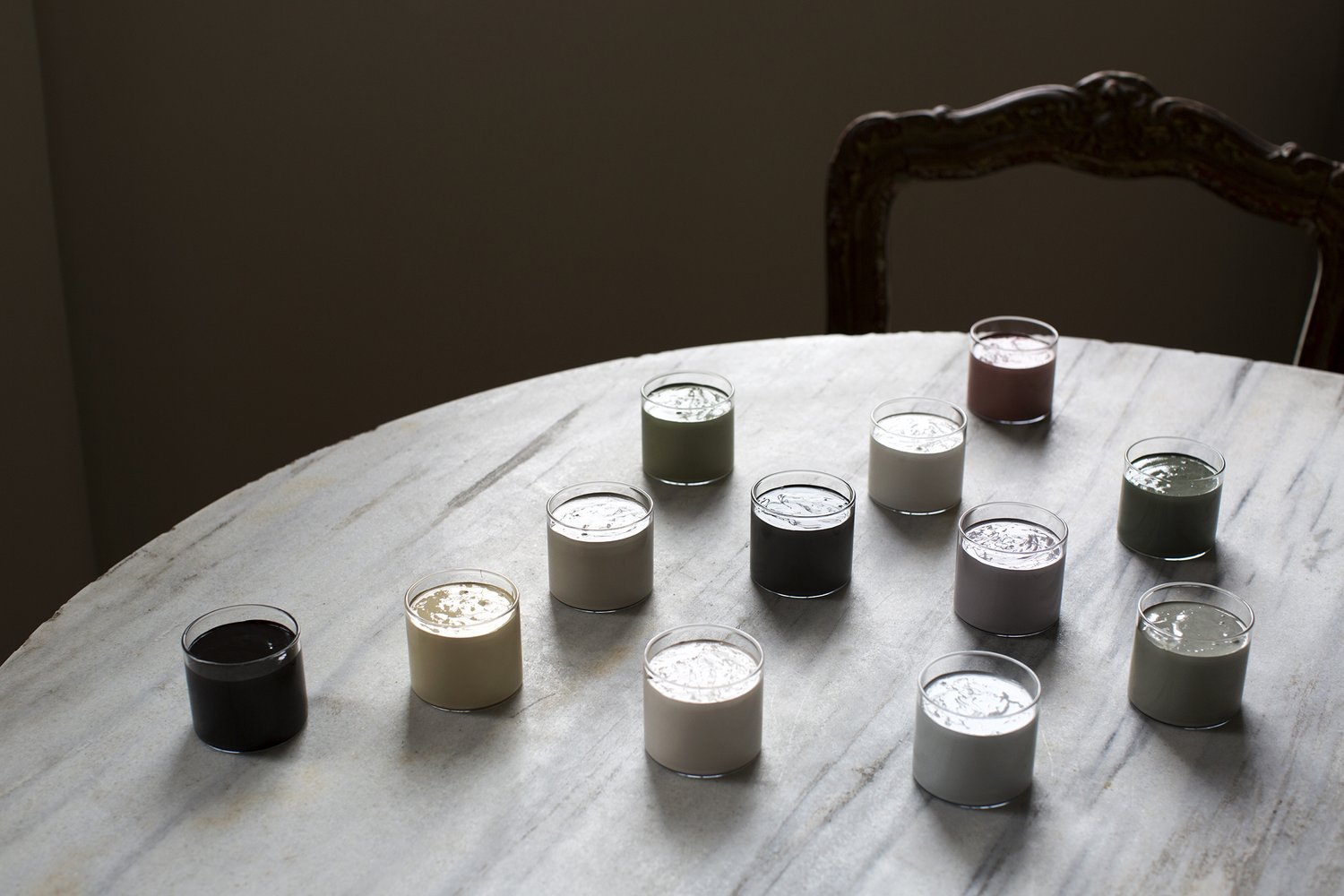
The "all-white" aesthetic is making way for a palette that feels more grounded and earthen. We are gravitating toward Warm Earth Palettes—sun-kissed browns, deep spice tones, and chalky mauves. These aren't just colors; they are moods. They act as "neutrals with personality," providing a backdrop that feels safe yet sophisticated.
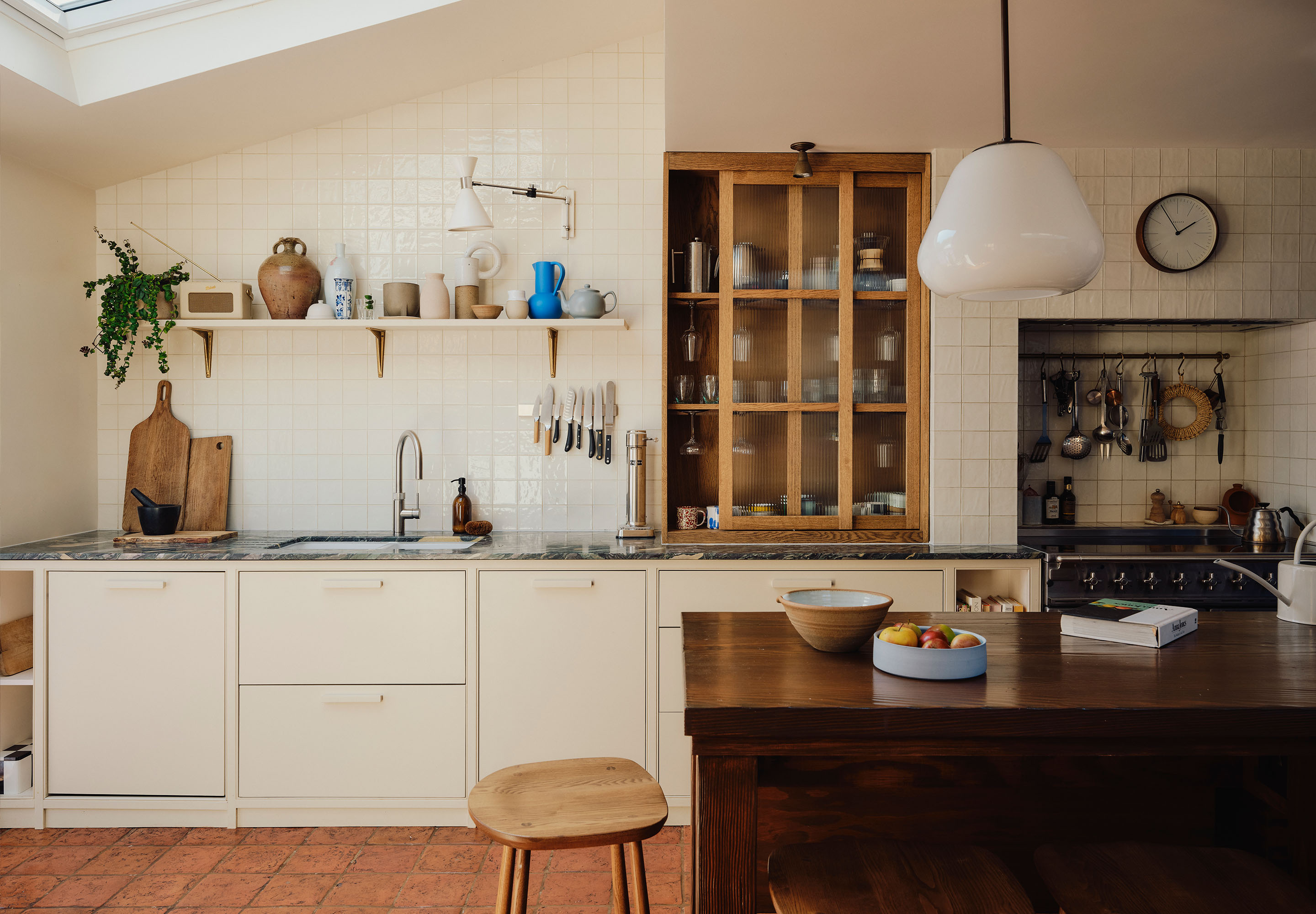
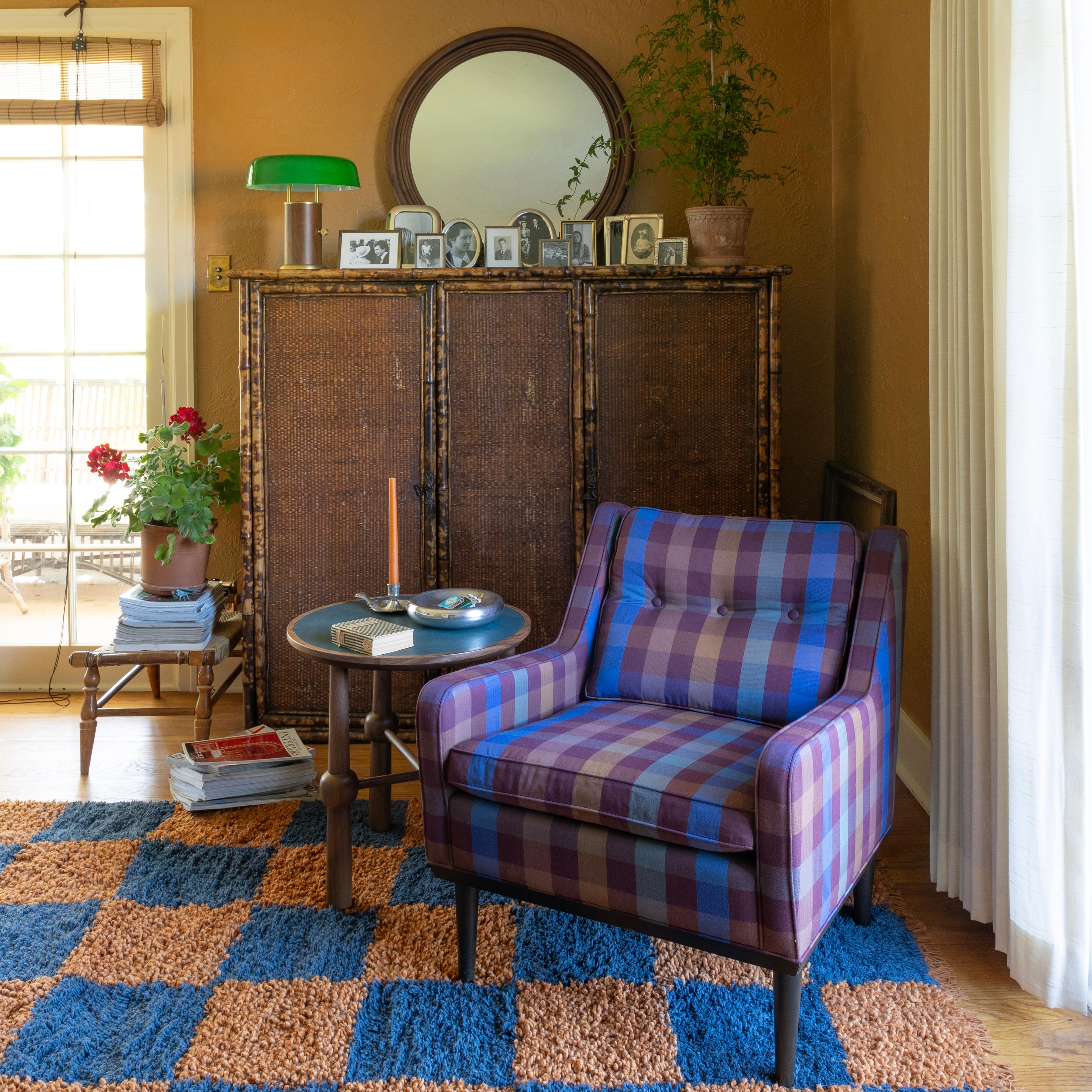
Alongside this color shift is the rise of Narrative Maximalism. This isn't about clutter; it’s about collecting vs. decorating. Instead of buying a "set" of accessories from a big-box retailer, we are encouraging readers to display heirlooms, travel-inspired objects, and artisan-made ceramics.
When you use mirrors to bounce light onto a curated corner of personal treasures, you aren't just filling space. You are telling your specific story.
Resilient Choices: Investing in High-Performance Soul
An intentional home must also be a responsible one. As we look at 2026 home design trends, sustainability has moved from a buzzword to a requirement for longevity. Choosing durable, sustainable materials like FSC-certified wood and recycled metals ensures that the "soul" of your home isn't built on a fragile foundation.
We also have to consider the "unseen" design elements: high-performance windows and doors. These are the tools for energy efficiency and indoor comfort. They regulate the temperature, block out city noise, and ensure that the sanctuary you’ve built stays protected from the elements. When you invest in quality materials, you are making a long-term commitment to your own well-being.
Conclusion: The Home as a Rejuvenation Hub
Creating an intentional home is a journey of subtraction as much as it is addition. It’s about removing the noise of what "should" be trendy and listening to what actually makes you feel at peace. Whether it’s through the tactile comfort of a wool knit, the warm amber glow of a bedside lamp, or the narrative power of a cherished heirloom, an intentional home is an investment in your long-term mental health.
In 2026 and beyond, the most beautiful home will always be the one that truly feels like you.
FAQ
What is the difference between minimalist design and intentional design?
While minimalism often focuses on "less is more" and a specific aesthetic of emptiness, intentional design focuses on "enough is enough." It doesn’t necessarily mean a lack of things, but rather that every item and layout choice serves a purpose for your emotional or physical well-being.
How can I start an intentional home makeover on a budget?
Start with lighting and textiles. You don't need a full renovation to change the "feel" of a room. Swapping out a bright LED bulb for a warm, dimmable one and adding a high-quality second-hand wool throw can transform the atmosphere for under $100.
Which 2026 colors best promote mental clarity?
Soft, chalky neutrals and "Garden Greens" are the leaders for 2026. Think of sage, muted moss, and sun-kissed terracotta. these colors have a lower visual "noise" level, allowing the mind to rest more easily.