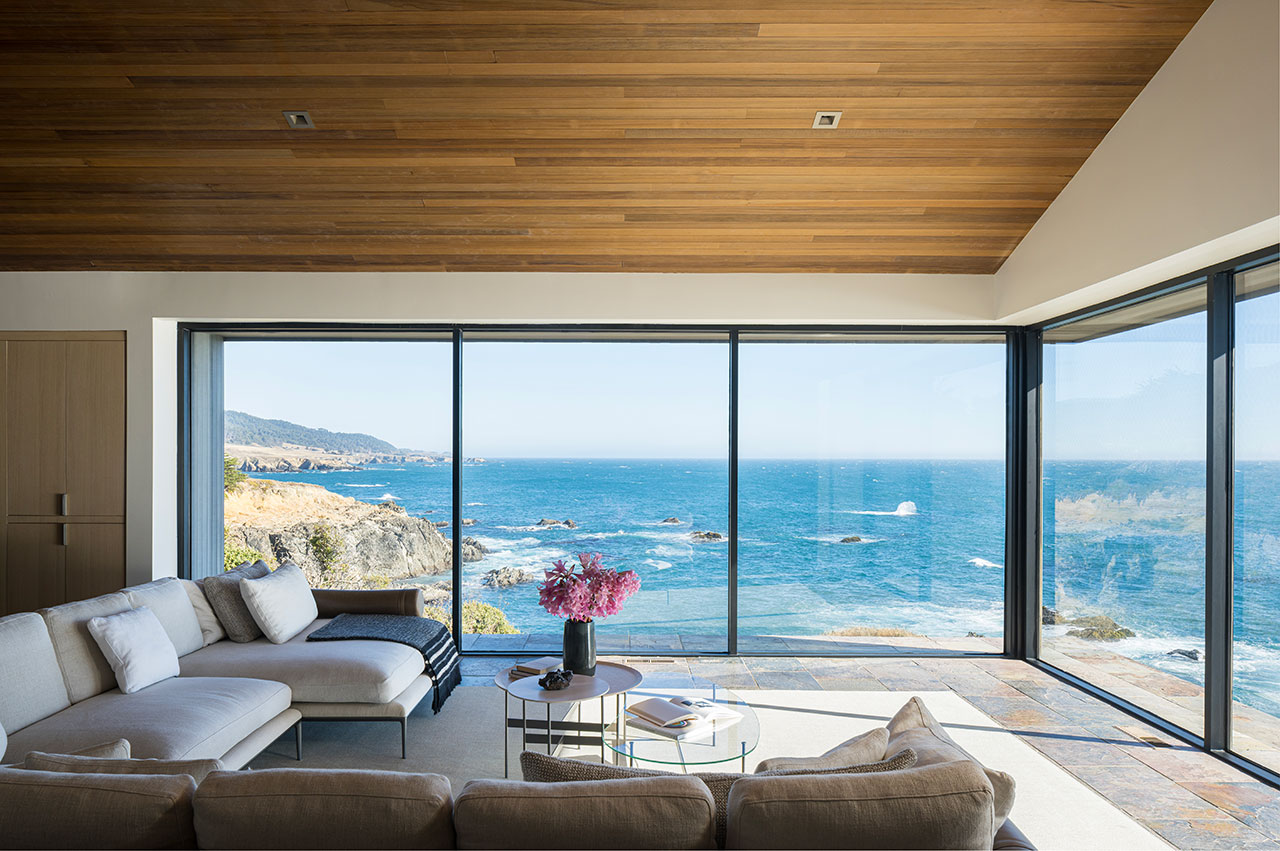
There is a profound stillness that settles over the Danish coastline, a quiet that suggests life isn’t about what we accumulate, but what we have the courage to leave behind. As we look toward 2026, the interior design world is undergoing a significant "unlearning." We are moving away from the sprawling, cluttered footprints of the past decade and toward a philosophy I like to call "High-Impact Simplicity."
In the heart of Sjællands Odde, a new kind of Danish retreat is setting the blueprint for the next era of Scandinavian minimalism. It’s a space where luxury isn't measured in square footage, but in the precision of a joinery line and the way light hits a raw concrete floor. This is "Quiet Luxury" in its most architectural form—a movement that prioritizes wellness, intentionality, and spatial efficiency over excess.
Key Takeaways: The 2026 Design Philosophy
- The Core Concept: High-impact simplicity uses a limited palette of durable materials—steel, plywood, and concrete—to create spaces that feel both indestructible and incredibly cozy.
- Spatial Innovation: Small-space luxury is achieved by centralizing "utility" (kitchens, baths, storage) into a 360-degree core, leaving the perimeter of the home free for light and movement.
- The Aesthetic Shift: 2026 trends emphasize "Warm Minimalism," utilizing thin-edge cabinetry, tactile natural textures, and a seamless connection between the interior and the "wild" exterior.
The Architecture of Efficiency: The 60-Square-Meter Miracle
For years, the design industry operated under the myth that "luxury" required vast amounts of space. However, architectural data is beginning to prove otherwise. Recent projects in Denmark have demonstrated that a modest 60-square-meter footprint can comfortably accommodate up to six individuals without ever feeling cramped.
The secret lies in the central utility core. By housing the kitchen, bathroom, and laundry facilities in a single, centralized unit, the perimeter of the home remains entirely unobstructed. This allows for floor-to-ceiling windows that invite the landscape inside, effectively "sculpting" the space with light rather than walls.
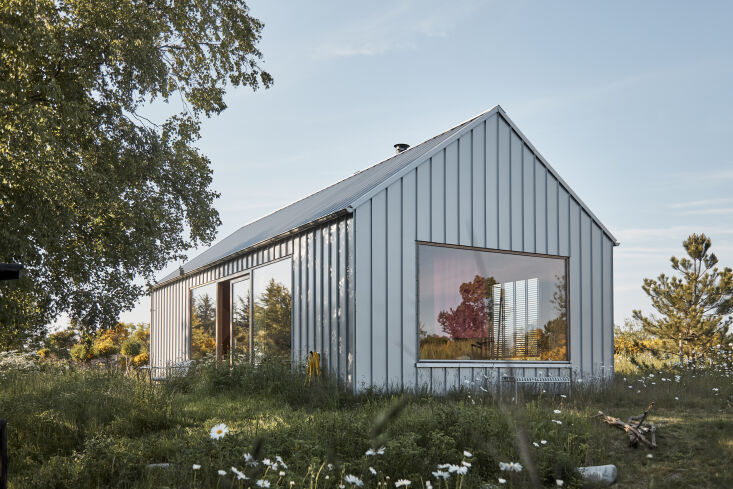
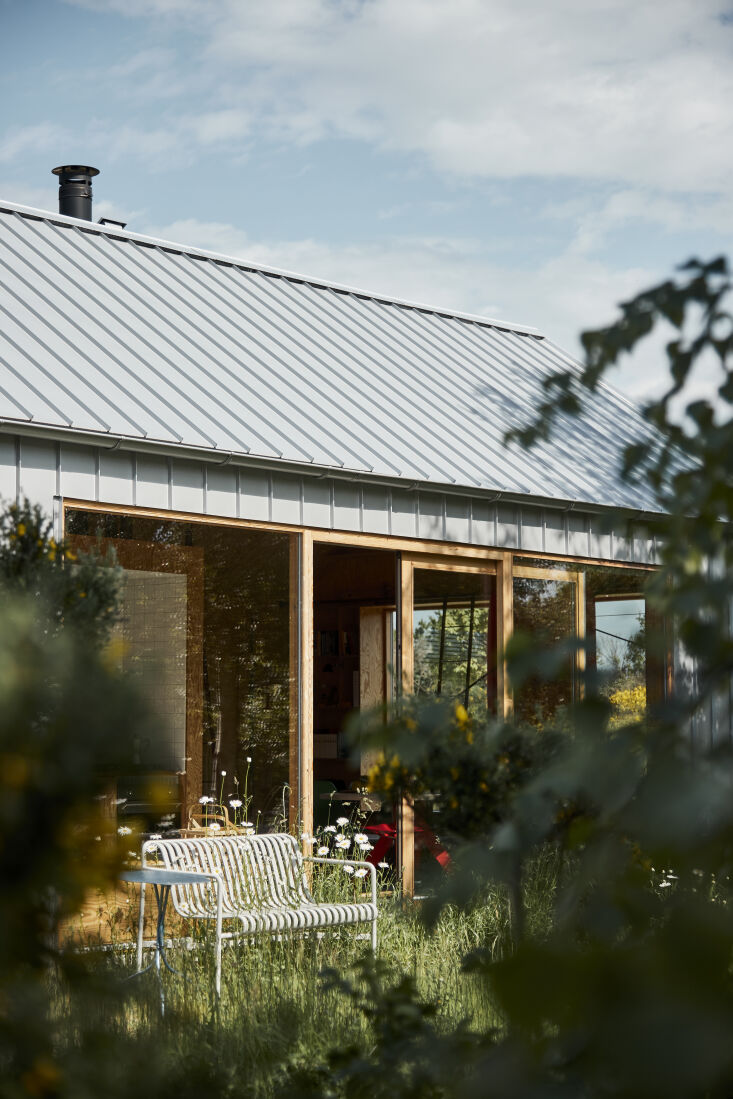
In 2026, we are seeing a shift toward exterior shells that act as protective armor. In the Danish retreat model, industrial lacquered steel plates offer a robust, maintenance-free exterior that stands in stark contrast to the softness found within. This "inside-out" philosophy—a rugged exterior protecting a humble, warm interior—is a hallmark of modern Scandinavian minimalism.
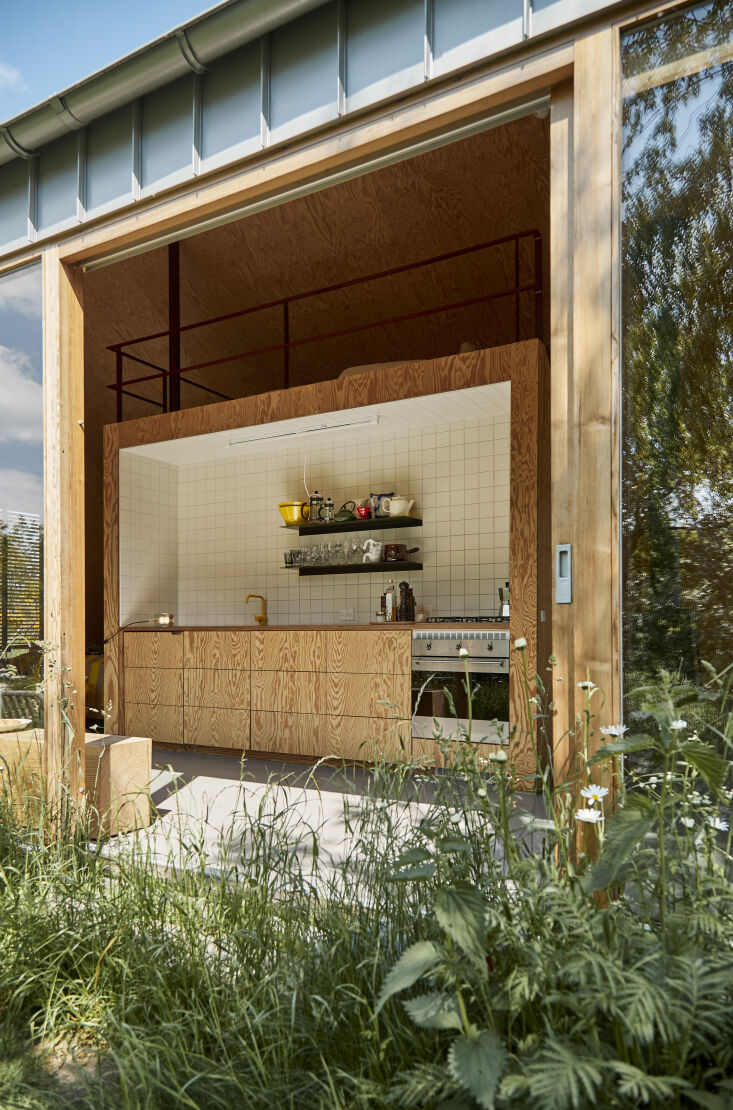
By utilizing this 360-degree core, the home becomes a loop of activity. You can move from the sleeping nook to the dining area to the lounge without ever hitting a dead end. This fluid layout is essential for compact living trends, as it eliminates the "claustrophobia" often associated with smaller homes.
The 2026 Material Palette: Tactile and Timeless
As an editor, I often talk about the "Rule of Three." In the context of 2026 Danish design, that rule manifests as a curated mix of Steel, Plywood, and Concrete. This trio provides a foundation that is functionally robust yet aesthetically serene.
The Material Breakdown
- Industrial Steel: Used for the exterior and high-traffic touchpoints. It’s cold, precise, and permanent.
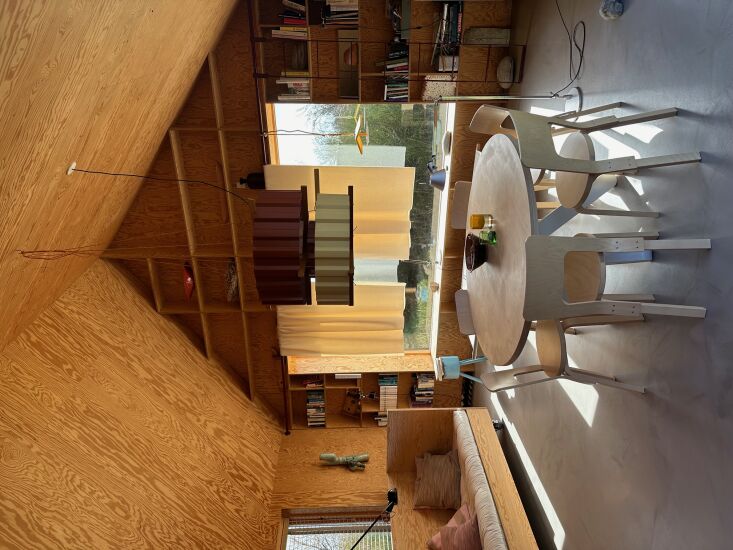
- Raw Plywood: Specifically pine or birch, used for wall cladding and cabinetry. It brings "Warm Minimalism" to life, offering a tactile grain that softens the industrial elements.
- Polished Concrete: The ultimate grounding element. It acts as a thermal mass, retaining heat in the winter and staying cool in the summer, while providing a seamless visual plane.
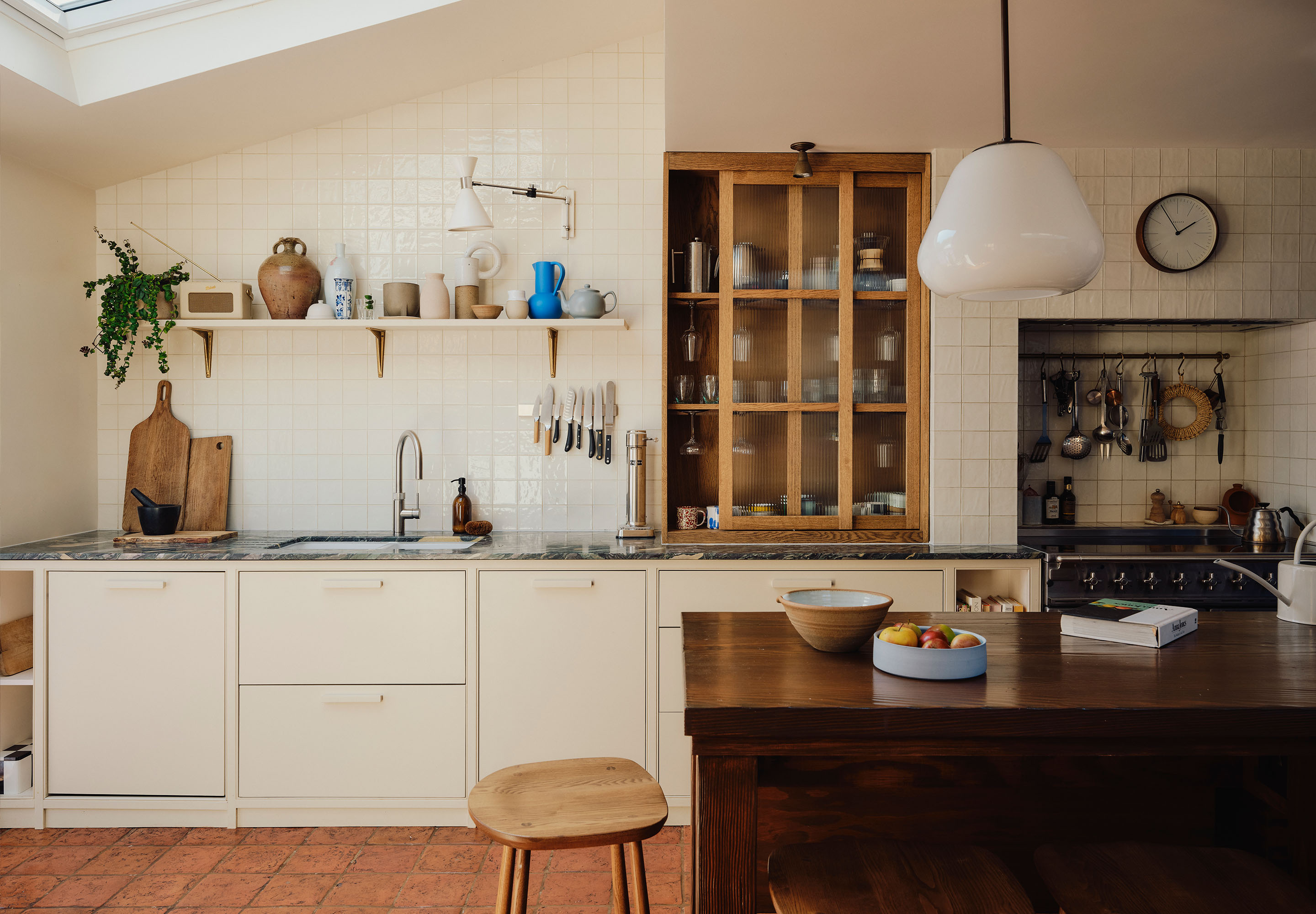
The "Quiet Luxury" trend for 2026 specifically emphasizes thin-edge cabinetry. Gone are the heavy, ornate moldings of the past. In their place, we find 5mm profiles and hidden pulls that prioritize the beauty of the material itself. We are also seeing a rise in the use of Grigio Alpi stone and matte ceramics, which add a layer of "Wabi-Sabi" imperfection to the otherwise clean lines.
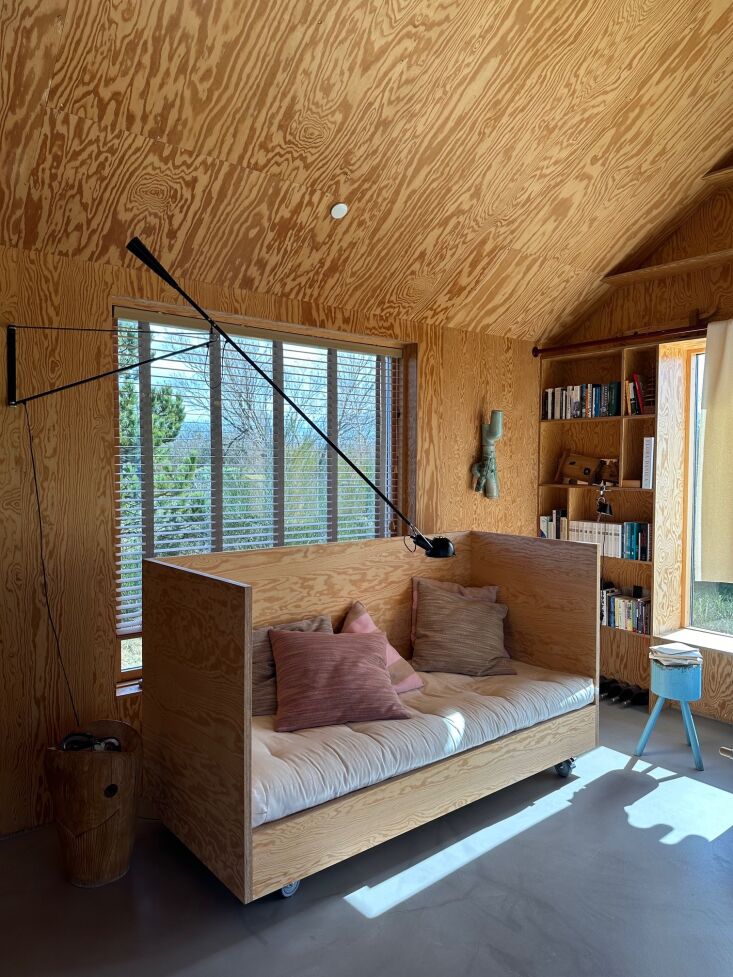
Ivy’s Style Tip: When working with a limited material palette, texture becomes your best friend. A rough-sawn plywood wall against a silky-smooth concrete floor creates a sensory tension that makes a room feel "designed" rather than just "furnished."
Interior Styling for Small-Space Luxury
In a pared-down retreat, every piece of furniture must earn its keep. There is no room for "filler" items. The 2026 approach to styling is about furniture with intention.
Consider the dining area. Rather than a massive, six-leg table, designers are opting for floating benches or circular tables that encourage flow. The Artek 66 chair remains a staple here; its birch frame and functionalist silhouette perfectly mirror the architectural language of Danish retreats.
Lighting as a Resource
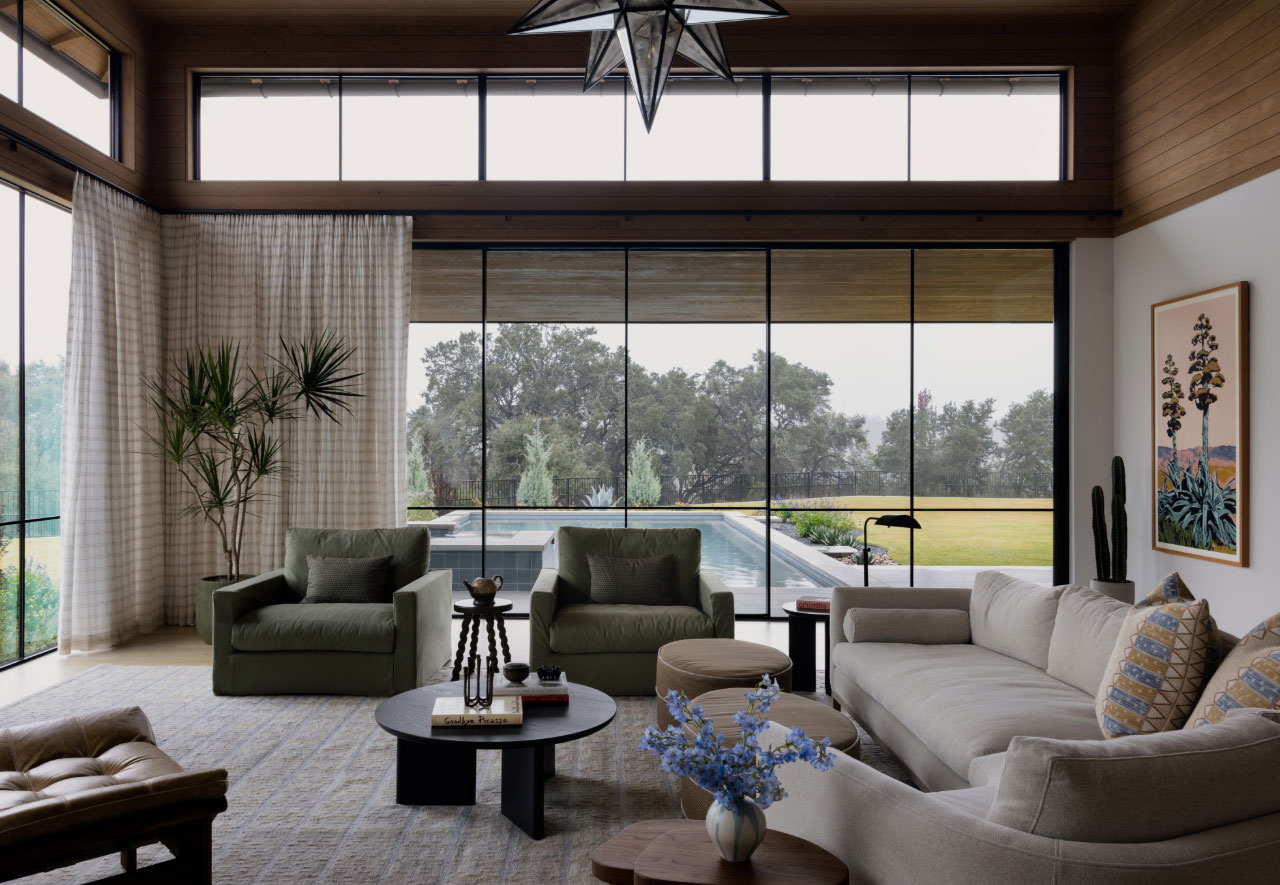
Lighting in 2026 isn't just about visibility—it's about expanding visual depth. We use three-quarter curtains, often from heritage brands like Kvadrat, to softly blur the line between the indoors and the "wild garden" outside.
- Under-cabinet strips: Create a "floating" effect for the central core.
- Sculptural pendants: Act as the "art" in the room, providing a focal point in an otherwise sparse environment.
- Schueco window systems: These ultra-thin frames turn the view into a living painting, making the 60sqm interior feel as vast as the horizon.
Sustainability and the 2026 Market Outlook
The move toward compact living isn't just an aesthetic choice; it’s a response to a global shift in consumer values. Architectural and consumer data shows that interest in sustainable Nordic design is projected to grow by 28% in 2026.
Today’s homeowner is increasingly looking for "intentional living" environments that reduce their carbon footprint without sacrificing comfort. This has led to a resurgence in eco-friendly material choices, such as Western Red Cedar for exterior cladding and raw core pine for window frames. These materials age gracefully, developing a patina that tells the story of the home’s relationship with the elements.
2026 Trend Watch: The Wellness Footprint
| Feature | 2024 Approach | 2026 Approach |
|---|---|---|
| Primary Goal | Maximizing Resale Value | Maximizing Personal Wellness |
| Materiality | Trend-driven (Brass/Bouclé) | Heritage-driven (Stone/Wood) |
| Layout | Open Plan | Flexible Core Living |
| Sustainability | Optional Add-on | Core Architectural Requirement |
The 2026 outlook is clear: the future of home design is smaller, smarter, and significantly more soulful. By embracing the lessons of the Danish retreat—limited palettes, central utility, and high-quality materials—we can all "live large," regardless of our actual square footage.
FAQ: Navigating the Minimalist Shift
Q: Does a "pared-down" home feel cold or uninviting? A: Not if you prioritize texture. The key to "Warm Minimalism" is the interplay between hard surfaces (concrete, steel) and soft, organic materials (plywood, wool, leather). The goal is to create a sanctuary that feels "quiet," not "empty."
Q: How do you handle storage in a 60-square-meter home? A: Storage is integrated into the "central core." By utilizing floor-to-ceiling cabinetry within the core unit, you keep the living areas clutter-free. This requires a shift in mindset: choosing "fewer, better" items rather than filling every available corner.
Q: Are these materials (steel, concrete) expensive to implement? A: While the upfront cost of high-quality materials like Schueco windows or Grigio Alpi stone can be higher, the long-term value lies in their durability. These materials are chosen because they don't need to be replaced every decade, making them a more sustainable and cost-effective choice over the home's lifespan.
The Danish retreat reminds us that when we remove the noise, we finally have the space to hear ourselves think. As we step into 2026, let's design homes that don't just house our things, but nurture our intentions.