We’ve all been there: standing in the middle of a room, surrounded by piles of "stuff," feeling a sense of paralysis. For years, the home organization industry told us the answer was to be "ruthless"—to throw everything away until we reached a state of cold, empty minimalism. But as we move toward 2026, the conversation is shifting. We are moving away from the stress of perfection and toward "intentional ownership."
A mindful home isn’t one that is devoid of belongings; it’s a space that supports your daily rhythms and honors the items you actually use and love. This is where the NEAT Method shines. By treating organization as a repeatable "recipe" rather than a chaotic chore, we can bridge the gap between those beautiful photos we see on Pinterest and the functional reality of a busy household. Whether you are prepping for a major move or just want to finally see the bottom of your junk drawer, these expert-backed strategies will help you reclaim your space.
Tip 1: Master the Four-Step ‘NEAT’ Recipe
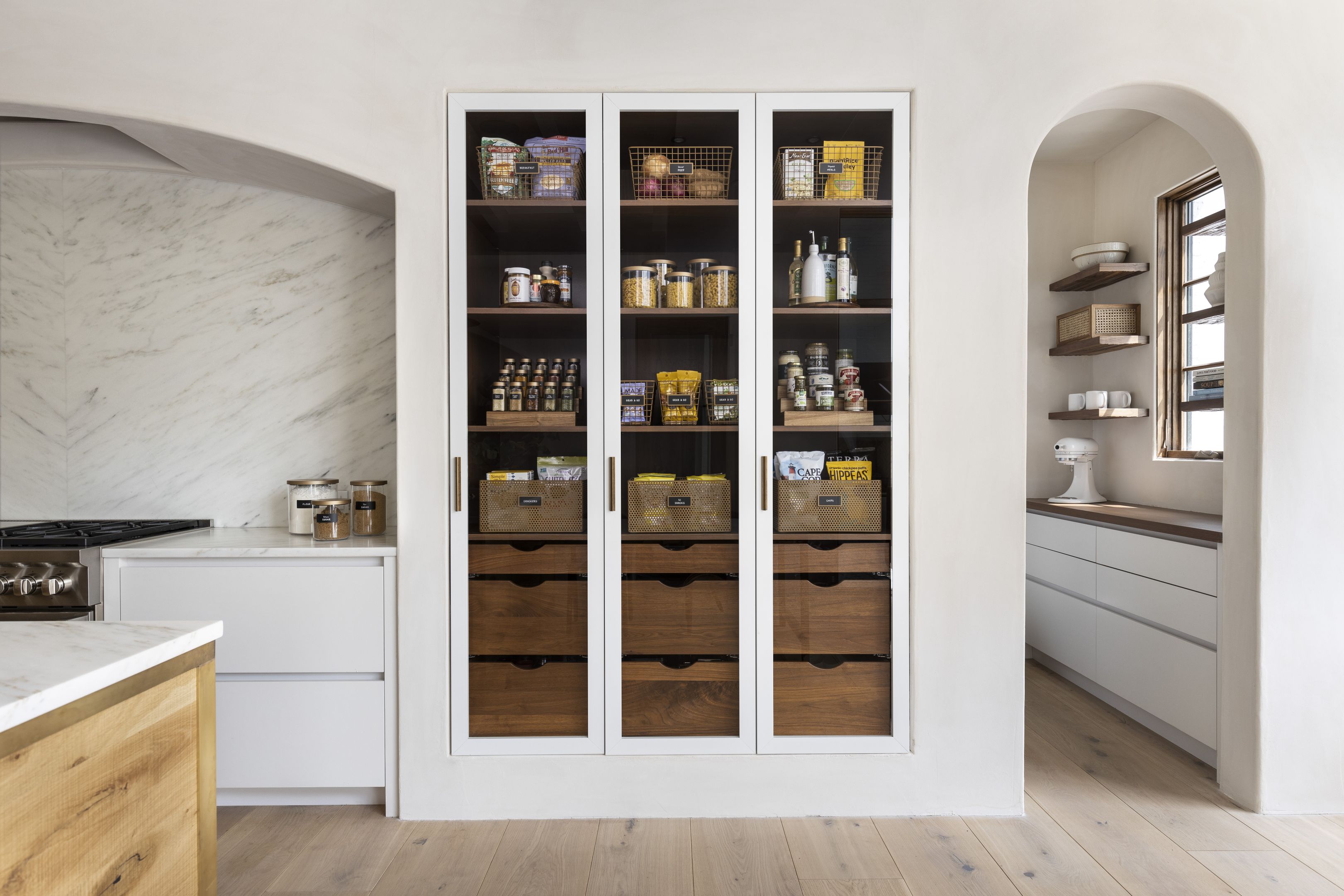
If you’ve ever tried to organize a pantry by simply moving cans from one shelf to another, you know how quickly that effort falls apart. To create a system that actually lasts, you need a proven framework. The NEAT Method follows a standardized four-step process that we can apply to any space:
- Pull everything out: This is the most critical step. You cannot understand your inventory until every single item is out in the open. It creates a "clean slate" and forces you to confront exactly how many duplicates you’ve been hiding.
- Wipe down the space: Use this moment of emptiness to clean the surfaces. A fresh start deserves a literal fresh surface.
- Add organizers: This is where we bring in the bins, dividers, or risers. The goal isn't just to look pretty; it's to create physical boundaries for your categories.
- Label everything: Labels are the "secret sauce" for long-term maintenance. They act as a subconscious cue for every member of the household, ensuring that the "snack bin" doesn't slowly transform into a "random hardware bin."
When we pull everything out, we often experience a "shock of reality." You might realize you have four half-empty bags of flour or three identical sets of measuring spoons. This inventory awareness is the foundation of mindful living. If you’re looking for a project-based guide to walk you through these steps room by room, The NEAT Method Organizing Recipe Book is an excellent resource to keep on your counter while you work.
Pro Tip: Don't try to do the whole house in a weekend. Start with one small, contained space—like a single drawer or a coat closet—to master the four-step rhythm without getting overwhelmed.
Tip 2: Start with the High-Density ‘Clutter Magnets’
When we decide to organize, we often want to tackle the big, visible areas like the living room. However, the most transformative work often happens in the "high-density" zones—those small spaces that hold a massive number of tiny items.
Take the humble spice drawer, for example. Professional organizers report that spice drawers contain the highest density of expired items, affecting nearly 9 out of 10 households during initial decluttering sessions. We tend to buy a specific spice for one recipe, shove it to the back, and forget it for five years. By tackling these high-traffic "clutter magnets" first, you build immediate momentum.
Mindful organization is about more than just tossing expired cumin. It’s about ensuring new purchases fit within the physical constraints of your current space. This is what we call "one in, one out" awareness. If your spice drawer is full, you cannot buy a new exotic rub until you’ve used up or cleared out an existing jar. This constraint isn't a limitation; it’s a tool for peace.
Common High-Density Areas to Tackle First:
- Tupperware Cabinets: Match every lid to a container; recycle the orphans.
- The Junk Drawer: Group "like with like" (batteries, pens, tools) into small micro-bins.
- Medicine Cabinets: Check every expiration date—you’ll be surprised at what’s been sitting there since 2019.
Tip 3: Choose ‘One-Step’ Systems for High-Traffic Areas
One of the biggest mistakes we see is "over-organizing." If a system requires four steps to put something away—like opening a decorative box, unzipping a pouch, and then filing a paper—you simply won't do it on a Tuesday evening after a long day of work.
To reduce organization fatigue, we recommend "one-step" systems for high-traffic areas. This means using open bins and hooks rather than complex filing or nested containers. Think about how you naturally move through your home. If you always drop your keys on the counter, put a small, beautiful tray exactly where they land. Don't fight your habits; design for them.
| Area | Complex System (High Friction) | One-Step System (Low Friction) |
|---|---|---|
| Entryway | Coat hangers in a closed closet | Sturdy wall hooks |
| Laundry | Detergent in sealed glass jars | Open bins for pods or bottles |
| Playroom | Color-coded lidded boxes | Large open baskets for easy toss-in |
| Home Office | Multi-tier filing cabinets | Desktop "Action" trays for current mail |
We always tell our readers to design for their "worst day," not a fantasy version of themselves. On your most exhausted day, can you still manage to put your shoes in a bin? If the answer is yes, the system is a winner.
Tip 4: Invest in Longevity with Sustainable Tools
In the past, organization was synonymous with cheap plastic bins. Today, we are seeing a move toward "biophilic" materials—elements that bring a sense of nature indoors. Think bamboo, rattan, seagrass, and linen. These materials aren't just better for the planet; they provide a visual softness that makes a home feel like a sanctuary rather than a sterile warehouse.
Sustainable organization also means investing in tools that protect your belongings. For example, switching to matching "slim-line" hangers is one of the easiest ways to instantly transform a closet. Not only do they save up to 30% of your hanging space, but they also prevent delicate garments from slipping or getting "shoulder bumps" from wire hangers.
Remember, labels aren't just for the "aesthetic" look you see on social media. They serve as a mental boundary. When a bin is labeled "Beach Gear," you are much less likely to toss a random extension cord into it. It’s a gentle reminder to respect the system you’ve built.
Tip 5: Scale Your Success with ‘Recipes’
Organization is a journey, not a destination. The reason the NEAT Method has become so successful—standardizing over 70 specific ‘organizing recipes’ across 95+ cities—is that it treats home maintenance like a repeatable skill. You don't need "natural talent" to be organized; you just need a recipe to follow.
If you find yourself feeling overwhelmed by the scale of your home, adopt a "one project a week" mentality. This avoids the burnout that comes with trying to redo your entire life in 48 hours. Start with the pantry one week, the linen closet the next, and the "under-sink" area the week after.
For those facing major life transitions—like a cross-country move or a home renovation—sometimes the most mindful choice is to call in the professionals. Professional services can manage the "move-in" process, ensuring that your very first night in a new home is spent in a functional, organized environment rather than sleeping among boxes.
"A home that works for you is the greatest form of self-care. It’s the difference between starting your day in a scramble and starting it with a sense of calm." — Sophie Wang
FAQ
Q: What if my family members won't follow the system? A: This is why "one-step" systems and clear labeling are vital. If the system is too complicated, people will naturally resist it. Make it easier to put things away than to leave them out. Also, involve them in the "Pull" step so they understand where their things are going.
Q: Do I have to buy expensive bins to be organized? A: Absolutely not. While high-quality bins help with longevity and aesthetics, you can start with what you have. Use sturdy shoeboxes or glass jars to categorize items first. Once you know the system works, then you can invest in matching "forever" containers.
Q: How often should I "reset" my organized spaces? A: We recommend a "micro-reset" once a month. This usually involves a quick 10-minute scan to see if anything has migrated to the wrong bin or if you have new inventory that needs a home.