Our Top Picks: The Gold Standard of Mindful Gifting
If you’re looking for the quintessential "functional art" piece for 2025, here are our three non-negotiable recommendations for a clutter-free, intentional home:
- The Ambient Workhorse: Portable lighting that bridges the gap between utility and sanctuary, perfect for winding down rituals.
- The Sensory Anchor: A high-design turntable or sound system that serves as a visual centerpiece while providing analog auditory therapy.
- The Everyday Essential: Elevated kitchen tools—think sculptural grinders or glassware—that turn mundane chores into moments of joy.
Every year, as the holiday season approaches, I find myself having the same conversation with my readers: How do we celebrate our loved ones without contributing to the "clutter hangover" that inevitably follows in January? The secret lies in a philosophy championed by design editor Caroline Williamson: Practical mindful gifts. These are items that blend high-design aesthetics with daily utility—think portable ambient lighting, ergonomic kitchen tools, and sensory-focused products that enhance daily rituals without adding unnecessary bulk to a home.
Recent market analysis indicates a significant shift in how we consume. Currently, 85% of modern consumers prioritize "functional art"—items that serve a practical household purpose while maintaining gallery-level aesthetic value. Furthermore, there has been a 40% increase in demand for "clutter-free" gifts that focus on sensory experiences and small-space optimization. In 2025, gifting is no longer about the "seasonal flash"; it’s about long-term utility and supporting mental well-being through organized, intentional living environments.
The Core Principles of Mindful Living
When I help clients organize their homes, I always start with a simple question: Does this item have a job? Mindful living isn’t just about having less; it’s about ensuring that everything you own serves a purpose—either functional, emotional, or both.
Utility Over Aesthetics (But Make it Beautiful)
The first principle of Caroline Williamson’s guide is prioritizing high-quality, durable items that serve specific purposes. We often fall into the trap of buying something because it looks "cool," only to realize it’s difficult to clean or takes up too much counter space. A mindful gift should replace a less efficient household object. For example, replacing three mismatched, dull kitchen knives with one perfectly balanced, artisanal chef’s knife is an act of decluttering through upgrade.
The Power of Sensory Comfort
The second principle focuses on the science of sensory comfort. We are living in an era where our nervous systems are constantly overstimulated. Mindful gifts in 2025 emphasize intentionality, focusing on products that support mental well-being through tactile experiences and sound therapy. Whether it’s the weight of a buckwheat-filled cushion or the soft "click" of a well-made light switch, these micro-interactions matter.
Illuminating Your Space: Ambient and Sensory Tools
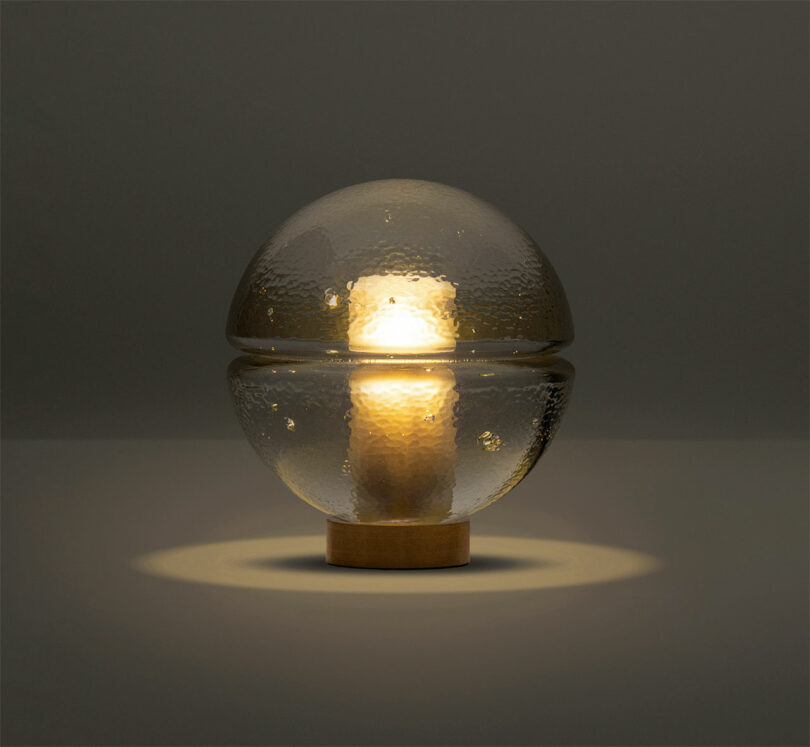
Lighting is the most underrated tool in a home organizer's kit. It defines the boundaries of a room and dictates the mood of the inhabitants. Caroline Williamson often highlights the importance of portable, ambient lighting—items that can move with you from the reading nook to the bedside.
Traditional overhead lighting is often harsh and clinical. By introducing soft, diffused light sources, you can instantly transform a utilitarian space into a sanctuary. This is particularly effective in bathrooms or bedrooms where the goal is to lower cortisol levels before sleep.
Sound Therapy and Functional Art
In the same vein as lighting, sound plays a pivotal role in creating a mindful environment. We are seeing a rise in 2-in-1 designs, such as compact turntables that offer a multi-room experience without the need for a massive, dust-collecting audio rack. The tactile experience of placing a needle on a record forces a moment of pause—a physical manifestation of mindfulness.

Culinary Mindfulness: Elevating Daily Rituals
The kitchen is often the most cluttered room in the house. However, it’s also the place where we spend the most time performing repetitive, almost meditative tasks. Why not make those tasks more enjoyable?
Ergonomic & Artistic Kitchen Tools
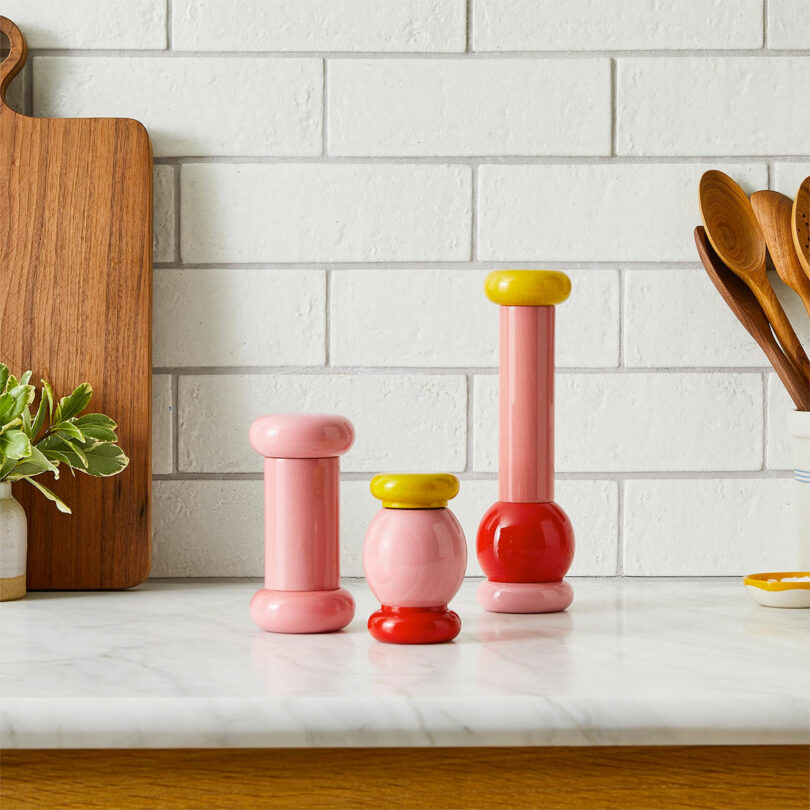
Functional sculptures, such as high-design salt and pepper grinders or ergonomic citrus squeezers, bring a "smile" to daily cooking. When a tool feels good in the hand and looks beautiful on the counter, you are more likely to take care of it and less likely to hide it away in a junk drawer. This is the essence of "Functional Art": it lives in plain sight because it deserves to be seen.
Hydration Aesthetics
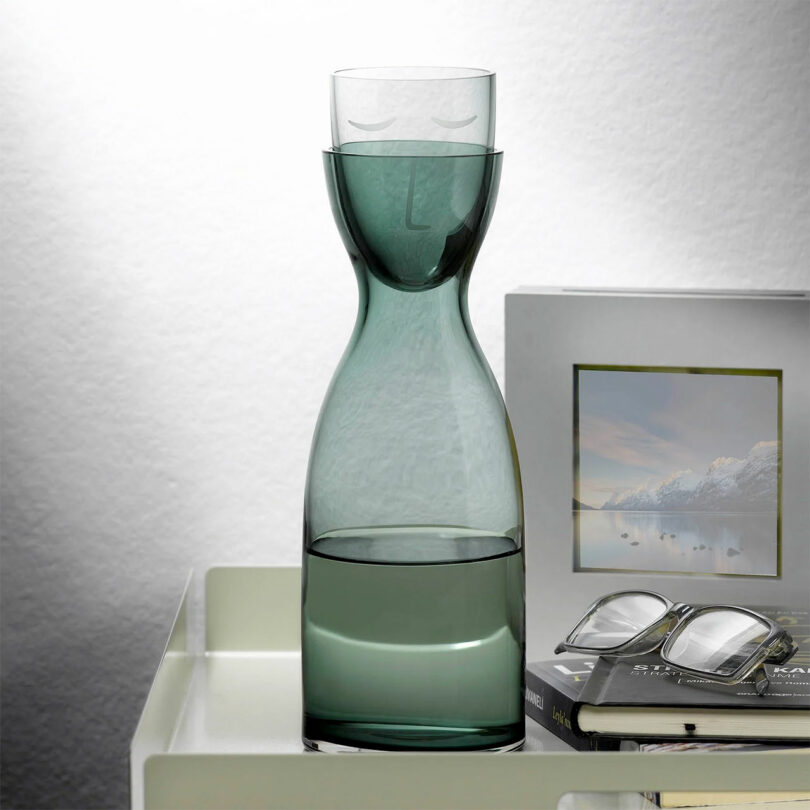
We all know we should drink more water, but a plastic bottle on a nightstand is hardly inspiring. Gifting a beautifully designed water set—a carafe with an integrated glass stopper—solves two problems: it addresses nocturnal thirst and prevents dust from entering the water, all while looking like a piece of crystal sculpture. It’s a solution-oriented design that feels like a luxury.
Small But Mighty: Minimalist Home Upgrades
You don’t need to gut a room to change its energy. As an editor, I’m a huge fan of the "small but mighty" upgrade. These are the details that most people overlook but that provide constant tactile feedback throughout the day.
Cabinet & Furniture Hardware
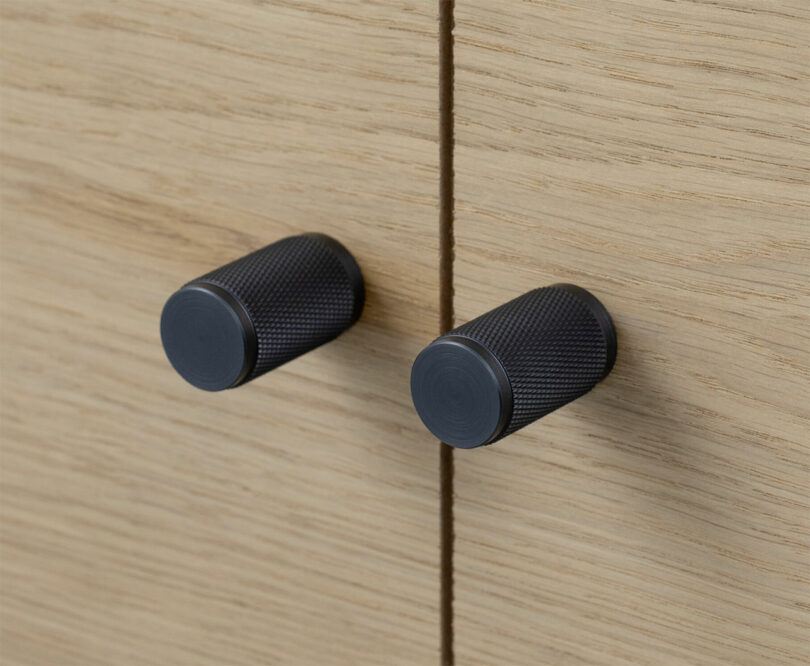
Replacing standard, builder-grade knobs with unique, knurled textures or hand-forged brass accents is one of the fastest ways to personalize a space. It’s a low-waste way to "renovate." Every time you open a cabinet to grab your coffee mug, that high-quality texture serves as a reminder of the care you’ve put into your environment.
Sensory Textiles
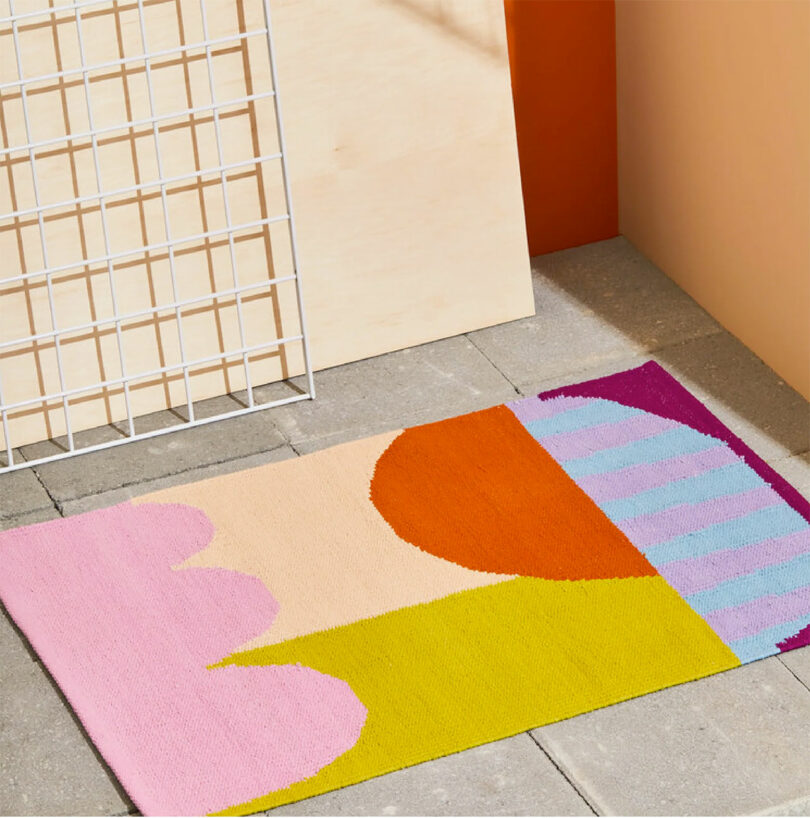
Morning focus is often dictated by our first few sensory inputs. If you step out of the shower onto a thin, scratchy mat, your day starts with a slight irritation. Replacing "basic" bathroom items with graphic, happy color palettes and high-GSM (grams per square meter) cotton can shift your mood. Bold patterns can provide a sensory wake-up call that sharpens the mind better than a second cup of coffee.
Mental Well-being: Tactile and Tech-Assisted Tools
Mindfulness isn't just about the objects around us; it's about the actions we take. The best gifts for 2025 are those that facilitate a break from the digital world.
- Desktop Zen Gardens & Assembly Kits: Engaging in tactile tasks—whether it's raking sand or assembling a complex model—can lower cortisol levels by up to 23%. These 2–5 minute "micro-breaks" are essential for maintaining focus in a work-from-home environment.
- Smart Scent-Release Lamps: We are seeing a fascinating intersection between HRV (heart rate variability) tracking and home scenting. Devices that release specific essential oils based on your stress levels are the next frontier of personalized meditation.

A Smart Buyer's Guide for Minimalists
Choosing a gift for a minimalist requires a different set of rules. You aren't looking for "more"; you're looking for "better."
| Feature | Standard Gifting | Mindful Gifting |
|---|---|---|
| Priority | Visual Impact/Price | Utility/Longevity |
| Material | Often Synthetic/Trendy | Natural/Durable (Brass, Glass, Wood) |
| Space Impact | Adds to the "Pile" | Replaces or Streamlines |
| Psychological Effect | Temporary Excitement | Long-term Calm/Routine Support |
Sophie’s Advice: A single $100 item that will be used every day for a decade is infinitely more valuable than four $25 items that will end up in a donation bin by next summer. When in doubt, choose the item that feels heavy in the hand—weight often correlates with material quality and durability.
Common Gifting Mistakes
Avoid overly complex gadgets that require a manual to operate. If a "mindfulness" tool requires a 20-minute setup and a Bluetooth connection to work, it’s likely to become a source of frustration rather than peace. Stick to "low-friction" objects.
Best Times to Buy
While the December holidays are the traditional time for gifting, keep an eye out in March (Wellness Month) and May (World Meditation Day). Many design-forward brands release limited editions or host "refresh" sales during these windows, making it the perfect time to snag high-quality hardware or textiles.
FAQ
Q: How do I know if a gift is "functional art" or just expensive decor? A: Ask yourself: Does this item perform a task I do every day? If it’s a beautiful bowl that just sits on a shelf, it’s decor. If it’s a beautiful bowl that you use every morning for your oatmeal, and the weight of the ceramic makes that morning meal feel more grounded, it’s functional art.
Q: Are digital mindfulness gifts (like app subscriptions) considered "clutter-free"? A: Yes, they are physically clutter-free, but they contribute to "digital clutter." For a truly mindful experience, I recommend physical objects that encourage you to put the phone away. Tactile experiences are almost always more effective at grounding the nervous system.
Q: What is the best practical gift for someone living in a very small apartment? A: Focus on "vertical utility" or "dual-purpose" items. A high-design wall hook that looks like a sculpture when empty, or a portable lamp that eliminates the need for bulky floor lamps, are perfect for small spaces.
The shift toward mindful gifting isn't just a trend; it's a necessary response to an increasingly cluttered world. By choosing items that marry form and function, we don't just give a gift—we give the gift of a more peaceful, intentional daily life. Next time you're shopping, remember Caroline Williamson's golden rule: envision the use before you make the purchase. Your home (and your recipient) will thank you.