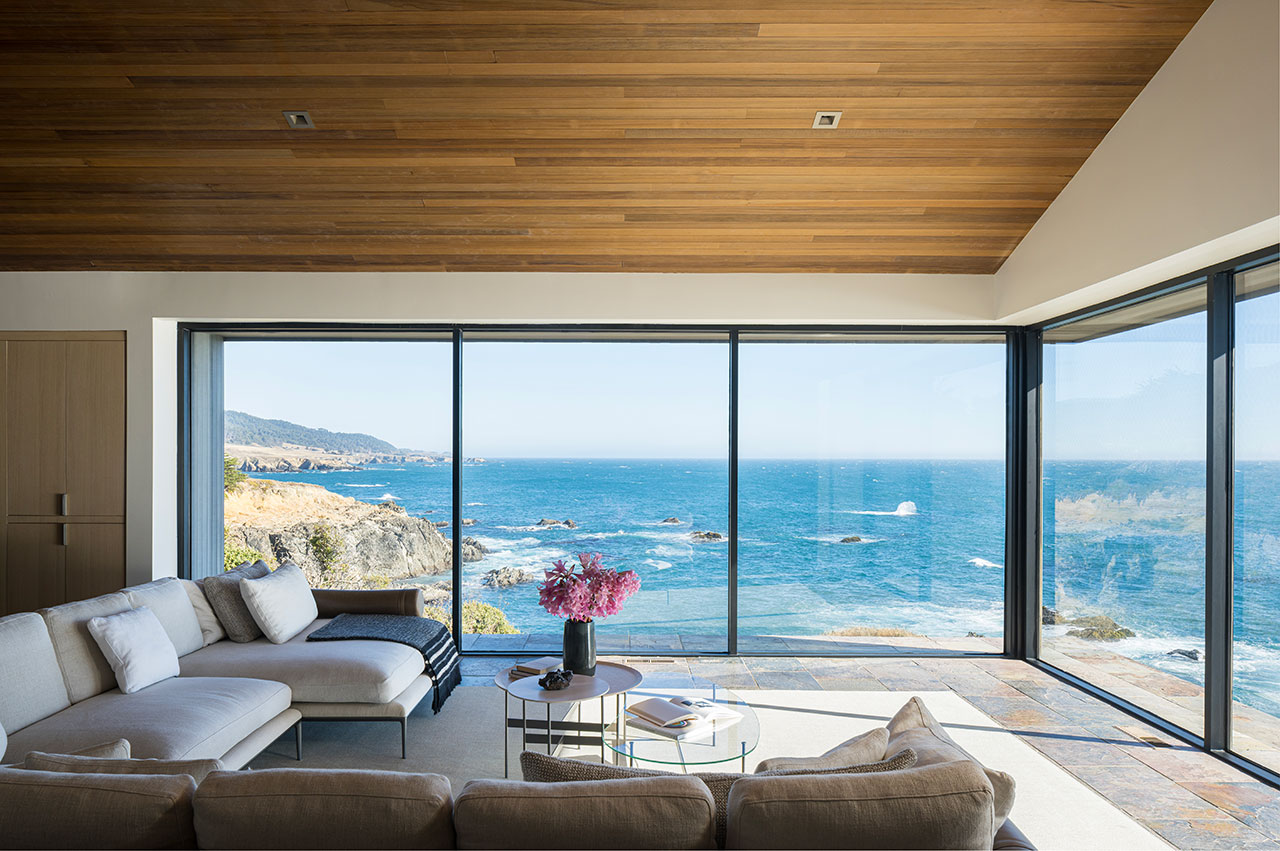
There is a specific kind of magic that happens when a house stops feeling like a catalog and starts feeling like a conversation. We’ve all walked into those rooms—the ones that feel effortlessly "done," yet you can’t quite pin down why. It isn’t about the most expensive sofa or the trendiest paint color; it is about the quiet, intentional layers that exist in the margins. As we look toward 2026, the interior design world is pivoting away from the stark, sometimes cold minimalism of years past toward something much more soulful: Refined Layering.
What is the refined layering trend exactly? It is a sophisticated design movement that balances modern, clean lines with vintage charm. Unlike the "cluttercore" of previous seasons, refined layering focuses on a "collected instead of cluttered" look. It prioritizes heritage craftsmanship, personal narrative, and architectural depth, ensuring that every object in a room has a reason for being there. It’s the shift from a showroom-perfect space to a lived-in narrative that tells the story of who you are.
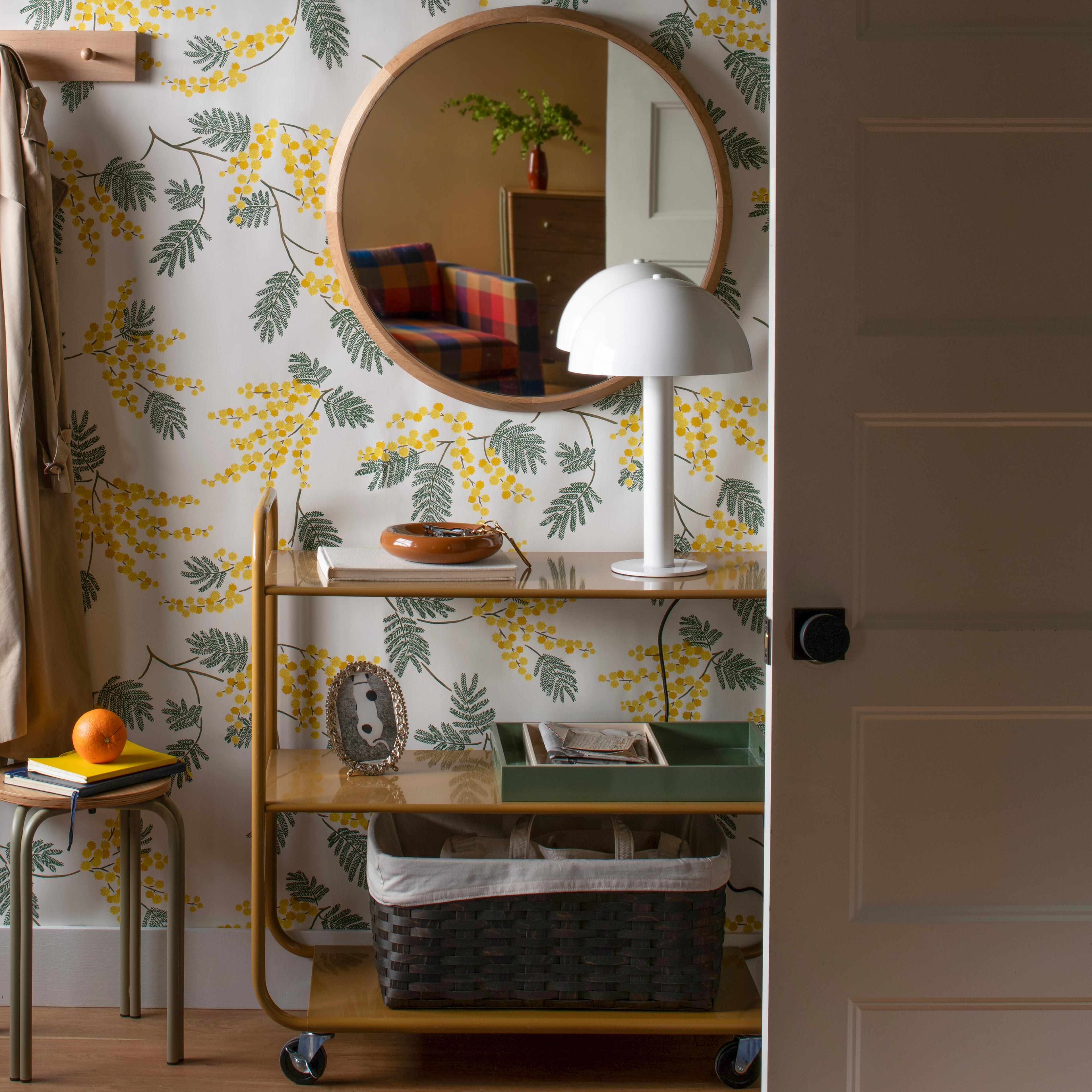
The Philosophy of a Narrative-Driven Home
In my years as an editor, I’ve seen countless trends come and go, but the most enduring homes are always those built with intention. Why are intentional details so important in design? Because they add a "heartbeat" to a home. They shift a space from a generic, big-picture layout to a deeply personal sanctuary. When you choose a hand-carved inlay or a specific fabric trim, you aren’t just decorating; you are curating an experience.
This shift is more than just a feeling—it’s a documented movement. A consensus among over 15 professional interior designers suggests that narrative-driven, atmospheric homes will see a 40% increase in popularity as homeowners move away from the "flat" look of mass-produced minimalism. We are seeing a heavy influence of wabi-sabi—the Japanese art of finding beauty in imperfection—blending with European classicism. It’s about embracing the patina on an unlacquered brass faucet or the slight irregularities in a hand-knotted rug. These details signal that a human hand was involved, creating a sense of comfort that a factory-line product simply cannot replicate.
The Tiny Details: Small Choices with Big Impact
If the furniture is the "body" of a room, the small details are the "jewelry." These are the elements that catch the light and draw the eye in for a closer look.
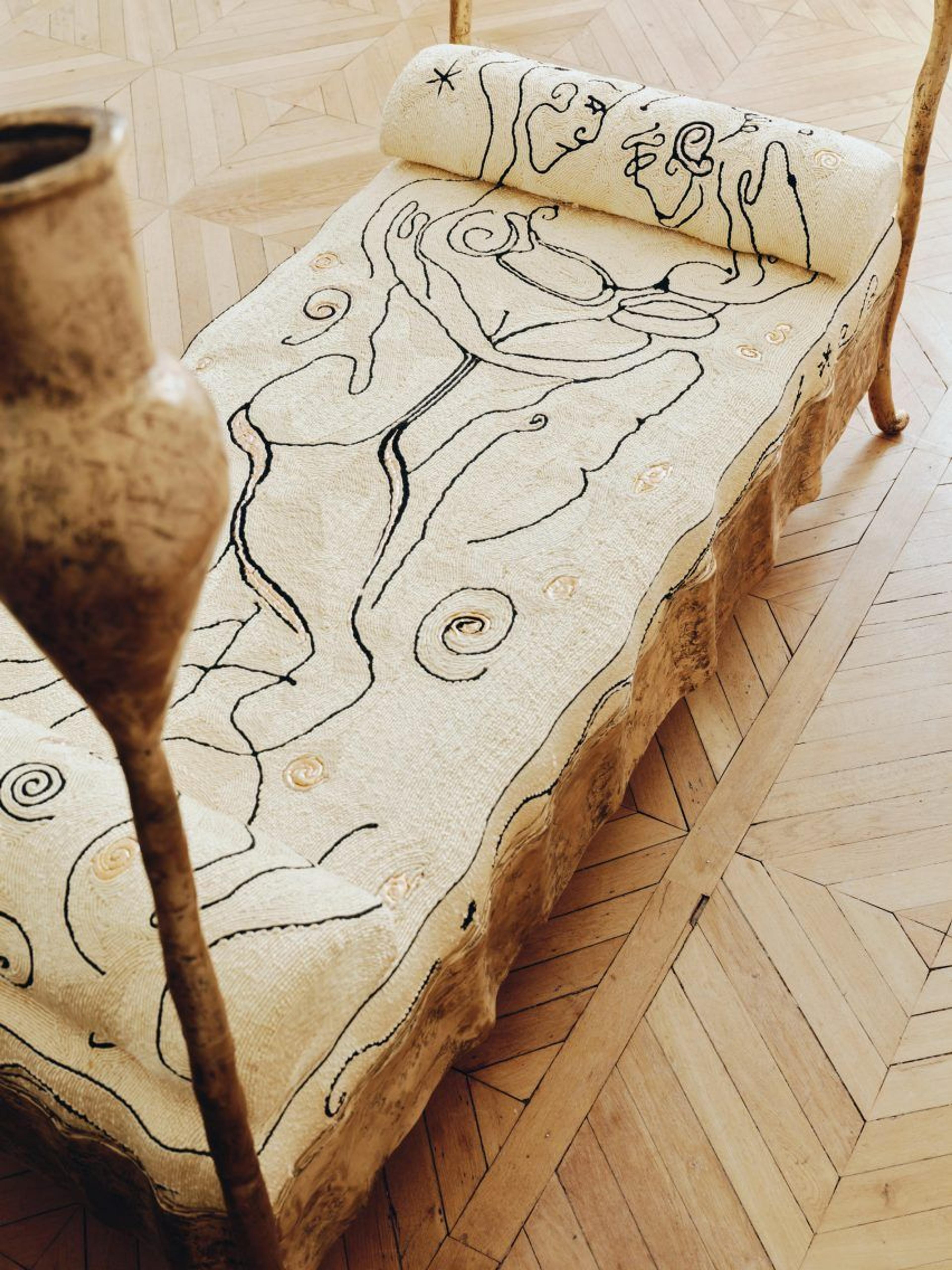
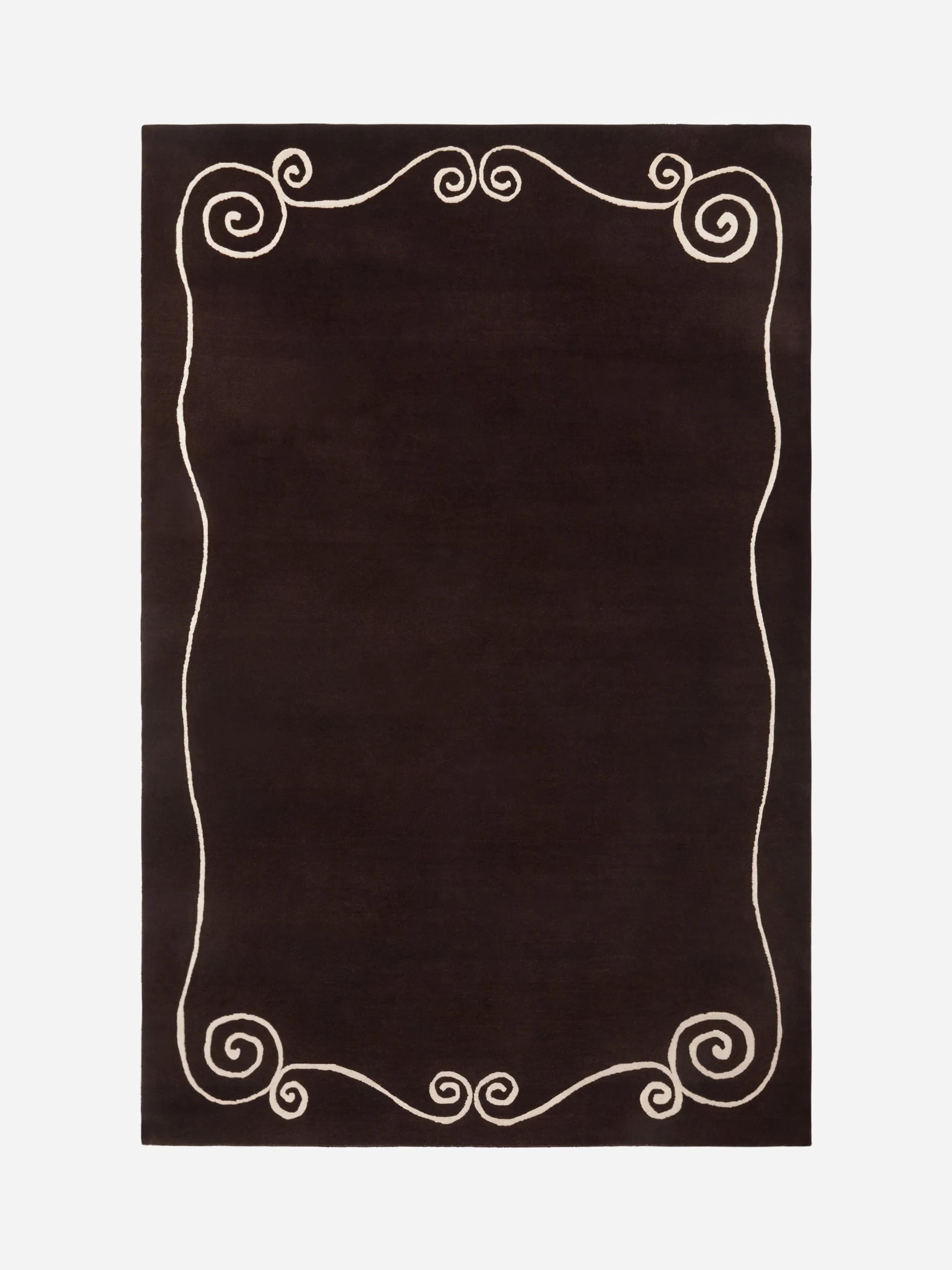
Swirls and Scallops
One of the most charming elements of 2026 decor is the return of soft, rhythmic movement. We are seeing this through "swirls and scallops"—motifs that break up the rigid, straight lines of modern architecture. Think of a scalloped edge on a marble side table or the graceful ironwork of a fireplace screen. These shapes add a sense of whimsy and playfulness without sacrificing sophistication.
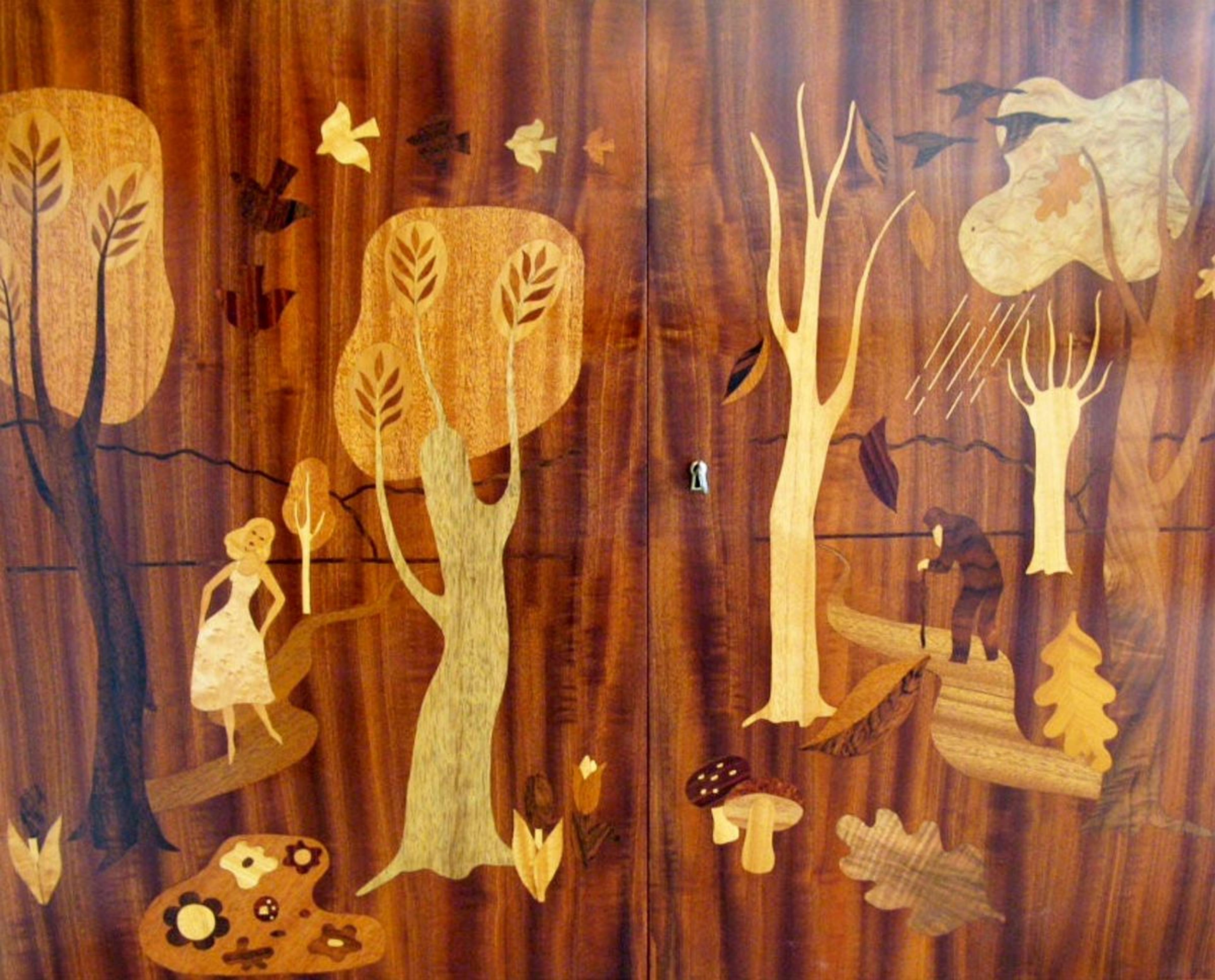
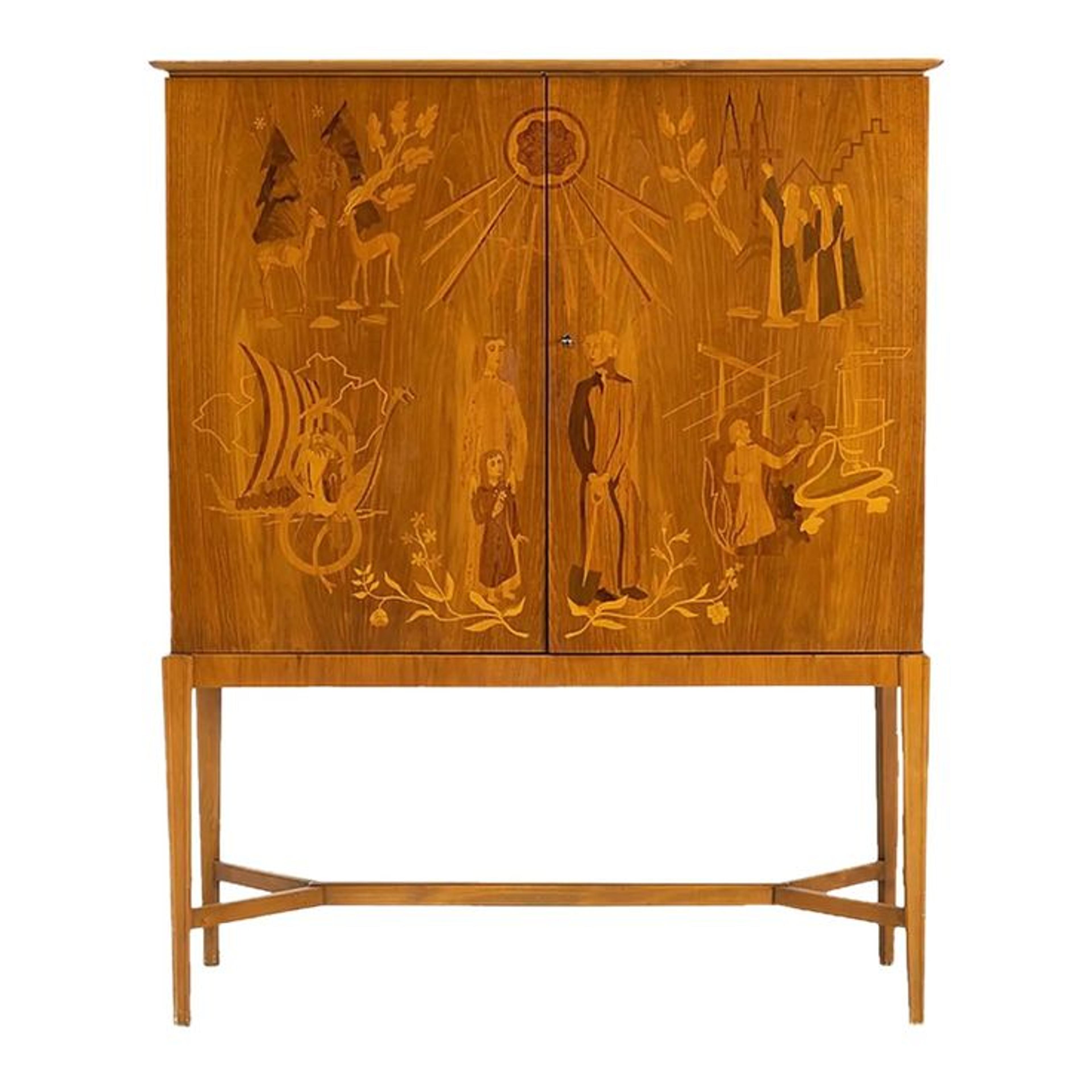
Crafted Inlays
There is a "quiet flex" in craftsmanship that speaks louder than any bold color. Wood marquetry and mother-of-pearl inlays are making a massive comeback. Whether it’s a delicate pattern on a dresser or a geometric inlay on a dining table, these details reward the viewer for paying attention. They suggest a level of care and heritage that makes a home feel established, even if it was finished yesterday.
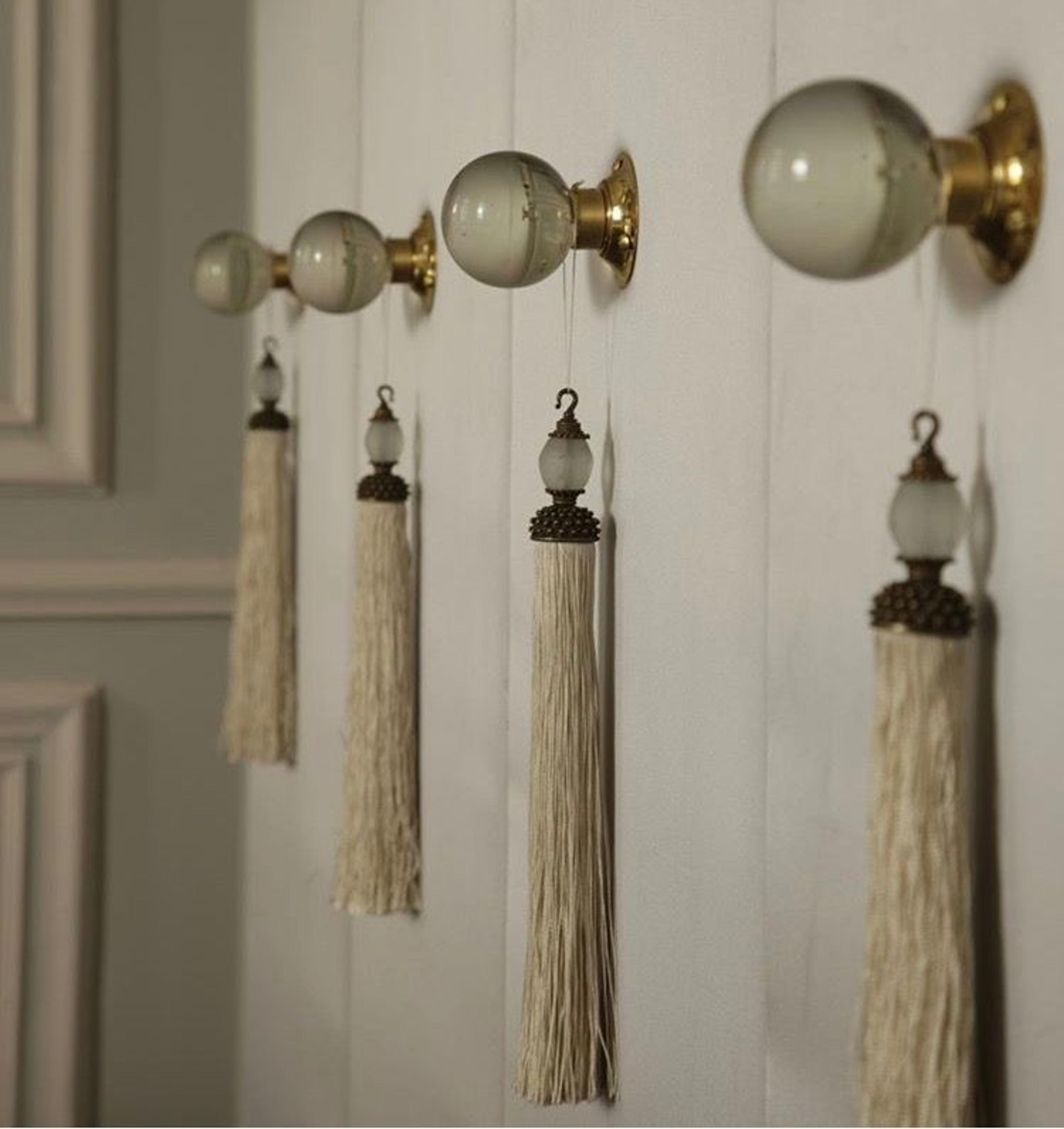
Tassels and Trim
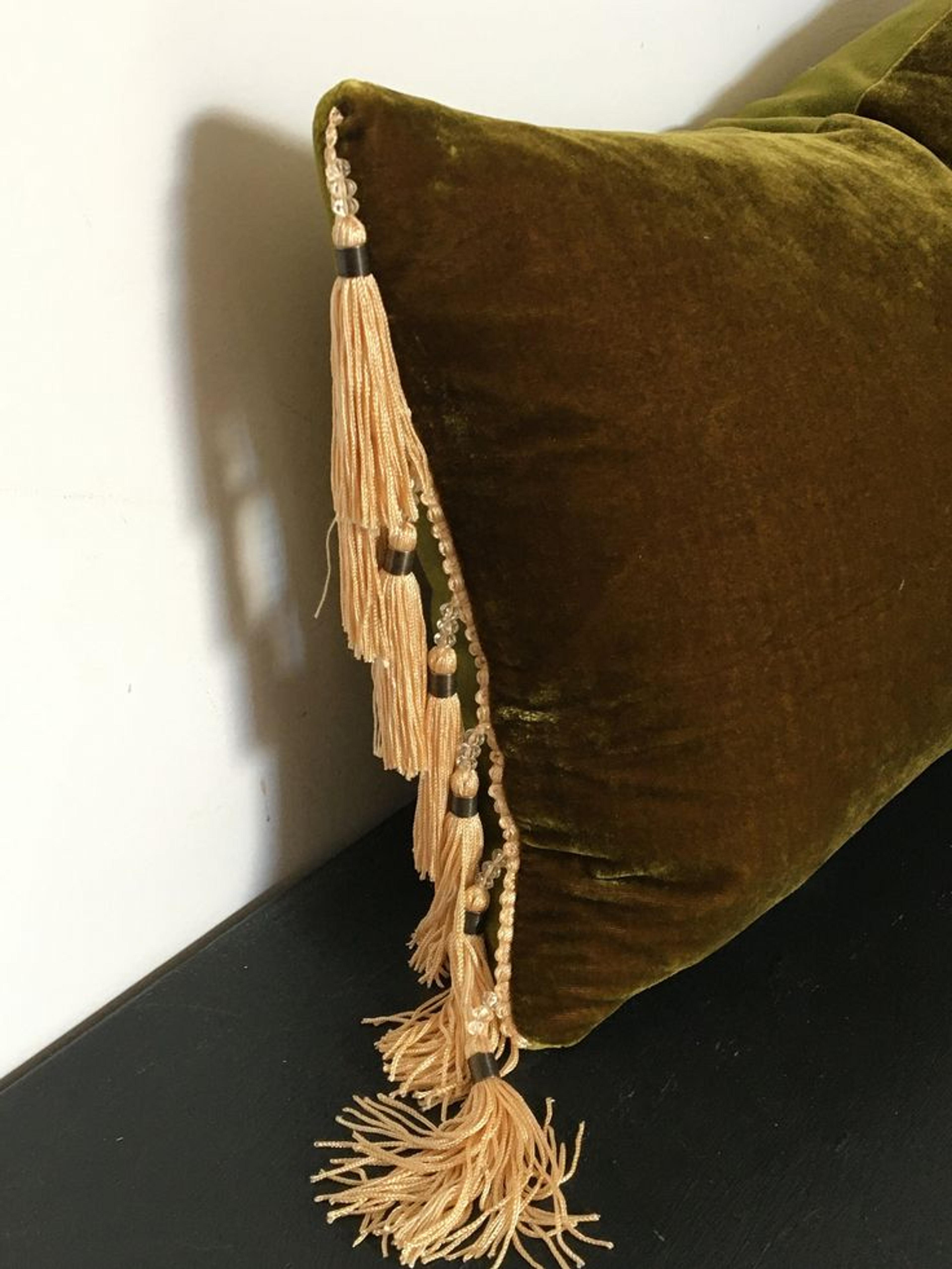
For a long time, tassels and decorative trims were dismissed as "grandma’s house" decor. Not anymore. In 2026, we are seeing a resurgence of "old-world European hotel" elegance. Adding a silk tassel to a cabinet key or a delicate fringe to the base of an ottoman provides a tactile layer that feels incredibly high-end. It’s about the sensory experience—the way a material feels as you brush past it.
The Foundation Layers: Creating Depth and Warmth
While the tiny details provide the finish, the foundation layers provide the structure. To achieve a truly layered home, you must start with elements that have "soul."
- Refined Heritage Furniture: Instead of buying a matching "set" from a big-box retailer, focus on heritage-inspired case goods. Look for solid wood silhouettes with timeless forms—pieces that look like they could have been passed down through generations.
- Artful Architectural Accents: Never underestimate the power of millwork. Crown molding, stepped baseboards, and picture-frame wainscoting add architectural "weight" to a room. They create shadows and highlights that make a standard drywall room feel like a historic manor.
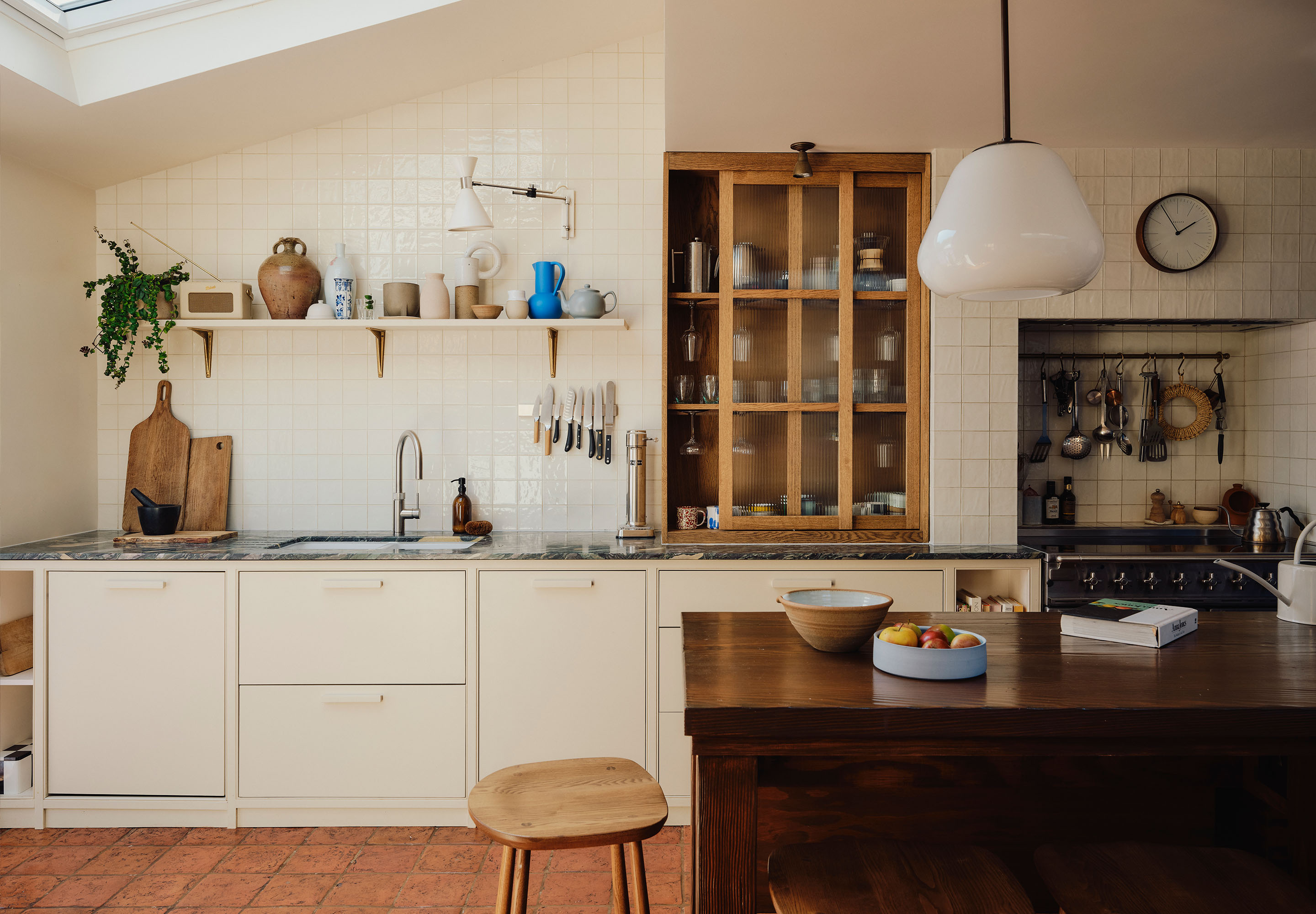
- Romantic Fabric Applications: We are seeing a beautiful return to softer windows and furniture. Cafe curtains in the kitchen and skirted vanity stools bring a sense of softness and romance back into the home, countering the "hard" surfaces like stone and steel.
Mastering the Mix: Practical Styling Tips
Creating a layered home can feel overwhelming. How do you mix different eras and materials without it looking like a garage sale? The secret lies in a simple formula I like to call the 3-2-1 Rule.
Ivy’s Pro Tip: The 3-2-1 Rule
- 3 Textures: Every vignette should have at least three different textures (e.g., a smooth marble top, a rough linen pillow, and a shiny brass lamp).
- 2 Finishes: Mix your metals or woods. Pair a matte black iron with unlacquered brass, or a dark walnut with a light oak.
- 1 Statement Color: Ground the space with one cohesive color that repeats in different tones throughout the room.
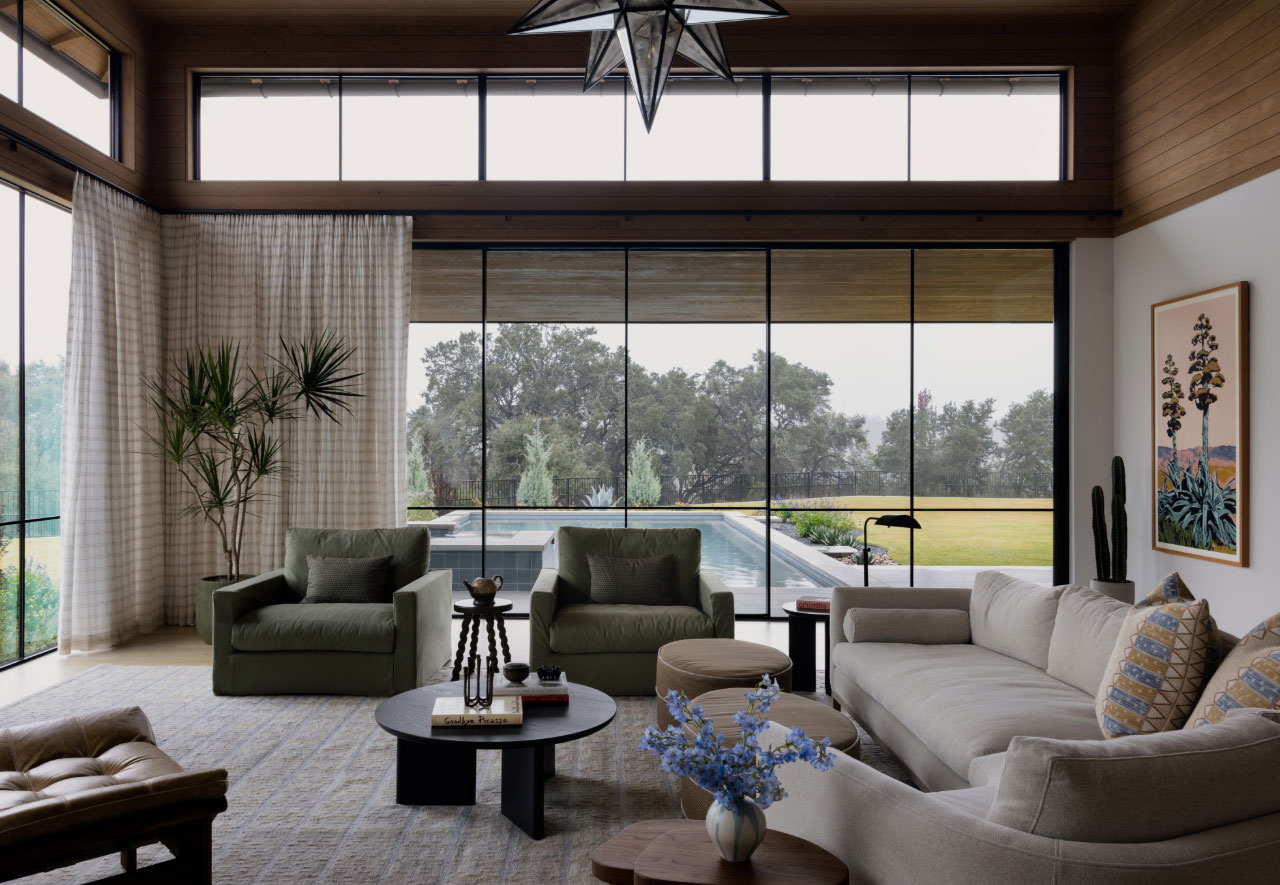
How can I make my home feel more layered? Start with the floor and work your way up. Use a high-quality textured rug—perhaps in a deep espresso or earthy terracotta—to anchor the space. This "hard" foundation allows you to pile on "soft" textiles like mohair throws and velvet cushions.
Finally, think of lighting as the jewelry of the room. Instead of relying solely on recessed "can" lights, layer your lighting. Use sculptural sconces, handmade Venetian glass lamps, and even candles. These layers of light create pockets of warmth and intimacy that flat overhead lighting simply can't achieve.
Modern Minimalism vs. Refined Layering
| Feature | Modern Minimalism | Refined Layering (2026) |
|---|---|---|
| Philosophy | "Less is more" | "Collected, not cluttered" |
| Furniture | Sleek, matching sets | Antique silhouettes mixed with modern |
| Textures | Smooth, uniform | Tactile, varied (linen, stone, wood) |
| Details | Hidden, seamless | Intentional, artisanal (tassels, inlays) |
| Atmosphere | Gallery-like, cool | Narrative-driven, cocooning |
The Sustainability of Curation
One of the most rewarding aspects of the Refined Layering movement is its inherent sustainability. Over 85% of designers surveyed for 2026 predictions identified this trend as the most sustainable way to decorate. Why? Because it moves us away from the "fast-fashion" cycle of home decor.
When you focus on curation over consumption, you aren't buying a whole room in a box to be replaced in three years. You are sourcing vintage heirlooms, investing in handmade pieces, and keeping furniture that ages gracefully. This "slow decorating" approach reduces waste and ensures that your home grows with you over time. It is a commitment to quality over quantity—a philosophy that is as good for the planet as it is for your peace of mind.
Conclusion
Building a cozy, layered home is a marathon, not a sprint. It’s about the slow accumulation of things you love—the shell you found on a beach trip, the antique mirror you haggled for at a flea market, and the perfectly soft wool throw. By focusing on intentional details and the "3-2-1" principle of layering, you create a space that feels personal, comfortable, and timeless. Your home shouldn't just be a place where you sit; it should be a place that holds you.
FAQ
Is refined layering expensive to achieve? Not necessarily. While it emphasizes quality, many of the "layers" can be found at vintage shops or through DIY architectural additions like simple molding. It’s more about the selection of the item than its price tag.
How do I prevent a layered home from looking messy? The key is a "common thread." Ensure that your layers share a similar color palette or a consistent scale. If the colors are cohesive, you can mix many different textures and eras without the room feeling chaotic.
Can I use this trend in a small apartment? Absolutely. In fact, layering is often more effective in small spaces because it adds depth and makes a room feel larger and more "expensive." Use mirrors to layer light and focus on small-scale details like decorative trims and hardware.