Imagine walking through a heavy, sun-bleached oak door into a courtyard where the air smells of wild jasmine and damp stone. In Spain, these "in-its-juice" properties—17th-century estates that have remained largely untouched for decades—are not just relics of the past; they are the gold standard for the modern boutique hotelier. With roughly 80% of Spanish real estate aged over 20 years, the market is ripe for those with the vision to breathe new life into historic masonry.
Quick Facts: The Spanish Restoration Landscape
- Average Renovation Cost: €400 to €1,000 per square meter, depending on luxury finishes.
- Labor Rates: Approximately €25/hour (significantly lower than the €35–€65/hour seen in France).
- Design Philosophy: "Romantic Reuse"—preserving historical integrity while adding idiosyncratic modern touches.
- Incentives: A 10% reduced VAT rate is often available for primary housing renovations and specific hospitality upgrades.
- Timeline: Expect 3 to 8 months for major building permits (Licencia de Obra Mayor).
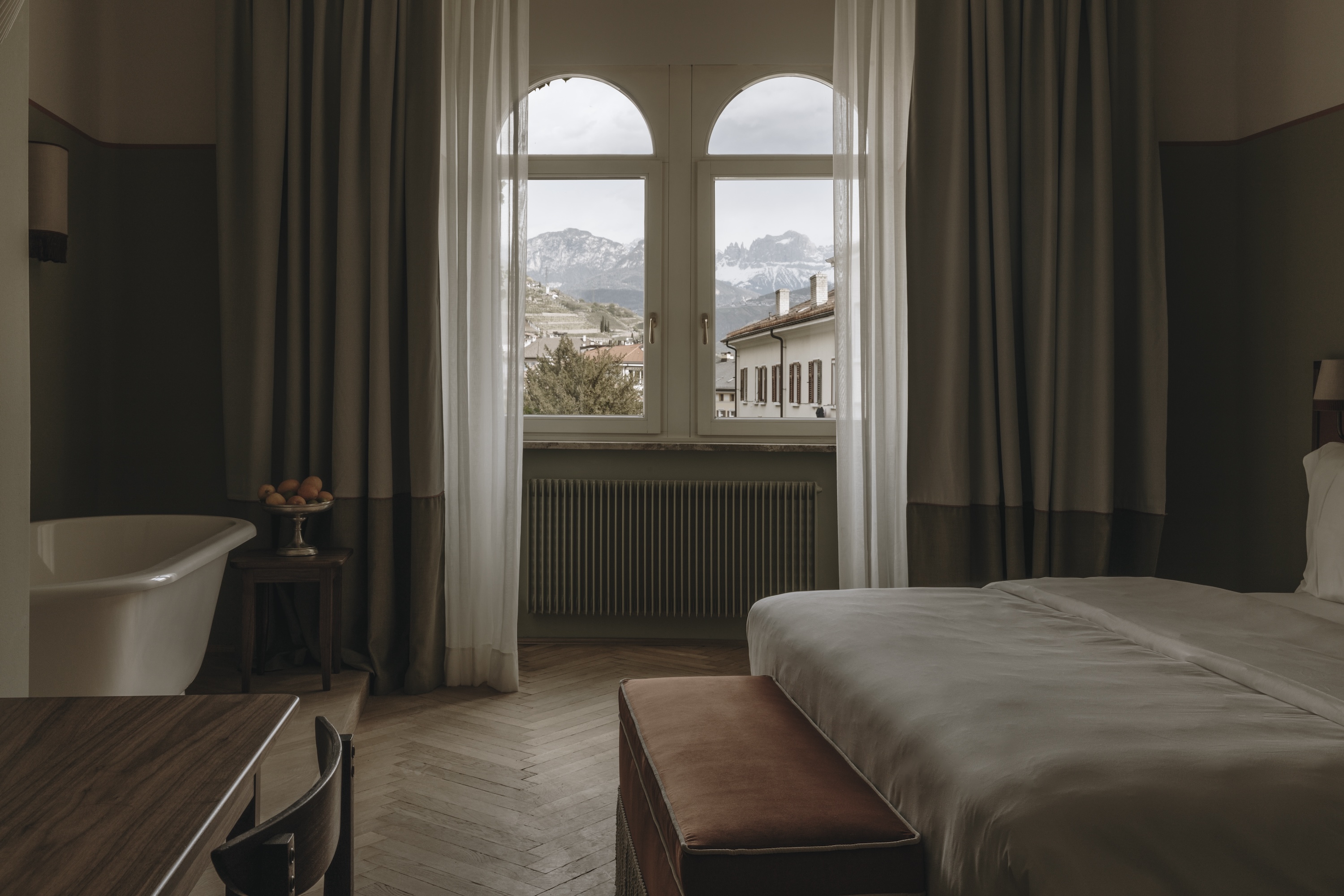
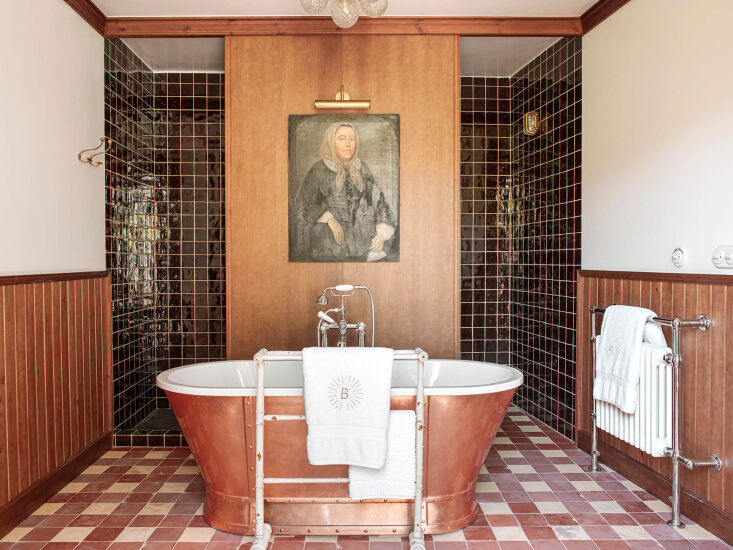
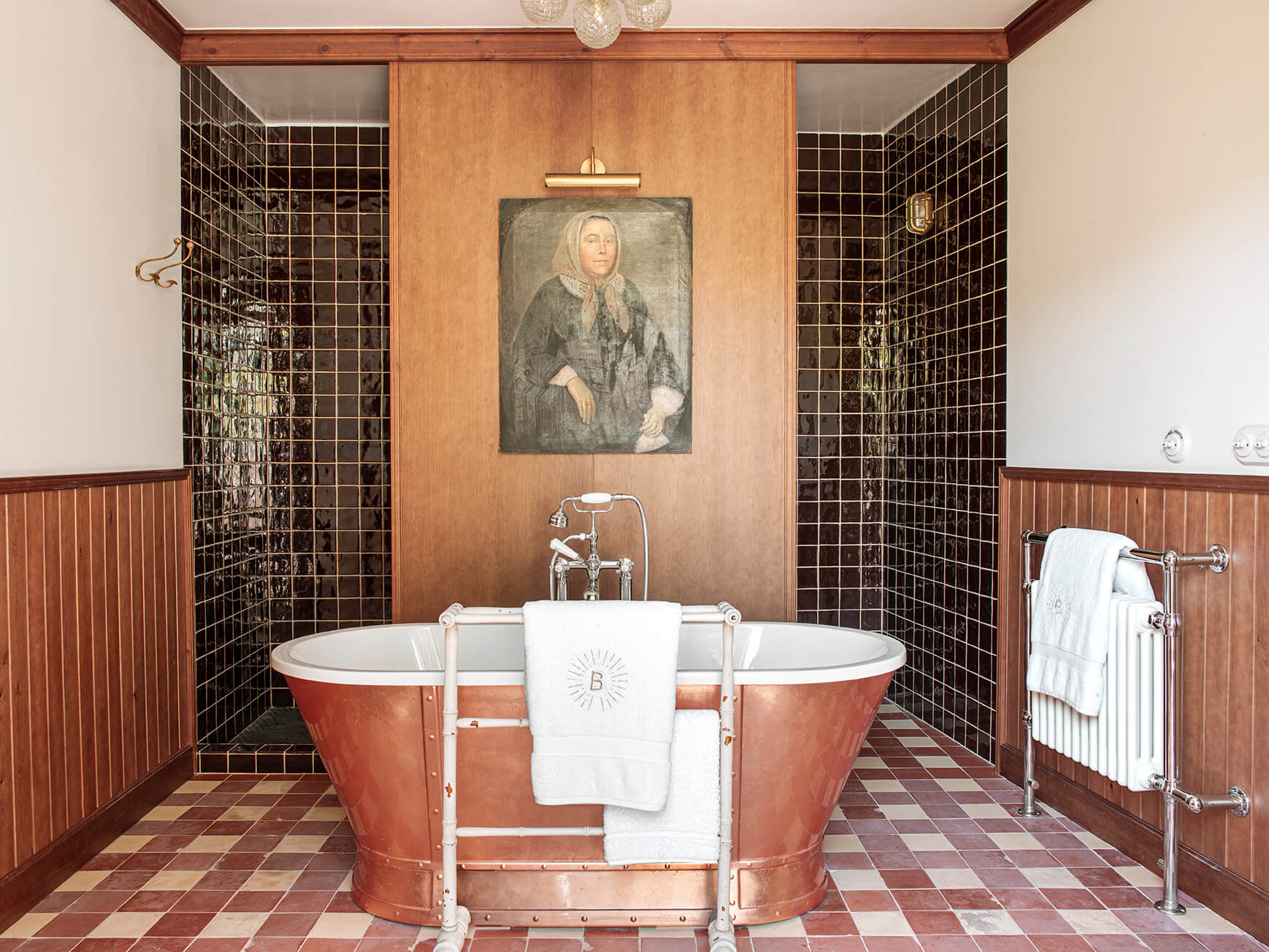
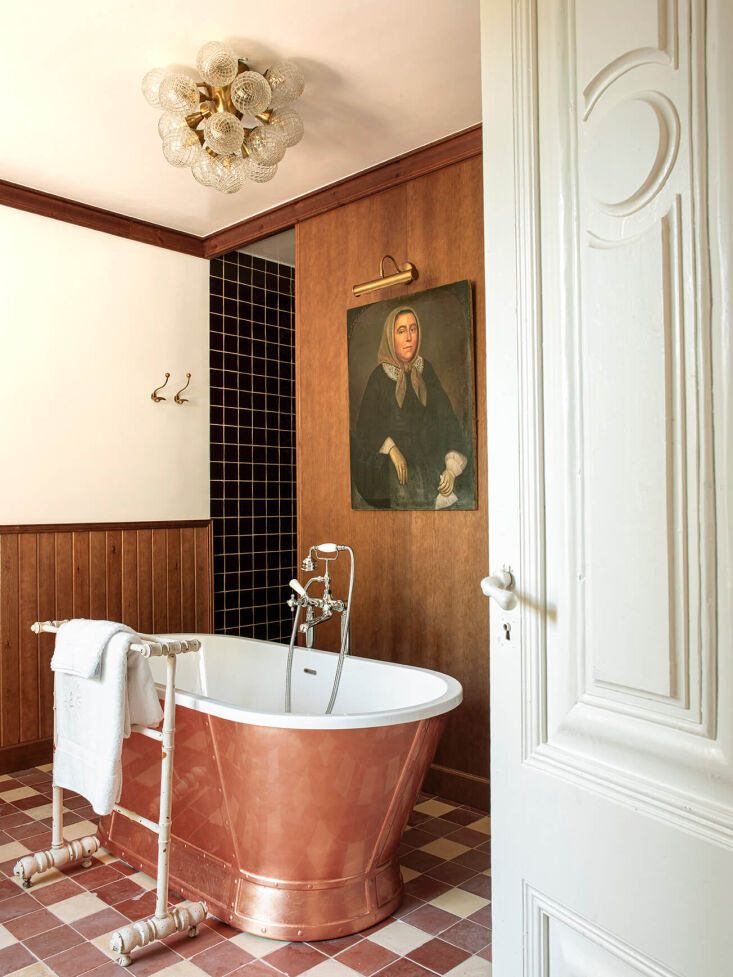
To transform a 17th-century Spanish home into a hotel, designers like Quintana Partners recommend a ‘romantic reuse’ approach, blending historic elements like masonry and portraits with modern ‘idiosyncratic’ details like copper tubs and zellige tiles. This guide will walk you through the design philosophy, the legal hurdles, and the hard numbers you need to turn a crumbling estate into a world-class destination.
Section 1: The 'Romantic Reuse' Design Philosophy
When we talk about renovating a property with four centuries of history, the "DIY" spirit shifts from doing the work yourself to being the visionary project manager. The goal isn't to erase the 17th century; it’s to make it livable for the 21st. This is what designers call "Romantic Reuse." It’s a philosophy that prioritizes the "soul" of the building—the uneven stone walls, the original timber beams, and the faded frescoes—over clinical perfection.
The Quintana Partners approach, which has defined the aesthetic of many successful Spanish boutiques, involves a delicate dance between the old and the new. It’s about finding a 200-year-old oil portrait and hanging it in a room with a minimalist, high-tech lighting system. It’s about letting the marés (the local limestone used heavily in the Balearic Islands) breathe, rather than covering it with drywall.
Key Materials to Source
To achieve this aesthetic, your sourcing list should focus on tactile, organic materials that age gracefully.
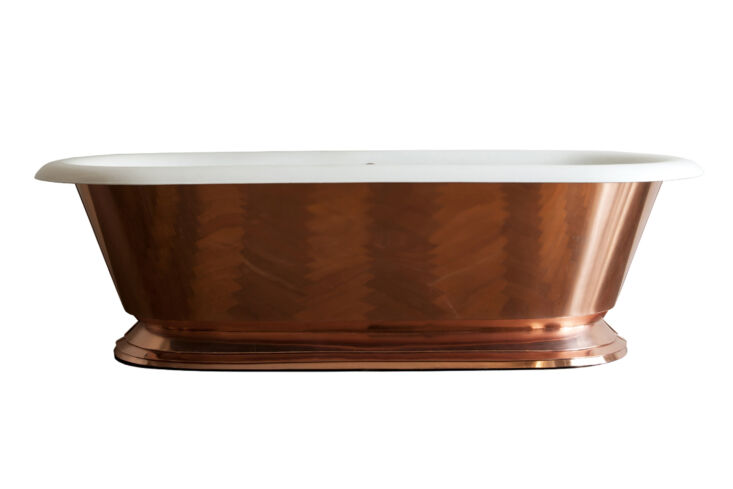
- Copper and Brass: Forget chrome. For a 17th-century conversion, you want metals that develop a patina. A polished copper bathtub becomes the focal point of a suite, bridging the gap between historical bathing rituals and modern luxury.
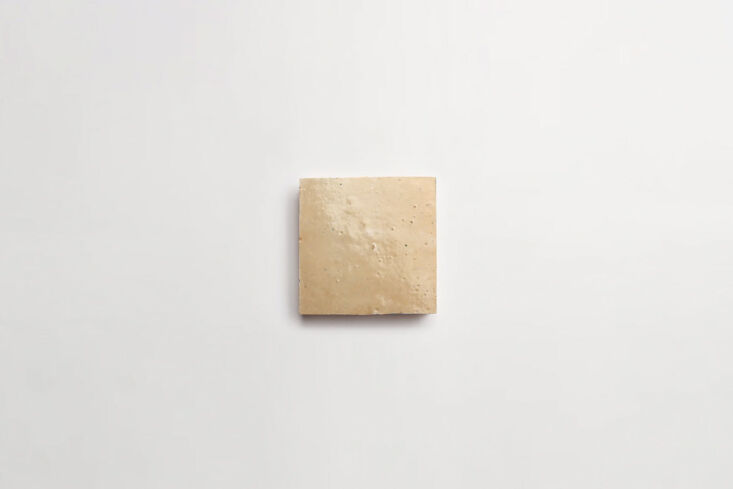
- Zellige Tiles: These Moroccan handmade clay tiles are perfect for Spanish interiors. Their slight imperfections catch the light in a way that factory-made tiles never can, complementing the rough-hewn texture of ancient masonry.
- Bioclimatic Elements: In regions like Menorca and Mallorca, the "bioclimatic" farmhouse model is king. This means using the building’s thermal mass (those thick stone walls) alongside modern sustainable tech like geothermal heat pumps and solar arrays hidden on flat roofs.
Section 2: Navigating the Spanish Legal Landscape
Before you pick up a sledgehammer, you need to understand the Spanish "BIC" status. If a building is designated as a Bien de Interés Cultural (Property of Cultural Interest), the rules change. You aren't just renovating; you are stewarding a piece of national heritage. This means every window frame and floorboard might need approval from the local heritage board.
The Permit Roadmap
Navigating Spanish bureaucracy requires patience. You will encounter two main types of permits:
- Licencia de Obra Menor: For small-scale cosmetic changes (painting, minor repairs). These are usually quick to obtain.
- Licencia de Obra Mayor: Required for structural changes, roof repairs, or changing the use of the building from residential to a hotel. This process can take anywhere from 3 to 12 months, depending on the municipality.
Clara’s Pro-Tip: Always hire a local Aparejador (technical architect/surveyor). They are the "secret weapon" of Spanish construction. They bridge the gap between your architect’s grand vision and the contractor’s daily reality, ensuring the work meets strict technical codes and safety standards.
Section 3: Cost Analysis and Financial Planning
The most attractive aspect of renovating in Spain—besides the weather—is the cost of labor. At an average of €25 per hour, labor is significantly more affordable than in neighboring France or the UK. This allows you to allocate more of your budget to high-end finishes and specialized restoration techniques.
On average, a comprehensive renovation of a historic property in Spain will cost between €400 and €1,000 per square meter. If you are aiming for a five-star boutique finish with custom carpentry and imported stone, expect to sit at the higher end of that range.
Budget Breakdown Table
| Category | Estimated Cost | Notes |
|---|---|---|
| Roof Restoration | €70 – €200 /sqm | Includes insulation and traditional tiling. |
| Flooring (Stone/Wood) | €30 – €70 /sqm | Higher end for reclaimed terracotta or solid oak. |
| Kitchen/Bath Fit-outs | €5,000 – €15,000 | Per unit; includes high-end fixtures and plumbing. |
| HVAC & Systems | €100 – €150 /sqm | Essential for guest comfort in Spanish summers. |
| Architect/Surveyor Fees | 10% – 15% | Percentage of the total construction budget. |
One of the biggest ROI drivers in the boutique market is the bathroom experience. Guests might forgive a small bedroom if the bathroom feels like a private spa. Investing in high-quality fittings and seamless stone surfaces is non-negotiable.
Section 4: Choosing the Right Region for Investment
The "vibe" of your hotel depends heavily on its geography. Spain offers three distinct models for historic conversion:
- The Countryside Retreat (Mallorca): Think grand "Fincas" and "Possessiós." These projects focus on the relationship between the building and the land, often incorporating vineyards or olive groves. The luxury here is found in space and silence.
- The Sustainable Farmhouse (Menorca): Projects like Son Blanc have pioneered the "bioclimatic" model, using local materials to create carbon-neutral retreats. It is the pinnacle of "quiet luxury."
- The Character-Driven Urban Boutique (Costa Brava): In towns like Begur or Girona, 17th-century townhouses are being converted into vibrant, design-led hotels. These projects, like La Bionda, use color and storytelling to maximize the impact of smaller footprints.
Section 5: The 7-Step Practical Renovation Guide
Renovating a historic property is a marathon, not a sprint. Here is the step-by-step roadmap I recommend to all my readers:
- Technical Assessment: Before buying, have a surveyor check the foundations and the "health" of the stone walls. Rising damp is the enemy of 17th-century buildings.
- Define the Narrative: What is the story of this house? Use its history to guide your design choices. If it was an old mill, keep the machinery; if it was a merchant's house, emphasize the grand staircase.
- Secure the Permits: Work with a local architect who has a good relationship with the town hall (Ayuntamiento).
- Contractor Selection: Look for "Artesanos"—craftspeople who still know how to work with lime mortar and traditional joinery.
- Structural Stabilization: Fix the roof and the foundations first. A beautiful room is worthless if the ceiling leaks.
- Systems Integration: Discretely hide modern comforts. This means running AC ducts through closets and ensuring Wi-Fi signals can penetrate meter-thick stone walls.
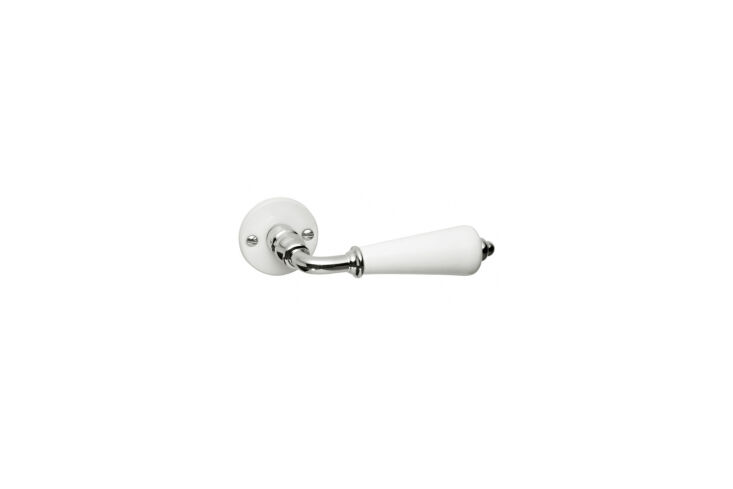
- The "Hand-Off" Phase: Sourcing the finishing touches. This is where you find your porcelain handles, vintage switches, and local textiles.
FAQ
What is the average ROI for a Spanish boutique hotel conversion? While it varies by region, boutique hotels in high-demand areas like Mallorca or the Costa Brava typically see an ROI of 8% to 12% annually once stabilized. The value of the real estate itself often appreciates significantly after a high-quality restoration.
Do I need a local architect for a BIC property? Yes. In fact, for any property with historical protection, the authorities usually require an architect registered in Spain who has experience with heritage conservation. They understand the specific local bylaws that an outsider might miss.
How does the Next Generation EU program help with costs? Spain has received significant funding from the EU to improve energy efficiency in the tourism sector. You may be eligible for grants if your renovation includes sustainable upgrades like aerothermal heating, solar panels, or high-performance insulation.
Conclusion
Renovating a 17th-century Spanish home into a boutique hotel is undoubtedly one of the most challenging projects you can take on—but it is also the most rewarding. By respecting the "juice" of the property and balancing historic charm with smart, modern investments, you create something that a new-build can never replicate: a sense of place.
Ready to start your journey into Spanish real estate? Start by building your team of local experts, and remember: in the world of historic renovation, the flaws are often where the magic happens.