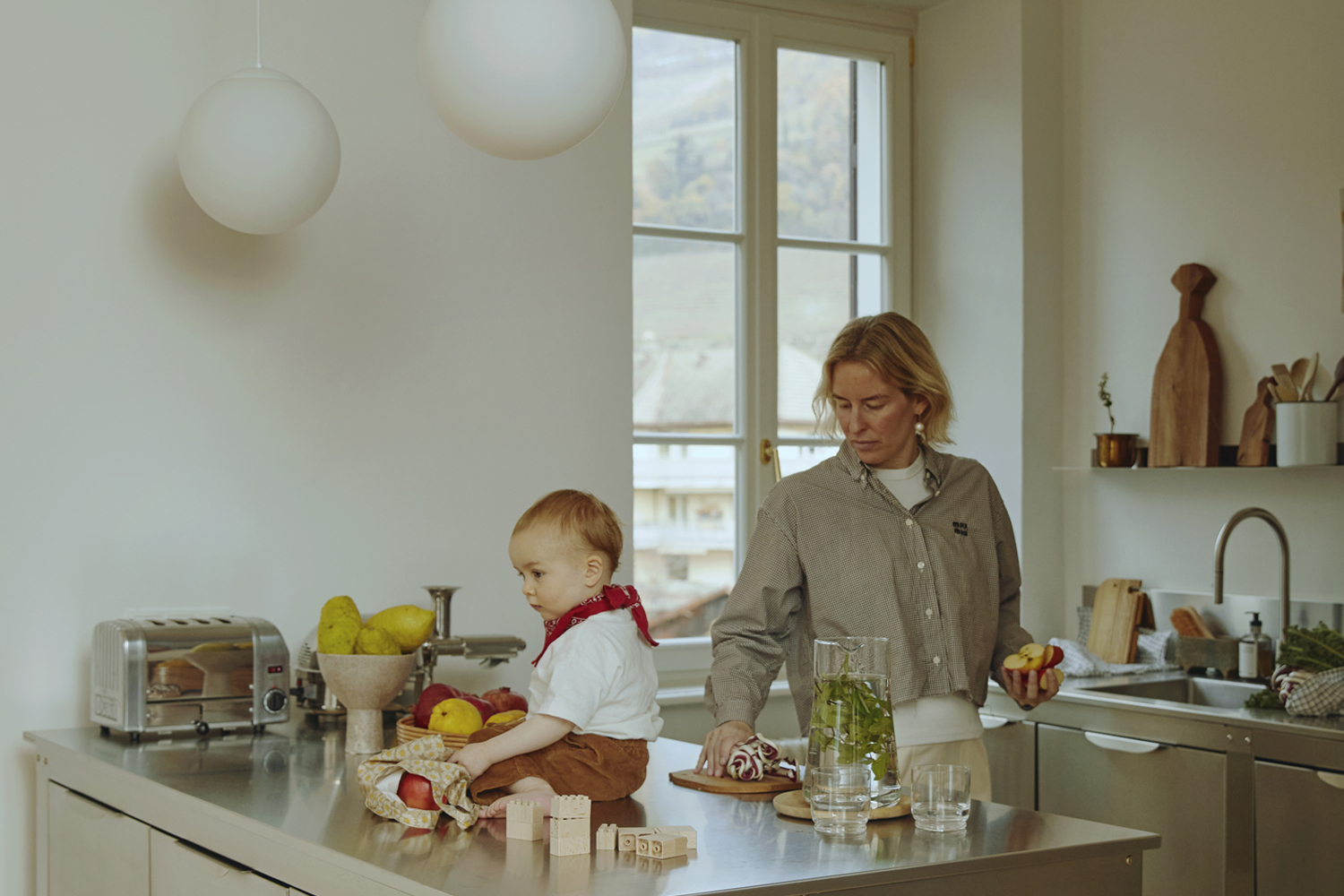
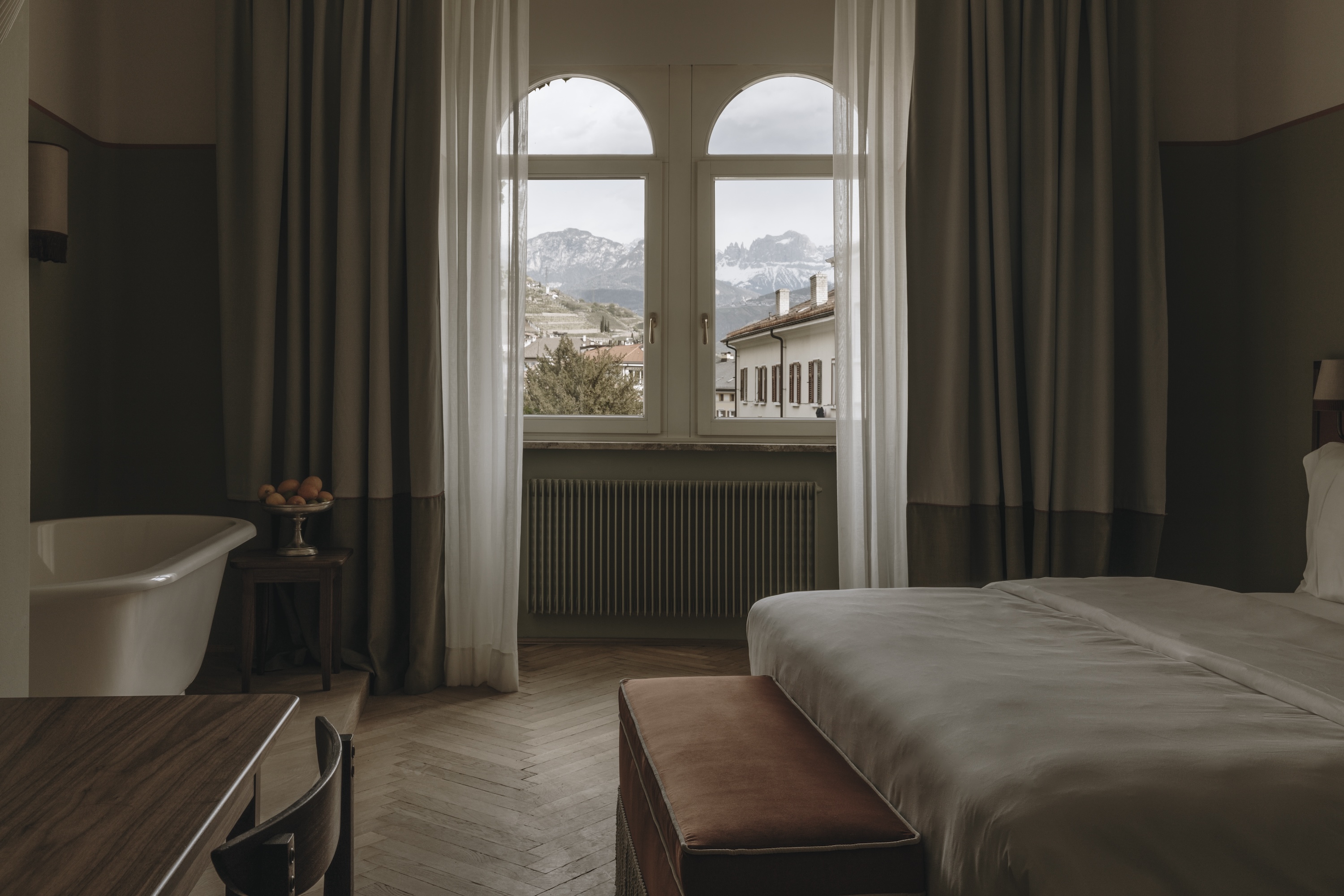
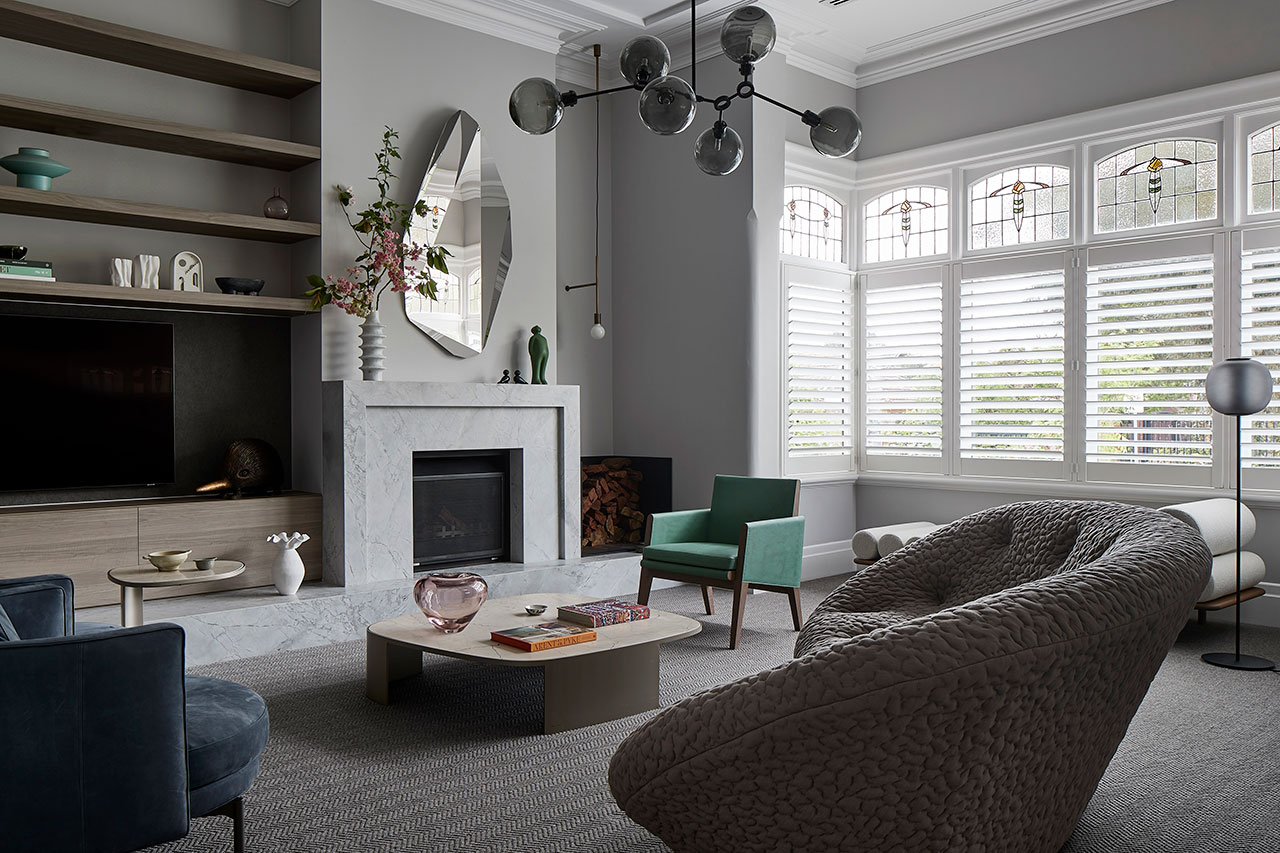
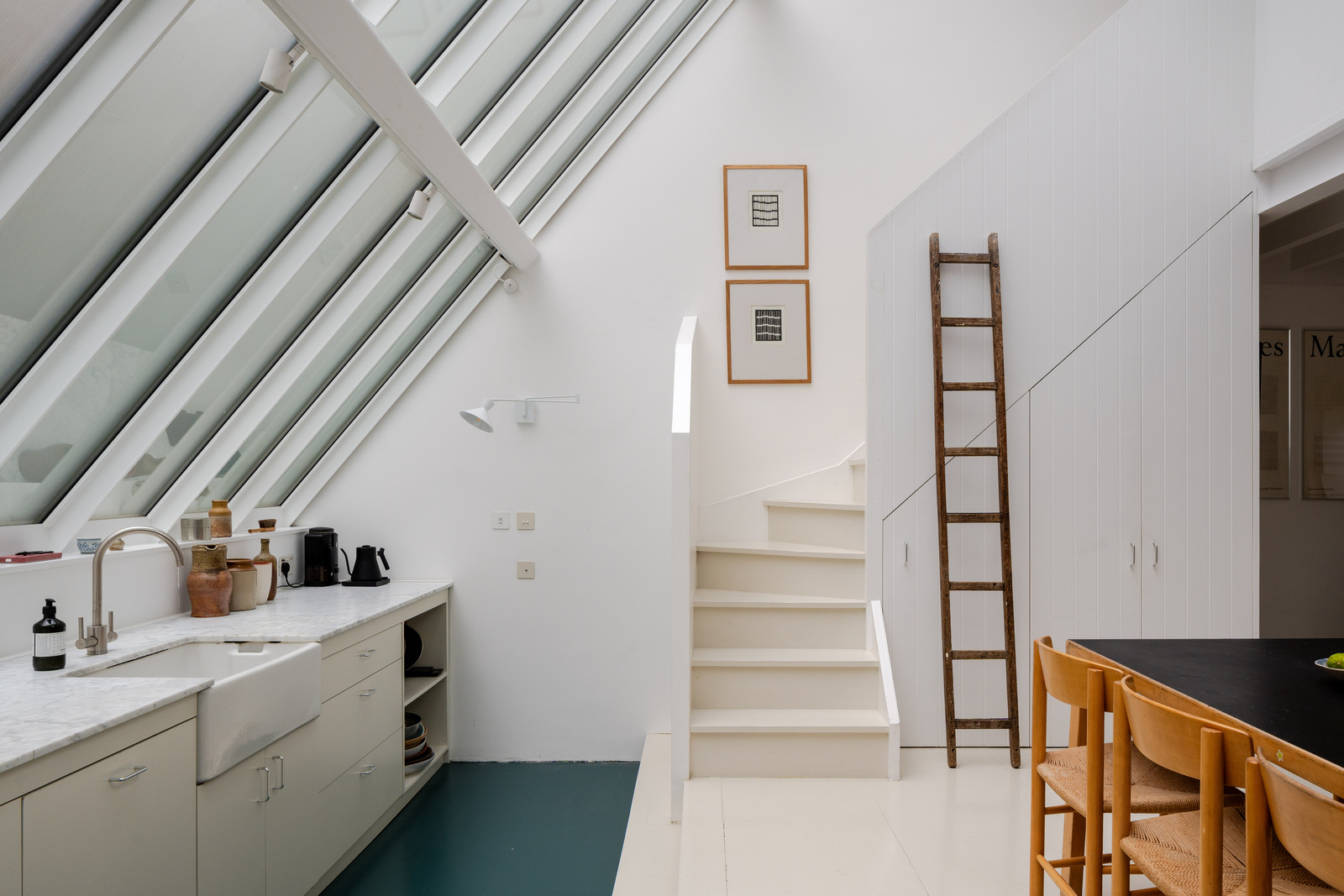
For nearly a decade, the all-white kitchen was the undisputed champion of residential design—a clinical, "safe" choice that promised timelessness but often delivered sterility. However, as we look toward 2026, the design pendulum has officially swung back toward warmth, character, and tactile luxury. For the first time in nine years, industry data confirms that white is no longer the top choice for kitchen cabinet finishes. It has been overtaken by light wood stains and warm mid-tones as homeowners trade the "gallery look" for spaces that feel lived-in and layered.
The leading kitchen finish trends for 2026 include light wood stains, textured reeded panels, and 'hybrid' designs that masterfully mix painted surfaces with natural wood elements. While off-white has slipped to the third most popular finish, it hasn't disappeared; instead, it has evolved into a richer, "mushroom" palette. Modern alternatives to the all-white aesthetic now prioritize visual depth—think painting the insides of glass-front cabinets for a surprising pop of color, or opting for high-saturation stone backsplashes that act as functional art.
1. Light Wood Stains & Natural Grains
The most significant shift in the 2026 kitchen landscape is the return to "grain-forward" cabinetry. We aren't talking about the honey-oak cabinets of the 1990s; these are sophisticated, light-filled stains applied to white oak, ash, and walnut. This trend is driven by a collective desire for organic warmth and a connection to nature within the heart of the home.
Market analysis indicates that light wood stains have officially surpassed white as the number one preferred finish. This shift reflects a broader movement toward "Biophilic Design," where materials are chosen for their ability to lower stress and provide a tactile experience.
Design Tips for Wood Finishes:
- Opt for Matte: Avoid high-gloss lacquers. A velvety matte finish allows the natural texture of the wood grain to shine without reflecting harsh overhead lighting.
- Vertical Grain Matching: For a modern, high-end look, ensure the wood grain continues seamlessly across cabinet faces (known as book-matching).
- Mix with Metal: Pair light oak with blackened steel or unlacquered brass hardware to ground the airy wood tones.
2. Earthy & Muted Greens
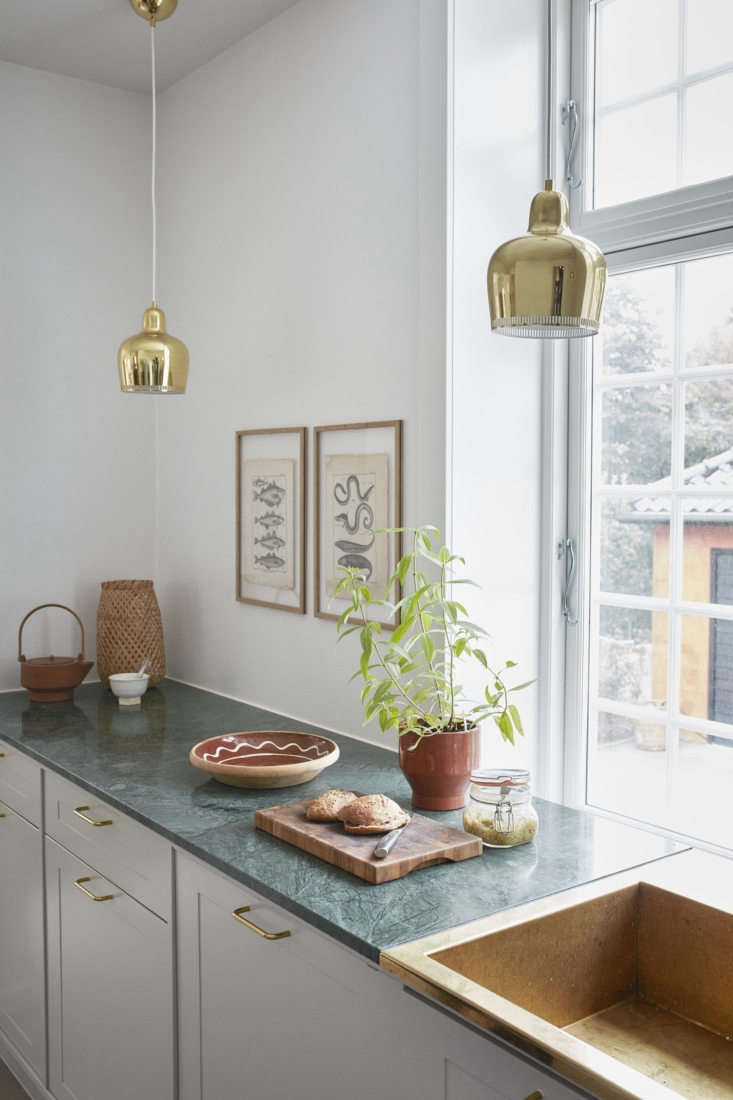
If wood is the new texture, green is undoubtedly the "new neutral." We have moved past the heavy, dark forest greens of previous years into a more nuanced territory of eucalyptus, sage, and olive. These muted greens offer a calming effect that white simply cannot provide, acting as a bridge between the indoors and the garden outside.
Designers are increasingly using green as a "nature-inspired baseline." It provides enough color to feel curated but remains subtle enough not to overwhelm a small space. One of the most effective ways to utilize this palette is through "split-level" coloring—using a soft sage on the lower cabinets while keeping the uppers in a light wood or a warm cream to maintain a sense of vertical height.
3. Deep Saturated Jewel Tones
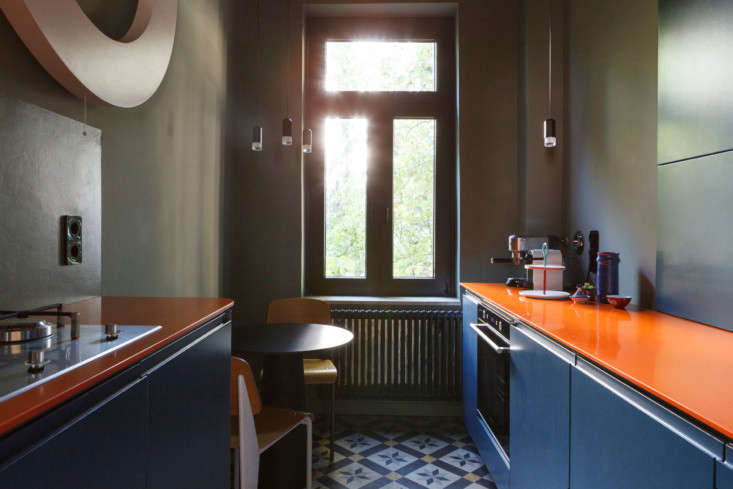
For the homeowner looking to make a statement, 2026 is the year of "Moody Drama." We are seeing a surge in deep, saturated jewel tones like burgundy, navy, and even aubergine (plum). These colors are being used to create focal points—most notably on kitchen islands or full-height appliance walls.
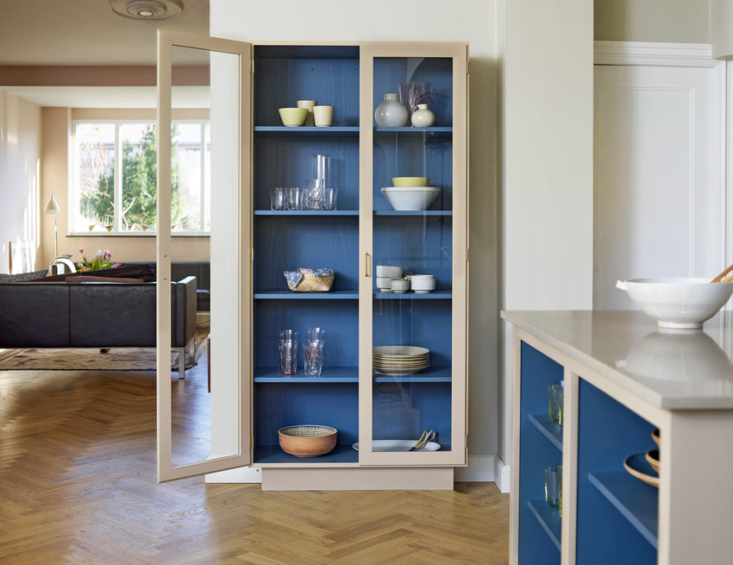
A sophisticated way to introduce these bold tones without committing to a full-room overhaul is to focus on the "hidden" details. Modern alternatives include painting the insides of glass-front cabinets or open shelving in a high-contrast jewel tone. This provides a subtle pop of personality every time you reach for a glass. Furthermore, the traditional white marble backsplash is being replaced by color-forward stones that incorporate veins of rust, deep blue, or even orange.
How to Balance Bold Tones:
- The 70/30 Rule: Use your bold jewel tone on 30% of the cabinetry (like the island) and balance it with 70% neutral wood or mushroom tones.
- Integrated Lighting: Darker finishes absorb light. Ensure you have robust under-cabinet LED strips to keep your workspace functional.
- Natural Stone Pairing: Pair a navy or plum cabinet with a stone that shares similar undertones to create a cohesive, "wrapped" feeling.
4. Warm Neutrals: The 'Mushroom' Palette
For those who love the brightness of a white kitchen but hate the coldness, the "Mushroom" palette is the 2026 solution. This trend replaces blue-toned clinical whites and flat "greiges" with layered shades of taupe, cream, and "Cloud Dancer"—a nuanced, warm white that feels soft rather than sharp.
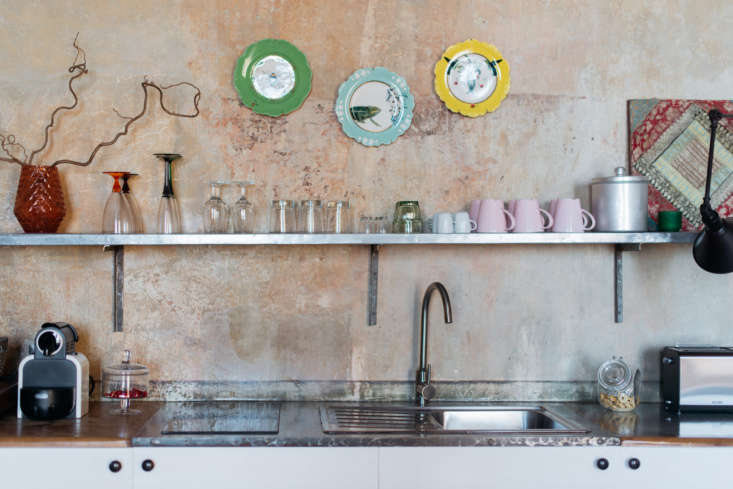
Homeowners are increasingly seeking "layered textures" rather than flat paint. This often manifests as plaster-effect walls or micro-shaker cabinets in a mushroom finish. It’s a look that feels expensive and intentional, providing a perfect backdrop for vintage decor or modern art.
Ivy's Style Note: "The shift from white to mushroom isn't just a color change; it’s an atmosphere change. It’s about creating a kitchen that feels like a cozy room rather than a laboratory."
5. Hybrid & Multi-Finish Layouts
The "Two-Tone" kitchen has evolved. In 2026, it isn't just about having a different colored island; it’s about a sophisticated "hybrid" layout that mixes materials across the entire floor plan. This often involves combining matte painted surfaces with natural wood trim or textured reeded panels.
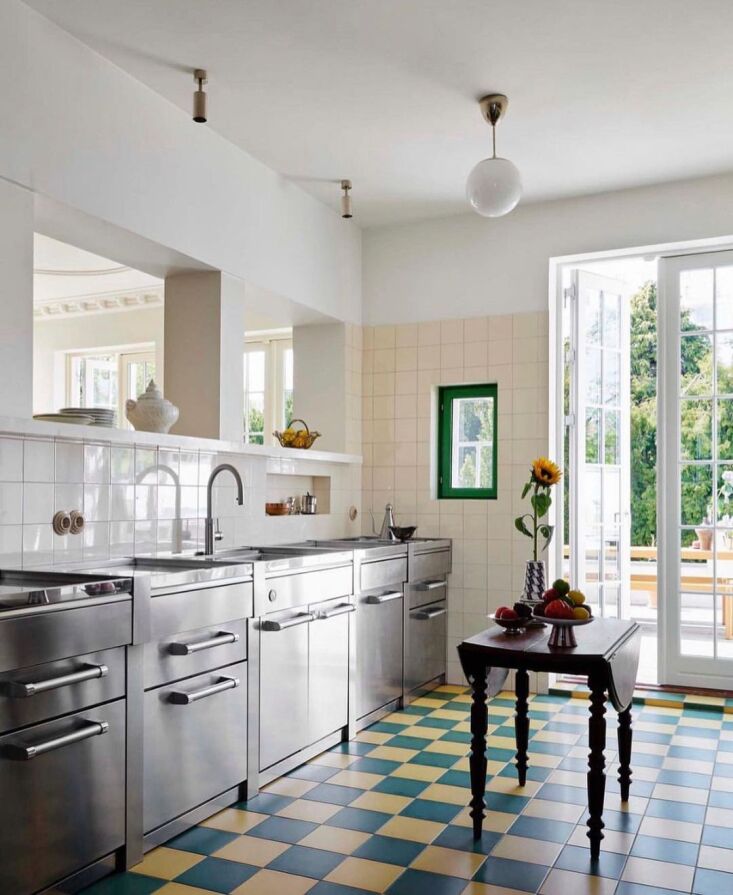
Texture is the new "wow" factor. Fluted or reeded cabinet doors are being used as accent pieces to break up long runs of flat-front cabinetry. This adds a rhythmic quality to the kitchen and helps to hide the wear and tear of daily life. We are also seeing "checkerboard" marble floors making a massive comeback, using warm stones like travertine and terracotta instead of the traditional high-contrast black and white.
Comparing the Shift: White vs. 2026 Neutrals
| Feature | The All-White Era (2015-2024) | The 2026 Vibrant Era |
|---|---|---|
| Primary Finish | High-Gloss or Satin White Paint | Matte Wood Stains (Oak, Ash, Walnut) |
| Secondary Color | Grey or Navy Accents | Muted Greens and Mushroom Taupe |
| Texture | Smooth, Flat Surfaces | Reeded Panels and Grain-Forward Wood |
| Backsplash | White Subway Tile / White Marble | Saturated Stones and Hand-Glazed Zellige |
| Hardware | Polished Chrome or Black | Unlacquered Brass or Minimalist Integrated Pulls |
Functional Upgrades: Texture and Hardware
Beyond the colors, the feel of the kitchen is changing. Homeowners are prioritizing low-maintenance finishes that still look high-end.
- Velvety Matte Finishes: The rise of anti-fingerprint technology in laminates and lacquers means you can have a dark, moody kitchen without the constant need for wiping down surfaces.
- Handleless Designs: To let the beauty of the wood grain or the reeded texture stand out, many 2026 designs are moving toward "push-to-open" or integrated "J-pull" handles. This creates a streamlined, furniture-like appearance.
- Mixed Metalware: Don't feel restricted to one metal. The modern kitchen blends a copper faucet with aged brass handles to create a sense of history.
FAQ
Q: Is the white kitchen completely "out" for 2026?
A: It’s not "out," but it is no longer the default. If you love white, the 2026 version is "Cloud Dancer"—a warm, nuanced white paired with natural wood elements to prevent it from feeling clinical.
Q: Will these vibrant finishes hurt my home's resale value?
A: On the contrary, wood stains and earthy greens are currently high in demand. Potential buyers are looking for "custom-feel" kitchens rather than the generic flips that dominated the last decade. As long as the palette is cohesive and nature-inspired, it remains a strong investment.
Q: How do I mix wood and paint without it looking messy?
A: The key is to keep a consistent "undertone." If you have a warm-toned oak, pair it with a warm-toned green or mushroom. Avoid mixing "cool" whites with "warm" woods, as they will clash.
The transition away from all-white kitchens marks a return to the kitchen as a place of comfort, personality, and art. Whether you choose the organic touch of light oak or the dramatic depth of a jewel-toned island, the goal for 2026 is to create a space that feels uniquely yours.