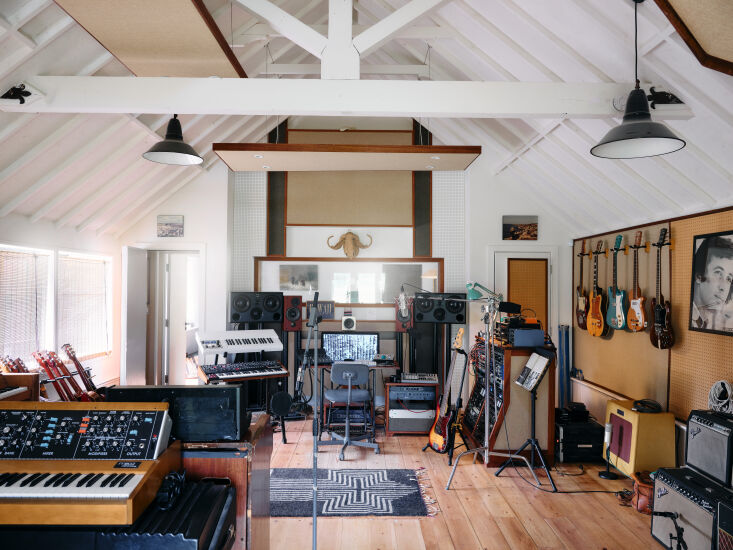
Welcome to a building with stories to tell—a structure that is a little bit Elizabethan, a little bit rock ‘n’ roll, and entirely ready for its next chapter. Converting a Grade II listed studio into a modern family home is perhaps the ultimate "Metamorphosis Narrative." Imagine a 16th-century wool hall that once echoed with the industrial hum of weavers, later transformed into a legendary recording studio for the likes of The Smiths or Joni Mitchell, and is now being reimagined as a sanctuary for a growing family. This transition from a single-use space to a multi-functional home is a delicate dance between "venerable opposites": the monastic beauty of the old world and the high-performance demands of the new. To succeed, experts recommend a threefold strategy: the meticulous restoration of historic masonry, retrofitting for thermal efficiency using breathable materials, and the adaptive reuse of existing extensions to balance heritage with contemporary living.
The Romance and Reality of Heritage Conversions
In England, Grade II listed buildings represent a staggering 91.7% of all listed heritage. These are the buildings that define our local character, but they often present a significant challenge when transitioning from specialized "studios"—whether artistic, industrial, or musical—into livable homes. The primary hurdle is shifting a space designed for a singular purpose into one that accommodates the messy, vibrant reality of family life without erasing its soul.
The "Studio" challenge often involves dealing with vast, open volumes that lack the internal divisions needed for bedrooms or bathrooms, or conversely, rigid historical layouts that feel disconnected. By following a structured approach of restoration, retrofit, and adaptive reuse, homeowners can ensure their property remains a "historical resuscitation" rather than a modern gut-job.
Navigating the Legal Landscape: Listed Building Consent (LBC)
Before a single stone is moved, one must navigate the legalities. Grade II status means the building is of "special interest, warranting every effort to preserve it." Under the Planning (Listed Buildings and Conservation Areas) Act 1990, you are legally required to obtain Listed Building Consent (LBC) for any works that affect its character.
A common misconception is that "only the outside is listed." In reality, internal changes—such as removing a partition wall, installing a modern kitchen, or even changing floorboards—are just as regulated as external additions.
The Step-by-Step Consent Process:
- Pre-application meetings: Engaging with your local Conservation Officer early to discuss your vision.
- Heritage Impact Assessment (HIA): A detailed document explaining the significance of the building and how your proposed changes will minimize "harm" to its fabric.
- The Determination Window: Once submitted, expect an 8 to 12-week window for a decision.
Heritage Insight: Successful adaptive reuse projects for 16th-century structures often require the integration of at least three distinct architectural eras to harmonize original layouts with modern extensions.
Structural Restoration: Preserving the 'Z' Wall and Beyond
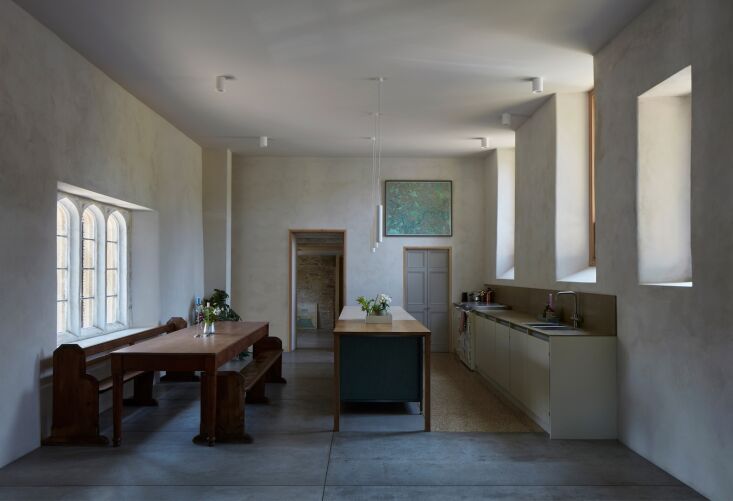
Restoring the bones of a listed studio requires a deep respect for the original craftsmanship. Whether you are dealing with Gothic stone tracery or Elizabethan timber frames, the goal is "composed monastic beauty."
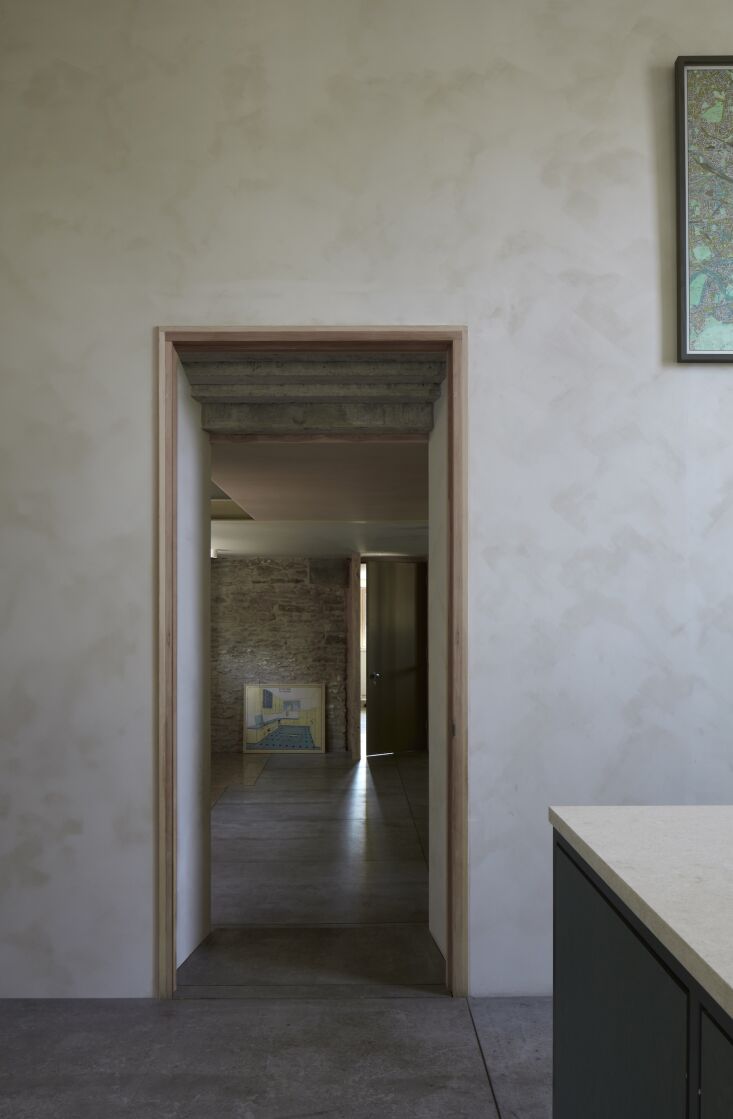
One of the biggest challenges in studio-to-home conversions is the "enfilade" layout—a series of rooms connected to one another without a central corridor, often resembling a train carriage. To make this work for a family, architects often use subtle "markers" to define spaces.
Restoration Techniques to Consider:
- Preserving Gothic Features: Use specialists to repair original window frames rather than replacing them.
- Marking Thresholds: Use "brick rugs"—patterns of salvaged bricks—to mark the transition between different historical eras or functional zones.
- Material Contrasts: Introduce modern materials like Viroc (a cement-bonded particle board) or birch plywood to sit alongside ancient stone, creating a dialogue between the old and the new.
The Sustainable Retrofit: Thermal Efficiency in Stone Buildings
Finding ways to improve the old structure’s thermal efficiency is often the biggest challenge of a renovation. Historic stone buildings were designed to "breathe"—moisture enters the walls and evaporates. If you seal them with modern plastic insulation, you trap that moisture, leading to damp and structural decay.
The solution is a sustainable mixture of lime and cork insulation applied to the interior face of the walls. This method ensures the structure remains breathable while retaining its original external appearance.
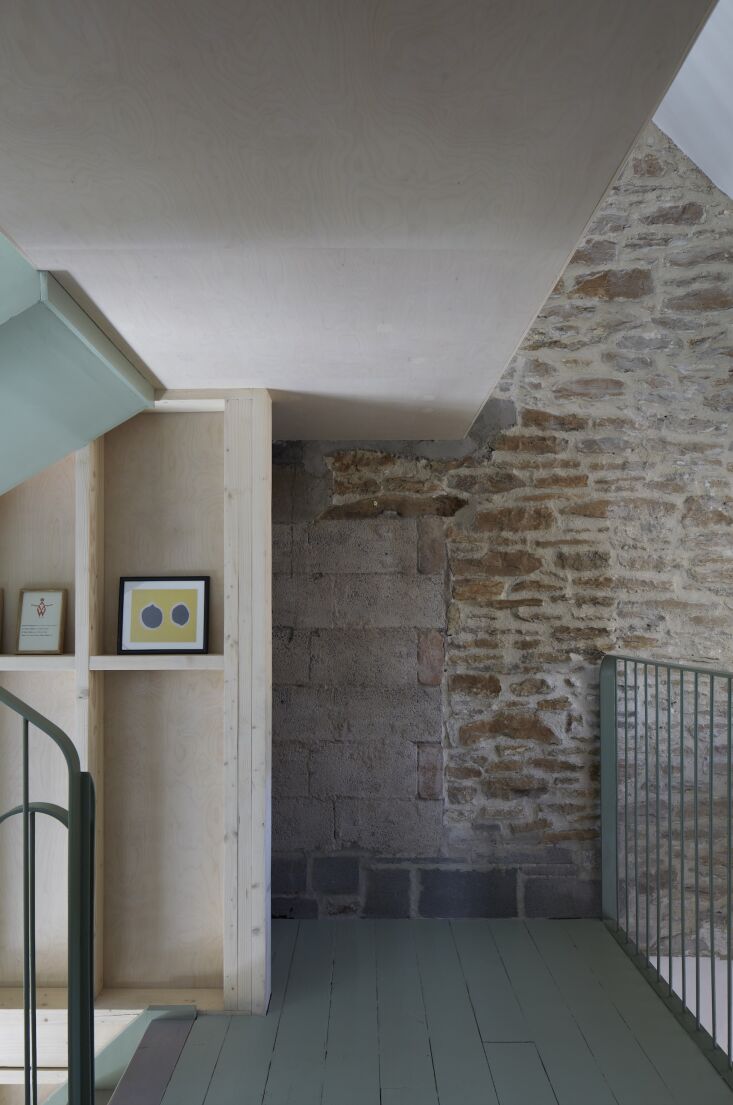
Internal thermal upgrades using breathable cork-based plasters (such as Diathonite Thermactive) can improve the insulation of historic stone-walled properties by significantly reducing heat loss without altering the building’s heritage facade. This "non-plastic" approach is essential for the long-term health of the building.
The Breathable Toolkit:
- Lime/Cork Plaster: For insulating uneven stone walls.
- Clay Paints: Brands like Earthborn offer matte finishes that allow moisture to pass through.
- Sheep’s Wool Insulation: Excellent for lofts and floor voids.
Modern Extensions and Adaptive Reuse
When a studio isn't quite large enough for a modern family, an extension is often the answer. However, achieving architectural coherence requires a delicate touch. You don't want to "mimic" the old; instead, you should "harmonize" with it.
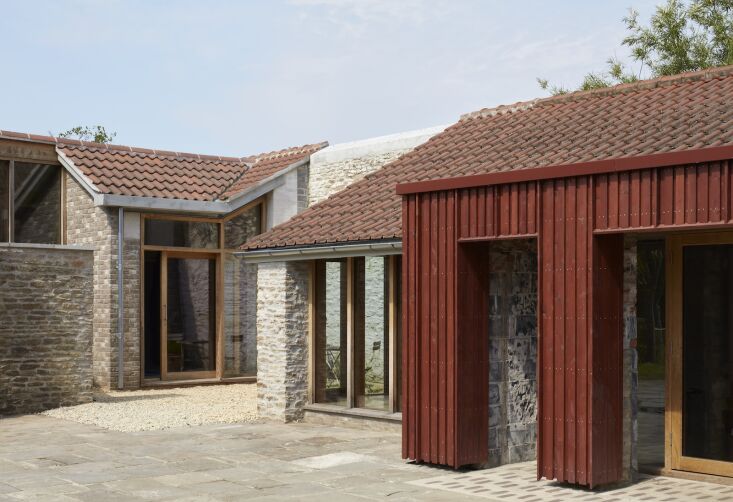
One effective strategy is using glass connectors—transparent links that physically separate the historic structure from the new addition, allowing the original "reading" of the building to remain clear.
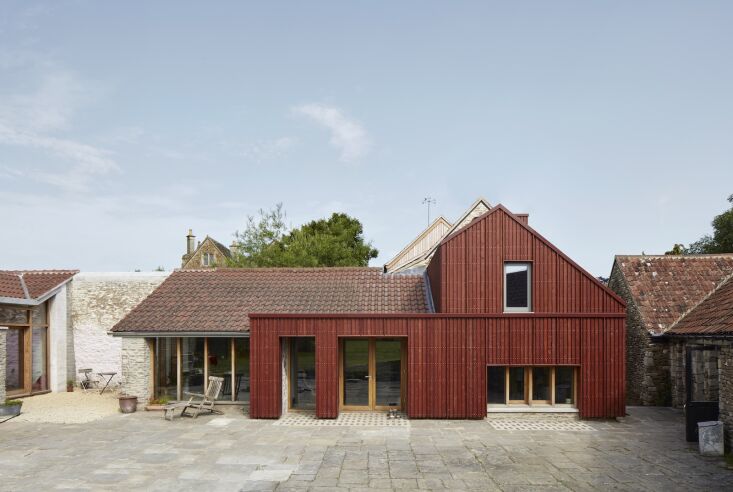
For projects that already have 1980s or 90s additions, "adaptive reuse" is key. Rather than tearing them down, consider recladding them. Using red-stained timber or charred larch can help these modern appendages blend with Elizabethan masonry or weathered brick.
Interior finishes also play a role in this harmony. By using "Non-Plastic" finishes and clay paints, you can create a seamless flow from the historic core to the modern atrium.
Investment and Costs: 2026 Price Guide
Renovating a listed building is an investment in history, but it does carry a 15–40% cost premium over standard projects due to the need for specialist materials and skilled labor.
| Project Type | Estimated Cost (per m²) | Key Considerations |
|---|---|---|
| Decorative Refurbishment | £1,800 - £2,500 | Cosmetic updates, breathable paints, minor repairs. |
| Structural Restoration | £2,500 - £3,800 | Masonry repair, floor stabilization, lime plastering. |
| High-Spec Conversion | £4,000 - £5,500+ | Full thermal retrofit, custom extensions, heritage glazing. |
VAT Considerations: In the UK, while most home renovations are subject to 20% VAT, certain alterations to listed buildings (specifically those that change the number of dwellings or are part of a substantial reconstruction) may qualify for a reduced rate of 5%. Always consult a tax professional specializing in heritage properties.
Building Your Heritage Power Team
You cannot DIY a Grade II listed conversion—not if you want to keep your sanity and your legal standing. You need a team that speaks the language of conservation.
- Heritage-Accredited Architect: Look for RIBA or AABC accreditation.
- Conservation Officer: Treat them as a partner, not an adversary.
- Specialist Trades: You will need a lime plasterer, a stonemason, and a joiner who understands historic sash windows.
FAQ
Q: Can I install double glazing in a Grade II listed studio? A: It is difficult but not impossible. Many conservation officers prefer "secondary glazing" (an internal pane), but slimline double-glazing units (vacuum glass) are increasingly being accepted if they fit within original or accurately replicated frames.
Q: Is it possible to make a 500-year-old building energy efficient? A: Yes. Through the "Threefold Strategy" of using lime-cork plasters, improving loft insulation with sheep's wool, and addressing draughts while maintaining breathability, you can significantly reduce heat loss.
Q: How long does the whole conversion process usually take? A: Given the legal requirements and the meticulous nature of the work, a full conversion typically takes 18 to 24 months from the initial design phase to completion.
Converting a listed studio is about more than just adding bedrooms; it's about being a steward of history. By balancing the "monastic" with the "modern," you create a home that doesn't just house a family—it inspires one.