Imagine pulling off a sun-scorched interstate after six hours of driving. You aren't looking for a Michelin-starred meal; you’re looking for a porch with rocking chairs, the smell of woodsmoke, and a gift shop filled with things you don’t need but suddenly want. For 47 years, Cracker Barrel Old Country Store has been the gold standard of "highway nostalgia."
But recently, a $700 million transformation plan threatened to trade that porch-swing soul for something much colder. The brand’s attempt to "modernize" resulted in a design trend known as "blanding," and the fallout provides a stark lesson for every legacy business: Heritage isn't a liability to be managed; it’s an asset to be protected.
The Core Reality:
- The Transformation: Cracker Barrel’s redesign is part of a massive $700 million strategic plan aimed at attracting younger, more affluent diners and streamlining operations for faster, more efficient scaling.
- The "Blanding" Trend: Blanding occurs when unique, quirky brand identities are replaced by minimalist, uniform designs. The goal is usually to lower maintenance costs and ensure logos look crisp on smartphone screens.
- The Backlash: Fans revolted not because of the food, but because the loss of "cozy clutter" and vintage Americana felt like a betrayal of the brand’s primary value proposition: the experience.
- The Pivot: After a significant drop in market value and customer sentiment, the brand has largely reversed course, proving that modernization cannot come at the expense of DNA.
The $700 Million Gamble: Modernizing a Cultural Icon
For nearly five decades, Cracker Barrel remained aesthetically frozen in time. While competitors like Applebee’s or TGI Fridays chased every design trend from industrial chic to neon minimalism, Cracker Barrel stayed true to its "Old Country Store" roots. However, by 2024, leadership felt the brand had become too "dusty" for the next generation of diners.
The company announced its first major aesthetic overhaul in 47 years—a $700 million strategic transformation. This wasn't just about a new logo; it was a top-to-bottom reimagining of the business. The goal was twofold: attract a younger demographic that views "kitsch" as "clutter" and simplify the physical layout to make the restaurants easier to run.
In the corporate boardroom, the logic seemed sound. In the court of public opinion, however, it looked like an identity crisis. The $700 million investment was intended to signal a "new era," but it quickly became a lightning rod for criticism from the very people who kept the lights on for the last half-century.
The Anatomy of 'Blanding': Why Restaurants are Trading Soul for Sameness
If you’ve noticed that every new restaurant logo looks like it was designed by the same minimalist software, you’ve witnessed "blanding." This trend favors sans-serif fonts, flat colors, and the removal of any "fussy" details.
In the case of Cracker Barrel, the shift was subtle but profound. The iconic "Uncle Herschel" logo—the man sitting next to a barrel—was streamlined. The intricate illustrations of the country store were simplified into clean, digital-friendly shapes. The "cozy clutter" of the dining rooms—the authentic local antiques and weathered wood—was slated to be replaced by cleaner lines and a palette of "sterile gray."
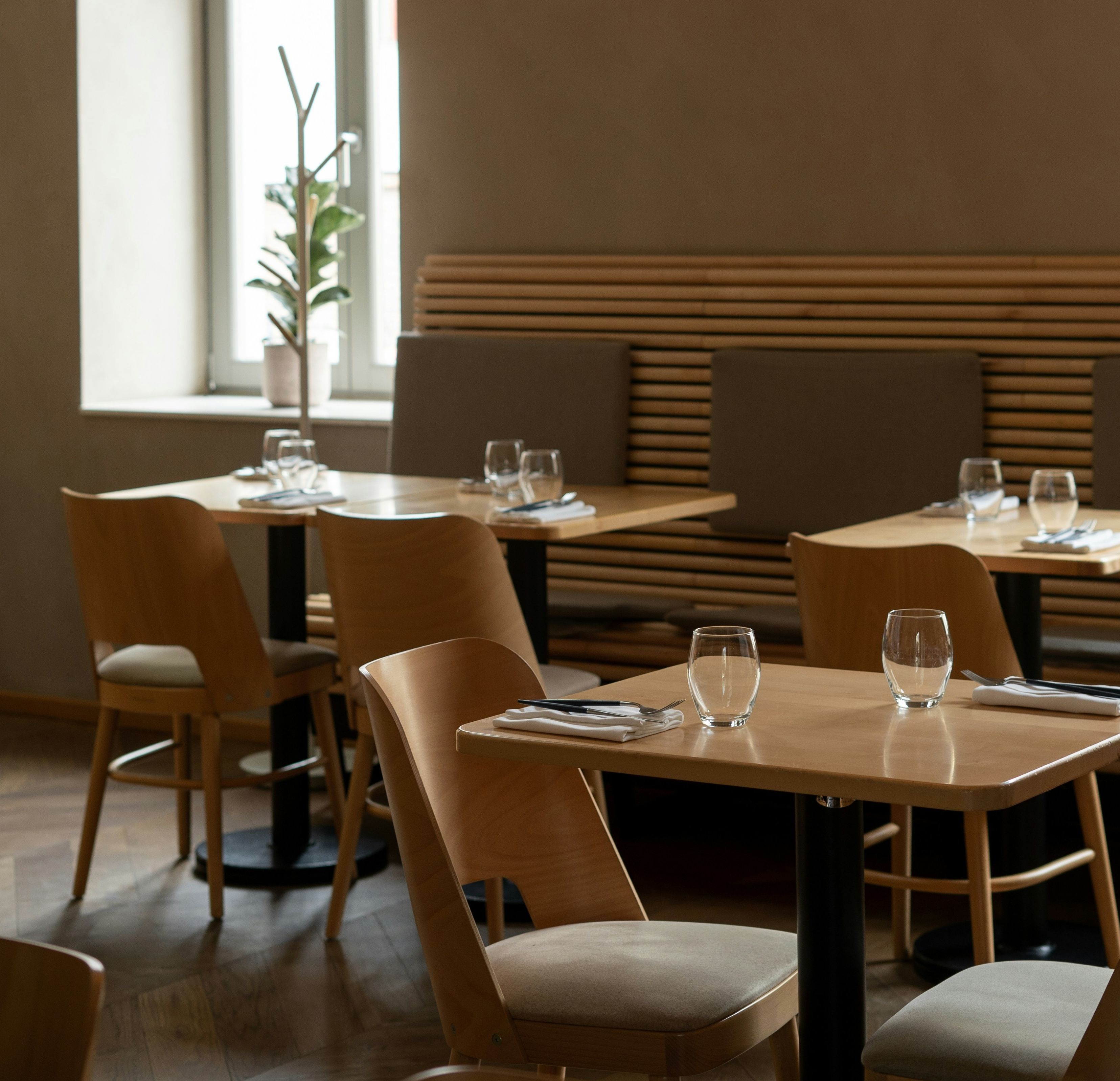
Corporate designers argue that blanding is a necessity for the mobile age. A complex logo with fine lines looks like a smudge on an iPhone screen. Furthermore, minimalist interiors are significantly cheaper to clean, maintain, and replicate as a chain grows. But as Cracker Barrel found out, when you strip away the "quirk," you often strip away the reason people chose you over a generic drive-thru.
The Uncle Herschel Fiasco: A $200 Million Lesson in Brand Equity
The market’s reaction to the proposed changes was swift and brutal. Following the announcement of the strategic overhaul and the glimpse of the modernized branding, Cracker Barrel’s stock plummeted by over 12% in a single day. This effectively wiped out $200 million in market value overnight.
Wall Street wasn't just reacting to a logo; they were reacting to the risk. Investors realized that Cracker Barrel’s greatest competitive advantage wasn't its chicken n' dumplings—it was its "moat" of nostalgia. By signaling a move toward a generic, modernized aesthetic, the company was essentially telling its loyal customer base that the things they loved most were no longer a priority.
This "fiasco" highlighted a massive gap between corporate strategy and brand reality. When a brand has "acquired distinctiveness" over 47 years, that history becomes its most valuable trademark. Abandoning it for a generic future isn't just a design choice; it’s a financial risk.
The Psychology of 'Cozy Clutter' vs. Sterile Gray
Why did people get so angry? To understand the backlash, we have to look at the "Experience Economy." In 2024, food quality is often secondary to how a place makes us feel.
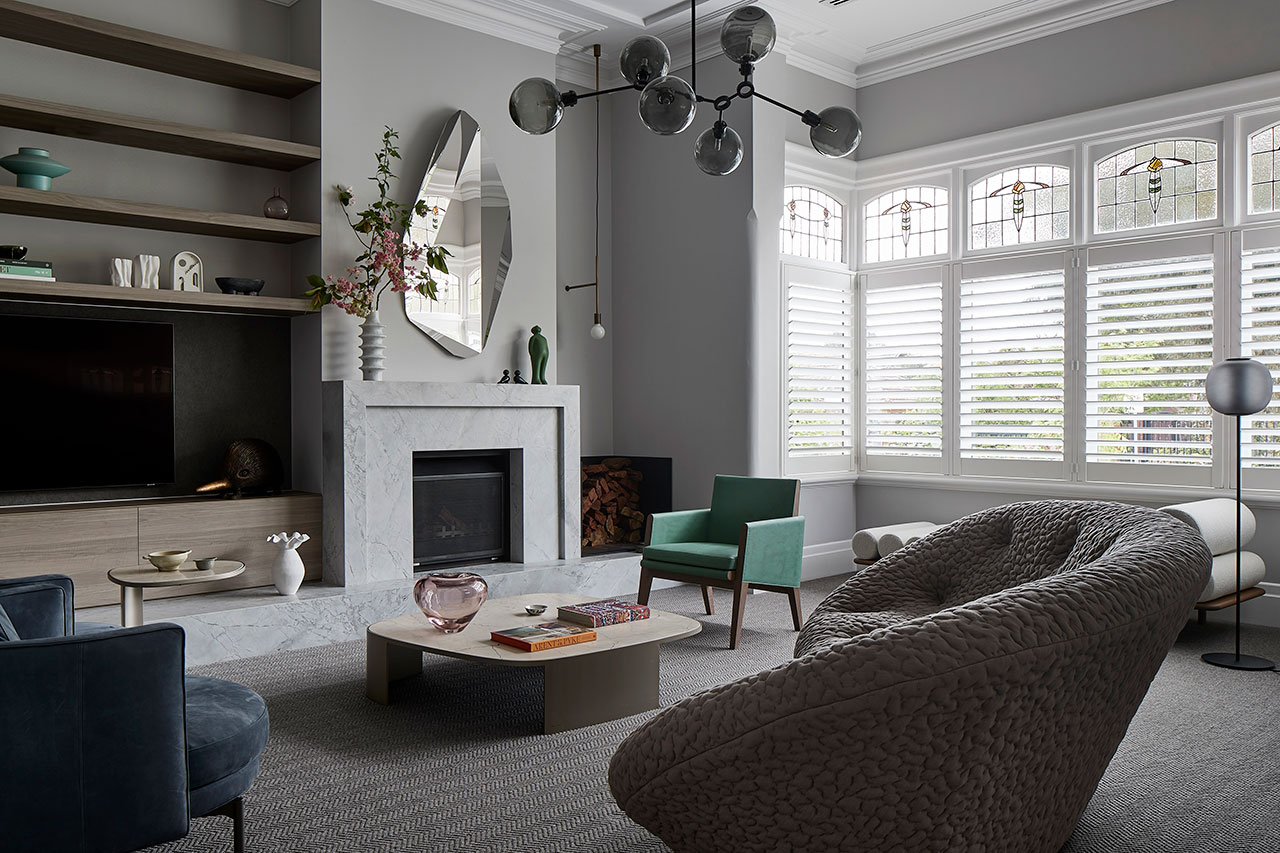
Cracker Barrel’s "cozy clutter"—the wall-to-wall antiques, the dim lighting, and the crowded gift shop—creates a psychological sense of safety and "home." It’s an escape from the sleek, glass-and-steel world of modern life. When the redesign introduced "sterile gray" walls and minimalist furniture, it broke that spell.
| Heritage Elements | Modernized Substitutes | The Impact on the Guest |
|---|---|---|
| Authentic Antiques | Mass-produced wall art | Loss of "discovery" and local flavor. |
| Dim, Warm Lighting | Bright, LED efficiency | Shifts the mood from "dinner at grandma's" to "quick-service cafeteria." |
| The Country Store Logo | Minimalist Wordmark | Replaces a story with a corporate identifier. |
| Porch Rocking Chairs | Sleek, modern benches | Eliminates the primary "symbol" of slow-living and hospitality. |
For many fans, the redesign felt like their childhood memories were being "corporate-washed." The irony is that while big chains are stripping away their personality to save money, boutique "themed" environments are seeing a massive resurgence. Consumers want more texture, not less.
The Operational Trap: Predictability vs. Personality
The push toward minimalist design isn't just an aesthetic choice; it’s an operational one. There is a "financial logic" behind why restaurants are going bland:
- Scalability: It is much easier (and cheaper) to open 50 new locations when the decor consists of gray paint and standard furniture rather than hunting down 1,000 authentic 19th-century farm tools for each store.
- Digital Pressure: On apps like DoorDash or UberEats, a simple logo is more recognizable. In an era where 40% of sales might come through a screen, the "digital-first" logo often wins out over the "heritage-first" one.
- The "Jaguar" Risk: Recently, the car brand Jaguar underwent a similar "blanding" rebrand that stripped away its classic cat logo for a futuristic, neon aesthetic. Like Cracker Barrel, they were accused of abandoning their DNA. The risk is becoming so generic that you are easily replaced by any competitor with a lower price.
The trap is thinking that operational efficiency is the same thing as brand health. You can have the most efficient, easy-to-clean restaurant in the world, but if no one feels an emotional connection to the space, they won't go out of their way to visit.
The Great Reversal: Listening to the 'Ultimate Poll'
By the start of 2025, the message from the public was loud and clear. Cracker Barrel leadership made a surprising, yet necessary, pivot: they decided to lean back into the original logo and the "country store" aesthetic that made them famous.
This reversal is a landmark moment in modern marketing. It proves that "Brand Heritage" is not a synonym for "Outdated." Instead, it represents "Secondary Meaning"—a legal and psychological term where a brand's visual identity becomes inseparable from the service it provides.
Lessons learned from the reversal:
- Acknowledge the base: You cannot attract a "new" demographic by insulting the "old" one.
- Selective modernization: You can update the POS system and the kitchen equipment without painting the walls gray.
- Distinctiveness is a Moat: In a world of "blanded" brands, the one that stays weird and cluttered is the one that stands out.
Conclusion: Heritage is an Asset, Not a Liability
The story of the Cracker Barrel rebrand is a cautionary tale for any legacy company. In the rush to be "modern," "fresh," and "digitally relevant," it is easy to forget why people fell in love with a brand in the first place.
The high cost of "going gray" isn't just measured in the $700 million spent on renovations; it’s measured in the loss of consumer trust and brand soul. Fortunately, by listening to their customers and valuing their 47-year history, Cracker Barrel has chosen to protect its heritage. In the "Experience Economy," being different is much more valuable than being "modern."
FAQ
Q: Did Cracker Barrel actually change its logo?
A: The company introduced a modernized, simplified version of the logo as part of a $700 million plan, but following significant customer backlash and a drop in stock price, they signaled a return to the original "Uncle Herschel" aesthetic for 2025.
Q: Why do brands choose "blanding"?
A: Blanding is primarily driven by digital needs. Minimalist logos are easier to read on small smartphone screens and are cheaper to replicate across hundreds of physical locations.
Q: How much did the rebrand affect Cracker Barrel’s stock?
A: The stock dropped by more than 12% immediately following the announcement of the modernization plan, representing a roughly $200 million loss in market capitalization.