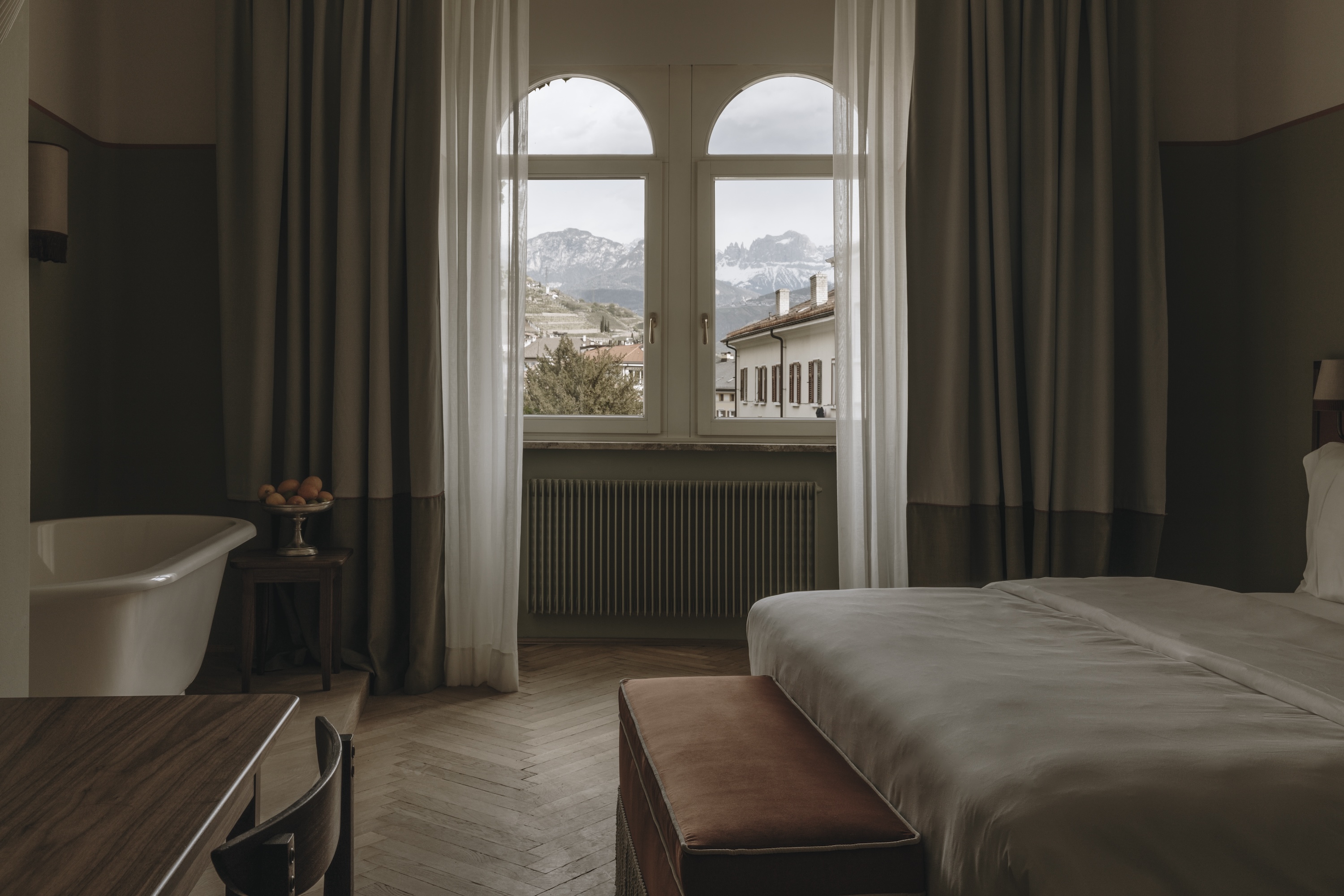
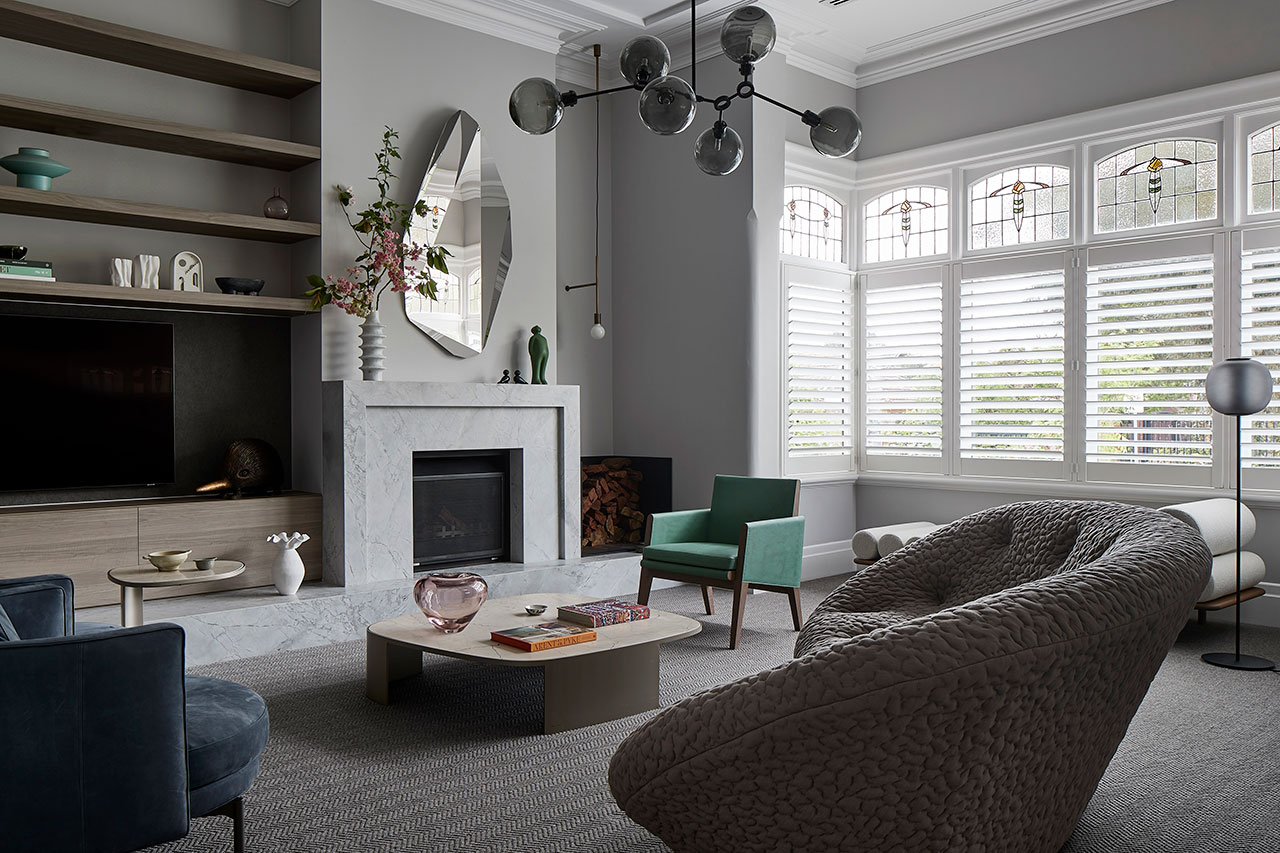
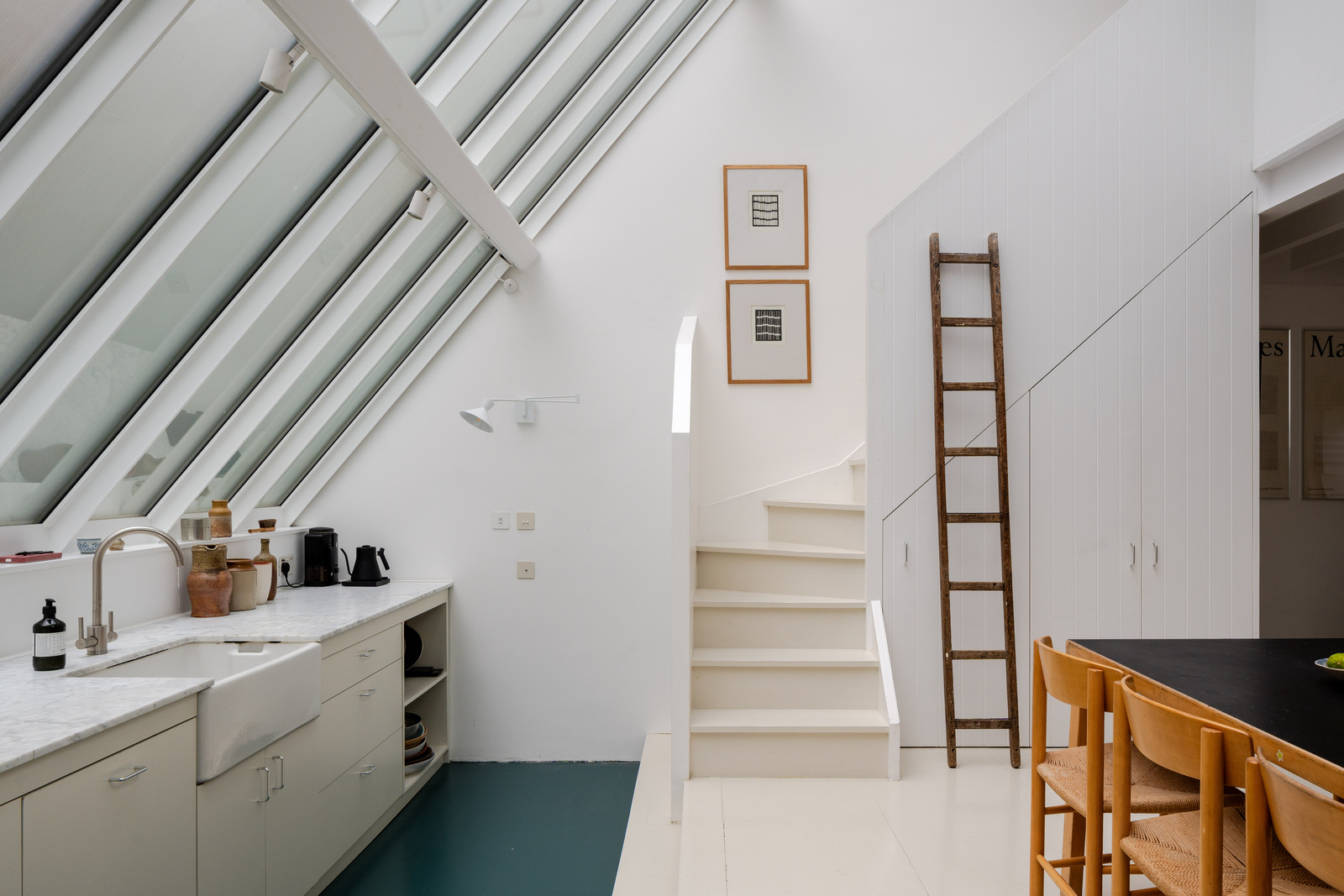
For years, the "open floor plan" has been the holy grail of modern residential design. We tore down walls to invite light and foster connection, only to find ourselves living in echoing "great rooms" where the sofa feels adrift and the kitchen smells invade the sanctuary of the lounge. The challenge of the modern home isn't just about opening space; it is about defining it without losing that precious sense of air and volume.
Enter the concept of "Internal Topography." By introducing varying floor levels and raised circulation paths, we can architecturally signal transitions between living zones. How do raised paths define living zones exactly? They create a subtle internal landscape that directs movement and separates functional areas—such as the master suite from the living area—through elevation rather than physical barriers. This approach allows a home to feel structured yet boundless.
The Power of the Raised Path: A Case Study in Flow
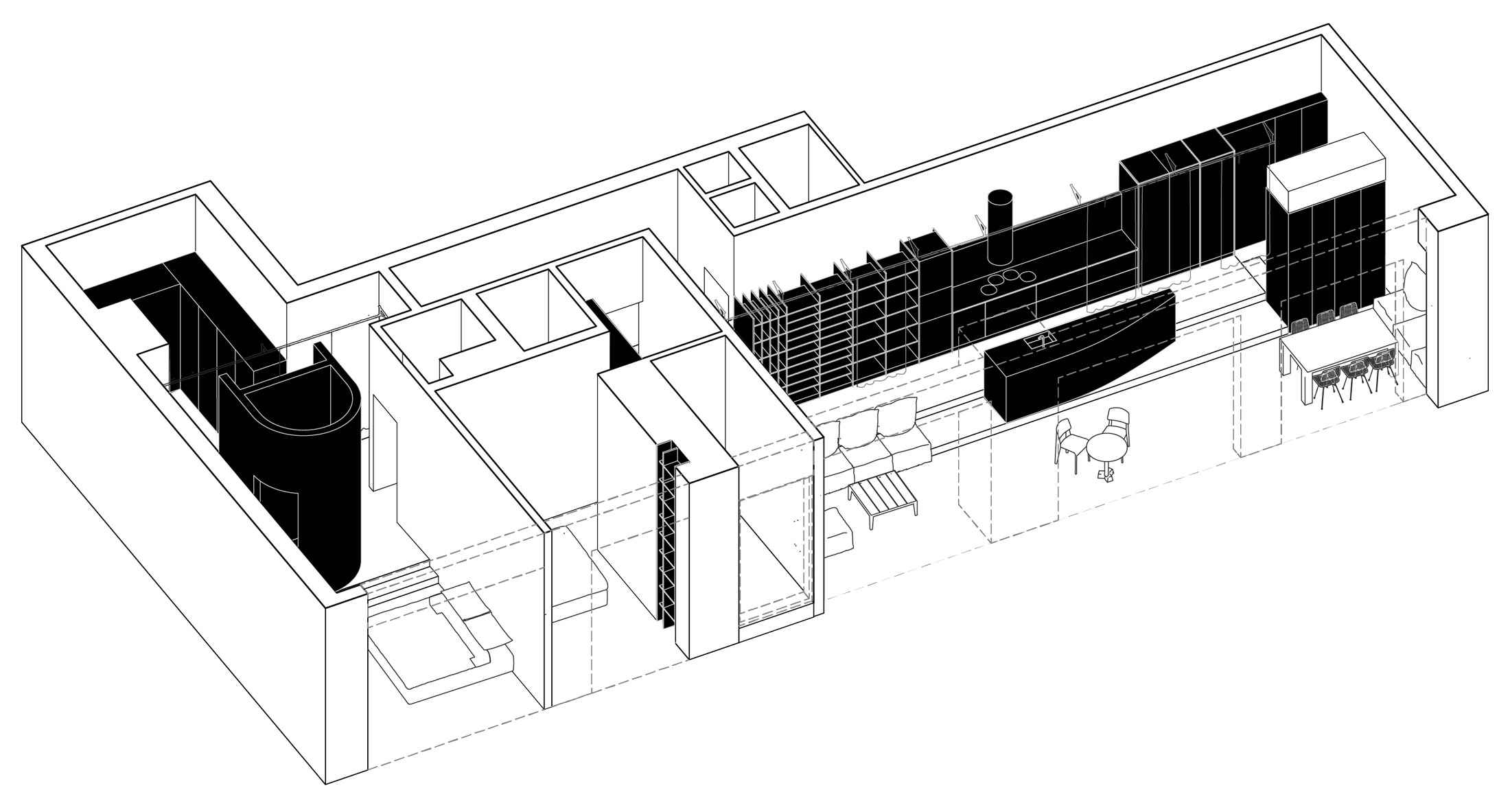
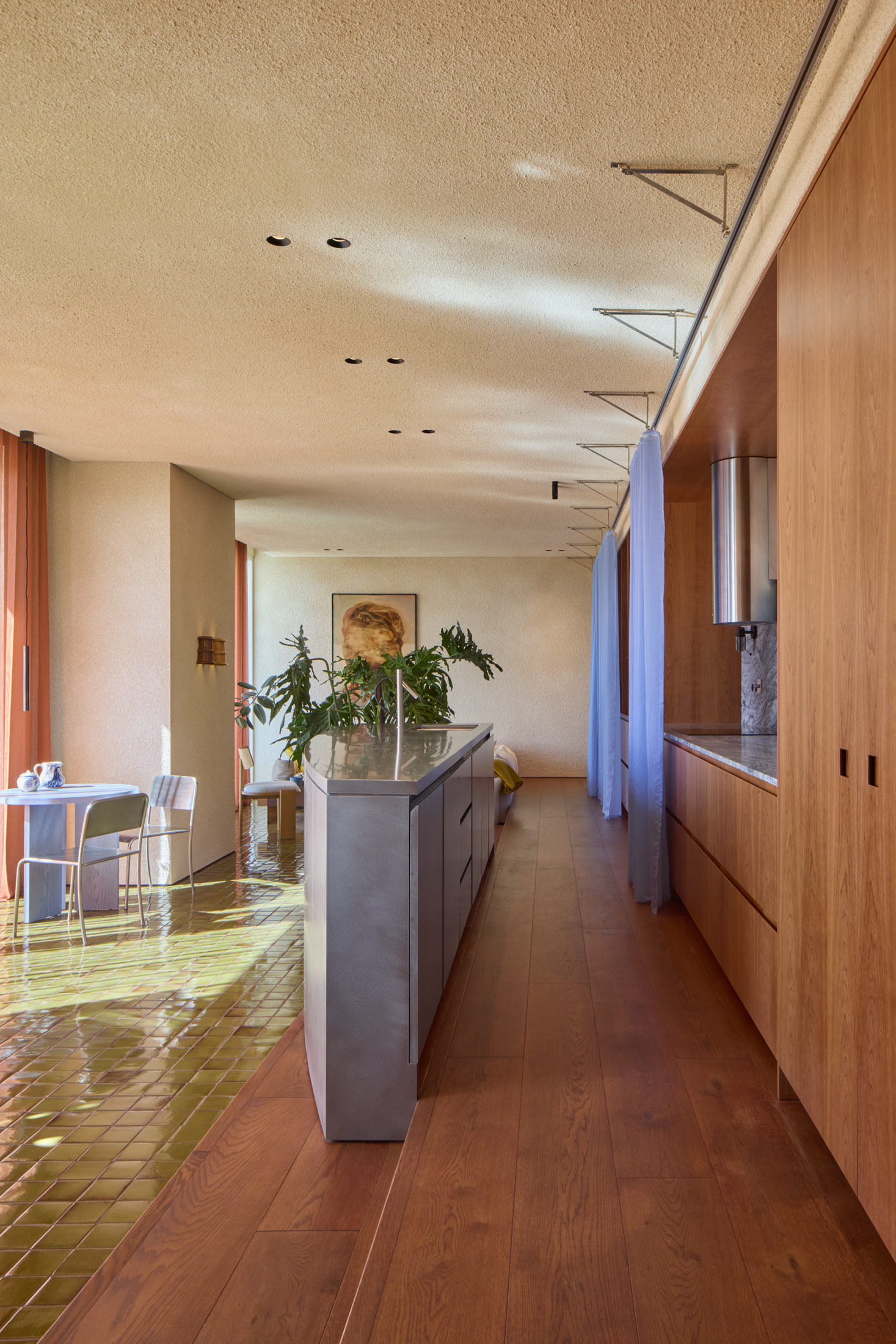
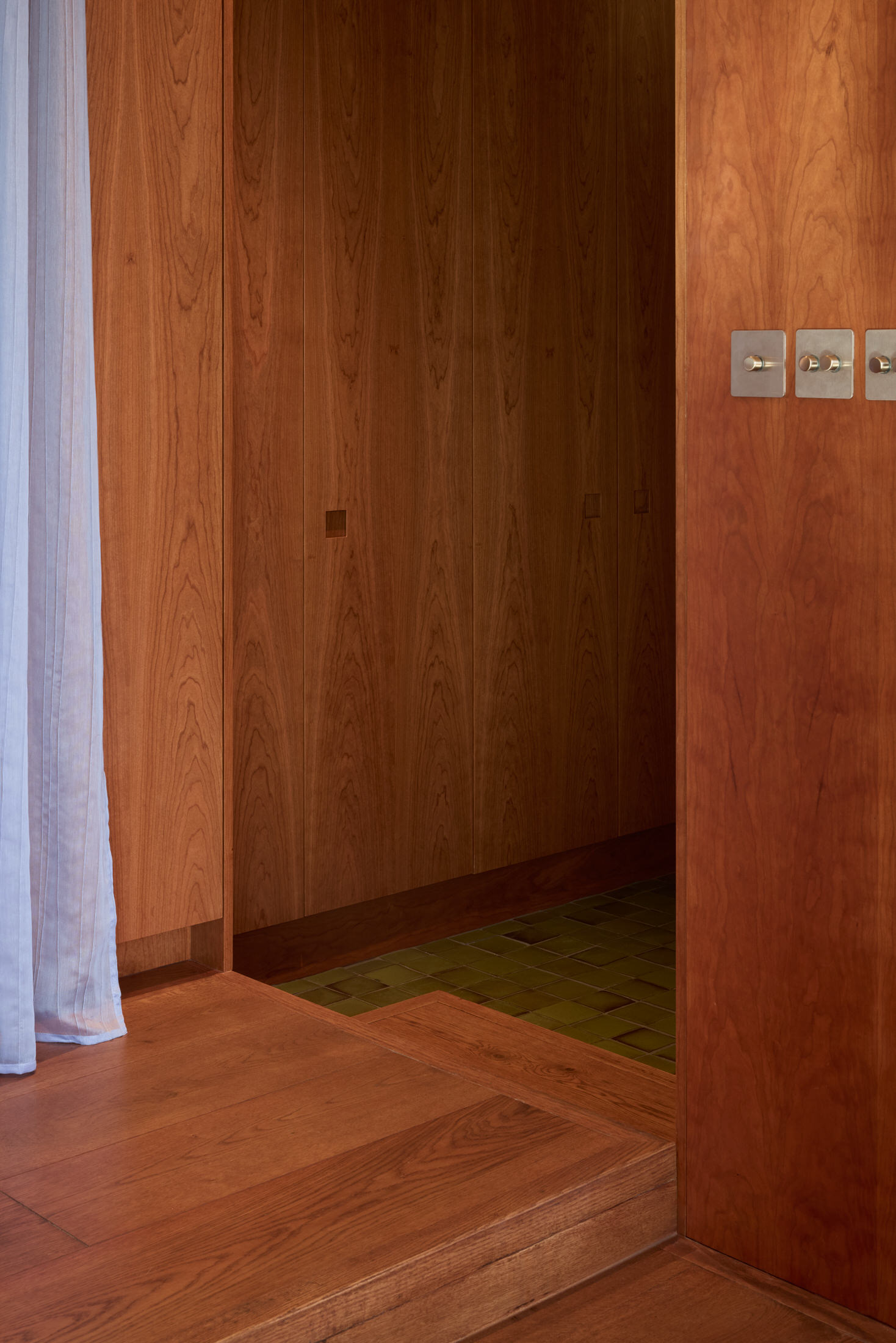
To understand the impact of elevation, we look to the Al Barari project by Bone Studio. Here, the traditional hallway is replaced by a raised timber pathway that acts as a guiding spine for the entire home. This isn't just a floor; it’s a navigational tool. By lifting the circulation path just a few inches above the "sunken" living areas, the designers created a psychological threshold.
Incorporating a raised circulation path like this can increase the perceived spatial volume of a 150-square-meter apartment by approximately 18% compared to traditional wall partitioning. This is because the eye is allowed to travel to the furthest corners of the room, yet the feet understand when they have moved from a "public" thoroughfare into a "private" sanctuary.
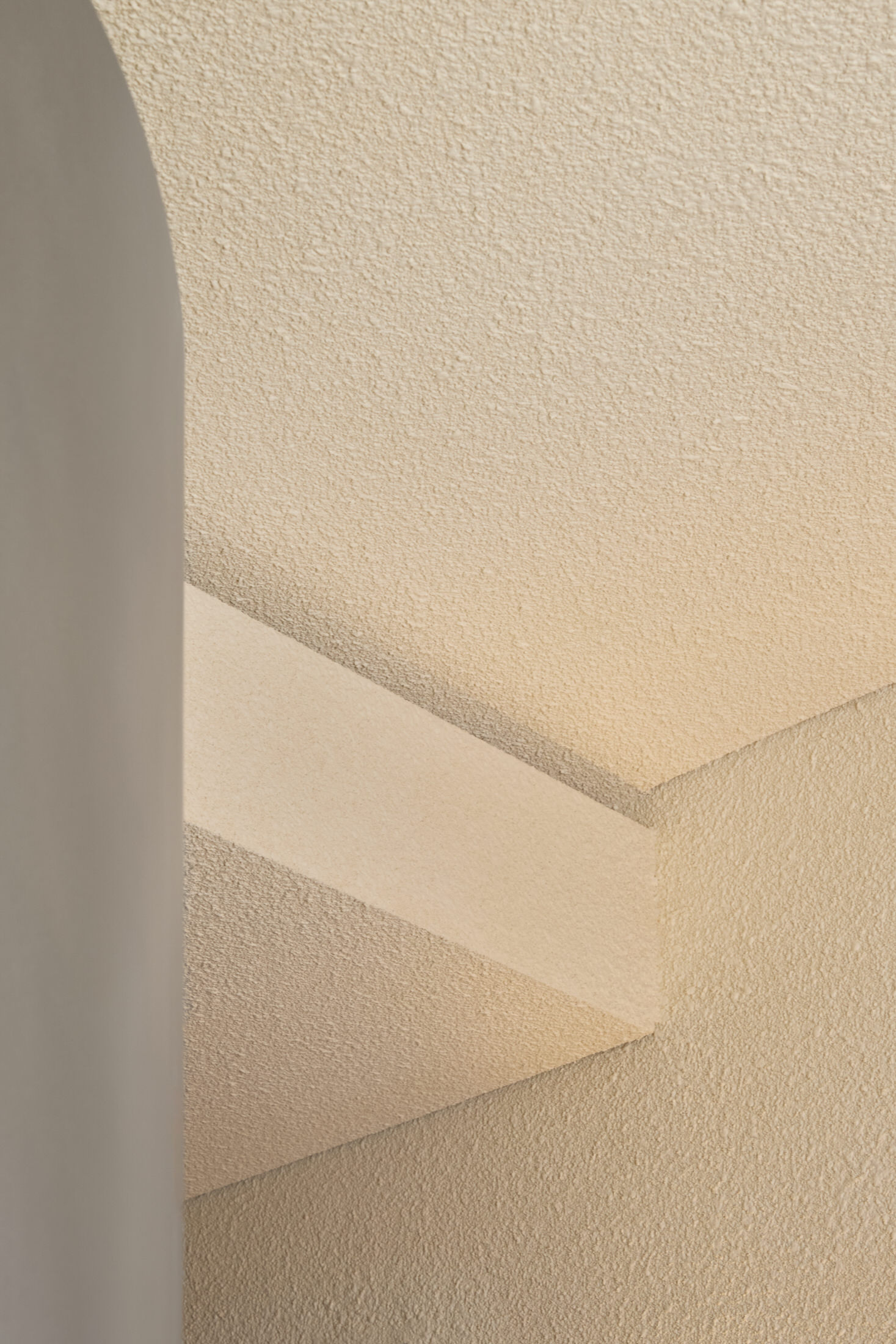
The materiality of these paths is crucial. In high-end modern designs, we see a blend of tactile lime-based stucco on the walls paired with warm timber on the raised sections. This contrast in texture grounds the pathway, making it feel like a permanent architectural feature rather than a temporary platform. When you step off the timber path onto a cool, stone-floored lounge, the shift in material tells your brain you’ve arrived in a place of rest.
Spinal Joinery: The Backbone of Wall-Free Zoning
If the raised path is the road, "spinal joinery" is the landmark that anchors it. Instead of placing cabinets against perimeter walls—which often makes a room feel smaller—modern designers are placing storage in the center of the plan.
Utilizing central spinal joinery for zoning reduces visual clutter by 35% while doubling the available storage capacity in open-concept living areas. Imagine a single, beautiful wood-paneled unit that houses the kitchen pantry on one side, a media center on the other, and a hidden coat closet at the end. It becomes a functional monolith that separates the kitchen from the living room without a single stud or sheet of drywall.
Editor’s Tip: When planning spinal joinery, ensure the unit stops just short of the ceiling. This allows the ceiling plane to remain continuous, which is the secret to keeping an open-plan space feeling vast and uninterrupted.
Mastering Internal Topography in Modern Apartments
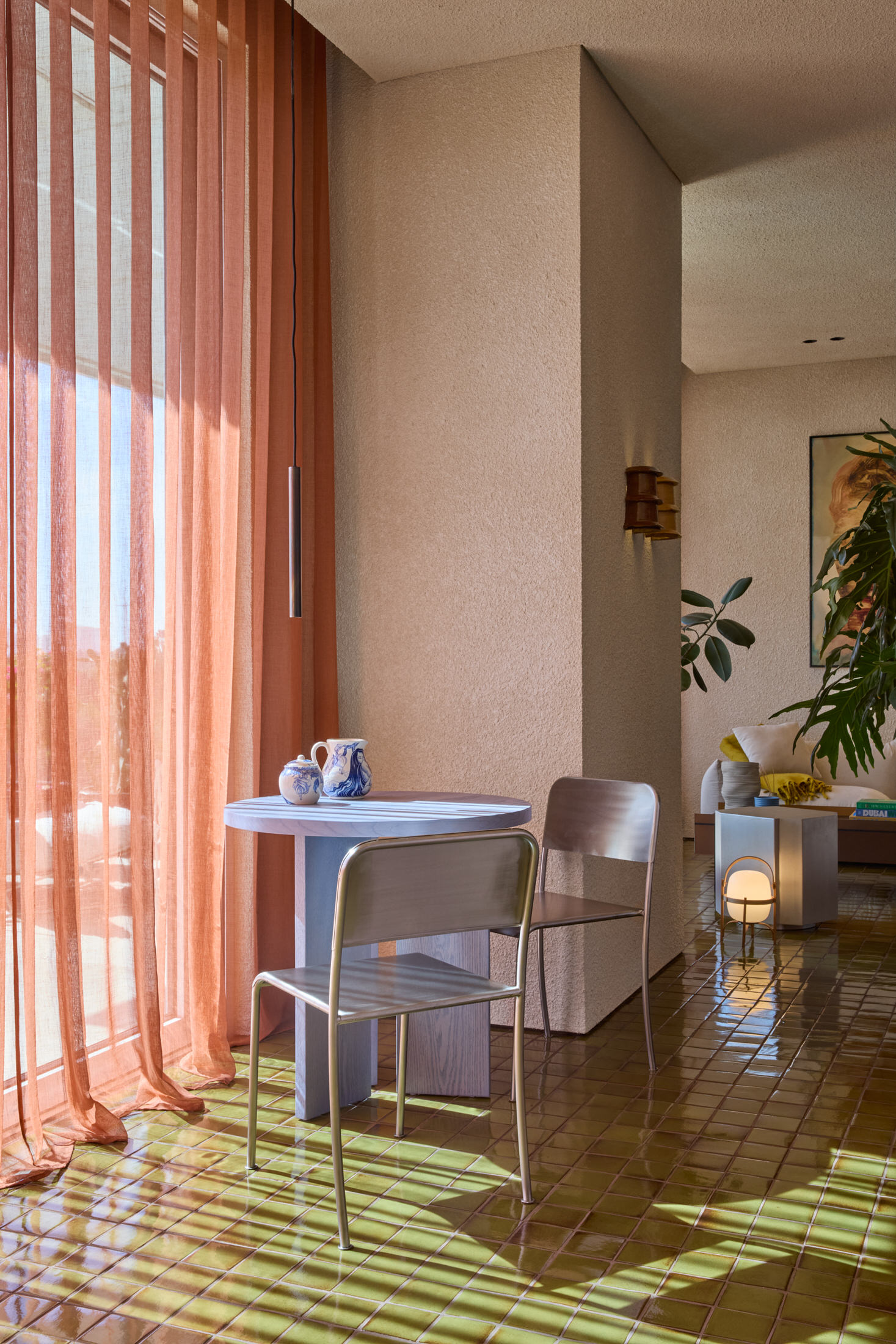
Why use internal topography in modern apartments? Introducing levels or raised paths allows for the clever reconfiguration of layouts, such as adding a second bedroom or a home office, while maintaining a sense of openness and architectural depth. In smaller city apartments, every square inch must work twice as hard.
When you drop the floor level for a living area—creating a modern "conversation pit"—you create a sense of intimacy. This technique is particularly effective in transitioning between public zones (the kitchen and dining area) and private zones (the master suite). By stepping "down" into a bedroom area, you feel a sense of enclosure and security, even if the "wall" between the rooms is merely a low-slung bookshelf or a change in floor height.
Essential Wall-Free Zoning Techniques
While raised paths are a structural commitment, there are several other effective methods for zoning without walls that you can apply at various budget levels.
- Anchoring with Area Rugs: An oversized rug is the easiest way to create a "room within a room." The edges of the rug act as invisible boundaries for furniture.
- Strategic Lighting: Using large pendants or chandeliers creates a vertical "anchor" for a zone. A low-hanging light over a dining table defines that space as a destination.
- Floating Furniture: Never push all your furniture against the walls. A "back-to-back" sofa arrangement—where one sofa faces the TV and a console or second seat faces the dining area—creates a clear functional split.
- Kitchen Islands as Natural Dividers: A substantial island acts as a bridge between the utility of the kitchen and the social nature of the living room.
| Strategy | Best For | Impact Level |
|---|---|---|
| Raised Platforms | Separating Bedrooms/Offices | High (Structural) |
| Material Contrast | Defining Entryways | Medium (Aesthetic) |
| Ceiling Soffits | Highlighting Dining Zones | Medium (Architectural) |
| Rug Layering | Anchoring Seating Areas | Low (Decor-based) |
Looking Ahead: 2026 Trends in Zoned Living
As we look toward the next few years, the "Great Room" is evolving into the "Social Core." We are seeing a rise in the "Interior Courtyard"—a glass-encased zone in the center of an apartment filled with plants or a single sculptural tree. This acts as a visual divider that brings nature and light into the deep floor plans of modern buildings.
Furthermore, flexible partitions like pocket doors and soft, heavy drapery are making a comeback. These allow for "adaptable privacy," where a space can be completely open for a party but cordoned off for a cozy movie night. The goal for 2026 is a home that breathes with its occupants—expanding and contracting as needed.
FAQ
Q: Are raised paths safe for households with young children or the elderly?
A: Safety is a priority. When designing raised paths, we recommend using integrated LED "pathway lighting" at the base of the levels and ensuring that the height difference is either a standard step height (approx. 15-18cm) or a very subtle, high-contrast transition that is easy to see.
Q: Can I implement internal topography in a rental?
A: Structural changes like raised paths are usually for owners, but renters can use "topographical furniture." Look for tiered shelving units, platform beds with integrated storage, or high-pile rugs to create a similar sense of varied levels.
Q: Does zoning without walls make a home harder to heat or cool?
A: Actually, it can improve airflow. Without walls to block vents, air circulates more freely. However, because heat rises, "sunken" living areas are often easier to keep cool in the summer, while raised platforms may feel warmer in the winter.
The modern home is no longer just a series of boxes. It is a landscape. By thinking like an architect and using paths, levels, and joinery to shape your space, you can create a home that feels both grand and intimate—a place where every zone has a purpose, and every step tells a story.