Quick Facts
- Location: Paris, France (A 1910 four-story walkup)
- The Project: A DIY vertical extension adding a two-story duplex to an existing historic building.
- The Secret Weapon: La Loi ALUR (2014), a French law that simplifies purchasing roof rights to increase urban density.
- Materials: 100% organic wood and cork insulation, chosen for their lightweight properties and sustainability.
- Timeline: 5 years of legal negotiations followed by 18 months of active construction.
- Key Benefit: Vertical expansion allows homeowners to gain significant square footage in dense cities without the cost of a new lot.
Have you ever looked at the roof of your building and seen more than just shingles and chimneys? For Valentina and Sébastien Nobile, the founders of the artisan glass brand La Soufflerie, the roof of their 1910 Parisian walkup wasn’t just the top of their home—it was the foundation for their future. In a city where space is the ultimate luxury, the couple didn't look for a new house; they looked up.
Adding a duplex to a historic building might sound like a pipe dream, but in Paris, it’s a reality made possible by a specific piece of legislation called La Loi ALUR. Passed in 2014, this law encourages "urban densification" by making it easier for homeowners to purchase roof rights from their co-property associations. The result for the Nobiles? A stunning, "treehouse-style" vertical extension that blends 20th-century heritage with 21st-century DIY grit. If you’ve ever felt cramped in your urban apartment, this is how you can leverage structural ingenuity and a bit of legal patience to build the home of your dreams.
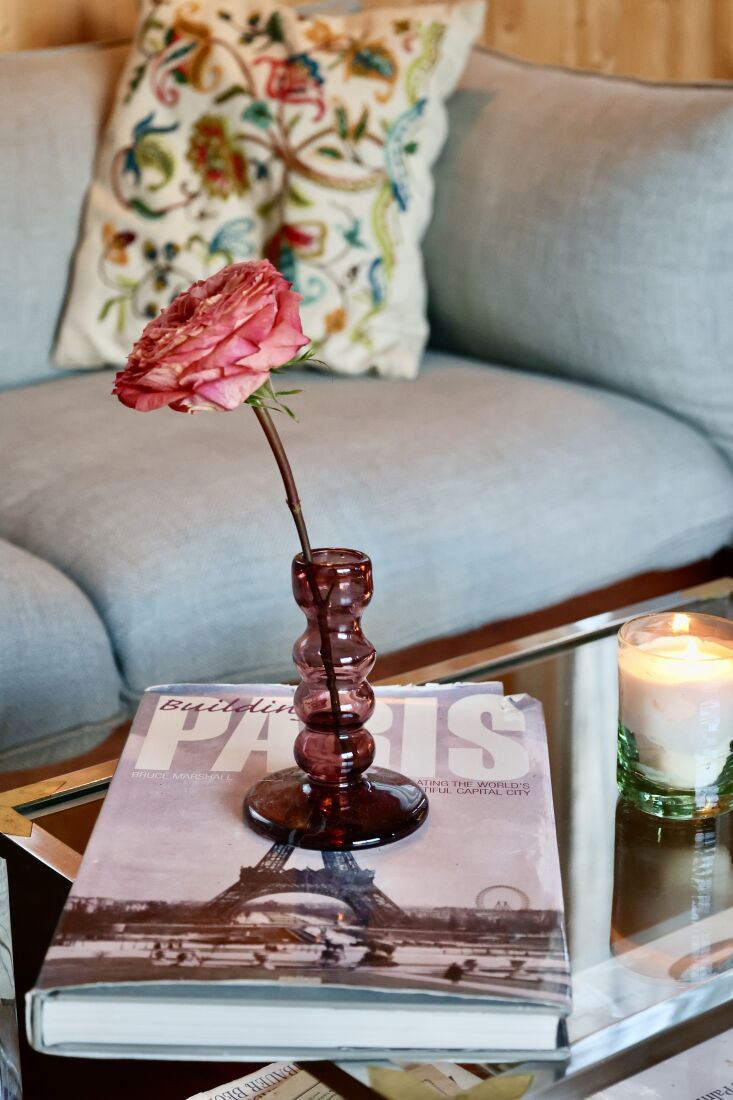
The Legal Blueprint: Navigating Roof Rights
Before you can pick up a hammer, you have to pick up a pen. In many historic cities, the biggest hurdle isn't the construction—it’s the permission. In the case of the Nobiles, securing the rights to build on top of their building was a marathon, not a sprint. They spent five years negotiating with their neighbors and the city.
The breakthrough came via La Loi ALUR. This law removed many of the previous restrictions that prevented building upward, provided the new structure meets strict urban planning and structural safety requirements. To follow in their footsteps, you need to prove two things:
- Structural Integrity: An engineer must certify that the 100-year-old foundations can handle the weight of an additional two stories. This is why choosing lightweight materials is non-negotiable.
- Aesthetic Compatibility: In a city like Paris, your new roof can't look like a spaceship landed on a classic building. The height, slope, and materials must respect the existing "skyline" and neighborhood character.
Clara’s Pro Tip: If you're considering a vertical addition, start by hiring a structural engineer to perform a "load-bearing audit." Knowing your building’s limits early will save you thousands in rejected architectural plans.
Materiality & Eco-Conscious Design: Why Wood and Cork?
When you’re building on top of a 1910 masonry structure, every pound matters. Traditional brick and mortar are often too heavy for old foundations to support without massive (and expensive) reinforcement. The Nobiles solved this by turning to a "Swiss Family Robinson" palette of materials: 100% organic wood and cork.
By using a prefabricated wooden framework, the couple ensured the structure was significantly lighter than traditional construction. But the real star is the cork insulation. Unlike fiberglass or foam, cork is a renewable resource that provides incredible thermal and acoustic insulation—essential when you’re living high above a noisy Parisian street.
| Material | Why it Works for Historic Rooftops | Eco-Factor |
|---|---|---|
| Timber Frame | Lightweight; distributes weight evenly. | Carbon-sequestering and renewable. |
| Cork Insulation | High R-value; naturally fire-resistant. | 100% organic and biodegradable. |
| Zinc Roofing | Traditional look; extremely durable. | Recyclable and weather-resistant. |
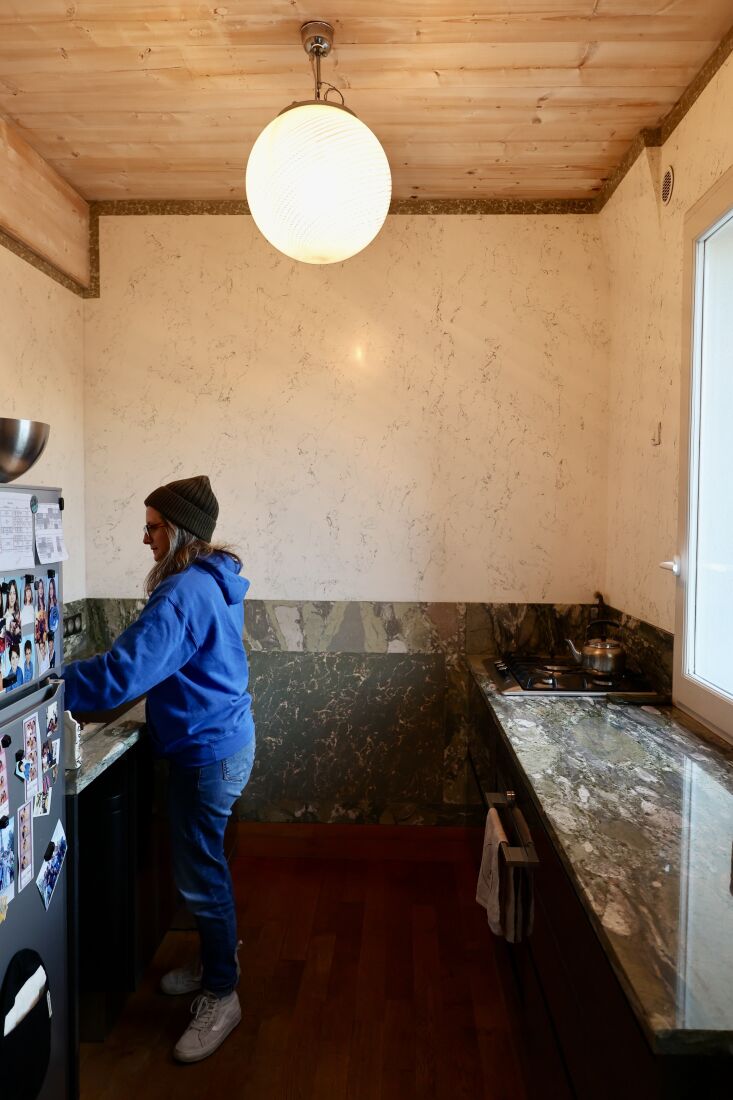
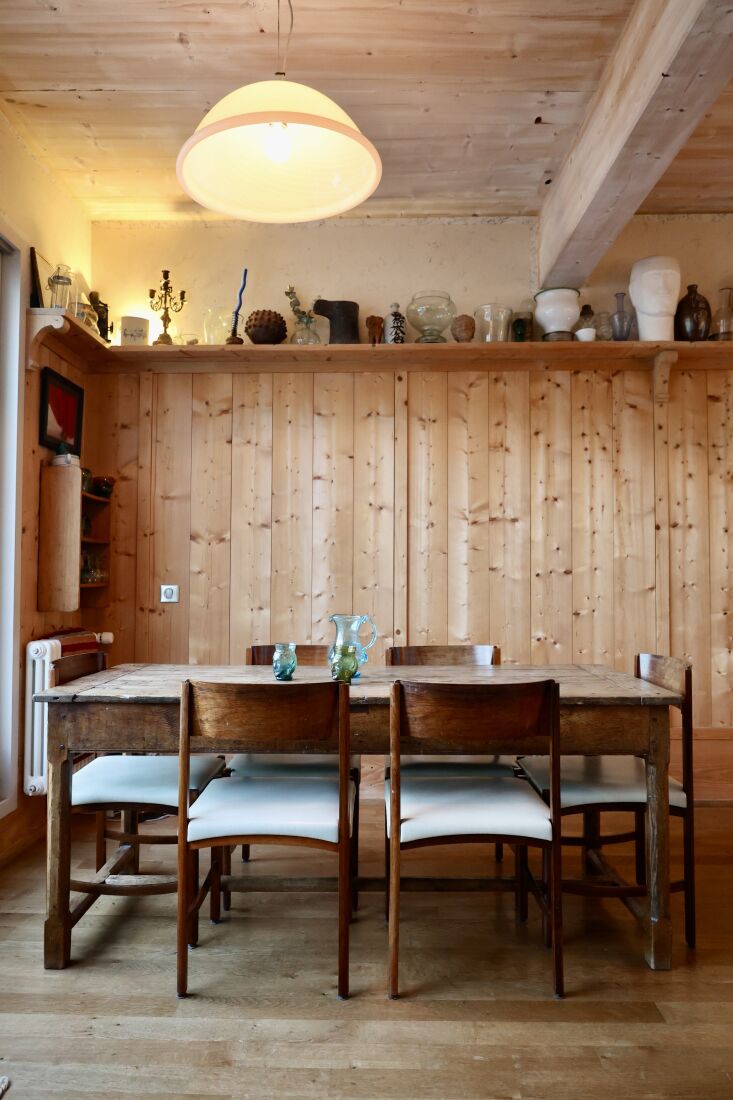
Living without drywall was a conscious choice for the Nobiles. They left the wooden beams and cork-lined walls exposed in many areas, giving the duplex an organic, cabin-like feel that contrasts beautifully with the grey stone of the city outside.
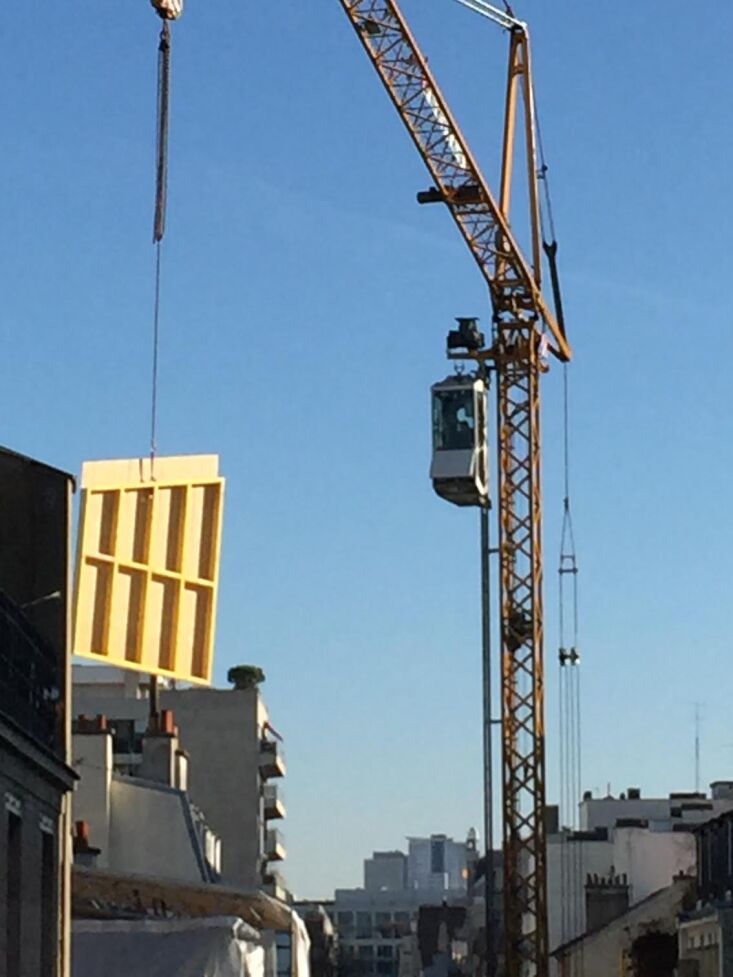
The Construction Phase: 'Tetris' in the Sky
Once the five-year legal battle was won, the actual construction took a relatively swift 18 months. However, building in a dense urban environment requires the precision of a surgeon and the nerves of a tightrope walker.
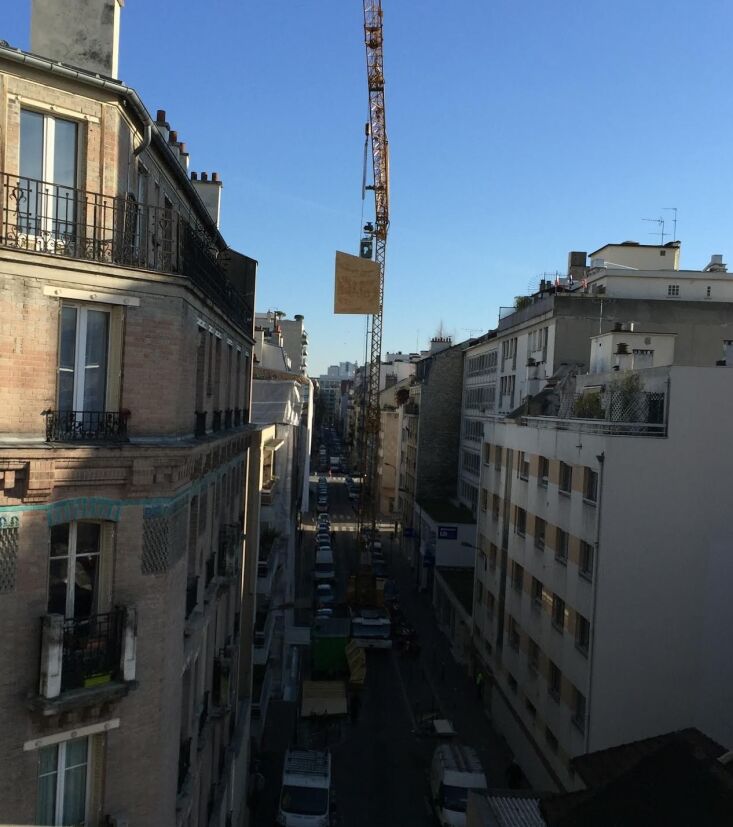
The Nobiles collaborated with architect William Wick and the specialists at Paris Charpente. Because the site had no ground-level storage space, the project relied on prefabrication. Large sections of the wooden walls were built off-site and then "dropped in place" via a massive crane.
Imagine watching your living room wall fly over a 19th-century street and land perfectly on a 1910 rooftop. It’s like a high-stakes game of Tetris. This "drop-in" method is the most efficient way to build an urban rooftop duplex because it minimizes neighborhood disruption and reduces the time the building’s interior is exposed to the elements.
Interior Design: Blending Heritage with Modernity
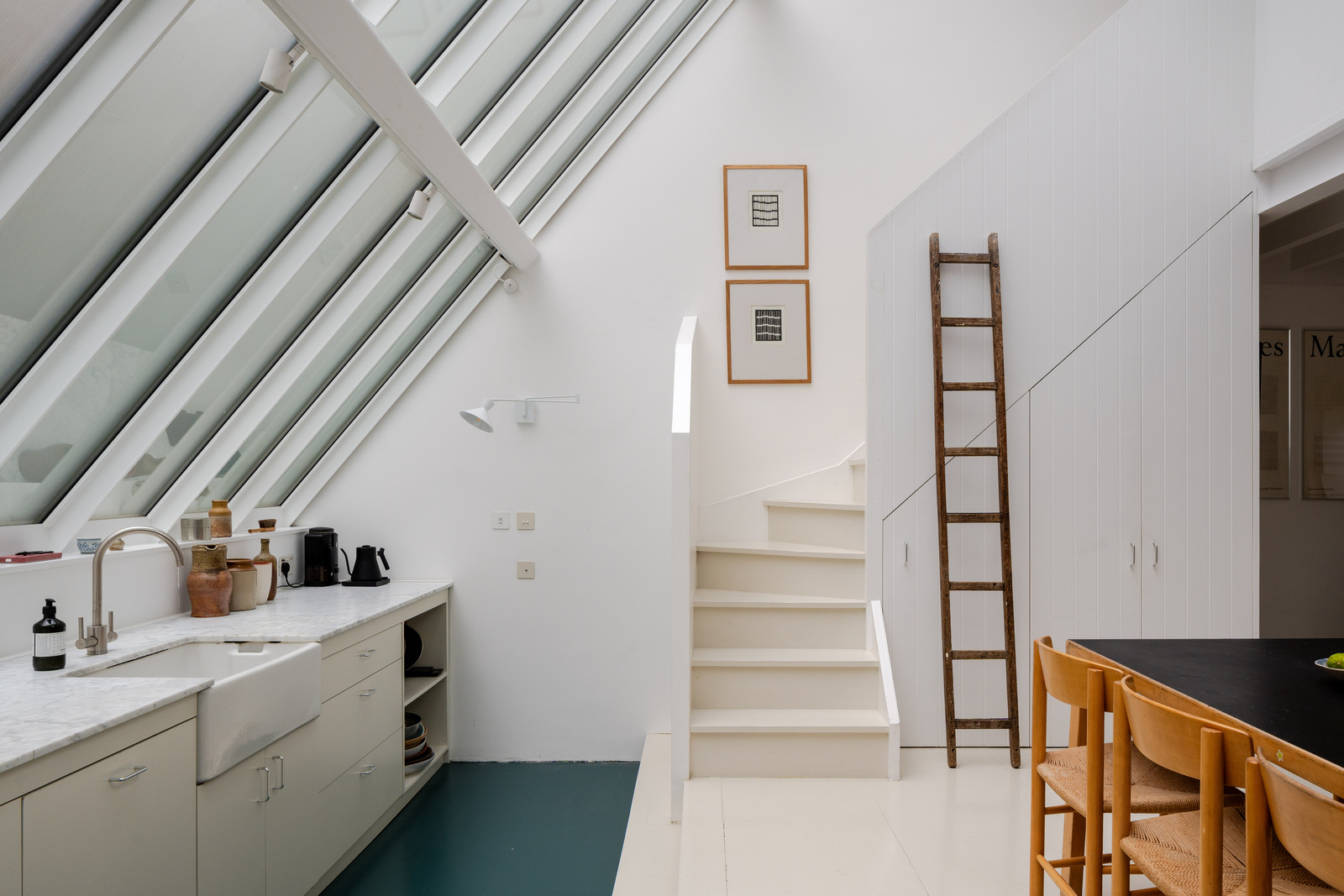
Inside the duplex, the goal was to make the new addition feel like it had always been there—or at least like it belonged. One of the most striking features is the winding staircase. To maintain the building's 1910 soul, the couple designed the staircase with custom iron rails that mimic the original ironwork found in the building’s main stairwell.
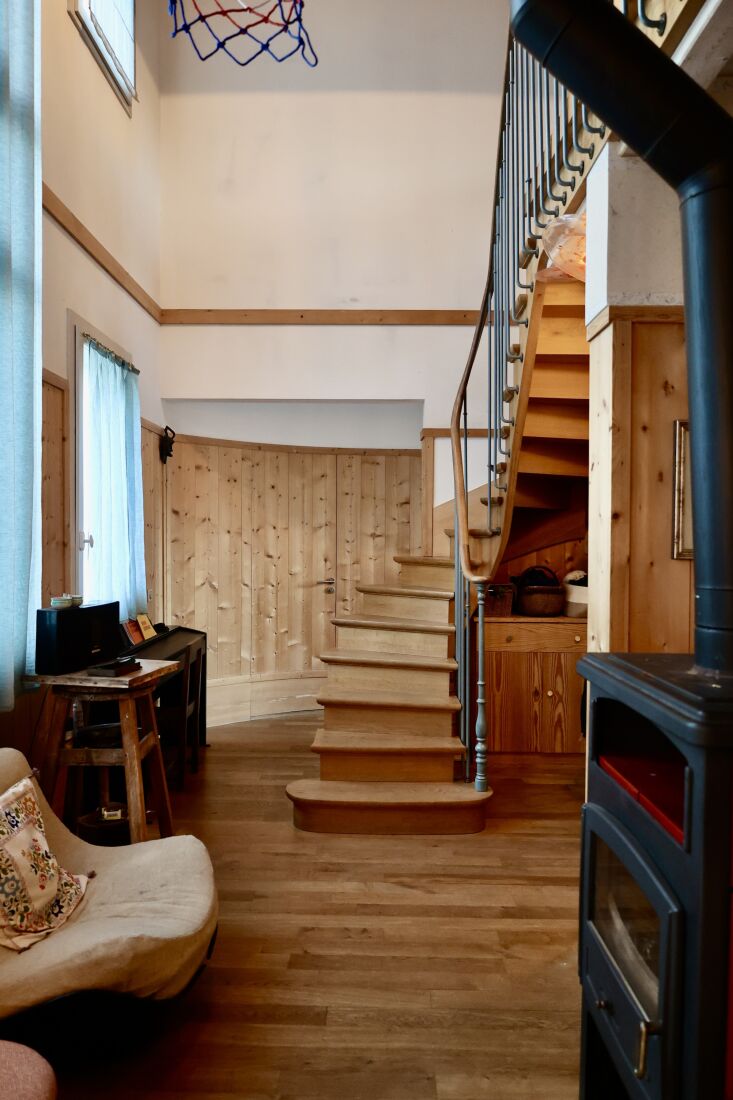
The finishes are where the "DIY" meets "high-end artisan." Instead of modern plastic-based paints, they used stuc marbre (marble stucco), a traditional Parisian technique where pigmented stucco is polished to a high shine to imitate stone. This was paired with waxed oak flooring, creating a warm, grounded environment.
The furniture continues this story. The Nobiles integrated inherited 1930s pieces, blending their family history with the brand-new walls. It’s a lesson in "Heritage Modern": you don’t have to choose between a historic feel and a modern layout.
Guidelines for Historic Additions
If you’re feeling inspired to look at your own roof, here are the three golden rules for ensuring your addition is a success:
- Scale and Massing: Your addition should never "overpower" the original building. A common strategy is to "set back" the top floor so it isn't visible from the street directly below, preserving the historic facade.
- Material Harmony: While the inside can be modern, the exterior should use a palette that reflects the local vernacular. In Paris, that means zinc and slate; in London, it might be reclaimed brick.
- The "Invisible" Connection: The point where the new structure meets the old is the most vulnerable to leaks. Spend the extra money on high-quality flashing and professional waterproofing.
Choosing the Right Duplex Plan for Your Lot
Not all vertical expansions are created equal. When planning your layout, consider the "Vertical Strategy":
- The Stacked Layout: This is what the Nobiles used. The lower floor of the duplex contains the "public" spaces (kitchen, dining, living), while the upper floor, tucked into the roofline, contains the private bedrooms. This maximizes natural light where you need it most.
- The Narrow Lot Strategy: If your building has a small footprint, use a double-height ceiling in the living area with a mezzanine. It creates a sense of volume that makes a small space feel like a mansion.
- The Outdoor Integration: If you're building up, you must include a rooftop terrace. Even a small "Juliet" balcony adds immense resale value and provides that "urban oasis" feel.
FAQ
What is the average size of a DIY rooftop duplex? In urban centers like Paris or New York, these additions typically range from 600 to 1,200 square feet. The Nobiles' project successfully added two full stories of living space to their four-story walkup.
Is building up cheaper than buying a larger home? Generally, yes—if you already own the top-floor unit. While construction costs per square foot are higher due to crane rentals and structural reinforcements, you are not paying the "land cost" of a new lot, which in cities like Paris can be 50-70% of a property's value.
How do I ensure my 1910 building can support a second story? You must hire a structural engineer to perform a "core sample" test of the foundations and a "load-bearing wall" analysis. Using lightweight materials like the wood and cork mentioned in this article is often the only way to make these projects viable on older buildings.
Ready to Reach for the Sky?
Building a DIY duplex on a historic building isn't for the faint of heart—it’s a journey of legal hurdles, architectural precision, and creative material choices. But as Valentina and Sébastien Nobile proved, the reward is a home that is truly one-of-a-kind. By leveraging laws like La Loi ALUR and choosing eco-friendly, lightweight materials, you can create a modern sanctuary that honors the past while giving you the space you need for the future.