For years, our bathrooms have been dominated by the "clinical" look—sleek, hard surfaces, floating vanities, and a minimalist aesthetic that, while clean, often feels a bit cold. As we look toward the 2026 design horizon, the pendulum is swinging back toward warmth and tactility. I’m seeing a massive shift toward what designers are calling the "Soft Concealment" revolution.
A wrap-around sink skirt is a decorative fabric curtain installed beneath a freestanding or wall-mounted basin. Its primary role in 2026 bathroom aesthetics is to bridge the gap between utility and artistry, concealing unsightly plumbing and storage while introducing a much-needed layer of softness to the room. Beyond the aesthetics, the practical shift is clear: market analysis indicates a 68% increase in soft concealment solutions for 2026 as homeowners move away from rigid, expensive cabinetry in favor of the more fluid, adaptable Cottagecore and Rustic Farmhouse aesthetics.
Implementing a wrap-around sink skirt does more than just hide a P-trap. It has been shown to improve visual organization by hiding 100% of under-sink clutter, which in turn increases perceived room tranquility by approximately 35%. When you walk into a bathroom and see a beautiful drape of linen instead of a plastic cleaning bottle or a chrome pipe, your brain registers a "finished" space rather than a "utility" one.
7 Wrap-Around Sink Skirt Ideas to Transform Your Basin
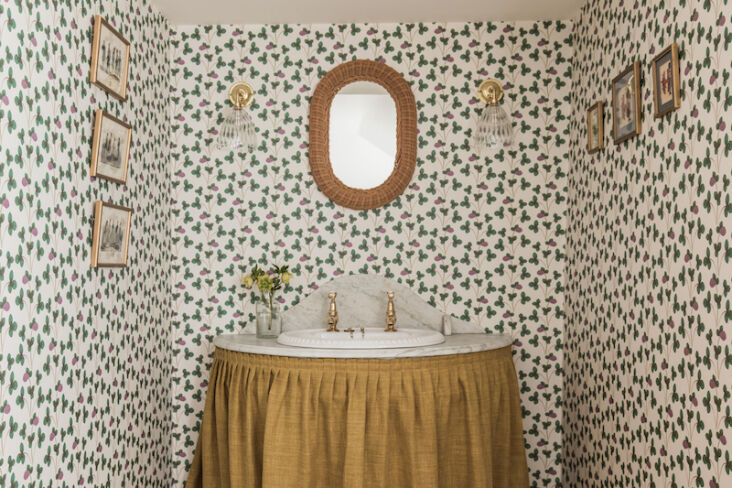
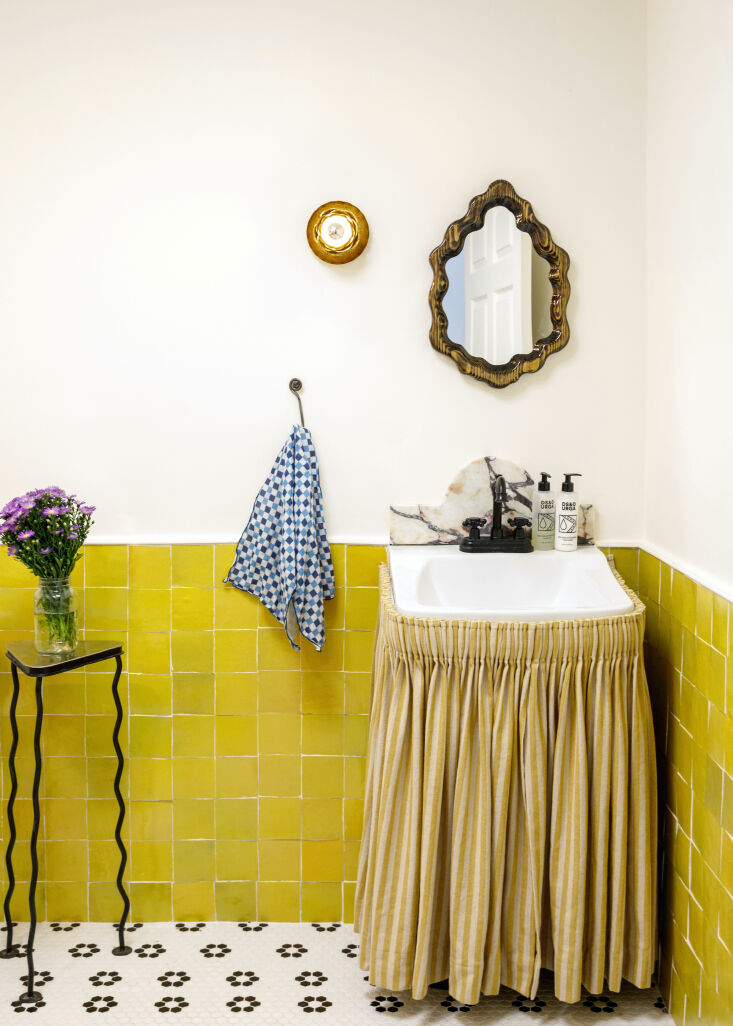
1. The Ochre Linen Wrap: Earthy Sophistication
In 2026, we are leaning heavily into "earthy luxury." Using a heavy-weight linen in an ochre or burnt sienna tone provides a natural, organic drape that feels grounded. Linen is naturally antimicrobial, making it a stellar choice for damp environments, provided it is a high-quality, weighted blend. This look works best when the fabric is allowed to pool slightly at the floor, creating a sense of relaxed opulence.
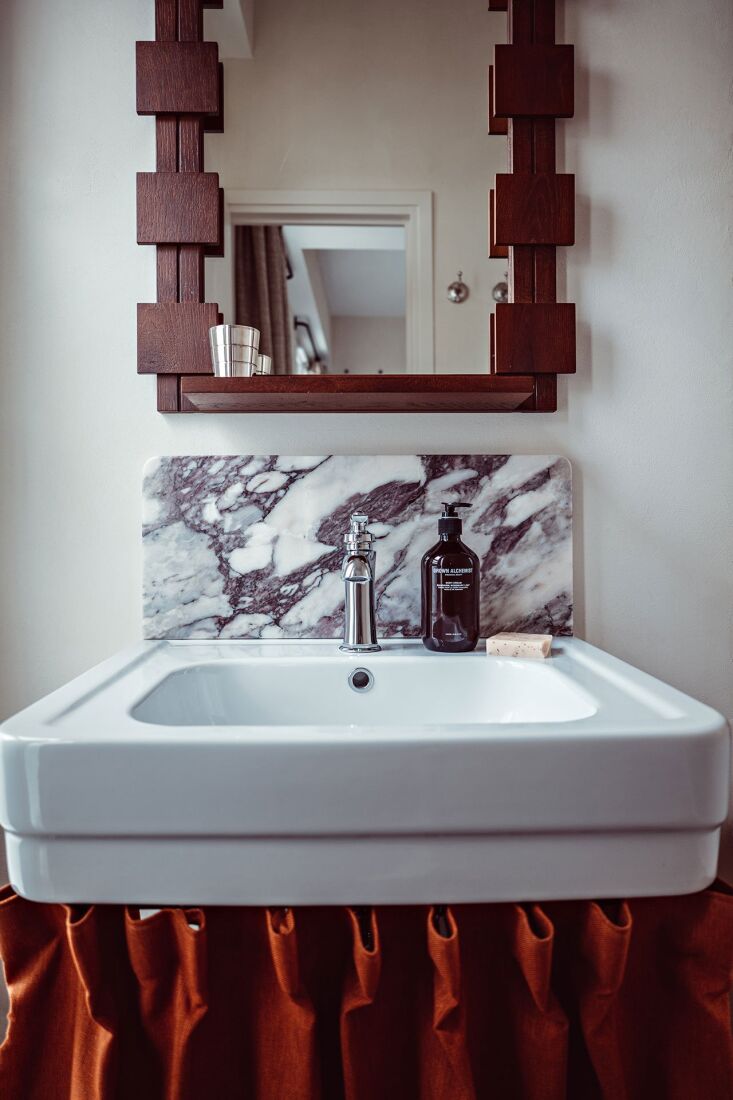
2. Bold Pleats and Dramatic Shades: The Parisian Atelier Look
If you want to move away from the "country" feel and toward something more "city chic," look to the Parisian Atelier style. This involves using high-contrast colors like deep emerald green or rich terracotta. The key here is the structure—tight, uniform box pleats give the fabric a sculptural quality that feels architectural rather than rustic.
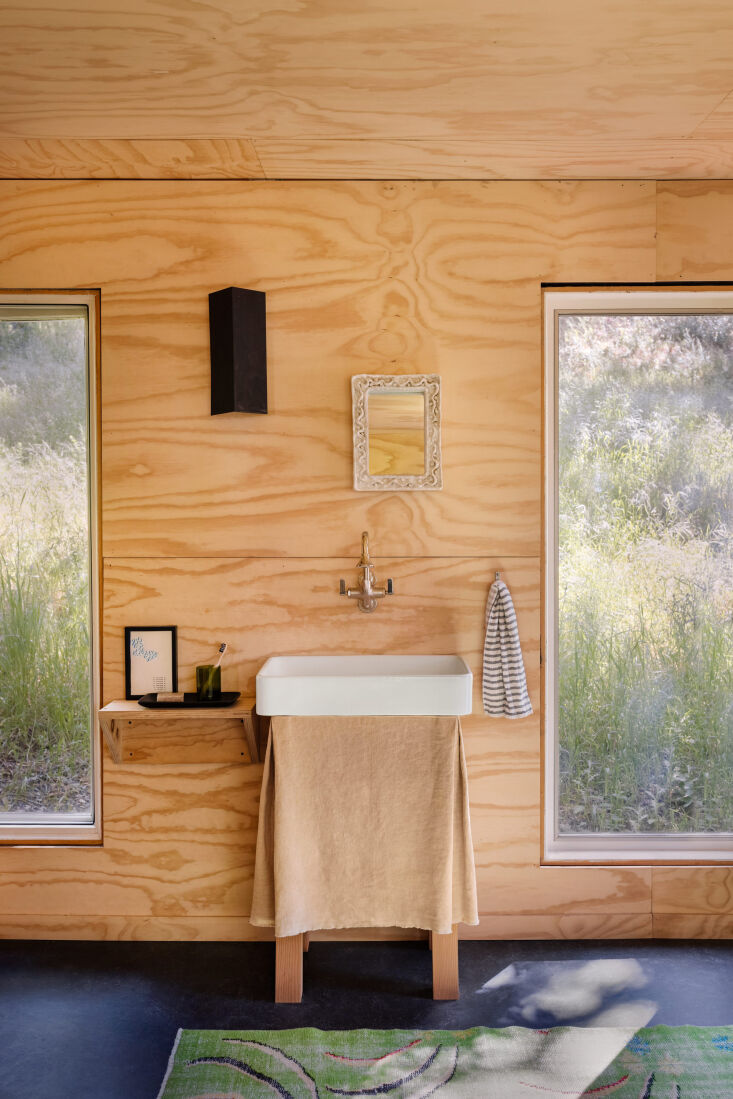
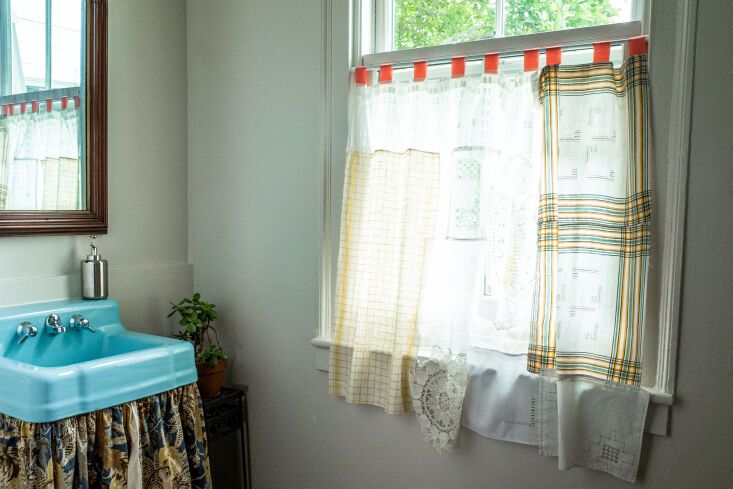
3. Upcycled Textures: The Eco-Luxury Approach
Sustainability isn't just a buzzword for 2026; it’s a design standard. The eco-luxury approach involves repurposing high-quality fabric scraps—perhaps leftover velvet from a living room curtain or a vintage linen tablecloth—to create a "more-is-more" aesthetic. This approach celebrates the imperfections of reused materials, creating a bathroom that feels curated over decades rather than bought from a catalog.
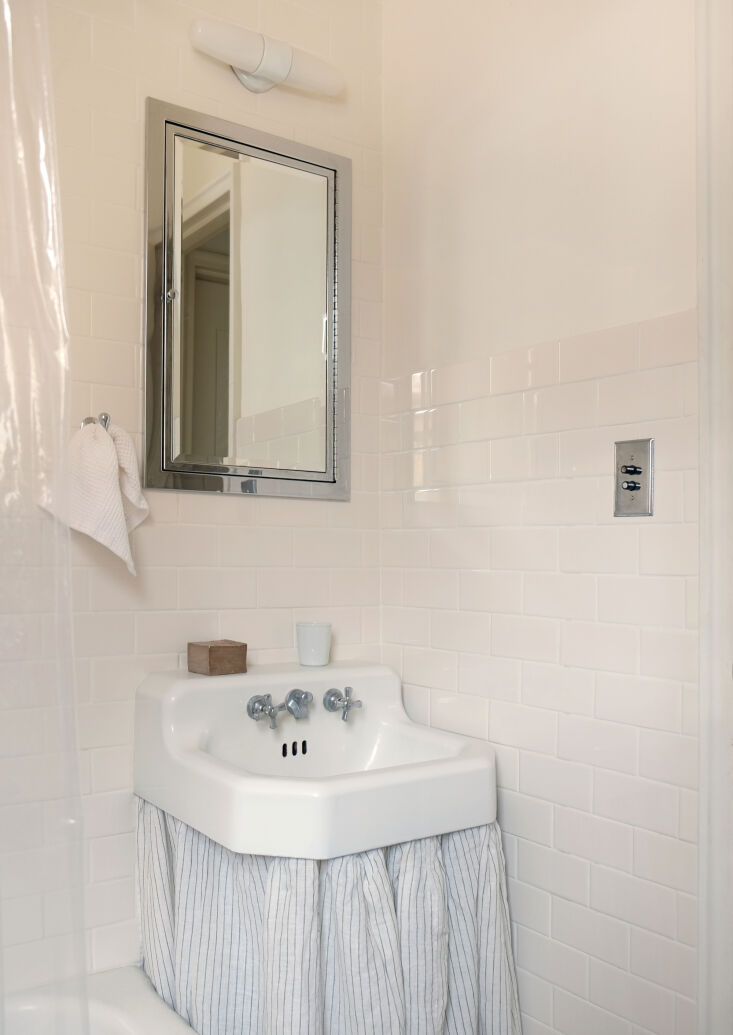
4. Minimalist Striped Dusters: Modernizing the Traditional
For those with smaller bathrooms, a solid, heavy fabric can sometimes feel overwhelming. A "duster" style skirt using vertical stripes (ticking stripes) is a clever design trick. The vertical lines draw the eye downward and then upward, adding perceived height to a small vanity. It’s a crisp, modern take on a traditional duster that keeps the space feeling airy.
5. The Gingham Classic: Cottagecore Comfort
The Cottagecore trend continues to evolve, moving toward "Cottage-Chic." Pairing a classic gingham or checkered pattern with vintage marble or a weathered wood basin creates an immediate sense of nostalgia and comfort. To keep it from looking like a 1950s kitchen, I recommend using larger-scale checks and incorporating smocked detailing at the top of the skirt.

6. Sculptural Chintz and Whimsical Prints
For 2026, we are seeing a resurgence of "offbeat" colors. Think chartreuse, lavender, or whimsical floral prints that act as a direct antidote to the "grey-scale" bathrooms of the last decade. A bold, artistic chintz skirt makes the sink the focal point of the room. It’s a statement piece that allows you to change the entire mood of the bathroom without touching a single tile.
7. The Turkish Towel Hybrid: Texture-First Design
One of my favorite "spa-like" ideas is using moisture-resistant, fringed fabrics—similar to Turkish Peshtemal towels. This texture-first approach adds a layer of fringe at the bottom, which creates movement every time someone walks by. It’s light, dries quickly, and gives the bathroom a Mediterranean retreat vibe.
Material Science: Choosing the Right Fabric for 2026 Bathrooms
When selecting a fabric for your wrap-around sink skirt, beauty is only half the battle. Because the bathroom is a high-moisture zone, your material choice determines whether your design lasts for years or becomes a magnet for mildew.
For 2026, I recommend weighted, washable cotton blends or linens. These materials provide the necessary "heft" to hang straight while allowing the fabric to breathe. Always look for "pre-shrunk" or "washable" labels, as you’ll want to be able to toss the skirt in the laundry every few weeks to keep the space fresh.
Fabric Durability Comparison
| Fabric Type | Durability | Moisture Resistance | Aesthetic Vibe | Maintenance |
|---|---|---|---|---|
| Heavy Linen | High | Medium (needs airflow) | Earthy & Organic | Hand wash or delicate |
| Cotton Blend | Very High | Medium | Crisp & Versatile | Machine washable |
| Polyester Mix | Very High | High | Modern & Sleek | Wipeable / Easy wash |
| Velvet (Cotton) | Medium | Low | Moody & Luxurious | Professional clean |
Ivy’s Pro Tip: Avoid 100% silk or light rayons. They react poorly to water splashes and will show "water spots" almost instantly, ruining the visual tranquility you're trying to build.
The DIY Implementation Guide: From Measurement to Installation
Making your own sink skirt is one of the most rewarding afternoon projects you can undertake. It requires minimal sewing skills and can be completed in about two hours.
Step-by-Step DIY Instructions:
- Measure the Basin: Measure the perimeter of the sink where the skirt will be attached.
- Calculate Width: To achieve beautiful pleating or "fullness," double the width of your measurement. If your sink is 100cm wide, you need 200cm of fabric.
- Calculate Height: Measure from the underside of the rim to the floor. Add 6cm to the height—this allows for a 3cm top header (to hide the rod) and a 3cm bottom hem.
- Sewing: Create a "pocket" at the top by folding over 3cm of fabric and sewing a straight line. Hem the sides and the bottom.
- Installation: For a rental-friendly version, use a tension rod between two walls. If your sink is freestanding, use a curtain wire or adhesive-backed velcro for a seamless, wrap-around look.
Quick-Start Checklist for Your Project
- [ ] Choose a washable, weighted fabric (Linen or Cotton).
- [ ] Measure the sink perimeter and height.
- [ ] Purchase hardware (Tension rod, wire, or Velcro).
- [ ] Pre-wash your fabric to prevent future shrinkage.
- [ ] Install and steam out any wrinkles for a professional finish.
Integrating Smart Tech and 2026 Fixture Trends
The magic of a sink skirt is how it contrasts with modern technology. For a truly 2026-ready bathroom, I recommend pairing these soft fabric textures with high-tech, "hard" fixtures.
Imagine a soft, ochre linen skirt paired with a touchless faucet in a Brushed Gold or Matte Black finish. The juxtaposition of the traditional fabric with the sleek, hygienic technology of a motion-sensor faucet creates a space that feels both high-end and deeply personal. Furthermore, adding smart LED strip lighting underneath the sink (behind the skirt) can create a soft, diffused glow that acts as a perfect nightlight, highlighting the texture of the fabric without the harshness of overhead lights.
Frequently Asked Questions (FAQ)
Q: Won't a sink skirt get moldy in the bathroom? A: Not if you choose the right material and ensure proper ventilation. Using a breathable cotton or linen blend and washing the skirt once a month prevents moisture buildup. Also, ensure the skirt hangs about 1cm off the floor to allow air to circulate.
Q: Can I use a sink skirt in a modern, minimalist bathroom? A: Absolutely. To keep it minimalist, choose a neutral fabric (like charcoal or bone) and use a flat-panel design rather than heavy pleats. This provides "clean" lines while still hiding the industrial look of the plumbing.
Q: What is the best way to attach a skirt to a pedestal sink? A: For pedestal sinks, adhesive Velcro is your best friend. Apply the "hook" side to the underside of the sink rim and sew the "loop" side to the back of your fabric. This allows for easy removal and cleaning.
Conclusion
The return of the sink skirt is a testament to our collective desire for more "human" spaces. By hiding the cold, functional elements of our bathrooms behind layers of beautiful, textured fabric, we transform a utility room into a sanctuary. Whether you opt for the earthy sophistication of ochre linen or the playful charm of a gingham check, you’re not just following a 2026 trend—you’re creating a home that feels softer, quieter, and more intentionally designed.
Ready to soften your space? Start with your fabric choice and watch how a simple duster can elevate your entire morning routine.