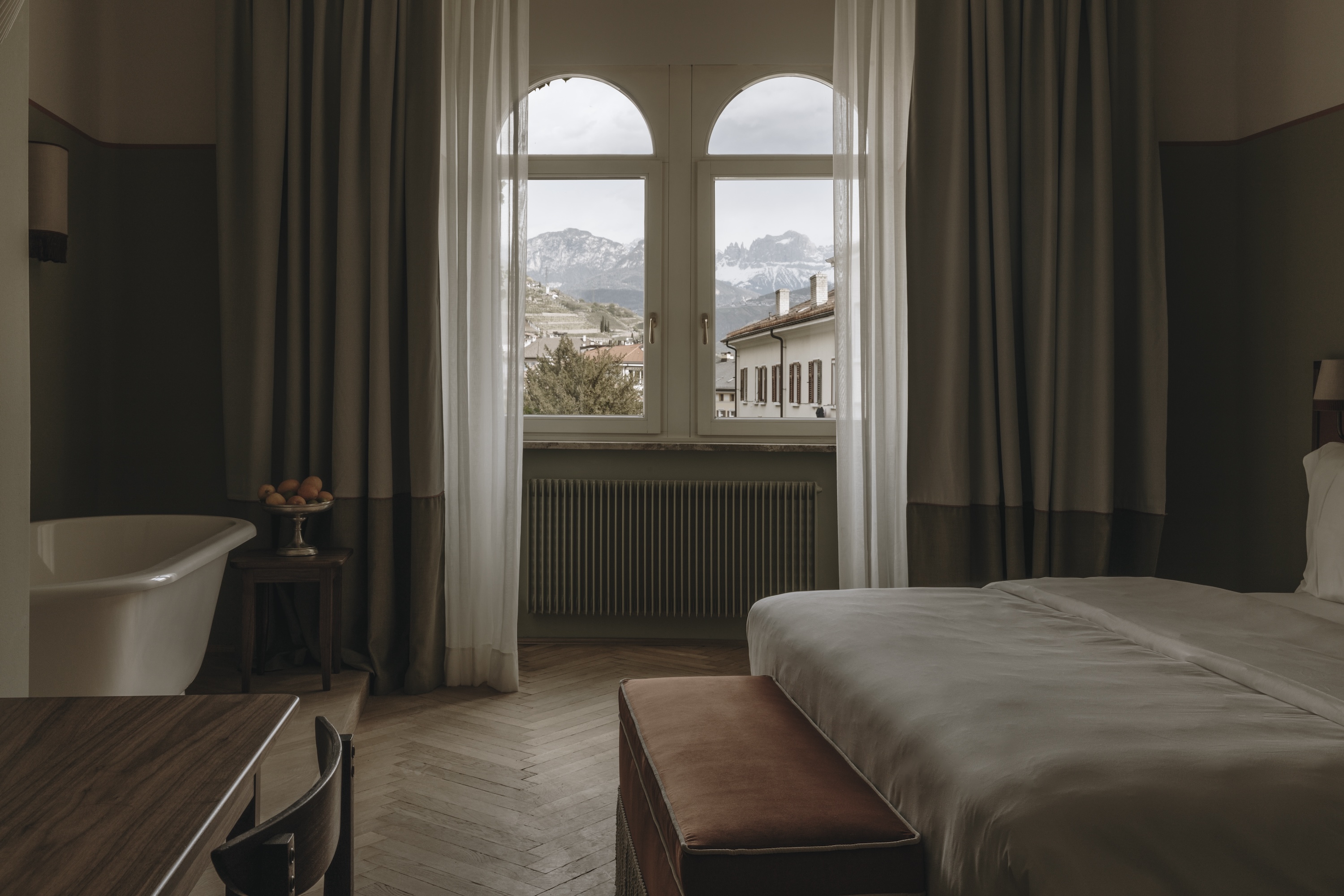
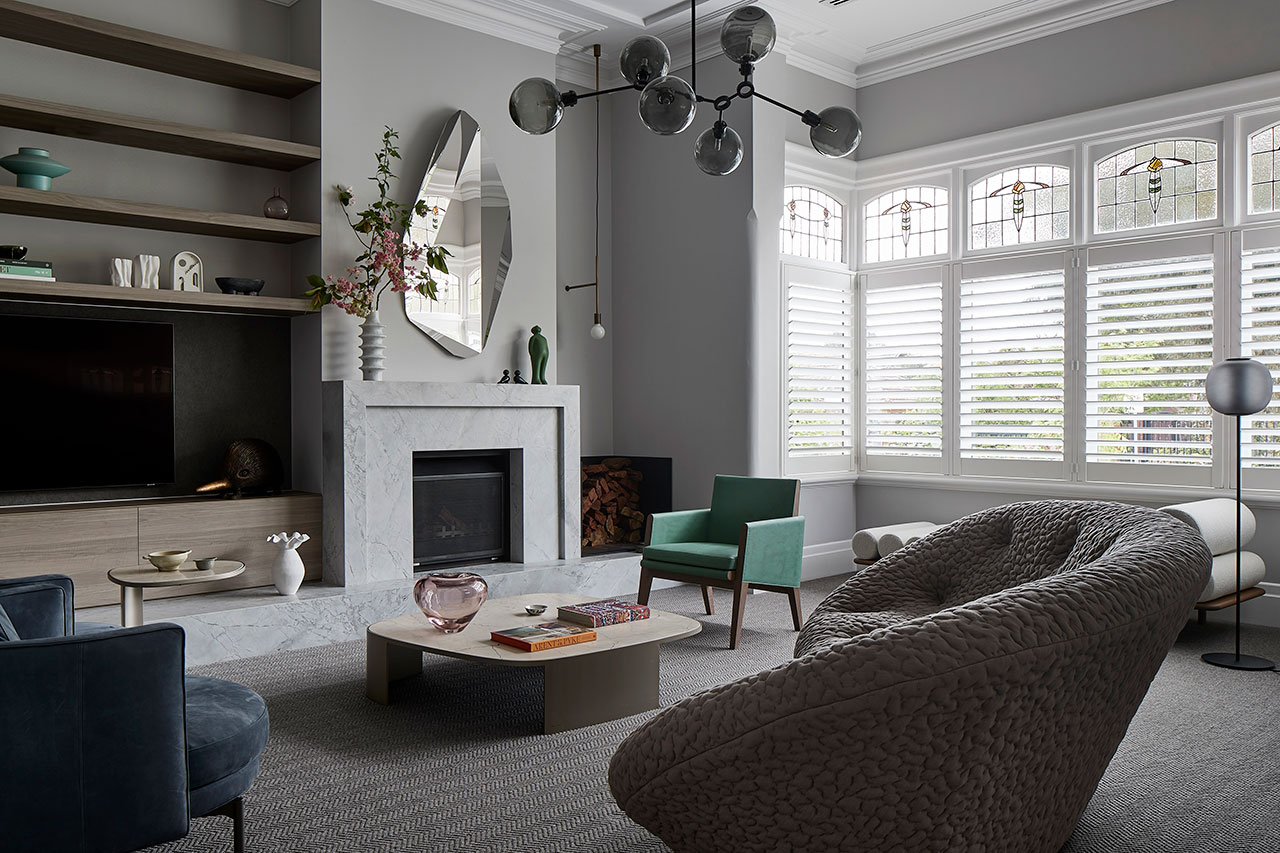
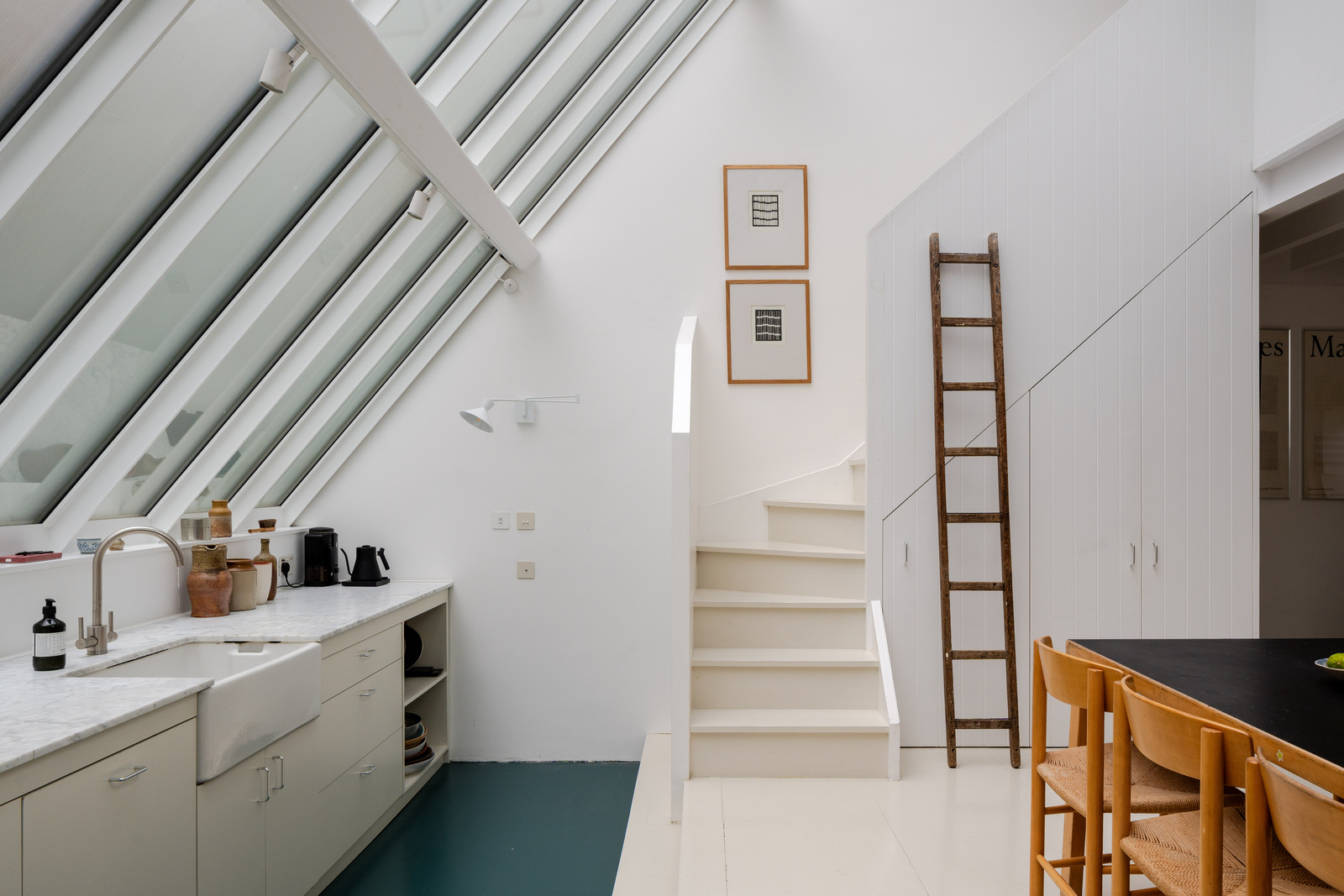
There is a profound sense of romance that comes with holding the keys to a Victorian villa. You aren't just a homeowner; you are a custodian of a narrative that began over a century ago. However, as any resident of a Grade II listed property will tell you, the charm of draughty sash windows and compartmentalized "servant" quarters quickly fades when faced with the demands of 21st-century family life.
The central question for many is simple: Can you truly modernize a Grade II listed building? The answer is a resounding yes—but it requires a shift in mindset. Success lies in the delicate "material dialogue" between the past and the present. By balancing historic atmosphere with contemporary interventions like stainless steel, sapele wood, and bold color palettes, you can transform a relic into a functional masterpiece.
Section 1: Navigating the Legal Landscape
Owning a Grade II listed property means you are part of a significant group; these buildings represent approximately 91.7% of all protected structures in England, totaling roughly 380,000 unique entries. While this status protects the architectural integrity of our streets, it also introduces a layer of bureaucracy that can be daunting for the uninitiated.
The most critical hurdle is obtaining Listed Building Consent (LBC). Unlike standard planning permission, LBC is required for any internal or external alterations that might affect the building's character. This isn't just about the facade; it extends to the floorboards, the plasterwork, and even the layout of the rooms.
The LBC Checklist: What Usually Requires Consent?
- Internal Wall Removal: Victorian homes were notoriously cellular. Opening up a kitchen to a dining room almost always requires consent to ensure the "plan form" of the house isn't lost.
- Window Replacement: Moving from single to double glazing is a common point of contention. You will often be required to use slimline heritage units or restore original frames.
- New Plumbing and Services: Installing a modern kitchen or a wet room in a room that never had plumbing requires careful routing to avoid damaging historic fabric.
- Fireplaces and Cornicing: Removing or even significantly altering original Victorian features is strictly regulated.
Ivy’s Insider Tip: Never assume that "internal" means "unregulated." Unauthorized changes to a listed building are a criminal offense, not just a planning breach. Always engage with a heritage consultant before the sledgehammers arrive.
Section 2: Defining the 'Victorian Modern' Aesthetic
The most successful renovations don't try to turn a Victorian house into a white-box gallery. Instead, they embrace the "Victorian Modern" aesthetic—a curated tension between ornate period details and minimalist contemporary design.
The Material Palette
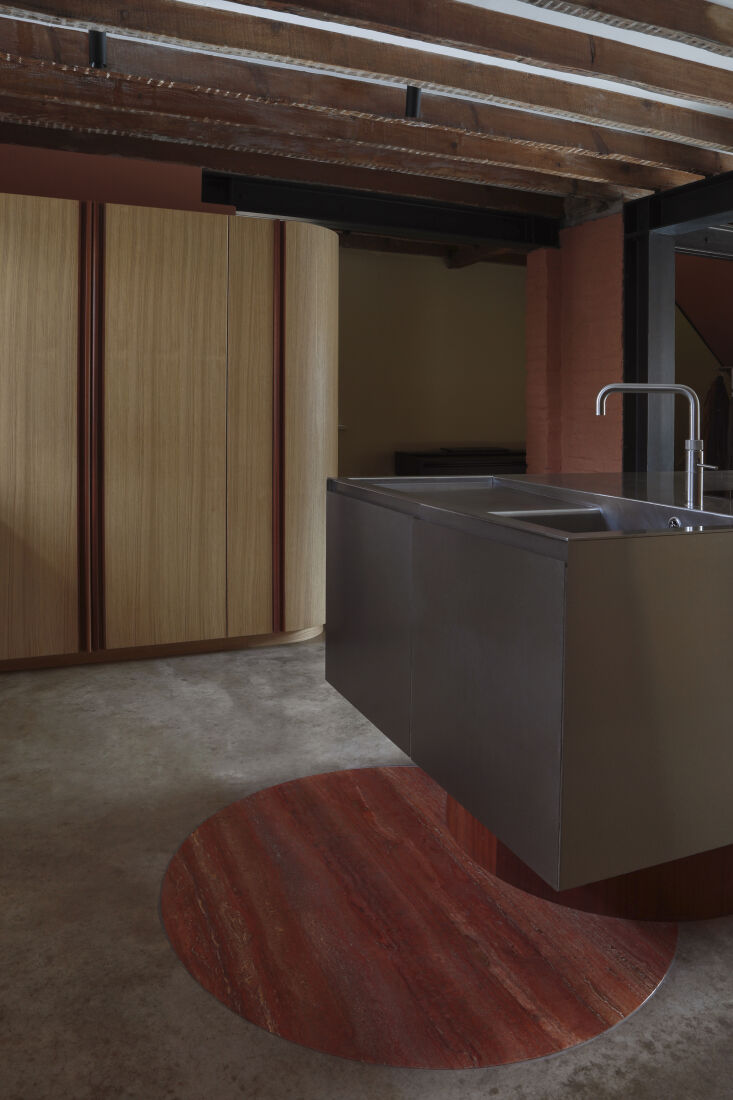
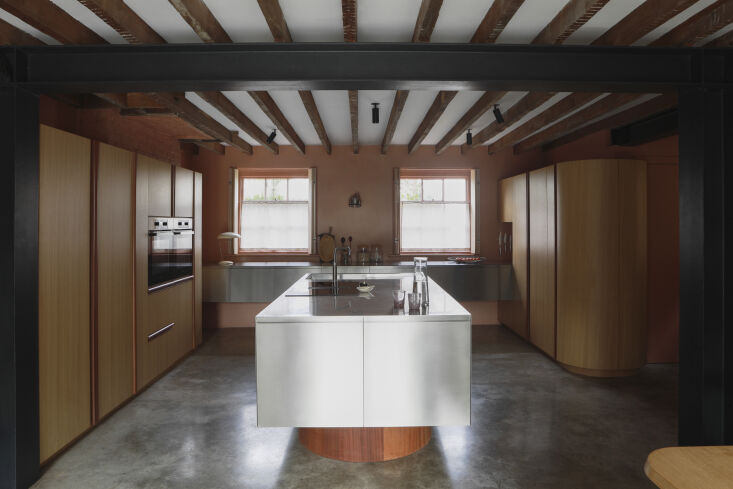
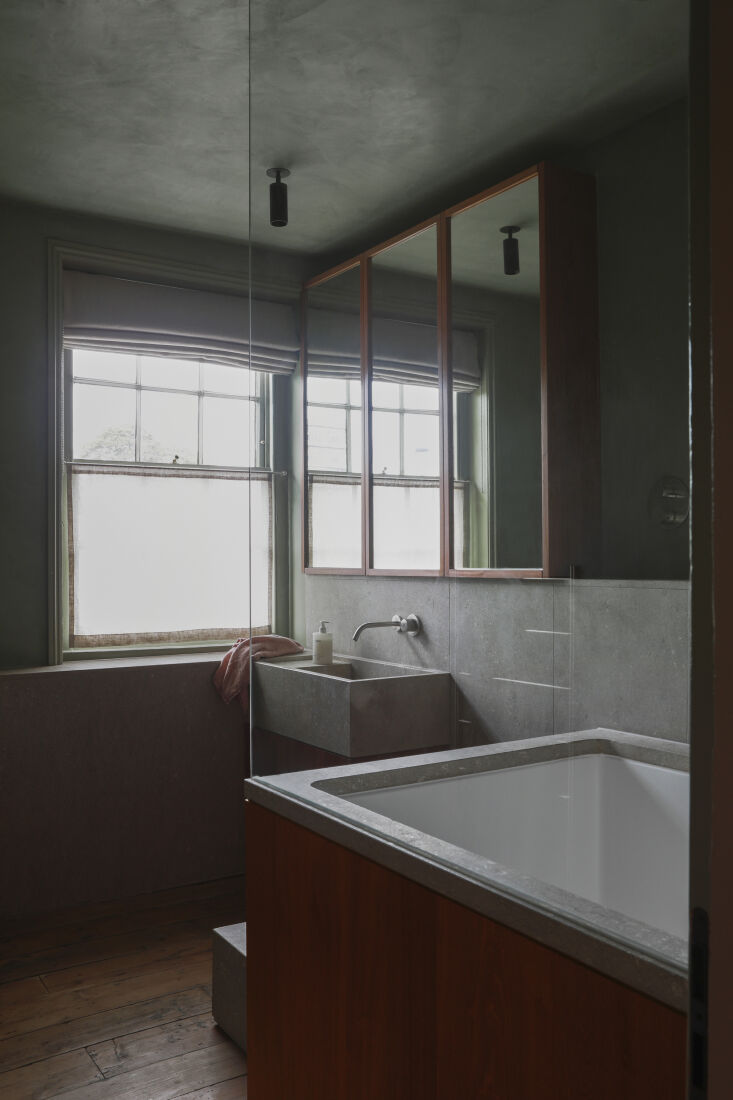
To achieve this, we look to materials that feel substantial and timeless. Sapele wood, with its rich, reddish-brown grain, provides a beautiful bridge between Victorian mahogany and modern joinery. When paired with the industrial cool of stainless steel or the earthy, seamless texture of tadelakt, the result is a home that feels both grounded and fresh.
The 'Non-Kitchen' Kitchen
The trend of the "non-kitchen kitchen" is particularly effective in listed homes. Rather than installing a sea of clinical white cabinets, we use custom cabinetry designed to look like high-end furniture. Think floor-to-ceiling sapele units that hide integrated appliances, paired with a central island topped in honed limestone.
Color Theory and Light
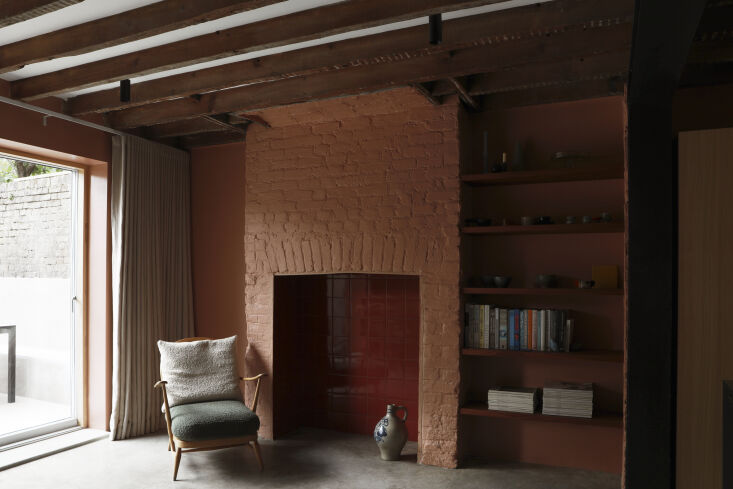
Victorian houses, particularly those with basements, can struggle with light levels. Instead of fighting the shadows with bright whites—which can often look gray in low light—embrace the mood. I often recommend bold, glossy hues from Farrow & Ball or Francesca’s Paints. A deep "Monkey Tail" black or a rich "Cooking Apple Green" in a high-gloss finish can reflect light in a way that matte paint simply can't, turning a dim corridor into a sophisticated gallery.
Section 3: Strategic Extensions and Interventions
When the original footprint isn't enough, we look to "Contextual Contrast." The goal is to make the new addition look distinct from the original structure, a technique often favored by conservation officers as it clearly marks the evolution of the building.
- Contemporary Orangeries: Using ultra-slim Crittall-style doors and zinc roofs provides a lightweight, glass-heavy connection to the garden that doesn't overwhelm the heavy red-brick masonry of the main house.
- The Glass Link: A popular architectural "trick" is the glass neck—a small transparent corridor that connects a new extension to the old house. It creates a physical and visual break, preserving the profile of the original Victorian wing.
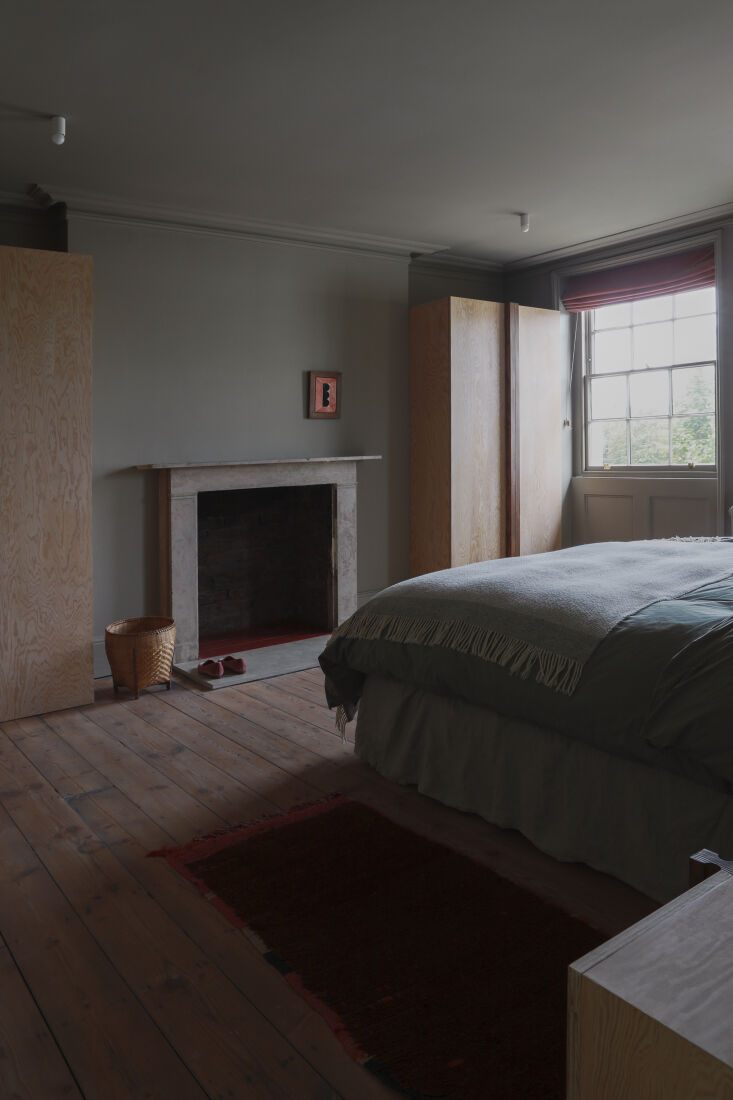
- Preserving the 'Formal' Rooms: I usually advise clients to keep the "formal" rooms (the study and master suite) more traditional, restoring the lath-and-plaster ceilings and marble surrounds. This allows you to go much bolder and more modern in the rear "service" areas or new extensions.
Section 4: The 2026 Renovation Cost Guide
Renovating a Grade II listed property involves a significant cost premium—typically 15% to 40% higher than a standard residential project. This is driven by the need for heritage-accredited architects, specialist labor (like lime plasterers), and high-spec materials that meet conservation standards.
In 2026, the market has seen a stabilization in material costs but a continued rise in the value of specialized craftsmanship. Below is a breakdown of what you should budget per square meter:
2026 Estimated Renovation Costs (Grade II)
| Project Scope | Estimated Cost (per m²) | Primary Drivers |
|---|---|---|
| Decorative Refurbishment | £1,800 – £2,160 | High-end paints, floor refinishing, light fixtures. |
| Full Structural Renovation | £2,160 – £3,360 | Rewiring, new heating systems, structural repairs, LBC fees. |
| High-Spec Restoration | £4,800+ | Bespoke joinery, tadelakt finishes, heritage glass, architectural extensions. |
Budgeting for specialized labor is non-negotiable. Expect to pay between £48 and £84 per m² for a qualified lime plasterer, and factor in 10-15% for heritage architect fees to manage the LBC process.
Section 5: The Correct Sequence of Works
One of the biggest mistakes homeowners make is rushing into the "pretty" stages before the "invisible infrastructure" is secured. In a listed building, the sequence is everything.
- Assessment and Heritage Statement: Before a single brick is moved, you need a heritage statement. This document justifies why your proposed changes won't harm the building's significance.
- The 'Dry' Stage: Victorian buildings need to breathe. Ensure the envelope is watertight—repairing the slate roof and checking the leadwork—before starting any internal work.
- Modern Systems (The Invisible Infrastructure): Routing HVAC, smart home hubs, and 200-amp electrical systems through a listed building is like a game of Tetris. We use "concealed chases" and sometimes false floors to hide modern tech without carving into historic plasterwork.
- Structural Stabilization: Only after the services are mapped out should you begin structural changes or extensions.
- Final Finishes: The installation of custom joinery, sapele cabinetry, and tadelakt finishes happens last. This prevents damage to expensive surfaces during the heavy construction phase.
Section 6: Building Your Specialist Team
You are only as good as the team you hire. For a Grade II project, you need a Heritage-accredited architect who has a proven relationship with your local council. They don't just design; they negotiate.
Think of the Conservation Officer as a collaborator rather than an obstacle. If you show them that you respect the building’s history—perhaps by restoring a set of original shutters in exchange for being allowed a modern glass extension—they are much more likely to approve your plans.
Vetting Your Team
- Ask to see a portfolio of listed properties, not just old houses.
- Inquire about their experience with "like-for-like" material sourcing.
- Ensure your contractor is comfortable working with lime mortar and traditional timber repairs.
FAQ
Q: Can I install double glazing in a Grade II listed house?
A: It depends on the local council. Most will reject standard uPVC or thick double glazing. However, many now allow "slimline" vacuum-sealed heritage units that fit within the original sash frames, or the use of high-quality secondary glazing.
Q: Is it possible to add an en-suite to a Victorian bedroom?
A: Yes, but it's tricky. The challenge is the drainage and ventilation. Usually, designers create a "pod" or a freestanding partition that doesn't touch the original cornicing, ensuring the change is "reversible"—a key concept in heritage conservation.
Q: How much extra time does a listed renovation take?
A: Expect to add at least 3-6 months to your timeline just for the LBC application and the sourcing of specialist materials. Patience is a prerequisite for heritage ownership.
Final Thoughts from Ivy
Transforming a Victorian house is a labor of love that pays dividends in character and value. While the constraints of a Grade II listing might seem restrictive, they often force more creative and thoughtful design solutions. By respecting the "bones" of the house while introducing high-spec, modern materials, you create a home that isn't just a museum piece—it's a living, breathing space for the modern family.