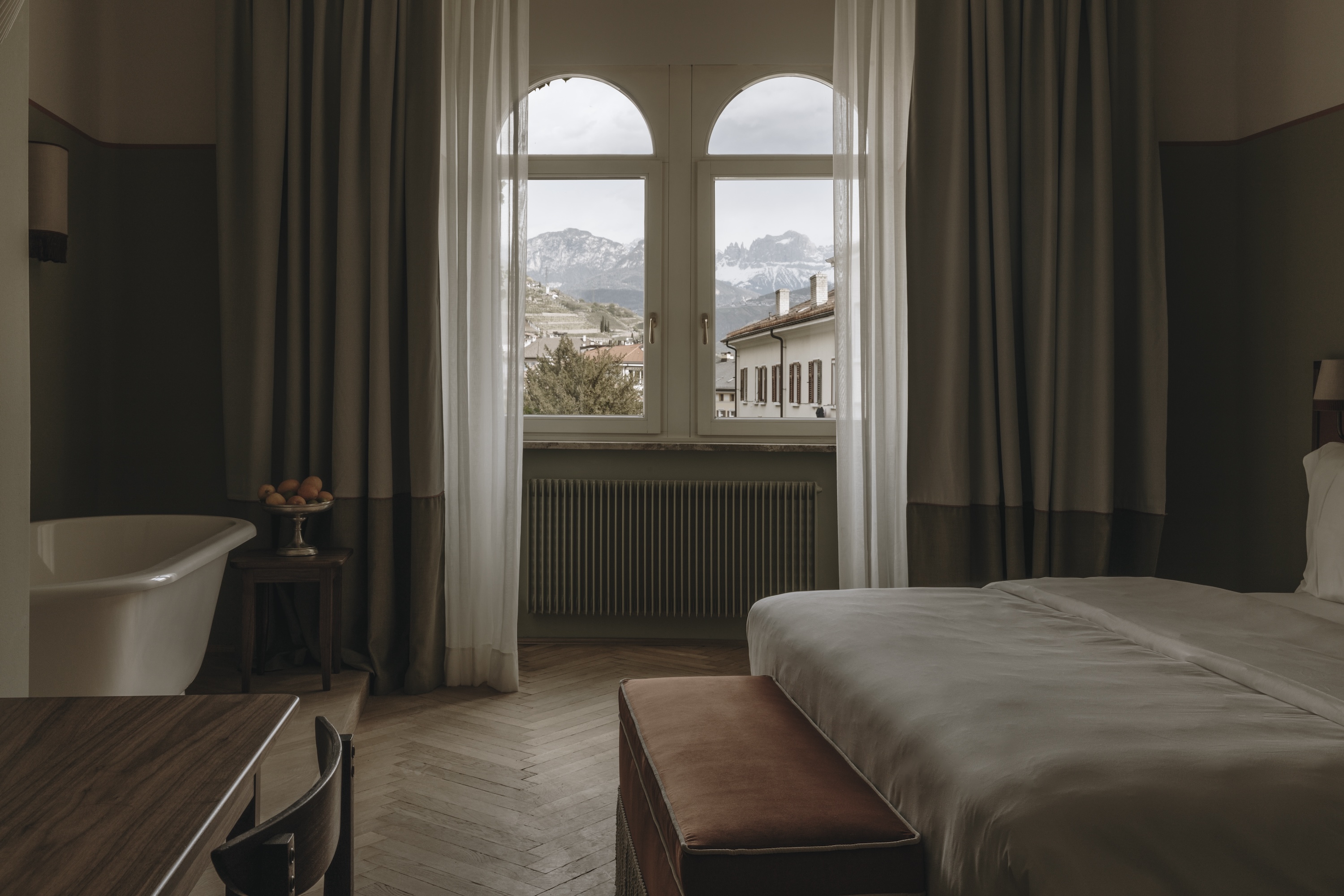
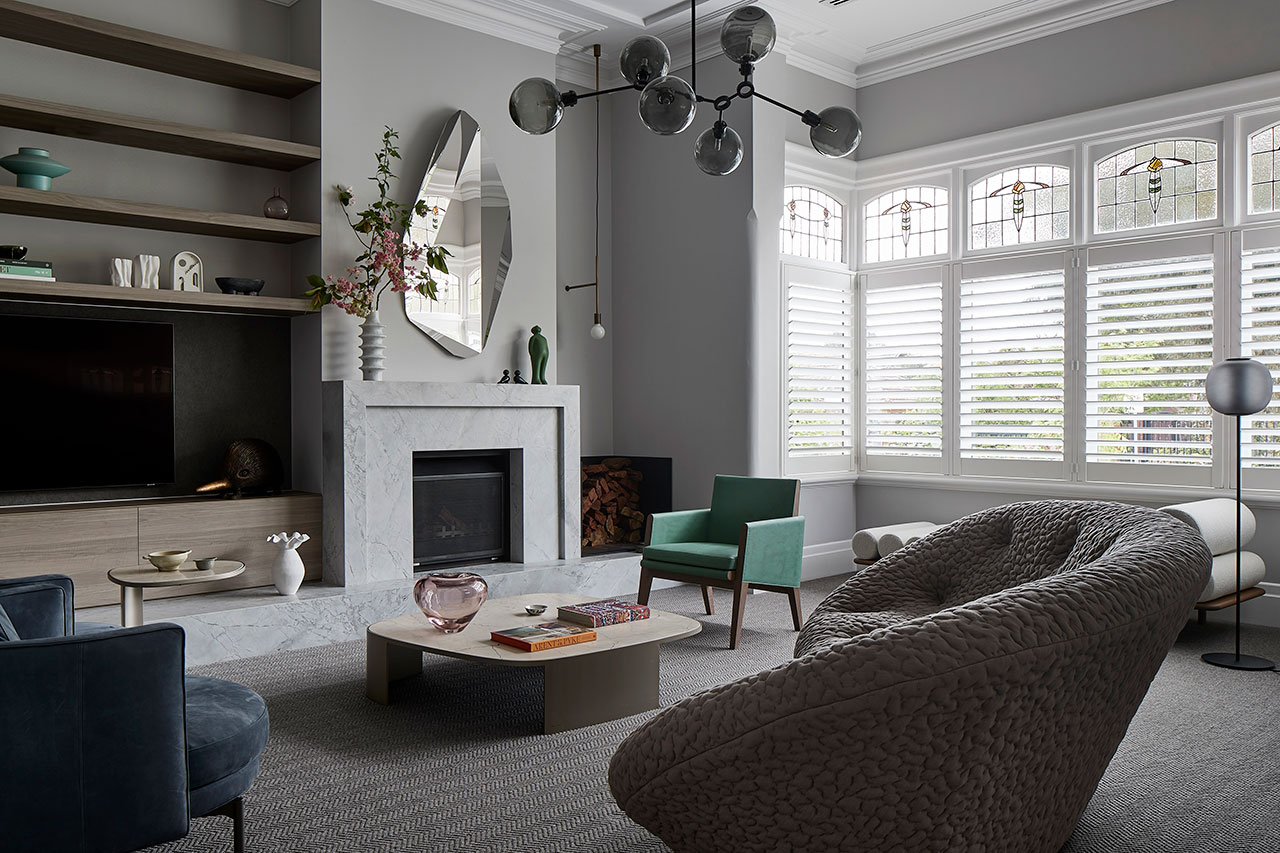
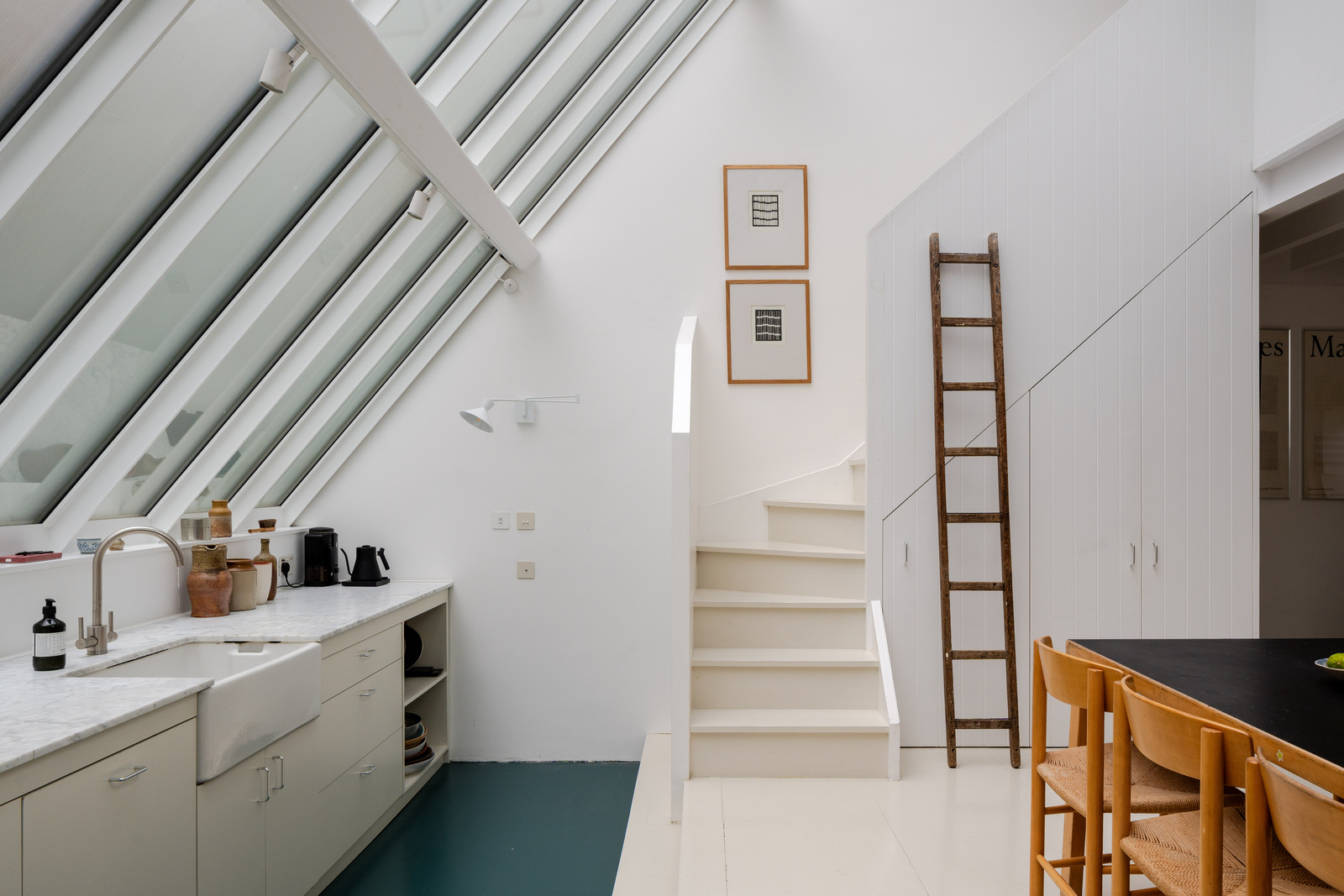
Once a victim of a misguided 1990s renovation, this 200-year-old farmstead in the Piedmontese hills of Northern Italy has been stripped back to its agrarian soul. For years, the original character of the building—a classic "Cascina"—was smothered under layers of plasterboard, glossy tiles, and inefficient modern finishes that ignored the site’s historic vernacular. Today, through a process of "elegant appropriation," Jonathan Tuckey Design has rehabilitated the unredeemable, transforming a gloomy cluster of buildings into a beacon of sustainable, high-performance heritage.
This project isn't just a restoration; it is a masterclass in how we can marry 19th-century masonry with 21st-century energy goals. By looking backward to ancient Roman techniques and forward to subtle solar integration, Cascina proves that the most sustainable home is often the one that already exists—provided you have the courage to strip away the mistakes of the recent past.
What is Elegant Appropriation? In architectural terms, "Elegant Appropriation" is a restoration philosophy championed by Jonathan Tuckey Design. It involves revealing a building's original character by meticulously stripping away modern, ill-conceived layers and finishes. Rather than adding "new" for the sake of it, the focus is on repurposing salvaged materials and making surgical interventions that improve circulation and light without erasing the building's history.
Unveiling the Stone: The Philosophy of Elegant Appropriation
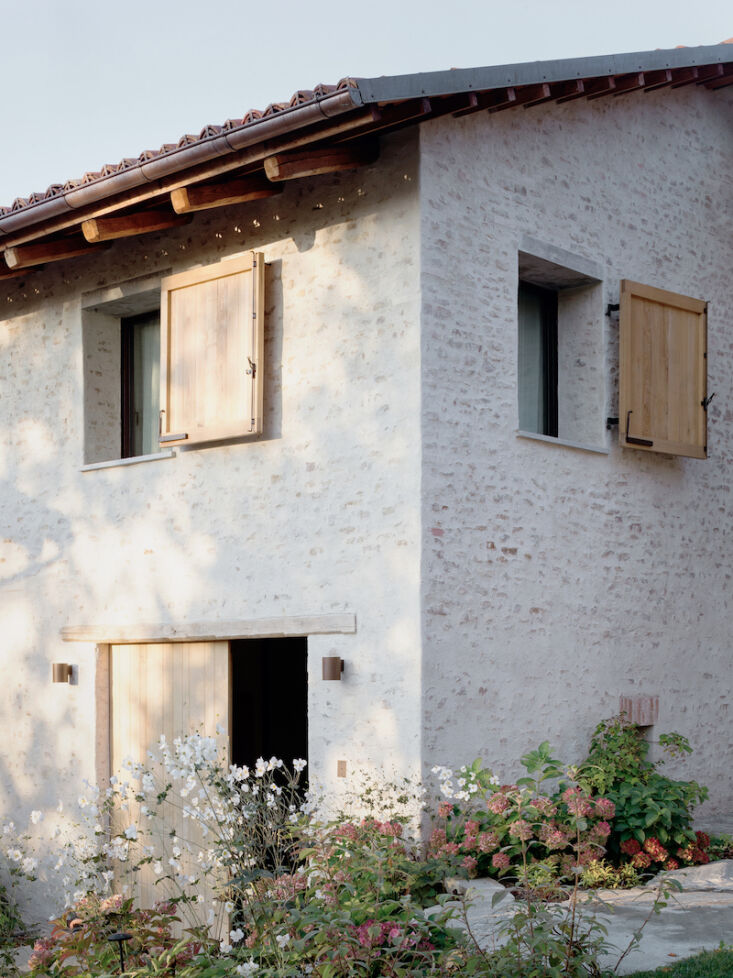
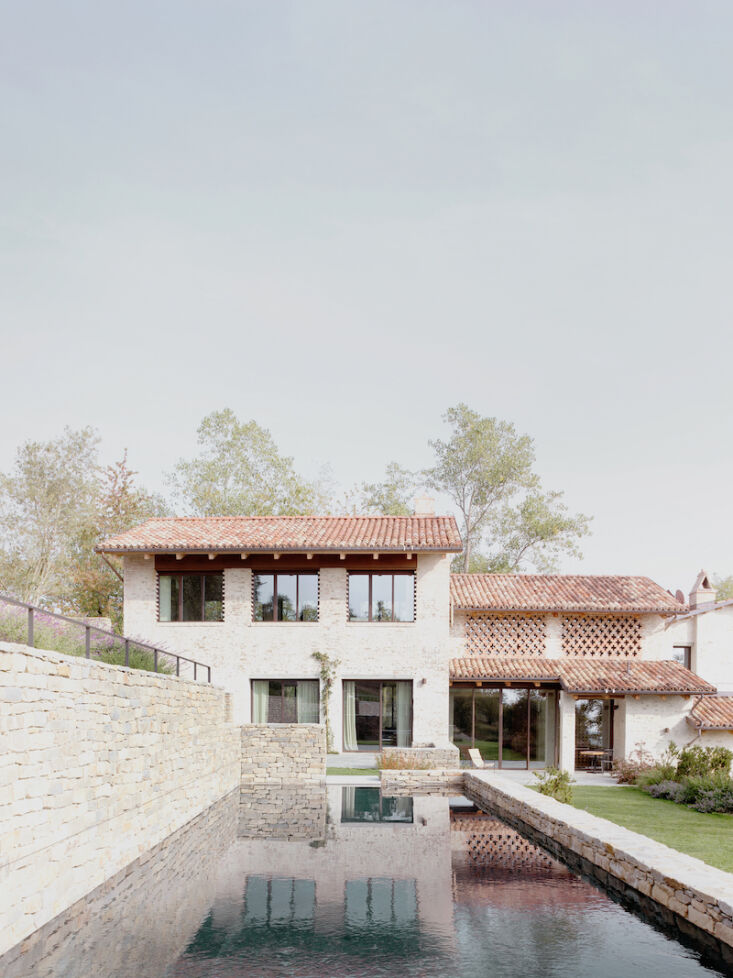
When the team first arrived at Cascina, the farmhouse and barn felt disconnected, fractured by a series of renovations in the 1990s that favored convenience over context. The first step was a literal "unveiling." By removing the heavy, cement-based renders that suffocated the exterior, the team rediscovered the textural beauty of the 200-year-old stone facades. These stones, once hidden, now allow the building to breathe and regulate moisture naturally—a crucial component of historic building health.
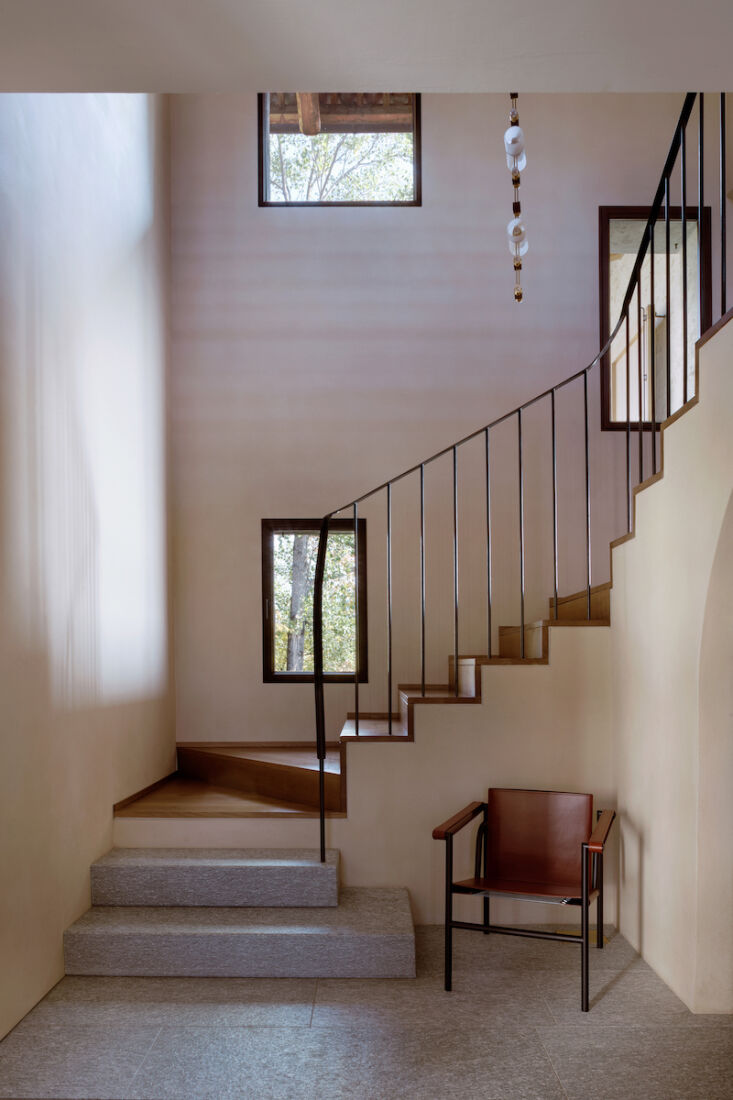
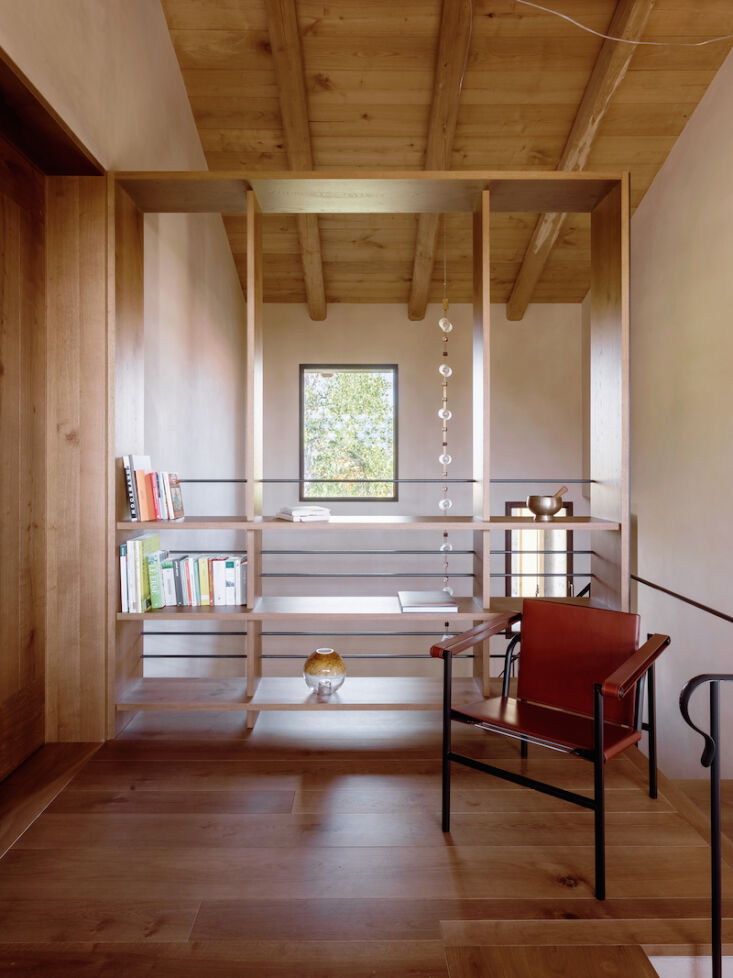
The renovation also addressed a fundamental "hierarchy" issue. The original farmstead was a series of separate volumes. To create a cohesive home for a naturalist client, the architects reimagined the circulation. They rotated the existing staircase 90 degrees and raised floor levels in key areas. This wasn't just a cosmetic change; it created a sense of volume and "shifting golden shapes" as light now travels through the house in ways the 90s floor plan never allowed.
Ancient Solutions for Modern Problems: The Cocciopesto Technique
In the world of sustainable living, we often look for the "next big thing" in materials. At Cascina, the solution was actually 2,000 years old. One of the most striking features of the interior is the use of Cocciopesto.
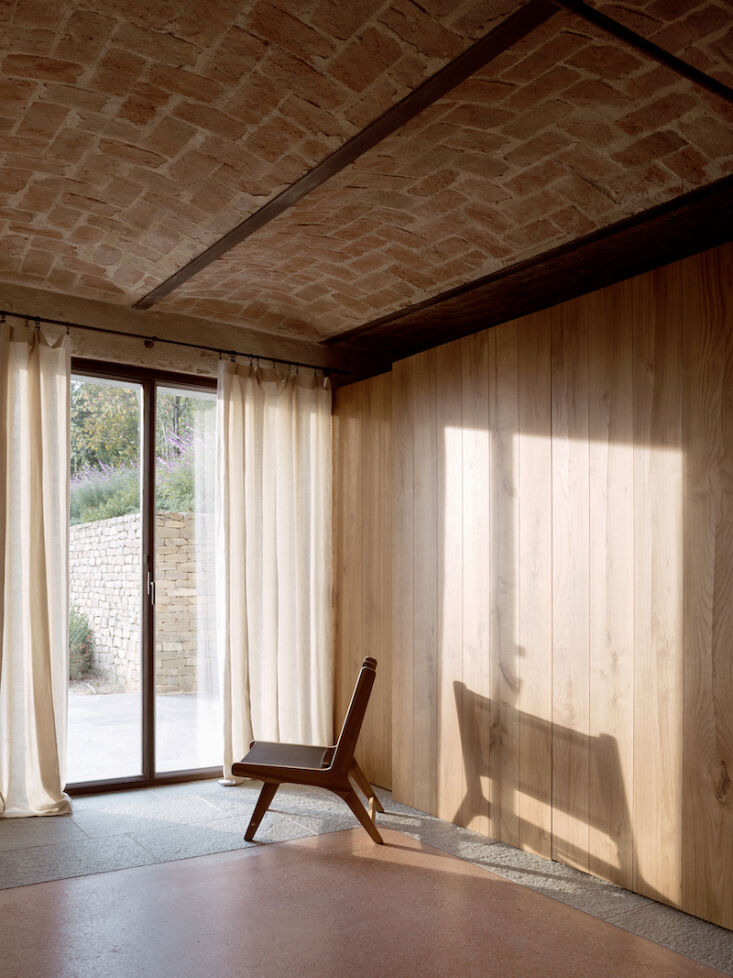
What is Cocciopesto? Cocciopesto is an ancient Roman flooring and wall-finishing technique. It is created by grinding broken tiles, bricks, and pottery into a fine powder or aggregate, then mixing it with lime mortar. The result is a highly durable, waterproof, and breathable finish that possesses a warm, earthy aesthetic.
The sustainability data for this project is remarkable: 100% of the damaged clay roof tiles found at the site were recycled into cocciopesto flooring and wall finishes. This achieved a zero-waste loop for the primary masonry components. Instead of hauling debris to a landfill, the "waste" was transformed into a thermal mass element that helps regulate the indoor temperature, acting as a natural heat sink during the hot Italian summers.
Restoring the Timber Skeleton: Barn Conversion Techniques
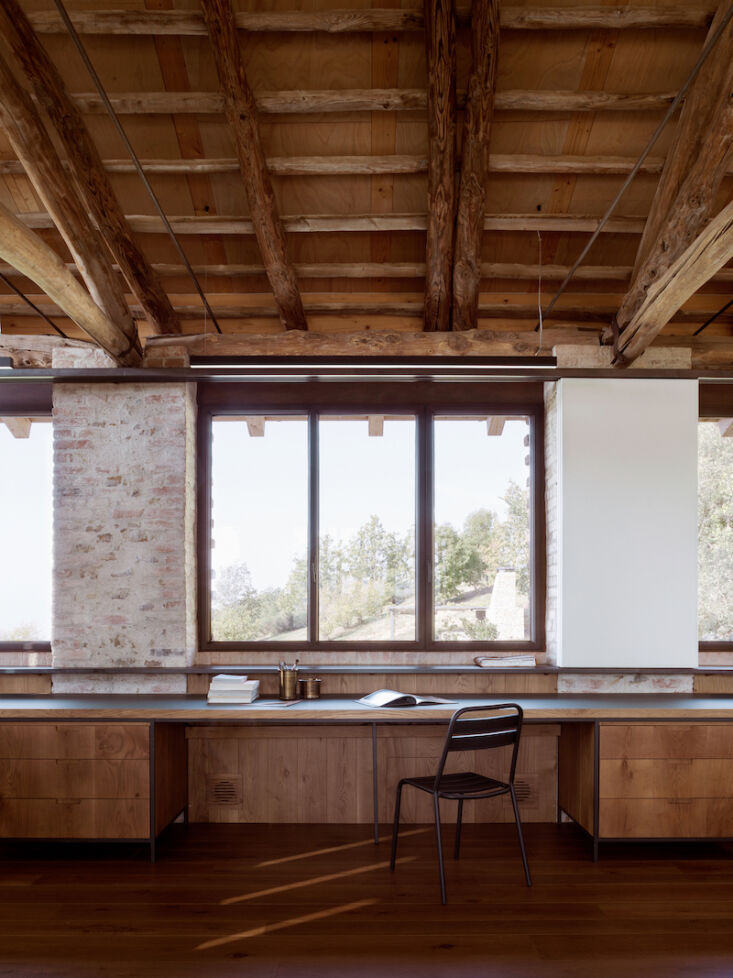
The barn, once used for hay storage, presented the greatest structural challenge. The 200-year-old trussed roof structure was initially considered by some to be "beyond redemption." However, the philosophy of preservation prevailed.
To maintain the structural integrity of the timber skeleton, the architects utilized advanced timber engineering combined with traditional craftsmanship. They used local chestnut wood and "scarf joints"—a traditional method of joining two pieces of timber end-to-end—to reinforce the original beams.
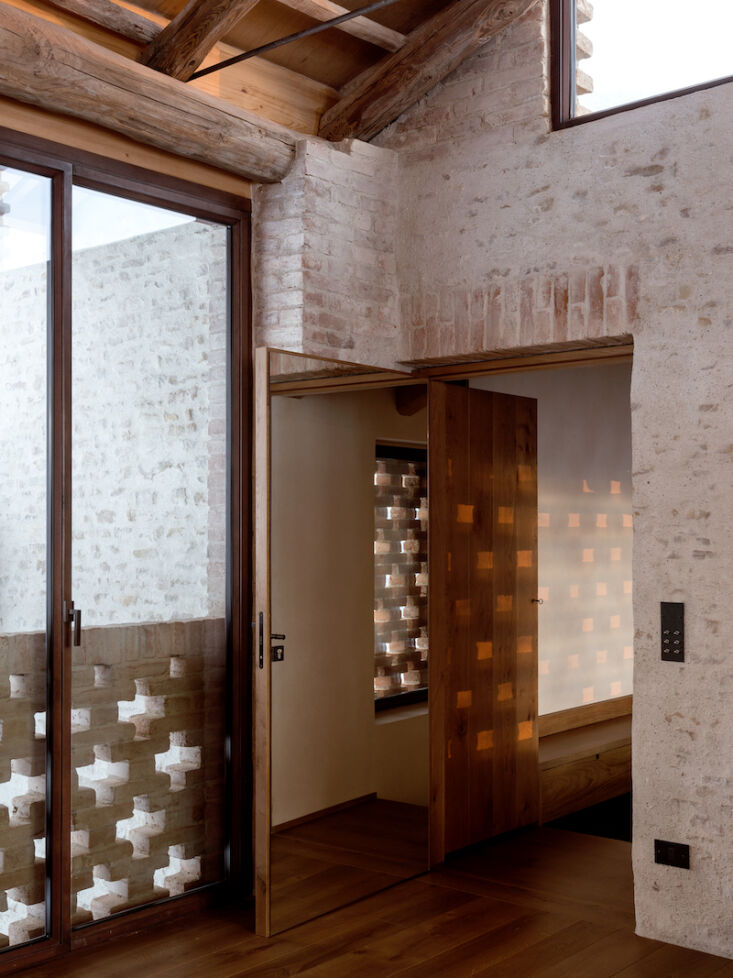
One of the most poetic interventions is the "Gelosia." These are traditional Piedmontese brick screens, often found in agrarian buildings to allow air to circulate through hay lofts. At Cascina, they serve a dual purpose: providing privacy and shade while subtly camouflaging the modern glass and steel connections between the farmhouse and the barn.
Future-Proofing Heritage: High-Performance Sustainability
As an editor focused on energy-efficient solutions, I am most impressed by how Cascina hides its high-tech heart. Historic homes are notoriously difficult to heat, but this renovation proves that you can achieve modern efficiency without sacrificing aesthetic integrity.
The property utilizes a ground-source heat pump, which draws warmth from deep within the hillside. Perhaps even more clever is the integration of red photovoltaic (PV) panels. Traditional blue or black solar panels would have been an eyesore on a 19th-century roof. These specialized red panels match the color of the historic clay tiles almost perfectly, allowing the house to generate its own power invisibly.
The integration of these systems provides nearly 90% of the heating and electrical energy required for the 200-year-old farmstead. To complement this, the material palette was restricted to locally sourced chestnut and Luserna stone, ensuring that the embodied carbon of the renovation remained exceptionally low.
Comparison: Traditional vs. Modern Restoration Techniques
| Feature | 1990s "Quick Fix" Approach | Jonathan Tuckey’s "Elegant Appropriation" |
|---|---|---|
| Exterior Finish | Heavy cement render (non-breathable) | Lime-washed stone (highly breathable) |
| Flooring | Imported ceramic tiles | Recycled Cocciopesto (zero-waste) |
| Heating | Gas-fired boiler, high carbon footprint | Ground-source heat pump (low carbon) |
| Windows | Standard double glazing | High-performance units with timber frames |
| Energy Source | Grid-dependent | Integrated Red PV panels (90% self-sufficient) |
Seasonal Architecture: A House for All Weathers
Cascina is a home that responds to the rhythm of the seasons. In the summer, the "Gelosia" screens and deep-set apertures provide natural cooling, while the pull-back glass doors allow the scent of the hillside to flow through the living spaces. The grassy terraces and the swimming pool—concealed within the natural slope—offer a respite from the Mediterranean sun.
In the winter, the house transforms into a sanctuary of "cocoon-like warmth." The heavy stone walls and cocciopesto floors hold onto the heat from the ground-source system, while the interior palette mirrors the landscape. In the kitchen and bathrooms, Arabescato Vagil marble features watery striations that reflect the appearance of snow-covered branches outside.
This is architecture as a bridge—not just between the farmhouse and the barn, but between the past and the future of sustainable living.
FAQ
1. Is "Elegant Appropriation" more expensive than a standard renovation? While the craftsmanship and material recycling (like Cocciopesto) can have a higher upfront labor cost, the long-term savings are significant. By reusing 100% of salvageable materials and achieving 90% energy independence, the lifecycle cost of the home is much lower than a standard renovation.
2. Can I use red photovoltaic panels on any historic home? Yes, red PV panels are increasingly available for heritage projects. They are designed to mimic the appearance of terracotta or clay tiles, making them ideal for Mediterranean or European-style roofs where traditional panels would be rejected by planning authorities.
3. Why is "breathability" so important in a stone farmhouse? Historic stone buildings were designed to manage moisture through the walls. Using modern materials like cement or plastic-based paints traps moisture inside the stone, leading to dampness and structural decay. Using lime renders and natural stone allows the building to "breathe," ensuring it lasts for another 200 years.