There is a profound, almost poetic beauty in watching a building shed its old skin to reveal something entirely new. In the world of high-end design, we call this "adaptive reuse"—the art of taking a structure built for one purpose, often industrial or utilitarian, and reimagining it as a sanctuary of luxury.
As we look toward the 2026 hospitality landscape, this concept of "metamorphosis" has moved from a niche architectural trend to the gold standard of luxury travel. Leading this movement is the Manufacture Royale de Lectoure, a meticulously restored 18th-century royal tannery in Lectoure, France. Once a site of raw industrial labor, it has been transformed into a boutique bed and breakfast featuring earth-toned garden suites that define modern serenity.
This transformation isn't just about a fresh coat of paint; it’s about preserving the "Couros" (leather) legacy of the site while introducing a sophisticated, tactile glamour. It represents a broader shift where approximately 65% of luxury hotel openings scheduled for 2026, including prestigious projects like the Four Seasons Cartagena, are choosing the adaptive reuse of historic landmarks over ground-up construction.
The Case Study: Manufacture Royale de Lectoure, France
Walking through the gates of the Manufacture Royale de Lectoure, you don't feel like you’ve entered a hotel; you feel like you’ve stepped into a living history book. The challenge for the designers was significant: how do you honor a site that once hummed with the heavy, often harsh work of leather tanning, and turn it into a place of rest?
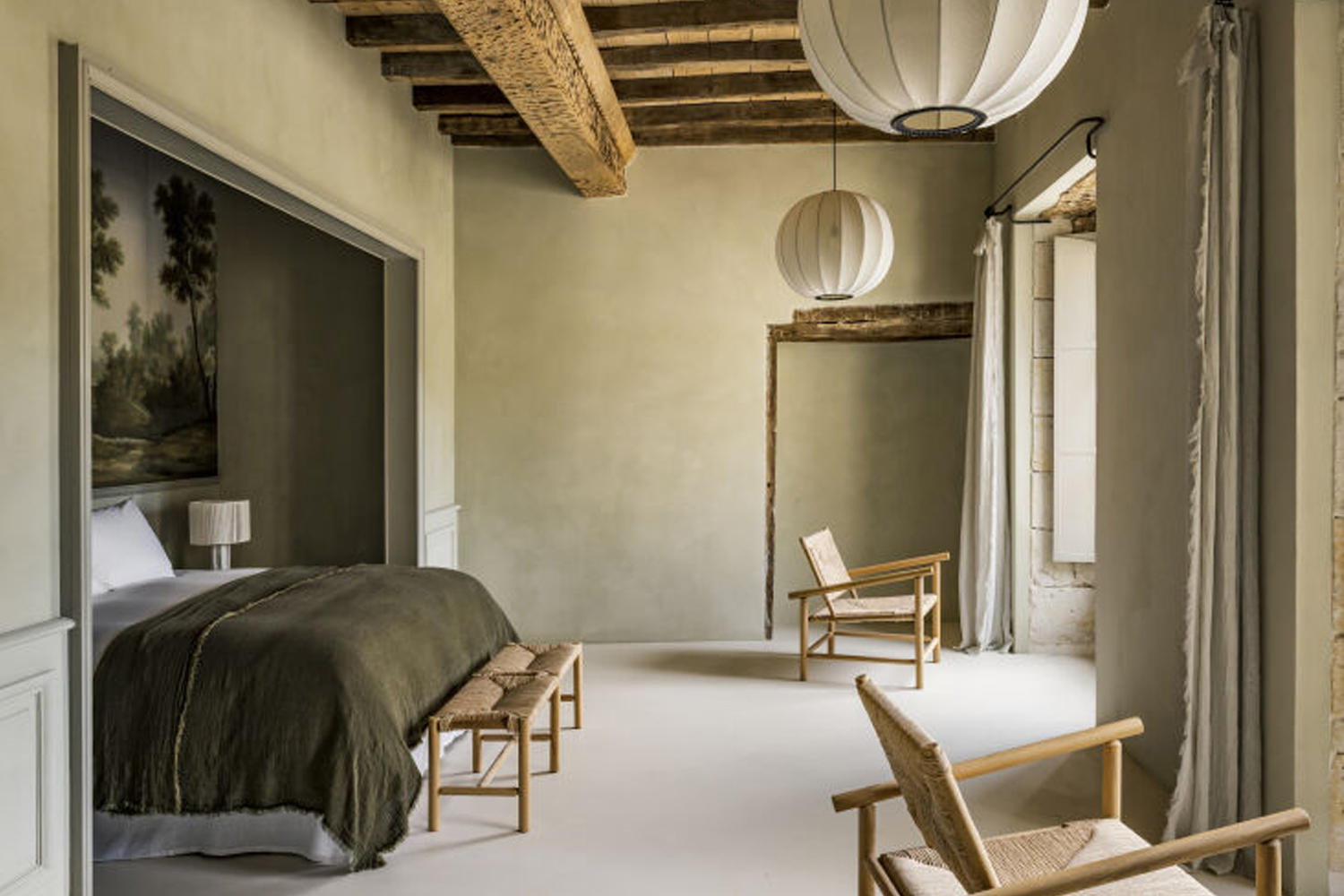
The answer lay in a design philosophy that balances industrial grit with garden-suite softness. By keeping the expansive stone walls and high-timbered ceilings, the designers maintained the building's skeletal integrity. They then layered in soft, organic textures—linens, ceramics, and hand-applied lime washes—to bridge the gap between the 18th century and 2026.
Steal the Look: Earth-Toned Elegance and Materiality
The beauty of the Lectoure project is that its design principles are remarkably transferable to residential spaces. You don’t need a royal tannery to achieve this look; you simply need a commitment to authentic materials and a disciplined palette.
Materials: The Foundation of History
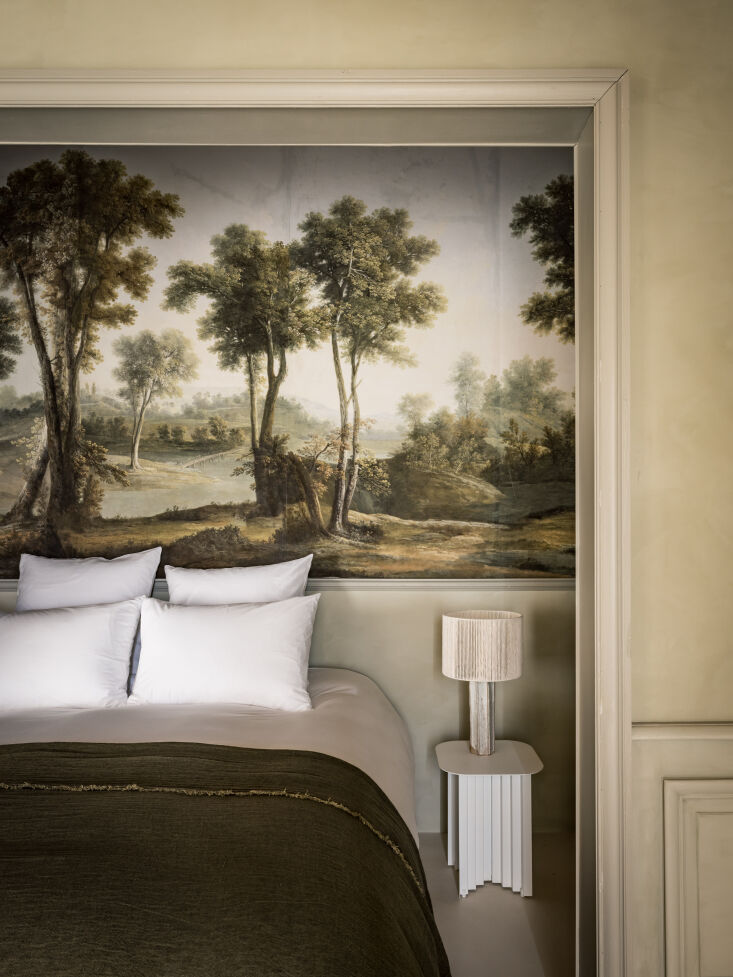
The sensory experience of the Manufacture Royale begins with the walls. Rather than standard latex paint, the restoration utilized a custom palette of 20 exclusive eco-friendly limewash paints specifically developed for these historic architectural surfaces. Limewash allows the building to "breathe" and creates a mottled, matte finish that feels centuries old from the moment it’s applied.

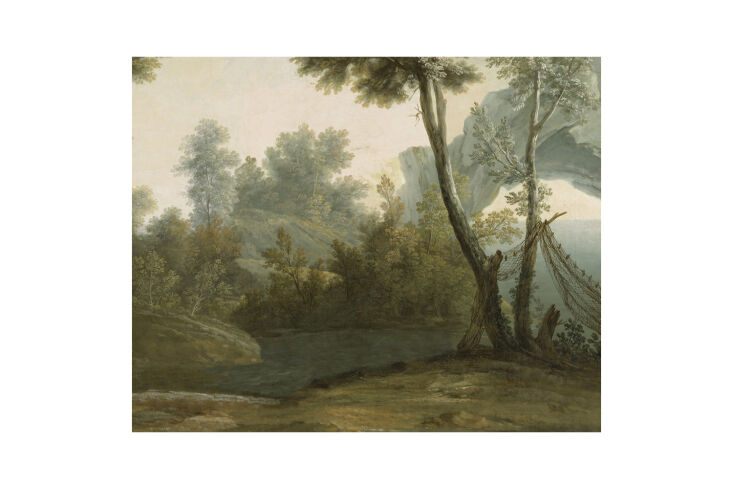
To complement the limestone walls, the designers introduced narrative elements through historic wallpaper murals. These aren't your typical repeating patterns; they are panoramic scenes that tell a story of the surrounding French landscape.
Furniture: Provençal Heritage Meets Modernity
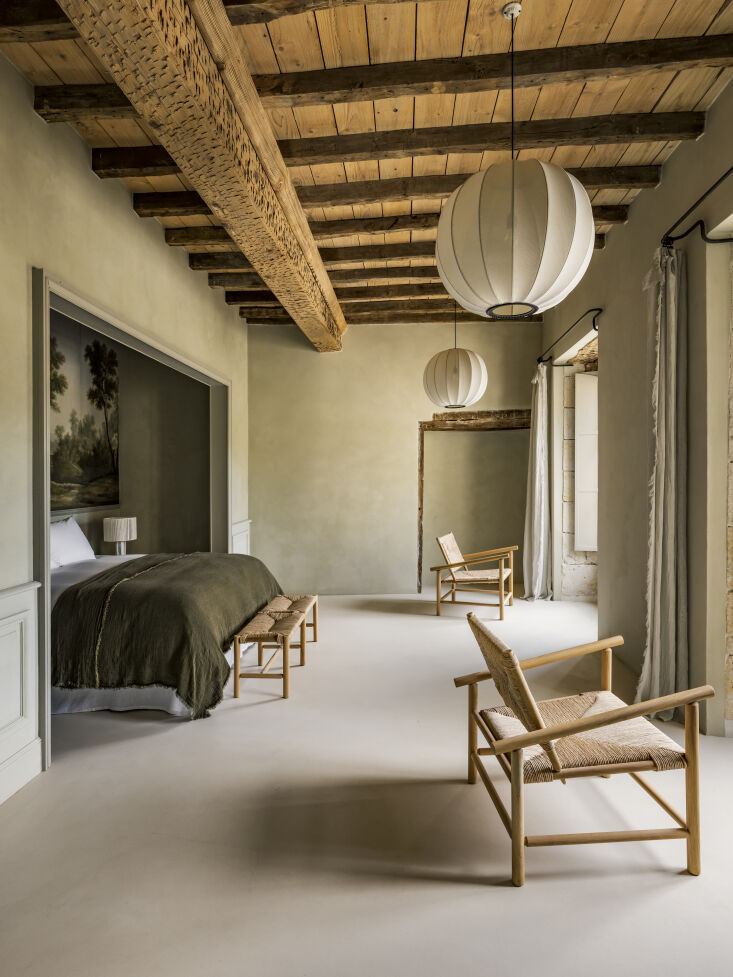
The furniture selection is a masterclass in "high-low" and "old-new" mixing. To anchor the rooms in their geographic context, the designers used traditional Midi Bergierio chairs, a staple of Provençal heritage. These are balanced by unexpectedly modern pieces, such as minimalist side tables from RS Barcelona, proving that historic spaces don't have to be museums.
Lighting & Textiles: Creating Tactile Glamour
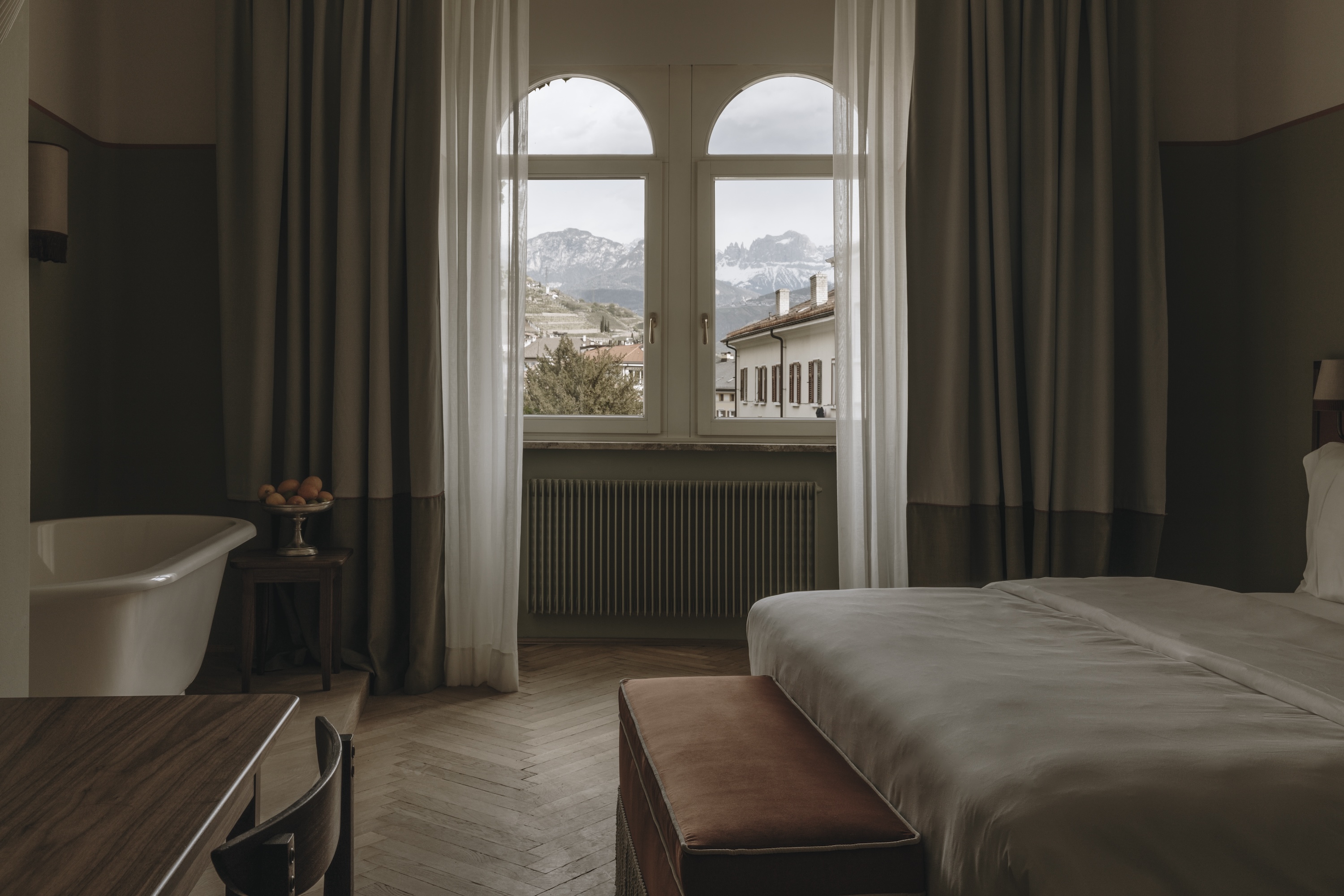
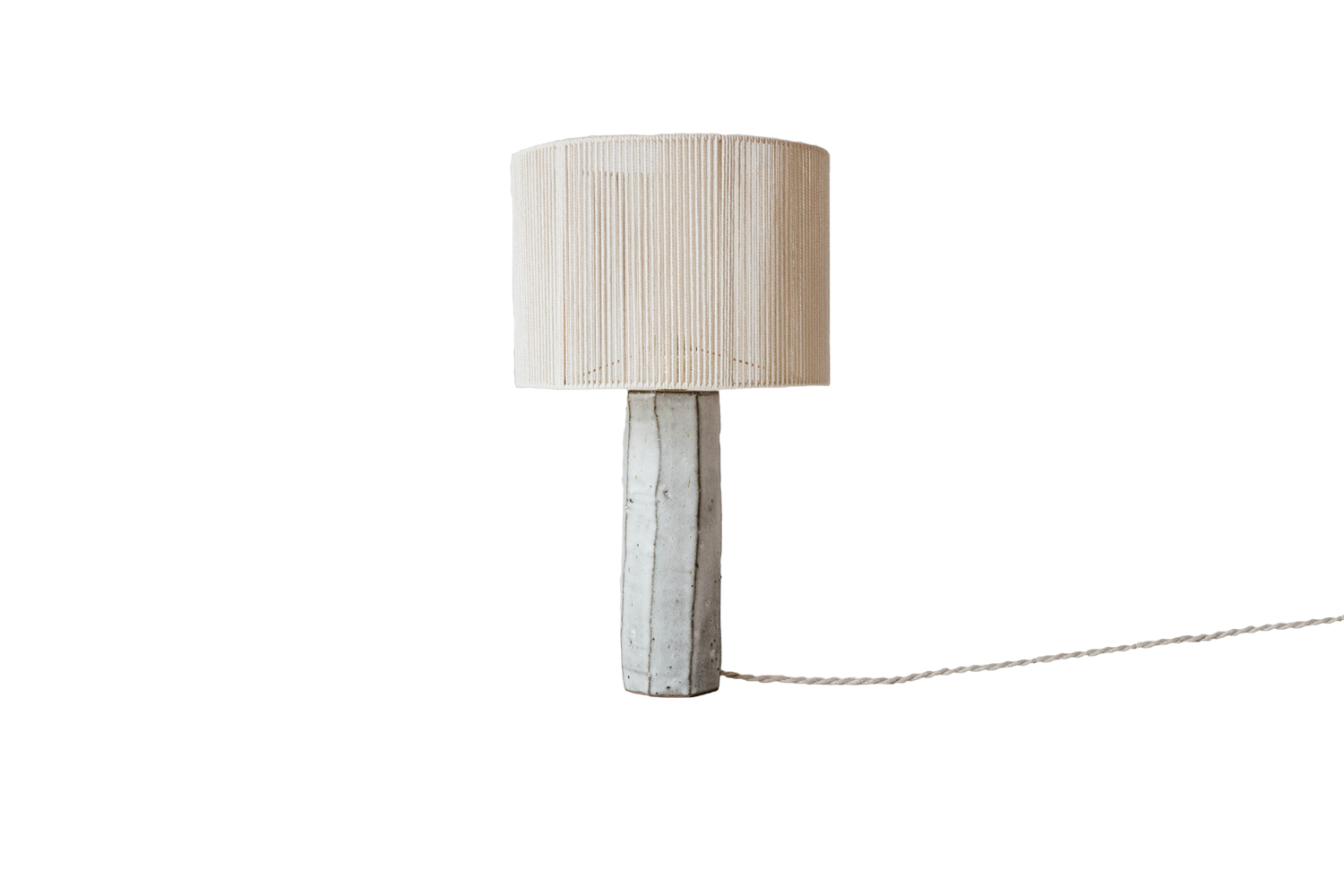
In a space with high ceilings and stone floors, textiles are your best friend. The use of heavy, fringed linen curtains and layered bedding softens the "echo" of the industrial architecture. Lighting is kept organic and low-slung; handmade ceramic lamps provide a warm, amber glow that highlights the texture of the limewashed walls.

The Business of Restoration: Why Reuse is Winning in 2026
While the aesthetic appeal of adaptive reuse is undeniable, the trend is also driven by hard economics and sustainability goals. As we move into 2026, the hospitality industry is facing rising costs for raw materials and a growing "green" mandate from travelers.
| Metric | New Build (Ground-Up) | Adaptive Reuse (Conversion) |
|---|---|---|
| Cost Per Key (Average) | ~$742,000 | ~$450,000 - $650,000 |
| Carbon Footprint | High (New concrete/steel) | Low (Preserved framework) |
| Market Positioning | Commodity Luxury | Unique "Story-Led" Luxury |
| 2026 Market Share | ~35% | ~65% |
By preserving the concrete, steel, and stone frameworks of existing buildings, developers significantly minimize their carbon footprint. Moreover, these projects offer an "authenticity of place" that a new glass-and-steel tower simply cannot replicate.
Ivy's Tip: "When looking at a historic conversion, don't try to hide the imperfections. A scarred floor or a weathered beam is a design asset, not a flaw. It provides the 'patina of history' that modern luxury clients crave."
Global 2026 Trends: Design-Led Openings to Watch
The Manufacture Royale de Lectoure is part of a global wave of "metamorphosis" projects. If you're looking for design inspiration, keep an eye on these upcoming 2026 openings:
- Lake Como EDITION: This project is reimagining a 19th-century palazzo, focusing on the Italian concept of villeggiatura—the traditional autumn retreat to a rural villa. Expect lush gardens and faded grandeur met with ultra-modern Italian furniture.
- The Zetter Bloomsbury: A transformation of several Georgian townhouses in London into a "library hotel." The design will lean heavily into the residential feel, making guests feel like they are staying in a very wealthy friend's private estate.
- The Standard Lisbon: Converting a former college into a vibrant rooftop destination. This project will likely showcase how bold, mid-century modern colors can work within a rigid, historic educational structure.
Designing Your Own Transformation: Practical Takeaways
You don't need a French tannery to bring this sense of history and "metamorphosis" into your own home. Whether you live in a modern apartment or a suburban house, you can apply these principles:
- Embrace Earth Tones: Move away from "hospital white." Use shades of ochre, terracotta, and soft sage to ground your space.
- Focus on Texture: Mix rough stone or exposed brick with soft linens and velvet. This contrast is the hallmark of the "industrial-to-luxury" look.
- Frame the History: If your home has an original feature—a window frame, a radiator, or a floorboard—don't replace it. Restore it and make it the focal point of the room.
FAQ
What exactly is "adaptive reuse" in interior design? Adaptive reuse is the process of taking an existing structure—often one that has outlived its original purpose, like a warehouse or factory—and repurposing it for a new use, such as a luxury hotel or residential loft, while keeping its historic character intact.
Why is limewash better than regular paint for historic buildings? Limewash is made from natural lime and pigments. It is breathable, meaning it allows moisture to escape from old stone and brick walls, preventing damage. Aesthetically, it provides a soft, chalky texture that ages beautifully.
How can I make an industrial space feel "warm"? The key is layering textiles. Use oversized rugs, linen curtains that "puddle" on the floor, and plenty of organic materials like wood, rattan, and ceramics to counteract the hardness of metal and stone.
Adaptive reuse is more than a design trend; it’s a philosophy of stewardship. By choosing to restore rather than replace, we create spaces that feel grounded, storied, and deeply personal. Whether it's a royal tannery in France or a small corner of your own home, there is always room for a little metamorphosis.