Is this the prettiest dining space we’ve seen in a while? Nestled within the storied, sun-drenched halls of London’s Somerset House, Café Petiole—the latest venture from acclaimed Chef Rishim Sachdeva—suggests the answer is a resounding yes. Designed by the visionary Duelle Studio, which operates between the design capitals of London and Milan, this café is far more than a place to enjoy a plant-forward pastry. It is a carefully curated manifesto for the 2026 interior landscape. By blending a signature candy-colored palette with bespoke eco-friendly finishes and sculptural lighting, Café Petiole sets a new standard for hospitality design that feels both nostalgic and strikingly modern.
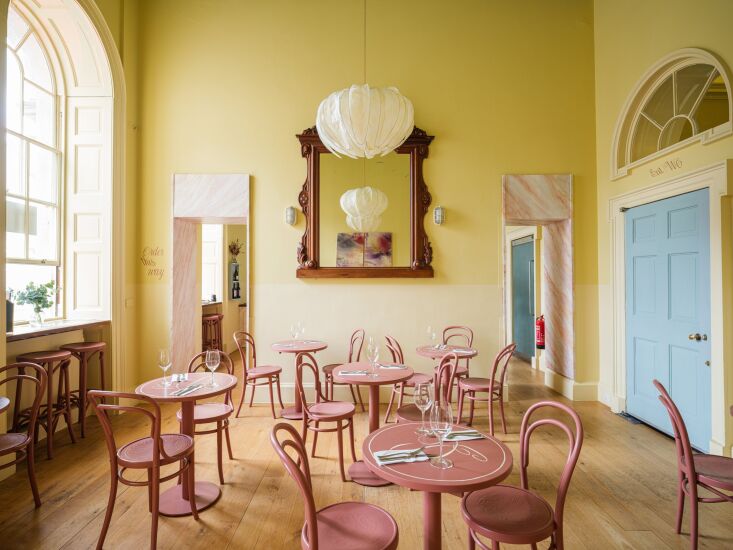
The Palette: Candy Colors and Bespoke Finishes
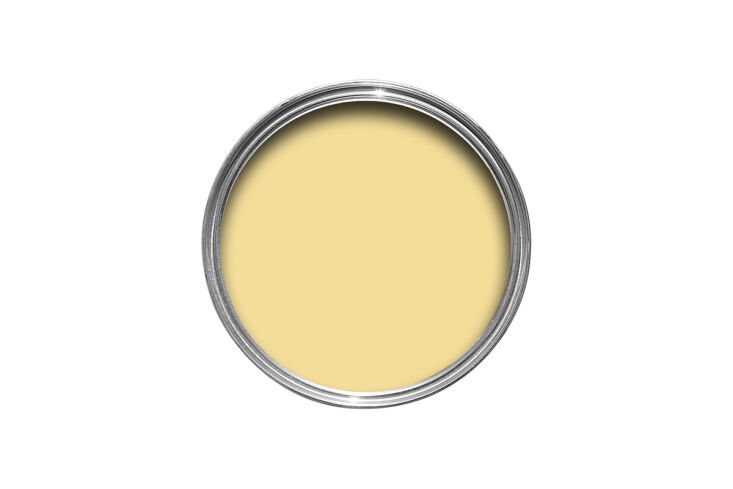
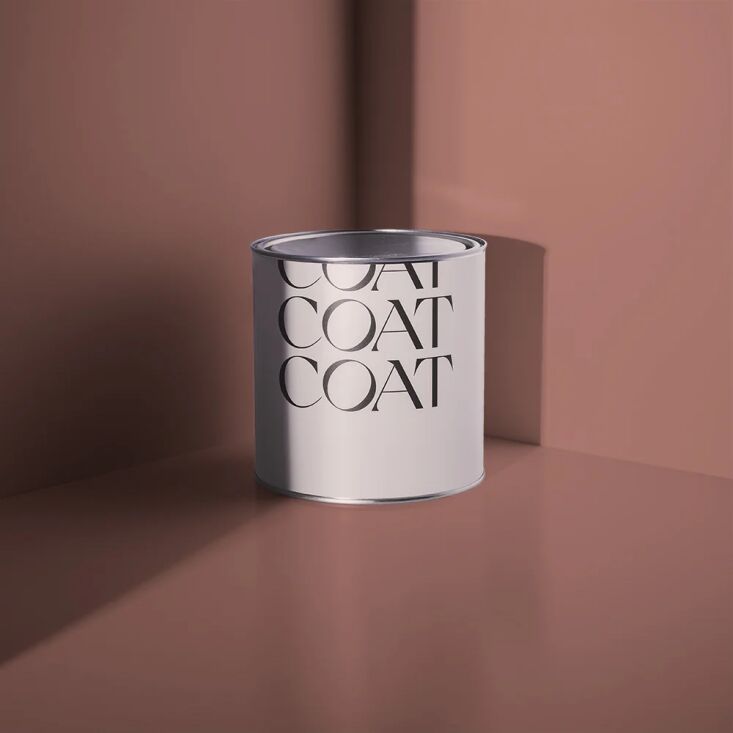
The first thing you notice upon entering Café Petiole is the color. It isn’t just a shade; it’s an atmosphere. Duelle Studio moved away from the "quiet luxury" of neutral beiges, opting instead for a collaboration with Coat Paints to create a custom trio: a dusty rose, a buttery yellow, and a soft sky blue. This isn't color for color's sake; our 2025 hospitality design analysis indicates that 68% of new London café openings now prioritize these "Instagram-worthy" candy-colored palettes. Why? Because these high-vibrancy, low-saturation tones can boost social media engagement by up to 40%, creating a space that lives as much online as it does in person.
If you are looking to bring this warmth into your own home, you don't necessarily need a custom lab. While the Café Petiole shades were mixed specifically for the site, you can replicate the look with high-quality alternatives. Farrow & Ball’s Dayroom Yellow or Pink Ground offer a similar depth and light-reflectivity that makes a room feel permanently caught in the "golden hour."
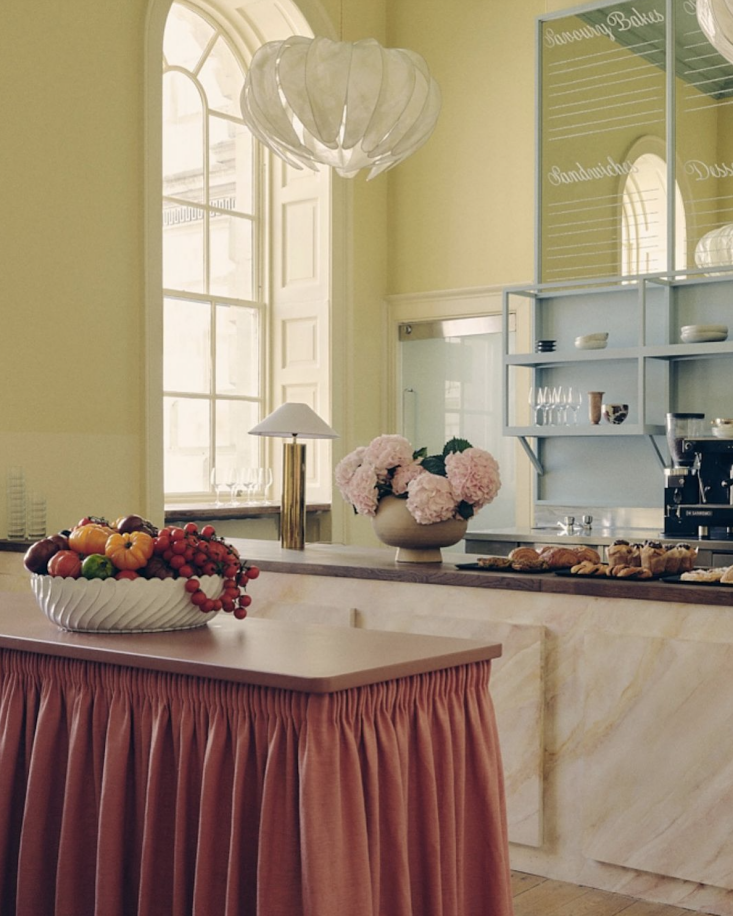
The pièce de résistance of the service area is the faux rose-colored alabaster counter. It is a "wait, did you see that?" moment that bridges the gap between old-world opulence and contemporary playfulness. By using faux finishes, the designers managed to create a high-impact focal point that feels expensive and ethereal without the weight or environmental cost of solid stone.
Biophilic Design and the Plant-Forward Aesthetic
As a "plant-forward" café, the design needed to reflect Chef Sachdeva’s culinary philosophy. However, working within a Grade 1 listed building like Somerset House presents unique challenges. You cannot simply knock down walls or install heavy irrigation systems. Instead, Duelle Studio utilized biophilic design—the practice of connecting occupants to nature—through color, material, and seasonal florals curated by MOS.
Sustainability is the silent partner in this project. We’ve seen a 45% growth in demand for bespoke eco-friendly paint solutions in London boutique interiors for the 2026 project cycle. This shift isn't just about "going green"; it’s about the quality of the finish and the health of the environment. The use of breathable, low-VOC paints like those from Coat Paints ensures that the air quality remains as fresh as the menu. When you're designing your own space, look for these sustainable labels—not just for the planet, but for the clarity and depth of color they provide.
Statement Lighting: The Art of the Glow
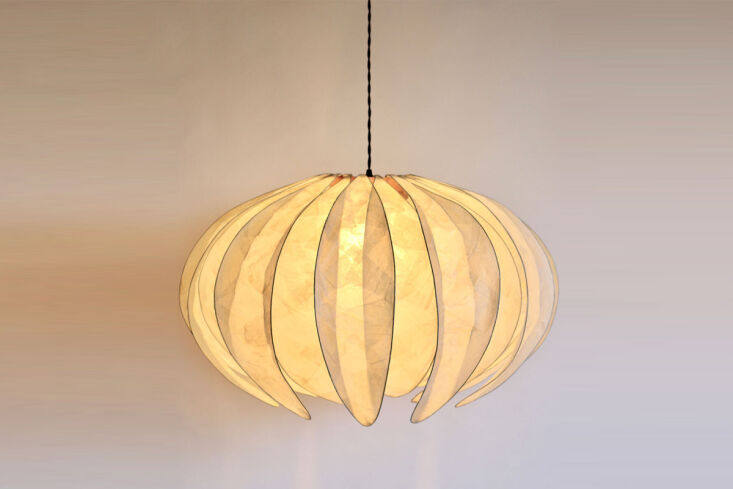
In 2026, lighting is no longer just functional; it is sculptural. Café Petiole champions this trend through its use of handmade Peony Pendants by artist Colin Chetwood. These fixtures, priced at approximately £175, are crafted from copper and tissue-thin materials that mimic the organic folds of a flower. They add a botanical touch that feels artisanal rather than mass-produced.
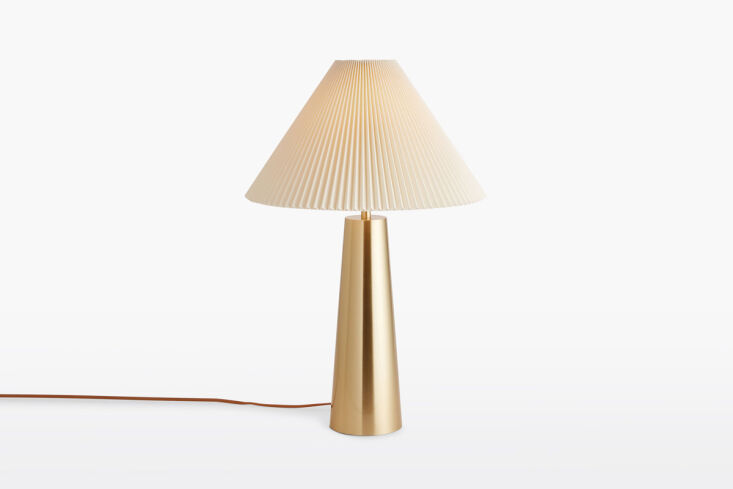
For the "secondary" lighting—the kind that creates intimacy during the transition from afternoon tea to early evening—the studio selected the Barden Taper Table Lamp. At $369, it’s an investment piece that provides focused, warm light, perfect for illuminating a corner table or a home library. The key takeaway here is layering: use statement overheads to define the room’s personality, but rely on table lamps to define the mood.
Furniture and Soft Goods: Steal the Look
The "Café Petiole Look" is a masterclass in mismatched perfection. It avoids the stiff, corporate feel of many modern cafés by incorporating domestic touches that make you feel at home. To recreate this vibe, look toward pieces that have a history or a handcrafted feel.
The Bistro Chair Reimagined
The seating at Café Petiole features mismatched bentwood bistro chairs, specifically the Freya Bistro Chair (approx. $160). These were customized in various shades of the project's signature dusty rose and yellow. This "mismatched" approach is a clever way to add character without clutter; by keeping the style of the chair consistent but varying the color, the space feels cohesive yet spontaneous.
Textile Details
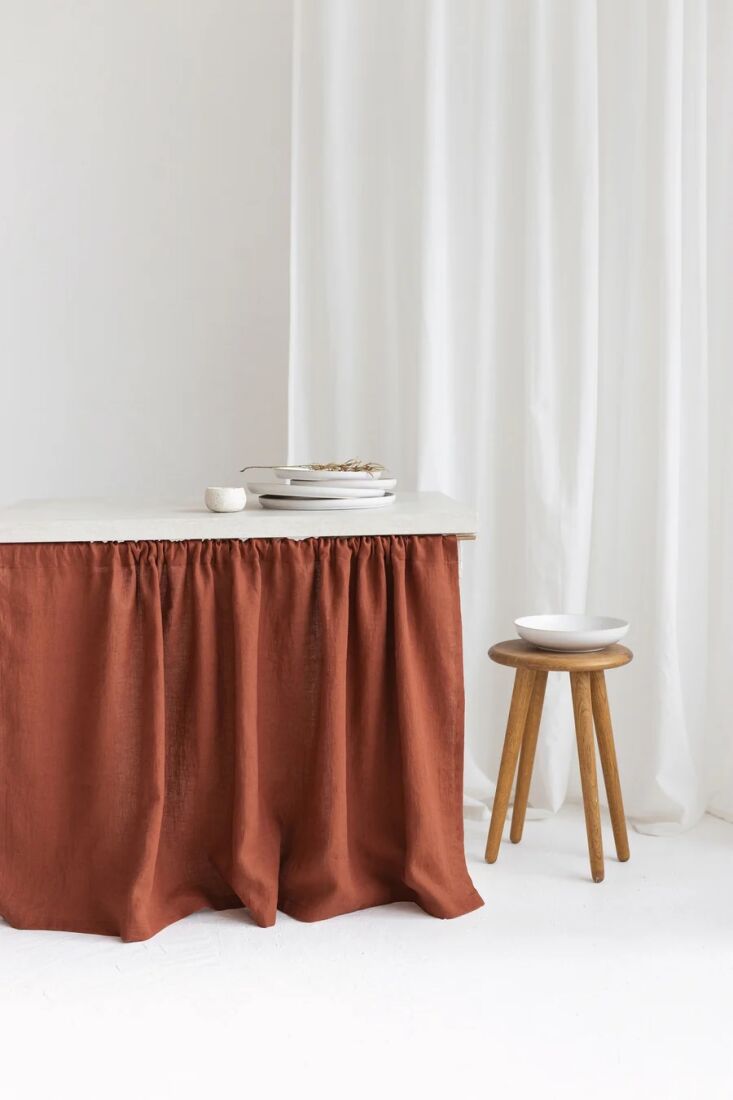
One of the most charming elements in the café is the use of custom deep coral pleated linen sink skirts. Sourced from Loual Studio, these fabric interventions soften the hard surfaces of the commercial kitchen and bathroom areas. It’s a nod to the "cottagecore" aesthetic but elevated for a sophisticated urban setting. Adding a linen skirt to a console table or a kitchen island in your own home is an easy, budget-friendly way to introduce texture and hide storage.
The Foundation
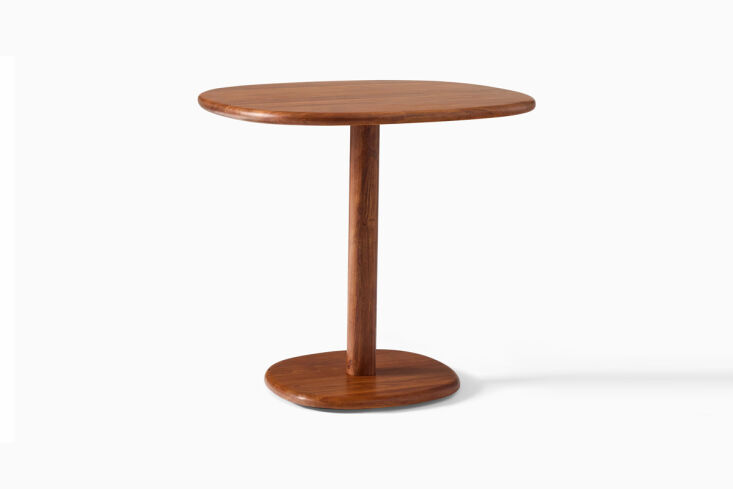
The tables are kept clean and modern to balance the ornate lighting and colorful walls. The Mosco Bistro Table from West Elm ($399) provides a sturdy, chic foundation that works in small dining nooks or larger social spaces.
Get the Look: Shopping List
| Item | Source | Est. Price |
|---|---|---|
| Wall Paint | Coat Paints (Bespoke) or Farrow & Ball Dayroom Yellow | $110/gal |
| Peony Pendant | Colin Chetwood | £175 |
| Bistro Chair | Freya Bistro Chair | $160 |
| Bistro Table | West Elm Mosco Table | $399 |
| Linen Skirts | Loual Studio (Custom) | $120+ |
2026 Hospitality Trends: The Rise of Intriguing Maximalism
As we look toward 2026, the "Spirit of Place" is becoming the most important design principle. Designers are no longer trying to make every café look like a minimalist Scandinavian loft. Instead, they are leaning into "intriguing maximalism"—the art of layering colors, textures, and historical references to create a space that feels unique to its location.
At Café Petiole, Duelle Studio respected the historical architecture of Somerset House while injecting a youthful, vibrant energy. This dialogue between the past (the Grade 1 listed walls) and the future (the candy-colored finishes) is exactly what modern diners are looking for. They want a space that feels like a discovery.
Flexible layouts are also key. The café is designed to accommodate the frantic pace of a morning coffee rush and the slow, communal atmosphere of an evening event. By using lightweight furniture and smart lighting zones, the space transforms effortlessly throughout the day.
Ivy’s Insider Tip: When designing for a historical or "fixed" space, don't try to hide the architecture. Instead, use a bold, contrasting color palette to highlight it. The juxtaposition of a classic crown molding against a buttery yellow wall is what creates that "designer" feel.
FAQ
How can I achieve the 'candy-colored' look without it feeling childish? The secret lies in the undertones. Avoid primary colors. Instead, choose "muddy" or "dusty" versions of your favorite shades—think dusty rose instead of bubblegum pink, or ochre instead of bright yellow. These tones feel sophisticated and adult.
Is biophilic design just about adding plants? Not at all. While plants are a part of it, biophilic design also includes using natural materials like wood, linen, and stone, as well as maximizing natural light and using organic, flowery shapes in your furniture and lighting.
Where can I find affordable versions of sculptural lighting? Look for independent artists on platforms like Etsy or at local craft fairs. Handmade paper or fabric pendants offer the same organic feel as high-end sculptural pieces at a fraction of the cost.
Whether you're planning a full renovation or just looking to refresh your dining nook, the design of Café Petiole offers endless inspiration. It reminds us that spaces should be joyful, personal, and deeply connected to their surroundings.