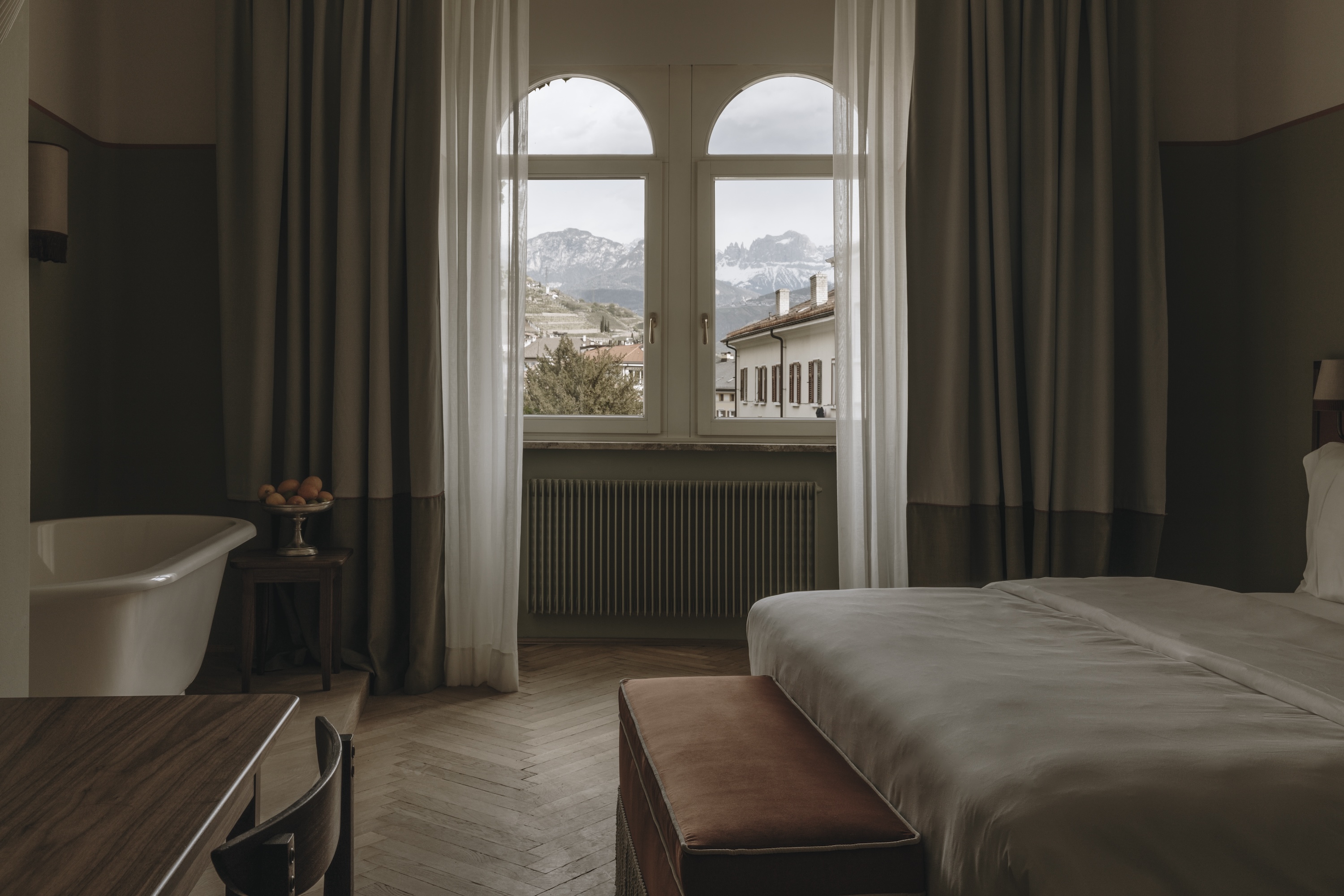
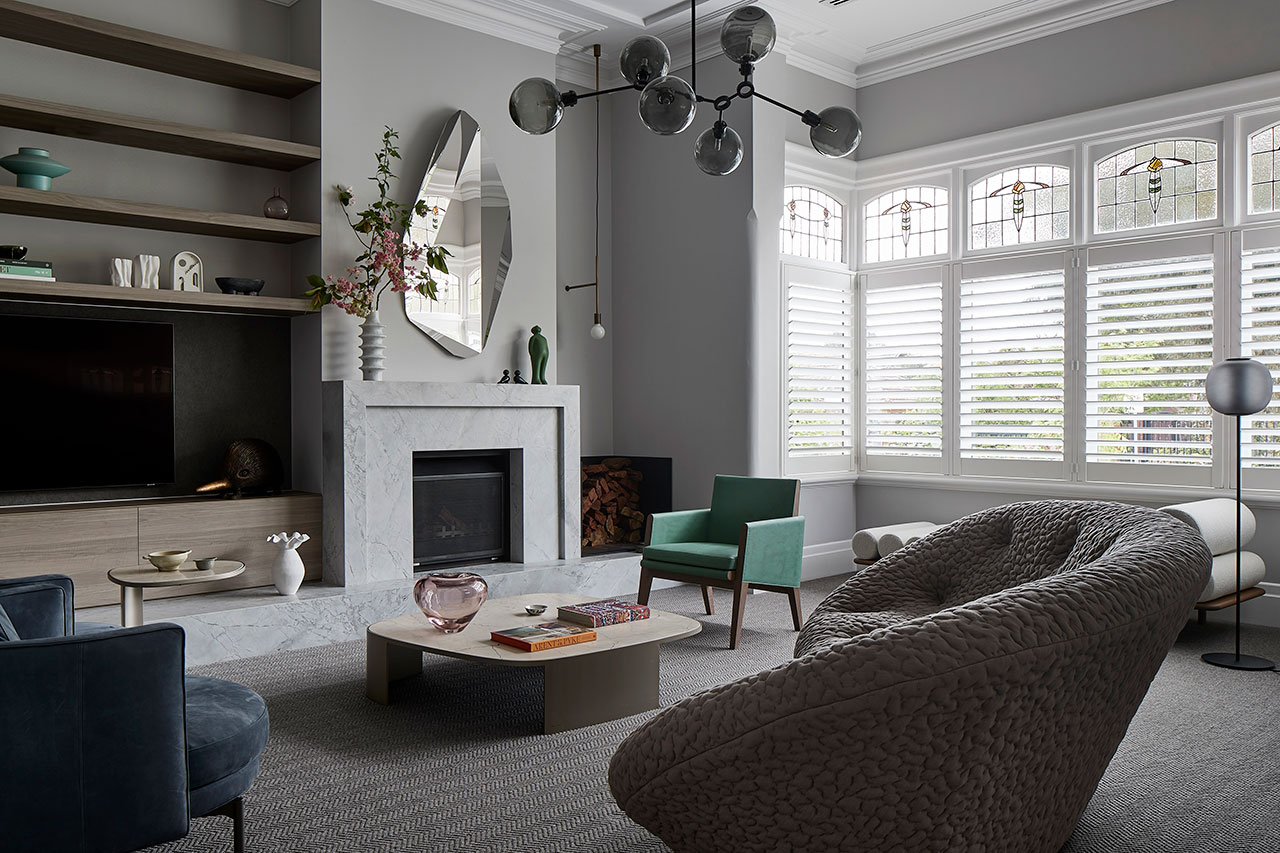
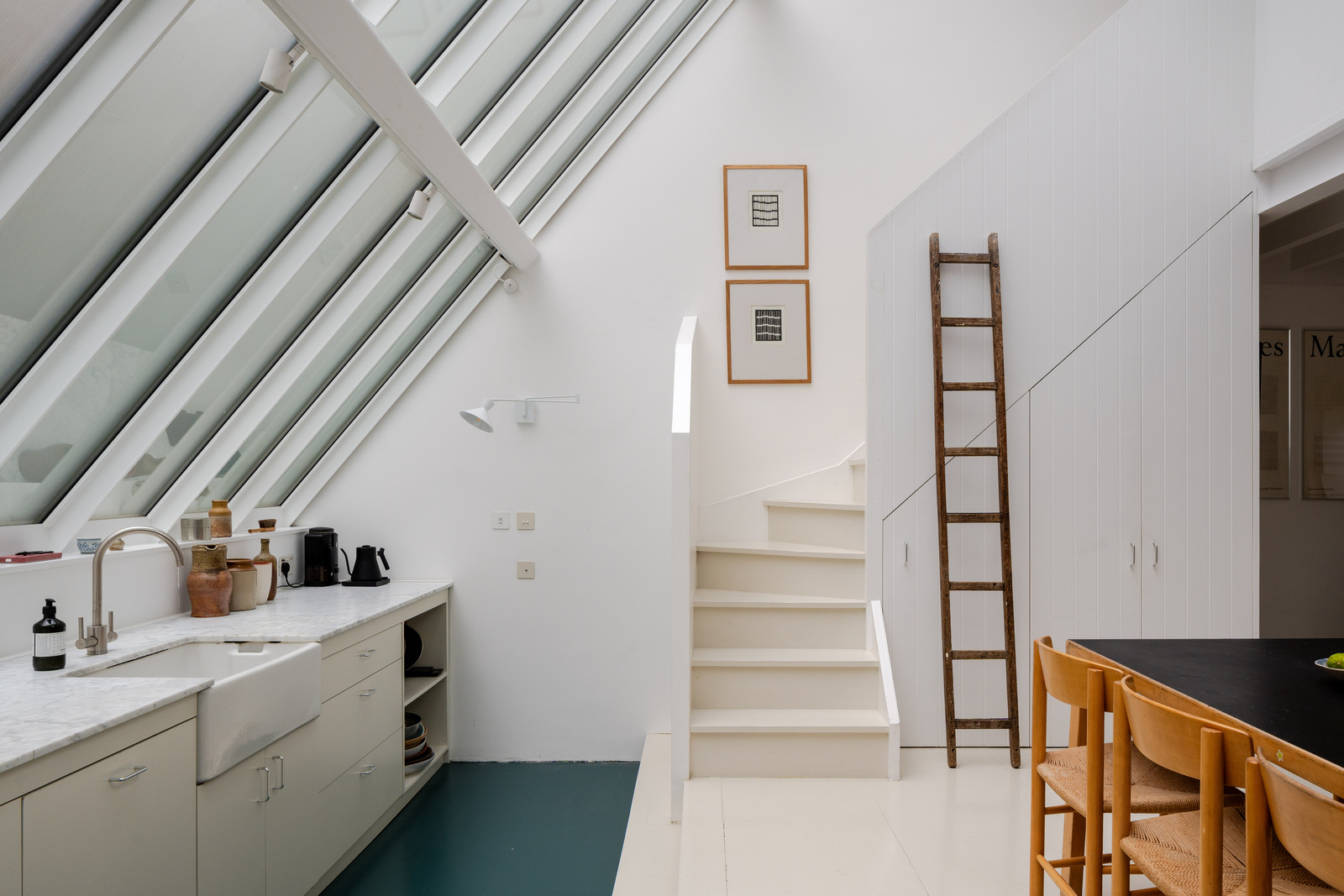
Gone are the days when the bathroom was merely a functional, sterile space relegated to the periphery of home design. As we look toward 2026, the boundary between "utility" and "living space" is dissolving entirely. We are entering the era of the invisible bathroom. This design philosophy prioritizes an architectural, seamless look where fixtures don’t just sit in a room—they disappear into it. By utilizing recessed fixtures, frameless glass, and hidden plumbing, we are creating "monastic" sanctuaries that feel more like private galleries than traditional washrooms.
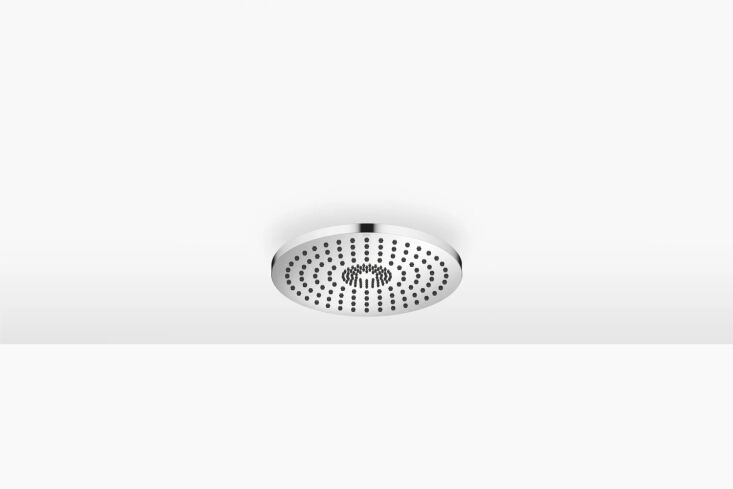
The shift is backed by significant data: demand for recessed, ceiling-mounted shower heads has grown by 45% recently as homeowners move away from bulky, protruding hardware in favor of "barely-visible" architectural plumbing. Essentially, invisible design isn't about making the bathroom disappear; it's about removing the visual noise so the experience of water and light can take center stage.
The Core Philosophy: The Bathroom as a 'Living Space'
In my years as an editor, I’ve seen minimalism evolve from "cold and clinical" to what we now call Organic Minimalism. This is the primary luxury driver for 2026, with over 80% of interior designers identifying it as the leading aesthetic for high-end renovations. This approach combines hidden, high-tech functionality with the raw, tactile warmth of natural materials like travertine, fluted oak, and lime-wash plaster.
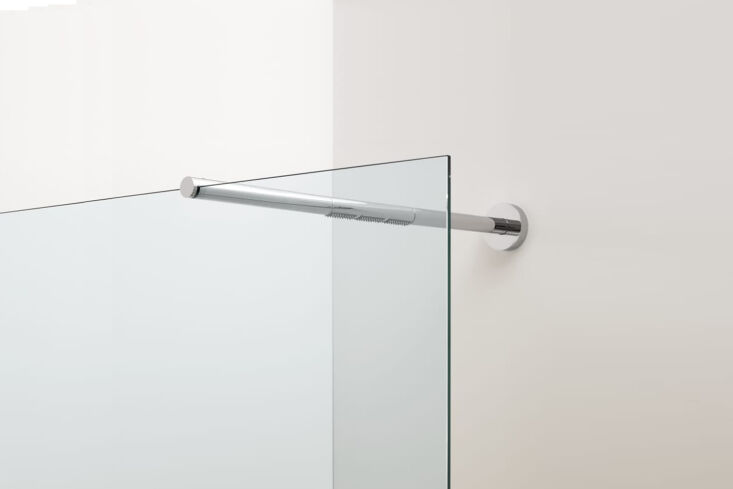
The goal is a museum-like tranquility. Instead of a bathroom that looks "decorated," we are designing spaces that look "built." This means the vanity might look like a floating piece of fine furniture rather than a cabinet, and the shower becomes a "wet zone" defined by a single sheet of glass or a subtle change in floor pitch rather than a bulky enclosure.
Concealed vs. Exposed: Choosing Your Structural Foundation
Before you pick out a faucet, you must decide on the "skeleton" of your bathroom. The invisible aesthetic relies heavily on concealed systems, where the valves and pipes are hidden behind the tiles.
| Feature | Concealed (Invisible) Plumbing | Exposed (Classic/Industrial) Plumbing |
|---|---|---|
| Visual Impact | Sleek, architectural, and clutter-free. | Statement-making, vintage, or industrial. |
| Space Efficiency | Ideal for small rooms; takes up zero "air space." | Requires more clearance; can feel crowded. |
| Maintenance | Low surface cleaning; requires access panel for repairs. | More surfaces to polish; easier to access for repairs. |
| Installation | Requires precision during the wall-stud phase. | Easier to retrofit into existing walls. |
Ivy’s Pro Tip: If you are aiming for the invisible look, the technical planning must happen during the "rough-in" stage. You cannot easily switch to a flush-mount ceiling head once the ceiling is closed. Precision is the price of perfection.
Top Minimalist Fixtures for 2026: The Curated List
Choosing the right hardware is the difference between a bathroom that looks "modern" and one that looks "invisible." Here are the fixtures setting the standard for 2026:
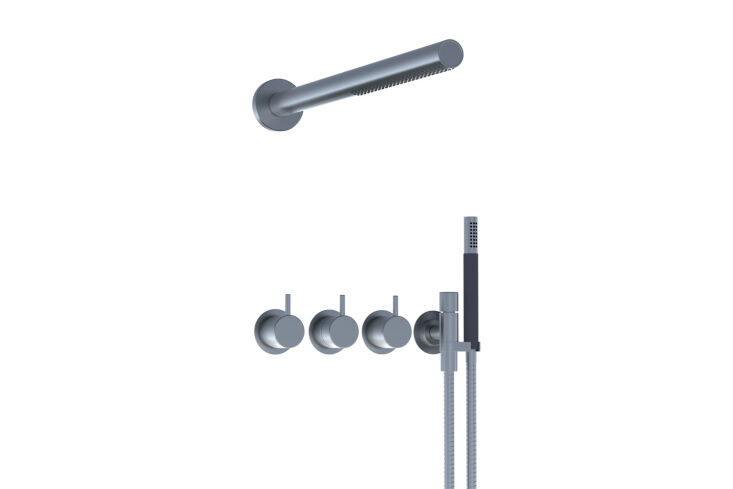
- Vola Thermostatic Shower Set: Often considered the gold standard of architectural plumbing. Designed by Arne Jacobsen, its profile is so slim it’s almost two-dimensional. It’s an investment piece (approx. $5,000+), but its timelessness is unparalleled.
- Grohe Rainshower Mono: For those seeking an invisible look on a realistic budget, this is the best flush-mount ceiling option (~$350). It sits entirely flat against the ceiling, providing a "column of rain" effect without a visible arm.
- Gessi Flessa & Treemme Watertube: These brands are pioneering the "simple pipe" aesthetic. Instead of bulky handles, they use slender, primitive shapes that look like minimalist sculptures.
- Dornbracht & AXOR: These manufacturers are leading the trend in ultra-slim, wall-mounted precision. Their latest controls are often integrated into the wall surface itself, with only a small dial or button protruding.
2026 Design Directions: Organic Minimalism & Warmth
While the fixtures are disappearing, the materials around them are getting louder—in a quiet way. We are seeing a definitive shift away from the "Cold Gray" era. In 2026, invisible bathrooms are being wrapped in "Warm Neutrals."
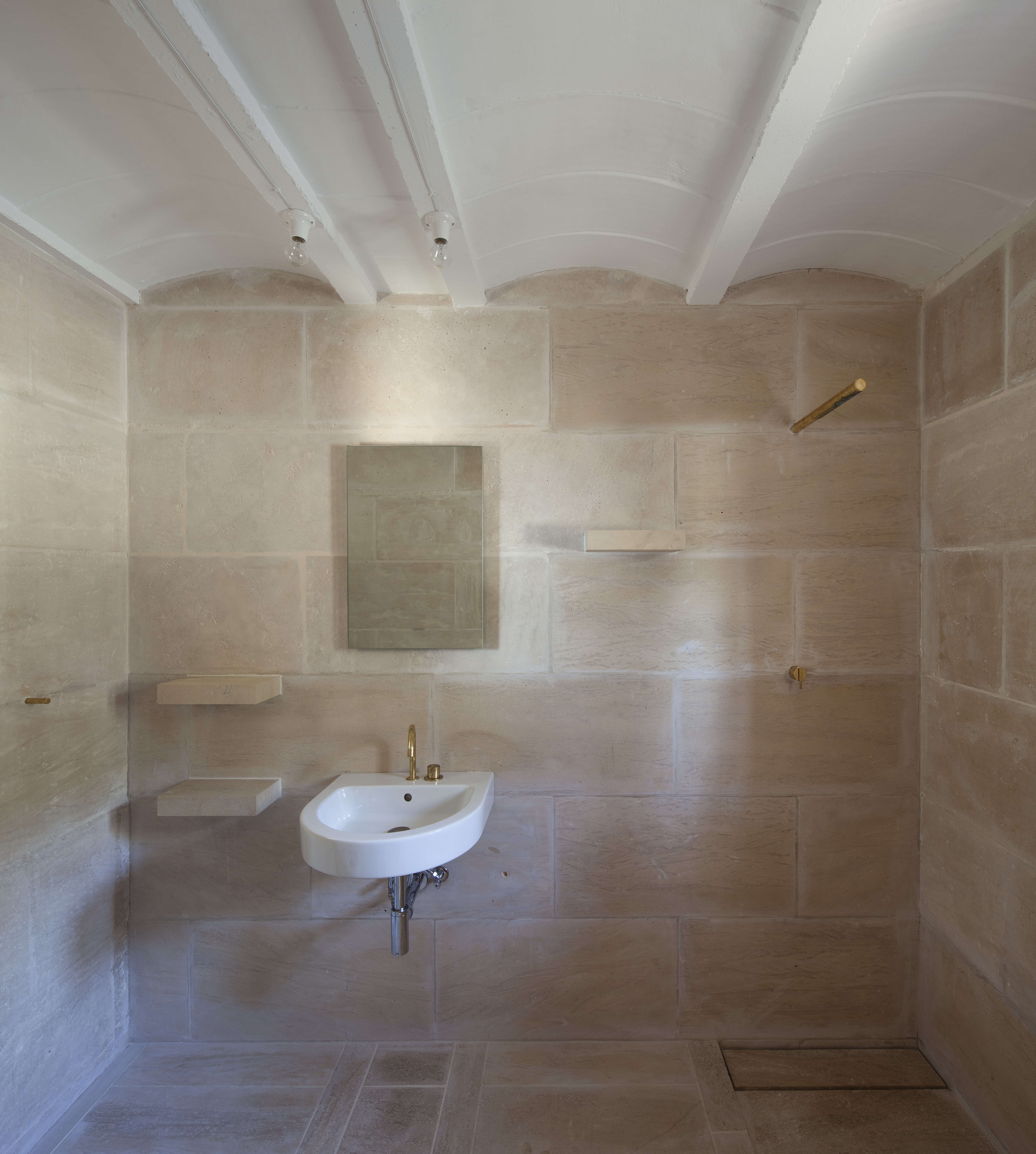
- The Palette: Think Sherwin-Williams Universal Khaki or Greek Villa. We are moving toward sandy beiges, muted terracottas, and mushroom tones.
- Tactile Textures: The "invisible" look works best when contrasted with high-texture stone. A recessed shower head looks incredible when the water falls onto a rough-hewn basalt floor or a honed marble slab.
- Layered Lighting: To achieve a "museum" feel, lighting must be invisible too. We are using programmed LEDs hidden in ceiling coves and floor recesses to transition the mood from "Bright Sunrise" for your morning routine to "Soft Candlelight" for a late-night soak.
High-End Upgrades: Beyond the Faucet
To truly commit to the invisible aesthetic, you have to look beyond the plumbing. Every element of the room should serve the "hidden" theme.
- Wellness-Centric 'Wet Zones': Instead of a traditional shower stall, create a large, open zone that includes a steam unit and a built-in stone bench. Because the fixtures are recessed, the space feels like a natural grotto.
- Furniture-Grade Vanities: The trend is toward vanities that look like floating consoles. Use "push-to-open" drawers to eliminate handles and hardware, maintaining that sleek, unbroken line.
- Smart Integration: Technology should be felt, not seen. This includes LED medicine cabinets with integrated demisters and "invisible" in-drawer charging stations for electric toothbrushes and shavers.
Implementation Checklist: Achieving the Perfect Flush Look
Achieving an invisible bathroom requires more than just buying the right products; it requires a disciplined approach to construction. Use this checklist when speaking with your contractor:
- [ ] Precise Routing: Ensure the contractor uses a template for recessed ceiling heads to ensure the flange sits perfectly flush with the drywall or tile.
- [ ] Waterproofing Membranes: Because invisible designs often feature "barrier-free" (curbless) entries, high-quality waterproofing like Schluter-Kerdi is non-negotiable.
- [ ] Metal Selection: Move away from high-contrast Matte Black. For 2026, we recommend "warmer" metals like Polished Nickel or Unlacquered Brass. These tones reflect the surrounding stone and wood, helping the hardware "blend" into the environment.
- [ ] Frameless Transitions: Aim for glass-to-tile transitions that use recessed channels rather than visible metal clips. This makes the glass appear to grow directly out of the floor and walls.
FAQ
Q: Is invisible bathroom design harder to maintain? Actually, it can be easier. By eliminating protruding handles, shower arms, and bulky frames, you reduce the number of surfaces where limescale and soap scum can collect. The key is ensuring you have an access panel (discreetly hidden) for any behind-the-wall plumbing maintenance.
Q: Can I achieve this look in a small bathroom? Absolutely. In fact, invisible design is better for small spaces. By removing visual "clutter"—like shower curbs and protruding faucets—you create an unbroken line of sight that makes a small bathroom feel significantly larger.
Q: What is the most important element for the "Invisible" look? The curbless shower. Eliminating the step-in curb and using the same tile across the entire floor is the single most effective way to make a bathroom feel like a seamless architectural extension of the home.
Conclusion
Designing an invisible bathroom is an exercise in restraint. It is about choosing quality over quantity and architectural integration over decoration. As we move into 2026, the most luxurious spaces won't be the ones filled with the most "stuff," but the ones that provide the most peace. By investing in recessed fixtures and organic materials, you aren't just building a bathroom—you're building a sanctuary that stands the test of time.
Ready to start your transformation? Start by looking at your ceiling—sometimes the best design is the one you can’t see.