Remember the clinical, stark-white bathrooms of the early 2010s? The ones that felt more like a sterile laboratory than a place to unwind after a grueling day? That era is officially over. Today, the bathroom has transitioned from a utilitarian afterthought to the most vital room in the home—a sanctuary for recovery, a private spa, and a space for daily ritual. At the forefront of this movement is designer Pam Shamshiri, whose work on her own Rudolph Schindler-designed home in Los Angeles has become the definitive benchmark for the "California Fantasy" bathroom.
A Japanese-style spa bathroom, or ofuro, is fundamentally different from the Western concept of a washroom. It is defined by its use of natural materials like hinoki wood, a minimalist aesthetic, and deep soaking tubs intended for restorative relaxation rather than just hygiene. To replicate Pam Shamshiri's bathroom aesthetic, one must integrate a hinoki wood soaking tub, utilize wall-mounted faucets in warm finishes like brushed brass, and incorporate earthy, tactile textures such as matte-glazed ceramic tiles.
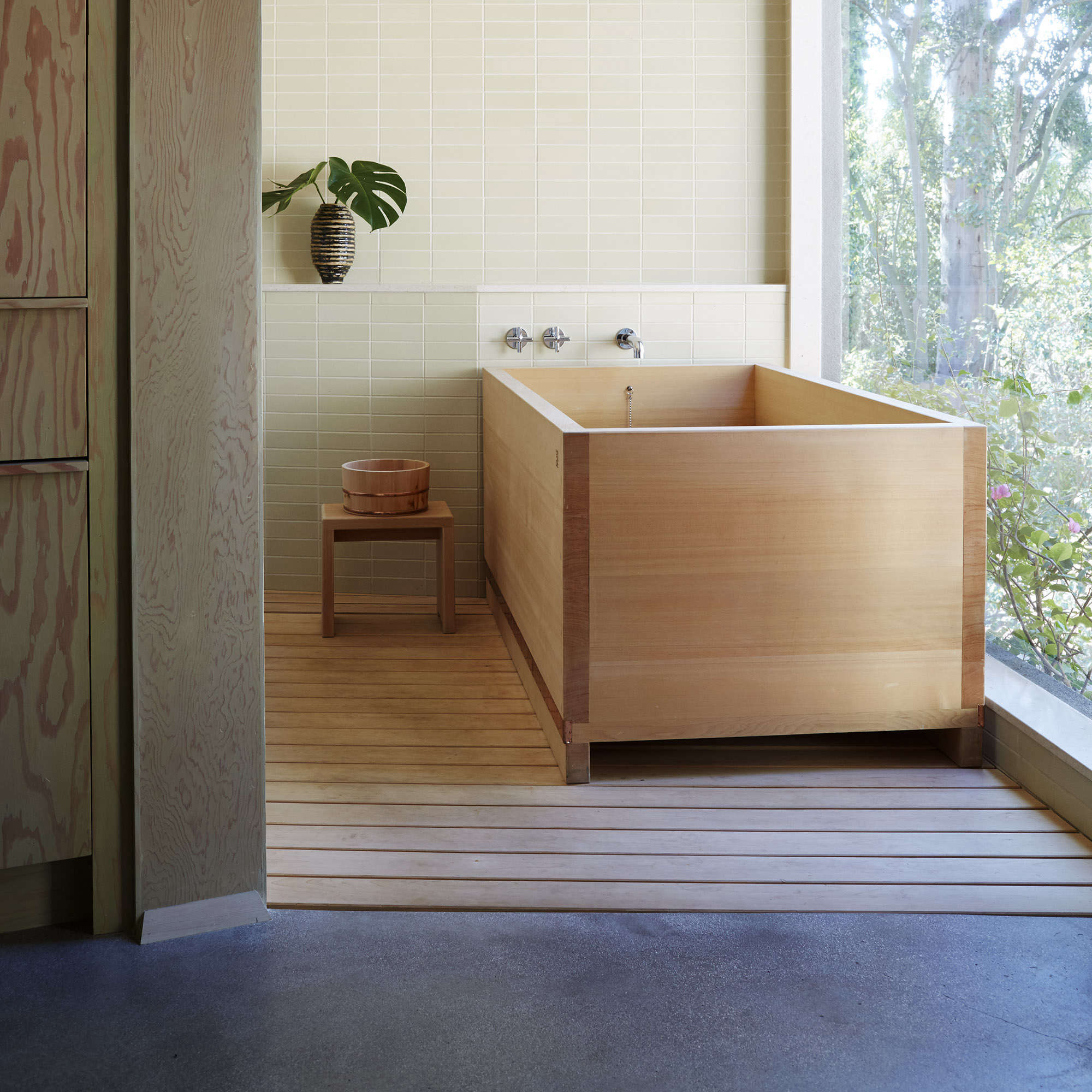
The Heart of the Sanctuary: The Hinoki Soaking Tub
The centerpiece of any Japanese-inspired spa bathroom is the ofuro. Unlike Western bathtubs, which are designed for reclining and soaping up, the ofuro is designed for deep, upright soaking. In the Japanese tradition, you wash and rinse thoroughly before entering the tub; the water inside remains pure, intended only for the therapeutic benefits of heat and the aromatic essence of the wood.
The material of choice is almost always Hinoki (Japanese cypress). This wood is legendary in the design world for its distinct, lemony scent that intensifies when wet, and its natural resistance to mold and rot. When you step into a bathroom anchored by a hinoki tub, the olfactory experience immediately signals your brain to downshift.
"The bathroom should be a place where the architecture holds you," Shamshiri has often noted. In her LA sanctuary, the tub isn't just a fixture; it’s a sculptural furniture piece that bridges the gap between the built environment and the natural world.
For those looking to bring this ritual home, sourcing is key. Brands like Zen Bathworks specialize in hand-crafted Japanese tubs that can be customized for modern plumbing. The depth is crucial—usually at least 25 inches—allowing the water to reach the shoulders of a seated person, creating a feeling of weightlessness that is essential for physical recovery.
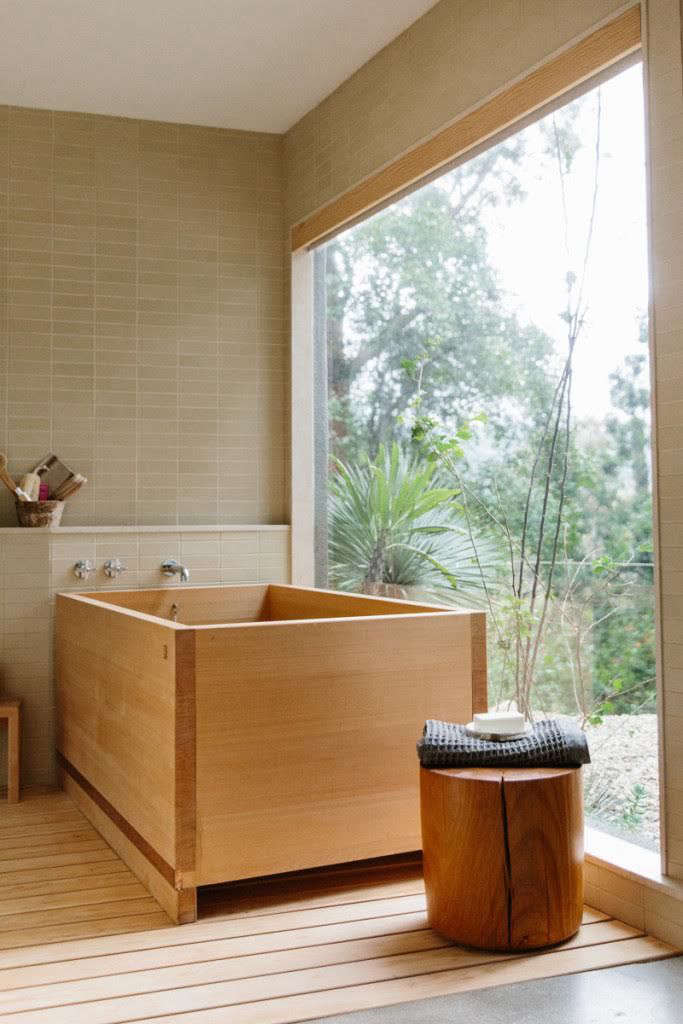
Materiality and "The Hard Stuff"
To achieve the Shamshiri look, you must move away from high-gloss, reflective surfaces. In a wellness-focused interior, the goal is to reduce visual noise. This starts with "the hard stuff"—the tiles and stones that form the room's envelope.
Instead of the ubiquitous polished Carrara marble, look toward stones with a "honed" or "tumbled" finish. Travertine and limestone are seeing a massive resurgence because of their earthy, honey-hued palettes. They feel soft underfoot and age gracefully, developing a patina that polished surfaces never will.
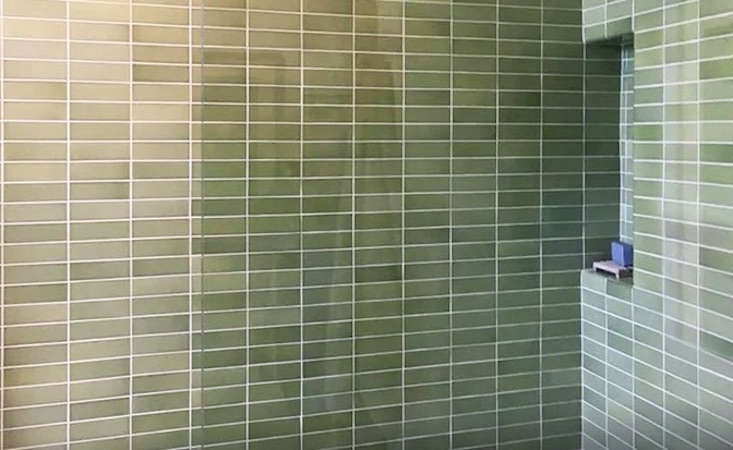
For wall coverings, Shamshiri often leans into the heritage and craft of matte-glazed ceramic. The Heath Ceramics Classic Field Tiles in matte glazes are a staple of this aesthetic. These tiles aren't perfectly uniform; they have slight variations in color and texture that catch the light softly, providing a "honed" feel that replaces the sterility of a hotel bathroom.
| Material | Traditional Choice | The Shamshiri Spa Choice |
|---|---|---|
| Tub Material | Acrylic / Cast Iron | Hinoki Wood / Cedar |
| Stone Finish | Polished Marble | Honed Travertine / Limestone |
| Wall Tile | Glossy Subway Tile | Matte-Glazed Ceramic Field Tile |
| Metal Finish | Polished Chrome | Unlacquered Brass / Bronze |
The 2026 Shift: Warm Metals and Wellness Technology
As we look toward the luxury bathroom trends of 2026, the data points toward a profound shift in how we specify fixtures. Design specification audits show a 40% increase in the selection of warm metal finishes, such as unlacquered brass, champagne bronze, and oil-rubbed bronze, compared to the polished chrome that dominated the last decade. These warmer metals coordinate beautifully with the amber tones of hinoki wood and the creaminess of travertine.
Furthermore, the "bathroom as a wellness retreat" is no longer a niche concept. Market data indicates that 85% of luxury homeowners now prioritize wellness-integrated features. We are seeing a move away from the massive "master bath" floor plans of the early 2000s in favor of more compact, highly specialized spaces featuring steam units, sculptural furniture-like fixtures, and advanced aromatherapy systems.
Lighting is also evolving. The era of the single, harsh overhead light is over. In a Shamshiri-inspired space, lighting is layered like jewelry. Think fluted glass sconces that cast soft, diffused shadows, and backlit mirrors that provide a halo effect without the glare of task lighting.

The "Wood Stuff" and Little Luxuries
While the tub and tiles are the heavy hitters, the soul of a Japanese spa bathroom lies in the "little stuff"—the tactile accessories that complete the ritual. This is where you can apply the principles of "Quiet Luxury": high-quality craftsmanship over flashy ornamentation.
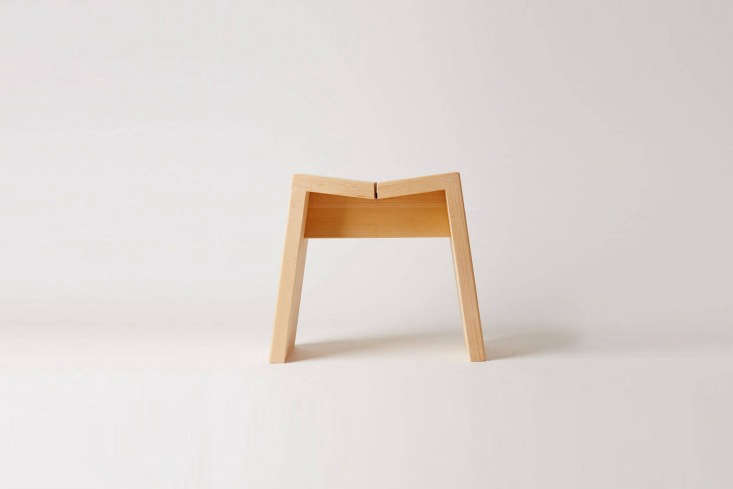
To replicate the layering seen in Pam Shamshiri's designs, incorporate small wooden furniture pieces. A simple hinoki bath stool (the furo-oke) and a matching copper-banded wood bucket are essential. These items bring the warmth of wood directly into the shower and bath area, breaking up the coldness of stone and tile.
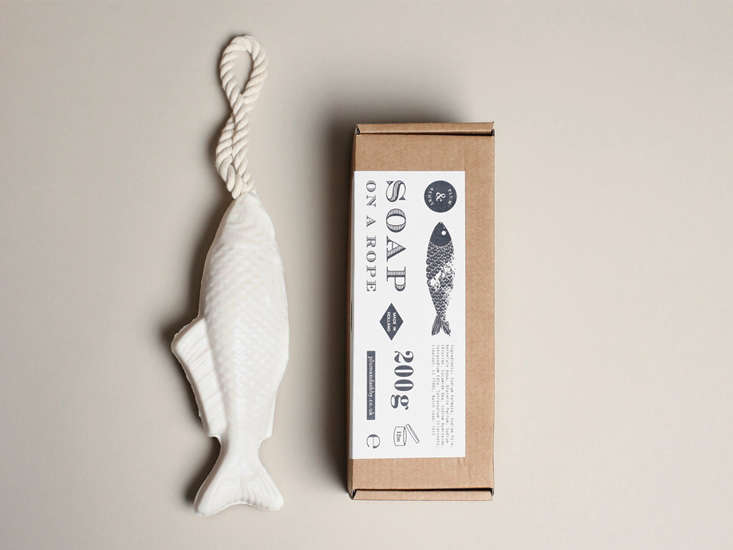
Sensory layers should be intentional. Replace your plush, heavy towels with high-absorbency waffle-weave towels from brands like Onsen. They dry faster and have a more modern, architectural drape. For a final touch of whimsy and tradition, consider the Japanese "Fish Soap on a Rope." It’s a symbol of prosperity and a delightful sensory detail that makes the daily act of washing feel like a celebration.
Architectural Details: Layout and Longevity
The final lesson from the Shamshiri sanctuary is in the architectural layout. There is a definitive move toward furniture-style vanities—pieces that look like they could belong in a living room rather than a bathroom. Floating vanities with integrated stone sinks or tall linen towers made of white oak provide storage while maintaining a sense of airiness.
Longevity is also a key luxury pillar. Modern spa bathrooms are increasingly integrating "aging-in-place" features as standard luxury specifications. This includes curbless "slab" showers and large-format tiles that reduce grout lines, creating a seamless, hotel-inspired look that is also easier to maintain and safer to navigate as the years go by.
FAQ
How do I maintain a hinoki wood tub? Hinoki wood is naturally antibacterial and mold-resistant, but it does require care. It should be kept slightly moist to prevent the wood from shrinking and cracking. Regular use is the best maintenance, followed by a light rinse and ensuring the bathroom is well-ventilated to allow the wood to dry between uses.
Can I achieve a Japanese spa look without a full renovation? Yes. You can start with "the little stuff." Swap out your towels for waffle-weave cotton, add a hinoki wood bath mat and stool, and replace your plastic soap dispensers with ceramic or matte-finish vessels. Changing your lighting from cool-toned bulbs to warm-dim LEDs will also immediately transform the atmosphere.
Is unlacquered brass hard to maintain? Unlacquered brass is meant to patina. It will darken and develop spots over time, which is part of its "living finish" charm. If you prefer a consistent look, you can polish it, but for the Pam Shamshiri aesthetic, the goal is to let it age naturally to match the organic feel of the stone and wood.
Are you ready to transform your bathroom into a restorative sanctuary? Whether you are embarking on a full-scale renovation or looking to add a few sensory layers to your space, remember that the most successful designs are those that prioritize how a room feels rather than just how it looks. Focus on the materials that touch your skin—the warmth of wood, the texture of stone, and the softness of light.