The story of Le Dorian begins not with a blueprint, but with a romance. Legend has it that the brasserie was a gift from a devoted admirer to Mademoiselle Dorian, a celebrated actress at Geneva’s Grand Théâtre during the mid-20th century. For decades, the space served as a theater-adjacent sanctuary, its 1950s timber paneling absorbing the whispers of after-show critiques and late-night toasts. When Chef Florian Le Bouhec took the reins of this legendary Geneva institution, he faced the ultimate designer’s dilemma: how do you modernize a space whose very soul is rooted in the past?
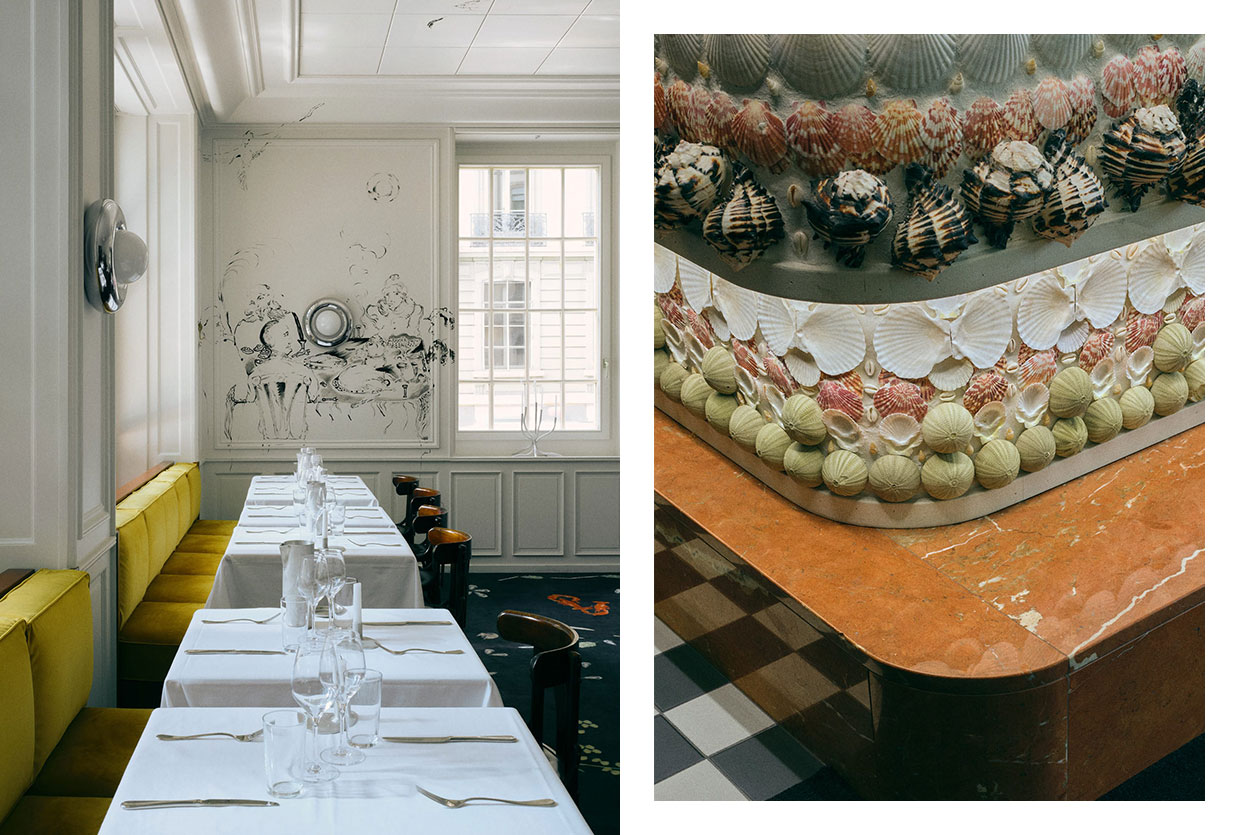
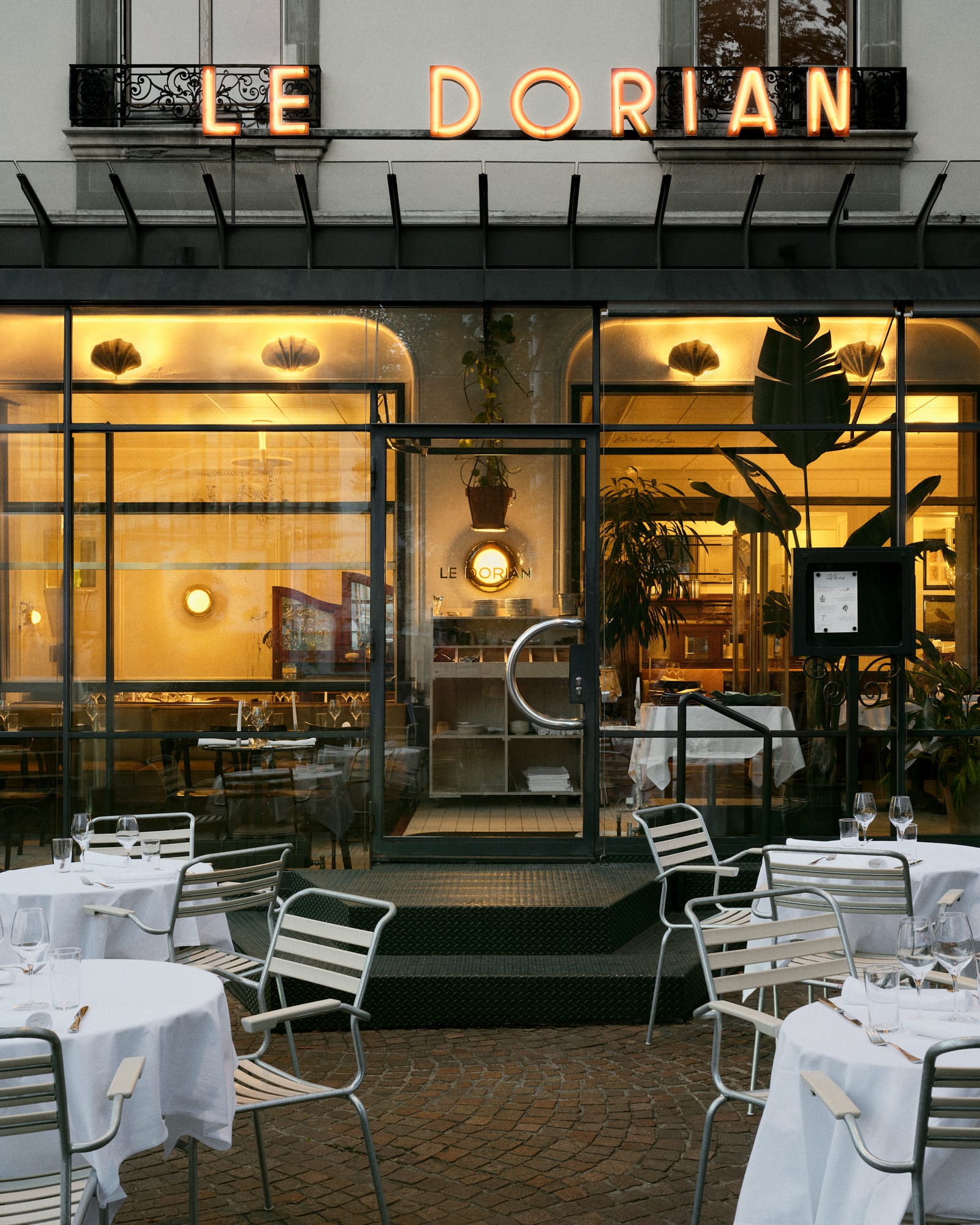
The answer, provided by the visionary team at Ykra (led by Youri Kravtchenko and Marion Vergne), was a philosophy that has since become a benchmark for sustainable luxury: "Change everything by changing nothing." This wasn't a traditional gut renovation; it was a surgical, artistic intervention. Located a stone’s throw from the Grand Théâtre in Geneva, the new Le Dorian manages to feel entirely fresh while preserving 100% of its original 1950s walls, timber paneling, and intricate ceiling details.
Preservation as a Luxury Statement: The 95% Rule
In an era where "new" is often synonymous with "disposable," Le Dorian makes a powerful argument for the luxury of permanence. The renovation project is a masterclass in architectural restraint. By retaining approximately 95% of Le Dorian's original mid-century architectural features, the team significantly reduced the carbon footprint that typically accompanies high-end hospitality renovations.
This approach is more than an environmental choice; it is a branding masterstroke. In the 2026 luxury market, authenticity is the highest currency. Modern consumers are increasingly fatigued by "cookie-cutter" luxury interiors that could exist anywhere from New York to Dubai. By leaning into the specific Swiss heritage of the 1950s, Le Dorian offers a "sense of place" that cannot be manufactured.
The technical execution, however, was anything but simple. To bring a 70-year-old space into the modern era, the designers had to:
- Integrate a state-of-the-art professional kitchen and updated HVAC systems without disturbing the historic timber "envelope."
- Restore the patina of the original wood while ensuring it met contemporary fire and safety regulations.
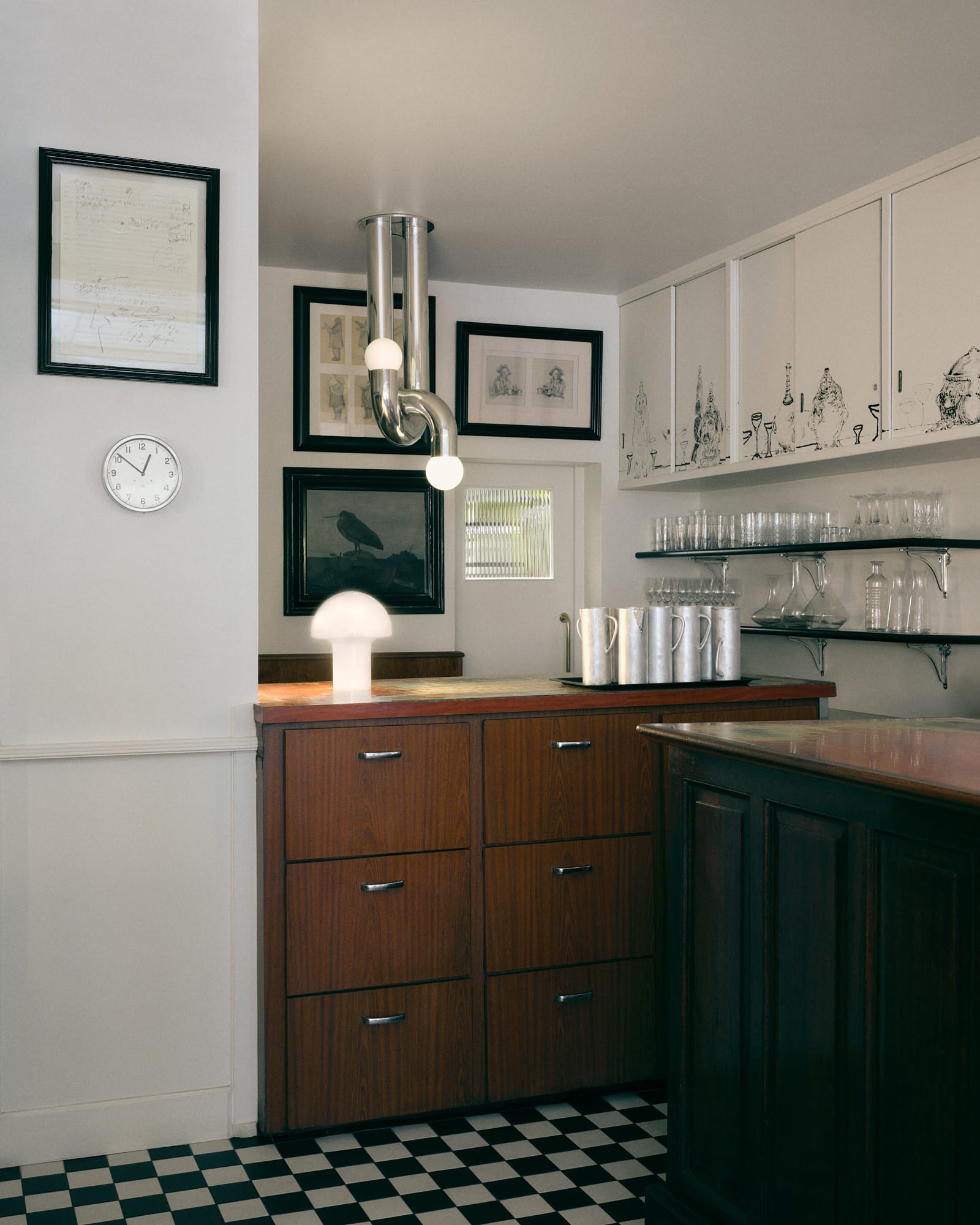
- Introduce modern lighting that complements, rather than clashes with, the mid-century shadows.
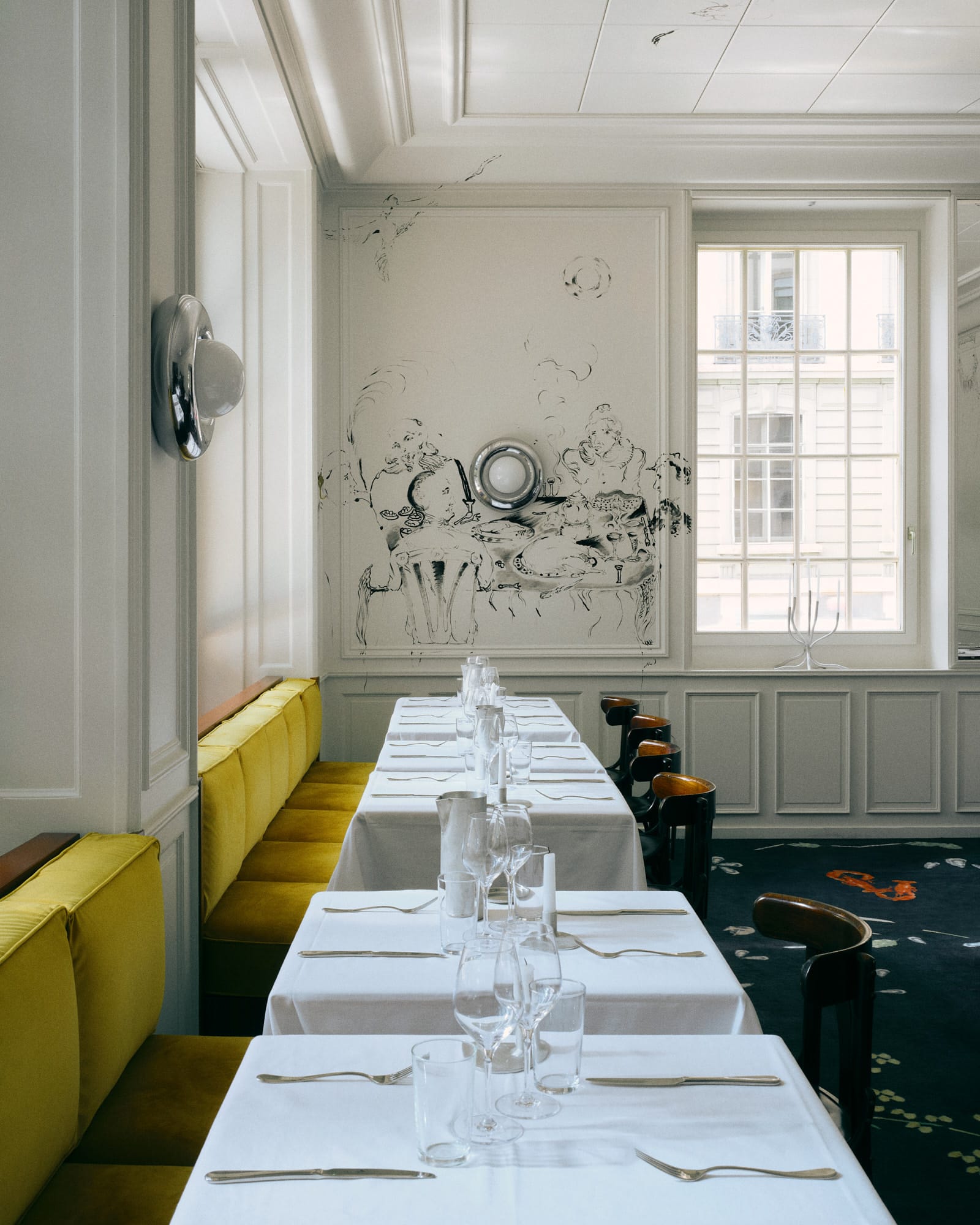
"The goal wasn't to create a museum of the 1950s, but to allow the existing soul of the building to shine brighter through contemporary contrast." — Ivy Chen
The Conservatory: A Phygital Artistic Narrative
If the dining room is a tribute to history, the conservatory is a bold leap into the future. Here, Ykra moved away from traditional decor and toward what we call "phygital" artistic narratives—a blend of physical craftsmanship and digital-age storytelling.
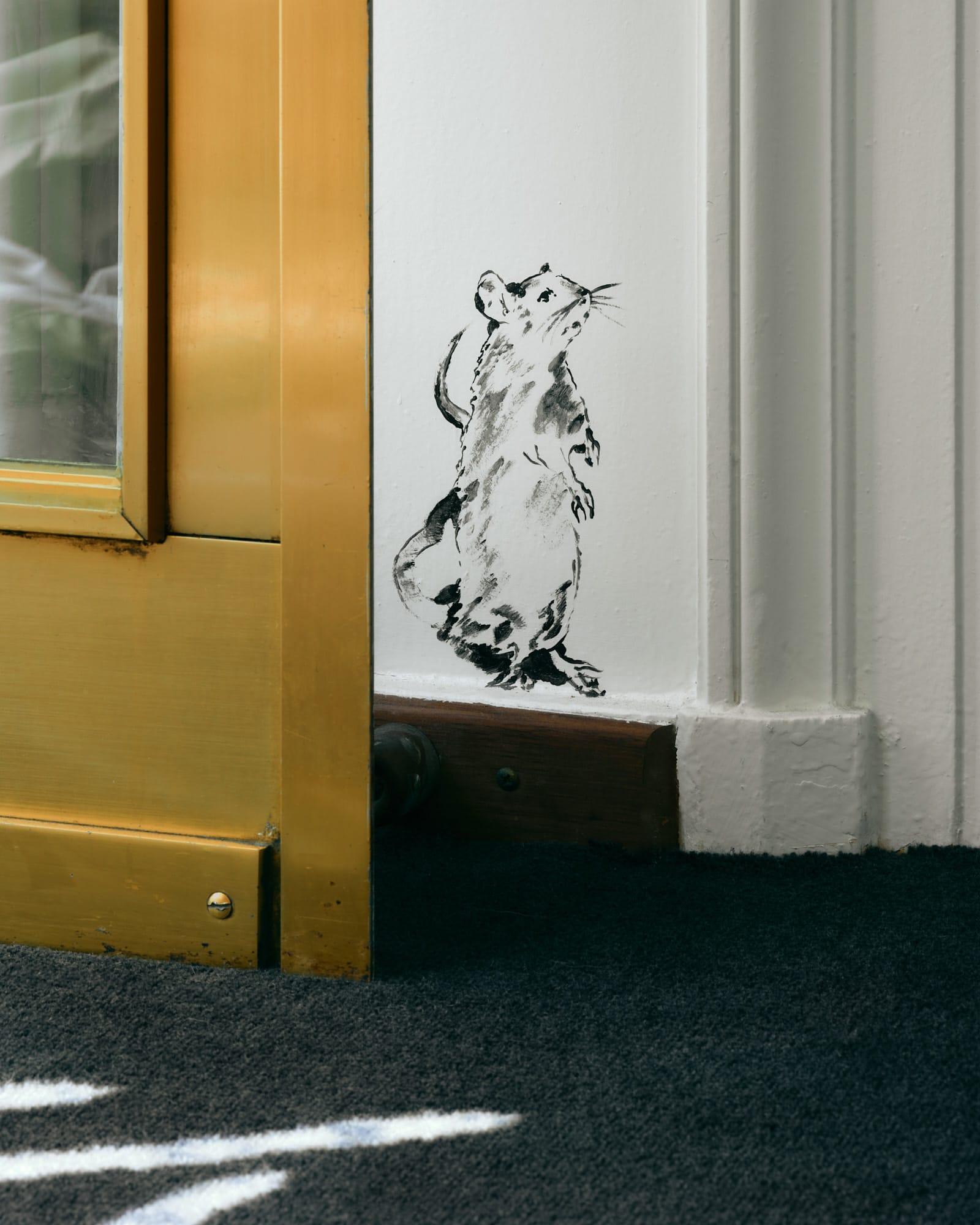
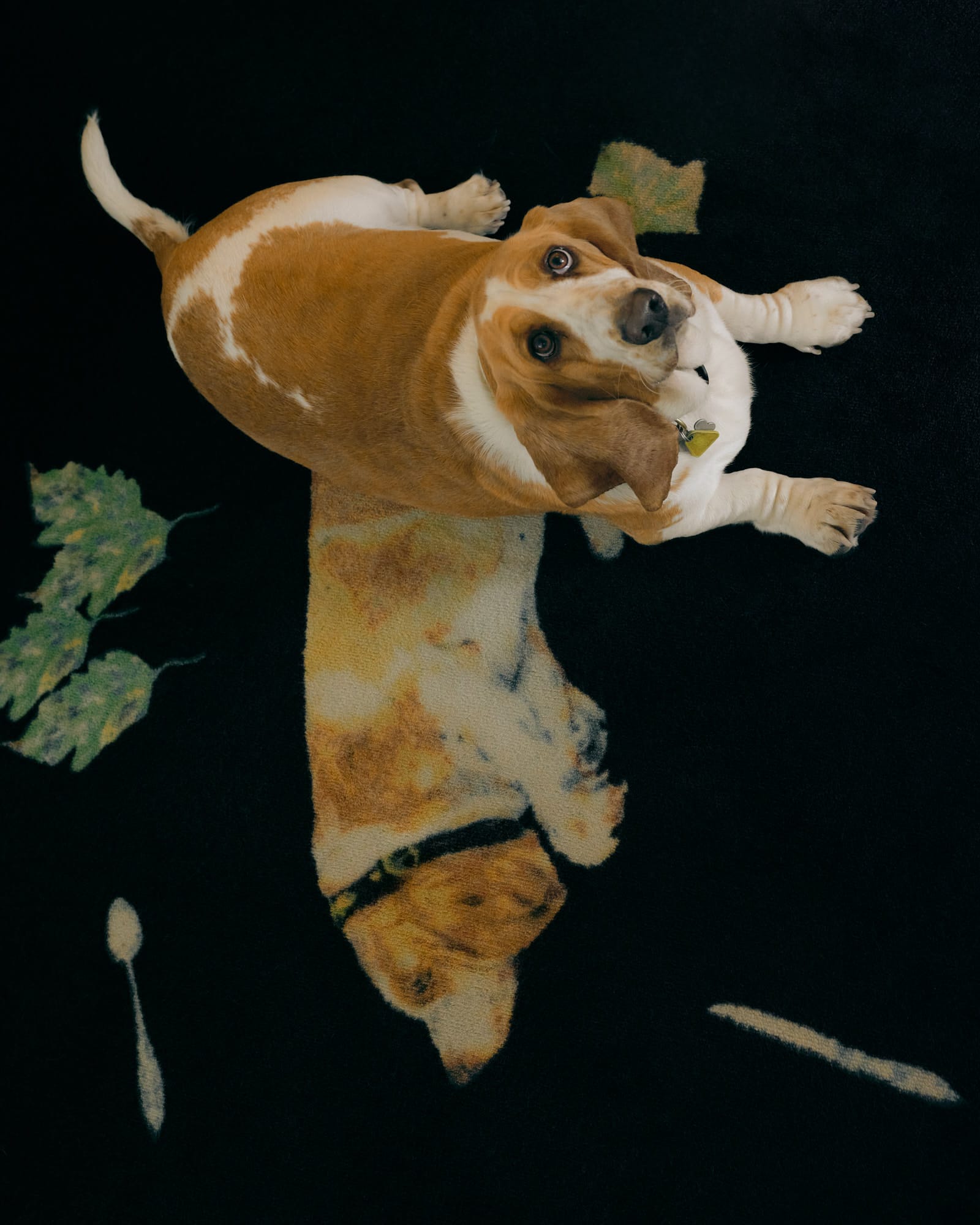
The centerpiece of this space is a breathtaking collaboration between Brazilian artist Pedro Sassi (of Varias Tatu fame) and French mosaicist Mathilde Herrero. The walls are adorned with a narrative that weaves together the restaurant’s culinary identity with personal touches from the owner’s life. Most notably, Chef Le Bouhec’s dog, Béchamel, is immortalized in the artwork alongside culinary motifs, creating a high-art tribute that feels intimate and playful.
This move toward site-specific, narrative art is a strategic one. Industry projections suggest that incorporating these types of "phygital" narratives in luxury hospitality is expected to increase customer brand loyalty by 35% by 2026. Guests no longer just want a meal; they want to inhabit a story.
The materiality in the conservatory further enhances this narrative:
- The Floor: A stark contrast between deep black wool carpeting and pristine white walls/flooring.
- The Mosaic: Hand-laid tiles by Mathilde Herrero that catch the light, echoing the glamour of the nearby Grand Théâtre.
- The Custom Furniture: Pieces that bridge the gap between 1950s curves and 2020s minimalism.
The Bar: Rocaille Meets Marseille Modernism
The bar area at Le Dorian serves as the project’s emotional crescendo. While the rest of the restaurant whispers with mid-century elegance, the bar speaks with a bold, almost theatrical confidence.
The structure itself is inspired by "rocaille"—the French 18th-century style of shell-like, rocky ornamentation—but reimagined through a brutalist, modern lens. It is intentionally over-the-top, designed to be the "stage" for the evening’s social performance.
To anchor this historic extravagance in the present, the designers integrated the work of Marseille-based designer Axel Chay. His signature chrome "doughnut" lamps provide a sharp, modernist contrast to the warm, 1950s timber backdrop. This juxtaposition—the rough, organic texture of the rocaille-inspired bar against the slick, industrial sheen of the chrome lamps—is what makes the renovation feel "seamless" yet exciting.
Key Collaborators: The Creative Force Behind Le Dorian
| Collaborator | Role | Signature Contribution |
|---|---|---|
| Ykra (Youri & Marion) | Lead Architects | The "Change Everything by Changing Nothing" strategy |
| Pedro Sassi | Artist | Mural narratives and "phygital" storytelling |
| Mathilde Herrero | Mosaicist | Custom hand-laid floor and wall mosaics |
| Axel Chay | Product Designer | Chrome doughnut lamps and Mediterranean modernism |
| Florian Le Bouhec | Chef/Owner | Visionary leadership and culinary curation |
Why Seamless Renovation is the Future of Sustainable Luxury
Le Dorian is more than just a beautiful place to eat; it is a blueprint for the future of interior design. We are seeing a definitive shift away from "new-build" fatigue. The luxury consumer of 2026 isn't impressed by how much money was spent to tear something down; they are impressed by the intelligence required to keep something standing.
By focusing on "soul-driven" restoration, Le Dorian achieves three critical goals for the modern market:
- Sustainability: Minimizing waste by keeping the original structure.
- Emotional Connection: Preserving the "DNA" of a local landmark.
- Cultural Capital: Using specific artist collaborations to create a unique, non-replicable environment.
As we move forward, the most prestigious projects won't be the ones that scream the loudest, but the ones that listen to the history of the walls they inhabit. Le Dorian has listened, and in doing so, it has secured its place as a legend for another seventy years.
FAQ
Q: Where exactly is Le Dorian located? A: Le Dorian is located in the heart of Geneva, Switzerland, situated just steps away from the Grand Théâtre. Its proximity to the theater has historically made it a favorite for the arts community.
Q: Is the restaurant's menu as traditional as its interior? A: While the interior honors the 1950s, Chef Florian Le Bouhec’s menu is a contemporary take on the classic brasserie. It emphasizes seasonal, high-quality ingredients with modern plating techniques that mirror the "new-meets-old" design philosophy.
Q: What is "phygital" design in the context of Le Dorian? A: "Phygital" refers to the blending of physical craftsmanship (like hand-laid mosaics and murals) with digital-age narratives and social-media-friendly aesthetics. At Le Dorian, this is seen in the conservatory, where personal stories and modern motifs are integrated into traditional artistic mediums.