Quick Facts
- Project Name: Benito
- Location: Madrid, Spain
- Design Firm: BURR studio
- Original Use: Former Furrier’s Shop
- Key Innovation: A "working" staircase that houses the home’s entire utility infrastructure.
- Spatial Strategy: Utilizing a 4-meter ceiling to create a split-level mezzanine raised exactly 1.8 meters above ground level.
The urban landscape of Madrid is undergoing a quiet but profound metamorphosis. In the city's historic southern districts, the metal shutters of mid-century commercial shops—once bustling with furriers, cobblers, and grocers—are being lifted to reveal a new kind of domesticity. The Benito project by BURR studio is a premier example of this shift, representing a successful commercial-to-residential conversion that turns a narrow, L-shaped former shop into a sophisticated split-level home. By maximizing a 4-meter ceiling height and utilizing "working" architecture, this renovation effectively doubles the functional space of a compact footprint, proving that urban density challenges can be solved with smart design rather than sheer square footage.
The L-Shaped Challenge: Spatial Constraints as Design Catalysts
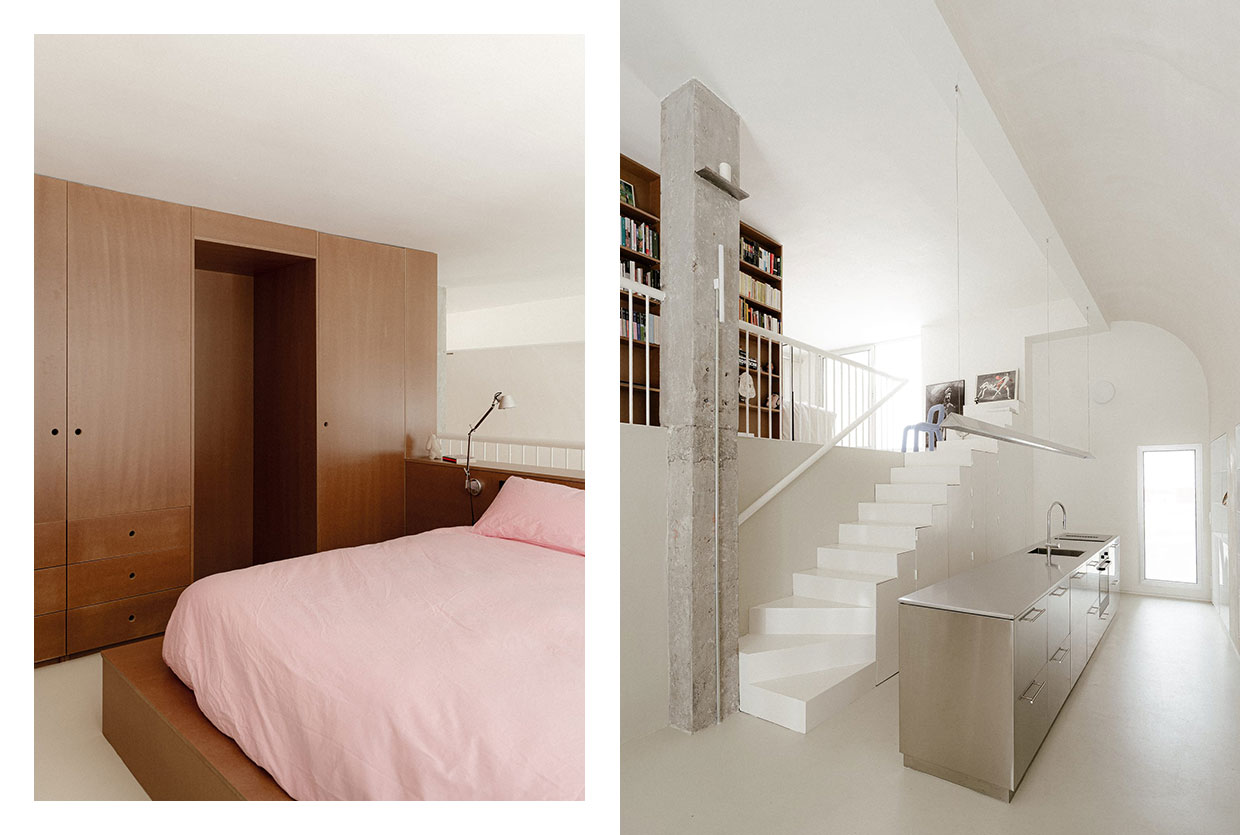
When we talk about small-space living, the floor plan is often the biggest hurdle. The Benito project inherited a particularly difficult "L" shape: two narrow strips meeting at a right angle. In its previous life as a furrier’s shop, this layout felt cramped and segmented. However, BURR studio reframed these constraints as "design catalysts."
The design team implemented what I like to call a "circulation loop." Instead of treating the L-shape as a dead-end, they created a U-shaped movement flow that guides the eye—and the inhabitant—through the space in a continuous journey. By placing the "public" areas (kitchen and living) at the ends of the L and the "private" core in the center, they eliminated the need for hallway space, which is often wasted in traditional apartments.
- The Vertical Advantage: With 4-meter-high ceilings, the architects weren't just looking at the floor; they were looking up.
- The Mezzanine Logic: By raising the bedroom level exactly 1.8 meters, they created a "split" that allows for comfortable standing room both above and below, provided the lower sections are used for seated or utilitarian functions.
- Visual Continuity: The use of a unified material palette—industrial metal, warm wood, and pristine white plaster—ensures that the eye travels across the L-shape without interruption, making the home feel significantly larger than its actual footprint.
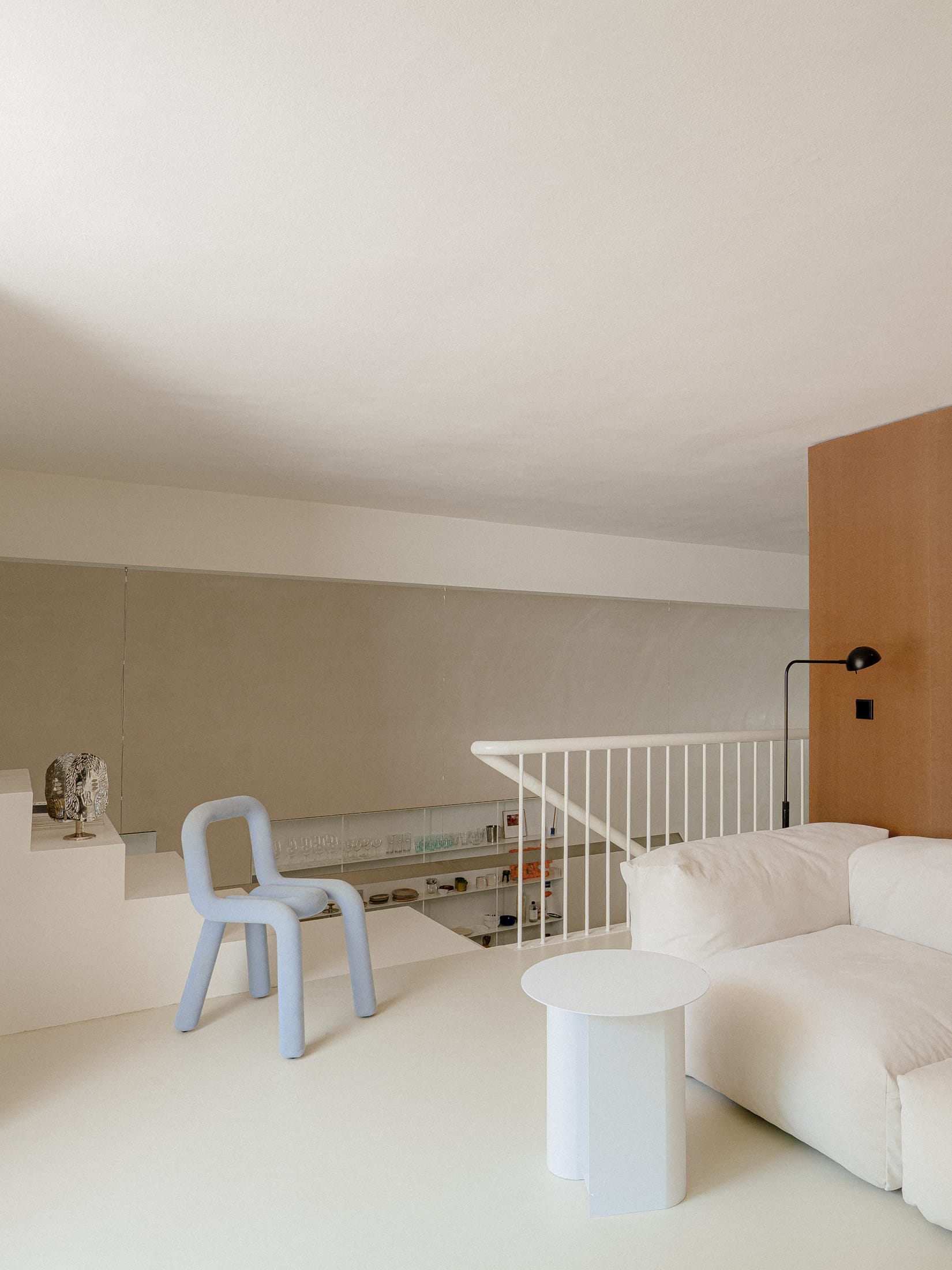
The 'Working' Staircase: Hidden Infrastructure
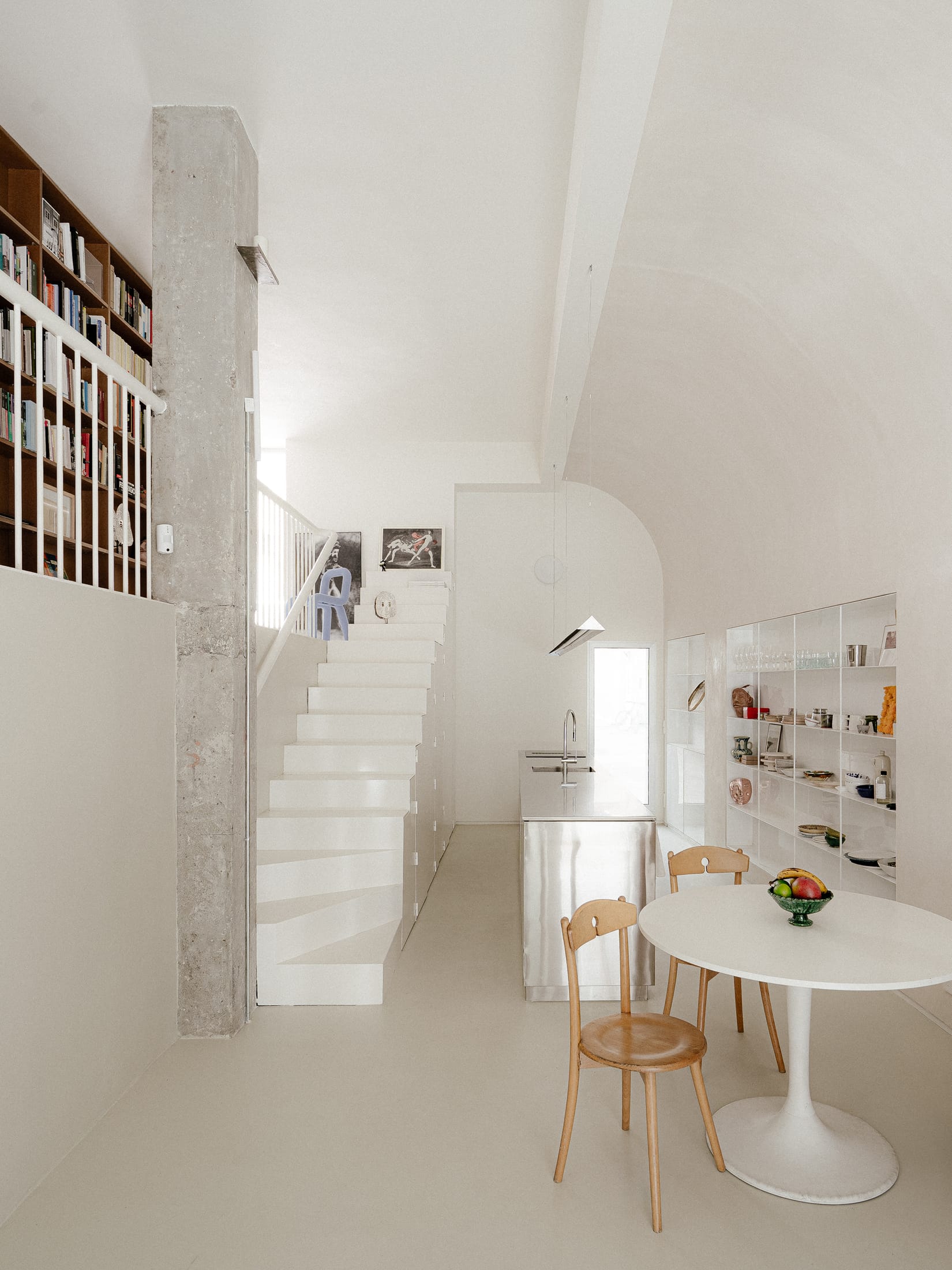
In a compact adaptive reuse project, every element must perform double, or even triple, duty. In the Benito project, the staircase isn't just a way to get from point A to point B; it is the "engine room" of the entire home.
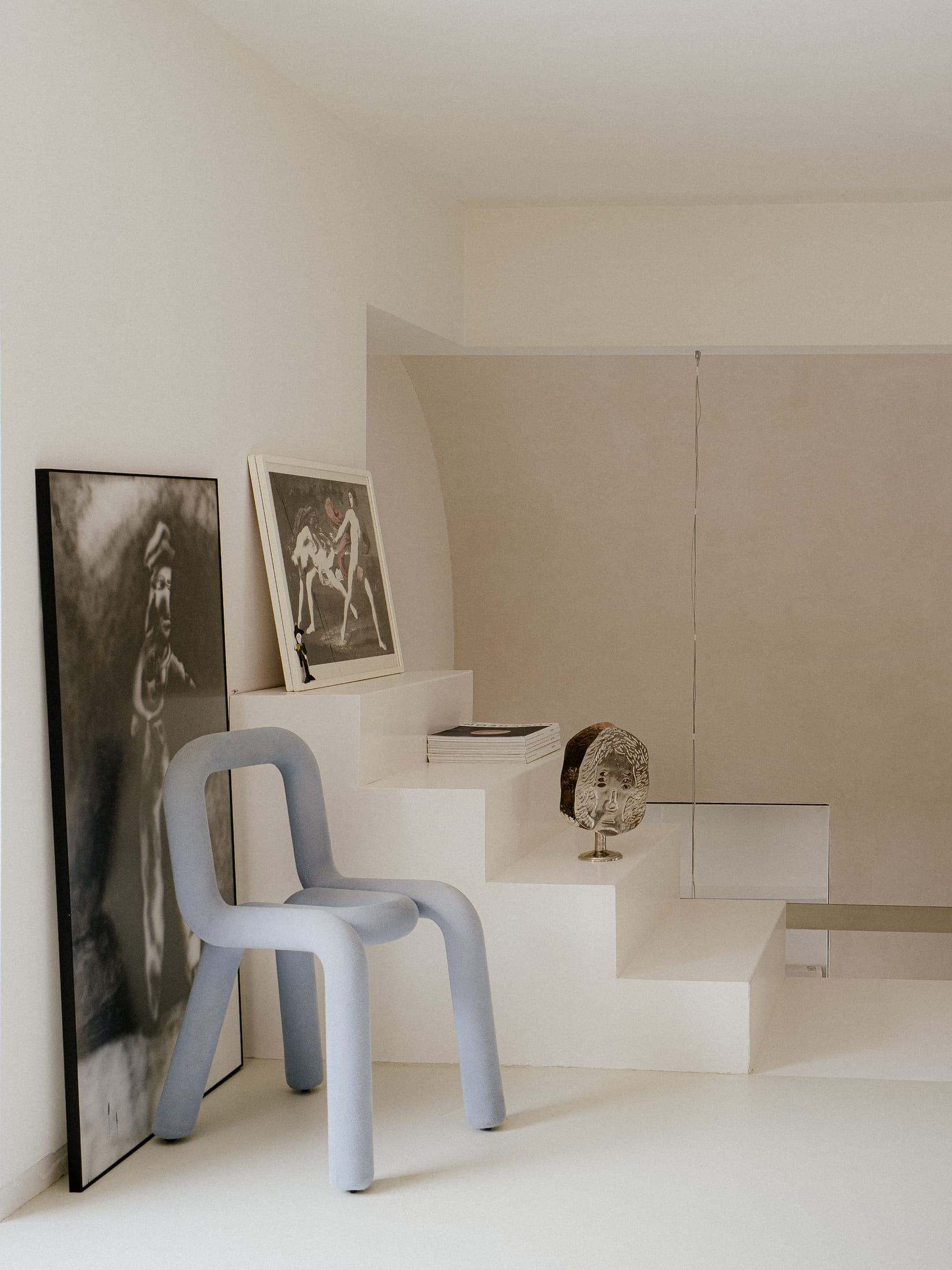
BURR studio designed a "working" staircase that acts as a centralized infrastructure hub. Think of it as a Swiss Army knife for living. Within the volume of the stairs, the designers have cleverly concealed:
- Storage: Deep drawers and "airplane-style" overhead bins for seasonal items.
- Appliances: The washing machine and dryer are tucked away, accessible but invisible.
- The WC: A compact, fully functional water closet is nestled into the footprint of the stairs, utilizing every cubic centimeter of the 1.8-meter mezzanine clearance.
Ivy’s Style Tip: When renovating a small space, look at your "dead zones"—the space under stairs or above doorways. In Benito, the storage doors use a minimalist, handle-less design that allows the staircase to look like a solid architectural sculpture rather than a series of cupboards.
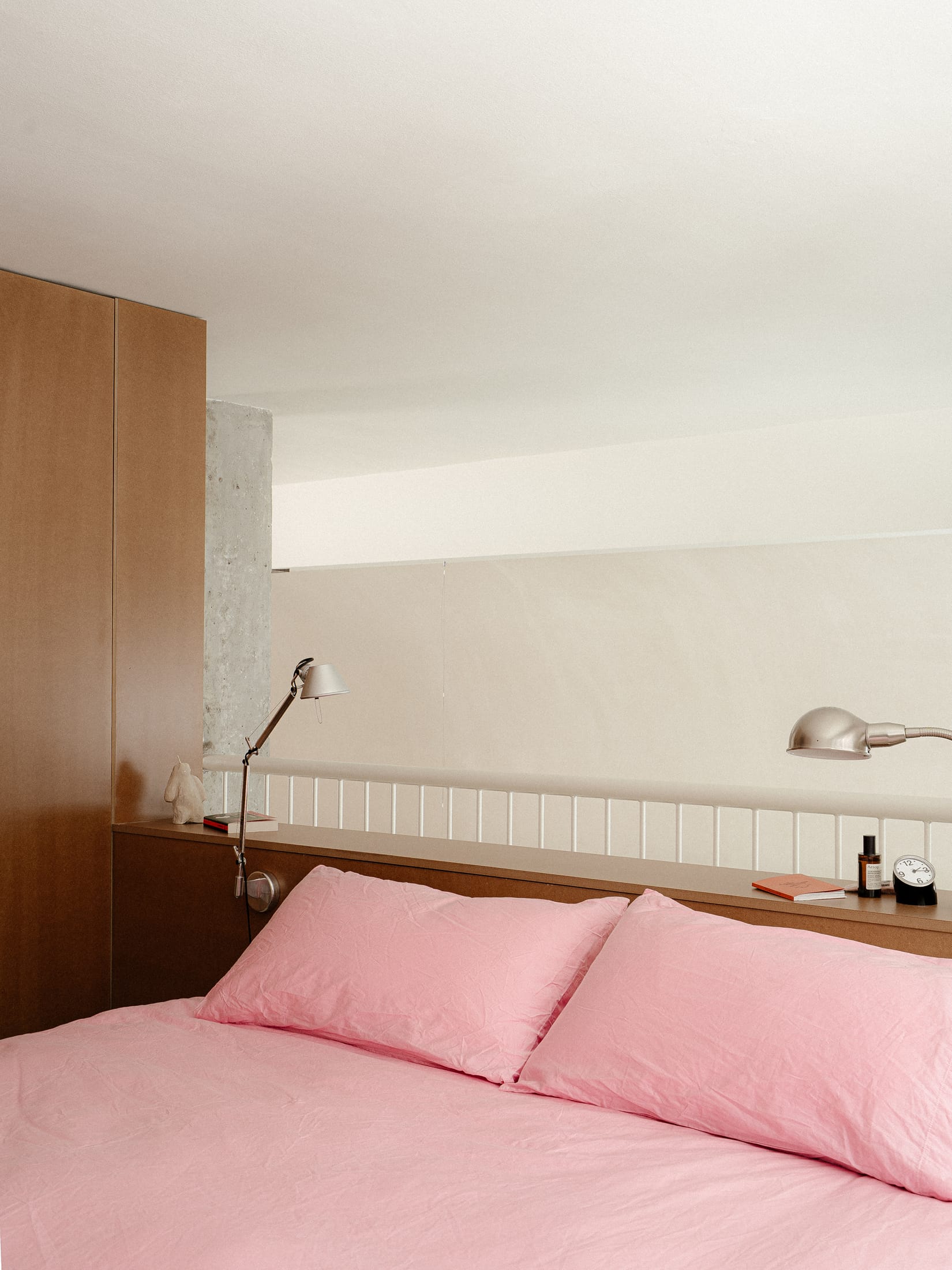
Defining Zones: Public Street-Level vs. Private Mezzanine
One of the most impressive aspects of the Benito project is how it manages privacy without the use of internal walls. In a former commercial shop, windows are typically limited to the street-facing facade. To solve the light and ventilation issue, the project focuses on a "split-zone" philosophy.
The ground floor is the communal heart. It connects directly to a shared patio, allowing for cross-ventilation—a crucial feature in Madrid’s blistering summers. The kitchen and dining area occupy the street-level zone, where the ceiling height remains at its full 4 meters, creating a sense of grandeur and airiness.
In contrast, the mezzanine is a private terrace. It’s a quiet sanctuary elevated above the "public" flow of the kitchen. By keeping the mezzanine open-fronted, the inhabitants can benefit from the light flowing in from the large street-level windows and the rear patio simultaneously. This lack of internal walls doesn't just improve light; it creates a psychological sense of freedom that is often missing in small urban apartments.
The Architectural Gesture: Turning Pipes into a Vaulted Feature
Every adaptive reuse project faces a "ugly" reality: building infrastructure. In Madrid’s older apartment blocks, shared residential pipes often cross through commercial ground floors at awkward heights and angles. Rather than trying to hide these pipes behind a bulky drop-ceiling (which would have ruined the 4-meter height), BURR studio turned the problem into a feature.
They implemented a half-barrel vault. This curved architectural gesture serves two purposes:
- Acoustic Insulation: It masks the sound of water rushing through the building’s shared plumbing.
- Visual Framing: It creates a dramatic, vaulted "canopy" over the central living area, adding a touch of classic Mediterranean architecture to a modern industrial space.
Why Adaptive Reuse is Reshaping 2026 Urban Living
As we look toward the near future, the Benito project isn't just a one-off design feat; it’s a blueprint for the next decade of urban development. Current urban development trends for 2026 forecast a 20% rise in 'micro-conversion' projects, where retail units under 100 square meters are transformed into high-efficiency residential hubs.
There are three main drivers for this trend:
- Environmental Footprint: Repurposing an existing structure significantly reduces the carbon footprint compared to a new build. The "bones" are already there; we are simply breathing new life into them.
- Urban Density: Cities like Madrid are running out of buildable land. Converting underutilized commercial shops into housing addresses the housing crisis by utilizing the existing urban fabric.
- Delivery Speed: Commercial-to-residential transformations often have faster delivery times, as the external shell and utility connections are already in place.
Technical Considerations for Commercial-to-Residential Conversions
If you’re inspired by the Benito project and are considering a similar conversion, it’s important to understand the technical hurdles. Converting a shop into a home isn't just about pretty furniture; it’s a complex legal and structural process.
| Feature | Commercial Requirement | Residential Requirement |
|---|---|---|
| Zoning | High-traffic retail use | Change of Use permit required |
| Ventilation | Mechanical extractors often suffice | Natural light and cross-ventilation mandatory |
| MEP | High-load electrical, basic plumbing | Residential-grade plumbing for showers/kitchens |
| Fire Safety | Commercial fire exits | Fire-rated separation from neighbors (RF-60 or higher) |
| Accessibility | Public accessibility (ramps) | Private accessibility (livability standards) |
Before purchasing a commercial unit, always consult with an architect to ensure the "Change of Use" (Cambio de Uso) is permissible in your specific district. Madrid, for instance, has strict regulations regarding the minimum facade width and the proximity of the floor level to the street.
FAQ
Q: Is it cheaper to buy a shop and convert it than to buy a regular apartment? A: Often, yes. Commercial units (Locales) usually have a lower price per square meter. However, you must factor in the costs of the "Change of Use" permits and the extensive renovation required to add kitchens and bathrooms where they didn't exist before.
Q: How do you handle privacy when living at street level? A: This is a common concern. The Benito project uses translucent glass on the lower half of the windows and high-quality curtains. Additionally, by elevating the private sleeping area to a mezzanine, you create a natural vertical buffer from street-level activity.
Q: Do I need a specific ceiling height for a mezzanine? A: To make a mezzanine legal and comfortable, you typically need a total height of at least 3.8 to 4 meters. This allows for roughly 1.8 to 2 meters of clearance on both the ground and upper levels, accounting for the thickness of the floor structure.
Final Thoughts from Ivy
The Benito project reminds us that great design isn't about the size of the canvas, but how you use the paint. By embracing the "L" shape and the verticality of a former shop, BURR studio created a home that feels both intimate and expansive. If you're looking for a way to enter the property market in a dense city, perhaps it's time to look behind those old metal shutters.
Are you ready to transform a non-traditional space into your dream home? Whether you're dealing with a tiny studio or a former warehouse, the principles of adaptive reuse can help you unlock hidden potential. Stay tuned for our next guide on industrial-to-residential furniture styling.