In the heart of Paris, where the cobblestone streets of the Marais meet the modern pulse of the Canal Saint-Martin, space isn’t just a luxury—it’s an art form. For years, we’ve been told that living small means living "less." But if you step into any apartment designed by the inimitable Marianne Evennou, you’ll realize that "tiny" is simply a canvas for "extraordinary."
Marianne doesn't just design rooms; she choreographs lives. As we look toward the design landscape of 2026, her philosophy of "Art as Practical Assignment" has never felt more relevant. In a world where urban density is the norm, Evennou’s secrets allow us to reclaim our homes from the clutches of clutter. By optimizing tiny kitchens with custom 40cm square sinks and two-burner induction hobs, she reclaims roughly 1.5 square feet of precious preparation area—a margin that, in a micro-apartment, feels like a mile. Whether you are navigating a 16-square-meter studio or a compact family duplex, the following secrets will transform your perception of what a "small space" can achieve.
1. The 40cm Rule for Micro-Kitchens
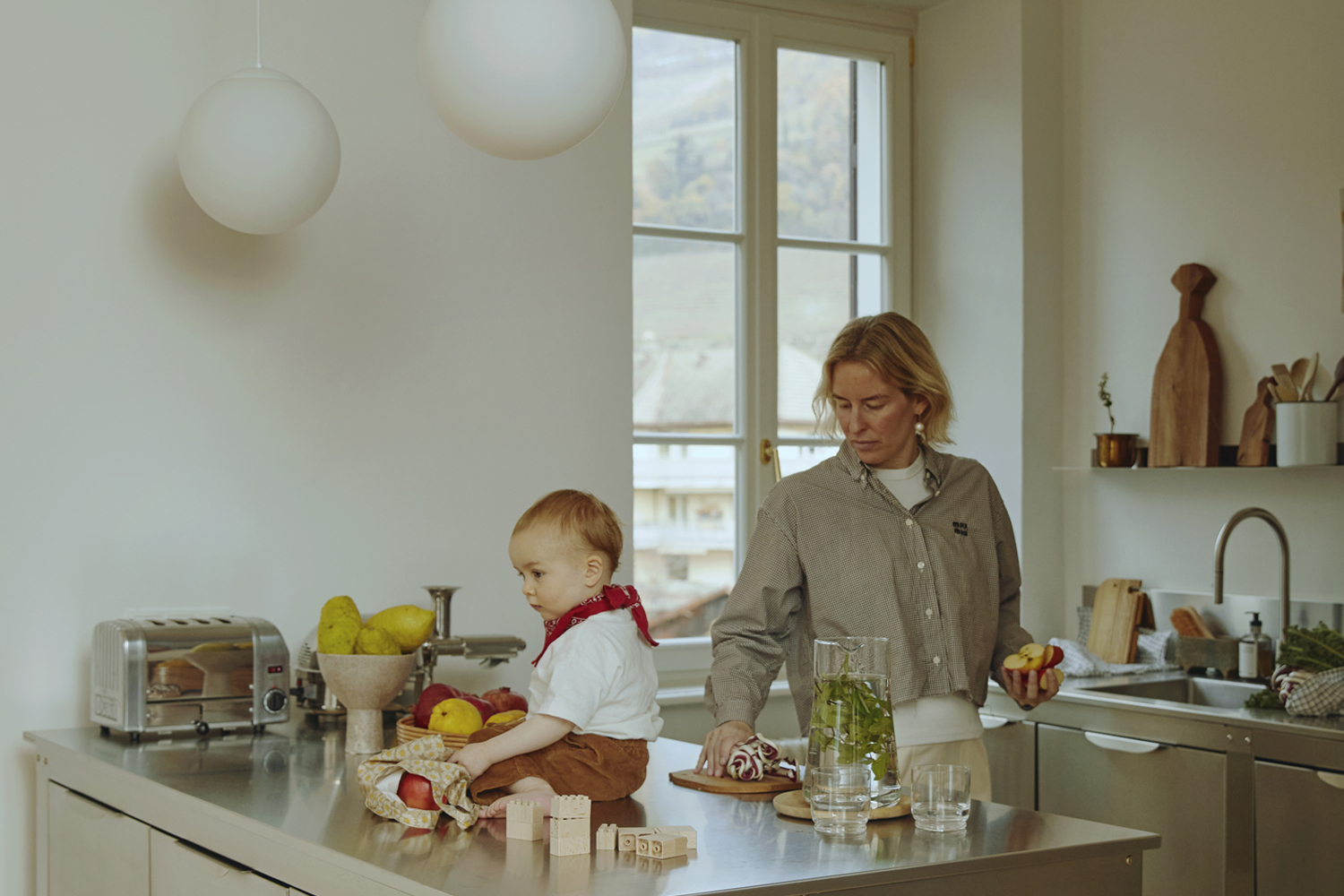
The traditional kitchen triangle is often a luxury micro-dwellers can’t afford. Marianne’s solution? The "Compact Pivot." By shrinking the footprint of the heavy hitters—the sink and the cooktop—she creates a functional workspace where others see only a cramped corner.
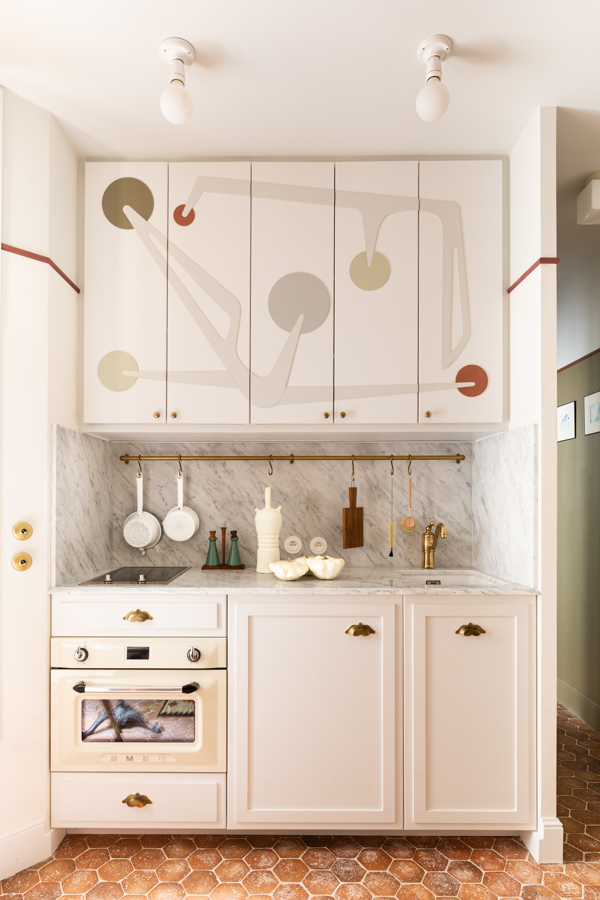
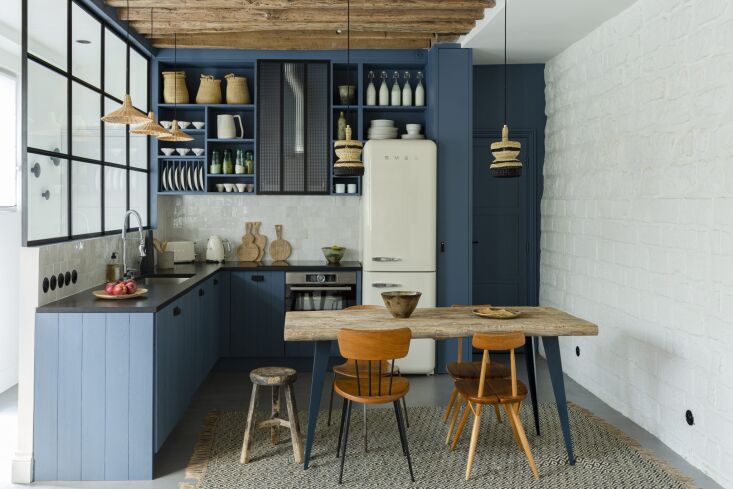
Most standard kitchen sinks are 60cm or wider, devouring the very counter space you need for chopping and prep. Evennou’s signature move is the 40cm square sink paired with a two-burner induction hob. This specific downsizing reclaims approximately 1.5 square feet of usable preparation area. It sounds small on paper, but in a kitchen under 5 square meters, that extra foot is the difference between a microwave meal and a three-course dinner.
Ivy’s Pro-Tip: Don't feel restricted by standard modular units. You can use affordable "Ikea hacks" for the cabinetry skeletons but invest in custom-sized fronts and a continuous stone or wood countertop to maintain that high-end, seamless aesthetic.
| Feature | Standard Dimension | Evennou Secret Spec |
|---|---|---|
| Kitchen Sink | 60cm - 80cm | 40cm Square (Undermount) |
| Cooktop | 4-Burner (60cm+) | 2-Burner Induction (30cm) |
| Appliances | Full-size Oven | Combination Microwave-Oven |
2. Master the 'Path Test' Layout
In a small apartment, the layout shouldn't just look good in a photo; it must survive the "Path Test." This is Marianne’s method of mapping the most frequent routes: from the entry to the kitchen, and from the bed to the bathroom. If you have to shimmy past a table or dodge a sharp corner, the layout has failed.
For apartments under 20 square meters, circulation is the priority. Evennou often pushes furniture to the perimeter or uses custom-built "islands" that serve as both storage and circulation guides. By ensuring a clear path, the eye perceives more floor area, tricking the brain into feeling a sense of expansiveness.
Quick Wins for Circulation:
- The 60cm Minimum: Ensure all "paths" are at least 60cm wide to allow for comfortable walking without bruising a hip.
- Rounded Corners: Opt for furniture with soft, curved edges to make tight navigation feel less aggressive.
- Door Logic: Swap traditional swinging doors for sliding pocket doors or high-quality curtains to save the 1-square-meter "swing zone."
3. Zoning Without Blocking Light
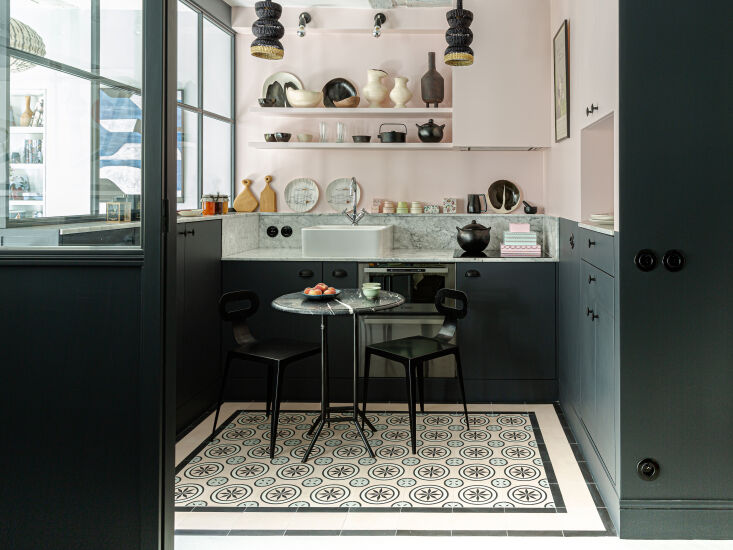
The biggest mistake in small-space design is using solid walls to create separate rooms. This "boxes in" the light and makes a home feel like a series of cells. Marianne Evennou is a master of "Soft Zoning." She defines different areas—the bedroom, the living area, the dining nook—using rugs, varying lighting levels, and her famous interior glazing.
Instead of a drywall, Evennou often utilizes "half-glazed" walls. These are typically steel-framed glass partitions where the bottom half is solid (to hide the back of a sofa or a radiator) and the top half is clear glass. This allows natural light to penetrate the deepest corners of the apartment while providing a psychological boundary between the "work" and "rest" zones.
4. Vertical Integration: The Multi-Functional Staircase
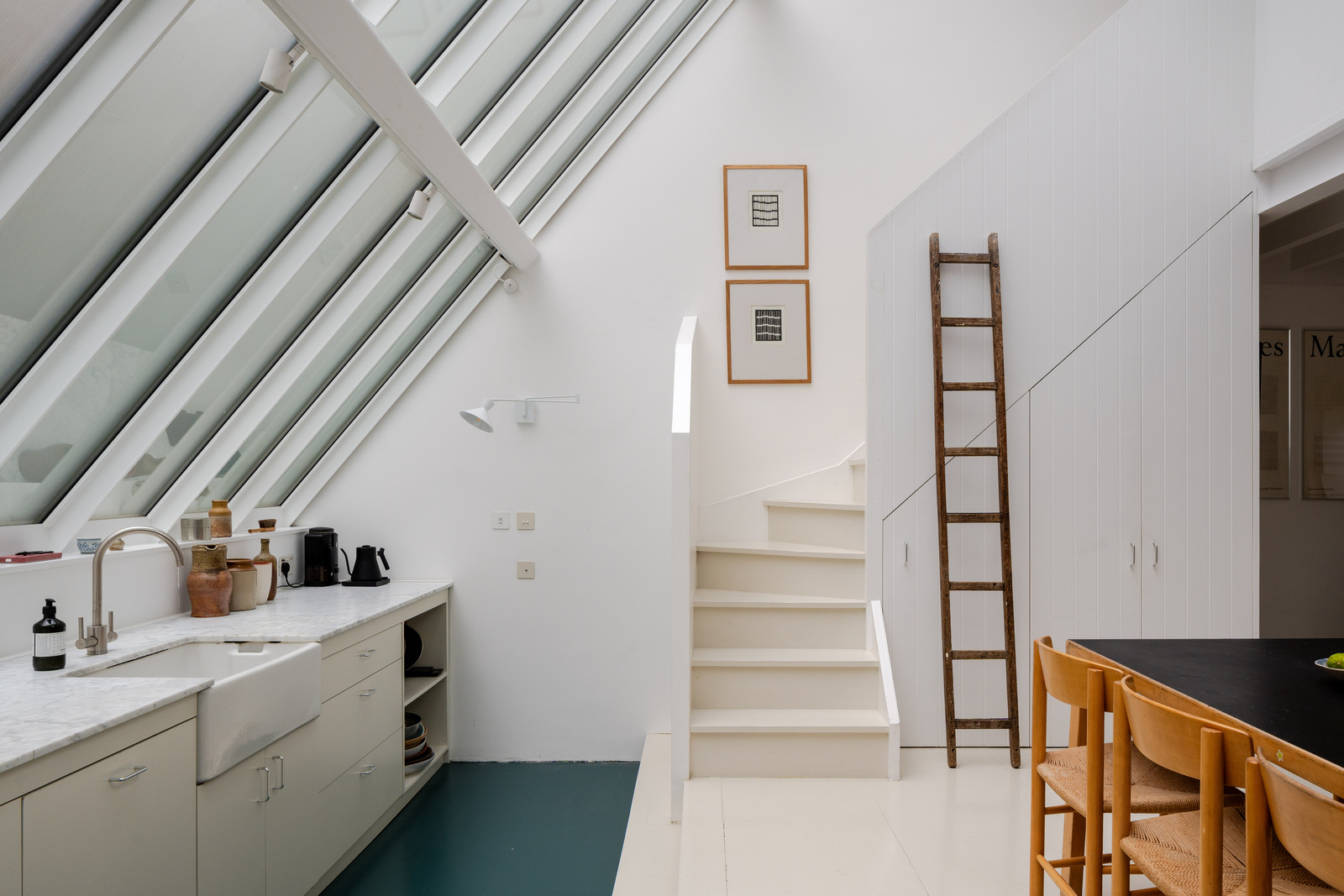
When floor space is at a premium, you must look up. In many of Marianne’s duplex projects, the staircase is never just a way to get to the next floor; it is a sophisticated storage machine. By treating the staircase as a piece of sculpture, she integrates bookshelves, kitchen niches, or even a hidden pull-out desk into the structure.
Statistics show that custom-integrated storage solutions in apartments under 20 square meters can increase functional countertop and storage space by up to 35% compared to standard modular units. These "living stairs" eliminate the need for bulky, freestanding wardrobes that eat up floor area.

5. The 'Disappearing' Workspace
As we move into 2026, the Work-From-Home (WFH) lifestyle has shifted from a temporary fix to a permanent necessity. However, seeing your laptop and monitor from your bed is a recipe for burnout. Marianne’s secret is the "Cloffice"—the closet office.
She often installs a shallow desk inside a built-in wardrobe. At the end of the day, you simply close the doors, and the work "disappears." If you don't have a closet to spare, a wall-mounted fold-down desk is the next best thing. The key is visual closure; your home must be able to "switch off" so you can truly relax.
6. Appliances that Do Double Duty
In a micro-home, every appliance must earn its keep. Marianne frequently swaps standard ovens for high-end combination oven-microwaves, such as those from the Smeg Victoria range. This saves an entire cabinet’s worth of space.
Furthermore, she advocates for under-counter, concealed refrigeration. By removing the tall, monolithic fridge-freezer, you keep the sightlines clear across the kitchen, making the room feel wider and more airy.
Small Space Appliance Specs:
- The Combo Hero: Combination steam/convection/microwave ovens.
- Slim-line Dishwasher: 45cm models instead of the standard 60cm.
- The Invisible Fridge: Integrated under-counter drawers that blend into the cabinetry.
7. Defining 'New Neutrals' for 2026
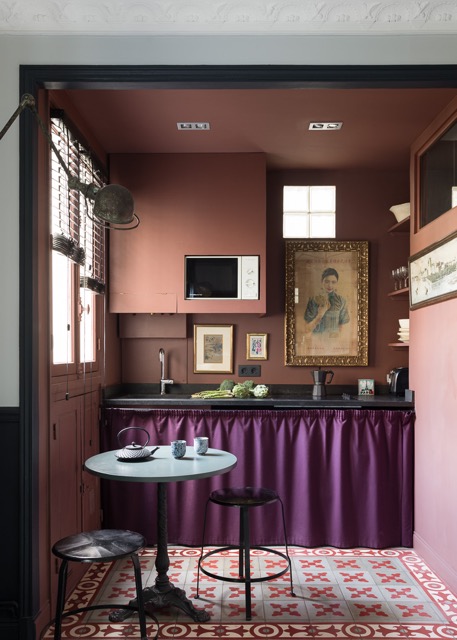
Forget clinical, all-white walls. For 2026, the trend is "Earthy Vibrancy." Marianne has long moved away from the "hospital aesthetic," opting instead for terracotta, olive, and ochre. These colors provide a sense of soul and history that white simply cannot offer.
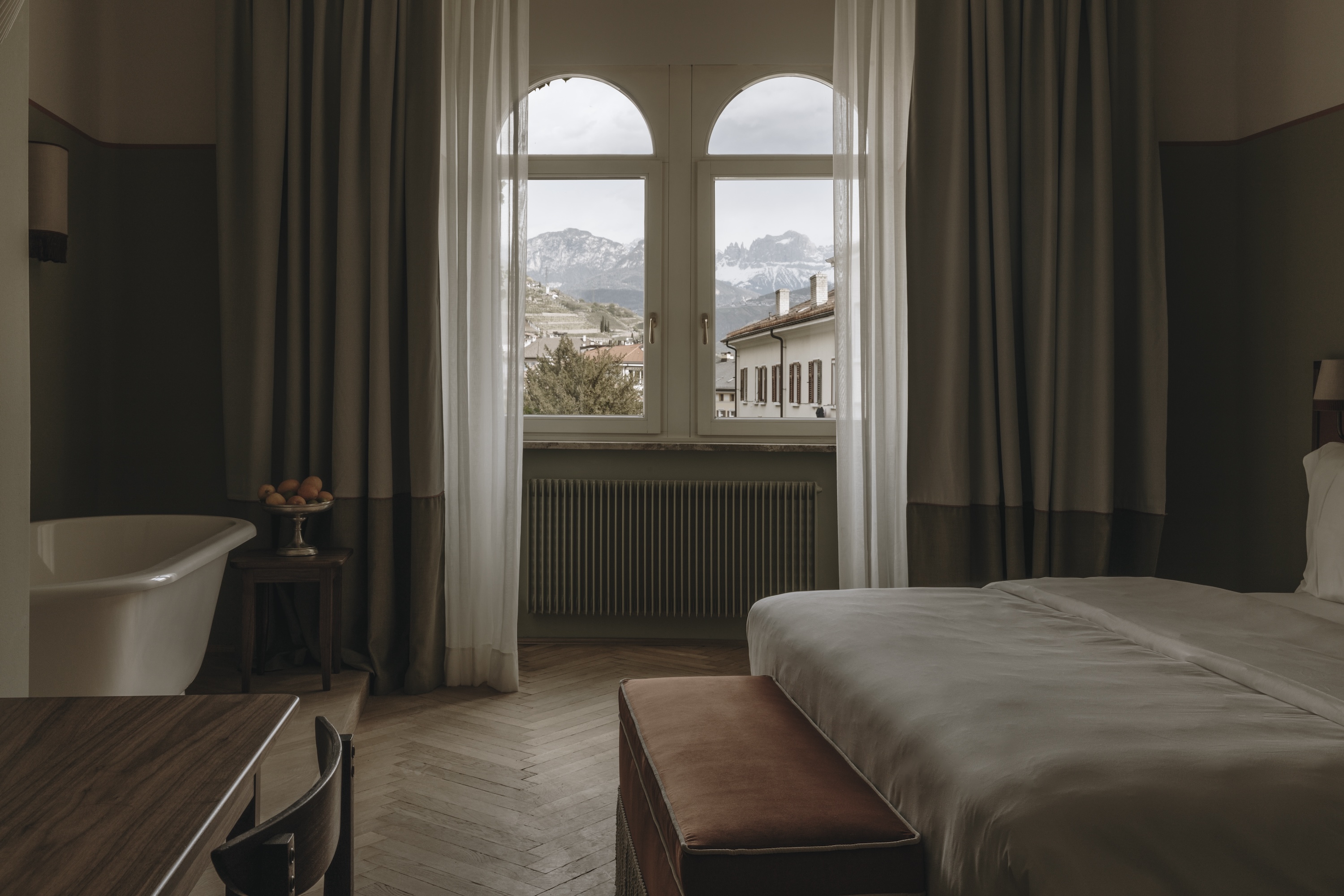
In "jewel-box" spaces—small rooms with little natural light—Marianne often leans into the darkness. She uses deep "Gem Tones" or rich browns to create depth and drama. When a small room is painted a deep, saturated color, the corners of the room "disappear," which can actually make the space feel larger and more infinite.
8. Sculptural Furniture as a Focal Point
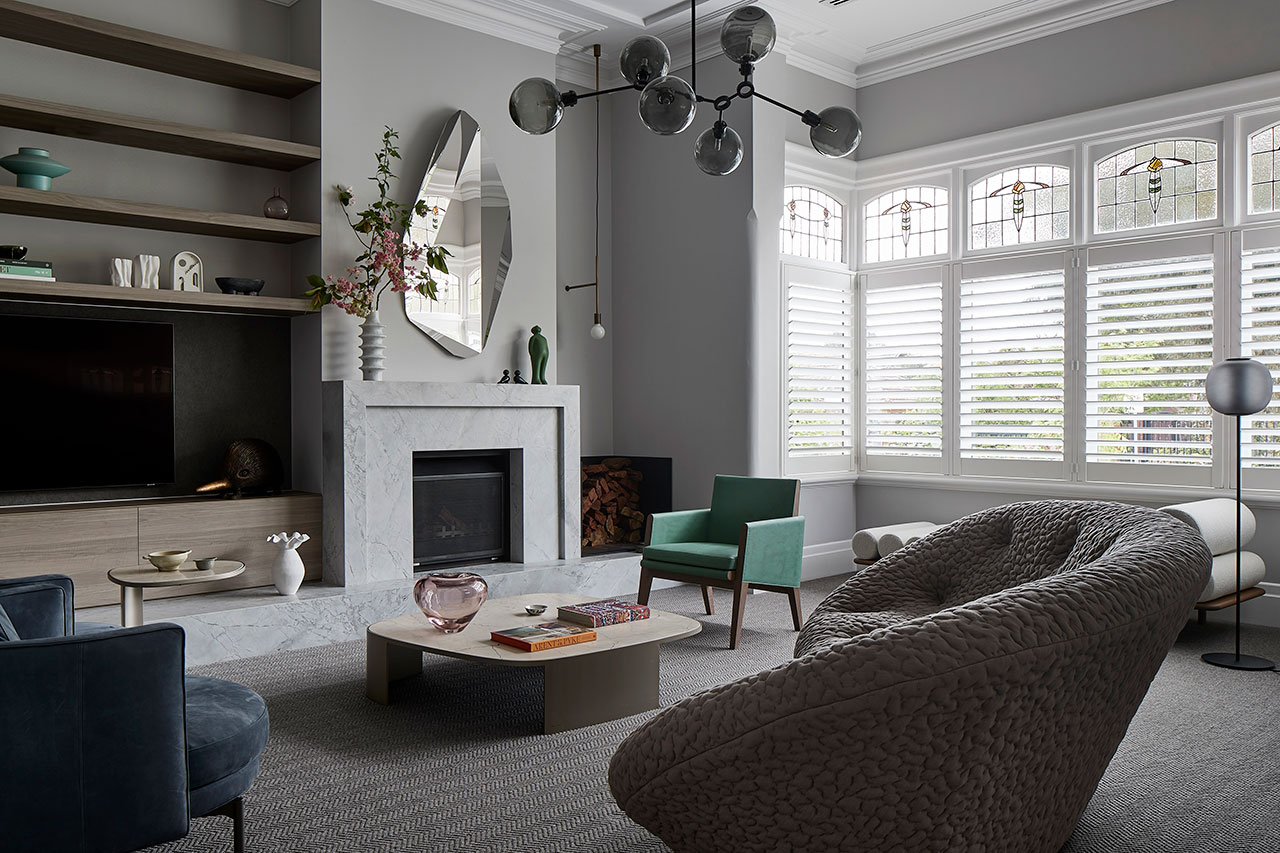
One common mistake is buying "dollhouse furniture"—multiple tiny pieces to fit a tiny room. This actually creates visual clutter and makes the space feel fragmented. Marianne suggests the opposite: choose one large, sculptural, curved piece to act as a focal point.
A single, generously sized sofa with a curved back feels more intentional and luxurious than three small armchairs. Placing this furniture slightly away from the walls (floating placement) creates a "soft divider" in studio layouts, defining the living area without the need for physical barriers.
9. Hidden Storage in 'Dead Zones'
Marianne’s designs are a masterclass in utilizing "Dead Zones"—those awkward spaces under the bed, over the door, or behind the sofa. She utilizes storage ottomans and custom-built recessed cabinets that vanish into the walls.
A crucial Evennou rule is storing by frequency of use rather than by category. Your holiday suitcases shouldn't be in your easy-to-reach wardrobe; they should be in the "dead zone" above the entry door. This prevents "explosion clutter"—that moment when you have to pull five things out to get to the one thing you actually need.
10. The Power of Interior Windows and Mirrors
Finally, to truly master small spaces, you must master the "inner journey" of the eye. Marianne uses large mirrors placed directly opposite windows to reflect the exterior view, effectively doubling the visual light.
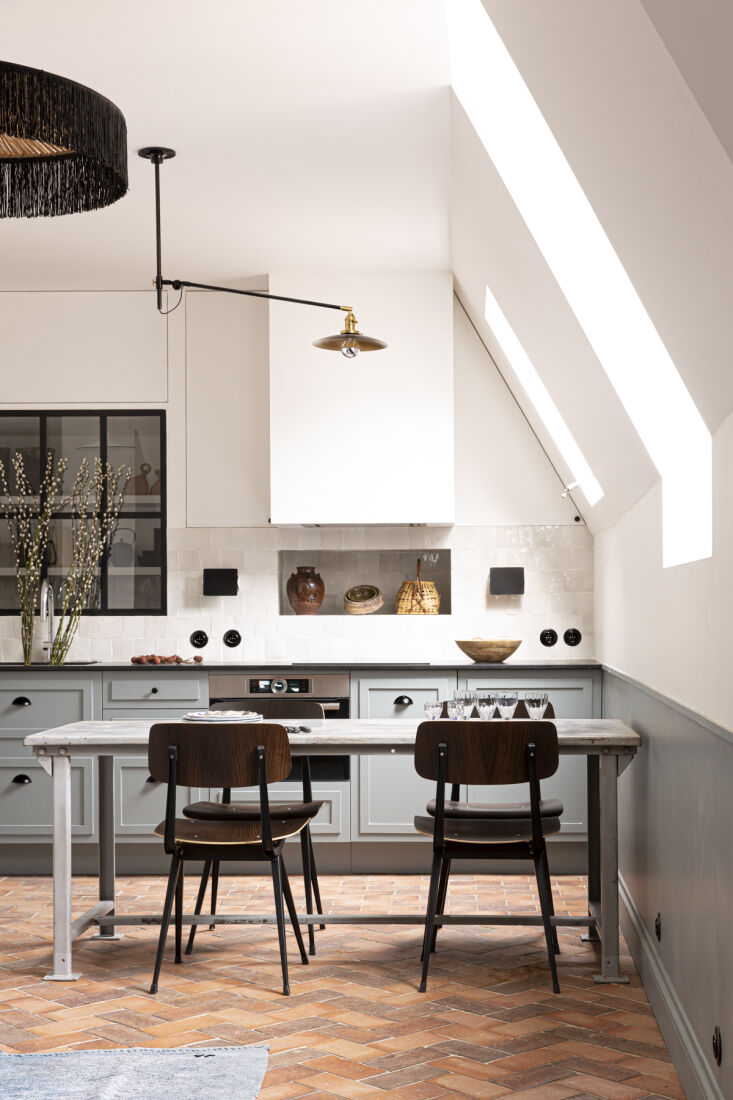
But her most iconic move is the interior window. By creating "perspectives"—the ability to see from one room into another through a steel-framed window—the eye is allowed to escape the "cell effect." Even in shared urban quarters, these windows provide a sense of connection and depth that makes a 30-square-meter apartment feel like a 60-square-meter home.
FAQ: Navigating Small Space Living in 2026
What is the best studio layout for WFH in 2026?
The most effective layout involves the "Zoning" method. Use a low bookshelf or a transparent glass partition to separate your sleeping area from a dedicated WFH nook. Ensure your desk is positioned near a window but can be visually "closed" or hidden (like a Cloffice) at night to maintain a work-life boundary.
Are Murphy beds safe for daily use?
Absolutely. Modern Murphy beds (or wall beds) have come a long way. In 2026, many models feature hydraulic pistons for effortless lifting and integrated sofas that don't need to be moved. They are an excellent way to reclaim 3-4 square meters of floor space during the day.
How can I use dark colors in a small room without shrinking it?
The key is lighting and finish. Use a "Satin" or "Eggshell" finish rather than flat matte to allow light to bounce off the dark surface. Pair dark walls with bright, oversized mirrors and plenty of task lighting (lamps and sconces) to create a cozy, sophisticated "jewel-box" effect.
CTA: Start Your Small Space Transformation
Ready to turn your "micro" into "magnificent"? Whether you're reclaiming your kitchen counter or redesigning your entire studio, remember that design is about intention, not just square footage.