The Verdict: Sustainable Luxury Redefined
The Woodland Suite Experience is the gold standard for a new era of hospitality where carbon-conscious architecture meets uncompromising luxury. By investing €7.5 million ($13M AUD) into nine timber-clad sanctuaries, The Montenotte and its design partners have proven that the most sophisticated way to build is to work with nature, not against it.
- Our Rating: 5/5 for Biophilic Integration
- Key Innovation: Cross-Laminated Timber (CLT) modular construction paired with a reforestation commitment.
- Best For: Eco-conscious travelers and developers looking for a blueprint in low-impact, high-yield design.
Imagine waking up to the rhythmic swaying of Irish oaks, encased in a structure that feels less like a building and more like a natural extension of the forest floor. This isn't a rustic cabin or a primitive treehouse; it is a masterclass in modern engineering.
The €7.5 million Woodland Suite Experience in Cork, Ireland, represents a pivotal moment in European architecture. Designed by the renowned Henry J Lyons with interiors by Róisín Lafferty, this project consists of nine timber-clad suites and a communal "Clubhouse" that prioritize a low-impact, biophilic design. For those of us focused on the intersection of sustainability and home design, it serves as a powerful case study in how timber—the world’s oldest building material—is being reimagined to solve 21st-century environmental challenges.
The Architecture of The Montenotte Woodland Suites
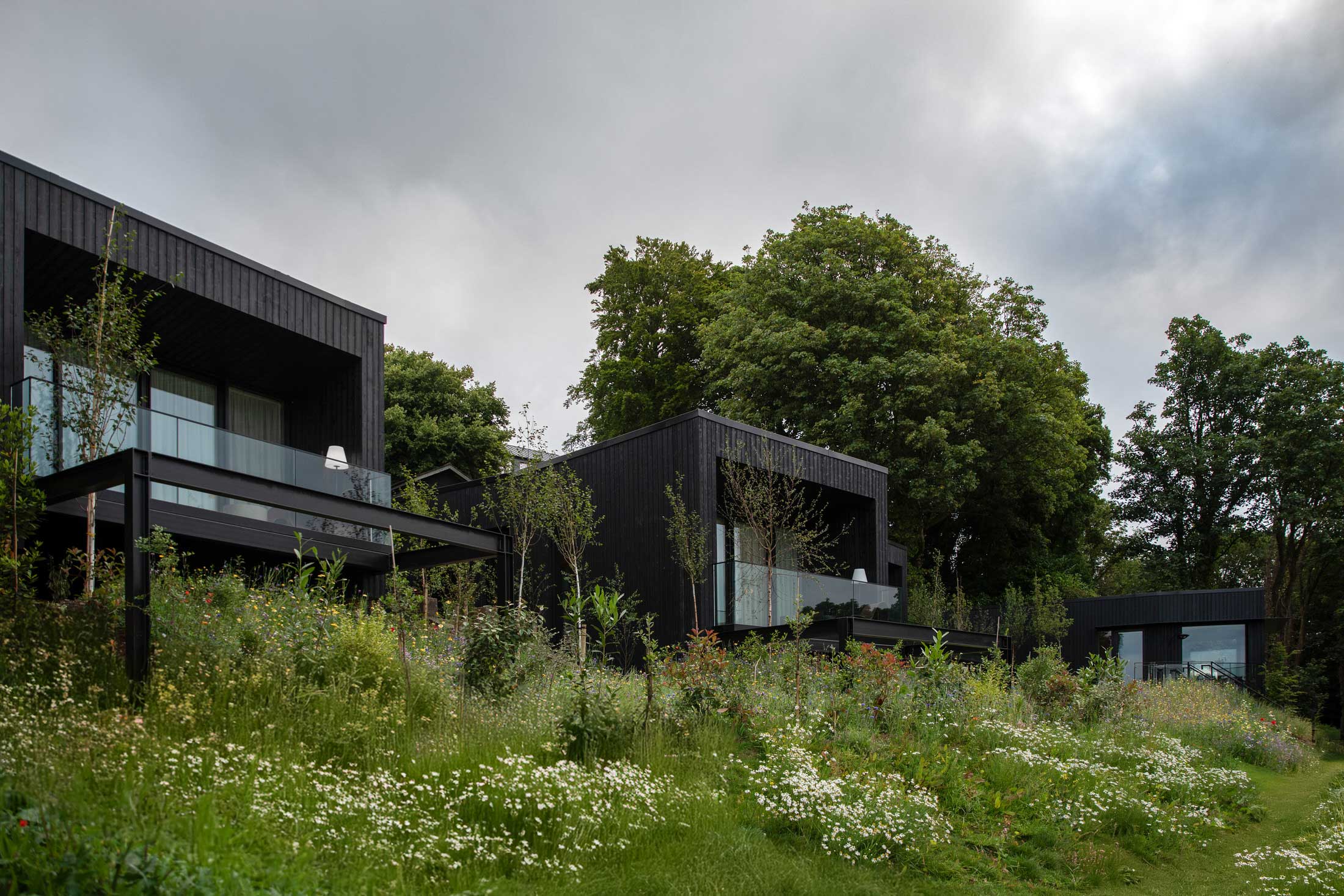
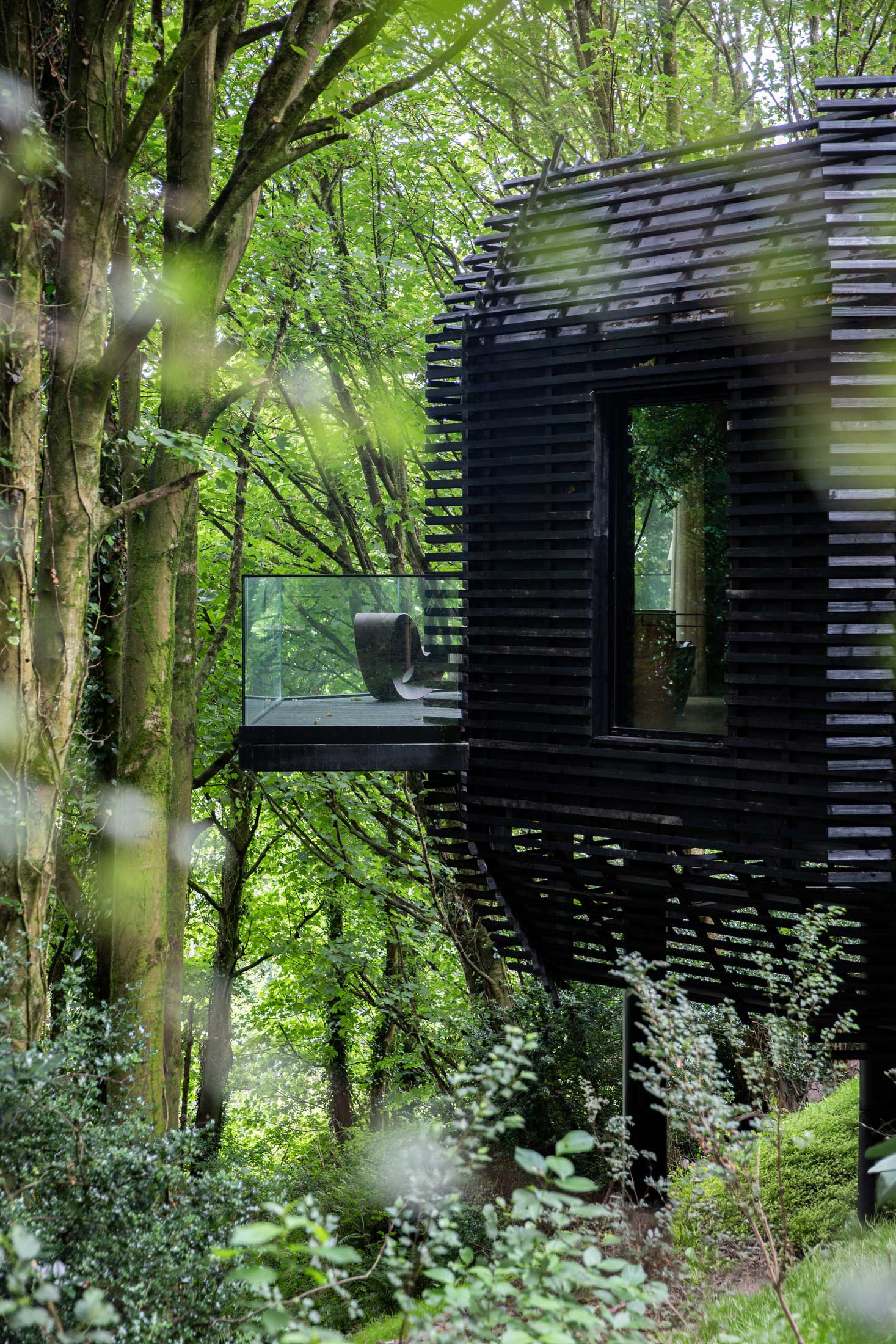
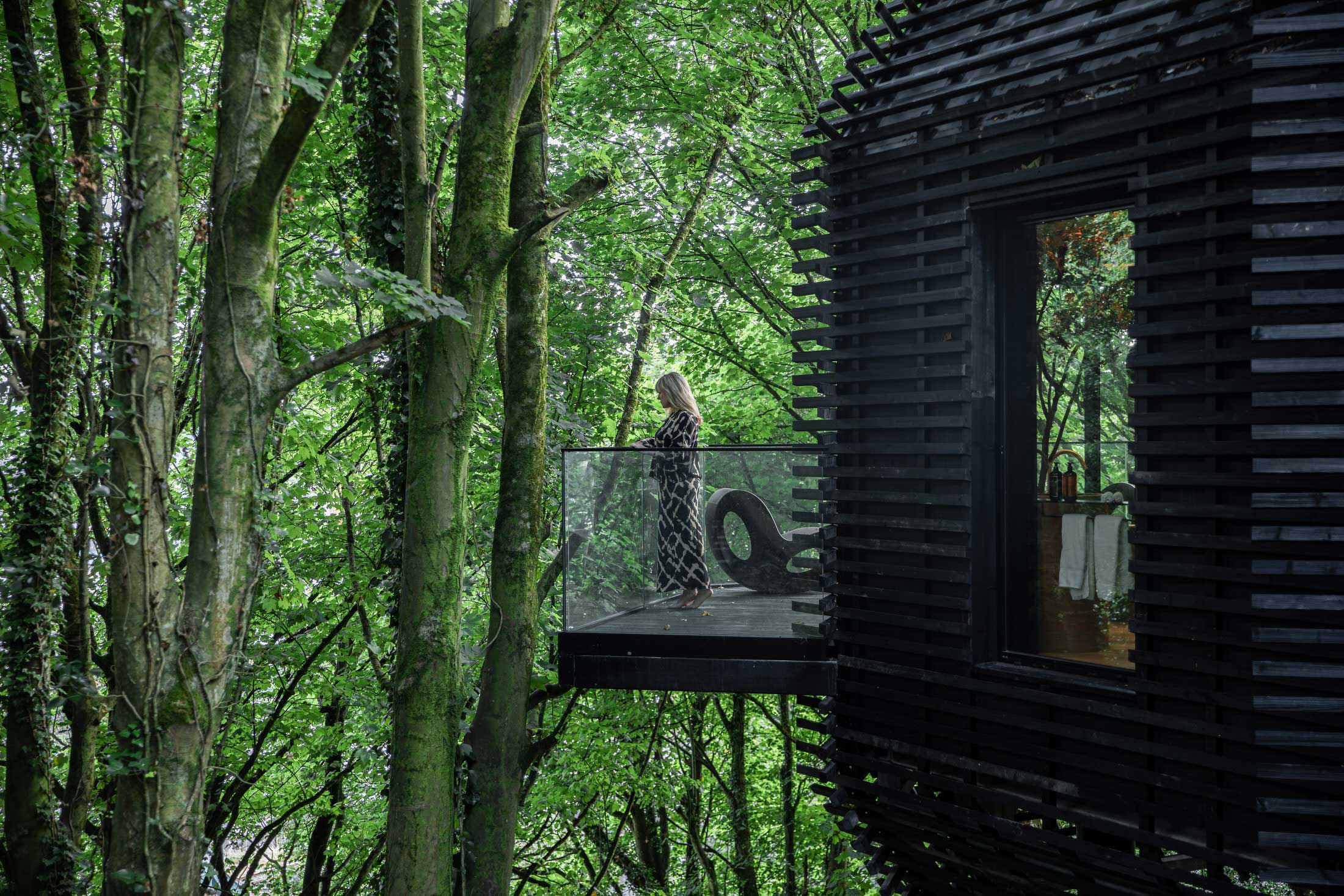
The philosophy behind the Woodland Suites is one of "minimalist intervention." Henry J Lyons sought to create structures that "hover" over the landscape. By using a specialized pile foundation system, the architects avoided the massive excavation and heavy concrete pouring that typically devastate local root systems and soil health.
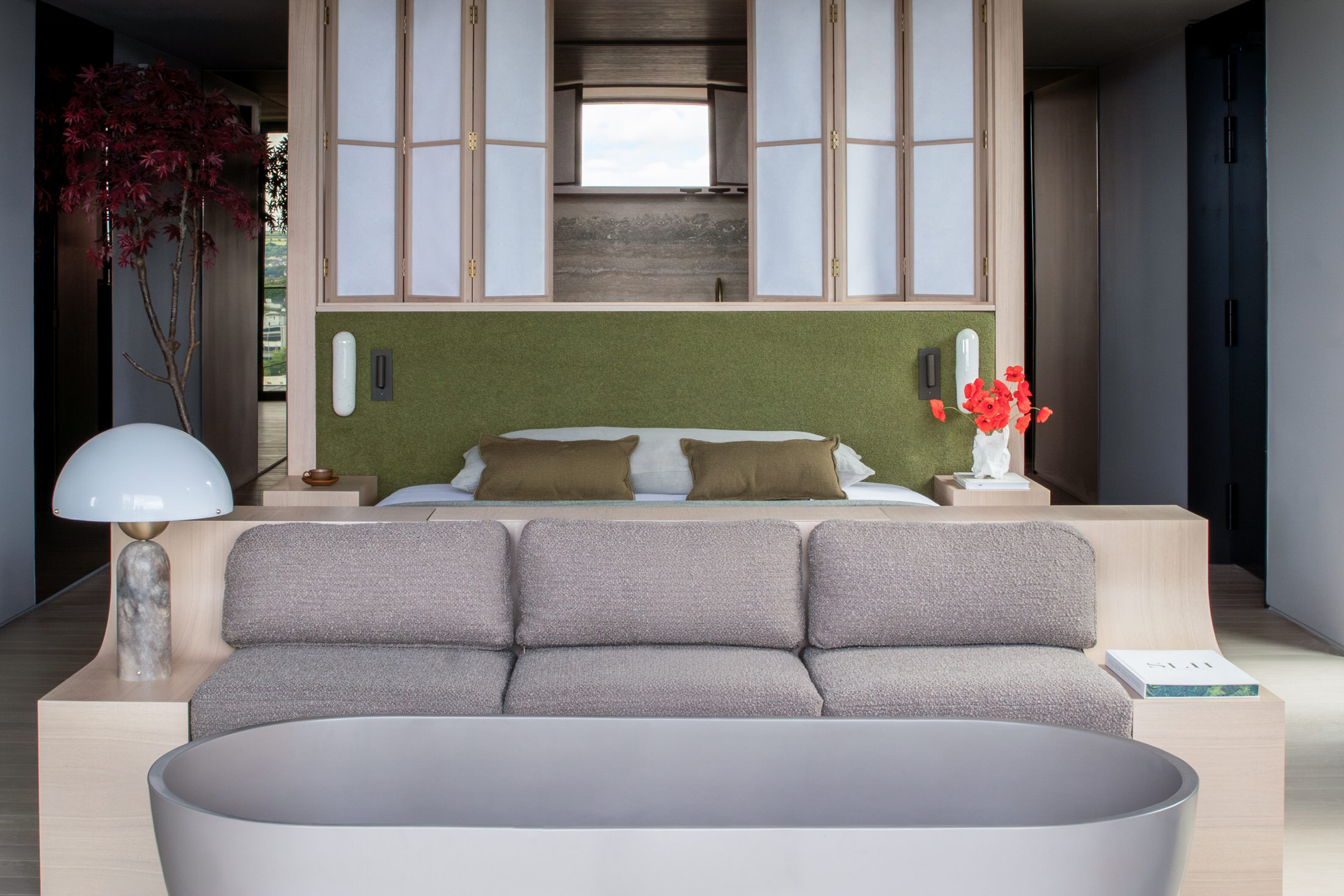
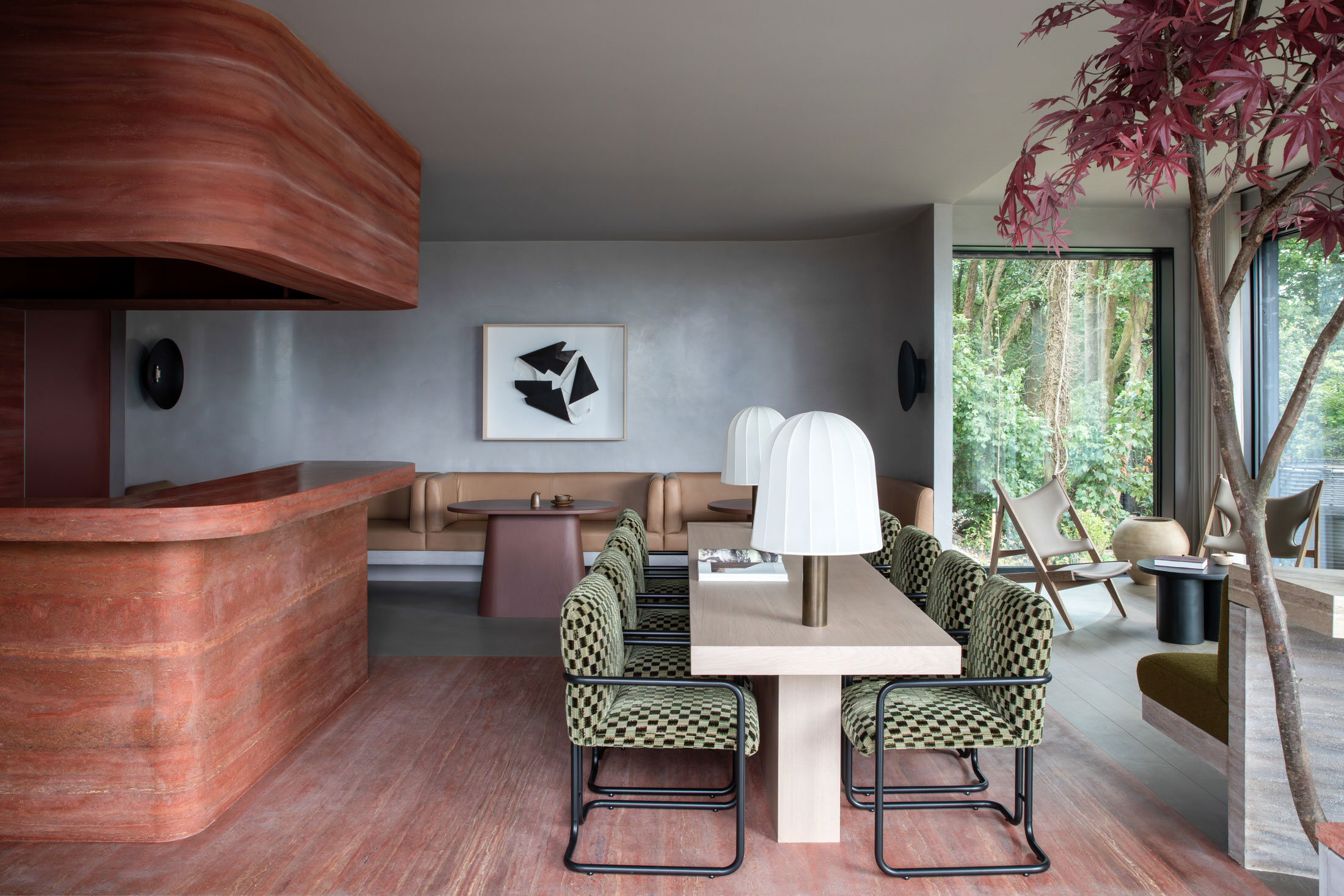
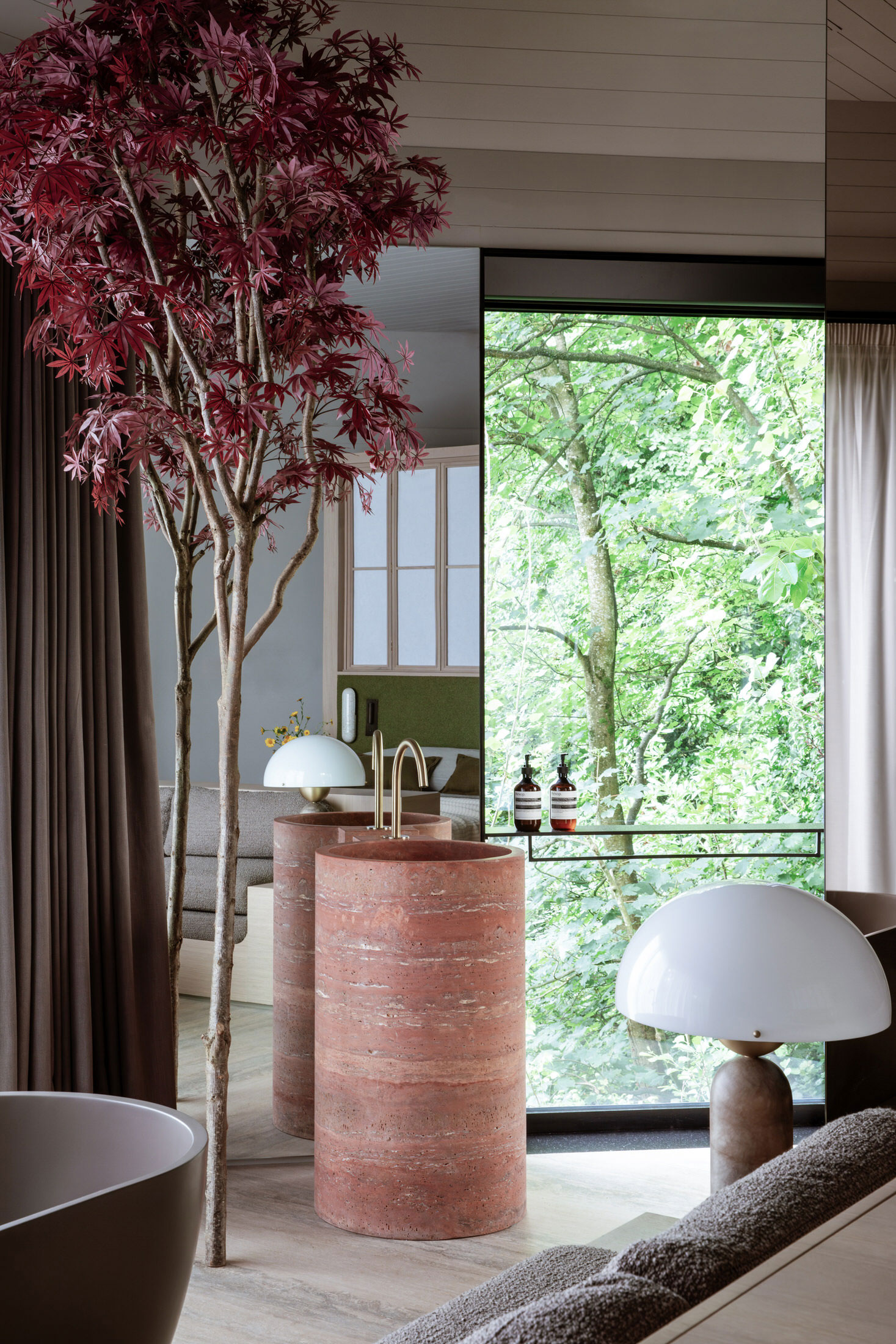
The materiality is a deliberate "love letter" to the Irish landscape. The exterior is wrapped in vertical timber slats, designed to weather naturally over time, eventually silvering to match the bark of the surrounding trees. Inside, the palette shifts to a sophisticated blend of travertine stone, rich Irish textiles, and warm wood finishes.
We often talk about "site-specific" design, but the Woodland Suites take this literally. Each suite was positioned to maximize views while ensuring total privacy, creating a sense of being entirely alone in the woods. It is a dance between minimalism and nature, where the architecture acts as a frame for the changing seasons.
Why Timber is Dominating Luxury Hospitality
For decades, concrete and steel were the hallmarks of luxury. They represented permanence and strength. However, as the environmental cost of carbon-intensive materials becomes impossible to ignore, timber has emerged as the leading alternative for high-end hospitality.
Timber is a natural carbon sequester. While concrete production is responsible for roughly 8% of global CO2 emissions, trees absorb carbon as they grow and continue to store it even after they are harvested and turned into building components. In many mass-timber projects, the building effectively stores twice the carbon emitted during its entire construction process.
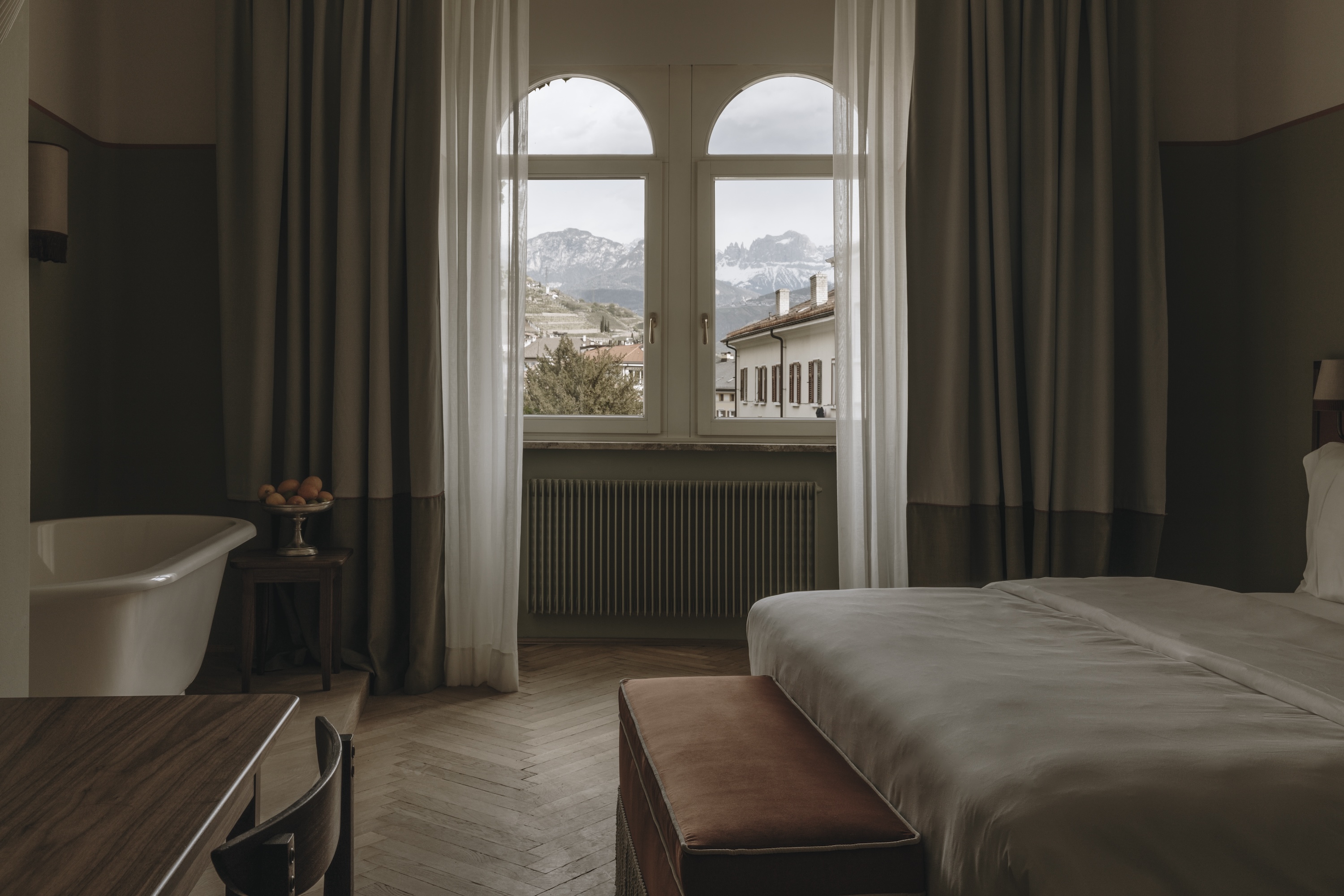
Beyond the metrics, there is the "biophilic effect." Research consistently shows that environments featuring natural wood lower heart rates, reduce stress levels, and improve sleep quality. In the Woodland Suites, the bed is positioned as the central focal point, framing panoramic views of the Lee River and the forest. This connection to the outdoors isn't just an aesthetic choice; it’s a wellness strategy.
The global shift is undeniable. In the United States alone, mass-timber adoption is surging, with over 1,600 mass-timber buildings completed or in design by the end of 2023. We are seeing a transition from timber being a "niche" eco-choice to becoming the primary material for luxury developers who value both speed and sustainability.
Sustainability Credentials: Beyond the Wood
While the timber cladding catches the eye, the true sustainability of the €7.5M project lies in its invisible systems. As an editor specializing in energy-efficient solutions, I look for the "whole-house" approach. The Woodland Suites do not disappoint.
Key features include:
- Eco-Friendly Sedum Roofs: These "living roofs" provide natural insulation, manage rainwater runoff, and create habitats for local pollinators.
- Individual Heat Pumps: Each suite is equipped with an air-to-water heat pump, providing high-efficiency climate control with a fraction of the energy required by traditional HVAC systems.
- Low-VOC Materials: Every interior finish, from the travertine to the artisanal fabrics, was selected to ensure high indoor air quality.
- The "Nights-for-Trees" Initiative: For every stay, The Montenotte plants a tree in partnership with Irish reforestation charities, ensuring the project gives back more than it took.
This holistic approach moves the needle from "less bad" to "actively restorative." By integrating renewable energy with high-performance building envelopes, these suites achieve a level of thermal efficiency that traditional masonry struggle to match.
The Technology Powering the Timber Revolution
What makes a €7.5M project like this possible in 2024? The answer lies in the evolution of Cross-Laminated Timber (CLT) and Glulam (Glued Laminated Timber). These are "engineered" woods, created by layering lumber in alternating directions to achieve structural strength that rivals steel.
The Woodland Suites utilized modular construction—a process where the suites are largely prefabricated in a controlled factory environment before being transported to the site. This method:
- Cuts construction time in half, reducing site disturbance.
- Minimizes waste, as factory-cut components are precision-engineered using BIM (Building Information Modeling).
- Ensures airtightness, which is critical for energy efficiency.
The role of AI and BIM in these projects cannot be overstated. By digitally "building" the suites before a single tree is harvested, architects can optimize every beam and joint for maximum performance and minimum material usage.
Global Inspiration: 8 Timber Buildings to Watch in 2026
The Woodland Suites are part of a global movement. From high-rise "plyscrapers" to cultural hubs, mass timber is proving its resilience and safety. Here is how the world is building with wood:
| Project Name | Location | Key Feature | Primary Material |
|---|---|---|---|
| Sara Kulturhus | Sweden | One of the world's tallest timber buildings | CLT & Glulam |
| Mjøstårnet | Norway | 85.4 meters tall, featuring a hotel and apartments | Glulam Columns |
| The Arbour | Canada | Net-zero carbon institutional building | Mass Timber |
| Ascent MKE | USA | Current world record holder for timber height | Hybrid Timber |
| Treet (The Tree) | Norway | Modular timber apartment complex | CLT |
| Brock Commons | Canada | Student housing built in just 70 days | CLT & Glulam |
| HoHo Vienna | Austria | 84% timber construction in a high-density urban core | Timber-Concrete Hybrid |
| The Woodland Suites | Ireland | Low-impact biophilic luxury hospitality | Timber Cladding & CLT |
These projects have undergone rigorous performance metrics, proving that modern mass timber is not only fire-resistant (through a predictable "charring" layer) but also offers superior seismic resilience compared to rigid concrete.
Conclusion: The Future of Responsible Construction
As we look toward the future of home building and hospitality, the €7.5M Woodland Suite project serves as a beacon. It reminds us that luxury does not have to be synonymous with excess or environmental degradation. Instead, true prestige is found in the thoughtful application of technology to honor the natural world.
We are seeing a shift toward carbon-conscious design in both urban and rural environments. Whether you are a renter looking for eco-friendly habits or a homeowner planning a renovation, the lessons from Cork are clear: prioritize materials that breathe, systems that save energy, and designs that reconnect us with the earth.
Let’s embrace a future where our buildings are part of the ecosystem, not an intrusion upon it.
FAQ
Is timber construction safe from fire? Yes. Modern mass timber, like CLT used in these projects, is engineered to be fire-resistant. When exposed to fire, the outer layer chars at a predictable rate, creating a protective barrier that insulates the structural core. It often performs better than steel, which can melt and fail suddenly at high temperatures.
How does timber save money for homeowners? While the upfront cost of high-quality timber can be comparable to traditional materials, the savings come from speed of construction and energy efficiency. Modular timber homes can be built much faster, reducing labor costs, and their natural insulating properties significantly lower monthly heating and cooling bills.
What is "biophilic design" in simple terms? Biophilic design is the practice of incorporating natural elements—like sunlight, plants, and wood—into the built environment to improve human health and well-being. It’s based on the idea that humans have an innate connection to nature and feel better when surrounded by it.