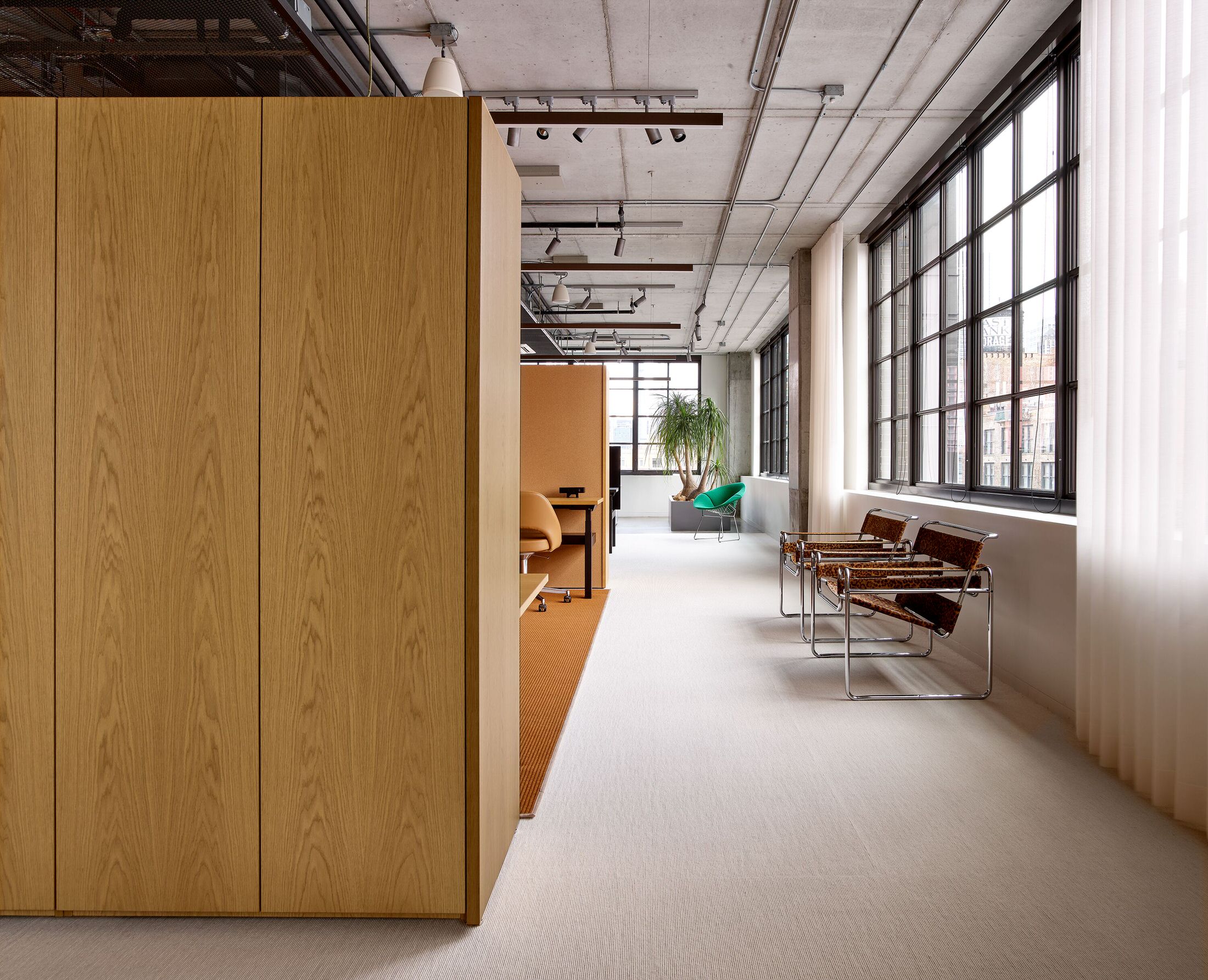
To step into a well-designed room is to experience a conversation between form and matter. We often talk about "style" or "trends," but at the highest level of interior design, there is a deeper logic at play: Material-First Design. This philosophy, championed by icons like Florence Knoll, suggests that the specific characteristics and limitations of raw materials—be it the heavy grace of marble, the organic warmth of wood, or the industrial lightness of wire—should directly inform and guide the final aesthetic and functional form of a piece.
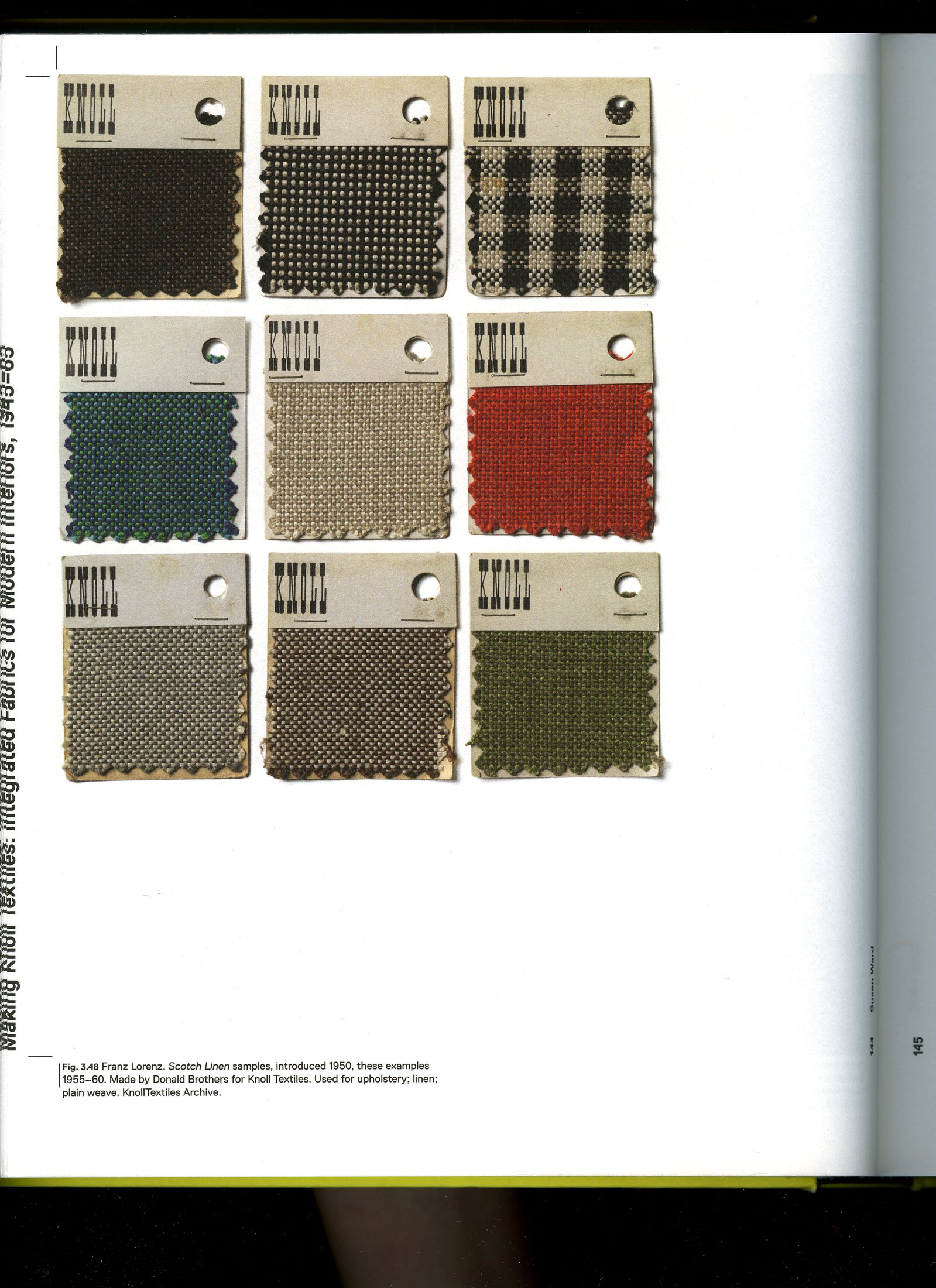
Florence Knoll didn't just design furniture; she designed the "Total Look." She famously moved from creating fabric swatch cards to planning entire interior landscapes where furniture, color, and art were planned concurrently. For the modern reader looking to elevate their living space, understanding this material-driven intelligence is the secret to moving beyond "decorating" and toward "curating" a home that feels both timeless and intentional.
The Stonecutters' Art: Master-Grade Marble
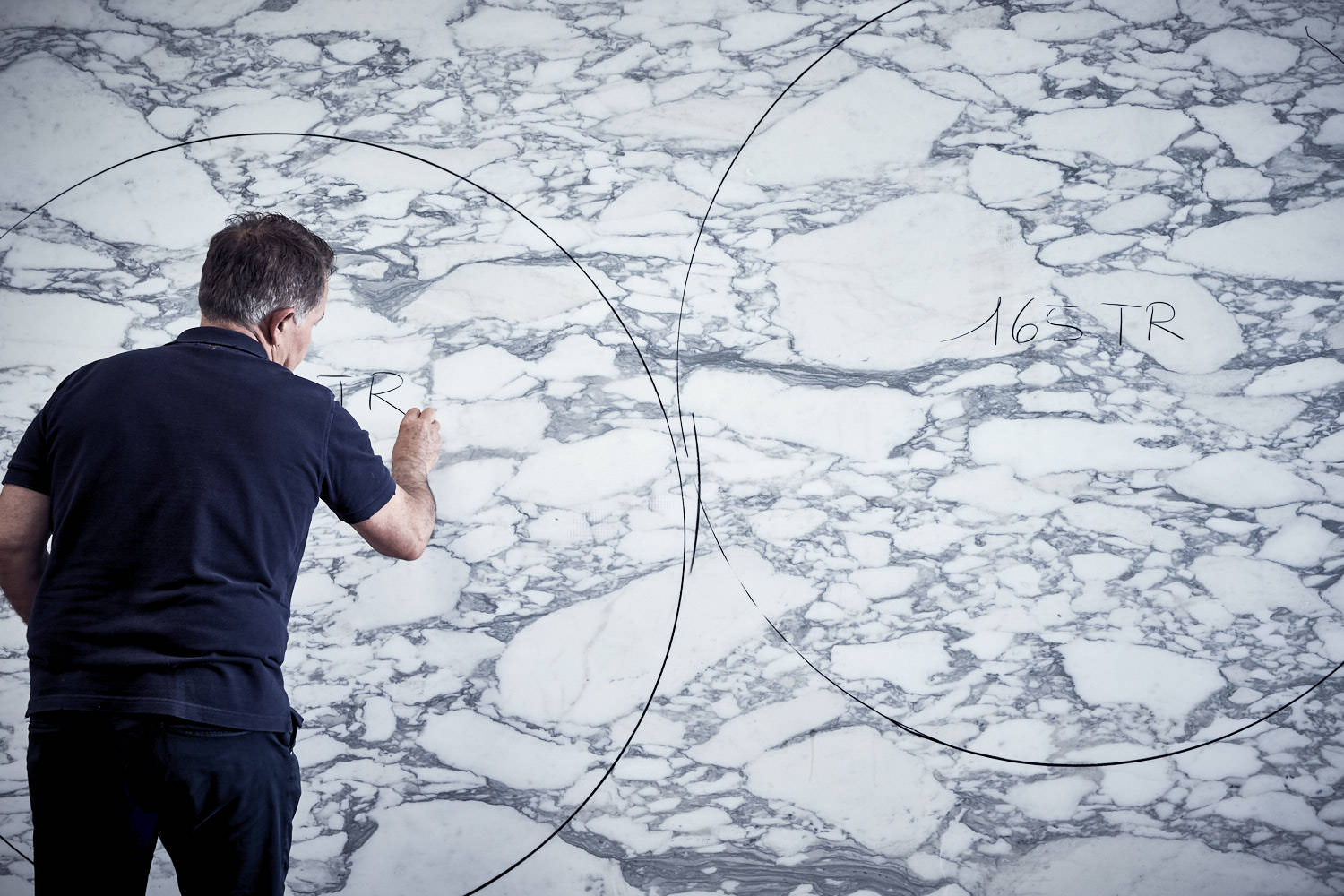
When we think of luxury, marble is often the first material that comes to mind. However, in the world of Knoll, not all marble is created equal. The brand’s commitment to quality is legendary—and perhaps a bit ruthless. Knoll employs a rigorous selection process where master stonecutters reject over 90% of available stone. They accept only the top 10% of raw marble based on superior veining patterns and structural integrity.
This "10% Rule" ensures that every table top is not just a surface, but a unique piece of geological art. This selection process is followed by a hand-finishing technique that has remained largely unchanged since 1958. While modern technology has advanced, the human eye and hand are still the only tools capable of ensuring that a slab of Arabescato or Calacatta marble meets the exacting standards of a modernist masterpiece.
Case Study: The Grasshopper Table by Piero Lissoni
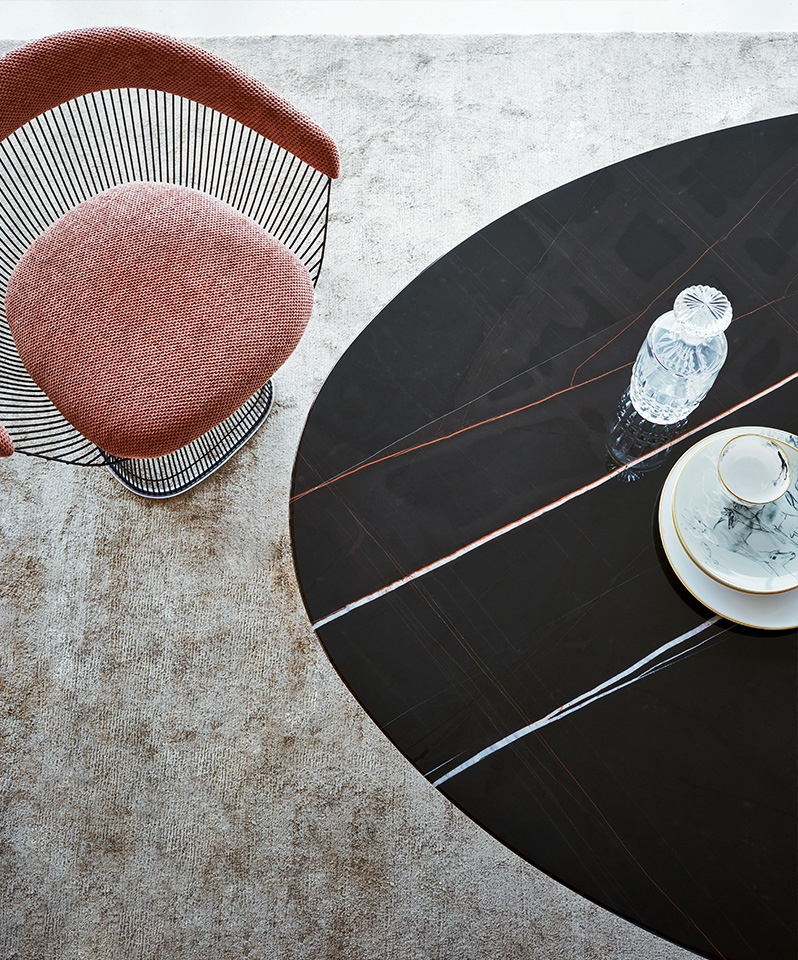
A perfect example of material-first design in the modern era is the Grasshopper Table by Piero Lissoni. Here, the weight of rare stone is balanced by an incredibly slim, high-performance cast-steel structure. The design highlights the paradox of the material: the marble feels as though it is floating, yet its presence remains grounded and permanent. It’s a masterclass in integrating rare stones into utilitarian forms without losing the "spirit" of the material.
Sculpture in Space: The Evolution of Wire Design
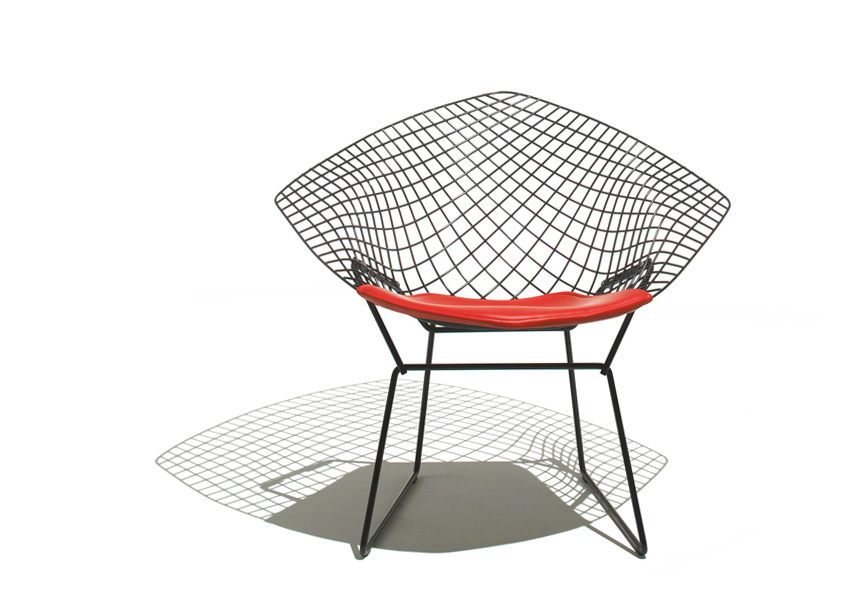
If marble represents the earth, Harry Bertoia’s wire designs represent the air. In the early 1950s, Bertoia—a sculptor by trade—began experimenting with industrial steel rods. His revolutionary approach transformed these rigid, cold materials into airy, floating configurations that interact with space rather than just the ground.
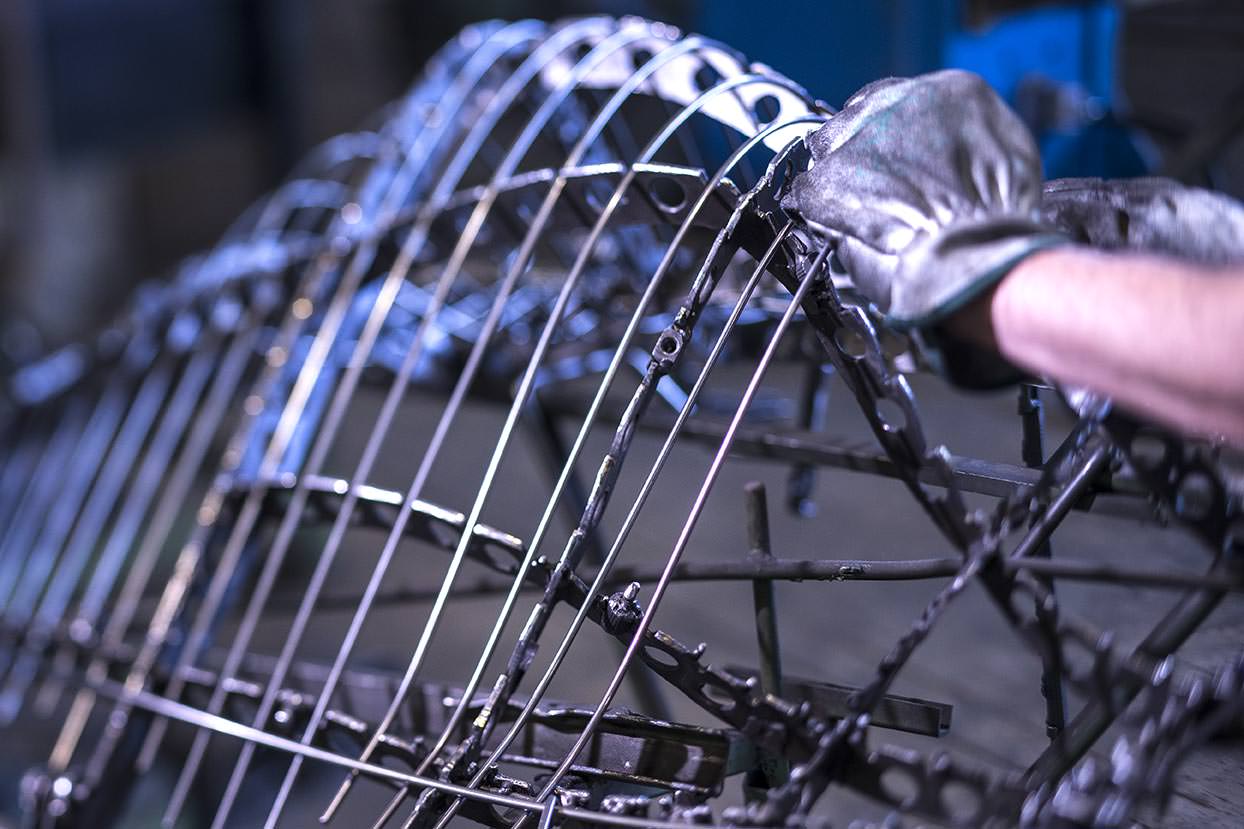
Why are these wire chairs considered so revolutionary even 70 years later? It comes down to the craftsmanship. Unlike mass-produced furniture, Bertoia’s wire chairs require manual bending and individual welding techniques that have remained unchanged since their inception. Each rod is positioned by hand, creating a lattice that is surprisingly comfortable and visually transparent.
“If you look at these chairs, they are mainly made of air, like sculpture. Space passes right through them.” — Harry Bertoia
Designing for the "Space rather than Ground"
In a modern apartment, where square footage is often at a premium, Bertoia’s designs are a secret weapon for designers. Because the chairs are "made of air," they don't clutter the visual field. The Diamond Chair, for instance, acts as a functional sculpture. It allows light to pass through its frame, maintaining the architectural flow of a room while providing a sophisticated seating option.
The Warmth of Modernism: Sustainable Wood & Textiles
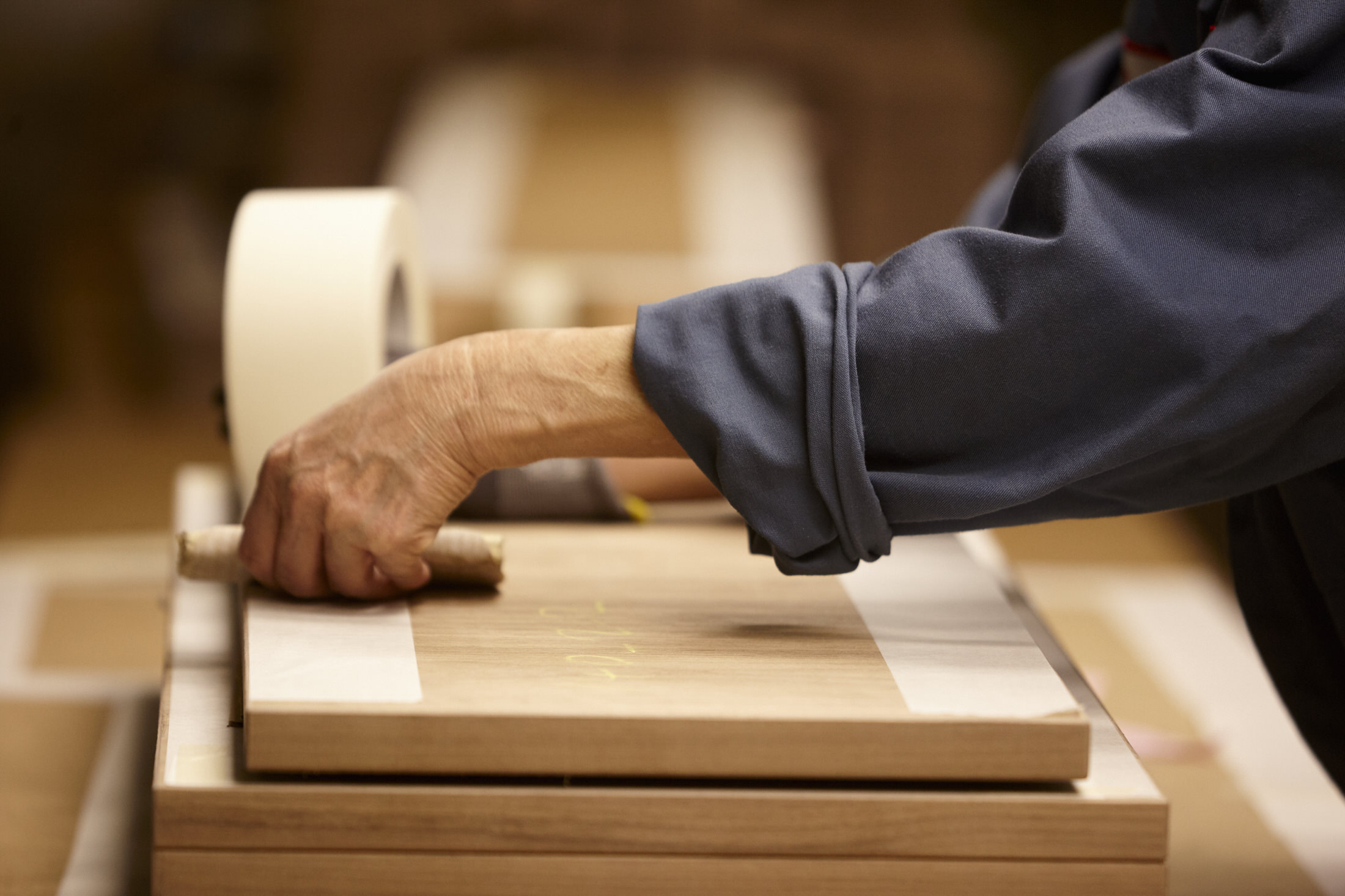
While steel and stone provide the "bones" of a room, wood and textiles provide the soul. Modernism is often accused of being "cold," but Knoll’s approach to wood—pioneered by designers like Jens Risom—proves otherwise. The key is balancing natural textures with clean, architectural lines.
Knoll’s commitment to sustainability isn’t a modern marketing pivot; it is a foundational pillar. The brand has maintained a continuous commitment to environmental standards since 1978. Today, 100% of its manufacturing facilities hold ISO 14001 certification, and they adhere to strict FSC (Forest Stewardship Council) standards to ensure that the wood used in their furniture is harvested responsibly.
The Psychology of Materiality
There is a psychological benefit to bringing wood and natural textiles into a high-end interior. These materials lower cortisol levels and create a sense of "home" within even the most avant-garde architectural spaces. Whether it’s the rich grain of a walnut credenza or the tactile invite of a KnollTextiles weave, these materials bridge the gap between human comfort and high design.
Beyond the Workplace: Versatile Icons for Every Room
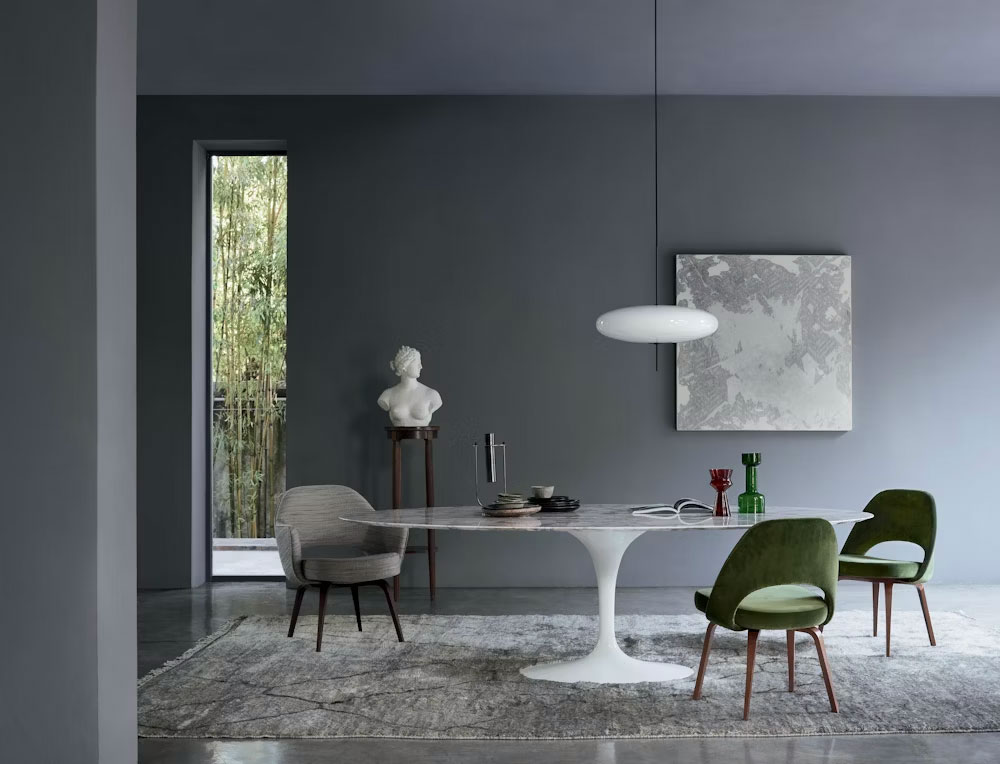
One of the most fascinating aspects of material-first design is how it allows a piece to transcend its original purpose. Take the Saarinen Executive Chair. Originally designed in the 1950s as a high-performance office icon, its fluid form and comfortable upholstery allowed it to transition seamlessly into high-end cafes, residential dining rooms, and boutique hotels.
This versatility is a hallmark of the Knoll collection. By focusing on the integrity of the material and the ergonomics of the human form, these pieces remain relevant across decades and different room types.
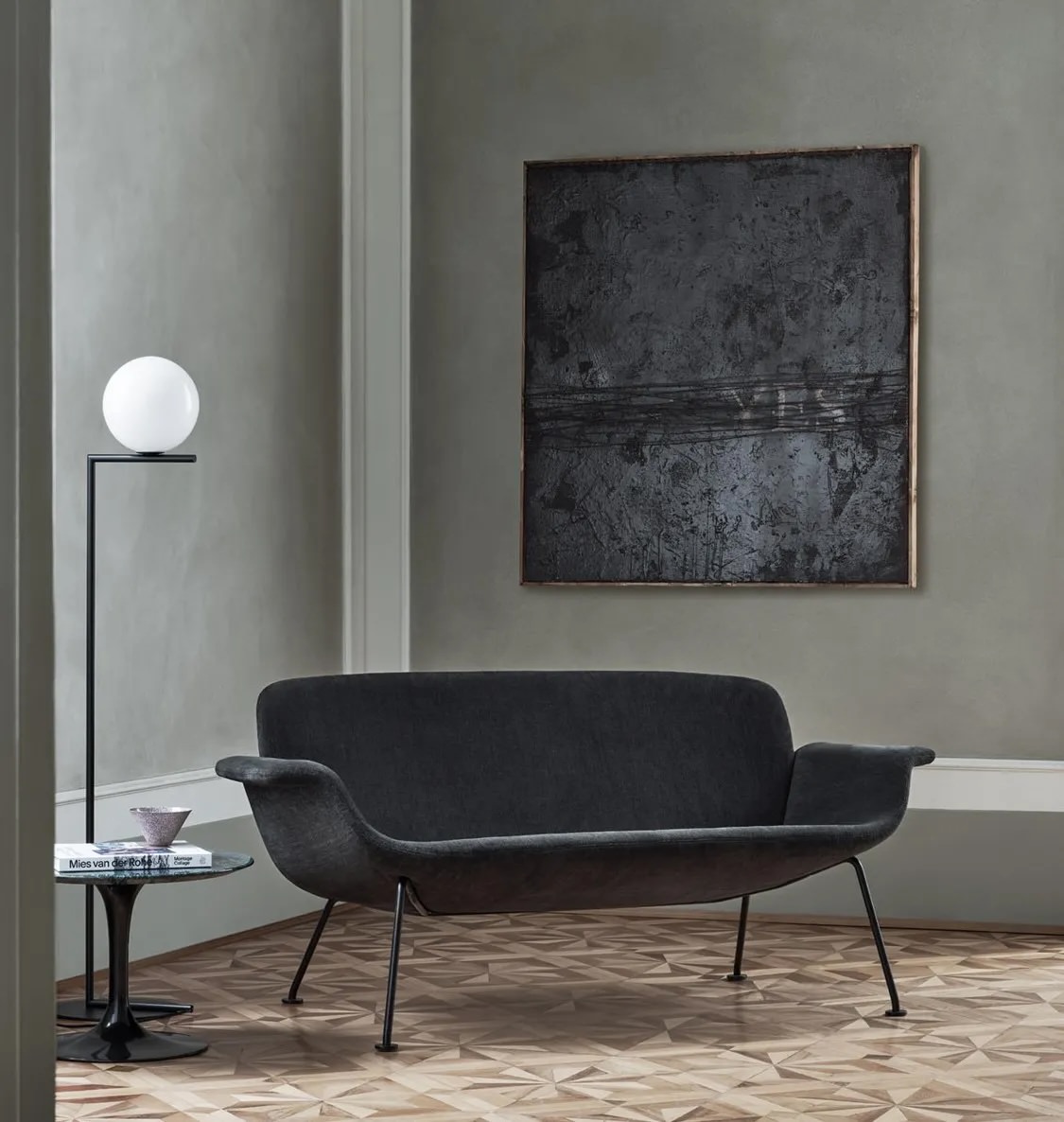
- Residential Harmony: Pieces like the KN Collection by Piero Lissoni bridge the gap between corporate sophistication and domestic comfort. Its low-profile silhouette and deep seating offer a contemporary take on the classic lounge.
- Hospitality Flare: The use of bold textiles and durable finishes makes these icons perfect for high-traffic luxury environments where "home-like" comfort is required.
Conclusion: Furniture as Art
In an era of disposable furniture, Material-First Design is a call to return to substance. When we choose a piece of furniture because we respect the marble it was carved from, the steel that was hand-welded into its frame, or the sustainable forest it originated from, we are doing more than just buying a chair. We are investing in a piece of history and a philosophy of quality.
Material intelligence transforms a functional space into a memorable experience. By mastering the art of Knoll’s material-first approach, you aren't just filling a room—you are curating a legacy.
FAQ
What exactly is material-first design? Material-first design is a philosophy where the inherent properties, limitations, and aesthetic qualities of a raw material (like the strength of steel or the veining of marble) dictate the final shape and function of the furniture, rather than forcing a material into a pre-conceived shape.
Why is Knoll's marble so much more expensive than standard marble furniture? The cost reflects the extreme selectivity of the material. Knoll rejects over 90% of available marble slabs to ensure that only the most structurally perfect and aesthetically beautiful pieces—the top 10%—reach their production line.
Are the Bertoia wire chairs actually comfortable? Yes. While they look industrial, the manual bending of the steel rods is designed to follow the contours of the body. When paired with the custom-fitted seat pads, they offer a surprising amount of ergonomic support while remaining visually "light."
How does Knoll ensure its furniture is sustainable? Knoll has been a leader in environmental standards since 1978. All of their manufacturing facilities are ISO 14001 certified, and they prioritize FSC-certified woods and low-emission finishes to ensure their "sustainable luxury" is more than just a label.