There is a distinct, quiet luxury in the absence of a threshold. In the world of high-end interior design, the traditional "three-piece" bathroom—with its clumsy tub edges and raised shower curbs—is increasingly being replaced by the fluid, uninterrupted visual flow of the modern wet room. As we look toward 2026 bathroom trends, the shift is undeniable: homeowners are no longer just looking for a place to wash; they are seeking a private sanctuary that prioritizes both cocooning glamour and long-term accessibility.
According to recent architectural design trends, curbless shower requests have increased by 45% in luxury residential projects over the last three years. This surge isn’t just about aesthetics; it’s a strategic move toward "aging-in-place" design, ensuring that a home remains functional and beautiful through every stage of life. However, creating a successful open-concept bathroom requires more than just removing a shower door. It demands a sophisticated understanding of waterproofing, drainage, and material science.
What Exactly is a Modern Wet Room?
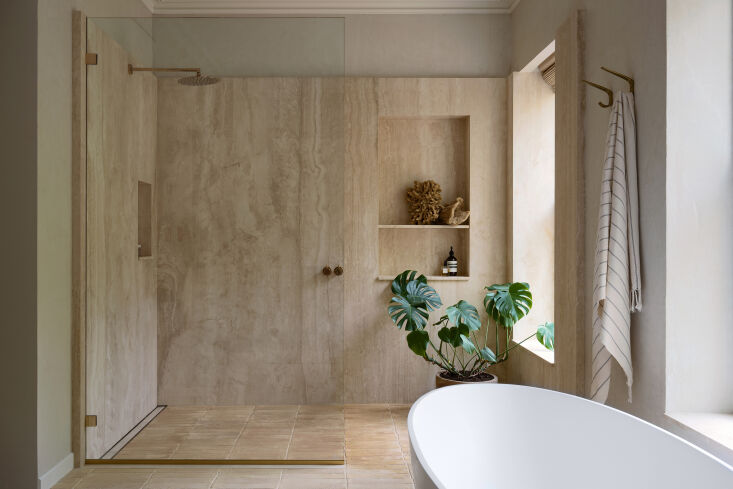
At its core, a wet room is a fully waterproofed, tiled bathroom with an open floor plan, typically featuring a curbless walk-in shower at the same level as the rest of the floor. Unlike a standard bathroom where the shower is a self-contained unit, a wet room treats the entire space as a "wet zone."
The magic happens beneath the surface through a process known as "tanking." This involves sealing the walls and floor with a continuous waterproof membrane before any tiling begins. While a standard walk-in shower might only waterproof the immediate enclosure, a true wet room ensures the entire structural envelope is protected. This architectural freedom allows for a "barrier-free" lifestyle, where the transition from the vanity to the shower is completely seamless.
Essential Architectural Layouts for 2026
When planning your wet room, the layout should be dictated by your plumbing's existing logic and the way you move through the space. We are seeing a move toward layouts that feel like architectural extensions of the bedroom rather than utilitarian closets.
- One-Wall & Galley: This is the gold standard for compact urban spaces. By keeping all plumbing on a single wall, you minimize construction costs while maintaining a sleek, linear aesthetic.
- L-Shaped & U-Shaped: These layouts are perfect for larger suites. By tucking the "wet zone" into an alcove or at the end of a U-shaped configuration, you create a sense of privacy and "zoning" without the need for a physical barrier.
- The Open Wet Room: This is the ultimate expression of the trend, often seen in boutique hotels. The shower and bathtub might sit side-by-side in the center of the room, maximizing accessibility and making a bold architectural statement.
| Layout Type | Best For | Key Advantage |
|---|---|---|
| One-Wall | Small/Urban Bathrooms | Budget-friendly & space-efficient |
| L-Shaped | Medium Master Suites | Natural zoning and splash control |
| U-Shaped | Large, Luxury Spaces | High-end 'spa' feel with hidden plumbing |
| Open Plan | Barrier-Free Living | Maximum accessibility and visual impact |
The 'Invisible' Technical Foundation
In my years as an editor, I’ve seen beautiful bathrooms fail because the technical "bones" were ignored. In a wet room, the most important design element is one you barely see: the slope.
Mastering the Slope
To ensure water flows directly into the drain rather than pooling in the corners, the floor must be subtly graded. Experts recommend a gradient of at least 1-2%. Interestingly, properly sloped wet room floors using mosaic or small-format tiles can reduce standing water by 60% compared to traditional large-format tile installations. The reason? Smaller tiles allow the installer to follow the contours of the drainage pitch more accurately, whereas large slabs can create "flat spots" where water lingers.
Drainage Innovation
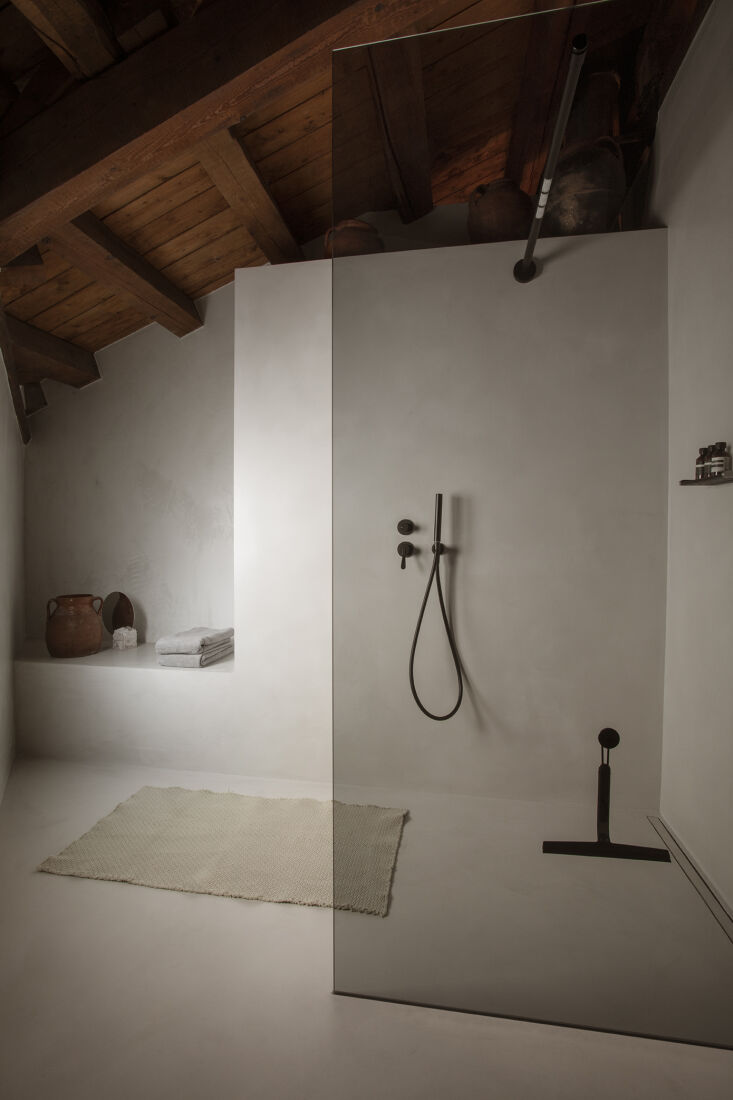
Gone are the days of the unsightly circular drain in the middle of the floor. Modern wet rooms favor linear (line) drains. These sleek, narrow troughs can be placed against a wall or at the entrance of the shower zone. They allow for a single-direction slope, which means you can use larger tiles on the rest of the floor while keeping the drainage area discreet.
Material Selection: Style Meets Safety
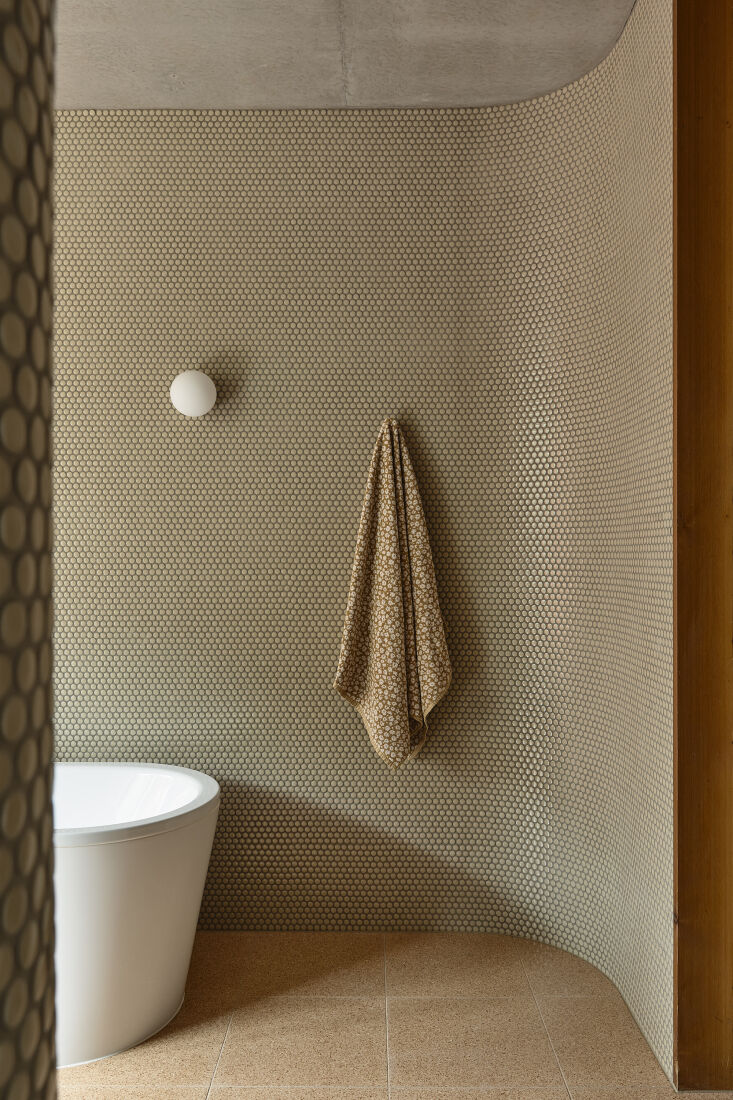
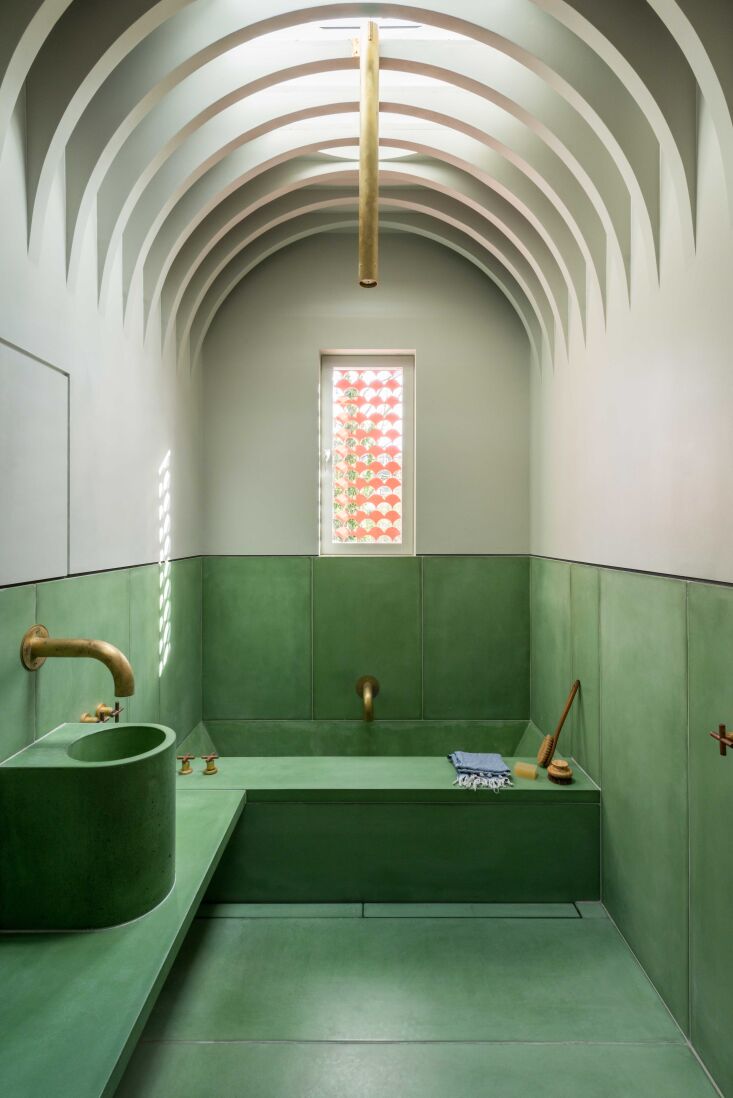
This is where the design vision truly comes to life. One of the most prominent trends we’re tracking for 2026 is "Tile Drenching"—the practice of covering every surface (walls, floors, and even built-in benches) in the same material to create an immersive, monolithic environment.
The Best Flooring for Wet Rooms
While the aesthetic is important, safety is paramount. The best flooring for wet rooms is small-format porcelain or natural stone tile (6x6 or smaller). The reasoning is practical: more grout lines mean more friction. These additional grout lines provide essential slip resistance, which is vital in a room where the floor is constantly wet.
Ivy’s Tip: If you absolutely love the look of large-format slabs, look for tiles with a "P5" slip rating or consider a honed finish over a polished one. However, for the shower area itself, I always recommend a transition to a matching mosaic to ensure safety underfoot.
2026 Trend Spotlight: Microcement & Carved Stone
We are moving away from clinical white subway tiles toward more tactile, earthy finishes. Microcement is gaining popularity for its ability to create a completely jointless surface, perfect for a minimalist hamman-style vibe. Similarly, carved stone forms—where the sink or a bench is carved from a single block of marble—add a sense of permanence and architectural weight to the space.
Overcoming the 'Cold' Factor: Luxury Upgrades
One common critique of open-concept bathrooms is that they can feel drafty. Without a glass box to trap steam, the heat dissipates quickly. To solve this, designers use a "layered" approach to warmth.
- Radiant Under-Floor Heating: This is non-negotiable in a modern wet room. Installing radiant heating mats beneath the tiles ensures the floor is warm to the touch and helps evaporate standing water more quickly, reducing the risk of mold.
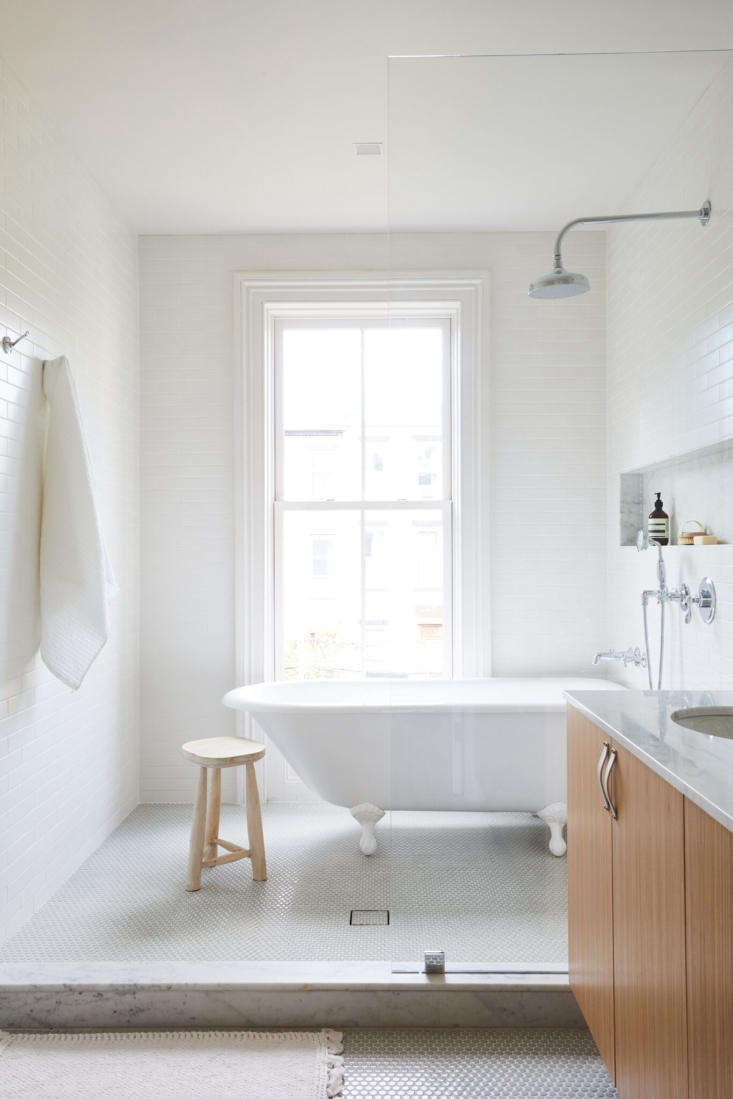
- Strategic Glass Partitions: While the goal is an "open" feel, adding a single, fixed glass panel can work wonders. It acts as a windbreak, trapping steam and heat in the immediate shower area while maintaining the visual transparency of the room.
- Programmed Lighting: Use lighting to create warmth. Shifting from bright, functional "circadian" lighting in the morning to soft, warm-dim LEDs in the evening can transform a large wet room into a cozy, candlelit retreat.
Maintenance and Long-Term Value
A well-designed wet room is actually easier to clean than a traditional bathroom. By eliminating the shower tray and the door tracks, you remove the primary places where soap scum and grime accumulate.
To maximize this benefit, I always suggest:
- Wall-Mounted Vanities and Toilets: Keeping the floor clear allows for a quick "mop-through" and enhances the feeling of spaciousness.
- Thoughtful Showerhead Placement: Direct the water flow away from the vanity or towel racks. A rain-style showerhead that drops water vertically is often better for splash control than a standard angled wall-mount.
Pros and Cons Recap
Before you commit to a full wet room renovation, weigh the architectural benefits against the practical realities:
Pros:
- Future-Proofing: Exceptional for accessibility and "aging-in-place."
- Visual Space: Makes small bathrooms feel significantly larger by removing visual barriers.
- Ease of Cleaning: Minimal corners and no shower tracks.
- Property Value: High-end wet rooms are a major selling point in the luxury market.
Cons:
- Cost: "Tanking" and professional floor sloping can be more expensive than standard installations.
- The "Splash" Factor: Water can travel further than expected if not zoned correctly.
- Humidity: Requires a high-performance ventilation system to manage steam.
FAQ
Q: Does a wet room have to be fully tiled?
A: Yes, in the "wet zone" (the floor and walls near the water source), you must use waterproof materials like tile, stone, or microcement. However, in the "dry zones" of a large room, you can transition to moisture-resistant paint or wallpaper, provided the ventilation is adequate.
Q: Can I install a wet room in a small apartment?
A: Absolutely. In fact, wet rooms are often the best solution for small bathrooms because they remove the bulky shower enclosure, allowing the room to feel open and airy.
Q: Will it make my bathroom feel like a locker room?
A: Not if you use the right materials. The key to a luxury wet room is "tactile richness"—think textured stone, warm wood accents (teak), and sophisticated lighting. It should feel like a spa, not a gym.
Creating a modern wet room is an exercise in restraint and precision. By focusing on the "invisible" technical details—the tanking, the slope, and the slip resistance—you lay the foundation for a space that is as functional as it is breathtaking. As we move into 2026, the wet room stands as a testament to the fact that good design isn't just about what you add to a room, but what you have the courage to take away.