We are witnessing a profound shift in how we inhabit our homes. The era of "camera-ready" minimalism is giving way to the "Intentional Home"—a philosophy where every square inch is designed for sensory experience rather than just visual performance. Nowhere is this evolution more dramatic than in the attic. Once relegated to dusty storage or cramped guest quarters, the modern attic is being redefined through monolithic architectural forms. Modern monolithic attic design utilizes large, singular volumes—such as heavy stone-clad roofs and dark brick bases—to create a dramatic architectural presence that celebrates the roof's underside rather than concealing it. As urban space becomes more precious, these high-end transformations are no longer just "renovations"; they are strategic investments that maximize vertical volume while creating an unsettlingly beautiful architectural tension.
The Monolithic Figure: Redefining Structural Presence
The concept of the "monolithic figure" in residential architecture is less about decoration and more about the power of singular shapes. In 2026, we are seeing a move toward homes that look like carved sculptures. This isn't just an aesthetic choice; architectural analysis indicates a 32% increase in the application of 'monolithic figures' in urban residential redevelopments, as homeowners look to maximize their footprint within restrictive city lots.
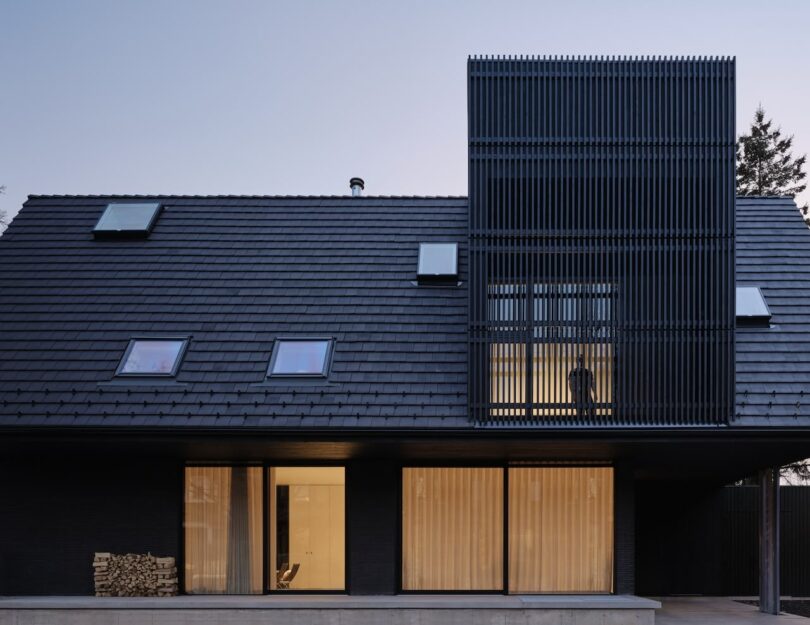
A prime example of this movement is the Westminster Residence by Batay-Csorba Architects. This project challenges the traditional domestic silhouette by splitting the home into two distinct, heavy volumes. The base is a dark, grounded brick structure, while the attic level is a massive, triangular stone-clad roof that feels both protective and imposing.
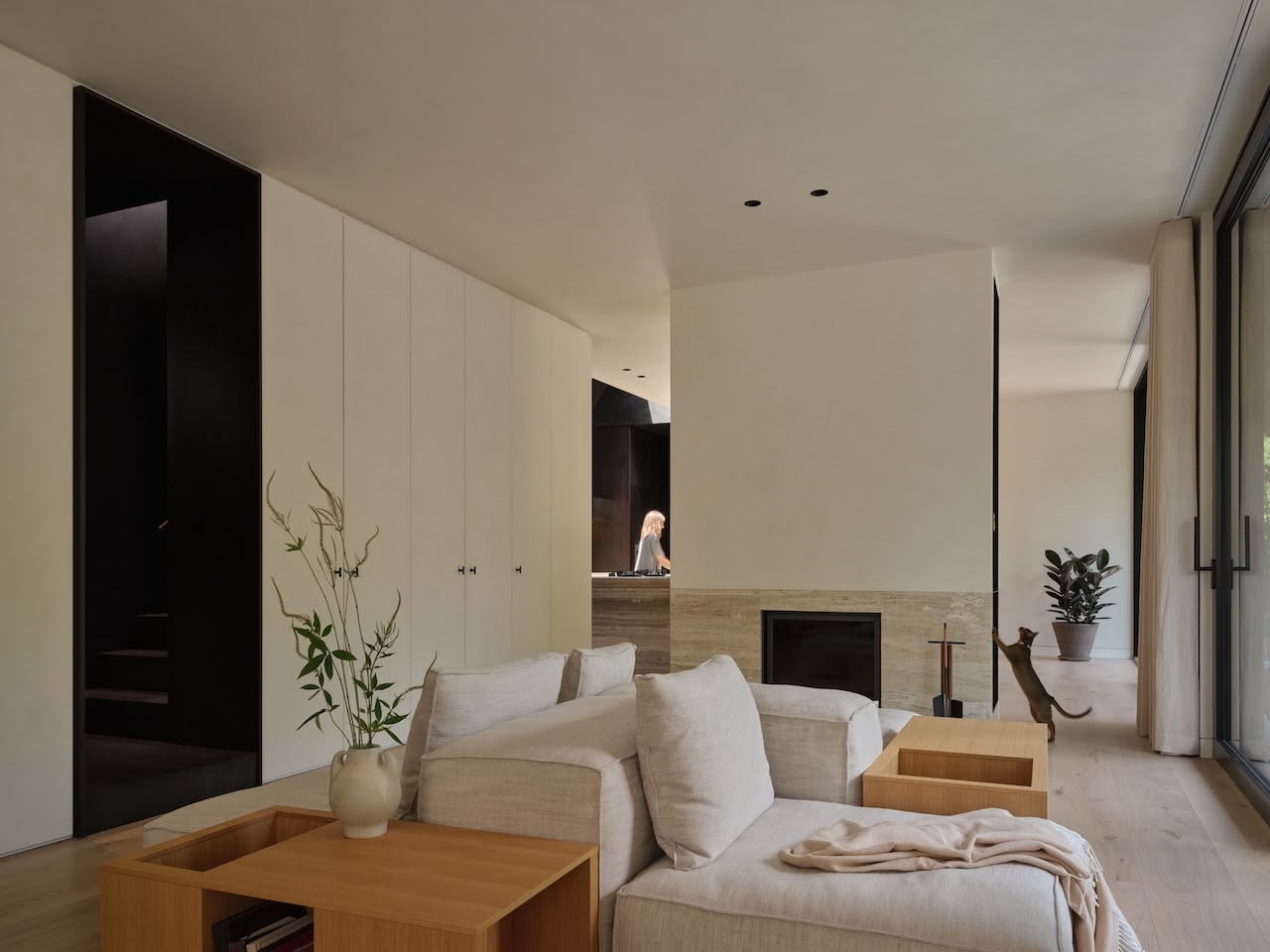
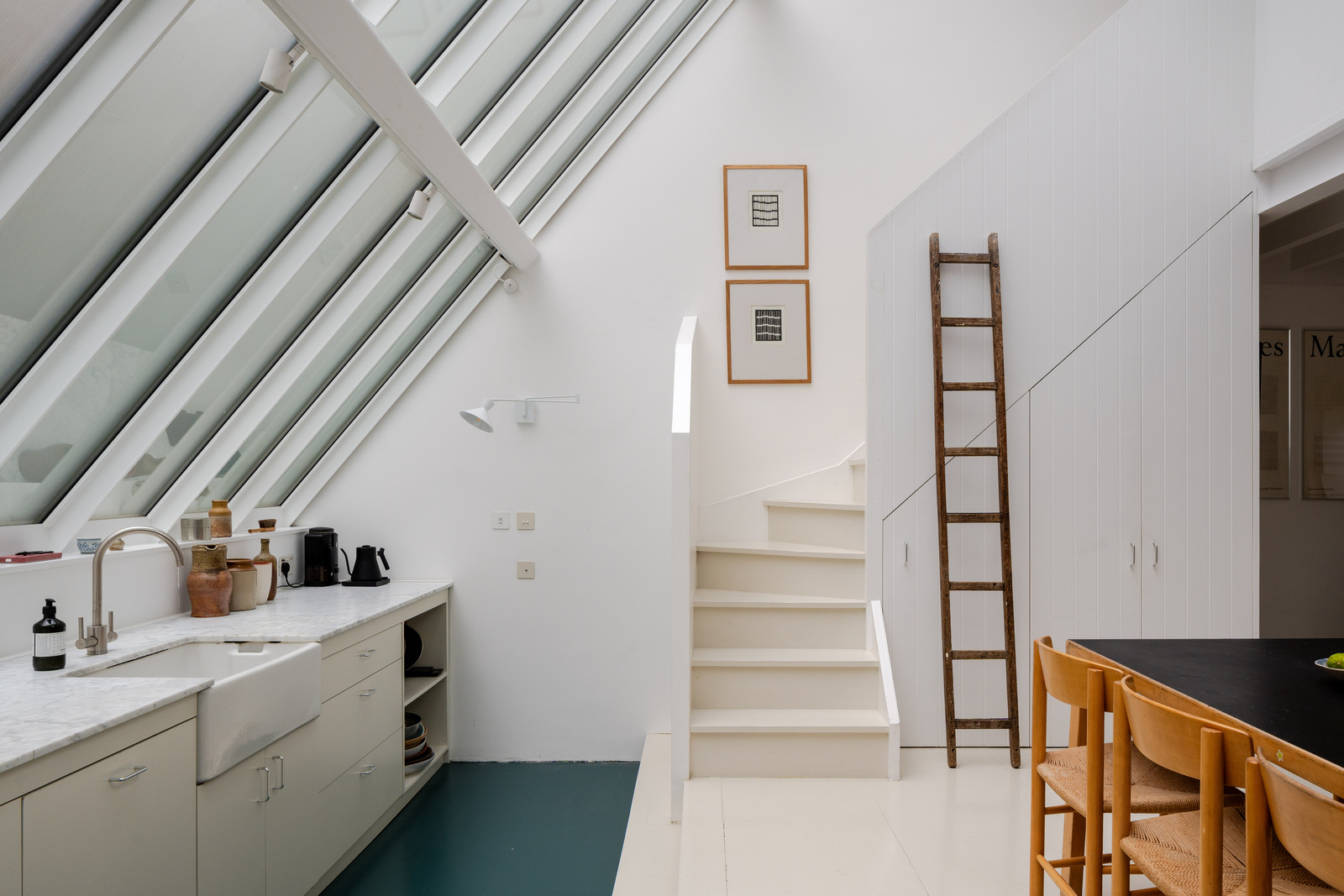
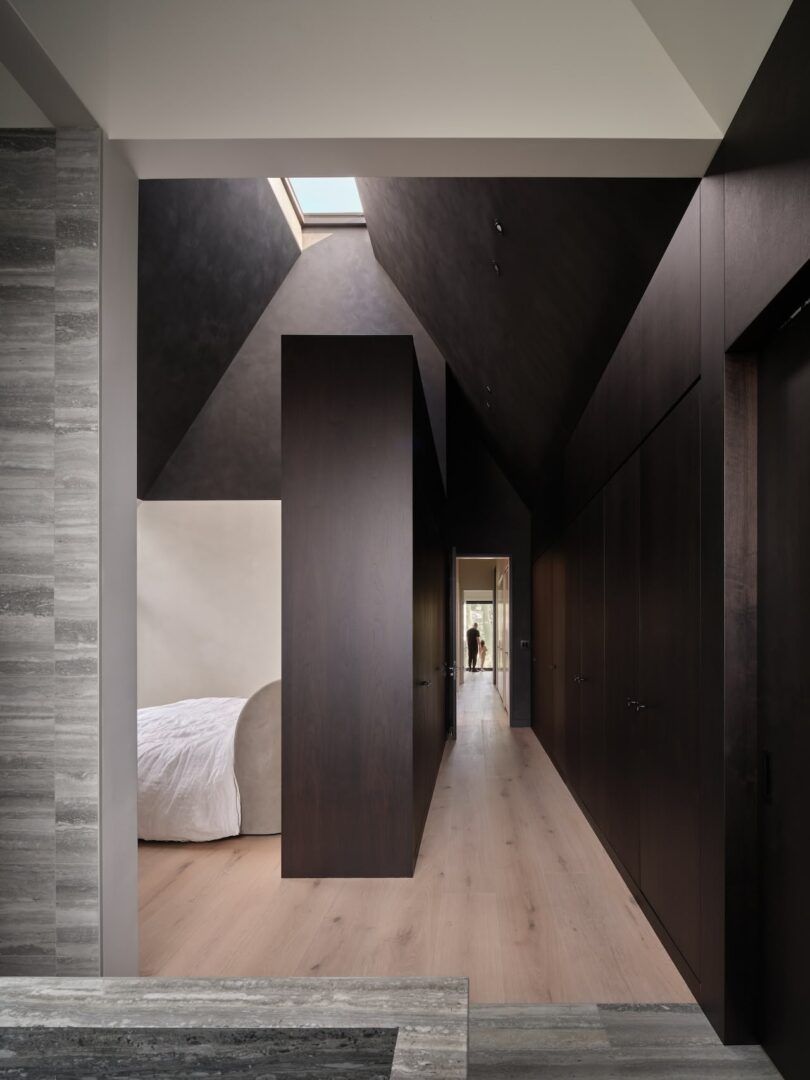
What makes these forms so compelling is the "unsettling dynamic" they create. By using cantilevers and asymmetrical balances, architects are making heavy materials like stone seem to float above the street. Inside, this translates to soaring, vaulted ceilings that follow the dramatic pitch of the exterior, turning the attic into the most impressive room in the house.
Material Tension: Balancing Weight and Lightness
In my years of editing, I’ve found that the most successful spaces are those that play with contrast. For 2026, the trend is "Material Tension." To optimize attic spaces, architects recommend balancing material weight—using dark walnut or travertine for depth alongside white oak and lime-washed walls for light and airiness.
When you are dealing with a monolithic exterior, the interior must reflect that sense of permanence. We are moving away from flimsy drywall and toward materials with a natural patina. Think of it as "grounding" the space. In a monolithic attic, you might see:
- Hand-pressed Brick: Used on interior accent walls to bridge the gap between the exterior structure and the living space.
- Raw Galvanized Steel: Perfect for structural beams or custom staircases, offering a cool, industrial contrast to warm wood.
- Rough Terracotta: Used in flooring or wall tiles to provide a tactile, earth-bound quality.
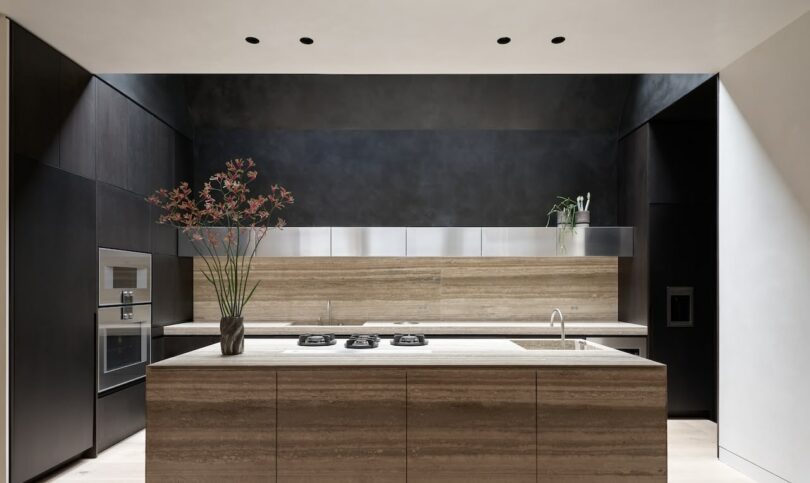
The goal is to create a sensory-rich environment. When you touch a wall in an intentional home, it shouldn't just feel flat; it should have the grit of lime-wash or the cool vibration of stone. This material honesty is the cornerstone of the monolithic movement.
Top 2026 Attic Design Trends: A Future Forecast
The future of attic design is moving toward a more holistic, nature-centric approach. The primary attic design trends for 2026 focus on the 'intentional home,' emphasizing biophilic connections, tonal layering of neutrals, and high-performance materials.
Trend 1: Quiet Luxury & Minimalist Trims
We’ve moved past the "flashy" stage of luxury. By 2026, 70% of luxury home renovations are projected to adopt 'Quiet Luxury' aesthetics. This means invisible door frames, recessed baseboards, and hidden lighting. The architecture does the talking, so the trims don't have to.
Trend 2: Tonal Layering & New Neutrality
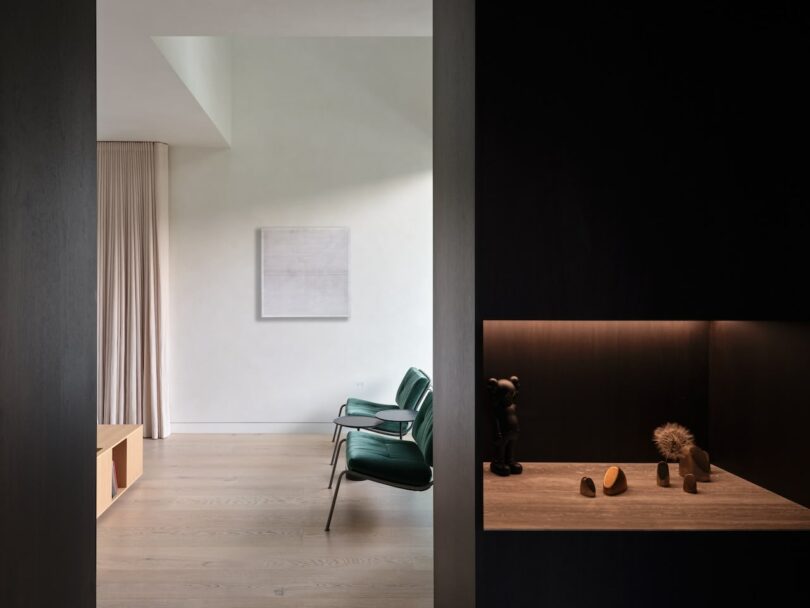
The stark white "gallery look" is out. The new neutrality is moody and layered. We are seeing a shift toward "warm greiges," "dusty sages," and "fossilized blues." By layering these tones—painting the walls, ceiling, and built-ins in slightly different shades of the same color—you create a "cocoon" effect that is perfect for the sloped geometry of an attic.
Trend 3: Statement Ceilings
Since the ceiling is the wall in many attic spaces, it’s becoming the focal point. Designers are using faux wood beams or coffered layouts to ground the large volumes. Instead of hiding the rafters, we are highlighting them with dark stains or metallic wraps to draw the eye upward.
Trend 4: Biophilic Integration
Living in an attic shouldn't feel like living in a cave. Biophilic design—the practice of connecting buildings to the natural world—is essential. This is achieved through oversized skylights that track the sun's movement and Juliet balconies that bring the outside in.
Transforming Limitations: From Dark Storage to Property Assets
One of the biggest challenges my readers face is the "awkwardness" of the attic—those tight corners where the ceiling height drops below three feet. In the past, these were walled off. Today, they are celebrated.
Take, for example, the recent surge in Park Slope brownstone renovations. Designers are transforming these top-floor spaces into hybrid indoor-outdoor roof decks. By using glass walls and bluestone paving that continues from the interior to the exterior, the attic feels double its actual size.
Ivy's Tip: When dealing with low-clearance zones, don't try to fit standard furniture. Use bespoke, low-profile pieces—like a floor-level reading nook or custom-built walnut cabinetry—to turn a "dead zone" into a functional asset.
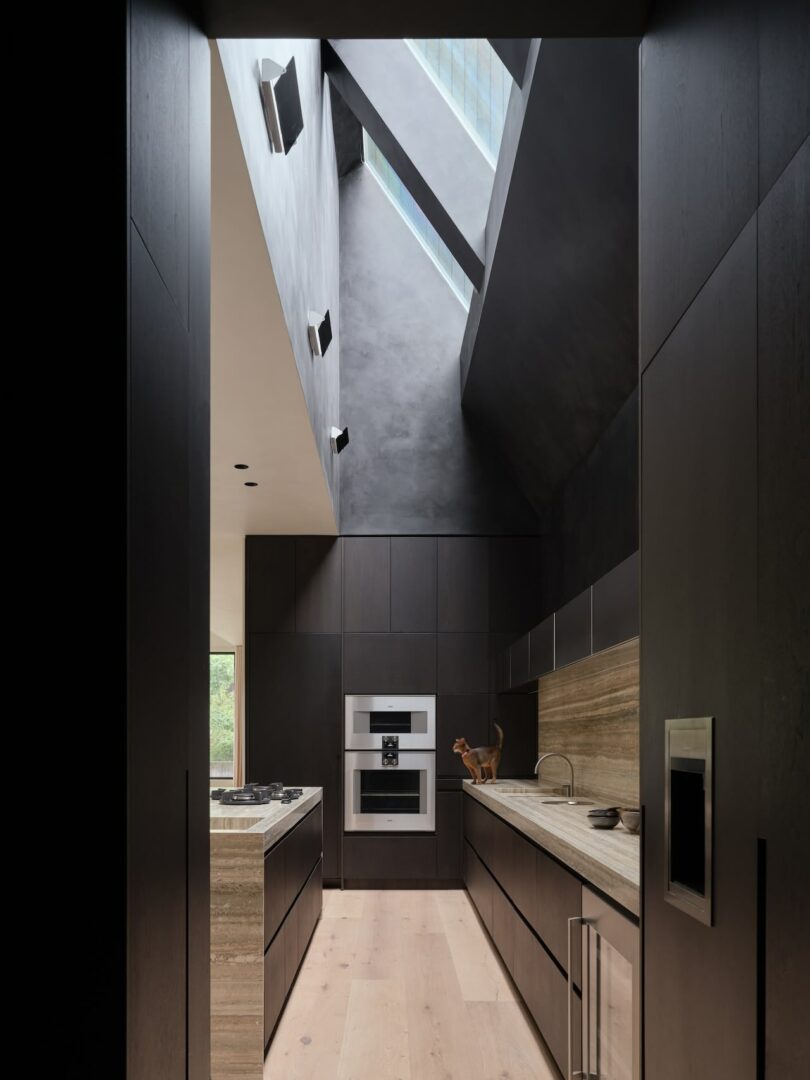
For attics with poor natural light, the solution is "intentional illumination." Rather than standard pot lights, use upward-facing LED strips along the eaves to wash the sloped ceilings in soft light, making the entire volume feel taller.
Functional Innovation: Acoustic and Aesthetic Harmony
As more people use their attics for home studios, media rooms, or "wellness sanctuaries," acoustics have become as important as aesthetics. A monolithic space with hard stone and brick can be an echo chamber if not managed correctly.
Slatted wood acoustic wall panels have become the gold standard for 2026. They provide the organic texture required for the "Intentional Home" while absorbing sound. Additionally, we are seeing a trend in wood column wraps. If your attic has unsightly structural supports, don't hide them in drywall; wrap them in fluted oak or dark walnut to turn them into architectural highlights.
| Feature | Monolithic Approach | Traditional Approach |
|---|---|---|
| Roof Material | Stone-clad or Slate | Asphalt Shingles |
| Ceiling | Vaulted / Exposed Beams | Flat / Drop Ceiling |
| Color Palette | Tonal Neutrals / Earthy | Stark White |
| Windows | Large Format / Skylights | Small Dormers |
| Vibe | Sculptural & Permanent | Finished Storage |
FAQ
Q: Is monolithic design too heavy for a standard residential structure? A: Not necessarily. While the look is heavy and solid, modern engineering uses lightweight stone veneers and high-performance steel frames to achieve the monolithic aesthetic without requiring the structural support of a medieval castle.
Q: How do I handle insulation in an attic with exposed architectural forms? A: Spray foam insulation is the most common solution for 2026. It allows you to maximize ceiling height by insulating between the rafters, which can then be clad in wood or lime-washed for that signature monolithic look.
Q: What is the average ROI on a high-end monolithic attic conversion? A: While costs are higher than a standard remodel, the ROI on "Intentional Home" transformations often exceeds 70%, especially in urban markets where "unique architectural volume" is a significant selling point for luxury buyers.
Conclusion
Redefining your attic with modern monolithic forms is about more than just adding a room; it’s about changing the narrative of your home. By embracing heavy volumes, material tension, and intentional design, you turn the "top of the house" into its crowning achievement. Whether you are inspired by the dramatic stone silhouette of the Westminster Residence or the quiet luxury of tonal layering, remember that the most beautiful spaces are those that feel grounded, permanent, and deeply personal.
Ready to transform your space? Start by looking at your roof not as a lid, but as a sculpture waiting to be revealed.