We’ve all felt it: that specific kind of exhaustion that comes from scrolling through endless digital templates of "perfect" homes that somehow feel entirely hollow. In an era of overnight renovations and flat-pack furniture, our living spaces have begun to lose their pulse. This is what I call "fast-interior fatigue." As we look toward the design landscape of 2026, the antidote isn't more stuff; it’s more soul.
Patricia Larsen, the artist and designer whose work defines the "Soulful Design" movement, offers a roadmap out of the sterile. Her philosophy—often categorized under the 2026 Slow Decor trend—rejects the shiny and the new in favor of the salvaged and the storied. By utilizing a neutral palette of whites, sands, and grays, and prioritizing natural relics over mass-produced accents, Larsen creates atmospheres that feel less like showrooms and more like living canvases. To master this look is to understand that a home isn't finished; it is gathered.
The Mineral de Pozos Case Study: From Ruin to Masterpiece
To truly understand the power of salvaged materials, one must look at Larsen’s work in Mineral de Pozos, Mexico. When she first encountered her 300-year-old casa, it was little more than a "roofless skeleton," a literal ruin that would have intimidated even the most seasoned contractors. Yet, Larsen’s "restless spirit" saw not a disaster, but a foundation for a masterpiece.
The renovation was anything but fast. It was a meticulous 13-month journey of archaeological reconstruction. The centerpiece of the home is the vaulted ceilings, which were 100% hand-laid using reclaimed bricks. This wasn't just an aesthetic choice; it was an act of preservation that required patience rarely seen in modern construction. By honoring the original footprint and using materials that had already lived a lifetime, Larsen created a space that feels as though it has always existed in its current, ethereal state.
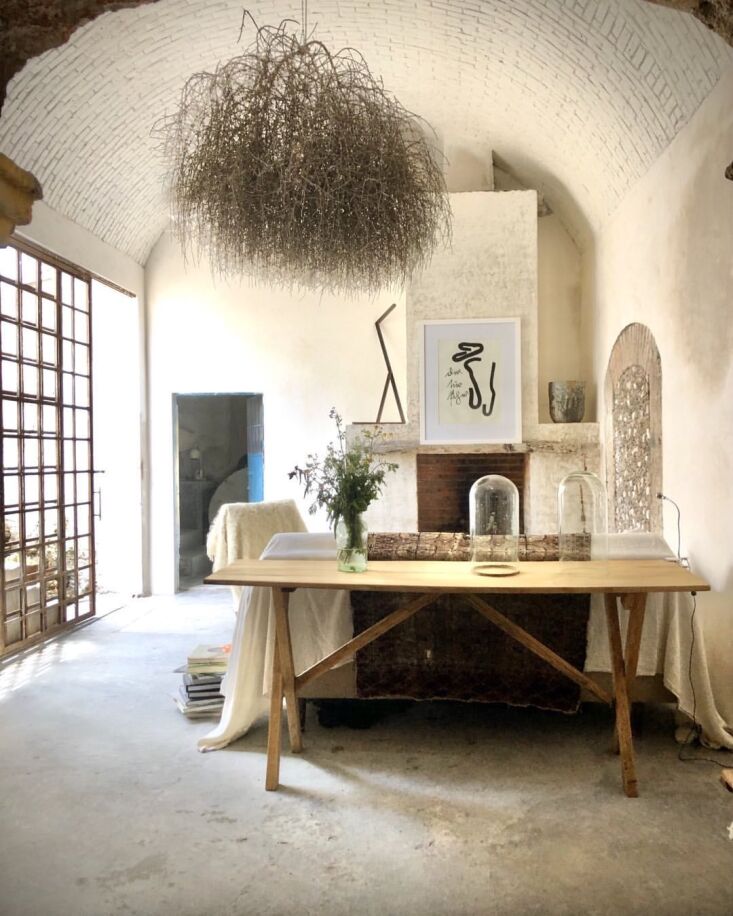
Larsen’s "restless spirit" philosophy suggests that moving or reinventing one's surroundings every few years isn't a sign of instability, but a fuel for creativity. It forces a constant re-evaluation of what we truly need to live well. In Pozos, this meant stripping away the superfluous until only the essential remained: light, texture, and history.
Repurposing with Purpose: Larsen’s Salvage Strategy
The magic of Patricia Larsen’s style lies in her ability to take the industrial or the overlooked and elevate it to the level of high art. This is "humble made haute." Instead of flipping through a catalog for fixtures, Larsen looks to the scrapyard and the roadside.
One of her signature moves is the repurposing of industrial elements into architectural features. For instance, she frequently uses oversized steel-framed windows salvaged from old factories, reimagining them as elegant sliding doors. This adds a sense of transparency and weight that a modern, off-the-shelf sliding door simply cannot replicate.
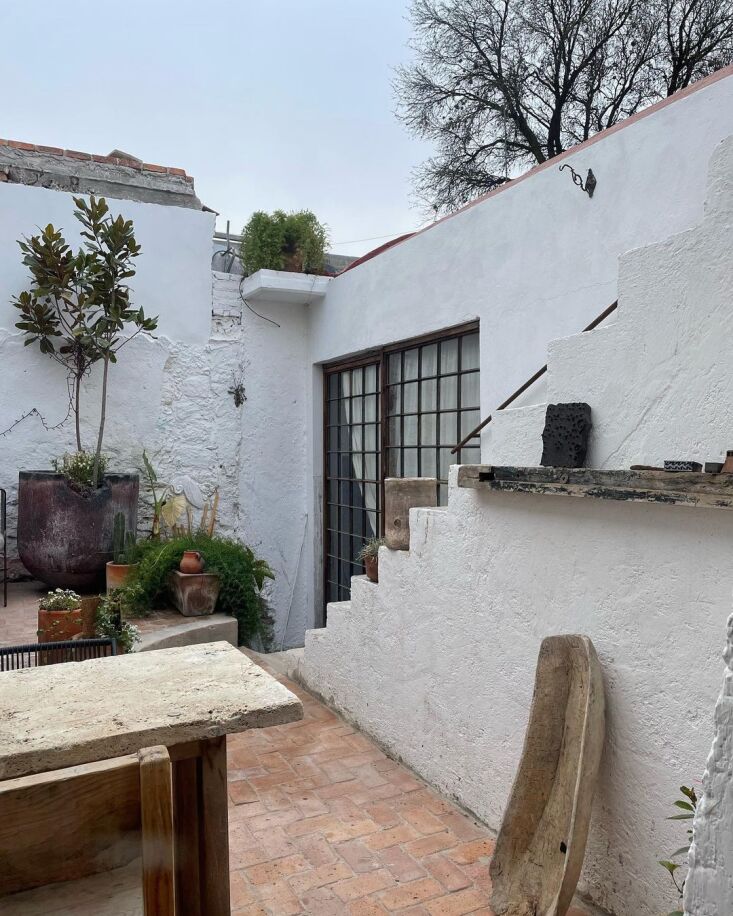
Practicality meets poetry in her kitchens and bathrooms. In Larsen’s world, a massive copper pot found at a local market isn't just a decorative item; it becomes a functional kitchen sink. It’s about seeing the "soul" in an object's utility and allowing its patina to tell a story every time you wash your hands or prep a meal.
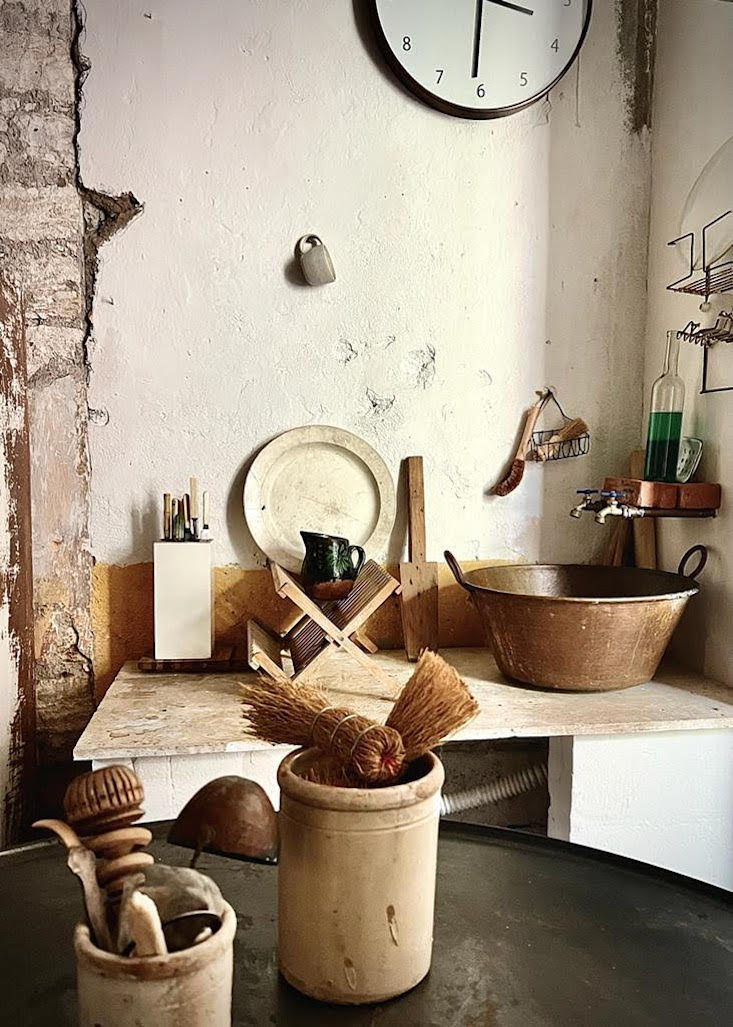
Another key element is the treatment of the walls. Larsen often employs the Pulido technique—a traditional Mexican polished plaster finish. This creates a surface that sits perfectly between "finished" and "textured," providing a soft, matte backdrop that catches the light in a way that standard latex paint never could.
The Ethics of Aesthetics: Why 'Slow' is the New Sustainable
Beyond the undeniable beauty, there is a profound ethical argument for adopting Slow Decor. We are currently facing a crisis of "disposable furniture," where pieces are designed to last five years before heading to a landfill. Choosing salvaged materials isn't just a stylistic preference; it’s a radical act of sustainability.
Recent industry analysis shows that adopting Slow Decor principles can reduce a household's dependence on mass-produced accents by 40%. When we look at the carbon footprint, the numbers are even more staggering.
| Feature | Modern/Mass-Produced | Salvaged/Antique |
|---|---|---|
| Carbon Efficiency | 1x (Baseline) | 16x More Efficient |
| Emission Reduction | 0% | 85-97% Reduction |
| Longevity | 5-10 Years | 50-100+ Years |
| Off-Gassing (VOCs) | High (Glue/Particle board) | Near Zero (Solid wood/Stone) |
The "16x carbon efficiency rule" highlights that buying an antique or salvaged piece is sixteen times better for the planet than buying new, once you account for manufacturing, shipping, and the eventual disposal of short-lived items. Furthermore, there is the health factor. Natural materials like heritage textiles, solid wood, and stone don't "off-gas" harmful chemicals, creating a literal sanctuary for your respiratory health.
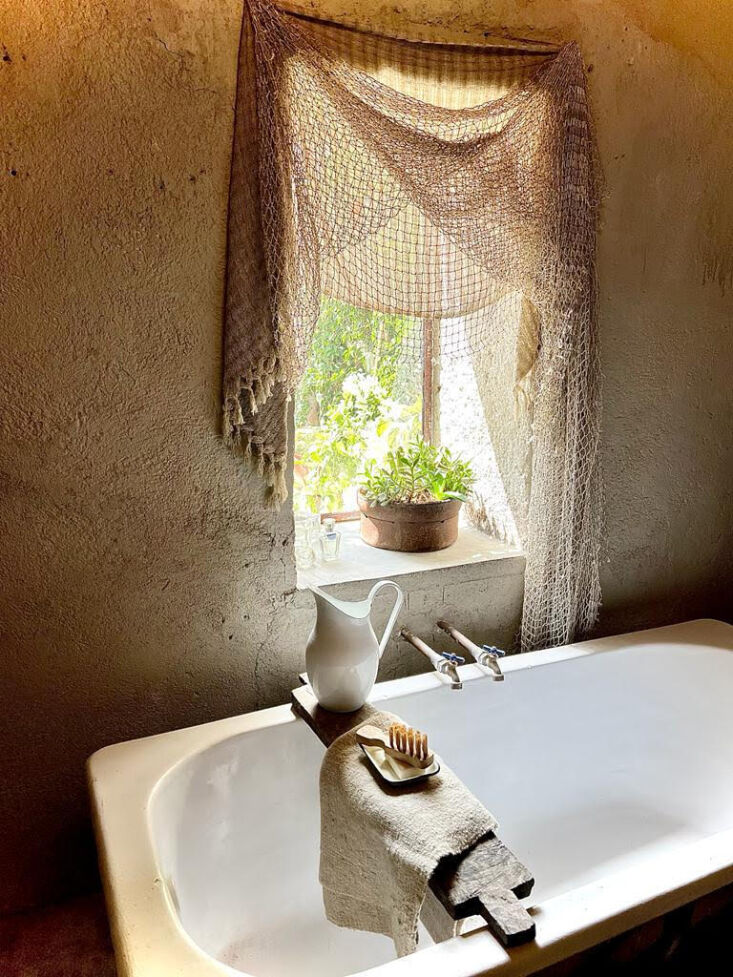
"Design is not about filling a space; it’s about allowing the space to breathe through the materials that have already survived the test of time." — Patricia Larsen
Rules for the Modern Collector: Implementing 2026 Trends
As we move toward 2026, two specific strategies from the Slow Decor movement stand out for those wanting to replicate Larsen’s soulful aesthetic: the Anchor Piece Strategy and the Single-Surface Rule.
1. The Anchor Piece Strategy
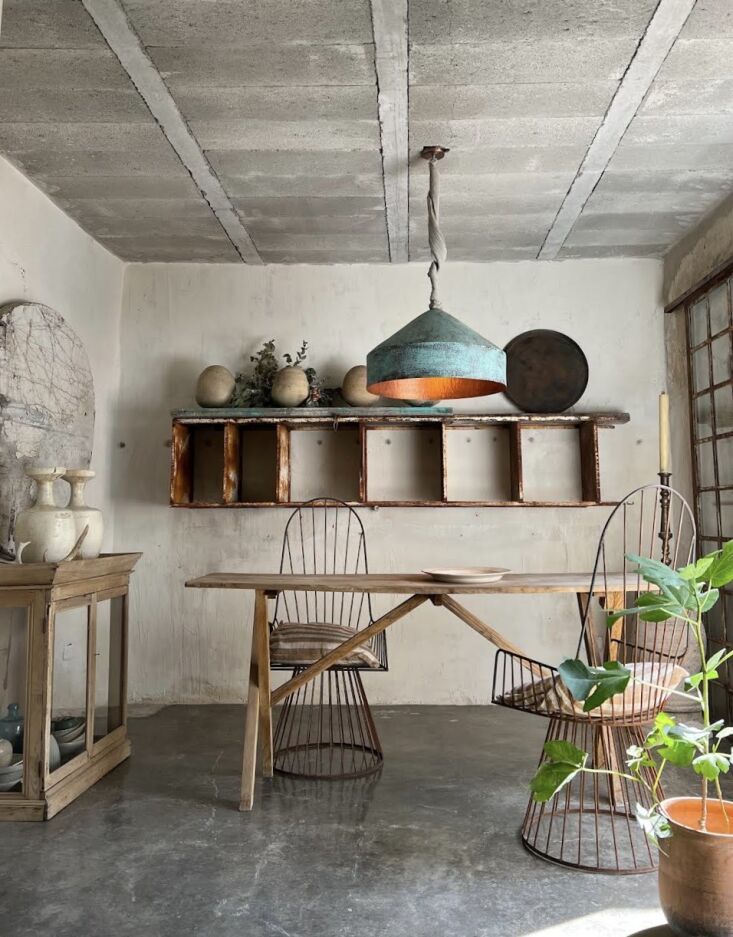
Instead of trying to find ten items that "match," find one high-character antique that dictates the entire room’s narrative. This could be a 19th-century farm table with a deeply scarred top or a massive, rusted industrial cabinet. Once this "anchor" is in place, the rest of the room should be kept minimal. The anchor piece provides the history; the rest of the room provides the breathing room.
2. The Single-Surface Rule
To avoid the "cluttered antique shop" look, apply the Single-Surface Rule. Choose one specific area—a long console, a deep windowsill, or a mantel—and curate it exclusively with historical or found items. On this one surface, you are allowed to layer textures, but all other surfaces in the room should remain clear. This creates a focused "narrative layer of patina" without overwhelming the modern functionality of the home.
Mixing eras is also encouraged. A soulful home should feel like a timeline. Don't be afraid to place a Victorian plaster bust next to a clean-lined 1940s sideboard. It’s the tension between these eras that creates visual interest.
Materiality: Sourcing for Longevity
When you begin sourcing your own salvaged materials, you must develop an eye for craftsmanship. In the world of soulful design, we look for the hallmarks of human touch rather than machine precision.
- Look for Dovetail Joints: When sourcing old dressers or cabinets, check the drawers. Dovetail joints (interlocking wood) are the gold standard of longevity compared to modern staples or glue.
- Embrace 'Natural Relics': Patricia Larsen famously uses tumbleweeds, bleached coral, and smooth river stones as sculptural objects. These "natural relics" cost nothing but provide a deep connection to the earth. They serve as an "altar" to the natural world within the home.
- The Neutral Canvas: To make salvaged materials sing, the palette must be restrained. Stick to "restful" tones—bone whites, warm sands, and misty grays. This allows the changing light of the day to become the primary "decorator" of the space.
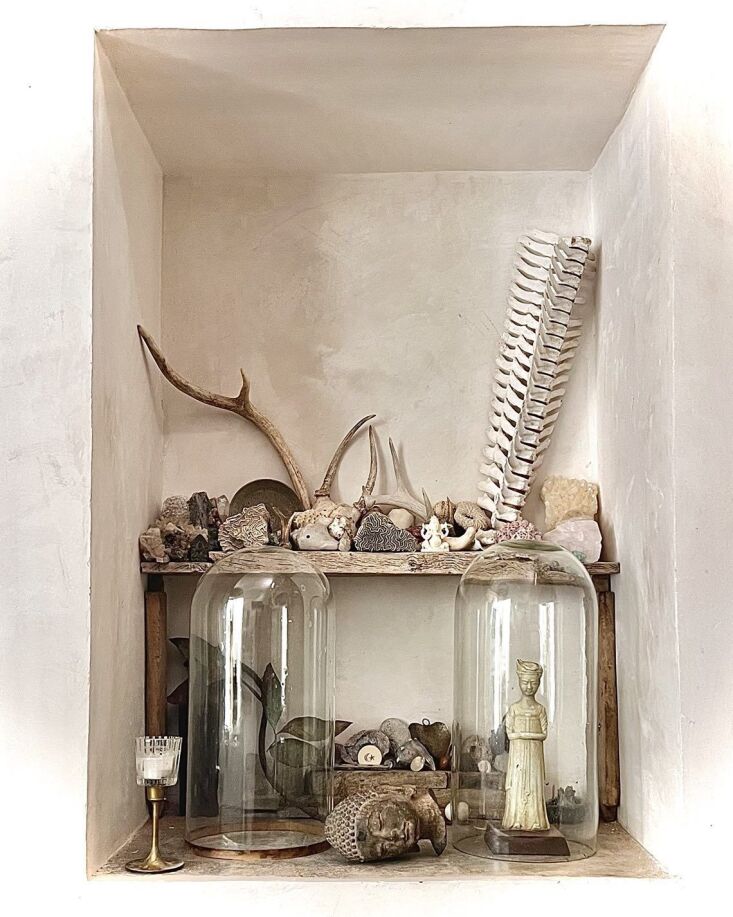
Choosing materials for longevity means looking past the current trend and asking: "Will this look better or worse in ten years?" Salvaged wood, copper, and stone only improve with age. They develop a "living finish" that records the history of the home.
FAQ
Q: How do I start using salvaged materials without my home looking like a junk shop? A: Start with the "Anchor Piece" strategy. Choose one significant reclaimed item—like a large mirror frame or a dining table—and keep everything else in the room very modern and minimal. This creates a "gallery" effect rather than a "clutter" effect.
Q: Are salvaged materials more expensive than buying new? A: It depends on the source. While high-end architectural salvage yards can be pricey, the "Slow Decor" philosophy encourages sourcing from estate sales, scrapyards, and even nature. Over time, it is significantly cheaper because you are buying items that will never need to be replaced.
Q: How do I clean and maintain natural relics like tumbleweeds or old stone? A: The beauty is in the low maintenance. For natural relics, a simple soft-bristle brush for dusting is usually enough. For salvaged wood and stone, avoid harsh chemicals. Use natural oils or waxes to preserve the patina rather than stripping it away.
Mastering Patricia Larsen’s soulful design is a journey of unlearning. It requires us to stop looking for perfection and start looking for presence. By embracing the salvaged, the repurposed, and the natural, we create homes that don't just house our bodies, but nourish our spirits. As we head into 2026, let your home be the place where history and modern life find a beautiful, quiet harmony.