Once upon a time, designing a luxury home for a pet meant finding a corner for a plush bed or perhaps choosing a sofa fabric that roughly matched the color of a Golden Retriever’s coat. But today, the architectural landscape is shifting. We are moving away from "pet-tolerant" interiors toward a bold new era of pet-first architecture.
Affectionately known as "barkitecture," this design philosophy goes far beyond aesthetic choices. It is a rigorous approach where a home's structure and interior are engineered to prioritize the physiological and psychological needs of animal occupants alongside their human counterparts. In my years as a decor editor, I’ve seen many trends come and go, but barkitecture is different—it’s an empathetic evolution of modern living that recognizes our pets not just as companions, but as the primary "clients" of the modern luxury build.
The Japanese Influence: A Case Study of 'A Cat Tree House'
To understand where this movement is headed, we must look to Japan, where a significant cultural shift has fundamentally altered the domestic environment. Reflecting a demographic transformation, there are now approximately ten times more pet cats in Japan than newborn babies. This reality has driven an explosion in feline-centric architecture that is both breathtakingly beautiful and scientifically grounded.
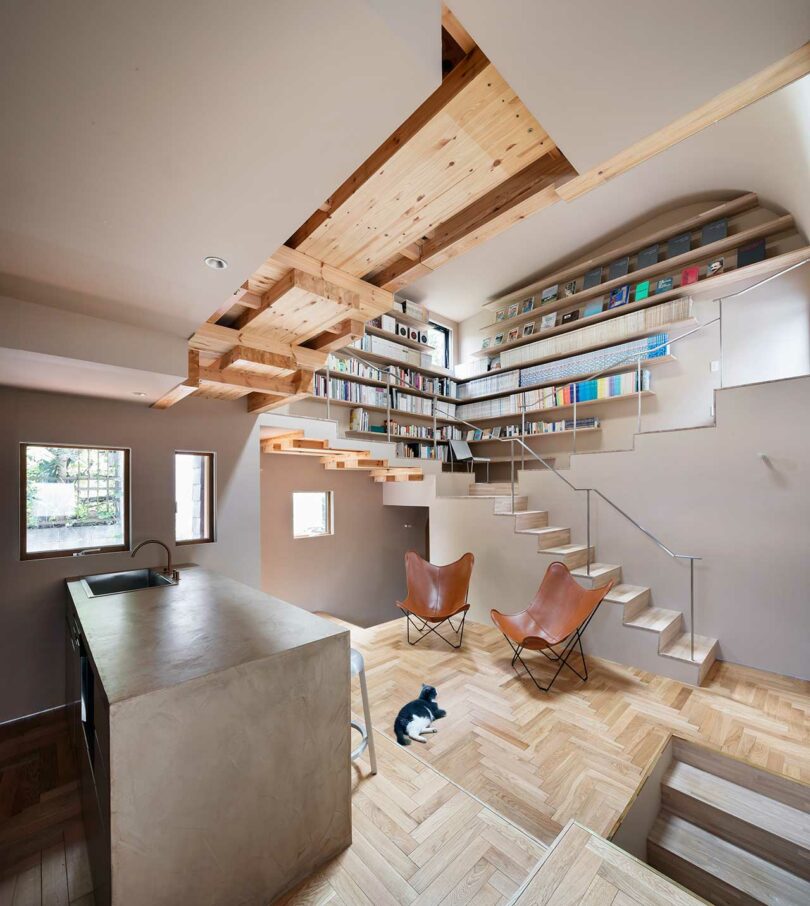
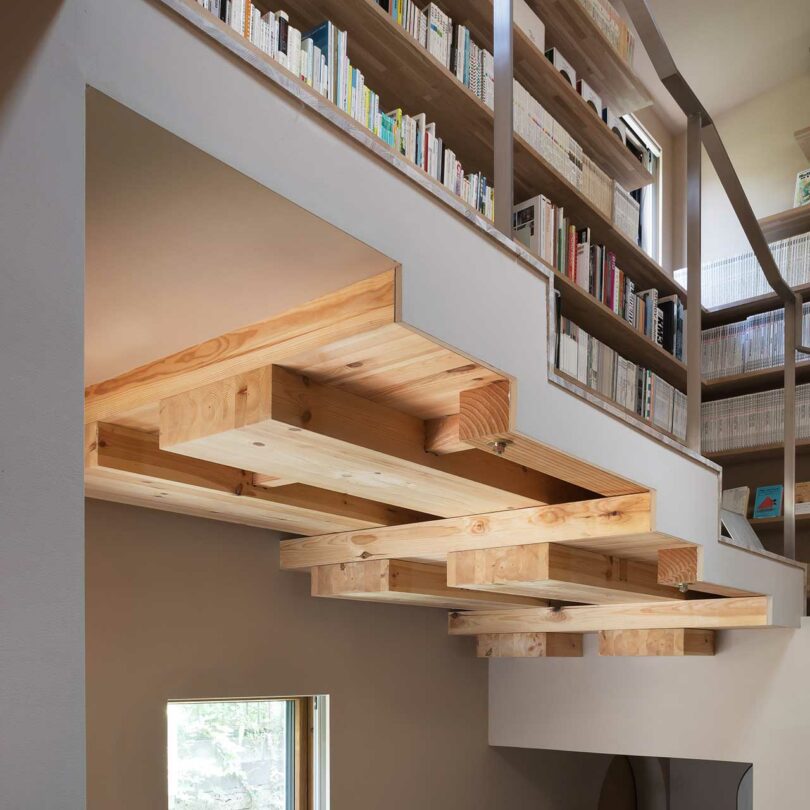
A pioneering example of this is the "A Cat Tree House," a residence that treats the entire structure as a vertical playground. The architects didn't just add shelves; they utilized a cantilevered spiral design to create 23 distinct floor levels. Each level is meticulously tailored to feline body measurements and thermal preferences. Because cats are highly sensitive to temperature, these varied heights allow them to find their own "micro-climate" within the home—climbing higher to bask in the rising warmth or retreating to lower, shaded platforms during the heat of the day.
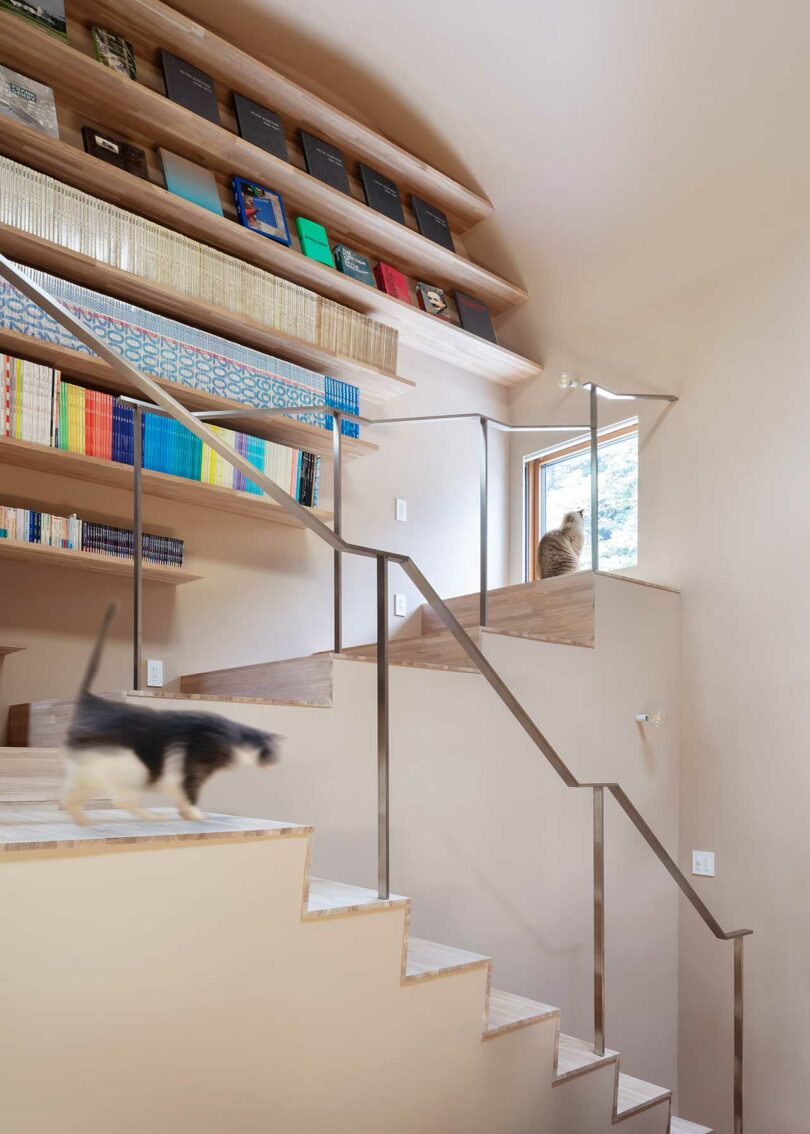
This Japanese approach teaches us that luxury isn't just about expensive materials; it's about the precision of the environment. By designing for a cat's instinctual need to survey their kingdom from a height, the architecture reduces animal anxiety and promotes a harmonious co-existence.
Cat-Centric Innovation: Verticality and Independence
For the modern feline-friendly home, the goal is "invisible integration." We are seeing "catwalks" no longer as clunky wall additions, but as seamless extensions of perimeter millwork. By utilizing the vertical space that humans often ignore—the upper two feet of a room—architects are creating a secondary highway for cats that keeps them active and engaged.
These catwalks often lead to hidden utilities. In a luxury pet-first home, the litter box is never an eyesore. It is tucked away in ventilated cabinetry within a laundry room or pantry, accessible via a discreet "cat-hole" that matches the home’s architectural molding.
Pro Tip: When designing vertical paths, ensure the surfaces are tactile. A slight texture or a recessed felt inlay prevents slips during high-speed "zoomies" and adds a layer of acoustic dampening to the room.
Beyond activity, "Safe Zones" are crucial. These are retreated spaces—perhaps a built-in nook above a kitchen cabinet or a recessed shelf in a library—that allow a pet to remain in the same room as their owner while maintaining a sense of independence and security.
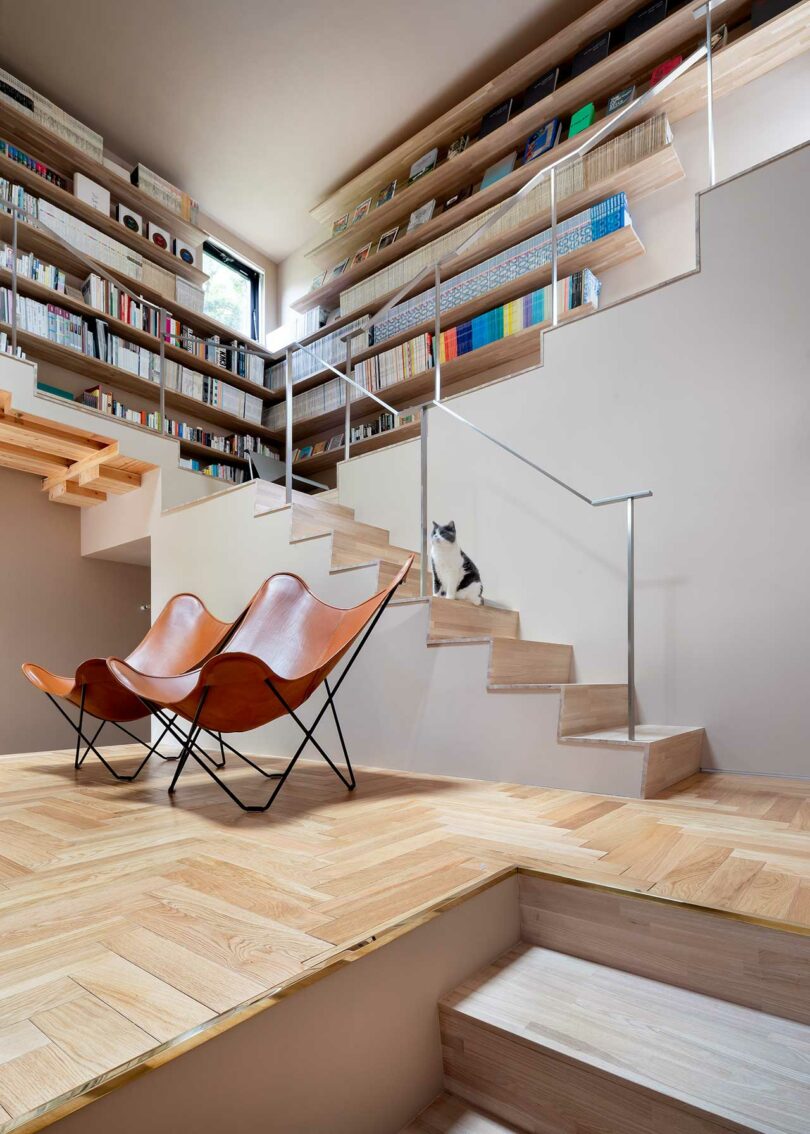
In open-plan layouts, these zones are essential. While humans enjoy the airy feel of a Great Room, pets can sometimes feel exposed. By creating "anchor points" at different heights, the architecture provides the pet with a sense of "belonging" without cluttering the floor plan.
Dog-Centric Luxury: Durability and Mudroom Mastery
While cats drive the innovation in verticality, dogs are the catalyst for the ultimate functional space: the specialized mudroom. No longer just a place to kick off boots, the modern pet-first mudroom is a high-tech transition zone.
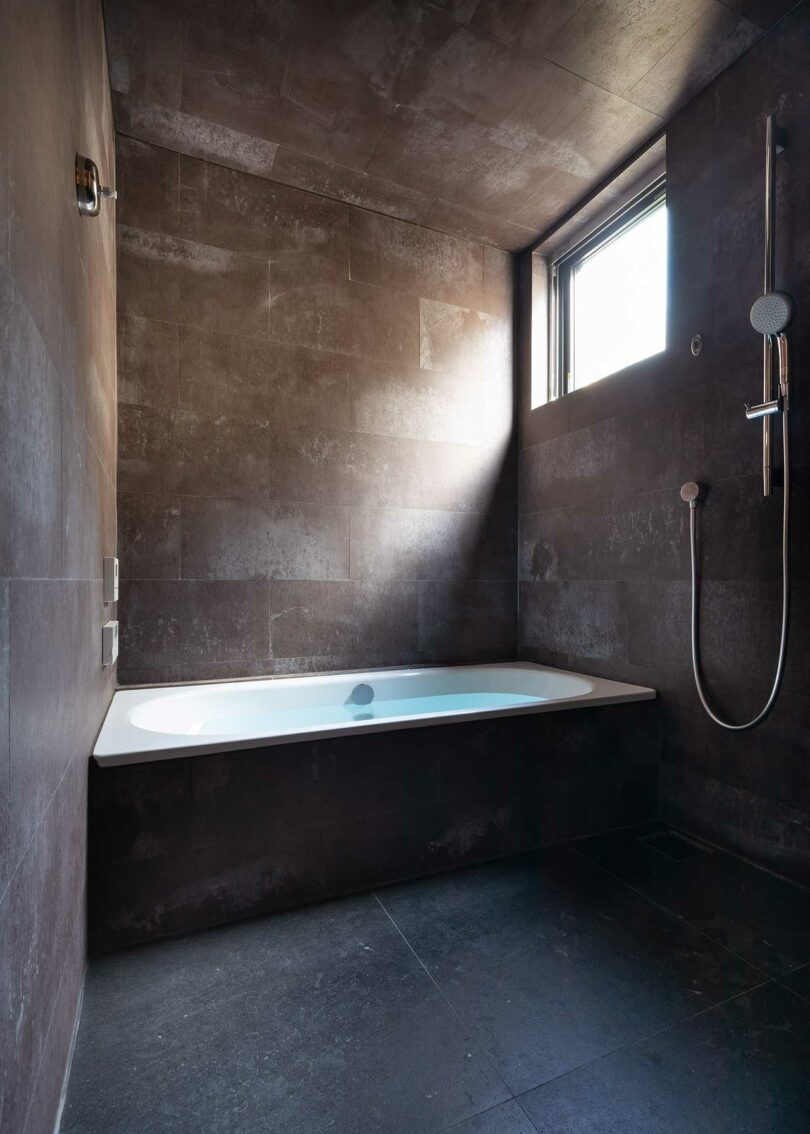
Essential features of a luxury dog-friendly home include integrated pet washing stations. These aren't just tubs; they are walk-in showers with handheld high-pressure sprayers, non-slip porcelain surfaces, and dedicated drainage systems to handle heavy fur loads. Adjacent to these stations, we see specialized cabinetry designed for bulk food storage, pull-out feeding bins, and even refrigerated drawers for "fresh-food" diets.
Sleeping quarters have also received an architectural upgrade. Instead of a bulky dog bed in the middle of the hallway, we are designing built-in sleeping dens under stairs or within custom bedroom cabinetry. To elevate the comfort, many of these "dens" are now warmed by hydronic floor slabs, providing a gentle, consistent heat that is particularly beneficial for aging dogs with joint issues.
Material Selection for the High-End Pet Home
The greatest challenge in barkitecture is balancing the "high-end look" with the reality of claws, fur, and the occasional mess. The secret lies in the technical specifications of your finishes.
Flooring: The Foundation of Pet Design
Avoid softwoods like pine or traditional site-finished hardwoods that scratch easily. Instead, architects are turning to high-hardness oak with a matte, wire-brushed finish that hides imperfections, or increasingly, large-format porcelain tiles that mimic the look of natural stone but are impervious to liquid and scratches.
| Material | Durability Rating | Pet-Friendly Factor | Maintenance |
|---|---|---|---|
| Porcelain Tile | Excellent | High (Scratch/Stain proof) | Low |
| Engineered Oak | Good | Moderate (Choose wire-brushed) | Medium |
| Polished Concrete | Excellent | High (Cooling for pets) | Low |
| Traditional Walnut | Fair | Low (Easily dented) | High |
Textiles and Air Quality
When it comes to upholstery, the rule is to avoid looped finishes like bouclé or heavy linens, which act as a magnet for cat claws. High-performance velvets and solution-dyed acrylics (like Sunbrella) offer a sophisticated hand-feel while being incredibly easy to clean.
Furthermore, a true luxury pet home addresses the invisible: the air. Incorporating central vacuum systems with floor-level "sweep inlets" and medical-grade HEPA air purifiers into the HVAC system is essential for managing pet hair and dander, ensuring the home remains a sanctuary for both human and animal allergies.
The Future of Pet-First Design (2026 Trends)
As we look toward 2026, the "Barkitecture" movement is becoming even more intelligent. Architects are now utilizing AI-driven design tools to optimize layouts based on "pet-pathing"—analyzing how a dog or cat moves through a space to minimize collisions and maximize comfort.
We are also seeing the rise of Smart Building IoT integration. Imagine a home that detects your dog’s body temperature and automatically adjusts the radiant cooling in their favorite corner, or a cat-flap that uses facial recognition to allow your pet in while keeping the local wildlife out.
The ultimate aesthetic goal for the future is seamlessness. The pet features of tomorrow will be indistinguishable from top-tier modern architecture. A "cat tree" won't look like a piece of carpeted furniture; it will be a stunning, sculptural staircase that serves as the centerpiece of a living room.
In the end, pet-first architecture is about more than just convenience. It is a testament to how we value our animal companions. By designing our homes to meet their needs, we create spaces that are calmer, cleaner, and more joyous for everyone who lives within them.
FAQ
Q: Is pet-first architecture only for new builds, or can it be retrofitted? A: While new builds offer the most flexibility for structural changes like "Cat Tree" staircases, many elements can be retrofitted. Custom millwork can easily incorporate catwalks and hidden litter zones, and mudrooms can be updated with specialized dog-wash stations during a standard renovation.
Q: Does designing for pets decrease the resale value of a home? A: On the contrary. As pet ownership rises among luxury buyers, "Barkitecture" features are becoming highly sought-after "lifestyle" upgrades. A beautifully integrated dog-wash station or a custom-built pet pantry is often a major selling point in the modern real estate market.
Q: How do I choose between aesthetics and pet functionality? A: You don't have to choose. The core of modern Barkitecture is the "seamless integration" approach. By using high-end materials like porcelain, quartz, and performance fabrics, you can achieve a magazine-worthy look that is also incredibly durable and pet-friendly.