There is a specific kind of silence that only a Danish summerhouse can hold. It is a quietude born of wind-bent pines, the distant rhythm of the North Sea, and the soft creak of settling wood. When Kasia Sznajder and Fred Aartun first stepped into the Pine House in Liseleje back in 2021, they didn't see a "project" to be gutted and modernized. Instead, they found a time capsule of 1970s Danish leisure—a humble, wood-clad sanctuary that asked for restoration rather than renovation.
This wasn't just any cabin; it was a quintessential example of the "Annabergs hus" style. This Swedish-inspired architectural model is defined by its modest dimensions and a deep, almost spiritual connection to the surrounding landscape. In an era where high-speed renovations often strip the soul out of vintage properties, Kasia and Fred chose a different path: an "unhurried" design philosophy. Over a three-year timeline, they allowed the house to reveal its needs piece by piece, proving that the most beautiful spaces are those that evolve at the speed of nature.
Exterior Design: Disappearing into the Forest
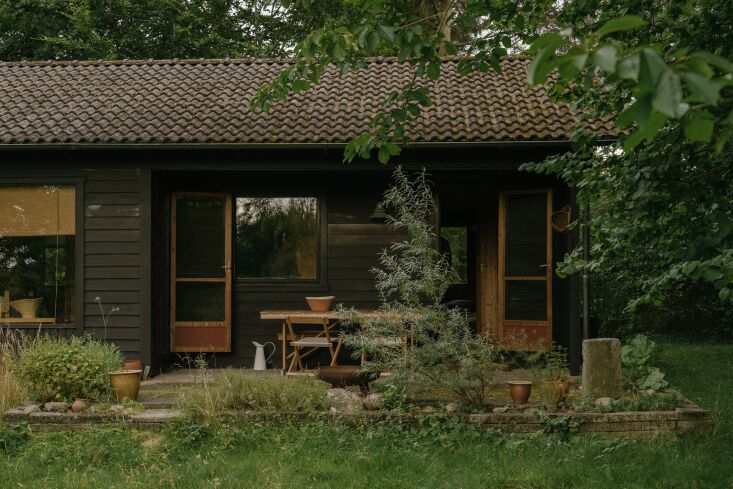
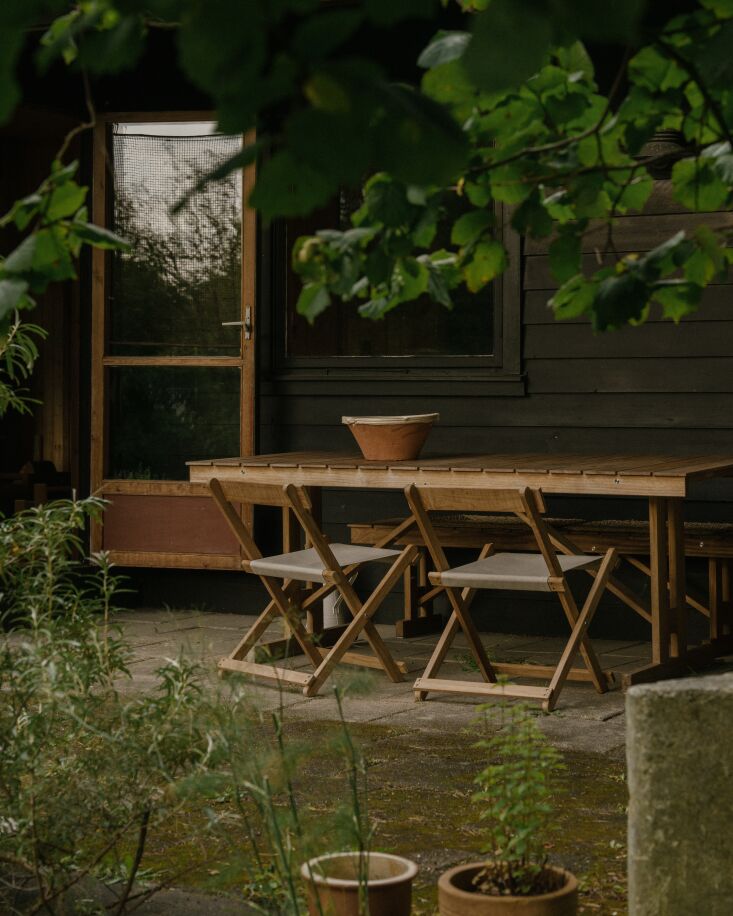
The first rule of a 1970s Danish summerhouse restoration is low visual impact. In the coastal town of Liseleje, the goal is never to stand out, but to recede. To achieve this, the couple utilized a traditional dark-stained exterior pine finish. This deep, charcoal-like hue acts as a visual camouflage, allowing the sharp angles of the structure to melt into the shadows of the surrounding trees.
Beyond the paint, the couple made a radical choice for the modern era: they removed the traditional fences. By replacing rigid boundaries with wild flower beds and allowing the natural forest floor to creep toward the house, they blurred the line between domestic space and the wild. This openness honors the original 1970s ethos of communal, borderless living.
Interior Restoration: Honoring the 1970s Cladding
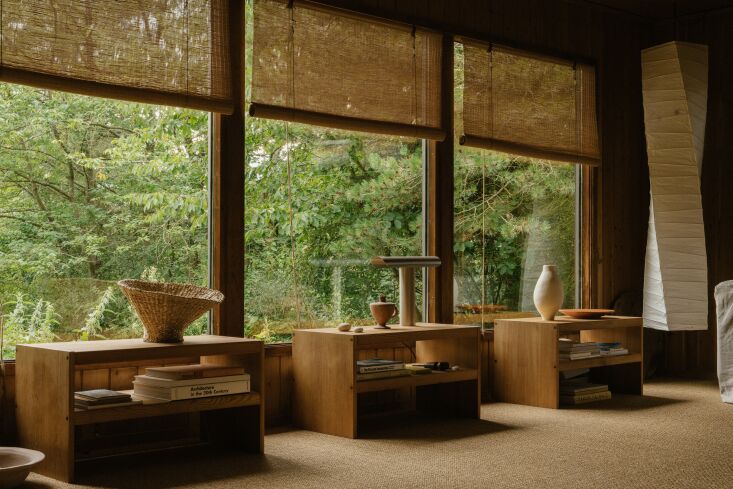
Stepping inside the Pine House is like being wrapped in a warm embrace. While many renovators are tempted to paint over old wood to "brighten" a space, Kasia and Fred remained committed to the original material palette. In fact, 100% of the interior walls in The Pine House are the original 1970s pine cladding.
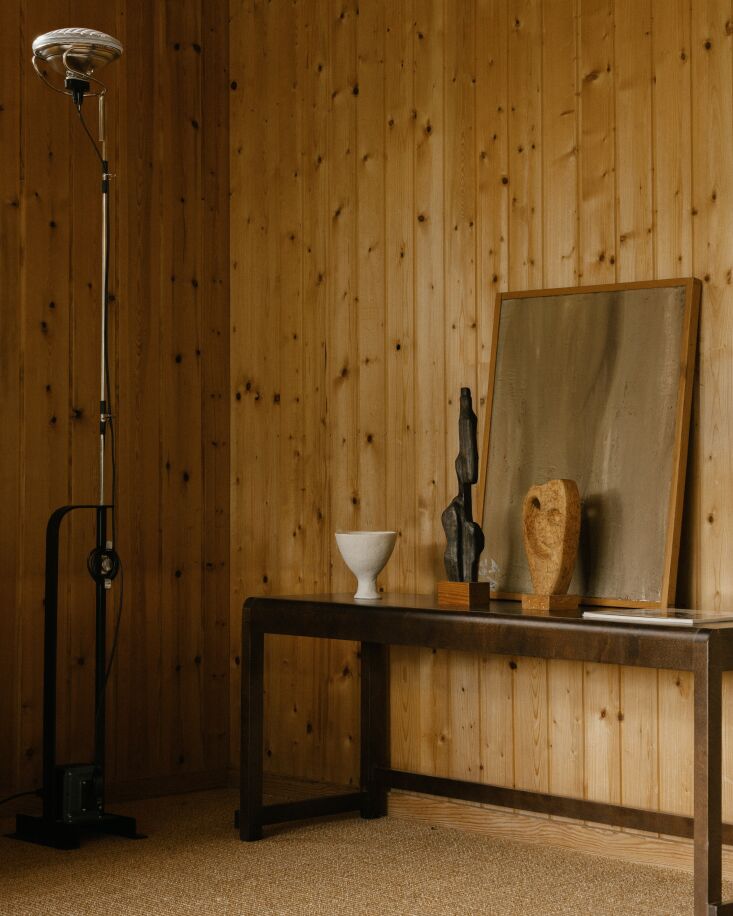
Preserving this much wood requires an artisanal touch. Instead of using harsh chemicals, the couple spent months on the "unhurried" task of hand-sanding and re-oiling every surface. This process didn't just clean the wood; it revived its glow, highlighting the unique grain and knots that give the cabin its character. They even applied this same labor of love to the original pine furniture that came with the house, ensuring that the legacy of the previous owners lived on in every chair and table.
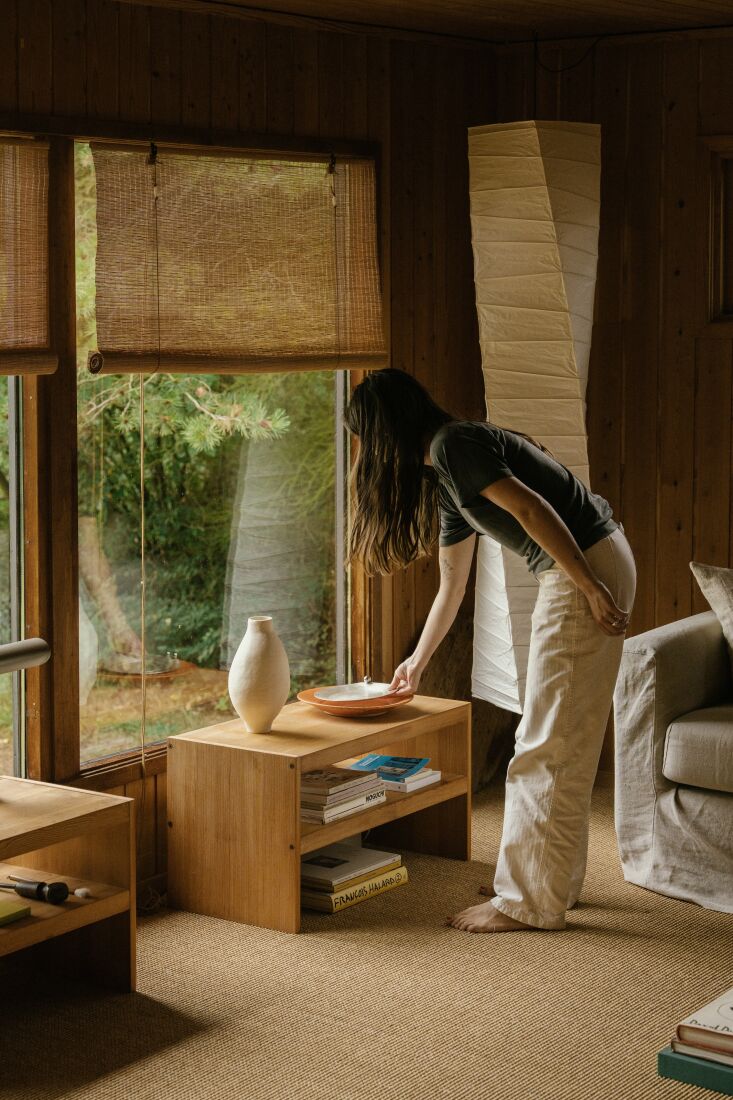
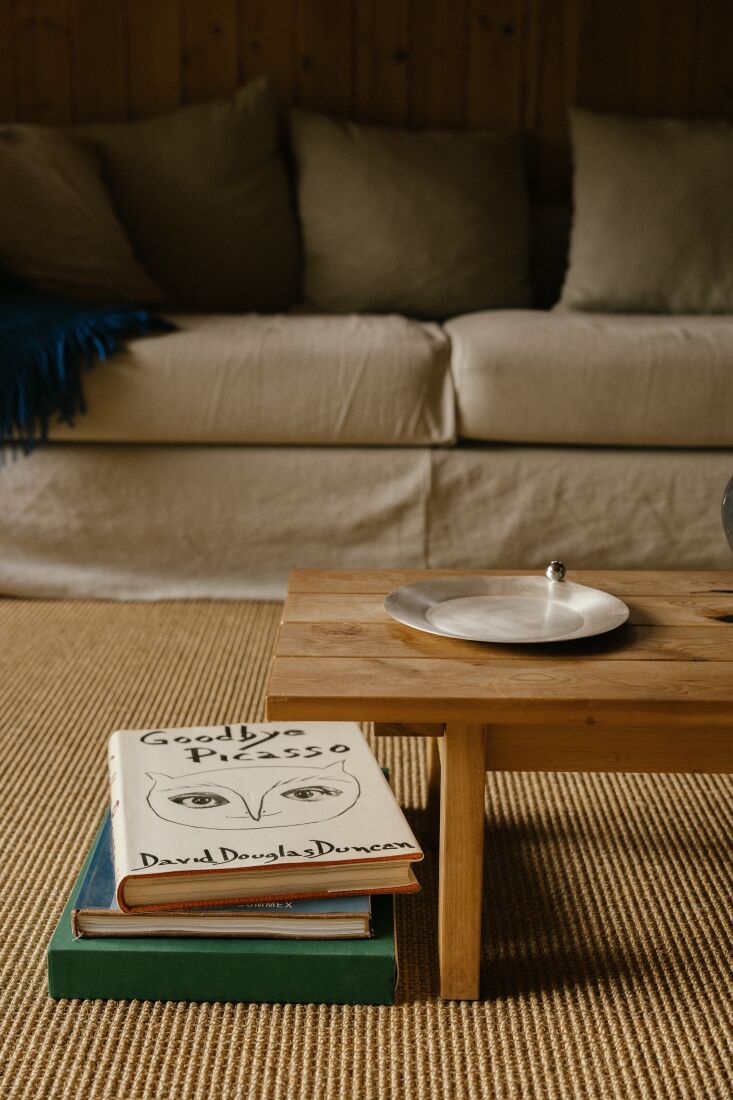
The flooring required a more significant intervention. Beneath layers of dated, hidden linoleum, the couple discovered a need for something more grounded. They chose authentic sisal carpeting and heavy jute rugs. These materials provide a tactile, organic transition between the wooden walls and the sandy soil outside, grounding the interior in a Scandinavian summerhouse aesthetic that feels both vintage and timeless.
Material Palette: The Soul of the Pine House
In my years as a design editor, I’ve found that the most successful homes are those that speak a consistent material language. The Pine House communicates through "honest" materials—elements that are used in their most natural state without pretense.
The material palette is a masterclass in Nordic simplicity:
- Pine Wood: The foundation of the home, used for walls, ceilings, and bespoke furniture.
- Sisal & Jute: Providing a rough-hewn, earthy texture underfoot.
- Linen Textiles: Used in curtains and upholstery to soften the hard edges of the wood.
- Rice Paper: The primary medium for lighting, diffusing a soft, amber glow.
Lighting, in particular, serves as the "art" within the home. Rather than modern recessed spotlights, the couple opted for iconic Noguchi Akari lamps (specifically the J1 Ceiling and 33X models). These paper sculptures provide a soft, non-directional light that mimics the way sunlight filters through the trees, creating a serene atmosphere during the long Danish twilight.
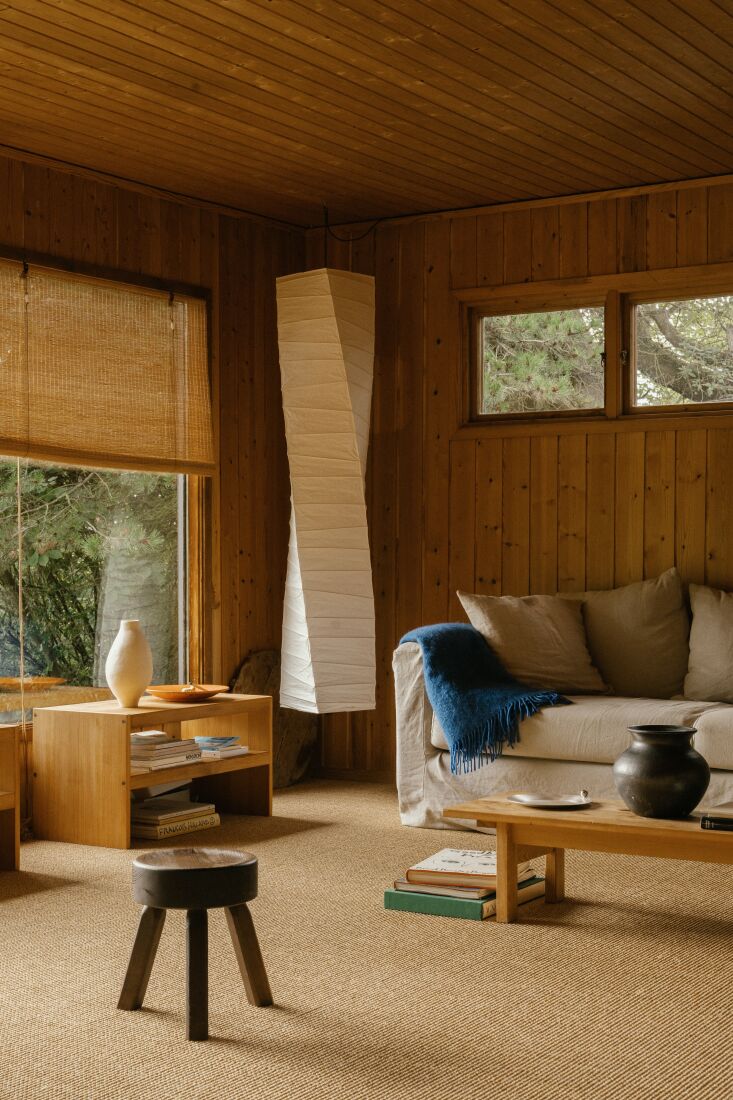
To prevent the space from feeling like a museum, the couple integrated contemporary Danish design. Frama furniture plays a starring role here. The AML Stool in dark pine feels as though it was grown from the floorboards themselves, while the T-Lamp in steel provides a sharp, industrial counterpoint to the soft grain of the pine.
The Modern Intervention: Kitchen and Bath
While the living areas celebrate the 1970s, the kitchen and bathroom required a modern intervention to maintain functionality. Following a philosophy similar to that of architect Bjarke Ingels, the updates are minimalist and high-contrast.
In the kitchen, the warmth of the pine is met with the clinical cool of stainless steel countertops. In the bathroom, they introduced Falu green tiles—a nod to the traditional Swedish red and green tones found in rural cottages. These spaces are elevated by high-quality Danish hardware from brands like Toni Copenhagen, ensuring that even the most functional moments in the house feel curated and intentional.
Living with Nature: The Evolving Landscape
The most important lesson of The Pine House is the value of time. Because the restoration spanned three years, Kasia and Fred were able to "ask the house what it wants." They observed how the light moved across the walls in December versus July. They noticed which corners were best for morning coffee and which nooks felt most inspired for sketching or writing while facing the Isefjord.
The landscape is not just something to be looked at through a window; it is an extension of the living room. By removing the traditional barriers and designing the terrace to merge seamlessly with the forest floor, the couple created a home that breathes with the seasons.
Get the Look: Modern Danish Cabin Decor
| Element | Brand/Product Recommendation |
|---|---|
| Seating | Frama AML Stool (Dark Pine) |
| Lighting | Noguchi Akari 33X Floor Lamp |
| Hardware | Toni Copenhagen SP Series (Chrome) |
| Textiles | Heavyweight Belgian Linen curtains in Sand |
| Flooring | Natural Sisal Bouclé carpet |
FAQ
What is the 'Annabergs hus' style? The 'Annabergs hus' is a Swedish-inspired architectural model popular in Denmark during the 1960s and 70s. It is characterized by its small footprint, simple construction, and focus on connecting the interior living space with the natural world.
Why use dark-stained pine for the exterior? Dark stains, such as black or deep charcoal, help wooden structures blend into the natural shadows of a forest or coastal landscape. This reduces the "visual noise" of the building and allows the surrounding nature to remain the focal point.
How do you maintain 1970s pine cladding without it looking dated? The key is the finish. Sanding away old, yellowed varnish and replacing it with a high-quality natural oil or a light white-pigmented wax allows the natural beauty of the wood to shine through while preventing the "orange" look often associated with vintage pine.
Restoring a home like the Pine House is a reminder that we are often just stewards of a space’s history. By choosing to preserve the 1970s cladding and embracing a slower, more intentional design process, Kasia and Fred didn't just renovate a summerhouse—they saved a piece of Danish design heritage.
Are you planning a retreat restoration of your own? Whether you’re working with a 1970s cabin or a modern apartment, remember that the most beautiful homes aren't built in a day; they are grown over time, one thoughtful choice at a time.