Imagine standing on a windswept ridge in Mallorca, surrounded by wild olive trees and the scent of sun-baked rosemary. Before you sits a crumbling stone shelter, once a refuge for quarry workers, now little more than a pile of history. For many, this is a ruin. For those of us chasing the dream of sustainable, nomadic living, it is a canvas.
We are witnessing a profound shift in how we define "home." As urban centers become louder and more congested, the allure of the "Primitive Hut"—a concept championed by 18th-century theorist Marc-Antoine Laugier—has returned. We are stripping architecture back to its absolute necessities, trading the chaos of modern culture for the solace of nature. This isn't just about "shed chic"; it’s about high-performance, low-impact restoration.
How can you power a remote off-grid hut without the massive infrastructure of a traditional home? The answer lies in the "12-Volt Retreat." By utilizing a modular, non-fixed grid comprising portable solar panels and rechargeable batteries—such as those used in electric scooters—you can run light appliances like fans, water pumps, and laptops with minimal environmental footprint. In fact, implementing a modular 12-volt solar array provides a 40% cost saving on electrical infrastructure compared to installing traditional off-grid 220V systems in remote locations.
The 12-Volt Retreat: A Case Study in Mallorca
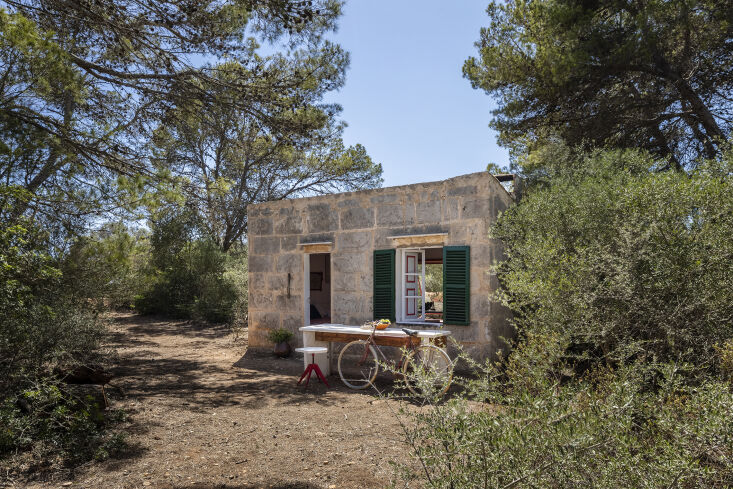
The gold standard for this movement is the "12-Volt Retreat" in Mallorca, a transformation of a historic stone quarry shelter led by architect Mariana de Delás. The project focuses on "recuperation"—the act of restoring an existing structure while optimizing the internal space for modern life.
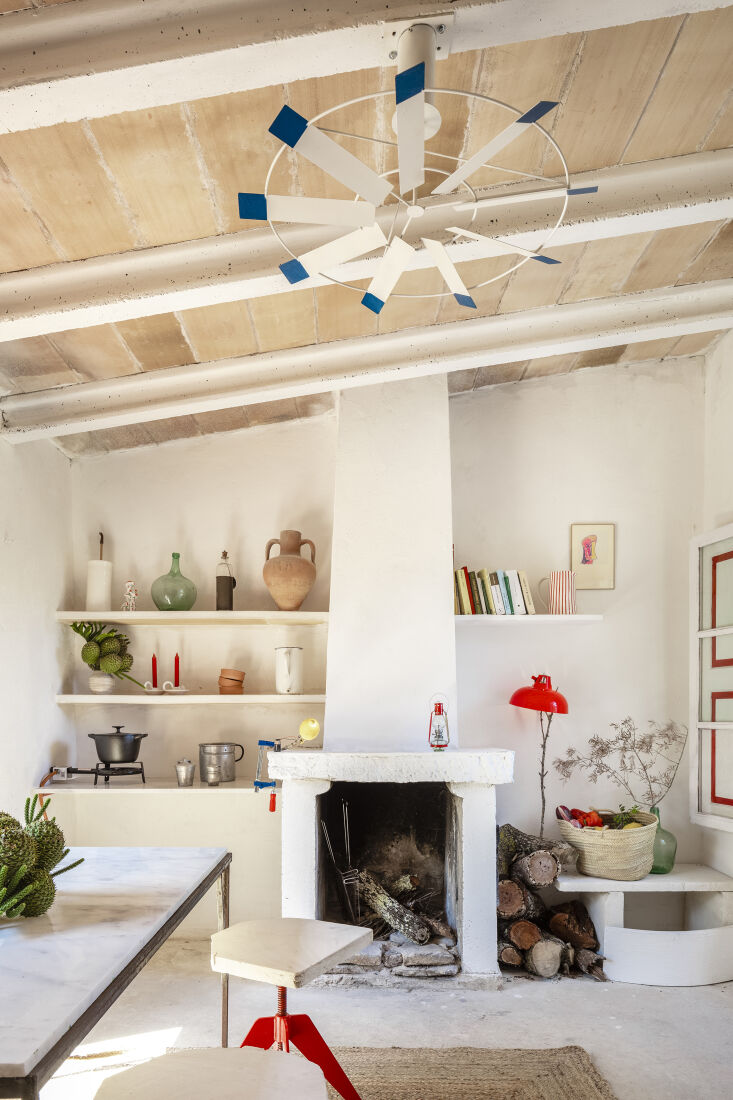
Instead of trying to force the building to meet modern urban standards, the design embraces its rustic origins. The most striking intervention is what the architect calls the "Red Window." It is a single, metal-profile bow window that punctures the thick stone wall, acting as both a piece of furniture and a bridge to the landscape.
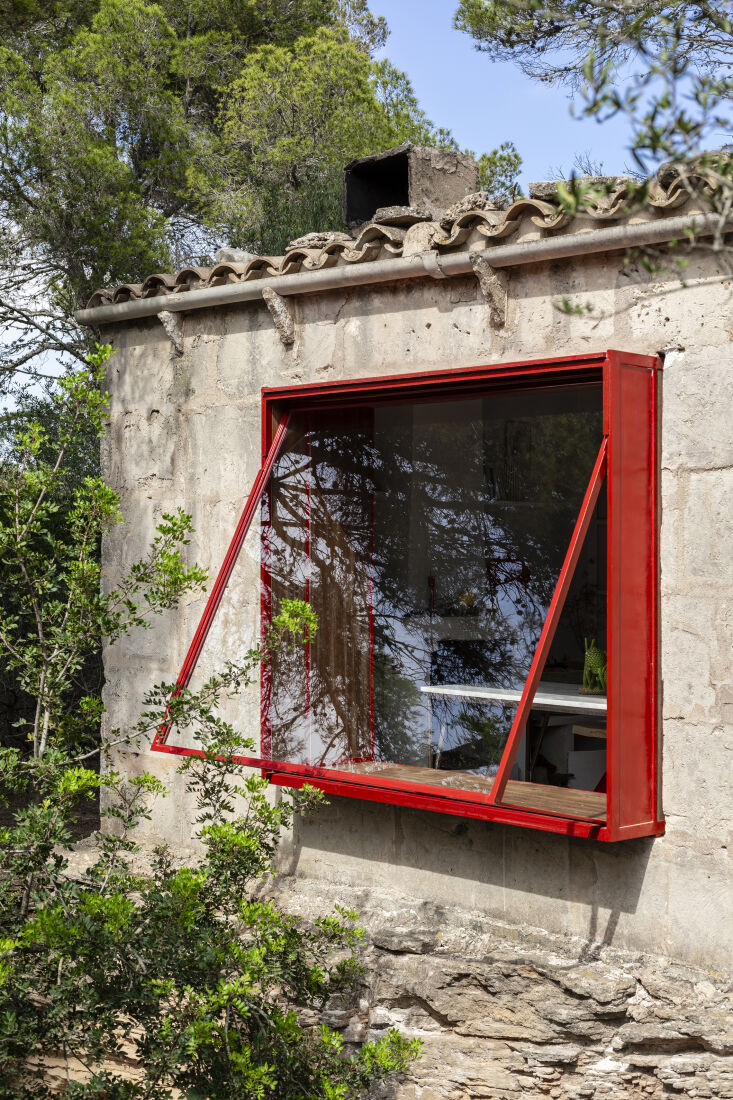
This window isn't just for aesthetics; it facilitates natural cross-breezes, crucial for maintaining a comfortable climate in a stone structure without air conditioning.
Engineering Independence: The 12-Volt Off-Grid System
When we think of "off-grid," we often think of massive, expensive Tesla Powerwalls and complex wiring. The 12-Volt Retreat challenges this. It treats electricity not as a permanent fixture, but as a modular "kit" that supports a mobile lifestyle.
Tech Spec: The 12-Volt Infrastructure
- Power Source: Portable solar panels (foldable for transport).
- Storage: Two high-capacity electric scooter batteries.
- Output: 12-volt DC to power LED lighting, cooling fans, and water pumps.
- Mobility: All components are non-fixed and can be moved or upgraded easily.
A standout innovation here is the "Solar Roller." Because a fixed solar array on a historic roof can be unsightly and inefficient if shaded by trees, the team created a mobile solar-wheelbarrow. This allows the user to chase the sun throughout the day, ensuring the batteries are always topped up.
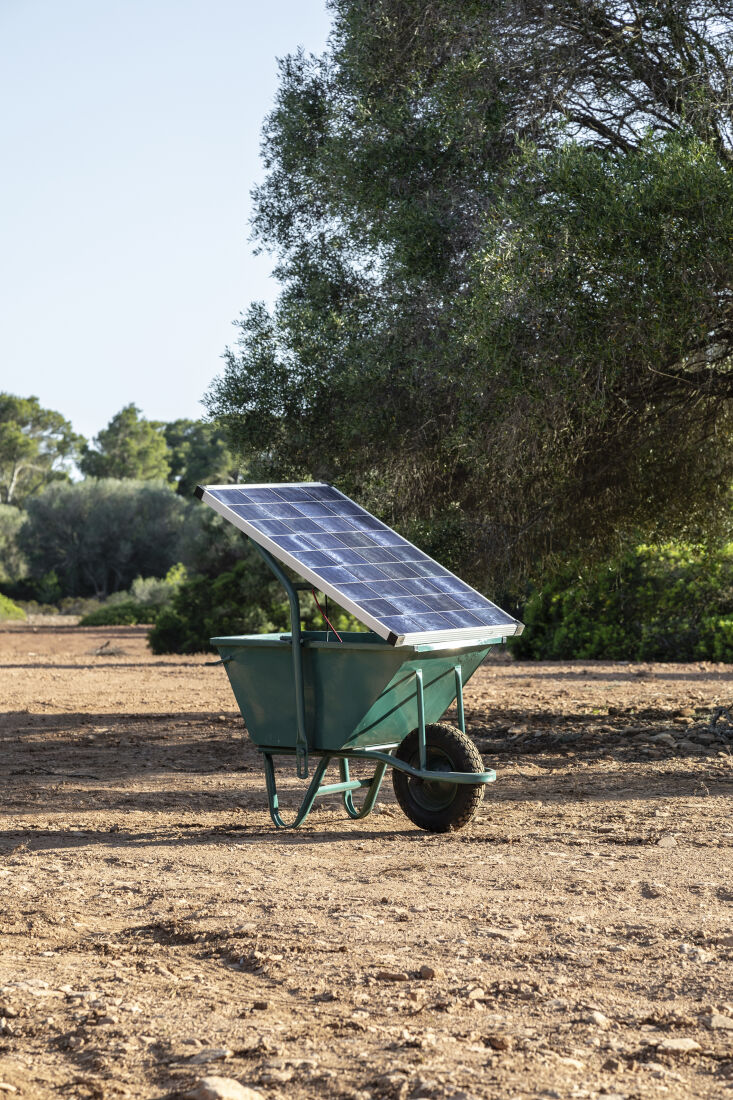
By focusing on 12-volt power, you eliminate the energy loss associated with inverters (which turn DC power into AC). It is safer, cheaper, and perfectly suited for the essentials of a nomadic retreat.
Sustainable Restoration: Materials and Upcycling
Authenticity in a renovation comes from the materials. To maintain the soul of a historic shelter, we recommend using local, breathable materials that have a low "embodied energy"—the total energy required to produce and transport them.
Utilizing local sandstone and upcycled farm fixtures for furniture can reduce the carbon footprint of a rural renovation project by approximately 65%. In the Mallorca project, the team used 'marés' sandstone, a traditional local material, to carve interior benches and tables.
Material Palette for a Sustainable Retreat
| Material | Use Case | Sustainability Benefit |
|---|---|---|
| Marés Sandstone | Furniture, flooring, structural repair | Zero transport emissions; thermal mass properties. |
| Repurposed Farm Fixtures | Sinks, basins, storage | Diverts waste from landfills; adds historic character. |
| Terracotta Tiles | Roofing, accent walls | Natural, breathable, and provides excellent insulation. |
| Polished Concrete | Floors | Durable, easy to clean, and reflects natural light. |
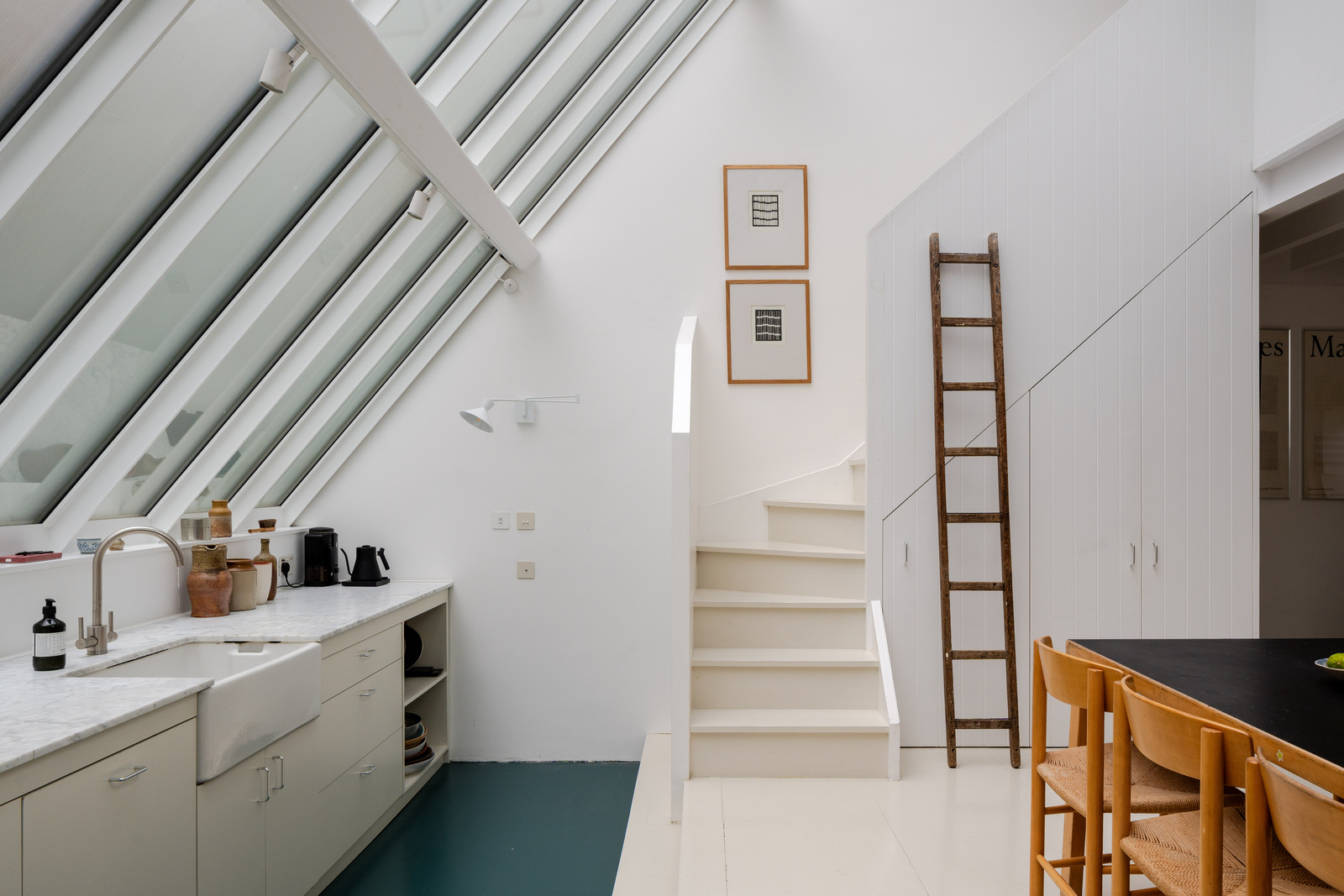
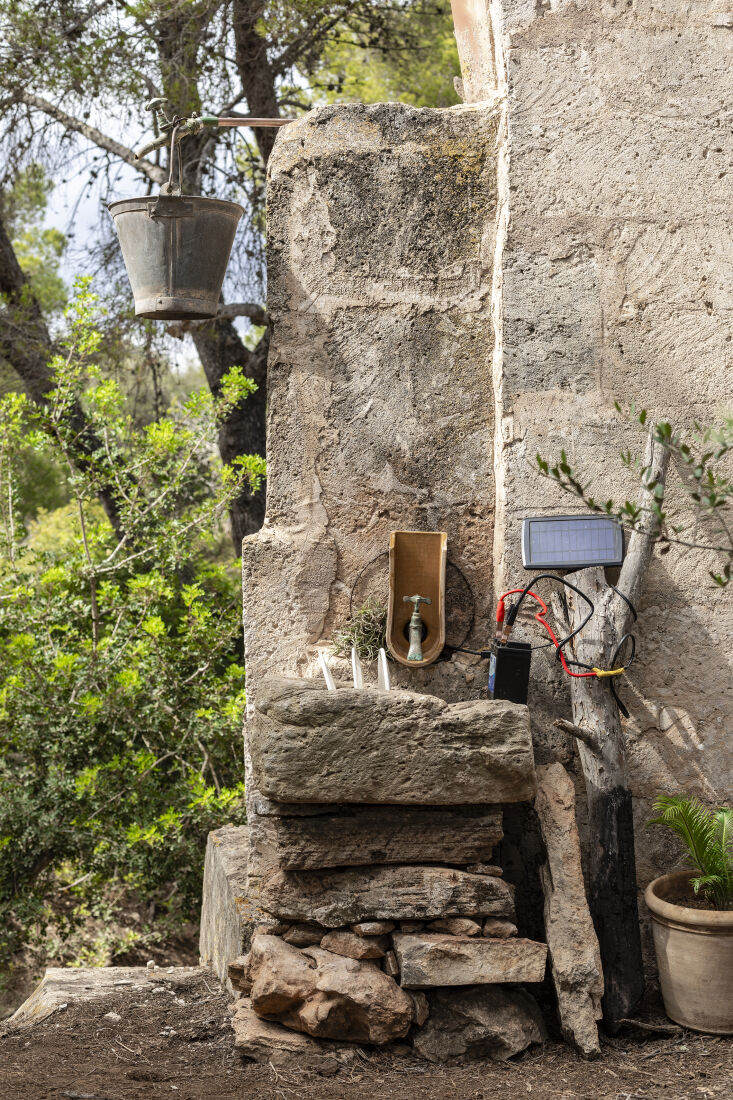
The sink in this retreat is a masterclass in upcycling. Instead of a modern ceramic basin, the architect used a stone trough formerly used as a dog bowl on a nearby farm. It is functional, indestructible, and tells a story of the land’s agricultural past.
Designing for the Modern Nomad: Interiors & Wellness
Off-grid living isn't just about saving money or the environment; it’s about wellness. The design of these spaces should encourage a "digital detox." We advocate for "star bathing" windows, silent zones, and layouts that follow the circadian rhythm.
In the 12-Volt Retreat, furniture is "made-to-measure." Custom daybeds are integrated into the stone walls, draped in local fabrics that feel cool against the skin during the Mediterranean heat. This approach turns a primitive space into a high-performance wellness sanctuary.
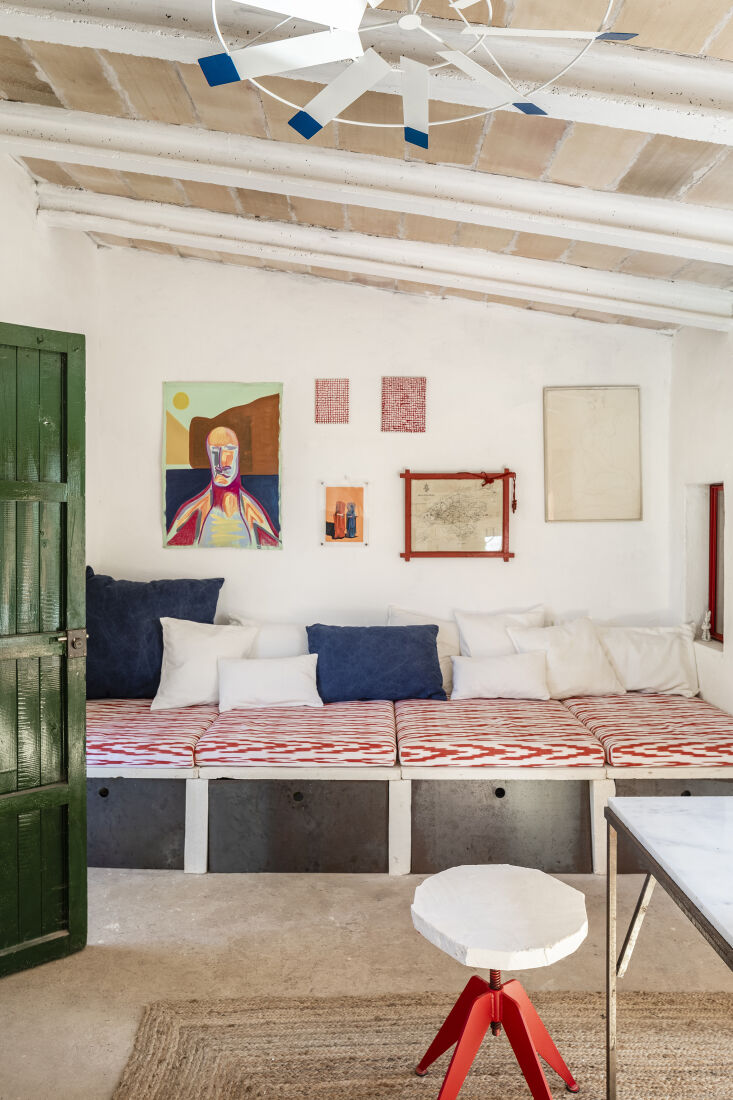
We find that the most successful off-grid projects are those that don't try to replicate a suburban living room. Instead, they embrace the rustic textures of the original ruin and layer them with the clean lines of modern technology. It is a dialogue between the old world and the new.
A Prototype for Future Living
The 12-Volt Retreat is more than a single house in Mallorca; it is a prototype for the future. It proves that we can live comfortably and stylishly in remote locations without tethering ourselves to expensive, high-impact grids. By using local stone, upcycled fixtures, and modular power, we can revitalize ruins into chic, sustainable sanctuaries.
Whether you are looking to renovate an old shed in your backyard or a stone cottage in the mountains, the lessons of the 12-Volt Retreat apply: simplify your needs, localize your materials, and make your energy mobile.
FAQ
What exactly is the "12-Volt Retreat" concept?
The 12-Volt Retreat is a design prototype that focuses on recuperating existing, often ruined structures through low-impact interventions. Its core philosophy is utilizing modular, non-fixed power grids (12-volt systems) and local materials to support a nomadic, sustainable, and rustic lifestyle.
How do I maintain a "Solar Roller" or mobile solar array?
Maintenance is relatively simple. Keep the solar panels clean of dust and debris to ensure maximum efficiency. Since the system is mobile, ensure the wheels are lubricated and the battery connections are tight. Because the batteries are modular (like scooter batteries), they can be easily swapped out or taken to a central location for a full charge if there is a long period without sun.
Is it difficult to source local stone like 'marés' for DIY furniture?
If you are in a region with traditional stone masonry, check with local quarries or demolition sites. For those outside of Mallorca, look for regional equivalents like limestone or slate. The key is to find stone that is native to your area to ensure it blends with the existing structure and minimizes the carbon footprint of transport.
Are you ready to reclaim a piece of history? Let us know your thoughts on 12-volt living in the comments below, or share your own ruin restoration journey with our community.