Our Top Picks
- Best for Design History Buffs: A rare chance to stay in a meticulously restored 17th-century soap factory that preserves industrial bones while offering high-end luxury.
- Best for Slow Travelers: The 28 residential-style apartments provide more space and "soul" than a standard hotel room, perfect for immersing yourself in Porto’s creative pulse.
- Best for Sensory Seekers: From the bespoke essential oil scents to the "Luffa" spa and restaurant themes, every corner of Saboaria is a masterclass in atmospheric storytelling.
There is a specific kind of magic that happens when a city decides its ruins are too beautiful to lose. In Porto, this alchemy is driven by the Urban Rehabilitation Areas (URAs)—a series of initiatives designed to breathe new life into the historic center’s decaying shells. At the intersection of Rua do Bonjardim and the vibrant Bolhão neighborhood, this magic has a name: Saboaria.
What is Saboaria in Porto? It is a boutique hotel that occupies the resurrected remains of the 17th-century Bolhão Soap Factory. Located just steps from the grand Avenida dos Aliados, Saboaria is far more than a place to sleep; it is a collaborative triumph of architecture and heritage, transforming two dilapidated industrial buildings into 28 luxury apartments that feel like a private, scented sanctuary amidst the granite-gray charm of the city.
The Restoration Narrative: From Ruins to Refinement
Restoring a 17th-century industrial site is not merely a construction project; it is an archaeological excavation. The renovation was a visionary collaborative effort between local architectural heavyweights NN Arquitetura, the interior masters at NANO Design, and the brand strategists at Studio Eduardo Aires. Together, they faced the daunting task of stabilizing two structural skeletons that had weathered centuries of neglect.
The design team’s philosophy was clear: preserve the industrial "honesty" of the site while softening it for modern hospitality. Walking through the entrance, you immediately sense this tension. The architects chose to retain the original cast iron doors and the rugged masonry, using them as a canvas for contemporary interventions.
One of the most striking elements of the restoration is the color palette. Throughout the common areas, you’ll find a specific shade of light green joinery. This wasn't a random aesthetic choice; the designers were inspired by the original laboratory atmosphere of the soap factory. It evokes a sense of clinical cleanliness, yet when paired with Porto’s golden afternoon light, it feels incredibly warm and welcoming.
"The challenge was to honor the history of the soap-making process without making the space feel like a museum. We wanted a living, breathing environment where the past is a texture, not a constraint." — An Echo of the Design Team’s Vision.
Design Language: Industrial Meets Organic
As an editor, I am often asked what separates a "good" hotel from a "great" one. The answer usually lies in the custom details—the pieces you cannot find in a catalog. At Saboaria, the centerpiece of the common area is a testament to this bespoke approach.
The hotel features a custom-built, 7-meter-wide (23-foot) grocer’s cabinet designed specifically to mirror the site's original industrial laboratory atmosphere. This towering structure serves as a visual anchor, housing curiosities and design objects that bridge the gap between the factory's functional past and its aesthetic present.
The materials used throughout the property speak to a "Global Artisanal" sensibility. While the bones are Portuguese, the spirit is international. You will find:
- Natural Textures: Hand-woven rope, intricate basketwork, and raw terracotta tiles that ground the industrial steel.
- Global Vintage: A curated selection of vintage finds sourced from India, Bali, and Thailand, which add a layer of soulful eccentricity to the clean European lines.
- Hydraulic Mosaic Tiles: A nod to traditional Porto craftsmanship, these tiles provide pops of geometric pattern underfoot.
This blend of materials creates what I call "Tranquil Industrialism." It acknowledges the hard work once done within these walls while providing the soft landings modern travelers crave.
The Guest Experience: Scented Stories
The hotel features 28 spacious apartments, and "spacious" is an understatement in a city known for its narrow, vertical living. Each unit is designed as a self-contained retreat, blending the comforts of a high-end residence with the service of a boutique hotel.
In a brilliant branding move, the floors and rooms are categorized by the ingredients once used in the soap-making process. This sensory-first approach transforms a room number into a botanical narrative. The apartments are divided into themes based on essential oils, botanical extracts, and fruits:
- Baunilha (Vanilla): Think warm tones, soft lighting, and an enveloping sense of comfort.
- Lavanda (Lavender): Cool, calming hues and a focus on rest and recovery.
- Coco (Coconut) & Rosa Mosqueta (Rosehip): These signature rooms utilize more tropical and floral textures, offering a brighter, more vibrant energy.
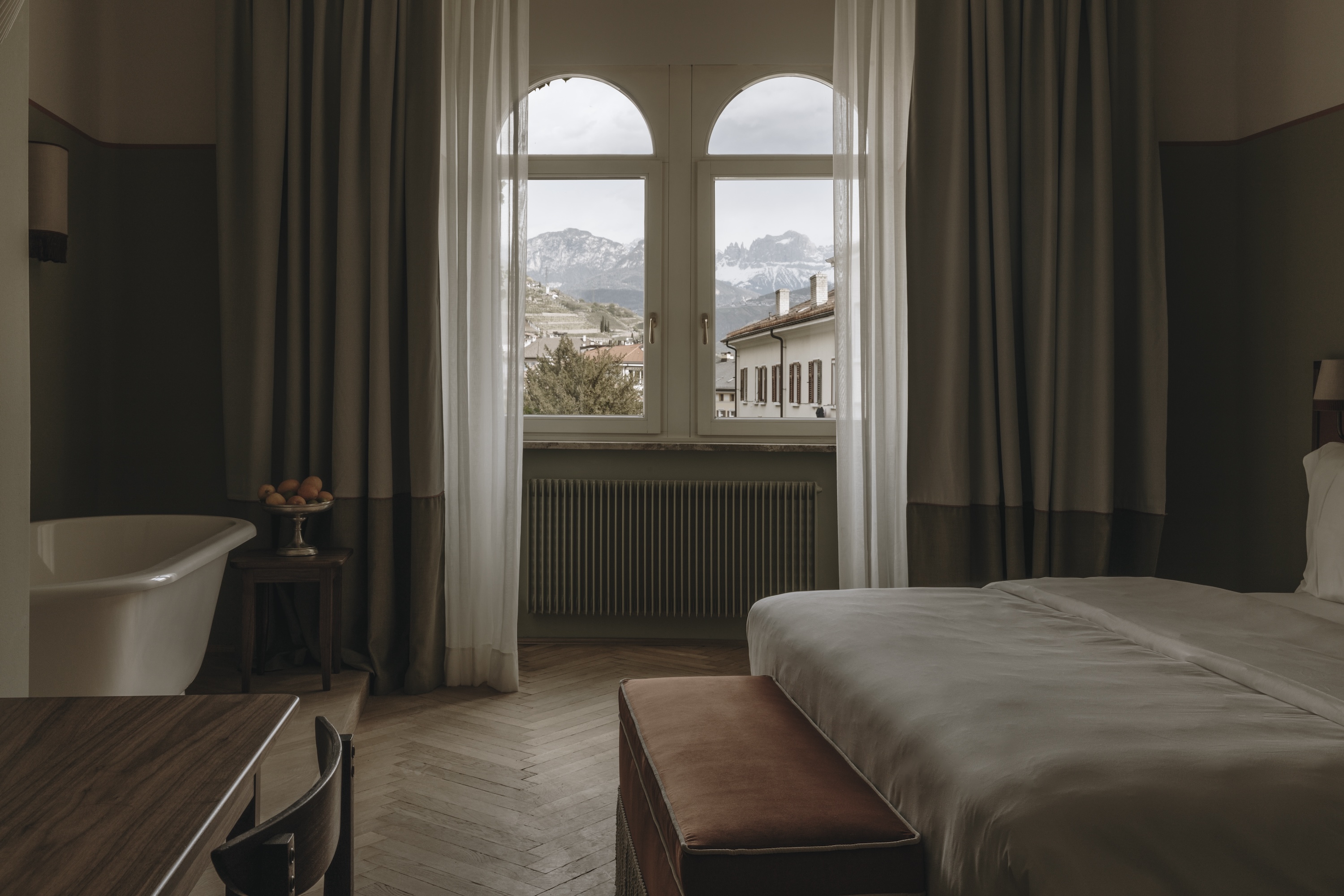
Each apartment feels distinct. Some feature private balconies overlooking the internal courtyard, while others boast the original high ceilings and exposed stone walls of the 17th-century structure. The furniture is largely bespoke Portuguese craft, ensuring that the "sense of place" is never lost.
Beyond the Room: Wellness and Gastronomy
While the rooms are tempting enough to never leave, the common spaces at Saboaria are where the "boutique" experience truly shines. The hotel is anchored by a lush internal garden—a rare luxury in Porto’s dense urban fabric.
The Atmosphere of the Garden Terrace The garden acts as a thermal and acoustic buffer, shielding guests from the bustle of the Bolhão Market. Here, you’ll find the outdoor pool, surrounded by greenery that makes you forget you are in the heart of a major European city. It is the perfect spot for a post-sightseeing dip or a morning espresso.
The Luffa Restaurant Named after the natural sponge often paired with artisanal soap, the Luffa Restaurant is an experimental culinary space led by João Ribeiro and Chef Francisca Passos. The menu is a celebration of seasonal Portuguese ingredients, reimagined with contemporary techniques. It’s not just a "hotel restaurant"; it’s a destination for Porto’s local foodies.
Wellness & The Spa The spa continues the factory theme, focusing on "The Ritual of the Bath." Treatments utilize the very scents the hotel is named after—citrus, lavender, and herbal extracts—providing a holistic experience that ties back to the site’s 17th-century roots.
Location: In the Heart of Porto’s Creative Core
Saboaria’s location is perhaps its greatest asset for the modern traveler. Situated near Avenida dos Aliados, you are at the gateway to both the historic Ribeira district and the burgeoning creative blocks of the upper city.
Just a short walk away is the Bolhão Market, recently renovated and teeming with the sights and sounds of traditional Porto. The neighborhood is a fascinating contrast of old-world charm—think grandmas selling flowers and local petiscos—and new-world creative energy, with independent galleries and concept stores popping up in every alleyway.
Staying here allows you to experience Porto’s "Urban Rehabilitation" firsthand. You are witnessing the city’s second Renaissance, where history is not being replaced, but repurposed for a new generation of design-conscious explorers.
FAQ
Who designed the Saboaria hotel restoration? The renovation was a collaborative masterpiece by two local firms, NN Arquitetura and NANO Design, working alongside the renowned Studio Eduardo Aires for branding and visual identity.
Is Saboaria suitable for families? Yes. Because the hotel is composed of 28 apartments rather than standard rooms, many units feature kitchenettes and separate living areas, making it an excellent choice for families or longer stays.
What is the best time to visit? Porto is beautiful year-round, but spring (April to June) and early autumn (September to October) offer the best balance of pleasant weather and manageable crowds, allowing you to fully enjoy the hotel’s outdoor garden and pool.
Ivy’s Final Thought
Saboaria is a reminder that the best design doesn't shout; it whispers. It tells a story of soap, steam, and 17th-century industry, then invites you to take a nap on a bespoke velvet sofa. It is a masterful restoration that proves Porto’s past is its most stylish future.