Drawing influence from the iconic mid-century designs that emerged in Palm Springs during the 1950s, the modern pavilion prioritizes openness, dissolving the boundaries between the home and nature. Architects like Richard Neutra and Pierre Koenig pioneered a movement where the landscape wasn't just a view from a window; it was an extension of the living room. Today, we call this seamless indoor-outdoor living, an architectural philosophy achieved through continuous flooring, expansive glass walls, and consistent material palettes that allow the eye to travel uninterrupted from the hearth to the horizon.
In 2026, this concept is evolving beyond the simple glass door. We are seeing a move toward "total environmental integration," where climate-responsive architecture—such as insulated pavilions, bioclimatic shading, and strategic thermal layering—ensures these spaces remain functional every day of the year. Whether you are looking to increase your property’s value or simply create a personal sanctuary, understanding the architectural principles behind this movement is the first step toward a home that breathes.
1. The Core Principles of Visual Continuity
The most successful indoor-outdoor transitions are those you don't notice at all. To achieve this "invisible" effect, architects rely on three primary pillars of visual continuity.
Expansive Glass & Retractable Walls
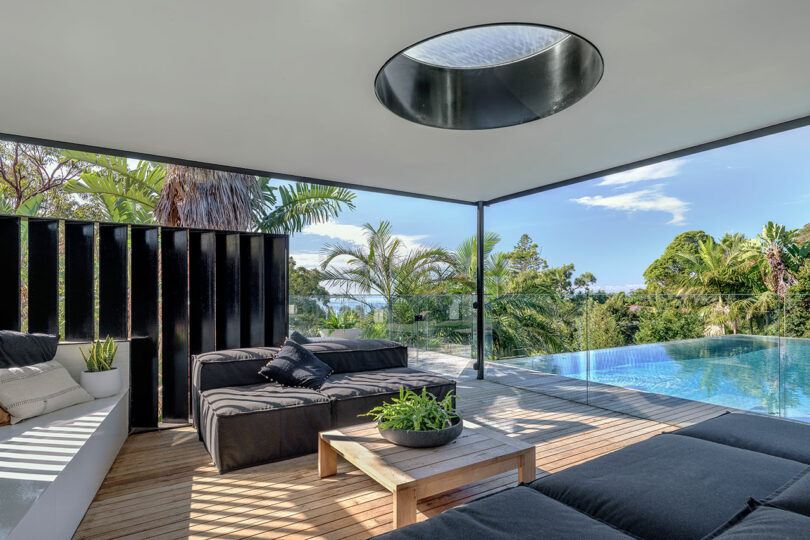
The cornerstone of any seamless design is the replacement of solid walls with floor-to-ceiling glass. Modern engineering now allows for retractable glass wall systems that slide into hidden pockets within the structure, effectively "erasing" the wall when desired. These systems frame the landscape like a living piece of art, ensuring that even when the doors are closed, the visual connection to the outdoors remains unbroken.
Invisible Thresholds
One of the most significant technical advancements in luxury modernist homes is the rise of the "invisible threshold." Recent architectural surveys indicate a 65% rise in the specification of flush-mount drainage systems and recessed floor tracks. By sinking the sliding door tracks into the slab and using a hidden drainage channel, designers can maintain a perfectly level floor from the interior to the exterior. This eliminates the traditional "step-over" and creates a fluid movement that is as safe as it is aesthetically pleasing.
Consistent Material Palettes
To trick the eye into seeing one continuous space, you must use identical materials on both sides of the glass. If your living room features large-format porcelain tiles, those same tiles (with an anti-slip finish) should extend onto the patio.
- Porcelain & Stone: Ideal for a sleek, modern look.
- Timber Decking: Use the same wood species for interior flooring and exterior decking to create a warm, organic flow.
- Color Matching: Even if the materials differ, matching the grout color and plank direction is essential for maintaining the illusion of a single, expansive floor.
2. The Modern Pavilion: Designing for Year-Round Comfort
The greatest challenge of indoor-outdoor living is the weather. How do we keep a space usable during a humid July or a crisp November? The answer lies in climate-responsive architecture, which treats the outdoor area as a "living machine" capable of adapting to the elements.
Bioclimatic Shading
The days of the static patio umbrella are over. We are now seeing the integration of Renson-style bioclimatic pergolas. These structures feature motorized louvers that can be tilted to allow sunlight in, closed completely to create a waterproof roof, or adjusted to encourage natural cross-ventilation. Equipped with rain and wind sensors, these pavilions automatically adjust to protect furniture and maintain comfort without human intervention.
Thermal Layering
To transition through the seasons, designers employ "thermal layering." This involves a combination of active and passive heating elements:
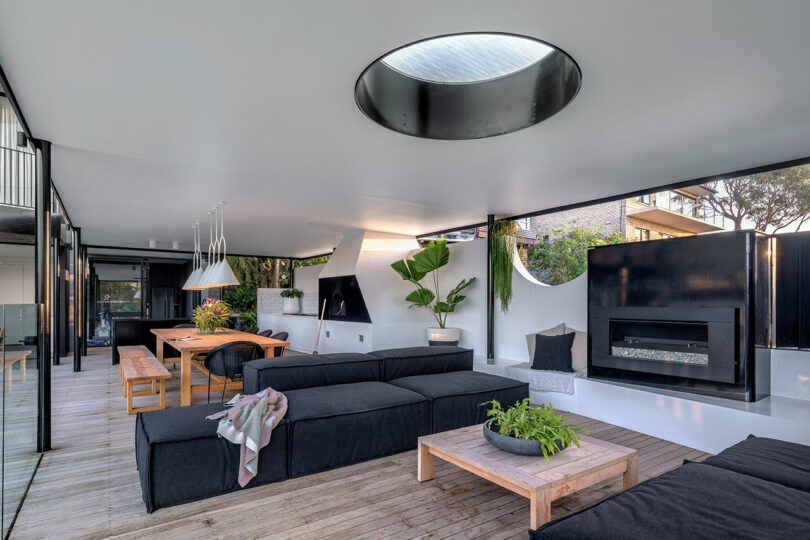
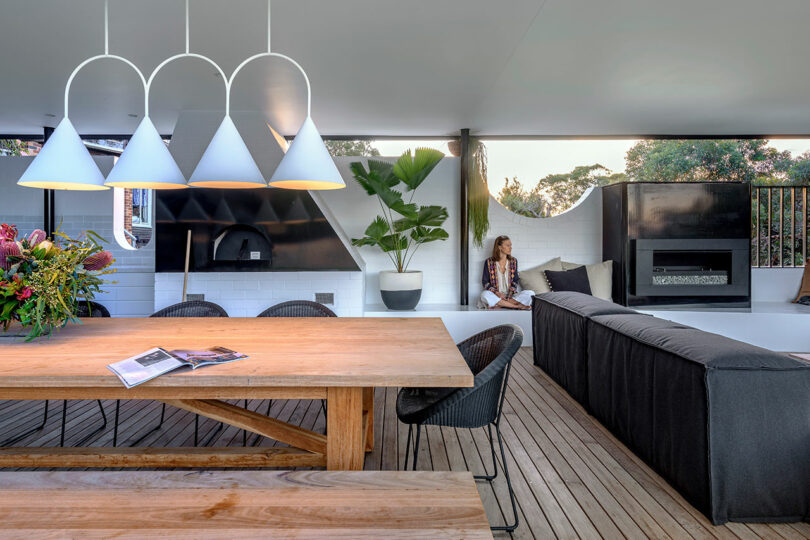
- Outdoor Fireplaces: These serve as a sculptural focal point while providing significant radiant heat.
- Infrared Heaters: Recessed into the ceiling of a pavilion, these provide instant warmth without the orange glow of traditional heaters.
- Insulated Roofs: High-performance pavilions now utilize insulated roofing panels and even skylights to maintain a temperate microclimate.
3. 2026 Trends: The Rise of Purposeful 'Outdoor Rooms'
In 2026, the "patio" is being rebranded as the "Outdoor Room." Homeowners are no longer satisfied with a simple grill and a few chairs; they want dedicated zones that mirror the luxury of their interiors.
The Culinary Suite
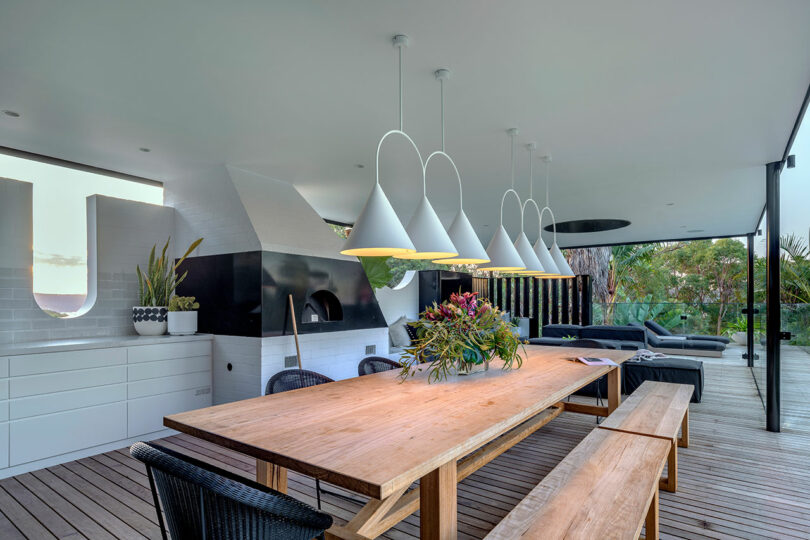
The outdoor kitchen has graduated to a "Culinary Suite." We are seeing a surge in professional-grade appliances, including wood-fired pizza ovens, specialized wine refrigeration, and weatherproof cabinetry that mimics the look of high-end indoor kitchens.
ROI Insight: Market analysis suggests that integrating professional-grade outdoor kitchens increases property value by an average of 12% compared to traditional deck builds. It is an investment that pays dividends in both lifestyle and equity.
Outdoor Theaters & Entertainment
The integration of high-lumen laser projectors and "stealth" acoustic systems allows the backyard to become a cinema. By using weatherproof pop-up screens or projecting onto white architectural walls, the outdoor living space becomes the primary entertainment hub of the home.
4. Wellness and Sustainability in the Landscape
As we spend more time at home, the landscape has become a vital tool for mental and physical health. The 2026 home focuses on "Sanctuary Design"—creating spaces that foster tranquility and environmental stewardship.
Sanctuary Design & Cold Plunges
We are seeing a massive trend toward integrating wellness features directly into the architectural plan. This includes:
- Cold Plunge Pools & Saunas: Often designed to match the home’s exterior cladding (e.g., charred timber or natural stone).
- Meditation Gardens: Using "sculptural cut-outs" in the architecture to create private, zen-like pockets for reflection.
- Acoustic Water Features: Strategic placement of waterfalls or reflecting pools to mask neighborhood noise and create a soothing auditory environment.
Eco-conscious Hardscaping
Sustainability is no longer optional. Modern landscapes now prioritize permeable pavers, which allow rainwater to filter back into the ground rather than overwhelming local drainage systems. Combined with native, drought-tolerant plantings (Xeriscaping), these designs require less water and maintenance while supporting local biodiversity.

5. Hosting Like a Pro: Designer Tips for Alfresco Entertaining
Creating a seamless space is as much about the "human scale" as it is about the architecture. Here is how we recommend finishing the space for maximum hosting impact.
Design Checklist for Entertaining:
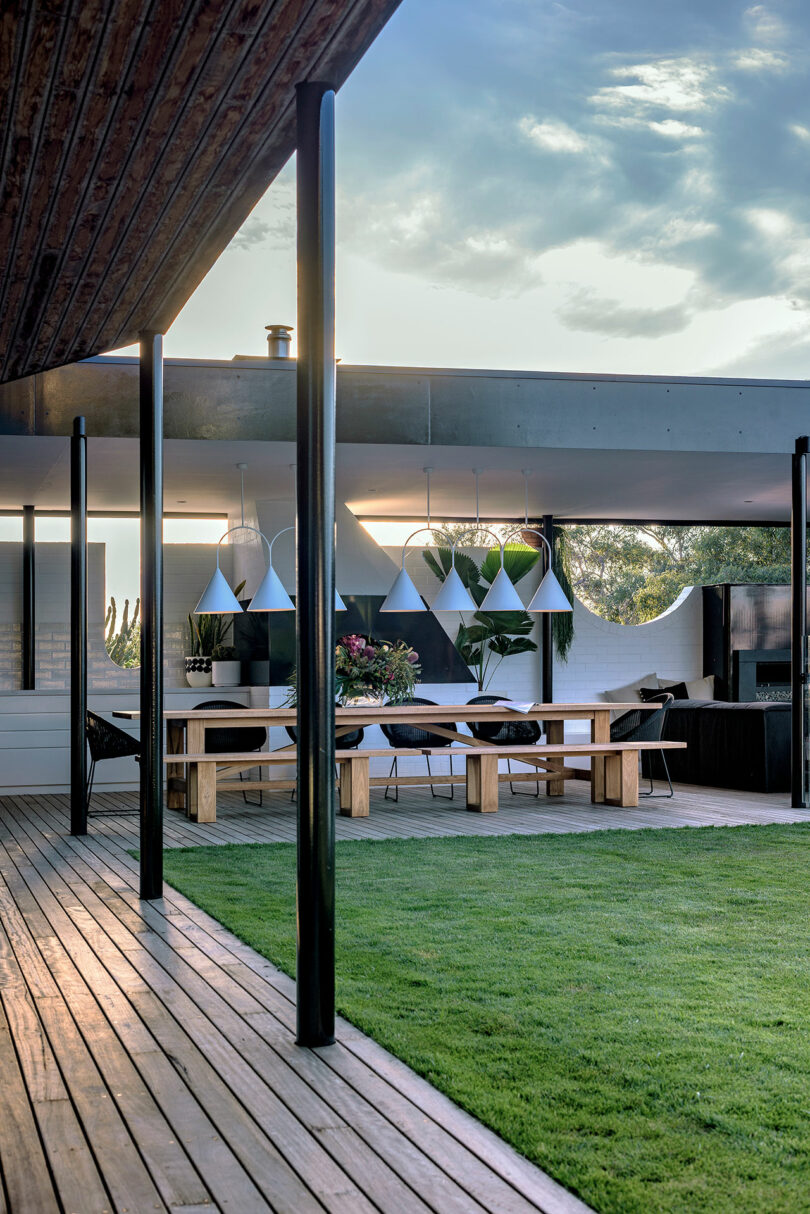
- Frame the View: Use architectural elements like pergolas or even low-hanging tree branches to "frame" the view from the dining table, creating an intimate, cozy atmosphere.
- Material Resilience: Ensure all upholstery is UV-stable and the furniture frames are made of marine-grade materials like powder-coated aluminum or Grade-A teak to withstand the freeze-thaw cycle.
- Layered Lighting: This is the most overlooked element. Use a mix of:
- Task Lighting: Over the BBQ or prep area.
- Ambient Lighting: Dimmable LEDs recessed into the pavilion ceiling.
- Accent Lighting: LED uplighting on trees or under-cap fixtures on stone walls to add depth and drama after sunset.
FAQ
Q: How do I maintain an invisible threshold without water leaking into my house? A: The key is a flush-mount drainage system (often called a trench drain). This involves a grated channel that sits just outside the sliding door track, catching any rainwater before it can reach the interior floor. Proper grading of the exterior patio away from the house is also essential.
Q: Are retractable glass walls energy efficient? A: Yes, provided you select systems with "thermal breaks" and high-performance double or triple glazing. Modern systems are designed to meet strict energy codes, keeping the heat out in summer and the warmth in during winter.
Q: What is the best material for a seamless floor? A: Porcelain tiles are currently the gold standard. They are available in finishes that mimic stone or wood, are incredibly durable, and come in different grip levels—allowing you to use a smooth finish inside and a textured, slip-resistant finish of the same color outside.
Conclusion
The architecture of liberation is about more than just aesthetics; it is about expanding our living experience beyond four walls. By focusing on visual continuity, investing in climate-responsive structures, and embracing the "outdoor room" trend, you can create a home that feels larger, more luxurious, and deeply connected to the natural world.
Whether you are planning a full-scale renovation or a targeted upgrade to your patio, remember that the most successful designs are those that treat the indoors and outdoors as a single, unified story.