Quick Facts
- The Construction: A true 5-piece Shaker door consists of two vertical stiles, two horizontal rails, and one recessed center panel.
- Market Dominance: Shaker-style designs account for approximately 50% of all door sales, making it the most popular "timeless" aesthetic in modern remodeling.
- The Joinery: Mortise-and-tenon joinery is the gold standard, offering a massive glue surface and mechanical interlocking for decades of use.
- Humidity Management: The center panel is designed to "float" within the frame, allowing for seasonal expansion and contraction without cracking.
- Hardware Benchmark: Professional-grade cabinets utilize hinges (like Blum) rated for 200,000+ cycles, far exceeding budget alternatives.
Introduction: The 36-Month Quality Test
Most homeowners fall in love with a kitchen in the showroom. The lighting is perfect, the paint is pristine, and the doors close with a satisfying click. However, as an editor specializing in home appliances and kitchen infrastructure, I’ve learned that the real test doesn’t happen in the showroom—it happens at the 36-month mark.
By year three, the "honeymoon phase" of a kitchen remodel is over. In budget-grade cabinetry, this is when the flaws begin to surface. You might notice "witness lines" where mitered corners have pulled apart, doors that have begun to sag under their own weight, or center panels that have developed hairline cracks during a dry winter. Despite Shaker cabinets accounting for half of all modern kitchen sales, not all Shaker doors are created equal.
If you want a kitchen that retains its value and structural integrity for thirty years rather than three, you have to look past the aesthetic and understand the engineering of the five-piece door.
The Anatomy of a 5-Piece Shaker Door
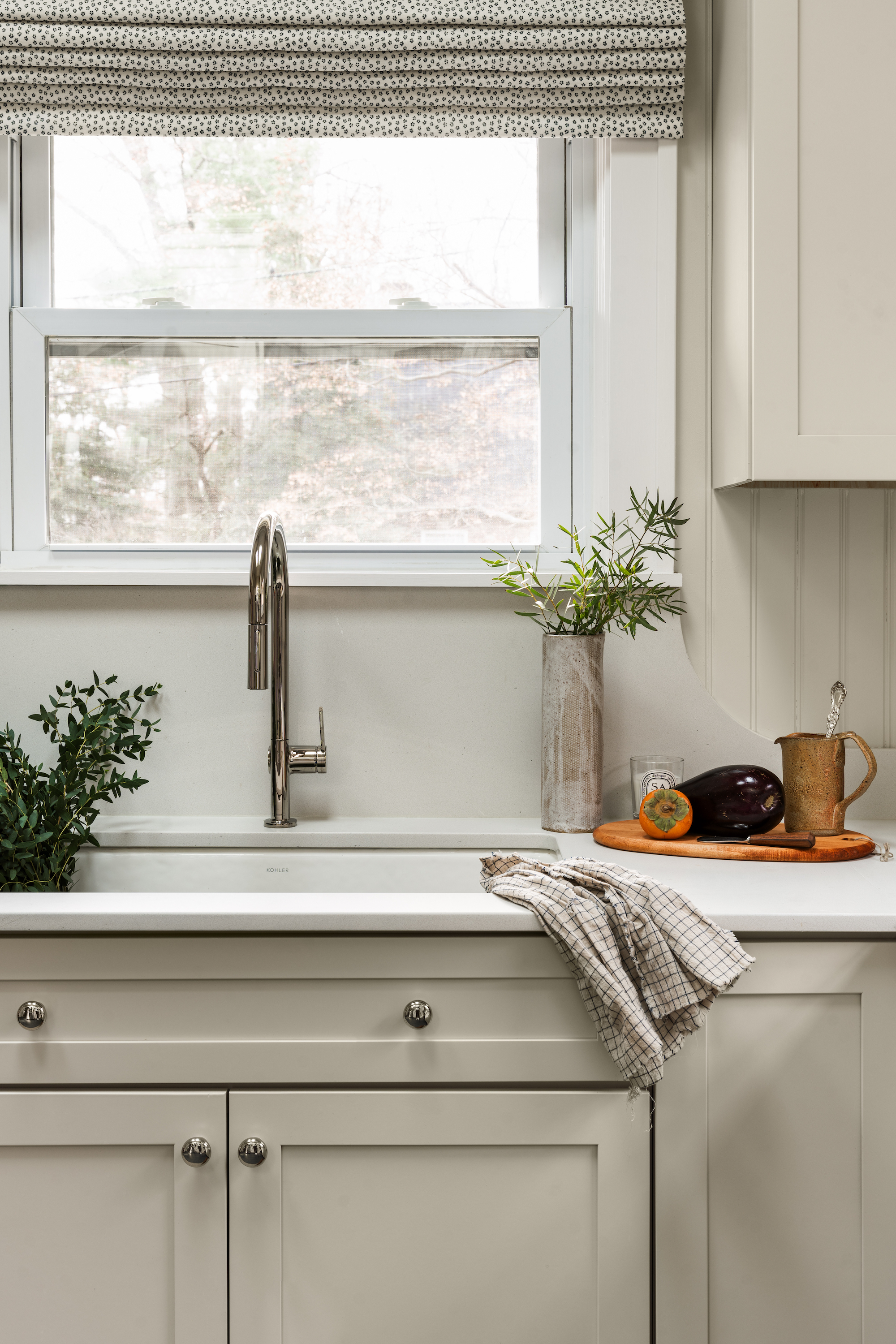
To understand why a 5-piece door is superior to a flat-slab or a routed MDF door, we have to look at its structural DNA. A Shaker door is not a single piece of wood carved to look like a frame; it is an assembly of five distinct components engineered to work together.
- Two Vertical Stiles: These form the left and right outer edges of the door.
- Two Horizontal Rails: These sit between the stiles at the top and bottom.
- One Recessed Center Panel: This sits inside the frame created by the stiles and rails.
This configuration is specifically engineered to manage wood movement. Wood is a living material; it expands across the grain when humidity rises and contracts when it falls. By breaking the door into five pieces, the "movement" is localized. Instead of the entire door warping or cupping, the frame remains stable while the center panel handles the environmental stress.
Pro Tip: When inspecting a Shaker door, look at the "reveal"—the depth of the recessed panel. A deeper, sharper reveal often indicates a thicker frame and a more robust construction than shallow, rounded profiles found in budget "Shaker-lite" designs.
Joinery: The Gold Standard of Cabinetry
The durability of a cabinet door is almost entirely dependent on how the stiles and rails are connected. In the world of high-end cabinetry, there is a clear hierarchy of joinery.
The most durable method is Mortise-and-Tenon joinery. In this setup, a projecting "tenon" on the end of the rail fits into a hole or "mortise" cut into the stile. This creates a massive surface area for glue to bond and provides a mechanical interlock that resists sagging.
Compare this to Cope-and-Stick joinery, which is more common in mass production. While still effective, it lacks the deep mechanical connection of a true mortise and tenon. Even lower on the scale are mitered corners (cut at 45-degree angles). I generally advise against mitered corners for painted Shaker doors because wood movement almost always causes a "witness line" to appear in the paint at the joint, which can be an eyesore in a clean kitchen design.
Comparison: Joinery Types
| Joinery Type | Durability Rating | Best Use Case | Risk Factor |
|---|---|---|---|
| Mortise & Tenon | High (Best) | Heavy daily-use kitchens | Higher labor cost |
| Cope & Stick | Moderate | Standard residential use | Less glue surface |
| Mitered Joint | Low | Decorative only | Gaps and "witness lines" in paint |
| Dowel/Biscuit | Low | Budget/Flat-pack | Prone to loosening over time |
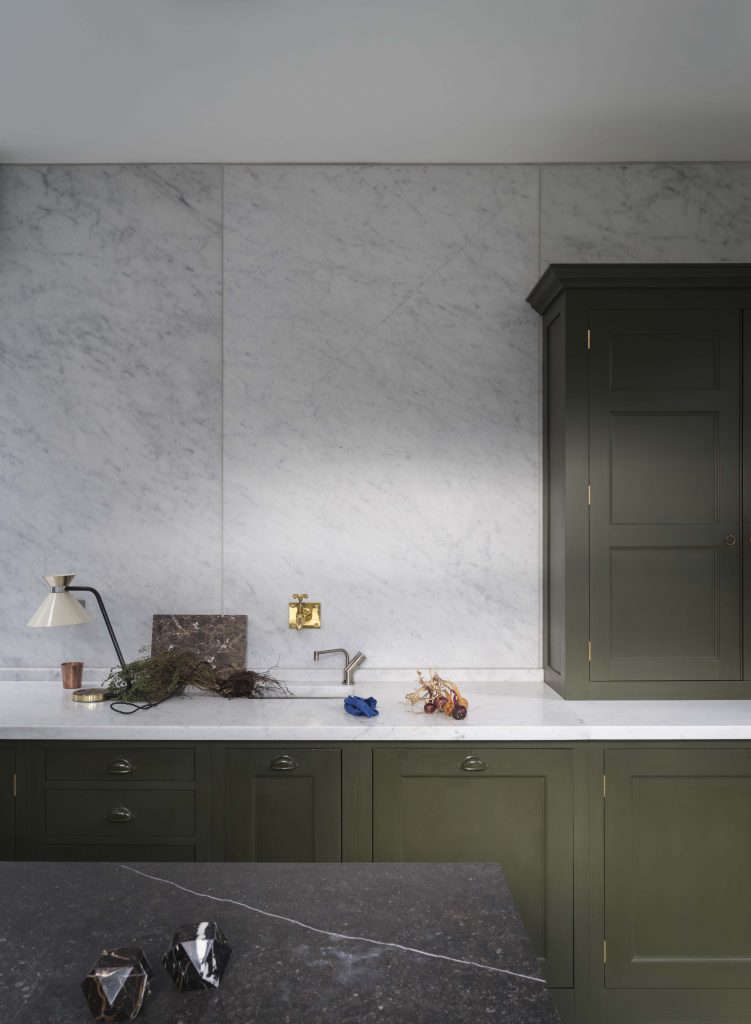
The 'Floating Panel' Principle: Engineering for Seasons
One of the most common mistakes I see in DIY or low-end cabinetry is gluing or pinning the center panel to the frame. In a professional 5-piece Shaker door, the center panel must "float."
The panel is tucked into grooves inside the stiles and rails, but it is not permanently fixed. This allows the wood to "breathe." During a humid summer, the panel expands into the grooves; during a dry winter, it shrinks. If the panel were glued, the force of the wood expanding would literally tear the frame joints apart or cause the panel itself to split down the middle.
Premium manufacturers often use small rubber "expansion pellets" or "space balls" inside the grooves. These hold the panel centered and prevent it from rattling, while still allowing it to move 1/16th of an inch as needed.
Hidden Durability: Beyond the Door Face
While the 5-piece door is the face of your kitchen, its longevity is tied to the box it’s attached to. Many budget brands use 1/4-inch hardboard or thin plywood for drawer bottoms, which will eventually bow or fail under the weight of heavy cast-iron cookware.
Premium Shaker cabinetry utilizes 3/8-inch plywood drawer bottoms captured in dado grooves. This provides significantly higher load-bearing capacity and ensures the drawer remains square over years of use. Furthermore, the "box" itself should ideally be 3/4-inch all-plywood construction.
The Box Construction Checklist:
- Sides: 1/2" to 3/4" veneered plywood (avoid particleboard).
- Back Panel: Full 1/2" plywood back for structural rigidity (no "hanging rails" with cardboard backs).
- Drawer Bottoms: 3/8" plywood set into grooves on all four sides.
- Shelf Thickness: 3/4" to prevent sagging under the weight of plates and canned goods.
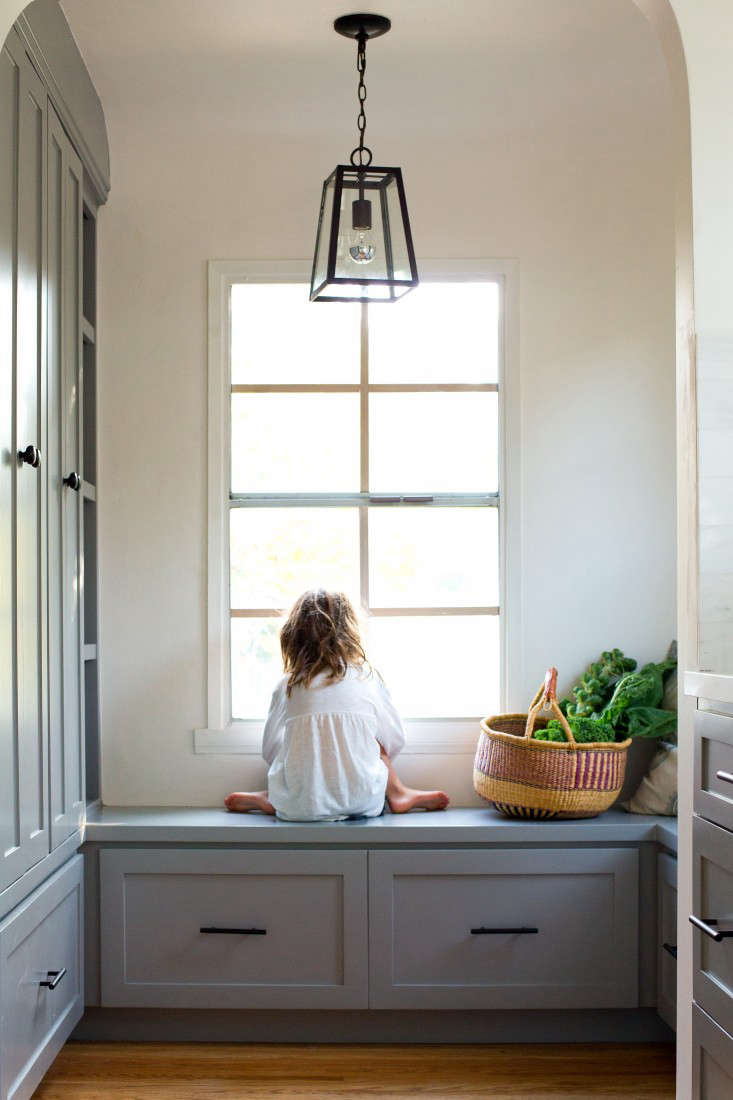
Mechanical Performance: Hardware and Finishes
Even the best wood construction will fail if the hardware or finish isn't up to par. In my evaluations, I look for a specific benchmark in hardware: The Blum Hinge.
Blum hinges are typically rated for 200,000 cycles. To put that in perspective, if you open your cabinet door 10 times a day, every single day, it will take over 50 years to reach that limit. Cheaper, unbranded hinges often fail after 20,000 cycles, leading to doors that sag or won't stay closed.
Equally important is the "Finish Chemistry." Standard lacquer is thin and prone to chipping. Professionals look for Catalyzed Conversion Varnish. This finish contains 30-60% solids and undergoes a chemical reaction during the curing process, creating a microscopic "shield" that is highly resistant to heat, moisture, household acids (like lemon juice), and even 100-proof alcohol.
Material Selection: The Janka Hardness Factor
The species of wood used in your 5-piece door determines how well it will handle the "dings" of daily life. For painted Shaker cabinets, Hard Maple is the gold standard.
With a Janka hardness rating of 1,450 lbf, Maple is incredibly dense. It resists denting from stray pots and pans and provides a smooth, tight grain that takes paint flawlessly. For those who prefer a wood-grain look, White Oak is an excellent choice due to its natural water resistance and durability.
On the other hand, Birch is often used as a budget-friendly alternative. While Birch is a decent hardwood, it is slightly softer and can sometimes exhibit "blotchy" grain patterns if not finished correctly.
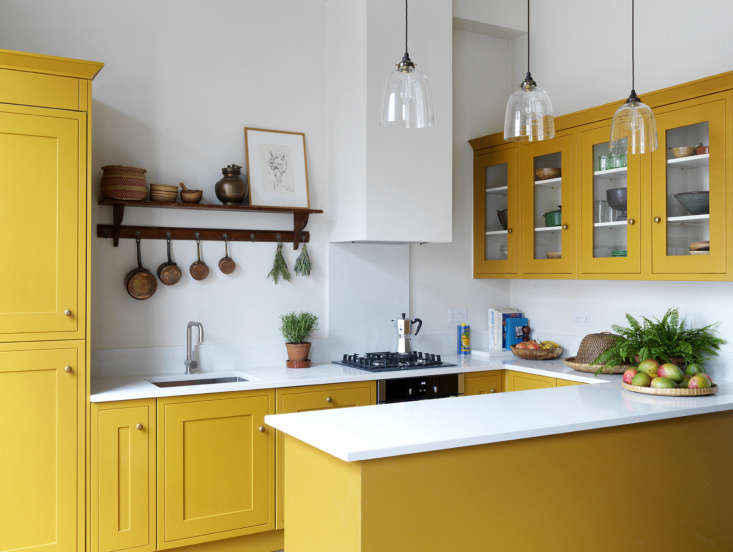
The 30-Year ROI of Premium Cabinetry
When you look at the cost-to-value breakdown, the math in favor of premium 5-piece construction is staggering. While high-end cabinets might cost 15-20% more upfront than "Big Box" budget options, their lifecycle cost is significantly lower.
Research into kitchen remodeling trends shows that premium cabinets typically only cost 14% more over a 30-year lifecycle because they don't require replacement or major repairs. When you factor in the resale impact—potential buyers can immediately tell the difference between solid wood Shaker doors and cheap MDF imitations—the investment pays for itself.
A kitchen is the heart of the home, but it’s also a high-traffic workspace. By choosing 5-piece doors with mortise-and-tenon joinery and a floating panel, you aren't just buying a "look"—you are buying an engineered solution for a lifetime of use.
FAQ
Q: Can I get the Shaker look with a 1-piece MDF door? A: Yes, but be careful. 1-piece "routed" MDF doors are made from a single slab. While they don't have joints that can crack, they lack the structural depth of a 5-piece door and cannot be repaired if the surface is deeply gouged. They are generally considered a budget alternative.
Q: Why do my Shaker doors have a small gap in the paint at the joints? A: This is called a "witness line." It occurs because the wood is naturally expanding and contracting. In 5-piece construction, this is normal. However, choosing high-quality mortise-and-tenon joinery and a catalyzed conversion varnish finish will minimize the visibility of these lines.
Q: Are Shaker cabinets hard to clean? A: The recessed panel does have a "lip" where dust can collect. However, because the design is composed of straight lines rather than intricate carvings (like traditional raised-panel doors), a quick wipe with a microfiber cloth is usually all it takes to keep them pristine.