Our Top Picks
2024 has been a landmark year for architecture, defined by a shift away from "starchitecture" toward meaningful restoration and ecological harmony. If you only have a minute, here are the three projects that defined the year:
- Most Ambitious Restoration: Notre-Dame Cathedral, Paris, where 2,000 craftspeople utilized 13th-century techniques alongside 3D modeling to restore a global icon.
- Best Sustainable Innovation: Garden Lane Residence, Melbourne, showcasing how repurposed clay bricks and "breathable" finishes can create high-end, low-carbon homes.
- Top Adaptive Reuse: Eros Cinema, Mumbai, a masterclass in reviving Art Deco splendor for a modern, functional urban context.
The architectural landscape of 2024 tells a story of reconciliation. For decades, the industry was obsessed with the "new"—the tallest glass tower, the most gravity-defying cantilever. This year, however, we have witnessed a profound pivot toward what I call "The Architecture of Care." It is a year where approximately 40% of the top architectural projects prioritized the adaptive reuse of historic structures over new-build construction, signaling a collective realization that the most sustainable building is the one that already exists.
From the rugged coastlines of Mexico to the quiet machiyas of Kyoto, the prevailing aesthetic is no longer cold minimalism, but "Relaxed Luxury" and Wabi-Sabi. This philosophy embraces imperfection and local heritage, ensuring that the built environment feels like an extension of the land rather than an imposition upon it.
As we look at the top 10 projects of the year, we see a bridge between the 17th-century Parisian Pied-à-Terre and the high-tech salvaged glass of California. These projects don’t just house people; they preserve culture and respond to the urgent climate needs of our era.
1. Notre-Dame Cathedral, Paris: The Ultimate Restoration
Lead Architects: Philippe Villeneuve & Remi Fromont | Location: Paris, France
The reopening of Notre-Dame is more than a construction milestone; it is a triumph of human spirit and traditional craftsmanship. Following the devastating fire of 2019, the restoration reached its zenith in 2024. The project involved a staggering 2,000 craftspeople, ranging from master stonemasons to specialists in 13th-century carpentry.
What makes this restoration innovative is the marriage of the old and the new. While the team used local limestone and original spire designs to maintain historical accuracy, they employed high-tech 3D modeling to ensure the structural integrity exceeded modern safety standards. It serves as a blueprint for how we treat heritage sites—not as static museums, but as living entities that require the best of contemporary science to survive.
2. The Riviera Maya EDITION at Kanai: Redefining Relaxed Luxury
Lead Architects: Rockwell Group & Ian Schrager Company | Location: Quintana Roo, Mexico
The Riviera Maya EDITION at Kanai exemplifies the 2024 trend of "Relaxed Luxury." Nestled within a 620-acre nature reserve, the architecture is designed to disappear into the mangroves. The design philosophy centers on a deep connection between the built environment and the lush tropical ecosystem of the Yucatan Peninsula.
"The goal was to create a sanctuary that feels as if it were carved out of the jungle, rather than built on top of it," notes the design team.
The use of large-scale glass panels and natural stone allows for a seamless transition between the interiors and the Caribbean coastline.
3. Eros Cinema, Mumbai: Art Deco Revival
Lead Architects: Hafeez Contractor & Kirtida Unwalla | Location: Mumbai, India
The restoration of the Eros Cinema in Mumbai is a pivotal moment for urban preservation in India. Located within a Victorian Gothic and Art Deco ensemble, the iconic Cambata building underwent a meticulous restoration that successfully bridged historic preservation with modern utility.
The architects focused on restoring the distinctive red sandstone and cream facade while modernizing the interior to accommodate luxury retail and cinematic experiences. This project highlights a key 2024 insight: urban growth doesn't have to mean demolition. By reviving the "Eros," the city has reclaimed a piece of its social fabric.
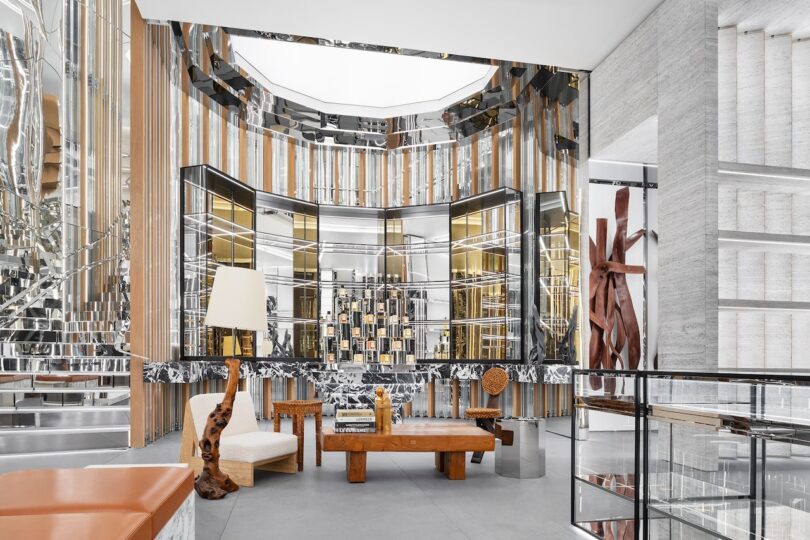
4. Michigan Central Station, Detroit: From Ruin to Innovation Hub
Lead Architects: Quinn Evans Architects | Location: Detroit, USA
Once a symbol of Detroit’s urban decay, the Michigan Central Station has been transformed into a 1.2 million square-foot innovation hub. This massive adaptive reuse project involved sourcing over 600 tons of Indiana limestone from the same quarry used for the original construction in 1913.
The restoration of the vaulted ceiling’s Guastavino tiles is particularly noteworthy. It demonstrates how "re-teching" old structures can attract modern tech giants (like Ford) back into the city center, proving that heritage building preservation is a powerful tool for economic revitalization.
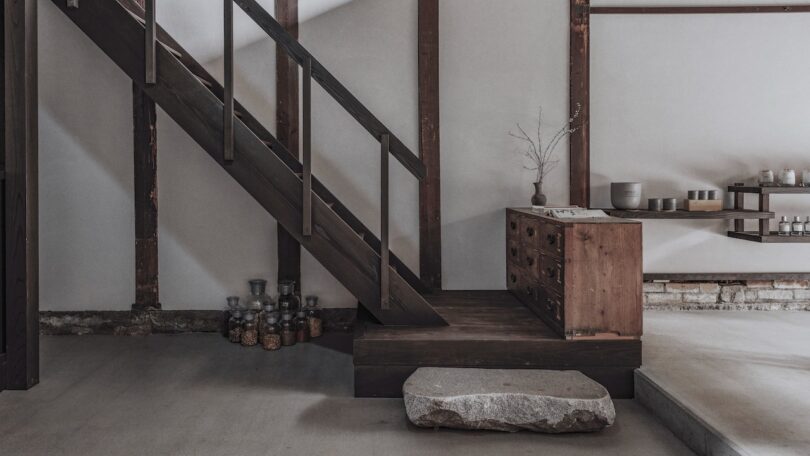
5. Le Labo Machiya, Kyoto: Wabi-Sabi in Preservation
Lead Architects: Schemata Architects | Location: Kyoto, Japan
In Kyoto, the 145-year-old Le Labo machiya serves as a masterclass in Wabi-Sabi—the Japanese aesthetic of finding beauty in imperfection. This traditional townhouse was restored with a focus on original wooden framing and "breathable" finishes that allow the structure to age naturally.
The project successfully bridges heritage with modern retail utility without stripping away the "soul" of the building. It is an intimate example of how 2024's architectural trends favor the tactile and the historic over the sterile and the new.
6. Frisco Public Library, Texas: Community-Centric Innovation
Lead Architects: Gensler | Location: Frisco, USA
A winner of the 2024 American Architecture Awards, the Frisco Public Library is a brilliant example of sustainable urban growth. The project saw the adaptive reuse of a former rocket factory—a vast, cavernous space—into a vibrant modern learning hub.
The design team utilized "social infrastructure" as a core concept, creating a space that prioritizes community engagement. By repurposing an existing industrial shell, the project saved significant carbon emissions compared to a new-build, proving that even suburban landscapes can benefit from sophisticated reuse.
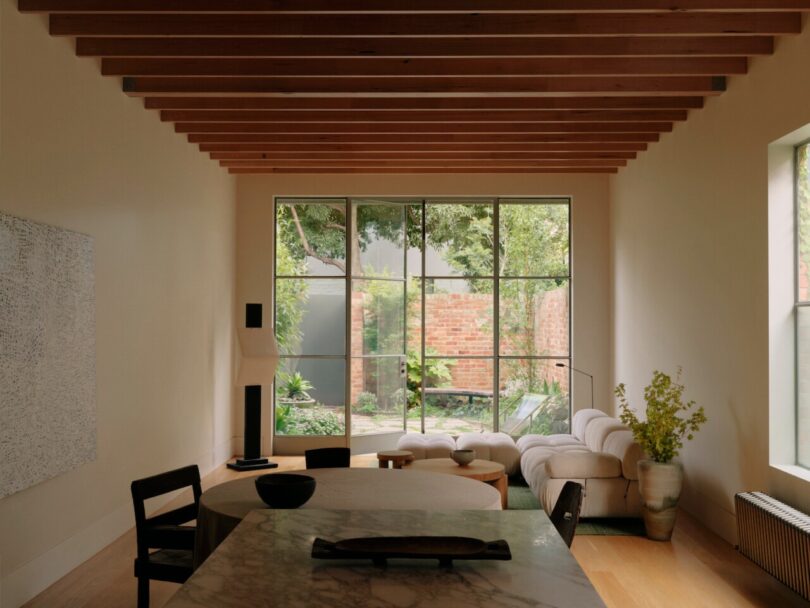
7. Garden Lane Residence, Melbourne: Sustainable Minimalism
Lead Architects: Oliver Du Puy | Location: Melbourne, Australia
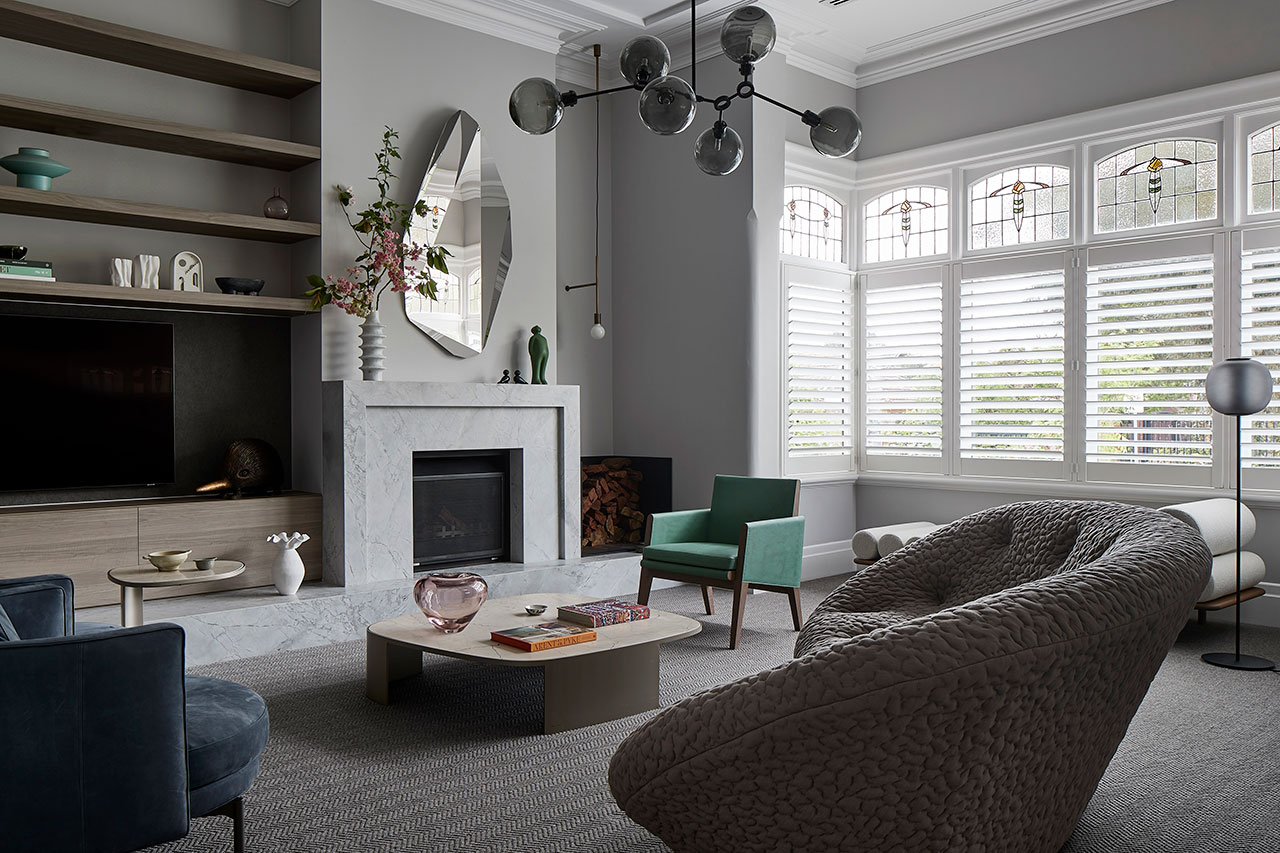
In the residential sector, over 30% of award-winning designs in 2024 integrated sustainable materials such as repurposed clay bricks. The Garden Lane Residence in Melbourne is the poster child for this movement. This home focuses on air quality, utilizing non-toxic, breathable finishes and a layout that maximizes cross-ventilation.
The architecture is characterized by its "quietness." It doesn't scream for attention; instead, it offers a direct visual connection to private green spaces, providing a sanctuary in the heart of the city.
8. Istanbul Modern, Turkey: A Cultural Masterpiece
Lead Architects: Renzo Piano Building Workshop | Location: Istanbul, Turkey
Designed by Pritzker Prize-winner Renzo Piano, the new Istanbul Modern is a stunning blend of contemporary aesthetics and the cultural history of the Bosphorus. The building's transparent ground floor and metallic facade reflect the shimmering light of the water, creating a dialogue between the museum and its maritime environment. It represents a 2024 trend toward "Luminous Architecture"—buildings that feel light, airy, and deeply connected to their geographic context.
9. Wayfarers Chapel Disassembly, California: High-Tech Salvage
Lead Architects: Architectural Resources Group | Location: Rancho Palos Verdes, USA
Innovation isn't always about building; sometimes, it's about saving. Due to catastrophic landslides, Lloyd Wright’s iconic "Glass Church" had to be disassembled in 2024. The innovation here lies in the high-tech salvage process. The team used 3D laser scanning to catalog every single piece of glass and timber, ensuring that this mid-century masterpiece can be reconstructed safely in a new location. It is a poignant reminder of how architecture must adapt to a changing climate.
10. Jacob K. Javits Convention Center Expansion, NYC: Urban Resilience
Lead Architects: TVSDesign | Location: New York City, USA
The expansion of the Javits Center is a testament to civic excellence. Focused on LEED sustainability, the project features a massive rooftop farm and orchard, which helps regulate the building's temperature and provides food for its kitchens. It represents the "Green Civic" trend of 2024, where massive public buildings are reimagined as contributors to the city's biodiversity.
Comparison of 2024 Architecture Trends
| Trend | Key Project | Core Material/Focus |
|---|---|---|
| Adaptive Reuse | Michigan Central Station | Indiana Limestone & Guastavino Tiles |
| Relaxed Luxury | Riviera Maya EDITION | Natural Stone & Native Flora |
| Wabi-Sabi Retail | Le Labo Kyoto | Exposed Wood & Original Framing |
| Sustainable Civic | Javits Center NYC | Rooftop Farming & Solar Infrastructure |
The Future of the Built Environment
As we close the chapter on 2024, the takeaway for the built environment is clear: the future is curated, soulful, and sustainable. We are moving away from the "disposable" architecture of the late 20th century. Today, luxury is defined by the quality of light, the breathability of a wall, and the history embedded in a repurposed brick.
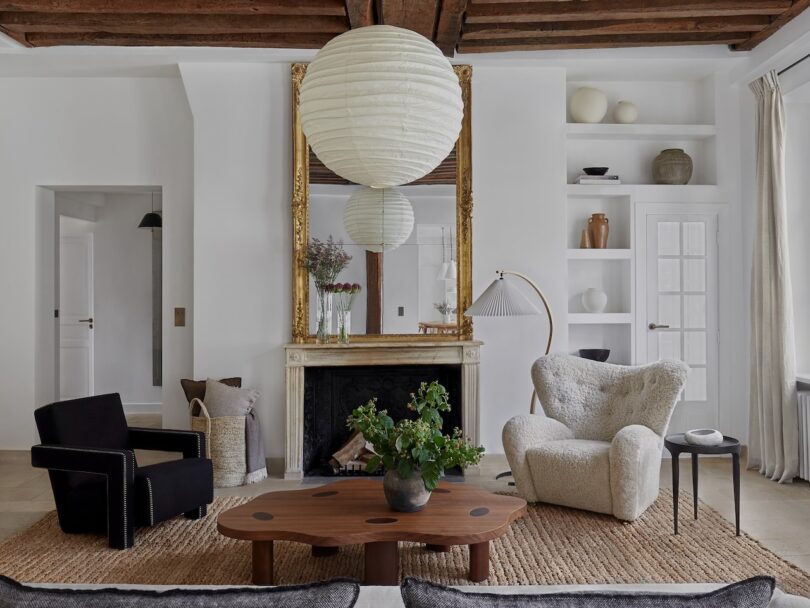
The focus on social impact and high-tech salvage shows that architects are finally looking at the long-term lifecycle of buildings. Whether it is a 17th-century Parisian apartment or a futuristic library in Texas, the goal remains the same: creating spaces that resonate with human experience while respecting the planet's boundaries.
FAQ
Q: Why is adaptive reuse so popular in 2024? A: Approximately 40% of top projects this year prioritized reuse because it significantly reduces the carbon footprint of construction. It also preserves the unique cultural identity of cities that new buildings often struggle to replicate.
Q: What does "Wabi-Sabi" mean in an architectural context? A: In architecture, Wabi-Sabi refers to a design philosophy that celebrates natural aging and imperfection. In 2024, this translated to using raw materials like weathered wood and hand-fired bricks, as seen in the Le Labo Kyoto project.
Q: How are modern restorations using technology? A: Projects like Notre-Dame and the Wayfarers Chapel use 3D laser scanning and digital modeling to map historic structures with millimeter precision, allowing for safer and more accurate restoration or relocation.