Our Top Picks: The Barred Collection Verdict
The Barred Collection by Hanneke Lourens is a masterclass in Brutalist refinement, successfully transforming the defensive language of South African security bars into high-concept furniture. We recommend the Barred Chair for its sculptural silhouette that doubles as a shadow-play installation, and the Barred Coffee Table for those seeking a grounded, heirloom piece crafted from century-old salvaged redwood. This collection is the ultimate choice for collectors looking to merge industrial strength with sustainable, soulful craftsmanship.
Introduction: From Security to Sculpture
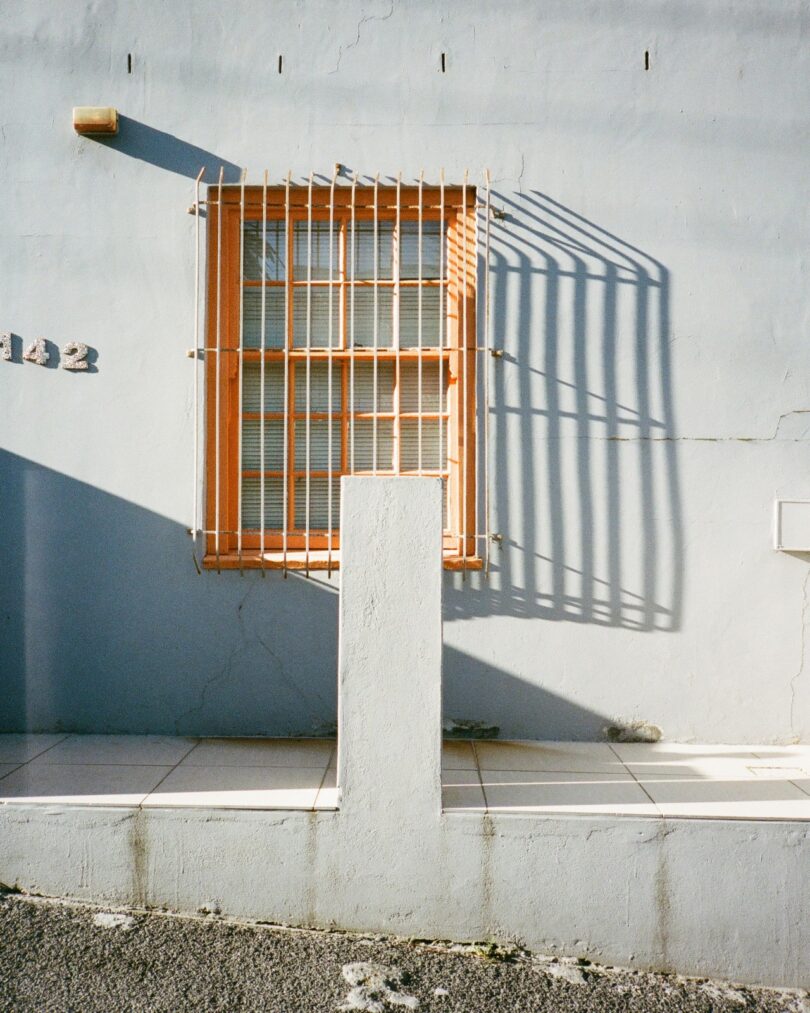
Design often finds its most profound expressions in the places we least expect—sometimes, even in the things we try to ignore. For South African-born, California-based designer Hanneke Lourens, inspiration arrived in the form of the stainless steel security bars that are a ubiquitous, often stark reality of South African architecture. These bars, designed to protect and divide, represent a complex cultural narrative of defense and vulnerability.
In her latest work, the Barred Collection, Lourens reimagines these utilitarian safety features as "architectural jewelry." By stripping away the purely defensive context and focusing on the rhythm of the grid, she explores the delicate dialogue between strength and transparency. The collection asks a poignant question: Can a symbol of confinement be transformed into an object of liberation and beauty? The answer lies in pieces that feel both imposing and airy, a testament to Lourens’ philosophy of elevated Brutalism.
The Materials: A Study in Brutalist Contrast
At the heart of the Barred Collection is a sophisticated tension between the industrial and the organic. Lourens avoids the coldness often associated with all-metal furniture by pairing structural stainless steel with the warmth of high-quality hardwoods, specifically Ash and salvaged Redwood.
This isn't merely an aesthetic choice; it’s a study in sensory balance. While the steel grids provide the structural "skeleton," the wood offers a tactile, "fleshy" groundedness. By integrating natural wood grains with industrial steel, the collection applies biophilic design principles—a strategy proven to improve occupant well-being and productivity by up to 15% by reconnecting residents with natural textures within the built environment.
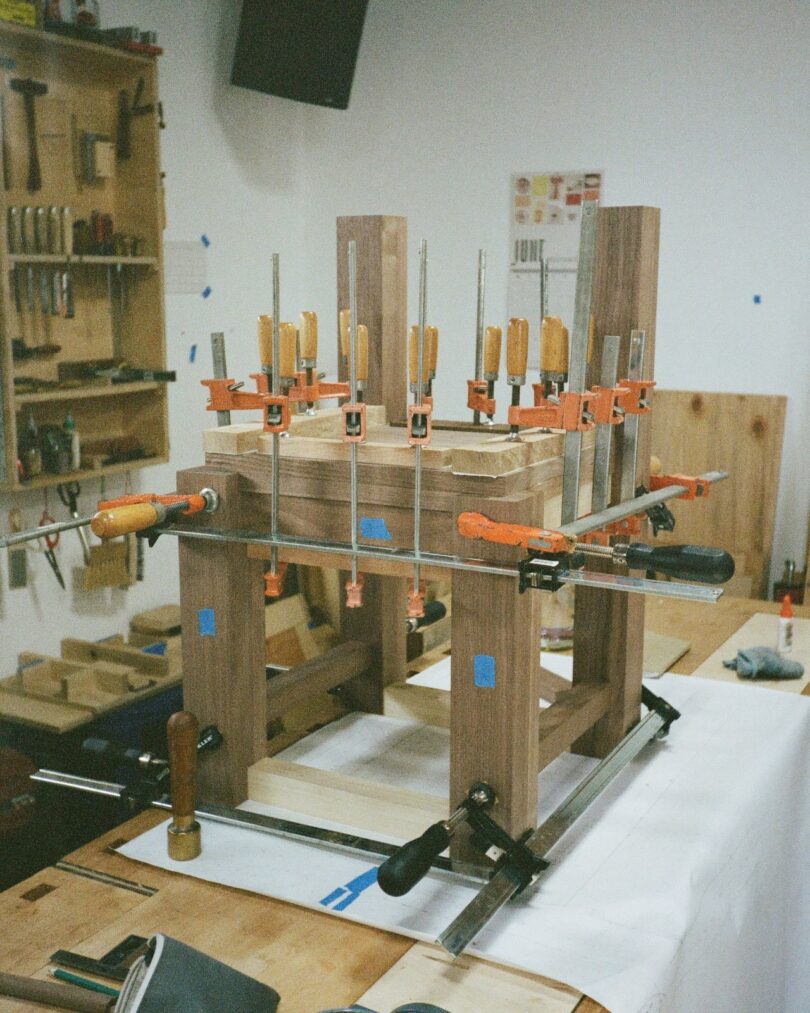
Every piece is meticulously handcrafted in California, bridging the gap between old-world artistry and modern industrialism. Lourens utilizes traditional woodworking joinery—where wood meets wood with precision—and adapts these techniques to accommodate the surgical precision of modern metalwork.
Material Specifications at a Glance
| Material | Sourcing | Design Function |
|---|---|---|
| Stainless Steel | Industrial-grade grids | Structural integrity, shadow play, and modern silhouette |
| Ash Wood | Sustainably harvested | Light, airy aesthetic with prominent grain for side tables |
| Salvaged Redwood | Historical structures | Deep, rich tones and heavy density for coffee tables |
| Hardware | Custom steel tabs | Seamless integration between metal and timber |
Deep Dive into the 2026 Collection Pieces
The collection consists of several anchor pieces, each utilizing the "bar" motif in distinct, functional ways.
The Barred Chair
The Barred Chair is arguably the most literal translation of Lourens' inspiration. It features a cubed steel grid that acts as an angled backrest. Far from being "uncomfortable," the geometry is calculated for support, while the visual transparency of the grid prevents the chair from overwhelming a room. It functions as much as a piece of sculpture as it does a seat, casting intricate, linear shadows across the floor as the sun moves through a space.

The Barred Side Table
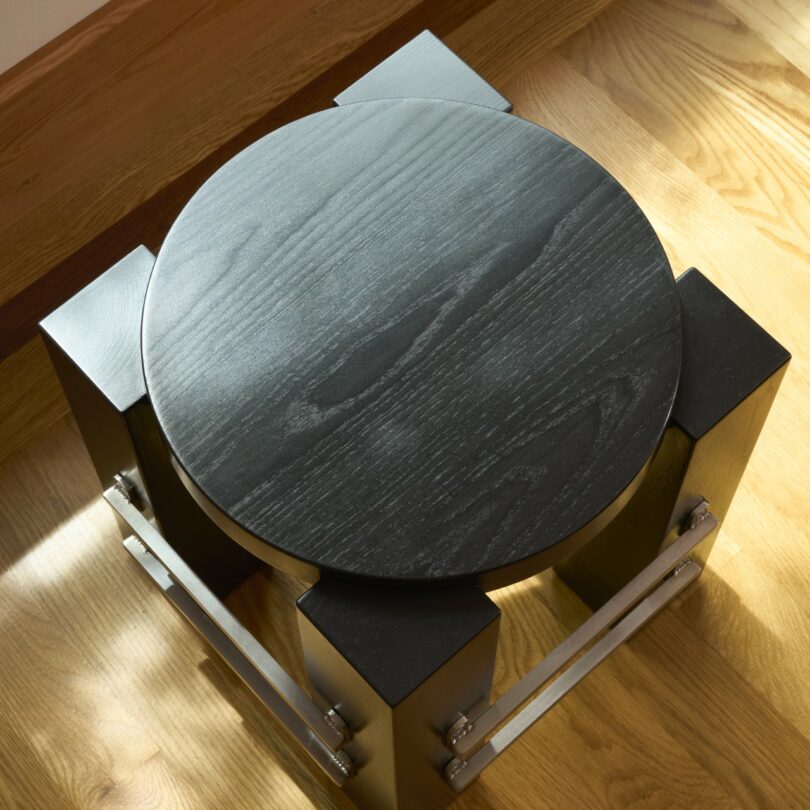
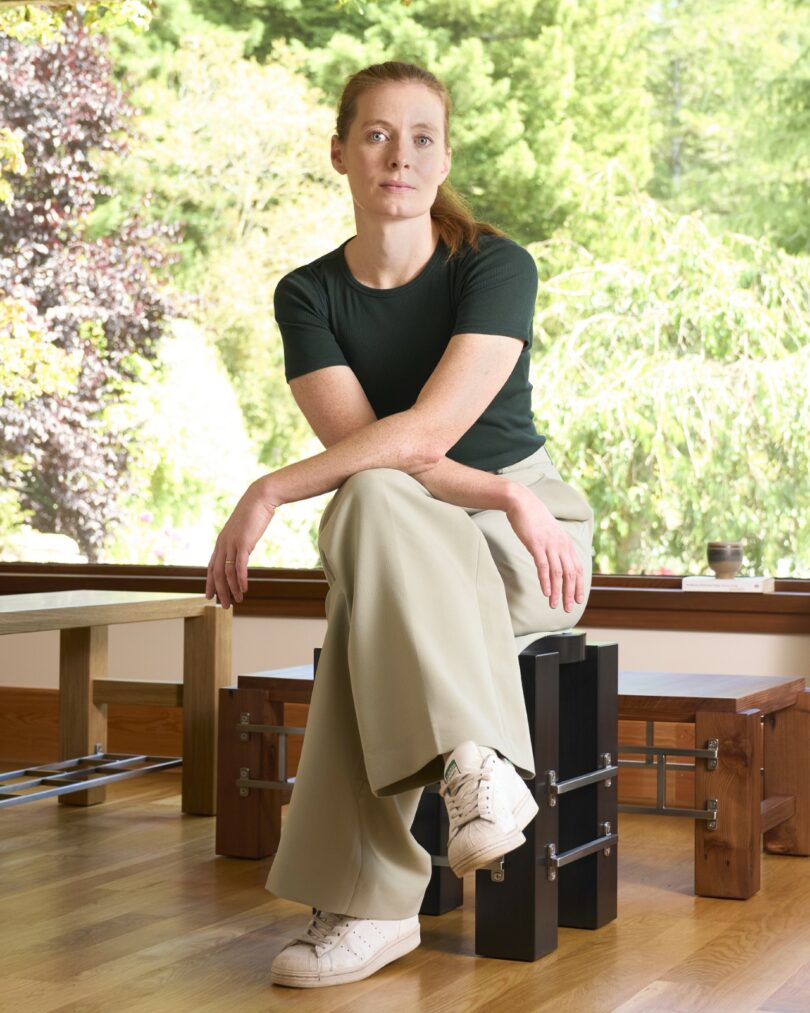
In the side table, the industrial elements are more subtle but no less impactful. Oversized ash legs provide a soft, rounded contrast to the linear steel bar connections that bridge the timber elements. It’s a study in proportions, where the "heavy" legs are visually lightened by the thin, precise metalwork.
The Barred Coffee Table
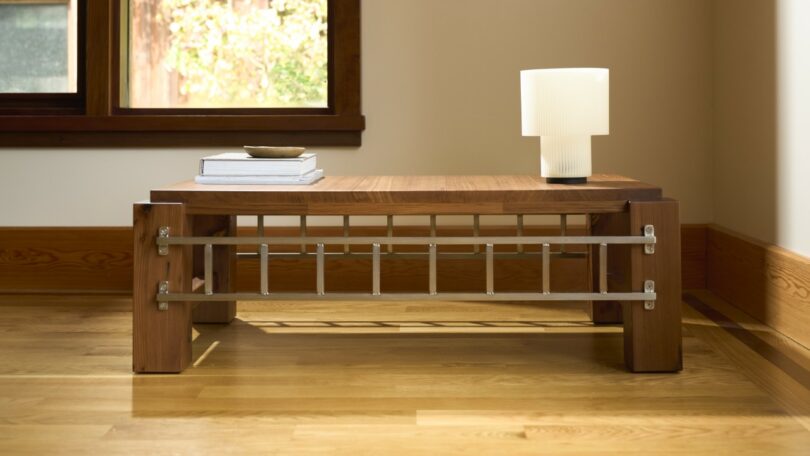
For those who prefer a more grounded presence, the Barred Coffee Table is a standout. It utilizes salvaged redwood—often reclaimed from historical Californian structures—to provide a sense of history and permanence. The deep reds and purples of the wood are punctuated by the silver flash of the steel grids, creating a piece that feels ancient and futuristic all at once.
The Barred Bench
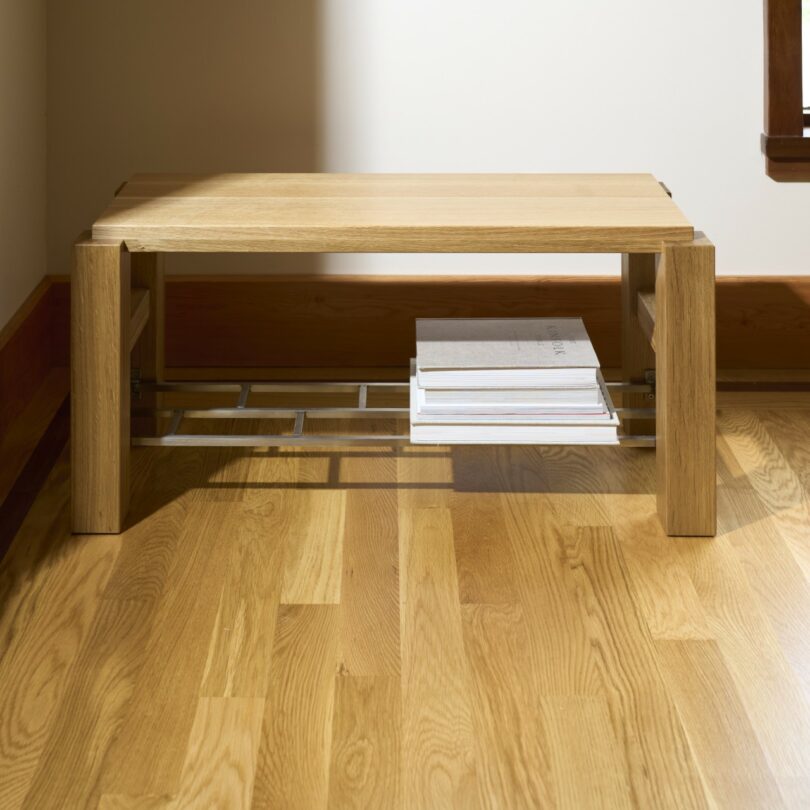
Function meets form in the Barred Bench. Here, the structural steel grid serves a dual purpose: it provides the necessary tension for the seat while acting as a durable, ventilated shelf for books, shoes, or decorative objects. It is the most "utilitarian" of the pieces, yet it retains the collection's signature elegance.
Aligning with 2026 Design Trends: Sustainable Hybrid Materials
As we look toward the 2026 design landscape, the Barred Collection perfectly embodies the "Sustainable Hybrid Materials Fusion" trend. This movement moves away from "fast furniture" and monocultural materials (like all-plastic or all-veneer pieces) in favor of contrasting, low-carbon combinations.
The industry is seeing a massive shift toward materials designed for a 100-year service life. By combining industrial stainless steel—one of the most recyclable materials on earth—with salvaged timber, Lourens is creating pieces that are meant to be passed down through generations. This "High-Concept Sustainability" focuses on the longevity of the object itself; the most sustainable piece of furniture is the one you never have to replace.
Trend Spotlight: The Rise of Thinking Steel In 2026, we expect to see more "parametric" influences in home decor—where furniture responds to the light and space around it. The Barred Collection’s use of grids creates a "living" aesthetic that changes throughout the day based on light infiltration, aligning perfectly with the demand for dynamic, interactive interiors.
The Longevity Factor: Steel for the Next Century
When investing in industrial-inspired furniture, understanding the technical specifications is key to ensuring you’re buying an heirloom rather than a temporary fix.
The Barred Collection utilizes high-grade stainless steel that resists corrosion and maintains its structural integrity without the need for toxic coatings. While many "industrial" brands use cheaper alloys, Lourens' choice of materials mirrors the standards of the construction industry—similar to ASTM A106 standards used in high-pressure environments.
Why this matters for your home:
- Durability: Unlike powder-coated mild steel, stainless steel won't chip or rust over time.
- Maintenance: A simple wipe-down with a microfiber cloth keeps the grid looking pristine.
- Structural Integrity: The use of thick-gauge bars ensures that even the most "delicate-looking" pieces, like the Barred Chair, can support significant weight without bowing.
The use of salvaged redwood further enhances this longevity. Redwood is naturally resistant to decay and insects, and by sourcing it from historical structures, Lourens is utilizing wood that has already "settled" for decades, meaning it is less likely to warp or crack than new-growth timber.
Conclusion: Redefining the Industrial Aesthetic
The Barred Collection is more than just a set of furniture; it is a narrative of transformation. Hanneke Lourens has taken a symbol that many associate with fear or restriction and turned it into a celebration of light, shadow, and structural honesty.
In a world increasingly filled with mass-produced, ephemeral objects, these pieces stand out for their weight—both physical and emotional. They are a reminder that the most compelling design often comes from embracing the "uncomfortable" aspects of our environment and refining them into something extraordinary. Whether you are drawn to the Brutalist edges of the steel or the storied history of the salvaged redwood, the Barred Collection offers a timeless win for high-concept modern interiors.
FAQ
How do I clean the steel grids without leaving streaks? For the Barred Collection's stainless steel, use a dedicated stainless steel cleaner or a mixture of warm water and a drop of mild dish soap. Always dry with a clean microfiber cloth, following the "grain" of the steel if applicable, to ensure a streak-free, gallery-quality finish.
Is the Barred Chair comfortable for long-term sitting? While the chair looks purely sculptural, the angle of the cubed steel grid is ergonomically designed to support the lower back. For extended use, many collectors choose to add a custom-made slim leather or felt pad, though the "naked" look is preferred for its shadow-play effects.
Where is the salvaged redwood sourced from? Hanneke Lourens sources the redwood from historical structures within California, such as old barns or water towers. This not only gives the wood a unique patina but also ensures the furniture contributes to a circular economy by repurposing high-value timber.